A topic eczema affects millions of infants worldwide. It causes discomfort and distress for both the child and the parents. It’s a common condition that can have a significant impact on the quality of life baby eczema.
As a parent, it’s natural to feel concerned when your infant develops symptoms of eczema. We understand the importance of finding effective treatments to soothe and manage the condition.
In this article, we will explore expert advice on managing infant eczema. We will provide you with the information you need to help your child.
Key Takeaways
- Understanding the causes and symptoms of infant eczema.
- Effective treatments and management strategies for eczema in babies.
- Tips for soothing and caring for your infant’s skin.
- The importance of consulting a healthcare professional for personalized advice.
Understanding Baby Eczema
Eczema in babies is a common skin issue. It makes their skin dry, itchy, and inflamed. Knowing about it helps parents care for their baby better. We’ll cover the basics of baby eczema, its signs, and how it impacts infants.
What is Baby Eczema?
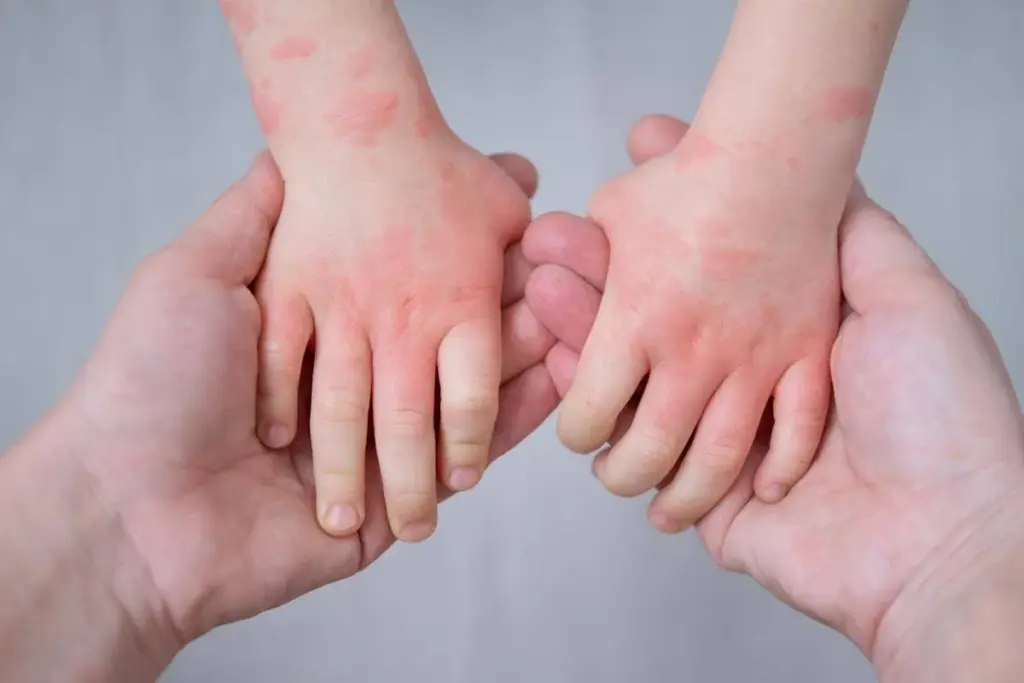
Baby eczema, or atopic dermatitis, is a chronic skin disease. It causes pruritic symptoms, leading to a lot of itching. Doctors say managing it is key to avoid flare-ups and lessen discomfort.
The exact reason for baby eczema is not known. But it’s thought to be due to genetics and the environment. We’ll explore these factors more later.
Common Symptoms to Look For
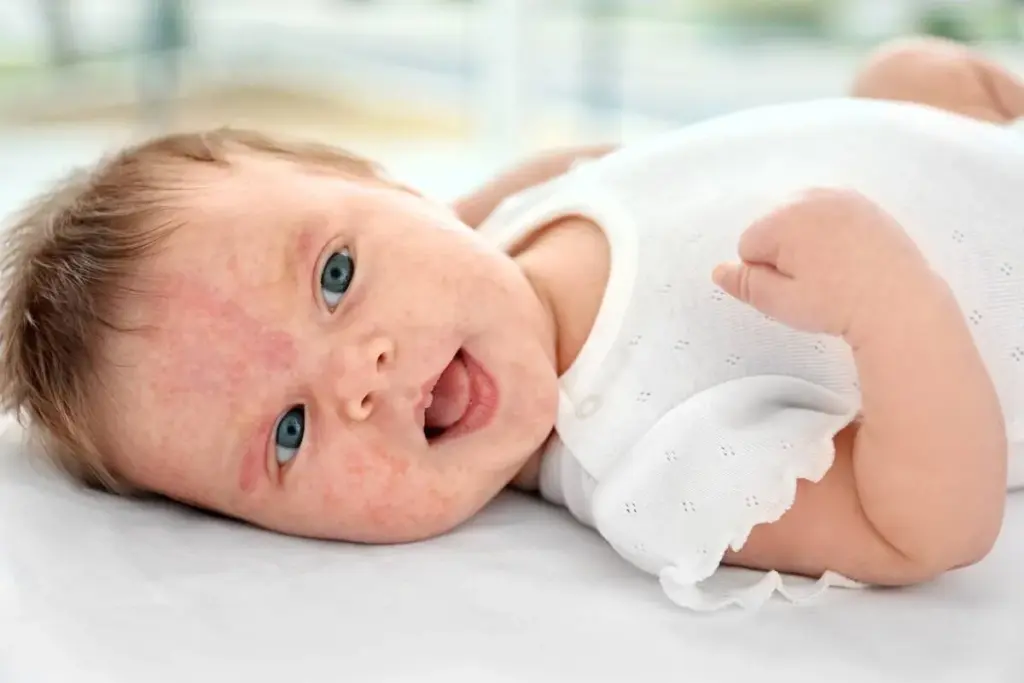
Spotting baby eczema symptoms is the first step in managing it. Look out for:
- Dry, scaly skin
- Itchy skin that can be uncomfortable for the baby
- Redness and inflammation
- Small, raised bumps or blisters
- Crusting or oozing in severe cases
These signs can pop up anywhere but often show up on the face, behind the ears, and on elbows and knees. Spotting them early helps in getting the right treatment and easing the baby’s pain.
Causes of Eczema in Infants
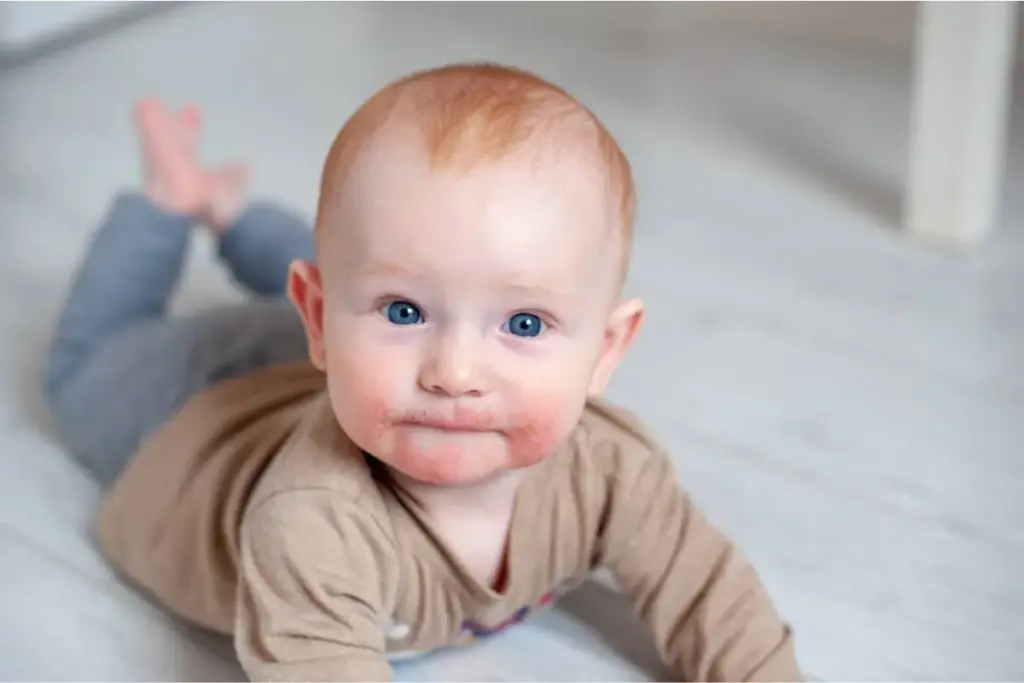
Eczema in infants comes from a mix of genes and the environment. Knowing what causes it helps parents manage their baby’s eczema better.
Genetic Factors
Genetics are a big part of why infants get eczema. Atopic eczema is linked to high levels of a certain antibody and inflammation. This shows a strong genetic link to the condition.
Infants from families with allergies or eczema are more likely to get it. This genetic connection is key to understanding the risks of baby eczema.
Environmental Triggers
Even though genes play a part, the environment can also trigger eczema. Common triggers include allergens, irritants, and stress. Finding and managing these triggers is important for baby eczema treatment.
Things like soaps, detergents, or extreme temperatures can also cause or make eczema worse. Creating an eczema-friendly environment is vital for managing the condition.
By knowing both genetic and environmental causes of eczema in infants, parents can take steps to manage their baby’s condition. This improves their baby’s quality of life.
Diagnosing Eczema in Babies
Understanding how to diagnose baby eczema is key for parents. It helps them get medical help quickly. Diagnosing eczema in infants means looking closely at symptoms.
When to Consult a Pediatrician
If your baby has skin irritation like redness, itching, or rashes, act fast. It’s important to see a pediatrician if these signs don’t go away or get worse.
Key indicators to consult a pediatrician include:
- Increased redness or itching
- Rashes or lesions that are oozing or crusting
- Sleep disturbances due to itching
Diagnostic Tests and Procedures
Diagnosing baby eczema usually starts with a physical check-up and looking at the baby’s health history. Sometimes, more tests are needed to make sure it’s not something else.
Diagnostic procedures may include:
- Physical examination to assess the severity of the eczema
- Medical history review to identify possible triggers
- Allergy testing in some cases to find specific allergens
Treatment Options for Baby Eczema
Treating baby eczema needs a gentle and full approach. It aims to lessen symptoms, stop flare-ups, and better the lives of the baby and their family.
Topical Treatments
Topical treatments are key in managing baby eczema. These include creams, ointments, and lotions applied directly to the skin. Moisturizers are vital in keeping the skin moist and easing eczema symptoms. It’s important to choose fragrance-free and hypoallergenic moisturizers to avoid irritation.
Topical corticosteroids might be used to lessen inflammation. The strength of the steroid depends on the eczema’s severity and the baby’s age. Always follow your pediatrician’s advice on using these to avoid side effects.
Oral Medications
For severe eczema or when topical treatments don’t work, oral meds might be needed. Antihistamines can ease itching and discomfort. In some cases, oral corticosteroids are used for short periods to control severe flare-ups.
It’s important to work closely with a pediatrician to find the right treatment. Oral meds can have side effects and interact with other drugs.
Natural Remedies
Many parents look into natural remedies alongside traditional treatments. Natural moisturizers like coconut oil and shea butter can help keep the skin moist. Some research suggests probiotics might help manage eczema by improving gut health, but more studies are needed.
When trying natural remedies, always talk to a healthcare professional. They can ensure the remedies are safe and effective for your baby.
Skincare Routine for Babies with Eczema
Babies with eczema need a special skincare routine. This routine should soothe and protect their sensitive skin. It helps manage their eczema and keeps their skin healthy.
Gentle Cleansing Practices
Gentle cleansing is key for baby eczema skincare. Use warm water and a mild, fragrance-free cleanser for bathing. Stay away from harsh soaps that can dry out the skin.
- Limit bath time to 10-15 minutes to prevent dryness.
- Use gentle, lukewarm water instead of hot water.
- Pat dry your baby’s skin instead of rubbing vigorously.
Moisturizing Tips
Moisturizing is vital for moisturizing for baby eczema. Apply moisturizer right after bathing when the skin is damp. This keeps moisture in and helps the skin’s barrier.
Effective baby eczema remedies include thick, fragrance-free moisturizers. Look for products that are “hypoallergenic” or “fragrance-free” to avoid irritation.
- Apply moisturizer at least twice a day, or as needed.
- Choose a moisturizer that is suitable for your baby’s skin type.
- Be consistent with your moisturizing routine to see the best results.
By following these gentle cleansing and moisturizing tips, you can soothe and protect your baby’s skin. This will improve their comfort and reduce eczema symptoms.
Lifestyle Changes to Consider
There are ways to manage eczema in babies beyond just medicine. Making smart choices about what they eat and wear can help. This can make their skin feel better and cut down on flare-ups.
Diet and Eczema Management
What a baby eats can really affect their eczema. Breastfeeding is often suggested because it can lower allergy risks. For formula-fed babies, special formulas might be better. It’s also key for breastfeeding moms to watch what they eat, as some foods can cause allergies in their babies.
When babies start eating solid foods, introducing new foods slowly is smart. This helps find out if any foods cause problems. Keeping a food diary can help track any changes in the baby’s skin after trying new foods.
Clothing Choices for Sensitive Skin
The clothes a baby wears can really affect their skin, too. Soft, breathable fabrics like cotton are best because they don’t irritate the skin as much. It’s good to avoid synthetic fibers and tight clothes to prevent irritation.
Washing new clothes before wearing them and using a gentle detergent can help avoid skin irritation. Also, stay away from harsh laundry products that can make clothes rough and irritate the baby’s skin.
People with atopic eczema might feel more depressed and anxious. This shows how important it is to manage eczema well. By using medicine and making smart lifestyle choices, parents can help their babies feel better.
Preventative Measures
To prevent baby eczema, it’s important to understand its causes and take action early. Simple practices can greatly lower the chance of eczema in babies.
Identifying and Avoiding Triggers
One key step is to find and avoid triggers. Harsh soaps, certain fabrics, and allergens like dust mites and pet dander can cause problems. Keeping a diary to track when flare-ups occur can help identify specific triggers, allowing parents to take targeted preventative measures.
For example, using gentle, fragrance-free cleansers and avoiding irritating fabrics can help. Also, cleaning and dusting the home, where the baby spends most of their time, can reduce allergen exposure.
Creating an Eczema-Friendly Home
Making your home eczema-friendly is also vital. This means making small changes to daily routines and the home environment. Using hypoallergenic bedding and washing clothes in fragrance-free detergent are simple yet effective steps.
- Maintain a comfortable temperature to avoid overheating, which can exacerbate eczema.
- Use a humidifier to keep the air moist, reducing the risk of dry skin.
- Avoid strong fragrances and smoking in the home.
By taking these steps, parents can create a safe space for their baby’s skin. For more detailed advice on managing baby eczema, including treatment options, consult a healthcare professional.
When to Seek Specialist Care
Knowing when to get specialist care for your baby’s eczema is key for their comfort and health. General practitioners can give initial advice. But, severe or ongoing eczema might need a specialist’s help.
Pediatric Dermatologists
Pediatric dermatologists are top experts in treating skin issues in kids, like eczema. They offer advanced treatments and tips for managing symptoms.
- They give detailed advice on creams and pills for eczema.
- Pediatric dermatologists can spot any hidden conditions that might cause eczema.
- Seeing a pediatric dermatologist regularly helps keep track of the eczema and change treatments if needed.
Allergy Specialists
Allergy specialists are key in finding and managing allergies that might make eczema worse. They do tests to find out what allergens are causing problems and tell you how to stay away from them.
- Allergy specialists help make a plan to avoid known allergens.
- They also give tips on handling allergic reactions and preventing eczema outbreaks.
Getting specialist care can really help manage baby eczema. By talking to pediatric dermatologists and allergy specialists, parents can learn more about their child’s condition. They can then find the best ways to treat and prevent it.
Support for Parents
Understanding and managing baby eczema is a journey. Having the right support makes a big difference. As parents, it’s key to have reliable resources and a community that gets what you’re going through.
Resources for Learning
Learning about baby eczema is vital for managing it well. Check out trusted sources like the American Academy of Pediatrics and the National Eczema Association. They offer detailed info on symptoms, treatments, and lifestyle changes.
- Websites and online forums dedicated to eczema management
- Books and e-books on baby eczema care
- Workshops or webinars led by pediatric dermatologists
Connecting with Support Groups
Connecting with other parents facing similar challenges is helpful. Support groups, online or in-person, offer emotional support and practical advice. They are valuable for families dealing with baby eczema.
Benefits of Support Groups:
- Sharing experiences and advice
- Finding emotional support and understanding
- Staying updated on the latest treatments and research
Atopic eczema and its families face big challenges in their quality of life. Finding the right support is key to navigating these challenges. It helps you manage baby eczema better.
Conclusion: Nurturing Your Baby’s Skin
Dealing with baby eczema can be tough, but there’s hope. Effective treatments and gentle care can make a big difference. Studies show new treatments like Lebrikizumab are promising.
Effective Approaches to Baby Eczema
We’ve looked at many ways to treat eczema, from creams to natural remedies. Knowing what causes eczema and sticking to a skincare routine helps a lot. This way, you can keep symptoms under control and prevent bad flare-ups.
Support for You and Your Baby
Caring for your baby’s skin is more than just treating eczema. It’s about creating a safe and loving space for them to grow. By avoiding triggers and making smart choices, you can help your baby do well. Always stay updated, join support groups, and work with your pediatrician to find what works best for your baby.
FAQ
What are the common symptoms of baby eczema?
Baby eczema often shows as dry, itchy, and inflamed skin. You might see redness and small bumps or blisters. These signs usually appear on the face, scalp, and hands and feet.
How is baby eczema diagnosed?
A pediatrician will check your baby’s skin to diagnose eczema. They look for signs like dryness and redness. Sometimes, more tests are needed to make sure it’s not something else.
What are the best treatments for baby eczema?
Treatments for baby eczema include creams, ointments, and sometimes medicine taken by mouth. Natural remedies can also help. Always talk to a pediatrician to find the right treatment for your baby.
How can I manage my baby’s eczema through diet?
Diet can play a big role in managing baby eczema. If you’re breastfeeding, avoid foods that might cause allergies. Introduce new foods slowly to watch for any reactions.
What skincare routine is best for babies with eczema?
Babies with eczema need a gentle skincare routine. Use fragrance-free cleansers and moisturize often. Stay away from products that can irritate their skin.
How can I identify and avoid triggers that exacerbate my baby’s eczema?
Knowing and avoiding triggers is key to managing baby eczema. Soaps, detergents, and environmental allergens can be culprits. Keep a diary to track symptoms and possible triggers.
When should I seek specialist care for my baby’s eczema?
If your baby’s eczema is severe or not getting better, see a pediatric dermatologist or allergy specialist. They can offer more guidance and support.
Are there any support groups for parents dealing with baby eczema?
Yes, there are many support groups and online resources for parents with baby eczema. Connecting with others who understand can be very helpful.
Can baby eczema be cured?
There’s no cure for baby eczema, but it can be managed well. With the right treatment and lifestyle changes, you and your baby can do great. We’re here to support you every step of the way.
How can I create an eczema-friendly home for my baby?
To make your home eczema-friendly, reduce exposure to triggers and irritants. Use fragrance-free cleaning products and gentle detergent for washing clothes. Keep the temperature comfortable.
References
National Center for Biotechnology Information. Evidence-Based Medical Insight. Retrieved from https://pubmed.ncbi.nlm.nih.gov/24290551/