
Feeling back pain after eating can be confusing and uncomfortable. It’s a common issue that affects millions globally. About 23 percent of adults worldwide deal with chronic lower back pain.
Wondering why your “back hurts after eating?” This guide explores 5 alarming causes, from ulcers to pancreas issues, and the best, proven fixes.
Studies from the Asian Spine Journal show a strong link between back pain and stomach issues. Women are more likely to experience both, with 31 percent of them and 24.6 percent of men.
It’s important to understand how digestion affects back pain. At Liv Hospital, we offer detailed tests and treatments. We aim to find the cause of your pain and help you enjoy meals without discomfort.
Key Takeaways
- Back pain after eating is a common issue linked to digestive problems.
- Gastrointestinal complaints are prevalent among individuals with back pain.
- Understanding the cause is key to managing back pain after eating.
- Comprehensive diagnostic solutions can help identify the root cause.
- Effective treatment can alleviate discomfort and improve quality of life.
Understanding Back Pain After Eating
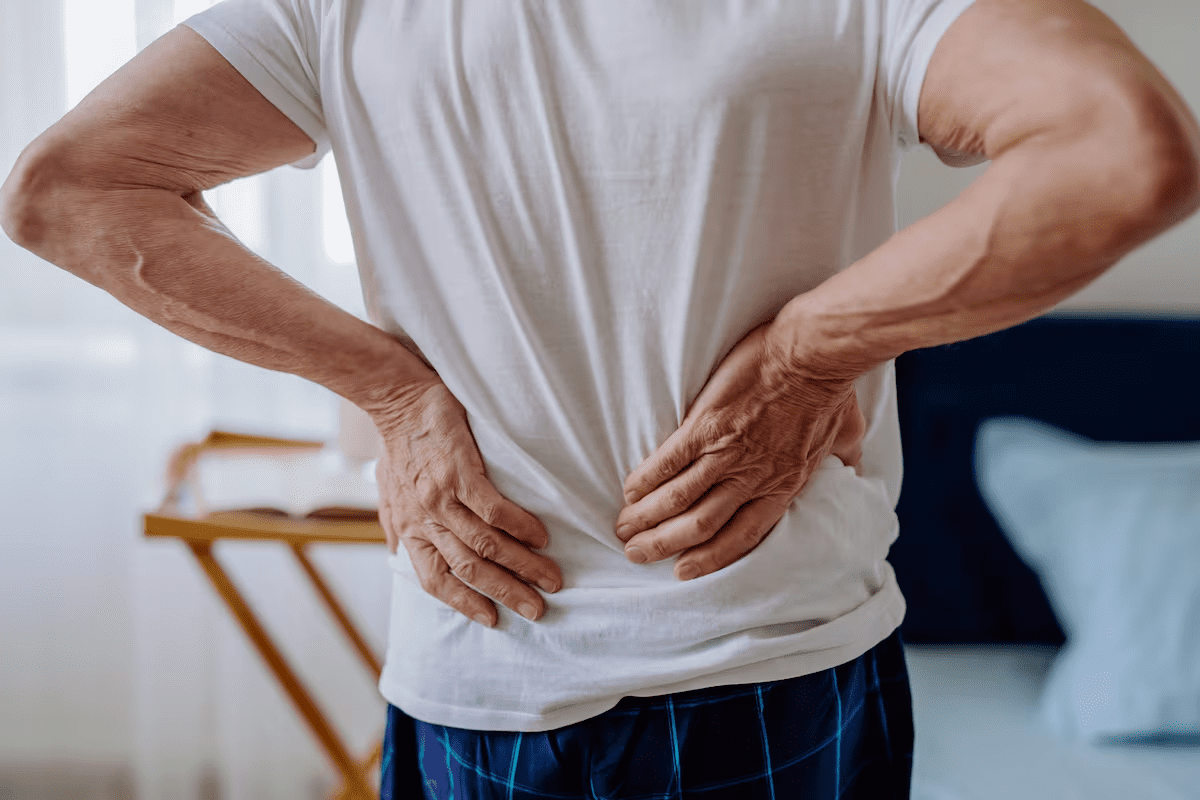
Many people get back pain after meals without knowing why. This can happen due to digestive problems or pain that spreads from other areas.
Prevalence and Statistics
Back pain after eating is more common than you might think. Over 15 million Americans have heartburn every day. This can cause pain in the upper and middle back.
Digestive issues are a big reason for back pain. Many people feel some kind of stomach discomfort after eating.
| Condition | Prevalence | Association with Back Pain |
|---|---|---|
| Heartburn | 15 million daily cases in the US | Commonly associated with upper and middle back pain |
| Digestive Issues | Affects a significant portion of the global population | Can cause referred pain in the back |
| Food Intolerances | Varies widely among different populations | Can lead to discomfort and pain, including in the back |
How Digestion Can Affect Your Back
Digestion can really affect your back. When we eat, our body starts to break down food. This can sometimes cause discomfort or pain.
This pain can spread to the back. It’s because of the nerves that connect our digestive organs to our spine.
It’s important to understand how digestion and back pain are connected. By knowing the causes and taking steps to prevent them, we can reduce back pain after eating.
Why Your Back Hurts After Eating: Common Causes
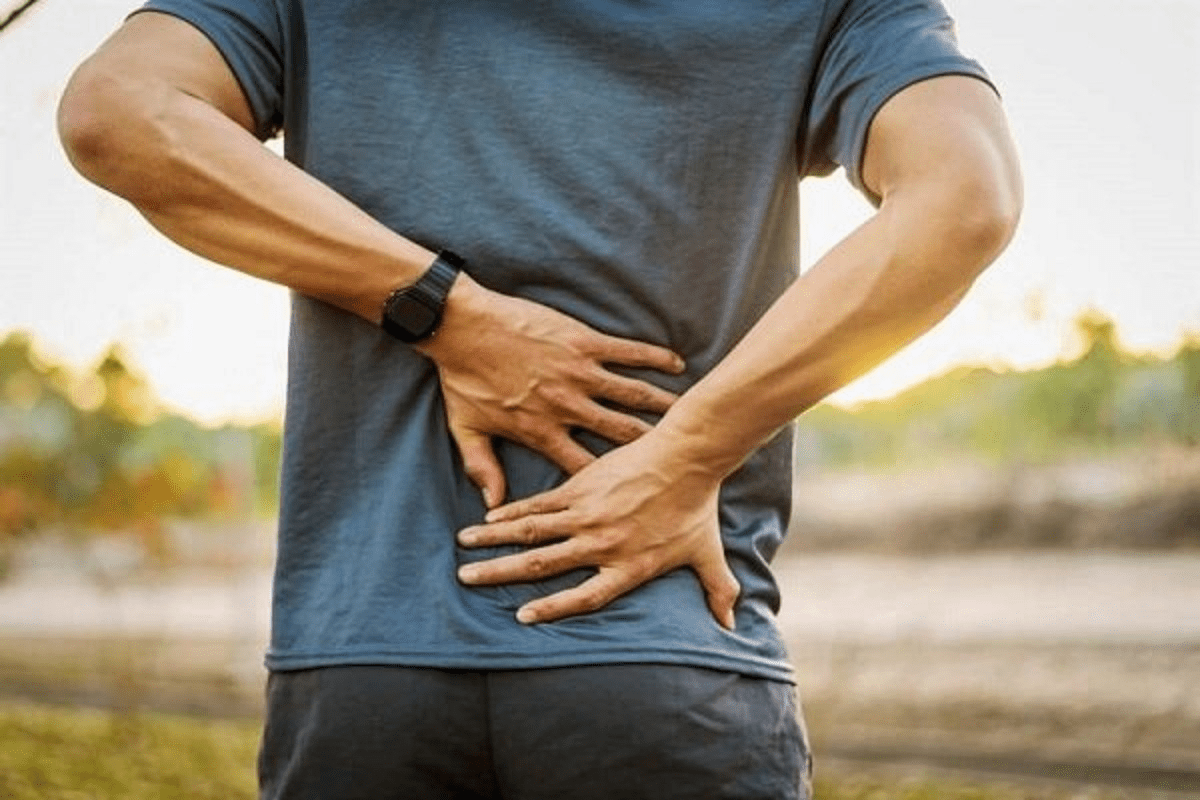
Back pain after eating can be confusing and uncomfortable. It often comes from different reasons. We’ll look at why it happens, like digestive issues, how we sit, and food allergies. Knowing these reasons helps us find ways to feel better.
Digestive Issues and Referred Pain
Digestive problems often lead to back pain after eating. Issues like gallbladder inflammation and pancreatitis can send pain to the back. This is called referred pain, where pain feels in a different spot than where it starts.
Our digestive system works hard when we eat. For some, this can cause inflammation or irritation. This can affect the back. For example, gallbladder problems can cause pain in the upper right abdomen that spreads to the middle or right back.
Poor Posture While Eating
Poor posture while eating is another common reason for back pain. Slouching or sitting awkwardly can strain our back muscles. This can cause discomfort or pain. Sitting up straight while eating can help avoid this.
Eating in a relaxed, upright position can ease back strain. Using ergonomic furniture or adjusting our eating area can help prevent back pain.
Food Intolerances and Allergies
Food intolerances and allergies can also cause back pain after eating. Eating foods our body can’t handle can lead to inflammation and muscle tension. This can feel like back pain.
Common offenders include gluten, dairy, and other food groups. Staying away from these foods can help reduce back pain and improve digestion.
Identifying Different Types of Back Pain After Meals
It’s important to know the signs of back pain after eating. This helps find relief and stop it from happening again. Back pain can show up in many ways, and knowing these helps find the cause and treatment.
Upper and Middle Back Pain Symptoms
Upper and middle back pain can come from many things like digestion issues or bad posture. You might feel:
- A dull ache or sharp pain between the shoulder blades
- Pain that gets worse with deep breathing or movement
- Tightness or stiffness in the upper back region
Lower Right Back Symptoms After Eating
Lower right back pain can be linked to digestion problems like gallbladder issues or pancreatitis. You might notice:
- Pain or tenderness in the lower right back that may spread to the abdomen
- Nausea or vomiting with the pain
- Fever or chills in severe cases
Symptoms of Pancreatitis and Other Conditions
Pancreatitis, an inflammation of the pancreas, can cause severe back pain after eating, often after fatty meals. Other signs include:
- Severe abdominal pain that spreads to the back
- Nausea and vomiting
- Fever and abdominal tenderness
If you have ongoing or severe back pain after eating, see a doctor. It could mean a serious problem.
How Different Foods Can Trigger Back Pain
Certain foods can cause back pain in different ways. This is often because of their inflammatory effects or how they’re digested. Knowing how diet affects back pain is key to managing and preventing pain after eating.
Inflammatory Foods
Inflammatory foods can make back pain worse by causing inflammation in the body. Processed meats, sugary drinks, and refined carbohydrates are big offenders. These foods can increase inflammation, which can make back pain worse. It’s wise to cut down or avoid these foods to help control back pain.
Some common inflammatory foods include:
- Processed meats like hot dogs and sausages
- Sugary drinks such as soda and sports drinks
- Refined carbohydrates found in white bread and pastries
High-Fat Foods and Gallbladder Issues
High-fat foods can also cause back pain, mainly in those with gallbladder problems. The gallbladder stores bile for fat digestion. When we eat high-fat foods, the gallbladder contracts to release bile. This can cause pain that spreads to the back in people with gallstones or other gallbladder issues.
Some examples of high-fat foods that may trigger gallbladder pain include:
- Fried foods like french fries and fried chicken
- High-fat dairy products such as cheese and whole milk
- Fatty meats like bacon and sausage
Acidic Foods and Heartburn
Acidic foods can cause heartburn, where stomach acid flows back into the esophagus. This can cause discomfort that may spread to the back, more so if the heartburn is severe or muscle tension is involved.
Common acidic foods that may trigger heartburn include:
- Citrus fruits and juices
- Tomatoes and tomato-based products
- Spicy foods that can relax the lower esophageal sphincter
By being aware of these food triggers, we can manage back pain after eating. Identifying and avoiding these foods is a key step in reducing discomfort and improving health.
Relief Method 1: Immediate Posture Adjustments
Changing how you sit during meals can help ease back pain. Making small adjustments in your posture can make a big difference. This can help reduce pain in your upper back after eating.
Proper Sitting Techniques During Meals
It’s important to sit right during meals to avoid back pain. Make sure your feet are flat on the floor or on a footrest. Keep your knees at or below hip level and sit straight.
Avoid slouching or leaning forward as it strains your back. A chair with good lumbar support helps keep your back healthy.
Post-Meal Stretches for Back Relief
Doing simple stretches after eating can help with back pain. These stretches relax muscles and improve flexibility. Here are some good ones:
- Chest Stretch: Stand in a doorway with your hands on the doorframe at shoulder height. Lean forward until you feel a stretch in your chest and shoulders.
- Seated Twist: While seated, twist your torso to one side, keeping your feet on the floor. Hold for a few seconds and then twist to the other side.
- Neck Stretch: Slowly tilt your head to one side, bringing your ear towards your shoulder. Hold and then repeat on the other side.
Ergonomic Considerations for Dining
Setting up your dining area ergonomically is key to avoiding back pain. Make sure your table and chairs are at comfortable heights. The table should be low enough to eat without leaning forward.
The chair should support your back well. Consider using a back support cushion if your chair lacks lumbar support.
Relief Method 2: Digestive Support Strategies
Digestive support strategies can help reduce back pain after eating. By improving our digestive health, we might feel less pain after meals.
Digestive Enzymes and Supplements
Digestive enzymes break down food into smaller parts. Without enough, we might feel bloated and uncomfortable, which can hurt our back. Taking digestive enzyme supplements can help ease these issues.
People with pain in the upper left back after eating might find relief by improving digestion. Other supplements, like those with anti-inflammatory properties, can also help with digestion and back pain. Always talk to a doctor before trying new supplements.
Herbal Teas for Digestion and Back Pain
Herbal teas have been used for centuries to aid digestion. Teas like peppermint, chamomile, and ginger can soothe the digestive system. They can help reduce chest back pain after eating by improving digestion.
Drinking herbal tea after meals can be a calming ritual. It supports digestion and helps manage stress, which can cause back pain.
Probiotics and Gut Health
Probiotics are good bacteria that keep our gut healthy. A healthy gut is key for good digestion and overall health. Studies show that probiotics can lessen digestive disorder symptoms, which might also reduce pain in the left side back after eating.
Eating probiotic-rich foods or taking supplements can boost gut health. Yogurt, kefir, and fermented veggies are great sources of probiotics. A healthy gut can lead to less back pain after eating.
Relief Method 3: Targeted Physical Therapies
Targeted physical therapies are a great way to ease back pain after meals. We’ll look at how specific stretches, heat and cold therapy, and gentle exercises can help.
Specific Stretches for Different Back Regions
Stretching can help with back pain after eating. Different stretches work on different parts of the back.
- Upper Back Stretches: Chest stretches and shoulder rolls can ease upper back pain.
- Lower Back Stretches: Knee to chest stretches and pelvic tilts are good for lower back pain.
- Middle Back Stretches: Cat-cow stretches can ease tension in the middle back.
Heat and Cold Therapy Applications
Heat and cold therapy can both help with back pain. The choice between them depends on the type of pain.
- Heat Therapy: Warm compresses or heating pads relax muscles and improve blood flow, easing pain.
- Cold Therapy: Cold packs reduce inflammation and numb the pain.
Gentle Exercises for Relief
Gentle exercises can make back muscles stronger and more flexible. This can help prevent back pain after eating.
- Walking: A short walk after meals can help with digestion and reduce back pain.
- Yoga: Certain yoga poses can strengthen back muscles and improve posture.
- Swimming: Swimming is a low-impact exercise that strengthens back muscles without too much strain.
Adding these targeted physical therapies to your routine can help with back pain after eating. Always talk to a healthcare professional before starting any new exercise or therapy.
Relief Method 4: Dietary Modifications
Changing what we eat can help with back pain after meals. The food we eat affects our health, including our digestive system and muscles. Making smart food choices can help lower back pain.
Anti-Inflammatory Diet Principles
An anti-inflammatory diet includes fruits, veggies, whole grains, and healthy fats. These foods help reduce body inflammation. Foods high in antioxidants, like berries and leafy greens, are very helpful. Omega-3 fatty acids in fish like salmon also fight inflammation well.
It’s key to avoid foods that can cause or make inflammation worse. This includes processed foods, sugary drinks, and refined carbs. Eating whole, nutrient-rich foods helps support health and may lessen back pain.
Meal Timing and Portion Control
Our eating habits, like when and how much we eat, affect back pain. Eating smaller meals throughout the day keeps energy stable and prevents overeating. This reduces strain on the digestive system and may prevent pain.
Controlling portion sizes is also vital. Big meals can cause bloating and discomfort, which may spread to the back. Eating smaller, balanced meals can lower the chance of these issues.
Foods to Avoid When Experiencing Back Pain
Some foods can make back pain worse for certain people. These include inflammatory foods like processed meats and sugary foods. For those with sensitivities, dairy or gluten can also cause discomfort.
Knowing and avoiding foods that trigger pain is a good strategy. Keeping a food diary helps track which foods lead to pain. This way, we can make better food choices.
Relief Method 5: Stress Reduction Techniques
Stress, digestion, and back pain are linked, but we can handle it. Stress can make digestion problems worse, leading to back pain. Using stress-reducing methods can help ease back pain after eating.
Connection Between Stress, Digestion, and Back Pain
Stress impacts our body, including our digestion. When stressed, our body’s “fight or flight” mode slows digestion, causing discomfort. This discomfort can spread to the back, leading to pain. Knowing this link is key to tackling back pain after eating.
Stress Impact on Digestion: Stress can change how our gut works, leading to digestive problems.
Mindful Eating Practices
Mindful eating means focusing fully on eating and drinking. It reduces stress by enjoying meals more. This can improve digestion and lessen back pain after eating.
- Eat slowly and without distractions.
- Savor each bite, paying attention to flavors and textures.
- Pause between bites to breathe and relax.
Relaxation Techniques After Meals
Using relaxation methods after meals can ease stress and back pain. Techniques like deep breathing, progressive muscle relaxation, and meditation calm the body and mind.
| Technique | Description | Benefits |
|---|---|---|
| Deep Breathing | Slow, deliberate breaths focusing on the diaphragm. | Reduces stress, promotes relaxation. |
| Progressive Muscle Relaxation | Tensing and relaxing different muscle groups. | Relieves physical tension, promotes calm. |
| Meditation | Focusing the mind on a single point, such as breath. | Reduces stress, improves mental clarity. |
Adding these stress-reducing techniques to daily life can help lessen back pain after eating. It’s about finding a balance between managing stress and keeping our digestion healthy.
When to Seek Medical Help for Back Pain After Eating
If you have back pain after eating, knowing when to get medical help is key. Sometimes, home remedies can help. But, other times, you need to see a doctor right away.
Warning Signs That Require Immediate Attention
There are warning signs that mean you should see a doctor fast for back pain after eating. These include:
- Severe pain that doesn’t subside
- Pain with fever, nausea, or vomiting
- Difficulty breathing or swallowing
- Pain that goes down your arms or legs
- Recent back injury
If you see any of these signs, go to a doctor. Early diagnosis can greatly improve treatment.
Diagnostic Procedures for Persistent Pain
When you go to the doctor for ongoing back pain after eating, they might do tests. These tests help find the cause. They can include:
| Diagnostic Procedure | Purpose |
|---|---|
| Endoscopy | To look at the upper digestive system for problems like ulcers or inflammation |
| Imaging Tests (X-rays, MRI, CT scans) | To see the spine and organs for any issues |
| Blood Tests | To check for infection, inflammation, or other problems |
These tests help doctors find what’s causing your pain. Then, they can suggest the right treatment.
Treatment Options from Medical Professionals
The treatment for back pain after eating depends on the cause. Doctors might recommend:
- Medicines for pain, inflammation, or digestive issues
- Physical therapy to improve posture and back strength
- Changes in diet to avoid certain foods and manage symptoms
- In some cases, surgery for serious problems like gallstones or herniated discs
It’s important to work with your doctor to find the best treatment for your pain.
Preventing Back Pain After Eating: Long-Term Strategies
Preventing back pain after eating needs a mix of diet, exercise, and managing stress. These steps help lower back pain linked to eating.
Maintaining a Healthy Weight
Keeping a healthy weight is key to avoiding back pain. Too much weight, mainly around the belly, strains the back more. This can make pain worse after eating.
To stay at a healthy weight, eat well and exercise often. A balanced diet should have lots of fruits, veggies, whole grains, and lean proteins. Cutting down on high-calorie foods helps too.
Regular Exercise and Physical Activity
Regular exercise and activity help manage weight and strengthen back muscles. This improves posture and lowers back pain risk. Walking, swimming, and yoga are good because they’re easy on the body.
Exercise also helps digestion, which can indirectly reduce back pain. For example, exercises that build core muscles support the spine and lessen back strain.
Stress Management Techniques
Stress makes back pain worse by tightening muscles. Techniques like meditation, deep breathing, and mindfulness can relax these muscles. Doing these regularly can lessen back pain after eating.
Mindful eating is also helpful for managing meal-related stress. Eating slowly and focusing on the meal can reduce stress and back pain.
| Long-Term Strategy | Benefits | Implementation Tips |
|---|---|---|
| Maintaining a Healthy Weight | Reduces strain on the back, improves overall health | Balanced diet, regular physical activity, avoid high-calorie foods |
| Regular Exercise and Physical Activity | Strengthens back muscles, improves posture, enhances digestion | Engage in low-impact activities like walking, swimming, yoga |
| Stress Management Techniques | Reduces muscle tension, alleviates back pain | Practice meditation, deep breathing, mindfulness, mindful eating |
By using these strategies every day, people can stop back pain after eating and feel better overall.
Conclusion
Understanding why back pain happens after eating is key to feeling better. We looked at many reasons, like digestive problems, bad posture, and food allergies. Knowing the cause helps people find the right ways to feel better.
We talked about five ways to ease back pain after eating. These include changing how you sit, supporting your digestion, trying physical therapy, eating differently, and managing stress. These methods can help with pain in the lower right back or any bad back pain after eating.
Using these methods every day can help lessen back pain after eating. It’s important to take a whole-body approach. This means using medical knowledge and self-care together for lasting relief.
FAQ:
What are the common causes of back pain after eating?
Back pain after eating can come from many sources. Digestive problems, eating in bad posture, and food allergies or intolerances are common. These can make your back hurt after meals.
How does digestion affect back pain?
Digestion can lead to back pain. This is because digestive issues can send pain signals to the back. Inflammation and nerve pressure also play a role in back discomfort.
Can certain foods trigger back pain?
Yes, some foods can cause back pain. Foods high in fat, acidic, and inflammatory can lead to discomfort. They can cause gallbladder problems and heartburn, which can hurt your back.
What are some relief methods for back pain after eating?
There are several ways to ease back pain after eating. Adjusting your posture, supporting your digestion, and trying physical therapies can help. Changing your diet and reducing stress are also effective.
How can I adjust my posture to reduce back pain after eating?
To improve your posture, sit right while eating and stretch after meals. Think about the ergonomics of your dining area. These steps can ease back strain.
What dietary changes can help alleviate back pain after eating?
Eating anti-inflammatory foods and controlling your meal size can help. Avoid foods that make your back hurt. These changes can reduce inflammation and discomfort.
When should I seek medical help for back pain after eating?
If you have severe pain, trouble breathing, or ongoing discomfort, see a doctor. They can diagnose and treat the cause of your pain.
What are some long-term strategies for preventing back pain after eating?
Keeping a healthy weight, exercising regularly, and managing stress are key. These habits can lower your risk of back pain and improve your overall health.
Can stress contribute to back pain after eating?
Yes, stress can make back pain worse after eating. It can affect digestion and increase discomfort. Reducing stress through mindful eating and relaxation can help.
Why does my upper back hurt after eating?
Poor posture, digestive issues, or food intolerances can cause upper back pain. Inflammatory and acidic foods also contribute to discomfort.
What is the connection between lower right back pain and eating?
Lower right back pain might be linked to digestive problems like gallbladder issues or appendicitis. Food intolerances and inflammatory foods can also cause discomfort in this area.
Can back pain after eating be a sign of an underlying medical condition?
Yes, back pain after eating can signal a medical issue. Conditions like gallbladder disease, GERD, or inflammatory bowel disease might be the cause. Getting medical help is important for diagnosis and treatment.
References:
https://www.ncbi.nlm.nih.gov/books/NBK538173



 Departments
 Related Videos
 Our Doctors
 News
News