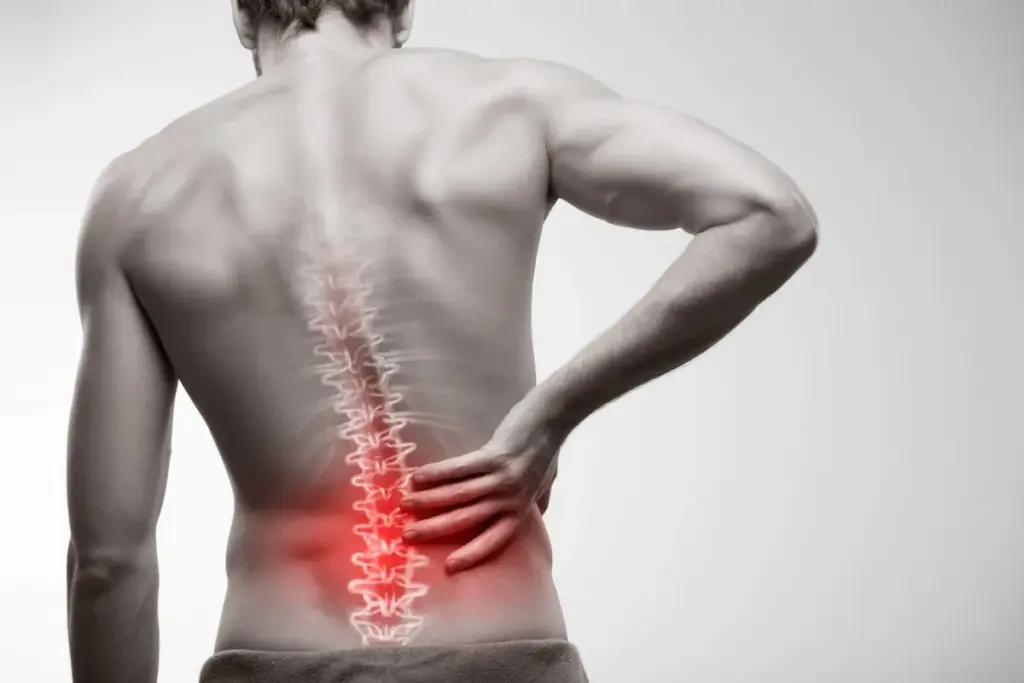
Millions of Americans face severe back pain and intense lumbar pain each year. This is often due to spine issues.
Finding the right back pain doctor can be tough. This is true, even with a back injury needing special care.
The right doctor is key for diagnosis, treatment, and recovery. We will look at doctors who specialize in spine problems. We’ll help you find the best one for your needs.
Key Takeaways
- Understanding the different types of doctors who treat spine problems
- Identifying the right specialist for your specific condition
- Learning about the various treatment options available
- Discovering the importance of seeking medical attention for severe back pain
- Finding a qualified doctor to help you recover from a back injury
Understanding Spine Problems and Their Impact
It’s key to know why spine pain happens to treat it well. Many people face spine issues at some point.
Common Causes of Spine Pain
Spine pain can come from poor posture, muscle strain, or degenerative conditions like arthritis. Accidents or sports injuries can also cause problems. Finding the cause helps find the right treatment.
How Spine Problems Affect Daily Life
Spine issues can make everyday tasks hard. Chronic pain can cause fatigue, mood swings, and lower quality of life. Knowing this helps find the right care.
Warning Signs of Serious Spine Conditions
Some symptoms mean serious spine problems. Look out for intense lower back pain, numbness or tingling in limbs, and loss of bladder or bowel control. Spotting these signs is key for quick medical help.
|
Symptom |
Possible Condition |
Action Required |
|---|---|---|
|
Intense Lower Back Pain |
Herniated Disc or Spinal Stenosis |
Consult a Specialist |
|
Numbness or Tingling |
Nerve Compression |
Seek Medical Attention |
|
Loss of Bladder/Bowel Control |
Cauda Equina Syndrome |
Emergency Medical Care |
Primary Care Physicians: Your First Stop

Starting to find relief from the best medicine for back pain often means visiting a primary care doctor. These doctors are ready to tackle many health problems, including back pain.
What Your Family Doctor Can Do
Your family doctor can check your condition, give a first diagnosis, and suggest treatments for bad back lower back pain. They can help with pain management, suggest lifestyle changes, and prescribe medicine if needed.
Initial Diagnosis and Treatment
At your first visit, your doctor will do a detailed check-up. This might include a physical exam and looking at your health history. They might also order tests like X-rays or an MRI to find out why you have back ache.
|
Diagnostic Test |
Purpose |
|---|---|
|
X-ray |
To check for bone-related issues such as fractures or misalignments. |
|
MRI |
To examine soft tissues, including discs, nerves, and spinal cord. |
When You Need a Referral to a Specialist
If you need more advanced care, your doctor can send you to a specialist. This could be an orthopedic surgeon, neurosurgeon, or pain management doctor, based on your back pain.
Knowing when to see a specialist is key for good treatment. Your primary care doctor will help you decide, making sure you get the right care for your needs.
Orthopedic Surgeons: Bone and Joint Specialists
Orthopedic surgeons are experts in treating spine problems. They offer both surgical and non-surgical solutions. Their help is key for those with extreme back pain or sudden back pain, helping to ease pain and improve function.
Expertise and Training
Orthopedic surgeons get a lot of training to handle complex bone and joint issues. This includes problems with the spine. Their education prepares them to diagnose and treat many spinal conditions.
Conditions Treated by Orthopedic Surgeons
These specialists deal with many spinal issues. This includes degenerative disc disease, spinal fractures, and deformities like scoliosis. If you have persistent or severe back pain, seeing an orthopedic surgeon might help.
Surgical and Non-Surgical Approaches
Orthopedic surgeons know both surgical and non-surgical treatments. Non-surgical methods might include medicine, physical therapy, and changes in lifestyle. Surgery is used when needed, with the latest technology.
Minimally Invasive Techniques
Minimally invasive spine surgery is less invasive. It aims to reduce recovery time and damage to tissues. These methods aim to ease pain and boost function with less impact on the body.
Traditional Spine Surgery Options
Traditional spine surgery is sometimes needed. This can include spinal fusion or laminectomy. The choice between these methods depends on the patient’s condition and health.
The Center for Orthopedics at UH Sheffield Health Center is a place that offers top-notch care for orthopedic issues. They use advanced technologies like Mako Robotic-Arm Assisted Surgery for spine surgery. They provide care from the first visit to rehabilitation.
Neurosurgeons: Specialists for Nerve-Related Spine Issues
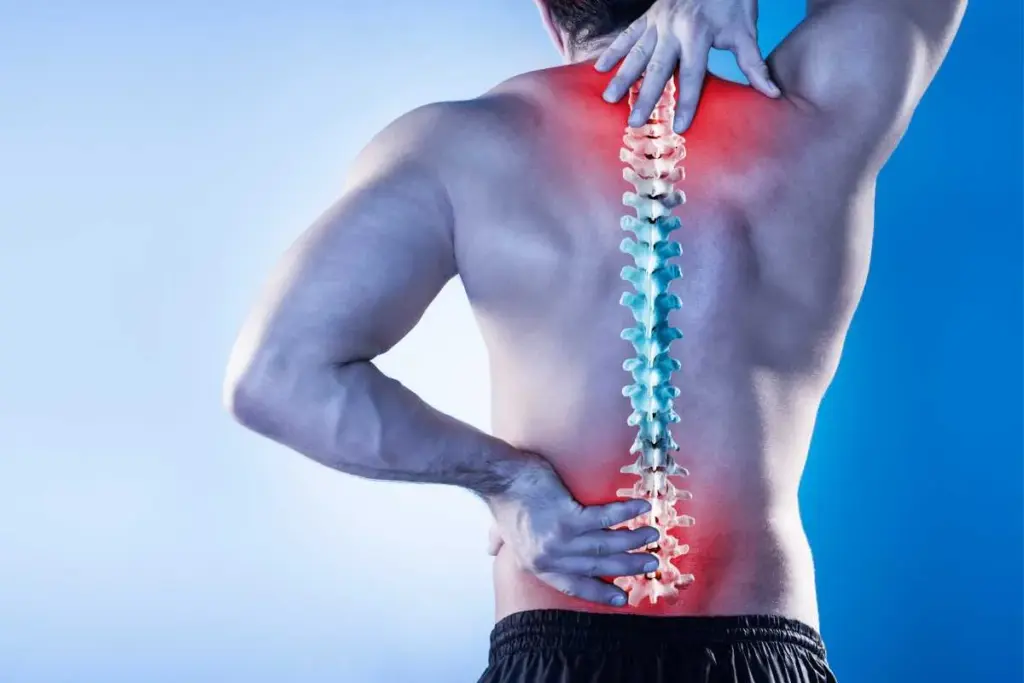
For severe back pain linked to nerve problems, a neurosurgeon is often the best choice. These doctors specialize in surgeries for the nervous system, including the spine.
Training and Specialization
Neurosurgeons go through a lot of training. They spend 7-8 years in residency after medical school. They know how to treat complex spine issues that affect nerves, like herniated discs and spinal tumors.
When to See a Neurosurgeon
If you have severe back pain and symptoms like numbness or weakness, see a neurosurgeon. Conditions like cauda equina syndrome need quick neurosurgical attention.
Advanced Procedures Offered
Neurosurgeons perform many advanced procedures for nerve-related spine issues. These include:
- Minimally invasive surgeries to reduce recovery time
- Complex spinal reconstructions
- Tumor removals
Spinal Cord and Nerve Decompression
Spinal cord and nerve decompression surgeries help by relieving nerve pressure. This is due to conditions like herniated discs or spinal stenosis. It can greatly lessen intense lower back pain and improve nerve function.
Neurosurgeons are experts in treating spine tumors, whether they are benign or malignant. They use advanced methods to remove tumors. This helps keep the spine stable and the nerves working well, easing extreme back ache caused by tumors.
As one neurosurgeon says,
“The key to successful spine surgery is not just technical skill, but understanding the complex interplay between the spine and nervous system.”
Physiatrists: Rehabilitation Medicine Doctors
Physiatrists are key in helping patients get better from spine problems. They focus on treating the musculoskeletal system without surgery.
Focus on Non-Surgical Treatment
These doctors are great at managing pain and improving function without surgery. They use medicines, physical therapy, and injections to help patients with back injuries and chronic pain.
Rehabilitation Programs for Spine Problems
They create special rehab plans for each patient’s spine issue. Their aim is to help patients get stronger, move better, and do daily activities again.
Physical Therapy Coordination
Physiatrists work with physical therapists to plan care. They make exercise plans that fit the patient’s needs. This helps improve results and lowers injury risk.
Functional Improvement Strategies
Physiatrists focus on making patients better at everyday tasks. They use pain management, ergonomic tips, and lifestyle changes to help.
|
Treatment Approach |
Description |
Benefits |
|---|---|---|
|
Medication Management |
Using medicines to manage pain and inflammation |
Reduces pain, improves function |
|
Physical Therapy |
Exercise programs to strengthen muscles and improve mobility |
Enhances strength, flexibility, and range of motion |
|
Injections |
Injecting medicines into specific areas to reduce pain and inflammation |
Provides targeted relief, reduces pain |
Pain Management Specialists: When Your Back is Painful
Back pain can be managed by pain management specialists. They help people with extreme back pain through different treatments. These treatments aim to provide relief.
Specialized Pain Relief Techniques
Pain management specialists use many techniques to help with back pain. These include physical therapy, cognitive behavioral therapy, and relaxation techniques. They focus on both the physical and mental sides of pain.
Medication Management
For sudden back pain, medication is key. Specialists can prescribe medicines like analgesics and muscle relaxants. They aim to find the best medicine with the least side effects.
Interventional Procedures
There are also interventional procedures for back pain. These include injections and other minimally invasive methods.
Epidural Steroid Injections
Epidural steroid injections are used to reduce inflammation and pain. They are helpful for people with herniated discs or spinal stenosis.
Nerve Blocks and Radiofrequency Ablation
Nerve blocks involve injecting medication into nerves to block pain signals. Radiofrequency ablation uses heat to lesion nerves, providing long-term relief. Both are good for chronic back pain.
|
Procedure |
Description |
Benefits |
|---|---|---|
|
Epidural Steroid Injections |
Injecting steroids into the epidural space to reduce inflammation |
Reduces pain and inflammation |
|
Nerve Blocks |
Injecting medication into nerves to block pain signals |
Provides immediate pain relief |
|
Radiofrequency Ablation |
Using radio waves to lesion nerves and reduce pain |
Long-term pain relief |
Chiropractors and Alternative Medicine Practitioners
Chiropractors and alternative medicine practitioners are now key in managing spine issues. They use non-pharmacological and non-surgical methods to treat back pain. This helps many people find relief.
Chiropractic Adjustments
Chiropractic care deals with the musculoskeletal system, mainly the spine. Chiropractors use spinal manipulation to improve joint mobility and reduce pain. Studies show chiropractic care can help with both acute and chronic back pain.
Acupuncture and Other Complementary Approaches
Other therapies like acupuncture, massage, and yoga are also popular for back pain relief. Acupuncture involves thin needles in specific body points for healing and pain relief. These methods can be used alone or with traditional treatments.
Evidence for Effectiveness
Many studies have looked into chiropractic care and alternative therapies for back pain. While results differ, they show promise. For example, a review found spinal manipulation improved pain and function in chronic back pain patients.
Safety Considerations
Chiropractic care and alternative therapies are generally safe. But, there are risks and side effects. It’s important to talk to your healthcare provider before starting treatment. Make sure the practitioner is licensed and experienced to avoid risks.
If you have serious back ache, seeing a back pain doctor is a good first step. They can suggest treatments like chiropractic care or alternative therapies to help you recover.
Multidisciplinary Spine Centers: Comprehensive Care
For those with intense lumbar pain, multidisciplinary spine centers offer a detailed care plan. These centers have a team of experts from different fields. They work together to create treatment plans that meet each patient’s needs.
Benefits of Integrated Treatment Teams
These centers have teams with orthopedic surgeons, neurosurgeons, physiatrists, pain management specialists, and physical therapists. This team-based approach looks at all parts of a patient’s condition. It leads to more effective treatments.
Coordinated Care Approaches
Coordinated care means team members talk regularly. They make sure all treatments work together for the best results. For example, the Center for Orthopedics at UH Sheffield Health Center offers detailed orthopedic care. It helps patients with bad back lower back pain.
Patient Outcomes with Team-Based Care
Research shows patients in these centers do better. They often have less pain and can function better. Here’s a comparison of patient outcomes:
|
Treatment Approach |
Average Pain Reduction |
Functional Improvement |
|---|---|---|
|
Multidisciplinary Care |
60% |
70% |
|
Traditional Care |
40% |
50% |
Multidisciplinary spine centers use a team-based care approach. This makes treatments more effective for extreme back ache. It improves patients’ quality of life.
Choosing the Right Specialist for Your Specific Condition
Dealing with severe back pain or a back injury can be tough. It’s hard to know which specialist to see. The first step is to learn about the different specialists and what they do.
Matching Symptoms to Specialties
Each specialist deals with different spine issues. For nerve problems, a neurosurgeon might be best. If it’s bone or joint issues, an orthopedic surgeon could be better. Knowing your symptoms helps pick the right doctor.
Questions to Ask Your Doctor
After narrowing down your choices, ask important questions. Find out about their experience with your type of case. Ask about their treatment plans and what you can expect.
Red Flags to Watch For
Watch out for doctors who promise quick fixes or push for surgery too fast. A good doctor will take time to understand your condition. They will discuss all treatment options with you. Be cautious of unusual treatment methods or unusually high costs that don’t seem right.
Getting Second Opinions
Don’t be afraid to get a second opinion if you’re unsure. Another specialist might offer new insights or solutions. This ensures you’re on the right path to feeling better.
By choosing the right specialist and being an informed patient, you can greatly improve your back pain. This will also enhance your overall quality of life.
What to Expect During Your Spine Specialist Appointment
Seeing a spine specialist can feel scary, but knowing what to expect helps. When you see a back pain doctor, you’re taking a big step towards finding and fixing your pain.
Diagnostic Tests and Evaluations
First, the specialist will do a detailed check-up. This might include a physical exam, looking at your health history, and some tests like X-rays or MRI scans. These tests are key if you have intense lower back pain to find out why.
Creating a Treatment Plan
Once they know what’s wrong, they’ll make a plan just for you. This plan might include physical therapy, medicine, or sometimes surgery. If you have sudden back pain, the goal is to ease the pain and fix the problem.
Follow-up Care and Monitoring
Regular check-ups are important for managing spine issues. Your specialist will keep an eye on how you’re doing and tweak the plan if needed. It’s key to stick to the plan and tell your doctor if anything changes.
Conclusion: Taking the First Step Toward Spine Pain Relief
Finding the right doctor for spine problems can be tough. But knowing your options is the first step to feeling better. Whether you’re dealing with a constant back ache or severe back pain, getting the right medical help is key.
There are many doctors who can help, like primary care doctors, orthopedic surgeons, and pain management experts. They can figure out and treat your spine issues. Looking into the best medicine for back pain or other treatments can really help your life.
By finding the right doctor for your symptoms and asking the right questions, you can manage your spine health. Don’t let back pain stop you. Start your path to feeling better today by talking to a healthcare professional.
FAQ
What are the common causes of intense lumbar pain?
Intense lumbar pain can come from muscle strain, herniated discs, or spinal stenosis. It can also be due to degenerative disc disease. It’s important to see a doctor to find out why you’re in pain.
How do I know if I need to see a specialist for my severe back pain?
If your regular doctor can’t figure out or fix your back pain, they might send you to a specialist. This could be an orthopedic surgeon or a neurosurgeon for more help.
What is the difference between an orthopedic surgeon and a neurosurgeon?
Orthopedic surgeons deal with bone and joint problems, including spine issues. Neurosurgeons focus on nerve-related spine problems. You might see one or both depending on your condition.
Are there non-surgical treatments available for bad back lower back pain?
Yes, there are many non-surgical options for bad back pain. These include physical therapy, pain management, and alternative therapies like chiropractic care and acupuncture.
What can I expect during my first appointment with a back pain doctor?
At your first visit, your doctor will do a physical exam and look over your medical history. They might also order tests like X-rays or an MRI to find out what’s causing your pain.
What are some effective treatments for extreme back ache?
For extreme back ache, treatments might include medicine, physical therapy, and procedures like injections or nerve blocks. These help manage pain and improve how you move.
Can chiropractic care help with intense lower back pain?
Chiropractic care, like spinal manipulation, can help some people with intense lower back pain. But, it’s important to talk to a healthcare professional to find the best treatment for you.
What is the best medicine for back pain?
The best medicine for back pain varies based on your condition and how severe it is. Your doctor might prescribe pain relief, muscle relaxants, or other medications to help your symptoms.
How can I prevent sudden back pain?
To avoid sudden back pain, keep a healthy weight, exercise, and stand up straight. Lift heavy things correctly and manage stress. Getting enough sleep also helps prevent back pain.
What are the benefits of seeking care at a multidisciplinary spine center?
Multidisciplinary spine centers offer a team approach to care. They bring together specialists for a complete treatment plan. This can lead to better results, more effective treatment, and better care coordination.
References
Back Is Painful: Find The Best Expert Help
https://www.ncbi.nlm.nih.gov/books/NBK538173/



 Departments
 Related Videos
 Our Doctors
 News
News