
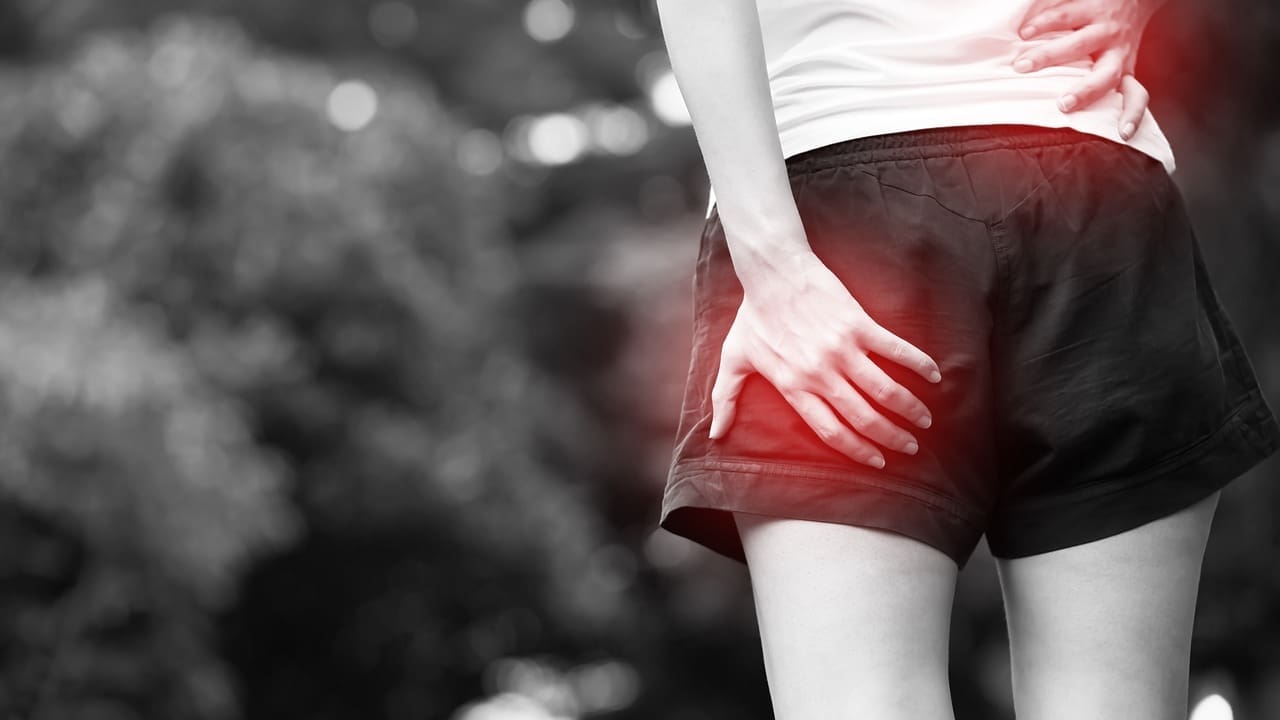
Feeling pain or discomfort in the back of your thighs can really hurt your daily life. It can make simple tasks and workouts hard. At Liv Hospital, we focus on you and your health.
Our team is known worldwide for finding and fixing thigh pain. We use the newest methods to help you feel better. Issues like piriformis syndrome, spinal stenosis, and hamstring injuries can cause this pain. Knowing what causes it helps us find the right way to fix it.
Key Takeaways
- Pain behind the thigh can be caused by various factors, including muscle fatigue and exercise-induced muscle damage.
- Understanding the anatomy and underlying causes is essential for effective treatment.
- Conditions like piriformis syndrome and hamstring injuries are common culprits.
- A patient-centered approach is vital in addressing thigh pain.
- Liv Hospital’s team uses the latest protocols for diagnosis and treatment.
Understanding the Anatomy of the Back of Thighs
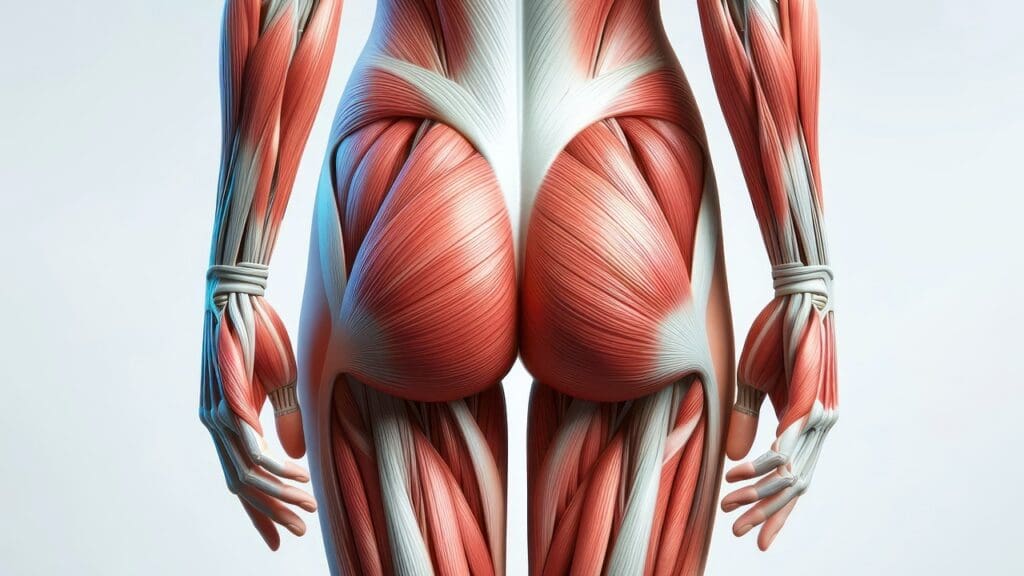
It’s important to know the anatomy of the back of thighs to diagnose and treat pain. The back of our thighs, or posterior thigh, has many key structures.
Hamstring Muscle Group
The hamstring muscles are a big part of the back of the thigh. They include the biceps femoris, semitendinosus, and semimembranosus. These muscles help us bend our knees and straighten our hips.
Strains or tears in these muscles can cause sharp pain on the back of the thigh. This pain often happens during running or sudden stops.
Sciatic Nerve Pathway
The sciatic nerve is a major nerve in the back of the thigh. It starts in the lower back and goes down to the knee. Pain in the upper thigh can be caused by irritation or compression of this nerve.
Supporting Structures and Blood Vessels
The back of the thigh also has tendons, ligaments, and arteries. These help the muscles get blood. Knowing about these structures helps us understand pain in the back of the thigh.
In summary, the back of thighs has many structures that help us move and support our body. Knowing about these is key to figuring out pain and finding the right treatment.
Sciatica: A Leading Cause of Back of Thighs Soreness
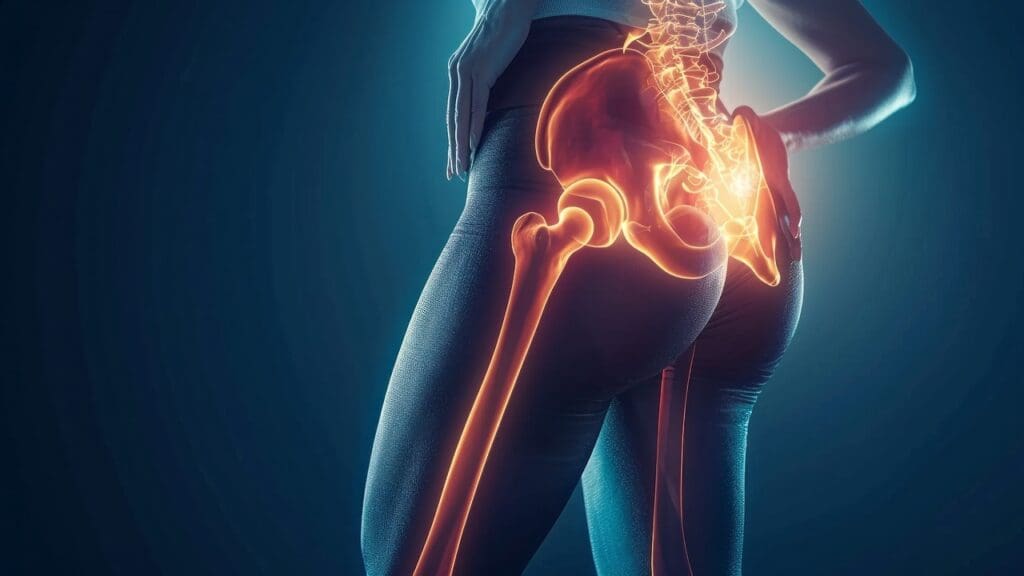
The sharp pain in your thigh might be more than just a muscle strain; it could be sciatica. This pain can really disrupt your life, making simple tasks hard. Sciatica is a common issue that causes a lot of discomfort, mainly in the thighs. It’s important to know what causes it, its symptoms, and how to treat it.
What Is Sciatica?
Sciatica is pain that goes along the sciatic nerve. This nerve runs from your lower back, through your hips and buttocks, and down each leg. It usually affects one side of your body. Sciatica often comes from irritation of the sciatic nerve, like from a herniated disk or bone spur.
Symptoms and Pain Patterns
Sciatica symptoms can vary a lot. Some people might feel a mild ache, while others might have sharp, burning pain. The pain can be constant or come and go. It’s often accompanied by numbness, tingling, or weakness in the leg.
Treatment Options for Sciatic Pain
Treating sciatica means fixing the root cause of the pain. We’ll look at non-surgical methods and when surgery might be needed.
Non-Surgical Approaches
Most sciatica cases get better with non-surgical treatments. These include:
- Physical therapy to improve posture and strengthen the back muscles
- Pain-relieving medications like NSAIDs or corticosteroids
- Alternative therapies like acupuncture or chiropractic care
- Lifestyle changes, such as regular exercise and proper lifting
When Surgery Might Be Necessary
In some cases, if the pain is very bad or doesn’t go away, surgery might be needed. Surgery could involve removing a herniated disk or bone spur that’s pressing on the sciatic nerve.
| Treatment Approach | Description | Benefits |
|---|---|---|
| Physical Therapy | Exercises to strengthen back muscles and improve posture | Non-invasive, improves overall back health |
| Pain-Relieving Medications | Use of NSAIDs or corticosteroids to reduce pain and inflammation | Quick relief from pain and inflammation |
| Surgical Intervention | Removing herniated disks or bone spurs compressing the sciatic nerve | Effective for severe cases, significant pain relief |
Knowing about sciatica and its treatments is key to managing it. If you have ongoing pain in your thighs, seeing a doctor is the first step to feeling better.
Piriformis Syndrome: When Sitting Becomes Painful
The piriformis muscle is in the buttocks. It can get inflamed or irritated, causing piriformis syndrome. This condition leads to pain in the back of the thighs, mainly when sitting for a long time.
Anatomical Considerations
The piriformis muscle is key for hip rotation and keeping the hip joint stable. If it presses or irritates the sciatic nerve, it can cause piriformis syndrome.
Risk Factors and Causes
Several things can lead to piriformis syndrome, including:
- Prolonged sitting or inactivity
- Overuse or repetitive strain on the piriformis muscle
- Muscle imbalances or weakness in the gluteal muscles
- Trauma or injury to the buttocks or hip area
Effective Relief Strategies
To ease piriformis syndrome, a mix of stretches, exercises, and ergonomic changes is needed.
Stretches and Exercises
There are specific stretches and exercises for piriformis syndrome. These include:
| Exercise | Description | Repetitions |
|---|---|---|
| Piriformis Stretch | Lie on your back, cross one leg over the other, and pull the knee toward your opposite shoulder. | 3 sets of 10 |
| Gluteal Bridges | Lie on your back with knees bent and feet flat, lift your hips toward the ceiling. | 3 sets of 15 |
Ergonomic Solutions
Changing your workspace to support good posture and ease piriformis muscle strain can help. Use an ergonomic chair or take breaks to stand and stretch.
Hamstring Injuries: From Strains to Tears
Hamstring injuries can range from mild strains to severe tears. They affect the muscles at the back of the thigh. This causes pain and discomfort that can really hurt your performance.
Types of Hamstring Injuries
Hamstring injuries are divided into three grades. Grade 1 is a mild muscle strain. Grade 2 is a partial muscle tear. Grade 3 is a complete muscle tear. Knowing the type and severity helps decide the right treatment.
Common Causes and Risk Factors
These injuries often happen during running, sprinting, or quick changes in speed. Poor warm-up, muscle imbalances, and low flexibility can raise your risk. Athletes in sports like soccer, football, and track and field are at higher risk.
Recovery and Rehabilitation
Recovering from hamstring injuries needs both immediate care and long-term plans.
Immediate Treatment (RICE Method)
The RICE method is often suggested for first aid. It includes resting the area, using ice to reduce pain, and compressing with bandages. Elevating the leg also helps.
Long-Term Strengthening
Long-term recovery means strengthening the hamstring muscles with specific exercises. Doing progressive resistance training and flexibility exercises helps. For more on hamstring injuries and treatment, check out NHS.uk.
Why Are the Back of My Thighs Sore When Sitting?
The back of the thighs can hurt when sitting due to several reasons. These include pressure points and poor posture. Sitting can put pressure on certain areas, causing discomfort if our setup isn’t right.
Pressure Point Issues
Sitting for a long time can put pressure on the muscles and nerves in the back of the thighs. This can make them tired and sore. If the chair doesn’t support us well, it’s worse.
Poor Posture and Ergonomics
Bad posture while sitting can make thigh strain worse. Slouching or sitting unevenly adds stress to the muscles and nerves. This can cause pain and discomfort.
Solutions for Sitting-Related Thigh Pain
There are ways to make thigh soreness from sitting better. Two main methods are making ergonomic changes and taking regular breaks to move.
Ergonomic Adjustments
Changing your workspace to be more ergonomic can help a lot. Adjust the chair height, use a backrest for your lower back, and keep your feet flat or on a footrest.
Movement Breaks and Stretches
Getting up and moving around helps a lot. Stand up, stretch, and move every 30 to 60 minutes. It reduces muscle tiredness and improves blood flow. Simple stretches for the hamstrings and hip flexors can also help.
By fixing pressure points, improving how we sit, and moving more, we can lessen thigh soreness from sitting. A mix of these steps can help us stay comfortable for longer.
Sacroiliac Joint Dysfunction and Back of Thigh Pain
Sacroiliac joint dysfunction is a common cause of pain in the back of the thighs. The sacroiliac (SI) joint is where the sacrum and ilium bones meet. It helps absorb shock and distribute forces between the spine and legs. When it’s not working right, it can hurt a lot.
The SI Joint Connection
The SI joint is a big, weight-bearing joint that can get stressed or strained. Dysfunction in this joint can happen for many reasons, like:
- Trauma or injury
- Arthritis
- Pregnancy and childbirth
- Leg length discrepancy
Identifying SI Joint-Related Thigh Pain
Pain from SI joint dysfunction can show up in different ways, such as:
- Pain in the lower back and buttocks
- Pain that goes down the back of the thigh
- Stiffness or aching in the pelvic area
Healthcare professionals use physical exams, patient history, and sometimes imaging to diagnose SI joint-related pain.
Treatment Approaches
Treating SI joint dysfunction involves several steps to reduce pain and improve joint function.
Manual Therapy Options
Manual therapies, like chiropractic adjustments and physical therapy, can help realign the joint and improve mobility. Massage and mobilization can also help by reducing muscle tension around the SI joint.
Stabilization Exercises
Strengthening the muscles around the SI joint is key for long-term stability. Exercises that target the core and gluteal muscles can support the joint and prevent future problems.
Understanding the causes and using the right treatments can help with SI joint-related thigh pain. It’s important to talk to healthcare professionals to find the best treatment plan.
Spinal Stenosis: When Your Spine Affects Your Thighs
Spinal stenosis is a condition where the spinal canal narrows. This can cause a lot of pain, including in the back of the thighs. It mainly affects the lower back and can lead to nerve compression symptoms.
Mechanism of Referred Pain
The narrowing of the spinal canal can press on nerves. This leads to pain not just in the lower back but also in the thighs. The pain is felt in the thighs because the nerves send signals to the lower limbs.
Symptoms and Progression
Symptoms of spinal stenosis can vary. They often include:
- Pain or aching in the lower back, buttocks, or thighs
- Numbness or tingling sensations in the legs
- Weakness in the legs or feet
- Pain that worsens with standing or walking and improves with sitting or leaning forward
As spinal stenosis gets worse, these symptoms can get more severe. This can really affect a person’s quality of life.
Management Strategies
Managing spinal stenosis involves both conservative treatments and sometimes surgery.
Conservative Treatments
Conservative management may include:
- Physical therapy to improve flexibility and strength
- Pain management through medication
- Lifestyle modifications, such as maintaining a healthy weight and improving posture
Surgical Options
If conservative treatments don’t work, surgery might be needed. This could be a laminectomy or spinal fusion. These surgeries aim to relieve nerve pressure and stabilize the spine.
Dealing with spinal stenosis can be tough. But with the right treatment, symptoms can be managed, and quality of life can improve.
Deep Vein Thrombosis: A Serious Cause of Thigh Pain
Deep vein thrombosis, or DVT, is a serious condition that can cause pain in the back of the thigh. It’s important to know the symptoms, risk factors, and how to prevent it.
Recognizing DVT Symptoms
Symptoms of DVT include sharp pain in the back of the thigh, swelling, warmth, and redness in the leg. Sometimes, DVT doesn’t show symptoms until it’s too late.
Risk Factors and Prevention
Many things can increase your risk of DVT, like being immobile for a long time, surgery, trauma, cancer, and genetics. To prevent it, stay hydrated, move often, and wear loose clothes.
| Risk Factor | Prevention Strategy |
|---|---|
| Prolonged Immobility | Regular Movement, Stretching Exercises |
| Surgery | Follow Post-Operative Instructions, Use Compression Stockings |
| Cancer | Stay Hydrated, Monitor Blood Clotting |
When to Seek Immediate Medical Attention
If you have DVT symptoms, get medical help right away. Waiting too long can cause serious problems, like pulmonary embolism.
Emergency Warning Signs
- Severe leg pain or swelling
- Chest pain or trouble breathing
- Coughing up blood
Treatment Protocols
DVT treatment usually includes medicines to stop the clot from getting bigger. These medicines also help prevent more clots. Sometimes, more serious treatments like thrombolysis are needed.
Conclusion
Pain in the back of your thighs can really get in the way of your day. We’ve looked at why it happens, like sciatica and muscle injuries. These can make simple tasks hard and affect how you feel overall.
Knowing what’s behind your thigh pain is key. We talked about how muscles and nerves play a part. This knowledge helps you find the right treatment.
Liv Hospital is here to help with top-notch care for international patients. Our team works hard to give you the best care for your thigh pain.
If your thighs hurt a lot, see a doctor. They can figure out why and help you feel better. This way, you can live a happier, pain-free life.
What are the common causes of pain at the back of the thigh above the knee?
Pain in this area can come from several sources. Hamstring injuries, sciatica, and piriformis syndrome are common culprits. Other causes include sacroiliac joint dysfunction and spinal stenosis.
Why do the backs of my thighs hurt when I’m sitting?
Sitting can hurt your thighs due to pressure points and poor posture. Ergonomic issues also play a role. Long periods of sitting can make conditions like piriformis syndrome or sciatica worse.
What is the difference between sciatica and piriformis syndrome?
Sciatica is pain from the sciatic nerve, often from a herniated disk or spinal stenosis. Piriformis syndrome happens when the piriformis muscle presses on the sciatic nerve. This causes pain and numbness in the thigh.
How can I relieve sharp pain in the back of my thigh?
The treatment for sharp thigh pain depends on the cause. You might need stretches, exercises, or ergonomic changes. Sometimes, you’ll need to see a doctor to address the root issue.
What are the symptoms of deep vein thrombosis (DVT) in the thigh?
DVT symptoms include swelling, pain, and tenderness in the leg. You might also notice warmth or redness. If you see these signs, get medical help right away.
Can poor posture cause pain in the back of the thigh?
Yes, bad posture can strain muscles and joints in the lower back and thighs. This can lead to pain in the back of the thigh.
How can I prevent thigh soreness when sitting?
To avoid thigh soreness, stand and move regularly. Adjust your workspace for better posture. Using ergonomic accessories like standing desks or back supports can also help.
What is the connection between the sacroiliac joint and back of thigh pain?
The sacroiliac joint can cause thigh pain if it’s not working right. Treatments might include manual therapy, exercises, or other methods to fix the joint.
Can spinal stenosis cause pain in the back of the thigh?
Yes, spinal stenosis can compress nerves and cause thigh pain. Treatment options range from conservative methods to surgery, depending on the severity.
References
- NHS (Hamstring Injury) : https://www.nhs.uk/conditions/hamstring-injury/



 Departments
 Related Videos
 Our Doctors
 News
News