Irritable Bowel Syndrome (IBS) is a common problem that affects about 12% of adults in the United States. It causes abdominal discomfort, bloating, and irregular bowel movements.
Suffering fromback pain and irritable bowel? This guide explores 5 alarming causes of referred pain and the best, proven fixes for fast relief.
Studies show a strong link between IBS and lower back pain. People with IBS often face lower back pain, making it a tough issue to handle.
At Liv Hospital, we understand this connection well. We offer care that focuses on the patient, treating both the gut and back pain together.
Key Takeaways
- IBS is a common gastrointestinal disorder affecting 12% of adults in the US.
- There’s a significant connection between IBS and lower back pain.
- Individuals with IBS are more likely to experience lower back pain.
- Liv Hospital provides patient-centered care for IBS and related conditions.
- A multidisciplinary approach is used to address gastrointestinal dysfunction.
The Prevalence and Impact of Irritable Bowel Syndrome
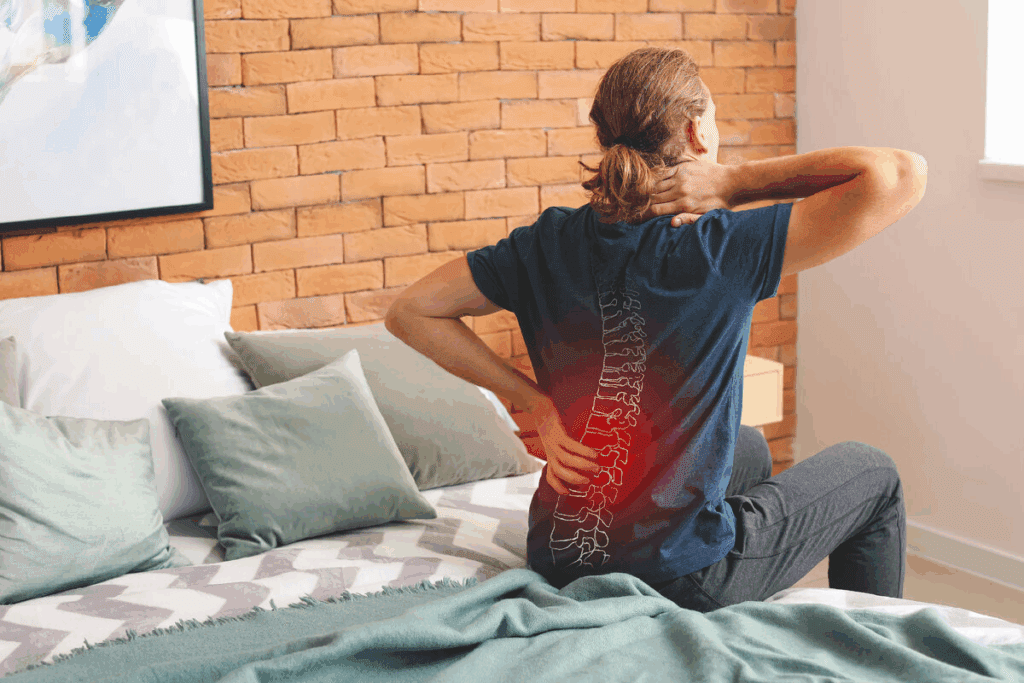
Irritable Bowel Syndrome (IBS) affects millions worldwide. It brings a mix of symptoms. We’ll look into its definition, how common it is, and its effects on health.
Definition and Common Symptoms of IBS
IBS causes recurring gut issues without visible damage. Symptoms include abdominal pain and cramping, changes in bowel habits, bloating, and gas. Each person’s experience is different.
- Abdominal pain or cramping
- Bloating and gas
- Changes in bowel movements (diarrhea or constipation)
Statistical Overview: Who Gets IBS?
In the United States, about 12% of adults have IBS. Its prevalence varies worldwide. Younger adults are more likely to have it, affecting their quality of life.
Gender Differences in IBS Prevalence
Studies show women are more likely to have IBS than men. The gap can be up to 3 times more women than men. Hormonal, genetic, and social factors play a role in this difference.
Knowing these differences helps in creating better treatments for IBS.
Back Pain and Irritable Bowel: Establishing the Link
The link between Irritable Bowel Syndrome (IBS) and back pain is complex. Recent medical research has focused on this connection. Understanding this link is key for better patient care.
Research Evidence on the Connection
Research shows a strong link between IBS and back pain. Studies found that people with IBS are more likely to have chronic pain, including back pain. This is because of shared nerve pathways and sensitization.
Statistical Correlation Between IBS and Back Pain
Many studies have looked into the link between IBS and back pain. For example, people with IBS are 2.6 times more likely to have low back pain than those without IBS. This shows why IBS should be considered when treating back pain.
Why This Connection Is Often Overlooked
Despite the evidence, the link between IBS and back pain is often missed. This is due to the complexity of IBS symptoms and the many causes of back pain. Healthcare providers need to understand how gut symptoms and musculoskeletal pain interact to give full care.
How IBS Manifests as Back Pain
IBS can cause back pain in different ways. It can lead to back pain through intestinal cramps and referred pain. Understanding these mechanisms is key.
Types of Back Pain Associated with IBS
Back pain in IBS patients can vary. It often affects the lower back. This pain is linked to the severity of their digestive symptoms.
Types of Back Pain:
- Musculoskeletal pain: Caused by changes in posture or muscle tension due to abdominal discomfort.
- Referred pain: Originating from the abdominal organs but perceived in the back.
Distinguishing IBS-Related Back Pain from Other Causes
It can be hard to tell if back pain is from IBS or something else. But, there are clues. IBS-related back pain often matches the timing of digestive symptoms.
“The connection between gastrointestinal symptoms and back pain is a critical factor in diagnosing IBS-related back pain.” – Dr. [Last Name], Gastroenterologist
Characteristics | IBS-Related Back Pain | Other Causes of Back Pain |
Timing | Coincides with digestive symptoms | Variable, not necessarily related to digestion |
Location | Often lower back | Can be anywhere in the back |
Intensity | Varies with symptom severity | Can be constant or vary |
Timing and Pattern of Back Pain in IBS Patients
The timing and pattern of back pain in IBS patients are linked to their digestive symptoms. Back pain usually gets worse during IBS flare-ups, like bloating or constipation.
Understanding the pattern of back pain can help in managing IBS symptoms more effectively.
By recognizing the types of back pain associated with IBS, distinguishing it from other causes, and understanding its timing and pattern, healthcare providers can develop more effective treatment plans for patients suffering from both IBS and back pain.
The Gut-Brain Axis: A Key Mechanism
A complex network called the gut-brain axis links irritable bowel syndrome (IBS) to back pain. This system lets the gut and brain talk to each other. It involves the central nervous system, the enteric nervous system, and neurotransmitters.
Understanding the Gut-Brain Connection
The gut-brain connection is more than just talking. It’s about complex signals that affect our health and well-being. The enteric nervous system, or “second brain,” works on its own but also connects with our main brain.
This link is key because it lets signals pass that can make IBS symptoms worse or better. If the gut is upset, it can send pain signals to the brain.
How Gut Dysfunction Affects Pain Perception
Gut problems in IBS can make us more sensitive to pain, known as visceral hypersensitivity. This increased sensitivity isn’t just in the gut. It can also affect pain in other areas, like the back.
The brain handles pain from the gut and muscles in the same way. This means that gut pain can make back pain worse. It’s important to understand this to help people with IBS who also have back pain.
Neurological Pathways Involved
The brain’s pathways for IBS and back pain are complex. They involve neurotransmitters and pain centers in the brain. Knowing these pathways helps doctors find better treatments for both IBS symptoms and back pain.
By understanding the gut-brain axis, doctors can give better care. They can address the root causes of IBS and back pain together.
Visceral Hypersensitivity and Referred Pain
Learning about visceral hypersensitivity and referred pain helps us understand IBS-related back pain better. Visceral hypersensitivity makes the nerves in the gut more sensitive. This can turn normal digestion into pain.
Heightened Nerve Sensitivity in IBS
In IBS, the nerves in the gut become too sensitive. This makes them react more to normal things. This is what makes the nerves in IBS so sensitive.
Key factors contributing to heightened nerve sensitivity include:
- Inflammation in the gut
- Imbalanced gut microbiota
- Stress and anxiety
How Abdominal Pain Radiates to the Back
Referred pain happens when pain feels like it’s coming from somewhere else. In IBS, pain from the belly can feel like it’s in the back. This is because of how nerves in the spinal cord work together.
The process involves:
- Visceral afferent signals from the gut meet somatic afferent signals from the back in the spinal cord.
- The brain gets confused and thinks the pain is coming from the back.
The Science of Pain Referral Patterns
Pain referral patterns are complex. They depend on how our nervous system works and how different sensory inputs mix together. Knowing this helps doctors figure out and treat IBS-related back pain.
Pain Characteristic | Description |
Location | Lower back, often radiating from the abdomen |
Nature | Dull, aching, or crampy |
Triggers | Eating, stress, certain postures |
By understanding visceral hypersensitivity and referred pain, doctors can find better ways to treat IBS-related back pain.
Biomechanical Factors: Posture and Muscle Tension
IBS and back pain are linked by biomechanical factors like posture and muscle tension. When IBS causes abdominal pain, people often change their posture to feel better.
Posture Changes Due to Abdominal Discomfort
Abdominal pain can make people change their posture to feel less pain. This can strain the back muscles, leading to back pain. For example, they might hunch over or lean to one side to ease the pressure.
- Leaning or bending to alleviate abdominal pressure
- Hunching over, which strains back muscles
- Altering gait to reduce discomfort, potentially affecting spinal alignment
Diaphragm Dysfunction and Spinal Support
The diaphragm is key for breathing and keeping the spine stable. In IBS, diaphragm problems can happen due to chronic pain. This can lead to bad breathing and less spinal support, causing back pain.
Muscle Guarding and Its Impact on Back Health
Muscle guarding is when muscles tense up as a defense against pain. In IBS, this can make the back muscles tight, causing pain. This tightness can also change how a person stands, putting more strain on the back.
“Muscle guarding is a defensive mechanism that, while protective in the short term, can lead to chronic pain and discomfort if not addressed.”
Dealing with these biomechanical issues through physical therapy and learning about posture can help with back pain from IBS. Understanding and managing these factors can greatly improve a person’s life quality.
Psychological Factors Contributing to Both Conditions
The link between Irritable Bowel Syndrome (IBS) and back pain is complex. Psychological factors play a big role in both conditions. Stress, anxiety, and depression are key factors that make IBS and back pain worse.
Living with IBS can be stressful. This stress can make our body’s muscles tense and increase pain. The mix of psychological and physical symptoms is hard to break.
The Role of Stress and Anxiety
Stress and anxiety make IBS symptoms worse. When we’re stressed, our body goes into “fight or flight” mode. This can cause changes in our gut, leading to more pain and discomfort.
People with IBS are more sensitive to stress. This makes their symptoms worse during stressful times. It also makes back pain feel more intense.
Depression and Pain Amplification
Depression is a big factor in both IBS and back pain. Studies show that people with IBS are more likely to have depression. This can make pain symptoms worse.
Depression can make us more sensitive to pain. Even small discomforts can feel like big pains. This makes managing IBS and back pain harder.
Breaking the Cycle of Chronic Pain
To break the cycle of chronic pain, we need a multi-faceted approach. This includes treatments for IBS and back pain symptoms. It also includes psychological help like cognitive-behavioral therapy (CBT) and stress management.
Psychological Factor | Impact on IBS | Impact on Back Pain |
Stress and Anxiety | Increases gut motility and sensitivity, exacerbating symptoms | Heightens muscle tension, contributing to back pain |
Depression | Amplifies pain perception, worsening IBS symptoms | Increases sensitivity to pain, making back pain more severe |
By tackling both physical and psychological aspects of IBS and back pain, we can improve life quality. This helps break the cycle of chronic pain.
Small Intestinal Bacterial Overgrowth (SIBO) and Pain
Recent studies show SIBO is common in IBS patients. This highlights a link between bacterial overgrowth and gut symptoms. It’s key to understanding IBS and its symptoms, like back pain.
Prevalence of SIBO in IBS Patients
SIBO is found in up to 78% of IBS cases. This shows a strong connection between the two. Bacterial overgrowth might be a big reason for IBS symptoms.
Table: Prevalence of SIBO in IBS Patients
Study | Prevalence of SIBO in IBS Patients |
Study A | 75% |
Study B | 78% |
Study C | 70% |
How Bacterial Imbalance Contributes to Pain
Bacterial imbalance in SIBO causes more gas, bloating, and stomach pain. This pain can spread to the back. It’s part of the complex pain IBS patients face.
The mechanism is gases like hydrogen and methane. These gases make the gut expand and trigger pain receptors.
Diagnostic Approaches for SIBO
Diagnosing SIBO uses several methods, like breath tests. These tests measure hydrogen and methane levels in the small intestine. Other methods include aspiration and culture, but they’re more invasive.
The choice of test depends on the symptoms and suspected cause. Understanding SIBO’s role in IBS and back pain is key. Treating bacterial imbalance can help with both gut and pain symptoms, improving IBS patients’ lives.
Treatment Strategies for IBS-Related Back Pain
Dealing with IBS-related back pain needs a full plan. This plan includes medical, dietary, and lifestyle changes. It’s important to tackle both digestive and musculoskeletal issues.
Medical Approaches for Managing Both Conditions
Medical treatments aim to ease IBS symptoms first. This can help lessen back pain. Antispasmodics, laxatives, or anti-diarrheal drugs might be used for IBS. For back pain, over-the-counter pain relievers or stronger meds like muscle relaxants could be suggested.
In some cases, neuromodulators are recommended. These drugs change how the nervous system handles pain.
Dietary Modifications That May Help
Changing what you eat is key in managing IBS. This can also help with back pain. More fiber, avoiding certain foods, and a low FODMAP diet are good starts. Keeping a food diary helps spot problem foods.
Drinking plenty of water is also vital. It helps prevent constipation, a common IBS issue that can hurt your back.
Physical Therapy and Exercise Recommendations
Physical therapy and exercise are big helps for IBS-related back pain. Gentle exercises like yoga or Pilates can make you more flexible and less tense. Aerobic exercises like walking or swimming are good too.
Physical therapists can create custom workout plans. These plans strengthen your core, improve your posture, and ease back pain. They might also use myofascial release to relax muscles.
Mind-Body Approaches for Pain Management
Mind-body therapies are gaining attention for managing IBS and back pain. Cognitive-behavioral therapy (CBT) and mindfulness-based stress reduction (MBSR) are among them. They help people deal with chronic pain and IBS symptoms.
These therapies aim to lower stress and change how you see pain. This can greatly improve your life quality.
Conclusion: Living Well with IBS and Back Pain
Managing IBS and back pain can greatly improve your life. Knowing how these conditions are linked and using a full treatment plan helps. This way, you can handle your symptoms better and feel less pain.
Dealing with IBS and back pain needs a mix of physical and mental approaches. This includes medicine, changing your diet, physical therapy, and mind-body therapies. Using these methods can lessen the effects of IBS and back pain on your daily routine.
It’s key to manage IBS symptoms to reduce back pain. A detailed treatment plan can help you take charge of your health. This improves your overall well-being and life quality. Together, we can create a plan that helps you live a happy and active life despite IBS and back pain.
FAQ
Can Irritable Bowel Syndrome (IBS) cause back pain?
Yes, IBS can cause back pain. Studies show a strong link between IBS and back pain. Many people with IBS experience back pain as a symptom.
What type of back pain is associated with IBS?
Back pain from IBS can feel like a dull ache or sharp stabbing. It often happens in the lower back. Some people feel pain that moves from their abdomen to their back.
How does IBS cause back pain?
IBS can lead to back pain through several ways. The gut-brain axis, visceral hypersensitivity, and referred pain are some of these ways. These factors can make the back more sensitive to pain.
Is back pain a common symptom of IBS?
Yes, many people with IBS experience back pain. Research shows that a large number of IBS patients have back pain as a symptom.
Can stress and anxiety contribute to IBS-related back pain?
Yes, stress and anxiety can make IBS-related back pain worse. Psychological factors can worsen both IBS symptoms and back pain.
How is IBS-related back pain diagnosed?
Diagnosing IBS-related back pain involves a detailed evaluation. This includes looking at symptoms, medical history, and physical exam. Doctors may use tests to rule out other causes and confirm IBS.
What are the treatment options for IBS-related back pain?
Treatment for IBS-related back pain includes medical options, diet changes, physical therapy, and mind-body approaches. A good treatment plan combines these strategies to manage symptoms.
Can dietary changes help alleviate IBS-related back pain?
Yes, changing your diet can help with IBS-related back pain. Making dietary changes to manage IBS can also reduce back pain. Common changes include following a low-FODMAP diet or avoiding trigger foods.
Are there any specific exercises that can help with IBS-related back pain?
Yes, certain exercises and physical therapy can help with IBS-related back pain. Gentle exercises, stretching, and relaxation techniques can reduce muscle tension and improve well-being.
Can IBS-related back pain be managed without medication?
Yes, in some cases, IBS-related back pain can be managed without medication. Lifestyle changes, dietary adjustments, and alternative therapies like acupuncture or cognitive-behavioral therapy can be effective.
References
Government Health Resource. Evidence-Based Medical Guidance. Retrieved from https://jamanetwork.com/journals/jama/fullarticle/2779122