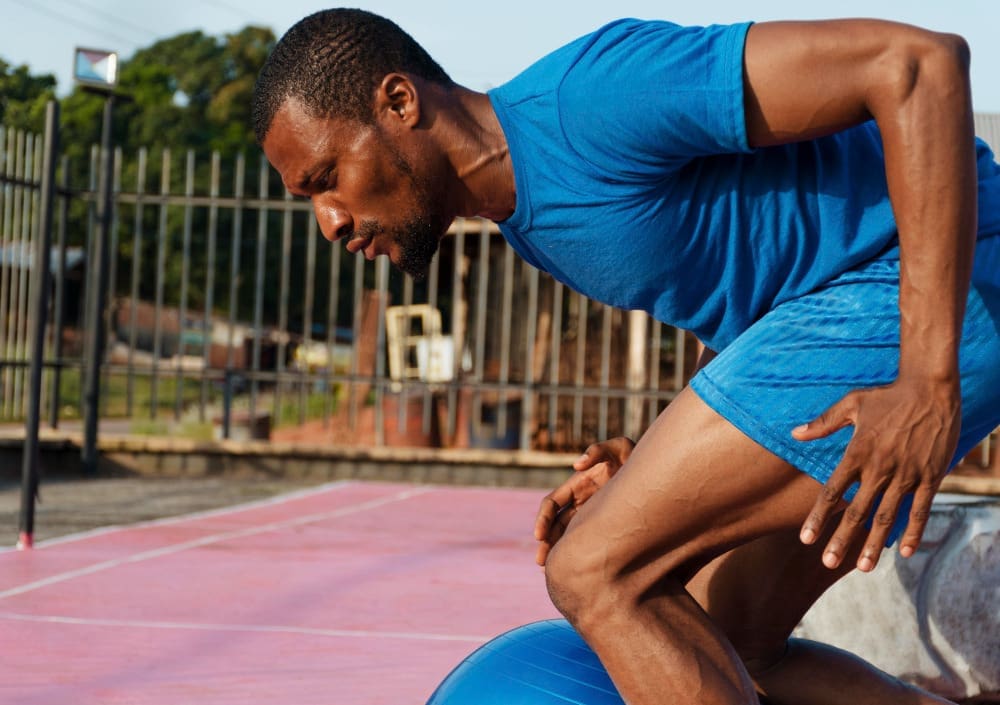
Do you find pain at the back of your thigh makes simple tasks hard? At Liv Hospital, we get how sharp pain in the back of your thigh can disrupt your life.
We’re here to offer top-notch healthcare, supporting patients from around the world. Our team is ready to help you figure out and fix your pain fast.
We focus on you, using our trusted expertise to tackle back upper thigh pain head-on.
Key Takeaways
- Knowing why you have back upper thigh pain is key to fixing it.
- Liv Hospital gives patient-focused care to people from everywhere.
- Our team is all about quick relief from your discomfort.
- We offer full healthcare services for thigh pain sufferers.
- Acting fast can really help your treatment work better.
What Causes Back Upper Thigh Pain?
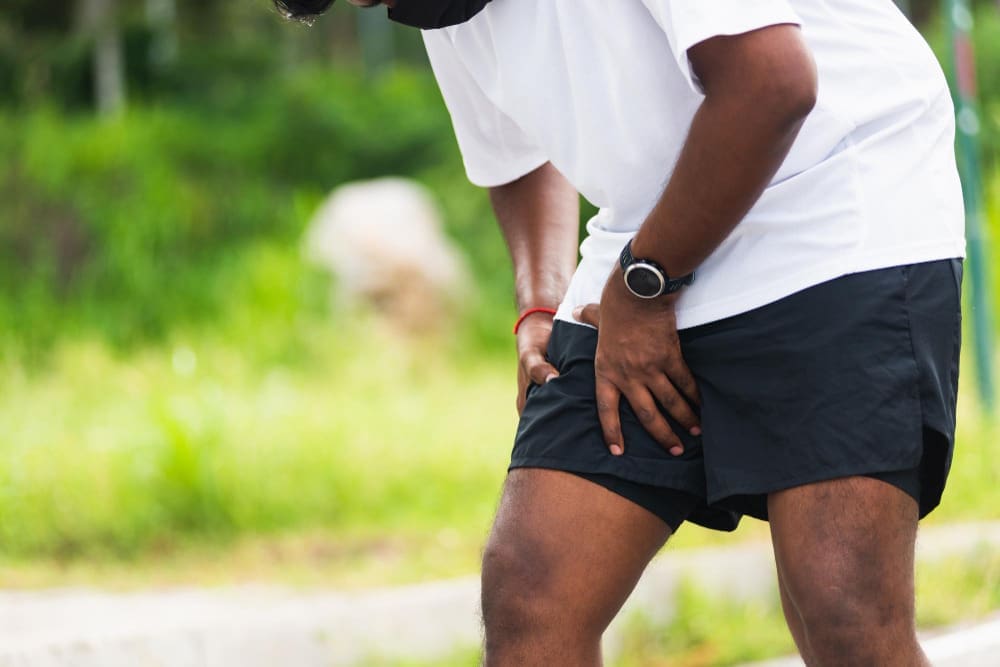
The back upper thigh area often hurts due to muscle strain, nerve compression, and other reasons. This pain can make daily activities hard and lower your quality of life.
Common Symptoms and Manifestations
Back upper thigh pain can feel like sharp pain, muscle ache, or discomfort when sitting. These feelings can be constant or come and go. They often get worse with certain activities or positions. Knowing these symptoms helps figure out the cause.
Some common signs include:
- Pain that spreads from the lower back to the thigh
- Aching or burning in the upper thigh
- Stiffness or discomfort, mainly after resting or being inactive
- Sharp pains or stabbing feelings, often when moving or changing positions
Impact on Daily Life and Mobility
Back upper thigh pain can really affect your daily life and how you move. Simple tasks like walking, climbing stairs, or sitting for a long time can be tough. This pain can make it hard to move and might lead to chronic pain if not treated.
This pain can make it hard to do physical activities, stay active, or even do everyday tasks without pain. Knowing how much it affects you is key to finding good ways to treat and manage it.
Muscle Strains and Injuries

Pain in the back of the upper thigh can be from muscle strains. These are common in athletes and those with hard jobs. Muscle strains happen when muscles stretch too far or tear, causing pain.
We will look at how strains occur, their signs, and treatments to ease the pain.
How Muscle Strains Occur in the Upper Thigh
Muscle strains in the upper thigh often come from sudden muscle contractions or direct hits. Quick changes in direction, jumping, or sprinting can cause strains. Poor warm-ups, not cooling down, and lack of flexibility also increase the risk.
Symptoms of Muscle Strain in Back of Thigh
Symptoms of a muscle strain in the back of the thigh can range from mild to severe. They include sharp pain on back of thigh, swelling, bruising, and trouble moving. Some people feel pain behind thigh that gets worse with activity but feels better with rest.
Spotting these signs early can help find the right treatment.
Treatment Options for Muscle Strains
Treating muscle strains involves self-care and medical help. First, try rest, ice, compression, and elevation (RICE) to lessen pain and swelling. For serious strains or ongoing pain, see a healthcare professional. They can check for other issues and suggest physical therapy or pain management.
Sciatica: A Common Cause of Back Upper Thigh Pain
The sciatic nerve is key for our lower body. When it gets irritated, it can cause pain in the back of the thigh. This is known as sciatica. Many people suffer from it, with pain levels ranging from mild to severe.
The Sciatic Nerve and Its Pathway
The sciatic nerve is the longest in our body. It starts in the lower back and goes down to the legs. It passes through the buttocks and down the thigh, splitting into smaller nerves.
These smaller nerves control the muscles and feeling in the leg. When the nerve gets compressed or irritated, it can cause pain, numbness, and tingling.
Knowing where the sciatic nerve runs is key to diagnosing and treating back upper thigh pain. Compression or irritation can happen at different points along its path. This is often due to herniated discs, bone spurs, or tight muscles.
Recognizing Sciatic Pain in the Thigh
Sciatic pain in the thigh can feel different for everyone. It can be a sharp, shooting pain from the lower back to the thigh. Sometimes, it goes to the leg and foot. Others might feel a dull ache or burning, or numbness and tingling.
It’s important to know these symptoms to get the right treatment. If you have pain in the back of your thigh, and it happens when you sit or stand for a long time, see a doctor.
Effective Treatments for Sciatic-Related Thigh Pain
Treating sciatica-related back upper thigh pain involves several steps. Physical therapy is often recommended. It strengthens the muscles around the sciatic nerve and improves flexibility.
Stretching exercises can also help by reducing muscle tension that may be pressing on the nerve.
In some cases, medication is given to manage pain and inflammation. Making lifestyle changes, like improving posture and taking breaks when sitting, can also help. For severe cases, surgical interventions might be needed to relieve nerve compression.
Piriformis Syndrome and Upper Thigh Discomfort
The piriformis muscle is key for hip movement. When it gets inflamed, it can cause thigh pain. Piriformis syndrome happens when this muscle presses or irritates the sciatic nerve. This leads to pain in the upper thigh and buttocks.
The Connection Between Piriformis and Thigh Pain
The piriformis muscle is deep in the buttocks. It runs from the spine to the thigh bone. If it gets tight or inflamed, it can press on the sciatic nerve. This causes pain, numbness, and tingling in the thigh. This is known as piriformis syndrome and can be very uncomfortable.
Diagnosing Piriformis Syndrome
It’s hard to diagnose piriformis syndrome because its symptoms are like those of sciatica. Doctors use physical exams and medical history to figure it out. They might do tests like the Freiberg or Pace test to check the piriformis muscle. These tests see if the muscle is pressing on the sciatic nerve.
Relief Strategies for Piriformis-Related Pain
There are ways to ease piriformis pain. Stretching can help loosen the muscle and reduce nerve pressure. Physical therapy can also make the hip move better and stronger. Sometimes, doctors might use injections or meds to help with severe pain.
Managing piriformis syndrome well involves several steps. These include:
- Stretching exercises to ease muscle tension
- Physical therapy to boost hip mobility and strength
- Pain management with injections or meds
- Changing your lifestyle to avoid making things worse
Sacroiliac Joint Dysfunction
Upper thigh pain can come from sacroiliac joint dysfunction. This condition affects the joint between the sacrum and ilium. The sacroiliac (SI) joint is key in our musculoskeletal system, acting as a shock absorber between the spine and pelvis. When it’s not working right, it can lead to pain in the lower back and thighs.
Impact on the Upper Thigh
SI joint dysfunction can cause upper thigh pain. This is because the joint is close to nerves that go down to the legs. When the SI joint is inflamed or irritated, it can press on or irritate these nerves. This leads to pain in the back of the thigh.
We often see patients with pain in the back of the left thigh due to SI joint dysfunction. This pain can be sharp or dull. It may get worse with activities like climbing stairs or standing for long periods.
Identifying SI Joint Pain
Figuring out SI joint pain involves physical exams and tests. Signs include tenderness over the SI joint, pain when standing on one leg, and discomfort when moving from sitting to standing.
| Diagnostic Test | Description | Significance |
|---|---|---|
| FABER Test | Flexion, ABduction, and External Rotation test to assess SI joint pain | Helps identify SI joint dysfunction |
| Gaenslen’s Test | Test involving hyperextension of the hip to provoke SI joint pain | Used to diagnose SI joint dysfunction |
| X-rays or CT scans | Imaging tests to visualize the SI joint | Helps rule out other causes of pain |
Treatment Approaches
Treatment for SI joint dysfunction includes physical therapy, lifestyle changes, and sometimes injections or surgery.
Physical Therapy: Strengthening muscles around the SI joint can help stabilize it and reduce pain.
Lifestyle Modifications: Avoiding activities that make pain worse and keeping a healthy weight can help symptoms.
Understanding the causes and using the right treatments can help people find relief from sacroiliac joint dysfunction.
Meralgia Paresthetica: Nerve Compression in the Thigh
When the lateral femoral cutaneous nerve gets compressed, it leads to meralgia paresthetica. This condition causes pain and numbness in the thigh. The nerve runs from the lower back to the thigh, affecting daily life with its symptoms.
Causes of Lateral Femoral Cutaneous Nerve Compression
Several factors can compress the lateral femoral cutaneous nerve. Tight clothing or belts can put pressure on it. Weight gain or obesity also increases pressure. Other causes include scar tissue from surgeries or injuries, and prolonged standing or walking.
Knowing these causes helps in preventing and treating the condition. By addressing the root causes, symptoms can be reduced, improving life quality.
Symptoms Specific to Meralgia Paresthetica
Meralgia paresthetica mainly affects the outer thigh. Symptoms include burning pain, numbness, and tingling sensations. Some people feel increased sensitivity to touch in the area. These symptoms can worsen with standing or walking.
Treatment Options and Recovery Timeline
Treatment aims to relieve pressure on the nerve. First steps include lifestyle modifications like wearing loose clothes and losing weight. Medications like pain relievers or corticosteroid injections may also be suggested.
If these methods don’t work, surgical intervention might be needed. The recovery time varies based on the treatment and individual factors. With the right treatment, many see improvement in symptoms within weeks to months.
Vascular Conditions Affecting the Back of the Thigh
Vascular issues can cause pain in unexpected places, like the back of the thigh. These conditions affect health and can cause discomfort and mobility issues. We’ll look at how peripheral artery disease and deep vein thrombosis lead to thigh pain.
Peripheral Artery Disease and Thigh Pain
Peripheral artery disease (PAD) happens when arteries narrow or block, reducing blood flow. This can cause thigh pain, mainly during exercise, as muscles need more oxygen and nutrients. The pain from PAD is often cramping or aching and goes away with rest.
To diagnose PAD, doctors use physical exams, medical history, and tests like the ankle-brachial index. Treatment includes lifestyle changes, like exercise and quitting smoking, and medications or surgery for severe cases.
Deep Vein Thrombosis Considerations
Deep vein thrombosis (DVT) is a condition where a blood clot forms in deep veins, usually in the legs. It can cause swelling, redness, and pain. DVT is serious because the clot can break loose and go to the lungs, causing a pulmonary embolism.
Risk factors for DVT include being immobile for a long time, surgery, cancer, and genetics. Doctors use ultrasound to diagnose DVT. Treatment usually involves anticoagulant medications to stop the clot from growing and prevent more clots.
Managing Vascular-Related Thigh Pain
Managing thigh pain from vascular issues means treating the root cause. For PAD and DVT, lifestyle changes are key. This includes regular exercise, a healthy weight, and not smoking. Sometimes, medication is needed to improve blood flow or prevent clots.
In severe cases or when other treatments don’t work, surgical or interventional procedures might be needed. This could be angioplasty to widen arteries or thrombectomy to remove a clot. The right treatment depends on the diagnosis, how severe it is, and the patient’s health.
Knowing the vascular causes of thigh pain is vital for proper treatment. By treating the underlying condition, people can find relief from pain and improve their vascular health.
Diagnosing the Cause of Back Upper Thigh Pain
Getting rid of back upper thigh pain starts with finding out why it’s happening. Knowing the cause is key to treating it right and avoiding it in the future.
When to Seek Medical Attention
If your back upper thigh pain doesn’t go away or gets worse, see a doctor. You should also go if the pain:
- Lasts more than a few weeks
- Interferes with daily activities
- Is accompanied by numbness, tingling, or weakness
- Is severe or worsens over time
Common Diagnostic Procedures
Doctors use different tests to figure out why you’re in pain. These tests include:
- Physical Examination: A detailed check to see how strong your muscles are, how your reflexes are, and what makes the pain worse.
- Imaging Tests: X-rays, MRI, or CT scans to see what’s going on inside and find problems like fractures, herniated discs, or injuries.
- Medical History Review: Looking at your past health to see if old injuries or conditions might be causing your pain.
Questions Your Doctor May Ask
Your doctor will ask you lots of questions to figure out your pain. Be ready to talk about:
- Where and how bad your pain is
- What makes your pain better or worse
- Your health history, including past injuries or illnesses
- What you do every day, like your job, exercise, and hobbies
Telling your doctor everything about your symptoms and health history helps them find the right diagnosis and treatment plan for you.
Immediate Relief Strategies for Back Thigh Pain
We know that back thigh pain can really get in the way of your day. We’re here to help you find some good ways to feel better. When your back thigh hurts, it’s important to know how to ease the pain.
Home Remedies and First Aid
For quick relief, try some home remedies. Putting ice or heat on the sore spot is a good start. Ice can cut down on swelling, while heat can relax your muscles. Try switching between ice and heat to see what works best for you.
Resting is also key. Stay away from things that make the pain worse and let your thigh heal. Raising your leg can also help with swelling and improve blood flow.
Over-the-Counter Pain Management
OTC pain relievers can help with back thigh pain. NSAIDs like ibuprofen can reduce pain and swelling. Acetaminophen is good for pain, but it doesn’t fight swelling.
Make sure to take the right amount of medicine and talk to a doctor if you’re not sure. This is important, even if you’re just taking something from the store.
| Medication Type | Primary Use | Example |
|---|---|---|
| NSAIDs | Reduces pain and inflammation | Ibuprofen |
| Analgesics | Pain relief | Acetaminophen |
Effective Stretches for Quick Relief
Stretching gently can help with back thigh pain. It makes your muscles more flexible and less tight. Try the hamstring stretch by sitting on the floor with your legs straight out, then lean forward to touch your toes. Hold for 15-30 seconds and do it a few times.
The piriformis stretch is also good. Sit on the floor with one leg crossed over the other. Use your hand to pull the crossed knee toward your shoulder. Hold for 15-30 seconds and switch sides.
Doing these stretches regularly, along with other relief methods, can help manage back thigh pain well.
Prevention Strategies for Recurring Thigh Pain
To manage recurring thigh pain, a multi-faceted approach is key. This includes proper exercise, ergonomic adjustments, and lifestyle changes. These strategies can help reduce thigh pain episodes.
Proper Exercise Techniques
Regular exercise is essential for preventing thigh pain. Strengthening the muscles around the thigh helps support the area. Squats, lunges, and leg press are good exercises when done right.
Adding flexibility and stretching exercises is also important. Daily stretches for the hamstrings, quadriceps, and hip flexors keep muscles flexible. This prevents muscle imbalances.
Ergonomic Considerations for Sitting and Standing
Ergonomic adjustments are vital for those who sit or stand a lot. Setting up workstations for good posture reduces thigh strain. Adjust chair heights, use footrests, and take breaks to stand and stretch.
For long standing periods, supportive shoes and breaks to sit help. Using anti-fatigue mats also reduces leg and thigh strain.
Lifestyle Modifications to Prevent Flare-ups
Healthy lifestyle choices can prevent thigh pain. Keeping a healthy weight reduces pressure on the thighs. Avoid activities that worsen the condition, like repetitive strain or heavy lifting.
Stress-reducing activities like yoga or meditation are also helpful. Stress can make muscle tension worse, leading to pain. Managing stress can prevent flare-ups.
By using these prevention strategies, you can reduce thigh pain and improve your life quality.
Conclusion
Back upper thigh pain can really affect your daily life. It can make you uncomfortable and limit how you move. In this article, we looked at why you might feel pain in this area.
This pain can come from muscle strains, sciatica, piriformis syndrome, or vascular issues. Knowing the cause is key to fixing the problem. We talked about different ways to treat this pain, from simple home remedies to more serious medical treatments.
At Liv Hospital, we aim to give top-notch healthcare. This includes finding and treating the causes of back upper thigh pain. By getting medical help and taking steps to prevent pain, you can live better.
What are the common causes of pain at the back of the thigh above the knee?
Pain in this area can be caused by muscle strains, sciatica, and piriformis syndrome. Other causes include sacroiliac joint dysfunction, meralgia paresthetica, and vascular issues like peripheral artery disease and deep vein thrombosis.
Why do the backs of my thighs hurt?
There are many reasons for back thigh pain. Muscle strains, sciatica, and piriformis syndrome are common. Knowing the cause helps find the right treatment.
What is the difference between sciatica and piriformis syndrome?
Sciatica is pain along the sciatic nerve from the lower back to the legs. Piriformis syndrome happens when the piriformis muscle irritates the sciatic nerve, causing thigh pain.
How is sacroiliac joint dysfunction diagnosed?
Doctors use physical exams, medical history, and imaging tests to diagnose sacroiliac joint dysfunction. This helps find the pain’s source and rule out other causes.
What are the symptoms of meralgia paresthetica?
Meralgia paresthetica causes thigh pain, numbness, or tingling. This is due to the lateral femoral cutaneous nerve being compressed.
Can vascular conditions cause back upper thigh pain?
Yes, conditions like peripheral artery disease and deep vein thrombosis can cause thigh pain. If you think you have a vascular issue, see a doctor right away.
How can I manage back upper thigh pain at home?
To manage pain at home, try rest, ice or heat, over-the-counter pain relief, and stretches. But, if pain doesn’t get better or gets worse, see a doctor.
What are some prevention strategies for recurring thigh pain?
To prevent thigh pain, use proper exercise techniques and ergonomic sitting and standing setups. Making lifestyle changes can also help prevent and manage pain.
When should I see a doctor for back upper thigh pain?
See a doctor if your pain doesn’t go away, gets worse, or comes with other symptoms. Early treatment can greatly improve your outcome.
What diagnostic procedures are used to determine the cause of back upper thigh pain?
Doctors use physical exams, imaging like X-rays or MRI, and medical history to find the cause of pain.
Why do the back of my thighs ache when sitting?
Sitting can cause back thigh pain due to muscle strain, piriformis syndrome, or sacroiliac joint dysfunction. Adjusting your sitting position and taking breaks can help.
What questions should I expect my doctor to ask during the diagnostic process?
Your doctor will ask about your symptoms, medical history, lifestyle, and what makes your pain better or worse. This helps them find the cause.
References
Healthline. Pain in the Upper Thigh: 9 causes, symptoms, and treatment. https://www.healthline.com/health/pain-in-upper-thigh/
Medical News Today. Why do I have pain in my upper thigh? https://www.medicalnewstoday.com/articles/321001



 Departments
 Related Videos
 Our Doctors
 News
News