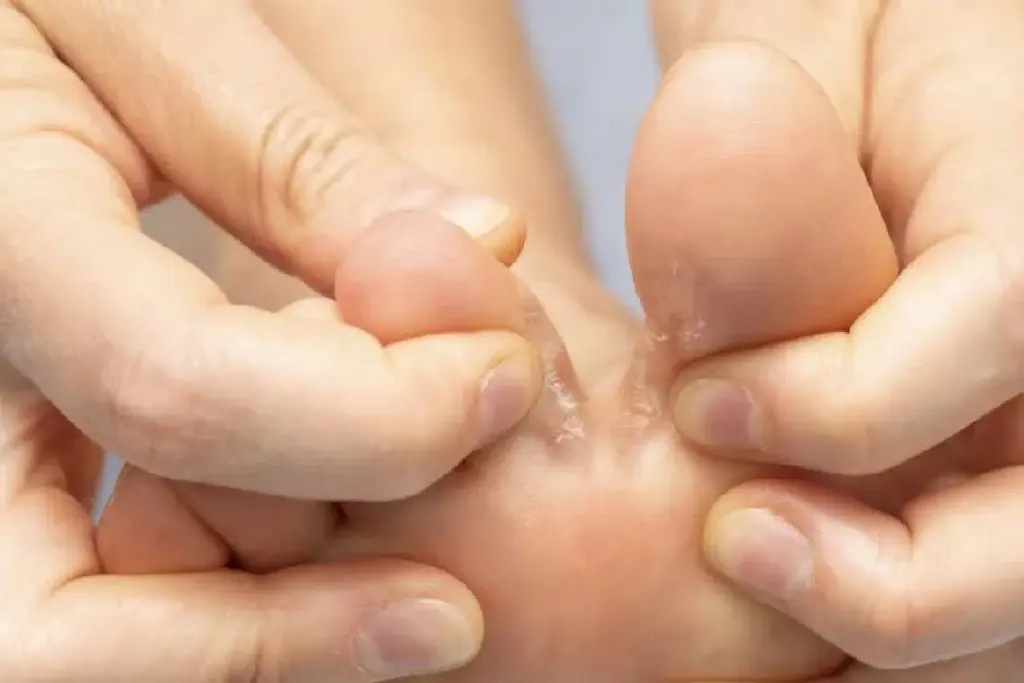
Eczema is a long-term condition that makes the skin inflamed and itchy. It’s often confused with fungal infections. We’ll look into if eczema itself is a fungal disease or if people with it are more likely to get fungal infections.
Is it a bacterial skin rash or eczema? Learn the facts to ensure you use the right treatment for your skin condition.
Eczema comes from a mix of genetics and the environment. Changes in genes like filaggrin can make infections more likely. It’s important to know about eczema to treat it well.
We’ll dive into the details of eczema and its link to skin infections. This will clear up any confusion about this condition.
Key Takeaways
- Eczema is not a fungal condition itself.
- People with eczema are more likely to get secondary fungal infections.
- Genetic changes, like in the filaggrin gene, raise the risk of infections.
- Knowing about eczema is key for correct diagnosis and treatment.
- Managing eczema well can lower the chance of problems.
What Exactly Is Eczema?
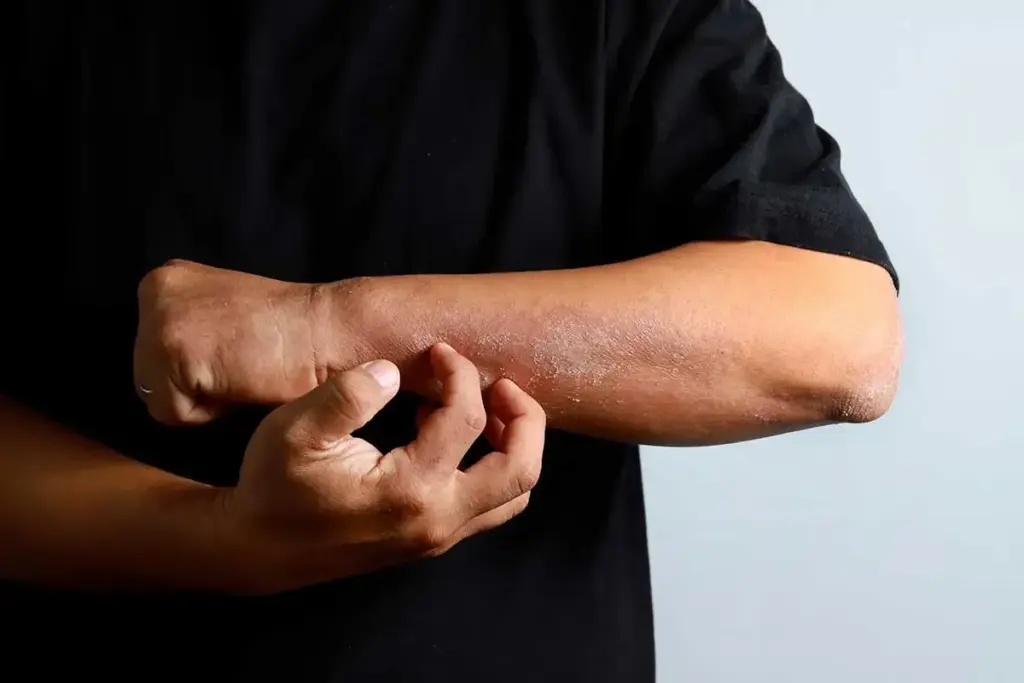
Eczema is a long-lasting skin problem that affects millions of people. Many don’t fully understand it. It’s important to know what eczema is, its symptoms, and what can trigger it.
Defining Characteristics and Symptoms
Eczema makes the skin dry, itchy, and inflamed. This can cause a lot of discomfort. Symptoms include red skin, swelling, and cracks.
The condition can show up anywhere on the body. But it often appears on the hands, feet, face, and inside the elbows and knees.
- Red, inflamed skin
- Itching, which can be severe
- Dry, scaly skin patches
- Swollen skin
Common Triggers and Environmental Factors
What triggers eczema can differ from person to person. But common things include allergens, irritants, stress, and environmental changes. Knowing what triggers your eczema is key to managing it.
For example, some people’s eczema gets worse with certain soaps or fabrics.
Children with eczema have a high chance of having it their whole lives. Adults are also affected, though less often. Knowing these numbers helps us see how big of a problem eczema is and why we need good ways to manage it.
The Science Behind Eczema Development
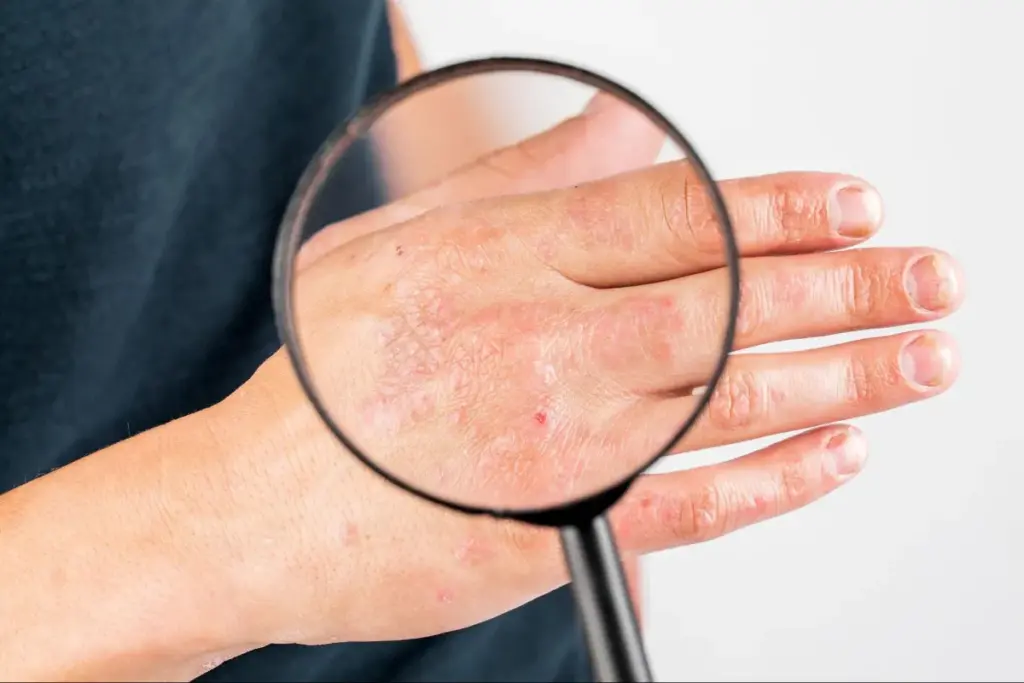
To understand eczema, we must look at genetics and how the skin works. Eczema, or atopic dermatitis, comes from a mix of genes, environment, and the immune system.
Genetic Factors: Filaggrin Mutations
Genetic changes, like those in the filaggrin gene, are key in eczema. Filaggrin mutations weaken the skin’s defense. This makes it easier for irritants and allergens to get in. Studies show people with these mutations are more likely to get eczema.
Genetic changes, like in filaggrin, raise the risk of infections. This is because the skin barrier is weak. This is a big part of why eczema happens.
The Compromised Skin Barrier
The skin’s barrier is vital for keeping moisture in and out. In eczema, this barrier is weak. This leads to dry, itchy skin that’s more likely to get infections. The compromised skin barrier lets allergens and irritants in, making eczema worse.
Filaggrin mutations make the skin barrier weak. This is a key sign of eczema. It helps explain why eczema starts and stays.
|
Genetic Factor |
Impact on Skin |
Consequence |
|---|---|---|
|
Filaggrin Mutations |
Compromised Skin Barrier |
Increased Susceptibility to Infections |
|
Immune System Dysregulation |
Excessive Inflammation |
Eczema Symptoms |
Eczema Prevalence and Demographics
Eczema affects people of all ages, but its impact changes from childhood to adulthood. Knowing how it affects different age groups helps us find better treatments.
Childhood Eczema: 15-30% Lifetime Prevalence
Childhood eczema is a big worry, with 15-30% of kids being affected. This condition can deeply affect a child’s life, impacting their skin and overall health.
A study found that kids with early eczema are more likely to get other allergies. This includes asthma and rhinitis.
“The early onset of eczema is associated with a higher risk of developing other allergic conditions.”
|
Age Group |
Eczema Prevalence |
|---|---|
|
Children |
15-30% |
|
Adults |
2-10% |
Adult Eczema: 2-10% Prevalence Rates
In adults, eczema affects 2-10% of people. It can really change their life, making everyday tasks and socializing hard.
Managing adult eczema needs a full plan, including lifestyle changes and specific treatments. A dermatologist says, “To manage eczema in adults, you must know what triggers it and find ways to lessen its effects.”
Is Eczema Contagious? Addressing Common Misconceptions
Many people wonder if eczema is contagious. We aim to clear up this concern. Eczema, or atopic dermatitis, is a chronic condition that makes the skin inflamed and itchy. Its visible symptoms and discomfort often lead to worries about it spreading.
The Non-Contagious Nature of Eczema
Eczema is not contagious. You can’t catch it from someone who has it. The exact cause of eczema is not fully understood. It involves genetics, environment, and the immune system.
When Secondary Infections Become Transmissible
Even though eczema itself is not contagious, secondary infections can spread. These infections happen when bacteria or fungi grow on the skin. They can be transmissible through direct contact with the infected area.
Common secondary infections include those from Staphylococcus aureus and Candida.
To manage eczema well and prevent secondary infections, it’s important to:
- Maintain good hygiene
- Avoid scratching the affected areas
- Use topical treatments as prescribed by a healthcare provider
Knowing how eczema works and its possible complications helps ease worries about it spreading. It also guides how to manage it properly.
Bacterial Skin Rash vs. Eczema: Critical Differences
Bacterial skin rashes and eczema look similar but need different treatments. Knowing the differences is key to managing them well and avoiding problems.
Identifying Bacterial Infections on the Skin
Bacterial skin infections show up as red, swollen, and painful spots. They often have pus or discharge. Look for these signs:
- Localized heat and redness: The area feels warm to the touch.
- Pus or discharge: Pus is a clear sign of a bacterial infection.
- Rapid onset: These infections can start quickly, in just hours.
It’s important to tell these symptoms apart from eczema. Eczema has dry, itchy, and inflamed skin without pus.
When Eczema Develops Bacterial Complications
Eczema can get worse with secondary bacterial infections, when the skin barrier is broken. Look for these signs of infection:
- Increased redness and swelling: The area gets more inflamed.
- Pus or crusting: This means a bacterial infection is present.
- Failure to respond to standard eczema treatments: If eczema doesn’t get better with usual treatments, think about a secondary infection.
It’s vital to spot these signs early to start the right treatment quickly.
Fungal Connections: Can Eczema Be Fungal?
Looking into the fungal side of eczema shows a mix of skin health and microbes. Studies found more fungi in eczema spots, mainly in adults. This has made people curious about fungi’s role in eczema.
The Truth About Eczema’s Origin
Eczema, or atopic dermatitis, is a long-lasting skin issue with inflammation, dryness, and itchiness. Its cause is not fully known, but genetics, environment, and immune system play parts. Fungi might also be involved, adding to the condition’s complexity.
Malassezia and Candida Species in Eczema Lesions
Research shows Malassezia and Candida in eczema spots. Malassezia is normal on skin but can be harmful. Candida yeasts cause infections in weak skin. Their presence in eczema suggests a fungal connection.
Skin Yeast Infections vs. Eczema
Telling skin yeast infections apart from eczema is important for treatment. Both can have redness and itch, but they have different causes. Skin yeast infections need antifungal meds, while eczema is treated with creams and moisturizers. Knowing the difference helps in treating each condition right.
In summary, the link between eczema and fungal infections is complex. More research on fungal connections in eczema, like Malassezia and Candida, is needed. By knowing the difference between skin yeast infections and eczema, doctors can give better treatments.
Weeping Eczema and Microbial Complications
Weeping eczema is a condition where the skin oozes. It can be caused by many microbial issues. At Liv Hospital, we focus on treating these problems to help our patients.
Causes of Weeping and Oozing in Eczema
Eczema’s weeping and oozing often come from microbial infections. These can be from bacteria, fungi, or viruses. It’s key to find out which microbe is causing the problem to treat it right.
People with eczema have a harder time keeping their skin safe from germs. When their skin barrier is broken, germs can get in and cause infections. This leads to the skin oozing.
Microbial Eczema Treatment Approaches
Dealing with weeping eczema means treating the eczema and the infection. At Liv Hospital, we use:
- Topical antimicrobial treatments to control microbial growth
- Anti-inflammatory medications to reduce eczema symptoms
- Moisturizers to repair the skin barrier
|
Treatment Component |
Purpose |
|---|---|
|
Topical Antimicrobials |
Control microbial infections |
|
Anti-inflammatory Medications |
Reduce inflammation and eczema symptoms |
|
Moisturizers |
Repair and protect the skin barrier |
We use a detailed treatment plan to manage weeping eczema. Our goal at Liv Hospital is to give the best care. We aim for the best results for our patients.
Commonly Confused Conditions: Ringworm vs. Eczema
Distinguishing between ringworm and eczema can be tricky because they look similar. It’s important to know the differences for the right diagnosis and treatment.
Distinguishing Features of Ringworm
Ringworm is a fungal infection caused by Trichophyton species. It shows up as ring-shaped lesions that are itchy, red, and scaly. The center of the ring is clear. It can appear anywhere on the body and spreads easily through contact with infected people or objects.
Why Trichophyton Infections Are Misdiagnosed as Eczema
Trichophyton infections, like ringworm, are often mistaken for eczema because they look alike. The itchy, inflamed patches can look like eczema, making it hard to tell them apart. Both can have dry, scaly skin, making it even more confusing. To get the right diagnosis, a detailed look at the skin might be needed, including skin scrapings or cultures.
It’s key to know the difference between ringworm and eczema for the right treatment. Eczema is a long-term inflammatory condition, while ringworm is a fungal infection that needs antifungal treatment. Getting it wrong can cause a lot of suffering and the wrong treatment, showing the importance of accurate diagnosis.
Special Considerations: Eczema on Feet and Face
Eczema on the feet and face is different and harder to handle. It’s more likely to get fungal infections. We need special ways to manage it.
Managing Eczema on Feet and Fungal Risks
Eczema on the feet can make it hard to tell what’s going on. Fungal infections can look like eczema. It’s important to treat both right.
We suggest a detailed plan that includes:
- Checking carefully to tell eczema from fungal infections
- Using antifungal treatments when needed
- Keeping the skin moisturized
Yeast Infections on Face vs. Facial Eczema
It’s hard to tell if it’s a yeast infection or eczema on the face. Yeast infections and eczema both cause redness and itchiness. But yeast needs antifungal treatment, while eczema needs to reduce inflammation and keep the skin moist.
Getting the right diagnosis is key. It helps us choose the right treatment.
In summary, treating eczema on the feet and face needs a deep understanding of fungal and yeast infections. With a detailed treatment plan, we can manage eczema better and help our patients.
Diagnostic and Treatment Protocols at Liv Hospital
Liv Hospital leads in dermatology, using top-notch diagnostic methods for eczema. Our goal is to offer the best healthcare through detailed plans for diagnosis and treatment.
Advanced Diagnostic Approaches for Accurate Identification
We use the latest tools for precise eczema and infection diagnosis. Our methods include comprehensive skin assessments and microbiological testing. This helps us create treatment plans that fit each patient’s needs.
Innovative Solutions in Dermatological Care
At Liv Hospital, we aim to always improve our dermatology services. Our team keeps up with new research and treatments for eczema. We focus on personalized care tailored to each patient’s needs.
Conclusion: Comprehensive Management of Eczema and Related Infections
Managing eczema well means understanding its link to fungal and bacterial infections. We’ve seen that eczema itself isn’t caused by these infections. But, infections can make eczema worse. At Liv Hospital, we focus on accurate diagnosis and treating both eczema and infections together.
Good management means treating eczema symptoms and stopping infections from happening. This includes using advanced tests and making treatment plans just for each patient. By knowing how eczema and infections work together, we can give better care and improve patients’ lives.
Our team uses a mix of dermatology and new treatments to get the best results. We’re dedicated to top-notch healthcare for international patients. This ensures they get the care they need to manage eczema well.
FAQ
Is eczema contagious?
No, eczema is not contagious. It’s a chronic skin condition with inflammation, dryness, and itchiness. It can’t be spread through touch.
What are the common triggers for eczema?
Common triggers include allergens, irritants, stress, and certain products or materials. These can affect the skin.
Can eczema be caused by a fungal infection?
Eczema itself isn’t caused by a fungal infection. But, fungi like Malassezia and Candida can make eczema worse.
How do you differentiate between a skin yeast infection and eczema?
To tell them apart, look at symptoms and do diagnostic tests. Yeast infections have a clear border and often happen in moist spots.
What is the role of filaggrin mutations in eczema development?
Filaggrin mutations weaken the skin barrier. This makes the skin more prone to irritation, dryness, and inflammation.
Can bacterial infections complicate eczema?
Yes, bacterial infections can make eczema worse. They lead to secondary infections that need extra treatment.
How is weeping eczema treated?
Weeping eczema is treated with topical corticosteroids, antibiotics, and good wound care. This helps manage infections and promotes healing.
What is the difference between ringworm and eczema?
Ringworm is a fungal infection with a ring-shaped rash. Eczema is a chronic inflammatory skin condition. Their causes and treatments are different.
How is eczema on the feet managed?
To manage eczema on the feet, keep the area clean and dry. Avoid irritants and use topical treatments as directed. Fungal infections need separate treatment.
Can yeast infections occur on the face?
Yes, yeast infections can happen on the face, mainly in oily areas. It’s important to tell the difference between a yeast infection and facial eczema for proper treatment.
What diagnostic approaches are used for eczema and related infections?
Advanced diagnostic methods include clinical exams, skin scrapings, and culture tests. These help identify eczema and related infections, guiding treatment.
What treatment options are available for microbial eczema?
Treatments for microbial eczema include topical and systemic antibiotics, antifungals, and corticosteroids. The choice depends on the specific infection and the individual’s condition.
References
National Center for Biotechnology Information (NCBI): https://www.ncbi.nlm.nih.gov/books/NBK538209/



 Departments
 Related Videos
 Our Doctors
 News
News