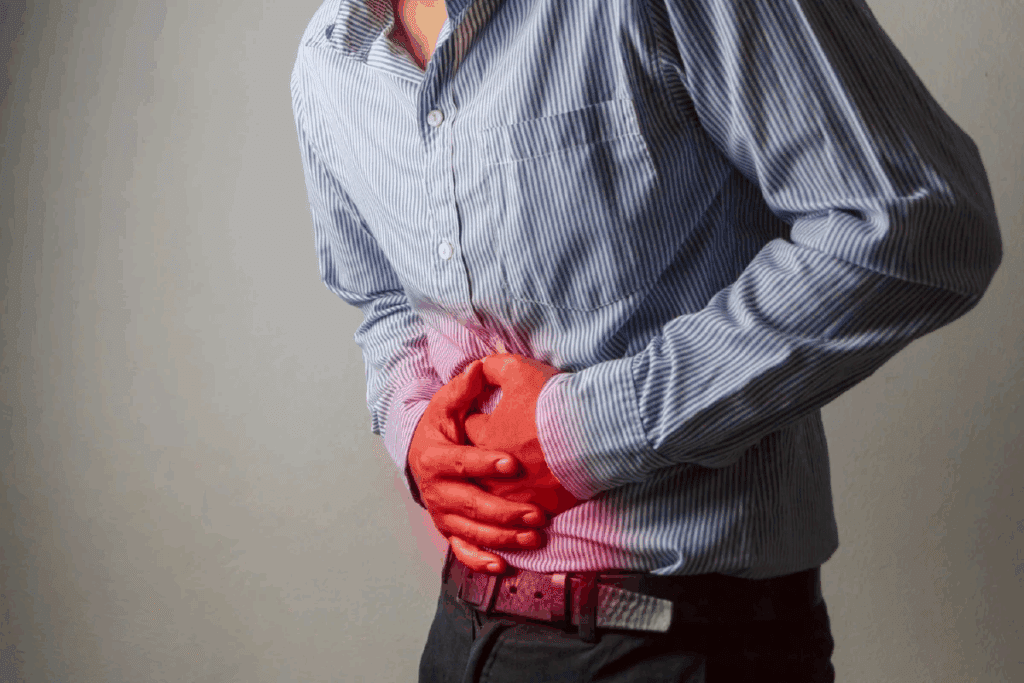
Appendicitis is a serious condition that affects millions. It’s a leading cause of emergency surgery. Knowing its risk factors is key to preventing it.Bad Habits Leading to Appendicitis10 Common Stomach Surgeries: Types, Procedures, and What to Expect
Some unhealthy lifestyle choices raise the risk of appendicitis. A diet low in fiber, not enough exercise, and smoking are linked to it.
By knowing these risk factors, we can lower our chance of getting appendicitis. In this article, we’ll look at habits that lead to appendicitis. We’ll also talk about how to avoid these risks.
Key Takeaways
- Appendicitis is a serious medical condition requiring prompt attention.
- Unhealthy lifestyle choices can increase the risk of appendicitis.
- A low-fiber diet, lack of physical activity, and smoking are linked to appendicitis.
- Understanding risk factors is key to prevention.
- Making lifestyle changes can reduce the risk of appendicitis.
Understanding Appendicitis: Causes and Risk Factors
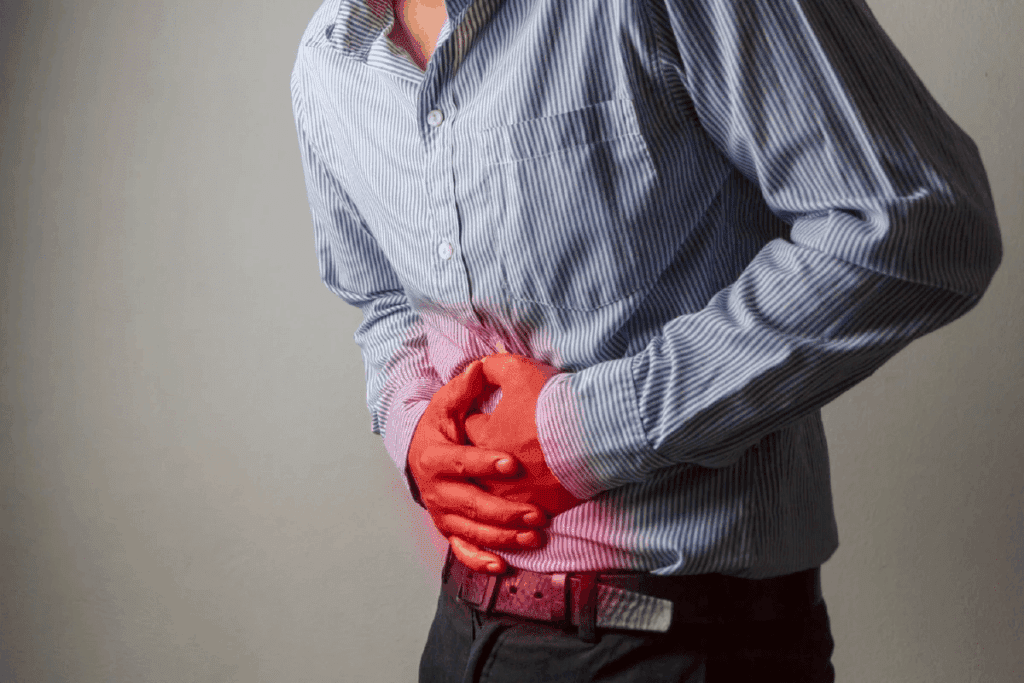
Appendicitis happens when several things come together, like blockages, infections, and genes. To get it, we need to know how it starts and what makes it more likely.
What Is Appendicitis and How Does It Develop?
Appendicitis is when the appendix, a small tube near the large intestine, gets inflamed. It can get blocked by things like feces, food, or even objects. This blockage causes bacteria to grow, making the appendix swell and painful.
Common Causes of Appendicitis
Many things can lead to appendicitis. These include:
- Blockages: The main cause is when something blocks the appendix. This can be fecaliths, food, or other stuff.
- Infections: Germs in the gut can also cause it.
- Genetic predisposition: If your family has had it, you might get it too.
Who Is at Risk?
Appendicitis can hit anyone, but teens and young adults get it most. Other risks are:
- Eating too little fiber can cause constipation and blockages.
- Having a family history of it means you might get it too.
- Having had surgery in your belly before can lead to blockages.
Knowing these risks and causes helps prevent and catch appendicitis early. By making smart choices and watching for symptoms, you can lower your risk and get help fast if needed.
Bad Habits Leading to Appendicitis: An Overview

Certain daily habits and lifestyle choices can increase the risk of appendicitis. Appendicitis is a serious medical condition that requires prompt treatment. Understanding the factors that contribute to its development is key for prevention.
The Connection Between Lifestyle Choices and Appendicitis
Our lifestyle choices, including what we eat and how active we are, affect our risk for appendicitis. Eating a lot of processed meats and fried foods can raise this risk. These foods are often full of unhealthy fats and lack important nutrients, leading to digestive problems.
A diet low in fiber also increases the risk of appendicitis. Fiber helps keep digestion healthy and prevents constipation, a known risk factor. Foods high in fiber, like fruits, vegetables, and whole grains, are important.
How Daily Habits Affect Digestive Health
Daily habits, like how we eat and drink, greatly impact our digestive health. Irregular eating patterns and drinking too much sugar can cause digestive issues, raising the risk of appendicitis. Drinking enough water is key to preventing constipation and keeping our digestive system healthy.
Being inactive can also harm our digestive health. Regular exercise helps move our bowels and improves gut health. We suggest doing at least 30 minutes of moderate exercise daily to support our digestive health.
By making smart lifestyle choices, we can lower our risk of appendicitis and improve our overall health.
Poor Dietary Choices and Appendicitis Risk
Our diet affects our digestive health a lot. Bad food choices can raise the chance of getting appendicitis. What we eat helps keep our digestive system healthy. Some eating habits can make appendicitis more likely.
Low Fiber Intake and Its Impact
Eating too little fiber can cause constipation. Fiber helps keep our bowels regular and prevents constipation. It makes stool soft and easy to pass.
Without enough fiber, stool gets hard. This can cause constipation. Constipation can put extra pressure on the appendix, leading to inflammation. Eating more fiber from fruits, veggies, and whole grains can help avoid this.
Processed Foods and Digestive Health
Processed foods are often bad for our digestion. They’re full of unhealthy fats and low in fiber, causing digestive problems. They can upset the balance of gut bacteria, leading to inflammation and possibly appendicitis.
These foods can also cause weight gain and obesity. Both are risk factors for appendicitis. Choosing whole foods like lean proteins, fruits, and veggies supports a healthy gut.
High Sugar Diet and Inflammation
Eating too much sugar can cause chronic inflammation. This inflammation can increase the risk of appendicitis. Sugar can upset the balance of gut bacteria, leading to inflammation.
Reducing sugar intake helps. Choosing natural sweeteners like fruits can reduce inflammation. A balanced diet low in added sugars supports digestive health.
The Fast Food Factor: Impact on Digestive Health
Fast food is everywhere in our diets, raising big questions about its impact on our digestive health. It’s full of unhealthy fats, salt, and calories. These can cause inflammation and discomfort in our digestive system. Research shows eating fast food can increase the risk of appendicitis, a serious condition that needs quick medical help.
How Fast Food Consumption Affects the Digestive System
Eating fast food can harm our digestive health. The high amounts of unhealthy fats and salt can cause inflammation in our digestive tract. This can lead to serious problems like appendicitis. Also, a diet lacking in nutrients can make our digestive system work poorly.
Fast food can cause a range of digestive problems, from mild to severe. It’s important to know the dangers of eating too much processed food.
Chemical Additives and Their Role in Inflammation
Chemical additives in fast food, like preservatives and artificial flavorings, can also cause inflammation. They can upset the balance of good bacteria in our gut, leading to digestive issues. Some studies even suggest these additives can directly cause inflammation in our digestive tract.
The health risks of these additives are a big concern. As consumers, we should pay attention to what’s in our food. We should choose options with fewer harmful additives.
Unhealthy Eating Patterns That Increase Risk
The way we eat can greatly affect our digestive health. It can also raise the risk of appendicitis. Bad eating habits can cause many digestive problems, stressing our bodies more.
Overeating and Digestive Issues
Overeating puts a lot of pressure on our digestive system. When we eat too much at once, our body has to work extra hard. This can cause discomfort, indigestion, and even make appendicitis worse.
Common issues associated with overeating include:
- Indigestion
- Bloating
- Abdominal pain
Eating smaller, balanced meals can help avoid these problems.
Inadequate Chewing of Food
Not chewing food well is another bad habit that can cause digestive issues. If food isn’t chewed right, it’s hard for the stomach to digest. This can lead to digestive problems.
Proper chewing is essential for:
- Breaking down food into smaller, manageable pieces
- Aiding in the digestion process
- Reducing the risk of digestive discomfort
Skipping Meals and Digestive Problems
Skipping meals can also harm our digestive health. Eating irregularly can confuse our digestive system. This can cause acid reflux, stomach pain, and even increase the risk of appendicitis.
Maintaining a regular eating schedule can help:
- Regulate digestion
- Prevent excessive hunger that can lead to overeating
- Support overall digestive health
By being mindful of our eating habits and adopting healthier patterns, we can reduce the risk of digestive issues. This can also lower the risk of developing appendicitis.
Hydration Habits and Appendicitis
Drinking enough water is a simple way to help your digestive system. It can also lower your chance of getting appendicitis. Water helps your digestive system work right, preventing constipation and appendicitis.
Poor Hydration and Its Effect on Digestive Health
Not drinking enough water can cause constipation. This is when you don’t go to the bathroom often and have hard stools. When you’re dehydrated, your body takes water from your colon, causing constipation. This can make you more likely to get appendicitis because straining can put pressure on your appendix.
Key effects of poor hydration on digestive health include:
- Constipation due to reduced water in the colon
- Increased risk of appendicitis
- Impaired digestion and nutrient absorption
Sugary Beverages vs. Water: Impact on Digestion
Choosing between sugary drinks and water affects your digestion. Drinks with lots of sugar can cause inflammation and increase appendicitis risk. Water, on the other hand, is calorie-free and keeps your digestive system healthy.
Consider the following when choosing your beverages:
- Opt for water as your primary source of hydration.
- Limit consumption of sugary drinks like soda and sports drinks.
- Be mindful of the sugar content in fruit juices and flavored waters.
A study shows that enough water can lower constipation and digestive disorder risks. (
“Adequate hydration is key for a healthy digestive system. It helps prevent constipation and may lower appendicitis risk.”
By focusing on hydration and choosing the right drinks, we can improve our digestive health. This helps reduce the risk of appendicitis.
Sedentary Lifestyle and Appendicitis Risk
Regular exercise is key for a healthy digestive system and lowers appendicitis risk. A sedentary lifestyle harms digestive health.
Impact of Inactivity on Digestive Function
Not moving enough can slow digestion, causing constipation and more pressure on the appendix. This raises the chance of appendicitis. A sedentary lifestyle also links to unhealthy habits that harm digestion.
Some effects of a sedentary lifestyle on digestion include:
- Reduced gut motility, leading to constipation
- Increased inflammation in the body
- Poor circulation, which can affect the digestive system
Exercise Recommendations for Digestive Health
Regular physical activity can counteract sedentary lifestyle risks. We suggest mixing aerobic, strength, and flexibility exercises in your routine.
Effective exercises for better digestion include:
- Aerobic Exercises: Activities like brisk walking, cycling, or swimming boost digestion and gut health.
- Yoga: Certain yoga poses help with digestion and ease constipation symptoms.
- Strength Training: Building core strength supports digestive health by improving abdominal muscle tone.
We recommend at least 150 minutes of moderate-intensity aerobic activity or 75 minutes of vigorous-intensity aerobic activity weekly. Also, do muscle-strengthening activities on two or more days a week.
Substance Use: Smoking, Alcohol, and Appendicitis
It’s important to know how smoking and alcohol affect our digestive health. Both can harm our digestive system and raise the risk of appendicitis.
Smoking and Its Impact on Digestive Health
Smoking is linked to many health problems, including digestive issues. It can reduce blood flow and weaken the immune system. Smoking also makes it harder for the body to heal and can lead to inflammation.
Studies show smoking can damage the digestive system. Tobacco smoke contains harmful chemicals that can cause inflammation and weaken the immune system. This makes it harder for the body to fight off infections, like those that cause appendicitis.
Alcohol Consumption and Appendicitis Risk
Drinking too much alcohol can also harm our digestive health. It can cause inflammation, reduce nutrient absorption, and increase the risk of digestive disorders. While the exact link to appendicitis is being studied, excessive drinking can lead to digestive problems, including appendicitis.
Alcohol affects our digestive health in many ways. It can change the balance of gut bacteria, increase gut permeability, and cause inflammation. These changes can make our digestive system more prone to infections and inflammation, raising the risk of appendicitis.
Ignoring Warning Signs: The Danger of Neglecting Abdominal Pain
Appendicitis often starts with abdominal pain, a sign that means you need to see a doctor right away. We’ll look at why it’s key to spot early signs of appendicitis. We’ll also talk about what happens if you wait too long to get medical help.
Common Early Symptoms of Appendicitis
The first signs of appendicitis can be easy to miss. They often include stomach pain, feeling sick, and not wanting to eat. It’s very important to notice these signs early to stop the problem from getting worse.
When to Seek Medical Attention
If you have ongoing stomach pain, and it’s with a fever or throwing up, get help right away. Catching it early can make a big difference in how well you’ll recover.
Consequences of Delayed Treatment
Waiting too long to treat appendicitis can cause big problems. It might lead to a burst appendix, which is a serious emergency that needs quick surgery. It can even be dangerous.
| Symptom | Description | Action |
| Abdominal Pain | Pain in the lower right abdomen | Seek medical attention if persistent |
| Nausea and Vomiting | Feeling queasy or vomiting | Monitor and seek medical help if severe |
| Loss of Appetite | Reduced desire to eat | Consult a doctor if accompanied by other symptoms |
We need to pay attention to our health and not ignore our body’s signals. Spotting the early signs of appendicitis and getting medical help fast can really help your health.
Stress and Its Impact on Digestive Health
The gut and brain are closely linked, and stress can upset this balance. We know managing stress is vital for our health. But its effect on our digestive system is just as important. Stress can harm our digestive system, possibly causing issues like appendicitis.
The Gut-Brain Connection
The gut-brain axis connects our brain and gut. Stress can change our gut bacteria and affect how our gut works. Knowing about this connection helps us deal with stress-related digestive problems.
Stress Management Techniques for Digestive Health
It’s important to manage stress for our digestive health. Meditation and deep breathing exercises can lower stress. Also, regular exercise helps manage stress and boosts digestive health.
Poor Hygiene Practices and Infection Risk
Keeping good hygiene is key to avoiding infections that could cause appendicitis. We’ll look at how hygiene affects our digestive health. We’ll also talk about how to stop these infections.
The Connection Between Hygiene and Digestive Health
Good hygiene is vital for our health, including our digestive system. Bad hygiene can spread infections, some of which can hit the appendix. For example, not washing hands well before eating or after using the bathroom can bring harmful bacteria into our digestive system.
Key hygiene practices include washing hands with soap and water often. This is important after using the bathroom and before eating. This simple act can greatly lower the chance of getting sick from harmful germs.
Preventing Infections That May Lead to Appendicitis
To stop infections that could turn into appendicitis, we need good hygiene and healthy habits. Here are some tips:
- Wash hands regularly with soap and water.
- Stay away from people with infectious diseases.
- Keep areas where food is made clean.
By following these steps, we can greatly cut down the chance of getting infections that might lead to appendicitis.
| Hygiene Practice | Benefit |
| Regular Handwashing | Reduces introduction of harmful bacteria into the digestive system |
| Maintaining a Clean Environment | Decreases the presence of pathogens that could cause infection |
| Avoiding Close Contact with Infectious Individuals | Lowers the risk of contracting infectious diseases |
Genetic Factors and How Lifestyle Choices Interact
Appendicitis risk comes from a mix of genetics and lifestyle. Genes can make some people more likely to get it. But, how we live can change that risk.
Understanding Hereditary Risk Factors
People with a family history of appendicitis are at higher risk. Genetic factors can make the appendix more likely to get inflamed. Knowing these risks helps find who needs to take steps to prevent it.
How Bad Habits Can Trigger Genetic Predispositions
Our choices, like what we eat and how active we are, can affect our risk. A diet low in fiber can cause constipation, raising risk for those with a genetic predisposition. Not being active can also lead to digestive problems, making risk higher.
Bad habits like smoking and drinking too much alcohol can also trigger genetic risks. These habits can harm digestion and cause inflammation, making appendicitis more likely in those at risk.
Family History and Preventive Measures
If you have a family history of appendicitis, taking preventive steps is key. Eating well, staying hydrated, and being active are important. Preventive healthcare also means talking to a doctor about your genetic risks.
| Preventive Measure | Description | Benefit |
| Dietary Changes | Increasing fiber intake, reducing processed foods | Improves digestive health, reduces appendicitis risk |
| Regular Exercise | Engaging in physical activity regularly | Enhances digestive function, overall health |
| Hydration | Drinking adequate water | Prevents constipation, supports digestive health |
Understanding how genetics and lifestyle interact can help lower appendicitis risk. Healthy habits and talking to a doctor about genetic risks can greatly improve digestive health.
Lack of Regular Medical Check-ups and Health Monitoring
Preventive healthcare is key to staying healthy. Regular visits to doctors help avoid serious health problems, like appendicitis.
The Importance of Preventive Healthcare
Regular check-ups are important for catching health issues early. Doctors can spot problems before they get worse. They also give advice on living healthy and offer vaccinations.
Key benefits of preventive healthcare include:
- Early detection of health issues
- Personalized advice on diet and exercise
- Staying up-to-date on recommended vaccinations and screenings
- Building a relationship with a healthcare provider
Discussing Digestive Health with Your Doctor
Talking about digestive health with your doctor is important. Share your symptoms, what you eat, and any worries. This helps find problems like appendicitis early.
When discussing digestive health, consider the following:
- Describing any abdominal pain or discomfort
- Sharing dietary habits and lifestyle choices
- Mentioning any family history of digestive issues
- Asking questions about maintaining good digestive health
By going for regular check-ups and talking openly about digestive health, you can stay healthy. This helps lower the chance of getting appendicitis.
Preventing Appendicitis Naturally: Healthy Habits to Adopt
We can lower our risk of developing appendicitis by adopting healthy habits. Making smart choices about our diet and lifestyle can greatly reduce this risk.
Dietary Changes to Reduce Appendicitis Risk
Eating a diet rich in fiber can help prevent appendicitis. Foods high in fiber include:
- Fruits such as apples and berries
- Vegetables like broccoli and carrots
- Whole grains including brown rice and quinoa
More fiber helps keep our bowels regular, which lowers the risk of appendicitis.
Lifestyle Modifications for Better Digestive Health
Changing our lifestyle can also help prevent appendicitis. These changes include:
- Regular exercise to improve digestion
- Drinking enough water to stay hydrated
- Managing stress with meditation or yoga
By adding these habits to our daily life, we can improve our digestive health.
Building a Preventive Health Routine
Creating a preventive health routine is more than just diet and exercise. It also includes:
- Regular doctor visits to check our health
- Knowing our family’s medical history
- Avoiding harmful substances like tobacco and too much alcohol
By being proactive about our health, we can lower the risk of appendicitis and other digestive problems.
Conclusion
Knowing what causes appendicitis helps prevent it. A healthy lifestyle can lower your risk. Eating well, staying hydrated, exercising, and managing stress are key.
A healthy lifestyle is key to avoiding appendicitis. Avoiding bad foods and drinks helps your gut. Regular doctor visits and knowing symptoms early are also important.
To prevent appendicitis, make dietary and lifestyle changes. Focus on your overall health. These habits help keep your digestive system healthy. They are essential for preventing appendicitis and staying well.
FAQ
What are the common causes of appendicitis?
Appendicitis often starts with a blockage in the appendix. This blockage can be caused by fecaliths, undigested food, or other foreign bodies. Infections and genetic predispositions also play a big role.
How do dietary choices affect the risk of appendicitis?
Eating a diet low in fiber and high in processed foods can raise your risk of appendicitis. These foods can cause constipation, inflammation, and harm your digestive health.
Can a sedentary lifestyle contribute to appendicitis?
Yes, not being active can hurt your digestive function and increase your risk of appendicitis. It’s important to exercise regularly to keep your digestive system healthy.
How does smoking affect the risk of appendicitis?
Smoking can harm your digestive health and raise your risk of appendicitis. It reduces blood flow to your digestive tract and weakens your immune system.
What are the early symptoms of appendicitis?
Early signs include abdominal pain, nausea, vomiting, loss of appetite, and fever. If you notice these symptoms, seek medical help right away.
How can stress impact digestive health?
Stress can harm your digestive health through the gut-brain connection. It can lead to digestive problems and increase your risk of appendicitis. Managing stress can help reduce this risk.
Can poor hygiene practices lead to appendicitis?
Yes, poor hygiene can cause infections that may increase your risk of appendicitis. Keeping good hygiene is key to preventing such infections.
Are there genetic factors that influence the risk of appendicitis?
Yes, having a family history of appendicitis can make you more likely to get it. Knowing your genetic risk and taking preventive steps can help.
How can regular medical check-ups help prevent appendicitis?
Regular check-ups help monitor your digestive health and catch issues early. This can reduce your risk of appendicitis and its complications.
What lifestyle modifications can help prevent appendicitis?
Eating a balanced diet, staying hydrated, exercising, managing stress, and avoiding harmful substances like tobacco and alcohol can help prevent appendicitis.
Can overeating and inadequate chewing of food increase the risk of appendicitis?
Yes, eating too much and not chewing food well can cause digestive problems. This may increase your risk of appendicitis.
How does hydration impact digestive health?
Drinking enough water is vital for your digestive health. It helps prevent constipation and keeps your digestive tract healthy. Avoid sugary drinks and drink plenty of water.
References
National Center for Biotechnology Information. Evidence-Based Medical Insight. Retrieved from https://www.ncbi.nlm.nih.gov/pmc/articles/PMC10147974/