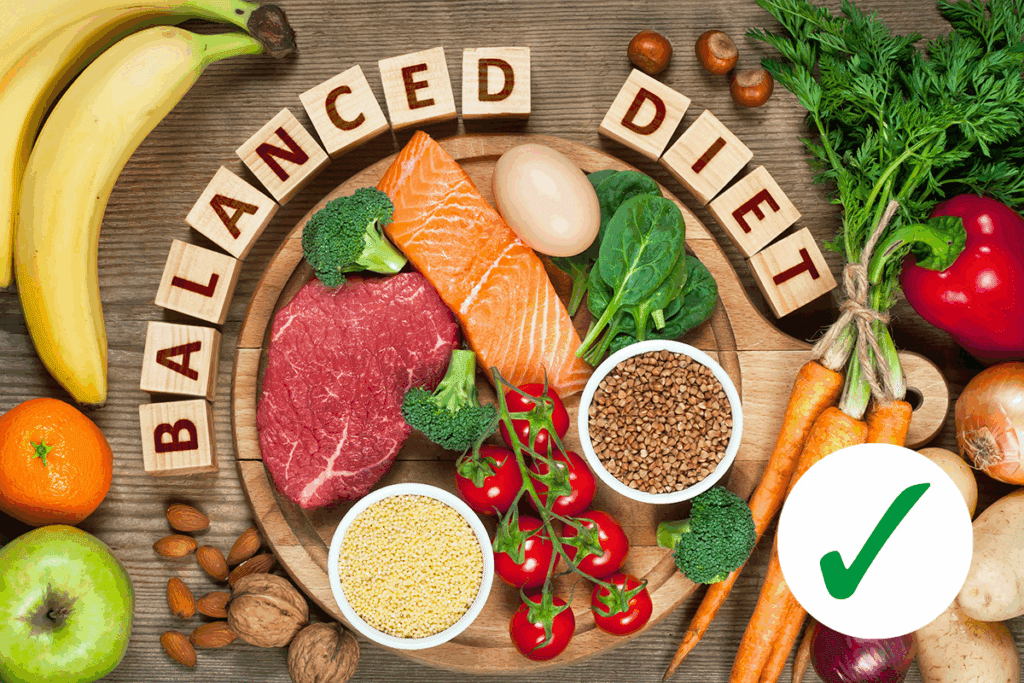
Building a healthy eating balance is key for good health. Making smart food choices is at the heart of staying healthy. A balanced diet includes foods from five groups: fruits, veggies, proteins, grains, and dairy. Get a simple ‘balanced diet definition.’ Our best guide gives you an easy-to-understand explanation and amazing, practical food lists.
We should choose whole, nutrient-rich foods. Foods like hemp seeds, berries, and oats are great choices. By picking these foods, we can follow a healthy eating pattern that boosts our health.
Key Takeaways
- Eat a variety of foods from five key groups: fruits, vegetables, proteins, grains, and dairy products.
- Focus on whole, nutrient-dense foods to achieve a healthy eating balance.
- Incorporate nutrient-packed foods like hemp seeds, berries, and oats into your daily meals.
- Make informed choices to create a healthy eating pattern.
- A balanced diet is not about following a specific formula, but about meeting your nutritional needs.
Understanding the Balanced Diet Definition

Knowing what makes a diet balanced is key to good health. A balanced diet gives our bodies the nutrients they need. This supports our health and well-being.
What Makes a Diet “Balanced”
A balanced diet has foods from all major groups in the right amounts. It includes fruits, veggies, proteins, whole grains, and dairy. A balanced diet is not about cutting out foods, but getting a wide range of nutrients. The Dietary Guidelines for Americans stress variety, balance, and moderation.
The Five Food Groups Overview
The five food groups are the foundation of a healthy diet. They are:
- Fruits: Full of vitamins, minerals, and antioxidants.
- Vegetables: Rich in vitamins, minerals, and fiber.
- Proteins: Essential for tissue repair and growth.
- Grains: Whole grains offer fiber, vitamins, and minerals.
- Dairy: Crucial for calcium and bone health.
Each group is vital for health. A balanced diet includes foods from all these groups.
Current Dietary Guidelines in the United States
In the U.S., guidelines suggest half our food should be fruits and veggies. The other half should be grains and proteins, with half of grains being whole. The DASH diet is a heart-healthy example of balanced eating.
By following these guidelines, we can get the nutrients we need. This helps prevent chronic diseases.
The Foundation: Fruits and Vegetables
Fruits and vegetables are key to a healthy diet. They give us important vitamins and minerals. They also have antioxidants, fiber, and other nutrients that help us stay healthy.
By eating a variety of fruits and vegetables every day, we can lower our risk of chronic diseases. This helps us stay in top shape.
Recommended Daily Servings
The guidelines say to fill half our plates with fruits and vegetables. Adults should aim for 1.5 to 2 cups of fruits and 2 to 3 cups of vegetables daily. But, these amounts can change based on age, sex, and how active we are.
Age Group | Recommended Daily Fruit Intake | Recommended Daily Vegetable Intake |
Adults | 1.5 – 2 cups | 2 – 3 cups |
Children (4-8 years) | 1 – 1.5 cups | 1.5 – 2.5 cups |
Teenagers (9-18 years) | 1.5 – 2 cups | 2.5 – 3.5 cups |
The Rainbow Approach to Vegetable Selection
Eating a variety of colorful vegetables is important. The “rainbow approach” suggests eating vegetables of different colors. This way, we get a wide range of nutrients.
- Red: Tomatoes, bell peppers (rich in lycopene)
- Orange/Yellow: Carrots, sweet potatoes (high in beta-carotene)
- Green: Broccoli, spinach (rich in lutein and zeaxanthin)
- Purple/Blue: Eggplants, blueberries (contain anthocyanins)
- White: Onions, garlic (rich in allicin)
Best Fruits for Daily Consumption
Fruits are tasty and full of nutrients. Berries, citrus fruits, apples, and bananas are great choices. They are packed with vitamins, minerals, and antioxidants.
Easy Ways to Increase Fruit and Vegetable Intake
It’s easy to eat more fruits and vegetables. Here are some tips:
- Add fruits to oatmeal or yogurt
- Include a side salad with meals
- Snack on raw vegetables with hummus
- Blend vegetables into soups or sauces
- Make fruit smoothies for a quick breakfast
By following these guidelines and tips, we can make sure our diet is full of essential nutrients. This supports our overall health and well-being.
Protein Sources for Optimal Health
A balanced diet needs different protein sources for good health. Protein helps with many body functions, like building tissues and making enzymes and hormones.
Animal-Based Protein Options
Animal proteins are complete, meaning they have all nine amino acids our bodies need. Examples include:
- Lean meats like chicken, turkey, and lean beef
- Fish and seafood, which are also rich in omega-3 fatty acids
- Eggs and dairy products, which provide high-quality protein and other essential nutrients
Plant-Based Protein Alternatives
For those on a plant-based diet, there are many protein-rich foods. These include:
- Legumes such as beans, lentils, and peas
- Nuts and seeds, which are also rich in healthy fats
- Whole grains like quinoa and farro
- Soy products, including tofu and tempeh
Beans and legumes are not only high in protein but also in fiber. They help lower heart disease and obesity risks. Adding them to your meals boosts protein and fiber intake.
Calculating Your Daily Protein Needs
Figuring out your daily protein needs depends on several factors. These include age, sex, weight, and activity level. The RDA suggests 0.8 grams of protein per kilogram of body weight per day for adults.
Activity Level | Protein Intake (grams/kg body weight/day) |
Sedentary | 0.8 |
Moderately Active | 1.2-1.4 |
Very Active | 1.6-2.2 |
Incorporating Lean Proteins into Every Meal
Adding lean proteins to your diet is easy. Start with eggs or Greek yogurt for breakfast. Include lean meats or legumes in your lunch. Have fish or tofu for dinner. Snacking on nuts and seeds or having a protein shake also helps meet your needs.
By knowing and using a variety of protein sources, you support your health and well-being.
Whole Grains vs. Refined Grains
Whole grains and refined grains have different health benefits. Knowing the difference helps us make better food choices.
Benefits of Whole Grain Consumption
Whole grains are full of fiber, vitamins, and minerals. They are key to a healthy diet. Eating whole grains can lower cholesterol and improve heart health. Adding whole grains to our meals can help prevent chronic diseases.
Examples of whole grains include oats, corn tortillas, and pre-cooked brown rice. These foods are nutritious and easy to add to our diet.
Recommended Grain Portions
The amount of grains we should eat daily depends on our age, sex, and activity level. It’s best to eat half of our grains as whole grains. The USDA suggests adults eat 6 ounces of grains daily, with 3-4 ounces being whole grains.
Identifying Whole Grain Products
To make sure we eat whole grains, we need to check food labels. Look for “100% whole grain” or “100% whole wheat” labels. Watch out for “multigrain” or “stone-ground,” as they don’t always mean whole grains.
Here’s a simple table to help identify whole grain products:
Label Claim | What It Means | Whole Grain Content |
100% Whole Grain | The product is made entirely with whole grains. | High |
Multigrain | The product contains multiple types of grains, but not necessarily whole grains. | Variable |
Whole Wheat | The product is made with whole wheat, but may contain other refined grains. | Partial |
Simple Grain Swaps for Healthier Eating
We can improve our diet by making simple changes. Choose whole wheat bread instead of white, brown rice instead of white, and whole grain pasta instead of regular. These swaps can make a big difference.
By eating more whole grains and choosing them wisely, we can eat healthier.
Dairy and Calcium-Rich Alternatives
Dairy products and calcium-rich alternatives are key for strong bones and health. It’s important to know how to add these foods to our daily meals.
Low-Fat and Fat-Free Options
Opting for low-fat or fat-free dairy cuts calories but keeps nutrients like calcium and protein. Low-fat dairy options include milk, yogurt, and cheese. They’re great for meals or snacks.
Here are some low-fat dairy products:
- Skim milk or low-fat milk
- Low-fat yogurt
- Reduced-fat cheese
Non-Dairy Sources of Calcium
For those who can’t have dairy or prefer it, there are many calcium-rich alternatives. Fortified plant-based milk, leafy greens, and almonds are good choices.
Here are some non-dairy calcium sources:
- Fortified soy milk or almond milk
- Leafy greens like kale and spinach
- Almonds and calcium-fortified nuts
Daily Dairy Requirements by Age Group
Children and teens need more calcium for bones. Here’s how much they should get daily:
Age Group | Daily Dairy Requirement |
Children (4-8 years) | 2 cups |
Adolescents (9-18 years) | 3 cups |
Adults | 1 cup |
Integrating Dairy Products into Your Meal Plan
Adding dairy to your meals is easy and tasty. Try oatmeal with low-fat milk and fruit for breakfast. Yogurt makes a great snack. Cheese adds flavor and calcium to sandwiches and salads.
“Dairy foods and dairy alternatives give you protein, calcium, and vitamin D to keep your heart and bones healthy.”
Knowing our dairy needs and exploring both dairy and non-dairy options helps our health. Whether you like traditional dairy or alternatives, there are many ways to get enough calcium.
Healthy Fats and Oils in a Balanced Diet
Healthy fats are key to a balanced diet. They help keep our hearts healthy and provide essential fatty acids. Knowing the different types of fats and their health effects is important for making good food choices.
Distinguishing Between Good and Bad Fats
Not all fats are the same. Some fats can harm our hearts, while others are good for our brains and hormones. Saturated and trans fats are bad because they can raise bad cholesterol levels. On the other hand, monounsaturated and polyunsaturated fats are good fats that can lower bad cholesterol and raise good cholesterol.
To choose healthier fats, it’s important to know where they come from. Saturated fats are in foods like butter and fatty meats. Trans fats are in processed foods. Good fats are in olive oil, avocados, and nuts, while fatty fish and flaxseeds have polyunsaturated fats.
Recommended Daily Fat Intake
The right amount of fat in our diet is important. Adults should get 20-35% of their calories from fat. For a 2,000 calorie diet, that’s 44-77 grams of fat. It’s also good to limit saturated fats to less than 10% of daily calories and avoid trans fats.
Daily Calorie Needs | Recommended Fat Intake | Saturated Fat Limit |
1,600 calories | 35-56 grams | Less than 16 grams |
2,000 calories | 44-77 grams | Less than 20 grams |
2,500 calories | 55-97 grams | Less than 25 grams |
Best Sources of Omega-3 and Omega-6 Fatty Acids
Our bodies need omega-3 and omega-6 fatty acids, which we can’t make ourselves. Omega-3s, like EPA and DHA, are in fatty fish and are good for our hearts and brains. Omega-6s are in vegetable oils and nuts, and are important too.
To get these fats, eat fatty fish at least twice a week. Also, include nuts, seeds, and vegetable oils in your diet. It’s good to have a balance of omega-6 and omega-3 fats, aiming for a 1:1 to 4:1 ratio.
Cooking Methods to Preserve Healthy Fats
How we cook fats can affect their nutritional value. To keep fats healthy, choose cooking methods that don’t damage them. Steaming, poaching, and baking are better than frying. If you must fry, use oils like avocado oil that can handle high heat.
Also, store oils in a cool, dark place to keep them fresh. Knowing the smoke point of oils and avoiding overheating can prevent unhealthy compounds from forming.
Essential Nutrients Often Missing from American Diets
Many Americans don’t get enough vitamin D, calcium, dietary fiber, and potassium. These nutrients are key for our health. They help our bones stay strong and our hearts work right.
Vitamin D: Sources and Benefits
Vitamin D is important for our bones and immune system. Our bodies make it when we’re in the sun. But, some people might need to eat foods with vitamin D or take supplements, like those who don’t get much sun.
Good sources of vitamin D include fatty fish like salmon, fortified dairy, and some cereals. Always check the labels to make sure you’re getting enough.
Calcium Beyond Dairy Products
Calcium isn’t just in dairy. Leafy greens, fortified plant-based milk, and some fish are great alternatives. These options are good for those who can’t have dairy or prefer not to.
Calcium is key for strong bones and teeth. It also helps our muscles and nerves. Kids and teens need plenty of calcium to grow strong.
Increasing Dietary Fiber Intake
Dietary fiber is good for our digestion, feeling full, and blood sugar. Eat more whole foods like fruits, veggies, whole grains, and legumes to boost your fiber.
- Start your day with a high-fiber breakfast cereal.
- Incorporate beans or lentils into your meals.
- Snack on fruits and vegetables throughout the day.
Potassium-Rich Foods to Include Daily
Potassium helps lower blood pressure, supports bones, and helps muscles recover. Eat foods like bananas, avocados, spinach, and sweet potatoes every day.
Adding these foods to your diet helps keep your blood pressure healthy. It also supports your heart and muscles.
Building Your Plate: What Should a Healthy Diet Look Like
Creating a healthy diet is more than picking the right foods. It’s about making a balanced meal. A good meal plan ensures we get all the nutrients we need for health.
The USDA MyPlate Guidelines
The USDA MyPlate guidelines offer a simple way to build a healthy diet. They suggest filling half our plate with fruits and vegetables, one-quarter with lean protein, and one-quarter with whole grains.
Following these guidelines helps us make meals that are both nutritious and balanced. For instance, a healthy dinner could be grilled chicken (lean protein), brown rice (whole grain), and steamed broccoli and carrots (fruits and vegetables).
Meal Planning for Balanced Nutrition
Effective meal planning is key to a balanced diet. It means planning meals ahead to include foods from all groups.
- Start by planning your meals for the week.
- Make a grocery list based on the meals you’ve planned.
- Shop for fresh, whole foods whenever possible.
- Prepare meals in advance to save time during the week.
Portion Control Strategies
Portion control is vital for a healthy diet. It prevents overeating and ensures we get the right amount of nutrients.
- Use smaller plates to help control portion sizes.
- Read food labels to understand serving sizes.
- Avoid eating directly from the package.
- Pay attention to hunger and fullness cues.
Sample Daily Meal Plans
Creating a sample daily meal plan shows how to apply these principles. Here’s an example:
Meal | Food | Serving Size |
Breakfast | Oatmeal with banana and nuts | 1 cup cooked oatmeal, 1 banana, 1 oz nuts |
Lunch | Grilled chicken salad | 4 oz grilled chicken, 2 cups mixed greens, 1/2 cup cherry tomatoes |
Dinner | Grilled salmon with quinoa and steamed vegetables | 4 oz grilled salmon, 1/2 cup cooked quinoa, 1 cup steamed vegetables |
By following these guidelines and strategies, we can make a healthy diet that’s balanced and enjoyable.
Health Benefits of Eating a Balanced Diet
Eating a balanced diet is good for many reasons. It helps with weight management and lowers the risk of chronic diseases. By eating a variety of foods, we can improve our health and wellbeing.
Weight Management and Metabolic Health
A balanced diet is key for managing weight. It helps us get the right amount of calories and nutrients. This keeps our weight healthy. It also supports our metabolic health by giving us the nutrients we need.
Key aspects of weight management include:
- Monitoring calorie intake
- Eating nutrient-dense foods
- Avoiding excessive sugar and saturated fats
Reducing Risk of Heart Disease and Type 2 Diabetes
A balanced diet helps lower the risk of heart disease and type 2 diabetes. Eating whole grains, fruits, vegetables, lean proteins, and healthy fats is important. This helps lower cholesterol, control blood sugar, and keep blood pressure healthy.
Dietary Component | Benefit |
Whole Grains | Rich in fiber, helping lower cholesterol |
Fruits and Vegetables | High in antioxidants and fiber, supporting heart health |
Lean Proteins | Helps maintain healthy blood pressure |
Supporting Immune Function
A balanced diet is essential for a strong immune system. Nutrients like vitamin C, vitamin D, and zinc are important. Eating foods rich in these nutrients helps fight off infections and keeps our immune system strong.
Mental Health and Cognitive Benefits
Eating a balanced diet also boosts mental health and brain function. Foods rich in omega-3 fatty acids, antioxidants, and other nutrients support brain health. This may reduce the risk of cognitive decline and improve mood.
Key nutrients for mental health include:
- Omega-3 fatty acids found in fatty fish
- Antioxidants in fruits, vegetables, and nuts
- B vitamins, like B12, found in animal products
Adapting Your Diet to Different Life Stages
Different life stages bring unique nutritional challenges and opportunities. As we progress through various stages of life, our bodies undergo significant changes that impact our dietary needs. It is essential to understand these changes to maintain optimal health and well-being.
Childhood and Adolescent Nutritional Needs
During childhood and adolescence, the body requires a surplus of nutrients to support growth and development. Adequate intake of proteins, calcium, and vitamins is critical for building strong bones and muscles. Ensuring that children and adolescents receive a balanced diet can help prevent nutritional deficiencies and support healthy development.
Parents and caregivers can promote healthy eating habits by providing a variety of whole foods. This includes fruits, vegetables, whole grains, lean proteins, and low-fat dairy products. Limiting the consumption of sugary drinks and processed snacks is also vital.
Adult Dietary Considerations
In adulthood, nutritional needs shift to focus on maintaining overall health and preventing chronic diseases. Adults require a balanced diet that includes whole grains, lean proteins, and a variety of fruits and vegetables. Staying hydrated by drinking plenty of water is also essential.
Adults should be mindful of their calorie intake and adjust their diet according to their activity level. Those with sedentary lifestyles may need to reduce their calorie intake, while highly active individuals may require more calories to support their energy needs.
Nutrition for Seniors: Special Considerations
As people age, their nutritional needs change in response to aging-related physiological changes. Seniors may require more calcium and vitamin D to maintain bone health, and their calorie needs may decrease due to reduced physical activity. Increasing the intake of fiber-rich foods can help manage digestive health.
Seniors should focus on consuming nutrient-dense foods, including lean proteins, whole grains, and a variety of fruits and vegetables. Staying hydrated is also critical, as older adults may have a reduced sense of thirst.
Adjusting for Activity Level and Health Conditions
Regardless of life stage, an individual’s activity level and health conditions can significantly impact their nutritional needs. For example, athletes or those who engage in regular physical activity may require more protein to support muscle repair and recovery. People with certain health conditions, such as diabetes, may need to follow a specific diet to manage their condition.
It is essential to consider these factors when determining dietary needs. Consulting with a healthcare professional or registered dietitian for personalized guidance is recommended.
Common Obstacles to Maintaining a Proper Balanced Diet
Many challenges can make it hard to keep a balanced diet. We’ll look at these obstacles and offer ways to beat them.
Time Constraints and Convenience Solutions
Busy lives often lead to eating quick, unhealthy foods. To fight this, we can cook meals ahead, use slow cookers, or find fast, healthy recipes.
Convenience Solutions:
- Meal prepping on weekends
- Using a slow cooker for meals that simmer all day
- Choosing quick, healthy recipes
Budget-Friendly Healthy Eating
Healthy eating doesn’t have to cost a lot. By planning meals, buying in bulk, and choosing seasonal produce, we can eat well without spending a lot.
Budget-Friendly Tips:
- Planning meals around sales
- Buying in bulk and freezing
- Shopping at local farmers’ markets
Navigating Dietary Restrictions and Food Allergies
Dietary limits and allergies need careful planning. Finding other sources of important nutrients is essential.
Navigating Dietary Restrictions:
- Consulting with a dietitian
- Reading food labels carefully
- Exploring alternative ingredients
Eating Well When Dining Out
Eating out can be tough to keep a balanced diet. Choosing restaurants with healthy choices and watching portion sizes helps.
Tips for Dining Out:
- Selecting restaurants with healthy options
- Opting for grilled or baked dishes
- Controlling portion sizes
Knowing the obstacles to a balanced diet and using practical solutions can help us live healthier.
Conclusion: Sustainable Healthy Eating for Life
Creating a balanced diet is a journey that needs commitment, patience, and practice. By understanding what a balanced diet is and making smart choices, we can adopt a sustainable healthy eating lifestyle. This supports our health and well-being for life.
Eating healthy can lower your risk of heart disease, stroke, and other diseases. By eating a variety of foods like fruits, vegetables, whole grains, lean proteins, and healthy fats, we keep our bodies healthy. This helps us maintain healthy eating habits for our overall health.
Remember, small changes can make a big difference over time. By making a few simple swaps and being mindful of our food choices, we can develop a balanced eating pattern. This pattern is both nourishing and sustainable.
We encourage you to start your journey towards a healthier you. Incorporate the principles from this article into your daily life. Doing so will bring you the many benefits of a balanced diet and help you live a healthy, vibrant life.
FAQ
What is a balanced diet?
A balanced diet includes foods from five key groups: fruits, vegetables, proteins, grains, and dairy. It gives us the nutrients we need for good health.
How many servings of fruits and vegetables should I eat daily?
The U.S. dietary guidelines say we should eat at least half our daily food as fruits and veggies.
What are the best sources of protein?
Good protein sources are lean meats, fish, and dairy. You can also get it from plant-based foods like legumes, beans, and tofu.
What is the difference between whole grains and refined grains?
Whole grains have fiber, vitamins, and minerals. Refined grains, on the other hand, are often processed and lack these nutrients.
How can I incorporate healthy fats into my diet?
You can add healthy fats by baking, grilling, or sautéing with oils like olive or avocado oil. Also, eat foods rich in omega-3 and omega-6 fatty acids.
What are the essential nutrients often lacking in American diets?
Many Americans don’t get enough vitamin D, calcium, dietary fiber, and potassium. A balanced diet with whole foods can help.
How can I plan balanced meals?
Plan meals by following USDA MyPlate guidelines and controlling portion sizes. Create daily meal plans with foods from the five key groups.
What are the health benefits of eating a balanced diet?
Eating a balanced diet helps with weight management and improves metabolic health. It also reduces chronic disease risk and boosts immune function.
How do dietary needs change across different life stages?
Dietary needs change with age. For example, seniors need more calcium, and adolescents need more protein to support health.
What are some common obstacles to maintaining a balanced diet?
Challenges include time, budget, dietary restrictions, and food allergies. Overcome these with meal planning, budget-friendly eating, and navigating dietary needs.
How can I maintain a balanced diet on a budget?
Save money by planning meals, buying seasonal produce, and preparing meals in advance. This reduces waste and saves time.
What are some tips for eating well when dining out?
Eat well out by choosing restaurants with healthy options. Opt for dishes with fruits, veggies, and whole grains. Be mindful of portion sizes.
References
World Health Organization. Evidence-Based Medical Guidance. Retrieved from https://www.who.int/news-room/fact-sheets/detail/healthy-diet