The bariatric diet definition made simple. Our amazing guide explains the critical, post-surgery eating plan, from liquids to solids. Choosing to have bariatric surgery is a big step. It needs careful planning and care after the surgery. A key part of this is following a nutritional plan that helps your health and the surgery’s success.
A bariatric diet is made for people who have had or are getting ready for bariatric surgery. It makes sure patients get the nutrients they need and helps them get used to new eating habits. By eating a lot of high protein foods and making lasting lifestyle changes, people can have a good outcome and stay healthy.
Key Takeaways
- A bariatric diet is a tailored nutritional plan for individuals undergoing or recovering from bariatric surgery.
- This diet is vital for supporting the patient’s nutritional needs and overall health.
- A high protein intake is often recommended as part of a bariatric diet.
- Adopting a bariatric diet is a significant lifestyle change that requires commitment and dedication.
- Our team is dedicated to providing personalized care and support throughout the bariatric surgery journey.
Definition of a Bariatric Diet

A bariatric diet is a special eating plan for people who have had or are getting ready for weight-loss surgery. It’s key for the success of bariatric surgery and the patient’s health journey.
Overview of Bariatric Surgery
Bariatric surgery is for people who struggle with obesity. It makes the stomach smaller to hold less food, helping with weight loss. It’s a big decision that needs careful preparation and care after surgery.
There are different ways to do bariatric surgery, each with its own benefits and things to think about. Our team makes sure patients know about their options.
Importance of Dietary Changes
Dietary changes are key to bariatric surgery success. Post-surgery bariatric nutrition is vital for recovery, weight loss, and health. We help patients make the right diet changes to reach their weight loss goals and feel better.
- Adopting a nutrient-rich diet
- Avoiding high-calorie, high-fat foods
- Staying hydrated
Goals of a Bariatric Diet
The main goals of a bariatric diet are to help with recovery, weight loss, and health. A well-structured pre-surgery bariatric diet gets the body ready for surgery. Post-surgery bariatric nutrition helps with healing and keeping weight off long-term.
We create a diet plan that fits each patient’s needs and supports their weight loss journey.
Types of Bariatric Surgery
It’s important to know about the different bariatric surgeries for those thinking about this weight loss option. Bariatric surgery helps people with obesity. It includes several surgeries, each with its own benefits, risks, and diet changes after surgery.
We’ll look at the main types: gastric bypass, sleeve gastrectomy, and adjustable gastric banding. These surgeries change the stomach size and how food moves through the body.
Gastric Bypass
Gastric bypass, or Roux-en-Y gastric bypass, is a top weight loss surgery. It makes a small pouch from the stomach and connects it to the small intestine. This reduces stomach size and changes food’s path in the body.
Key benefits: It leads to big weight loss, better health, and less hunger thanks to hormones.
Sleeve Gastrectomy
Sleeve gastrectomy removes most of the stomach, leaving a narrow “sleeve.” This limits food and hunger.
Considerations: It’s a permanent surgery that can cause big weight loss. But, it needs careful diet planning to avoid nutritional problems.
Adjustable Gastric Banding
Adjustable gastric banding puts a band around the stomach’s top, making a small pouch. The band can be adjusted to control food intake.
Advantages: It’s reversible, and the band can be changed or removed if needed. But, it might need more visits for adjustments.
In summary, each bariatric surgery has its own features, benefits, and downsides. Knowing these differences helps patients make the best choice for their weight loss journey.
Nutritional Guidelines for Bariatric Patients
Bariatric patients have special nutritional needs. These needs help support their health and weight loss. After surgery, the body changes how it absorbs nutrients. So, a good nutritional plan is key.
Macronutrient Distribution
We suggest bariatric patients eat a lot of protein. This helps with healing and feeling full. Aim for 60-80 grams of protein daily. Eat carbs and fats in small amounts, focusing on complex carbs and healthy fats.
- Protein-rich foods: lean meats, fish, eggs, and dairy products.
- Complex carbohydrates: whole grains, fruits, and vegetables.
- Healthy fats: nuts, seeds, avocados, and olive oil.
Recommended Vitamins and Minerals
Bariatric patients might not absorb enough vitamins and minerals. Taking supplements is important. Key nutrients include:
- Vitamin B12
- Iron
- Calcium
- Vitamin D
“Adequate supplementation is vital to avoid deficiencies and keep you healthy,” our healthcare team says.
Hydration Needs
Drinking enough water is critical for bariatric patients. Drink at least 64 ounces of water daily. Stick to water and low-calorie drinks. Avoid drinking with meals to prevent discomfort and aid digestion.
“Hydration is essential for the health and comfort of bariatric patients. Drinking fluids regularly is important.”
Stages of a Bariatric Diet
A bariatric diet has different stages, from getting ready for surgery to recovering after it. Knowing these stages helps patients do well on their weight loss journey.
Pre-operative Diet
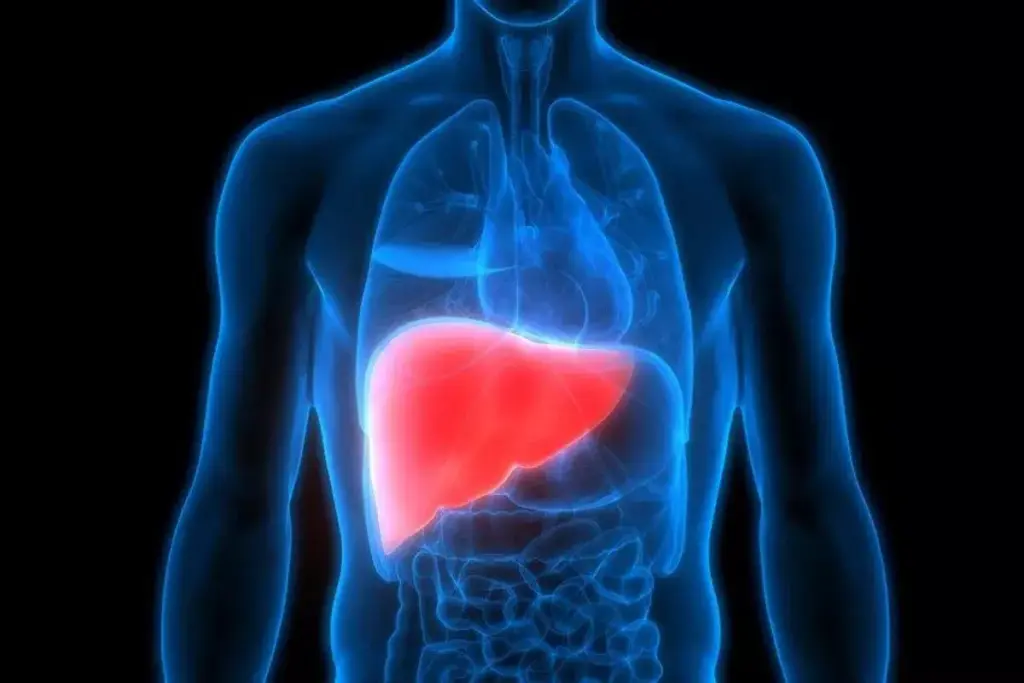
Before surgery, patients follow a special diet. This diet makes the surgery safer and easier by shrinking the liver. It’s high in protein and low in carbs and fats. Start this diet two weeks before surgery.
The diet’s goals are:
- Shrink the liver
- Lower surgery risks
- Boost health
Post-operative Liquid Diet
Right after surgery, patients eat only liquids. This lets the stomach heal without solid foods. Liquids like broth, water, and sugar-free gelatin are okay for 1-2 weeks.
Important tips during this time include:
- Drink plenty of water
- Stay away from fizzy drinks
- Choose protein-rich liquids
One patient said, “The liquid diet was tough, but it was key to my recovery.” Many agree on the diet’s importance after surgery.
Transition to Solid Foods
After healing, patients start with pureed foods and then soft solids. A healthcare provider or dietitian guides this step. Adding solid foods slowly helps avoid problems.
Here’s a possible food progression:
Stage | Duration | Food Type |
Liquid Diet | 1-2 weeks | Clear liquids, protein shakes |
Pureed Diet | 2-4 weeks | Pureed fruits, vegetables, and meats |
Soft Foods | 4-6 weeks | Soft fruits, cooked veggies, lean proteins |
Following this plan carefully is key for a smooth recovery. Our team supports patients through each diet stage.
“The key to successful weight loss after bariatric surgery is not just the surgery itself, but the lifestyle changes that follow.”
— Expert in Bariatric Care
Foods to Include in a Bariatric Diet
Starting a healthy bariatric diet is key for those who have had bariatric surgery. It’s important to eat the right mix of protein-rich foods, fruits and vegetables, and whole grains. These foods help keep you healthy and manage your weight.
Protein-Rich Foods
Protein is essential for a bariatric diet. It helps keep your muscles strong and supports your health. Include a variety of protein sources in your meals, such as:
- Lean meats (chicken, turkey, lean beef)
- Fish and seafood (salmon, tuna, shrimp)
- Eggs and dairy products (low-fat)
- Legumes (lentils, chickpeas, black beans)
- Protein supplements (if necessary, under dietary guidance)
Protein Source | Serving Size | Protein Content (g) |
Chicken Breast | 3 oz | 26 |
Salmon | 3 oz | 20 |
Lentils | 1 cup cooked | 18 |
Greek Yogurt | 6 oz | 15 |
Fruits and Vegetables
Fruits and vegetables are vital for a balanced diet after bariatric surgery. They give you important vitamins, minerals, and fiber. Try to eat different colors to get a wide range of nutrients. Some good options are:
- Leafy greens (spinach, kale)
- Citrus fruits (oranges, grapefruits)
- Berries (blueberries, strawberries)
- Cruciferous vegetables (broccoli, cauliflower)
Whole Grains
Whole grains are also key for a healthy bariatric diet. They offer fiber, vitamins, and minerals. Include whole grains like:
- Brown rice
- Quinoa
- Whole wheat bread
- Oats
By focusing on these food groups, bariatric patients can follow a nutrient-dense bariatric meal plan. This plan helps support their health and weight loss goals. We are dedicated to helping our patients on this journey, providing the support and nutrition advice they need.
Foods to Avoid on a Bariatric Diet
Success with bariatric surgery depends on diet changes, not just the surgery itself. After surgery, patients must follow a specific diet for weight loss and to avoid complications. It’s important to avoid foods that can cause discomfort or nutritional problems.
We suggest that bariatric patients learn about a bariatric diet restrictions list. This list includes foods high in sugar, fat, and processed ingredients. These foods can be hard to digest after surgery.
Sugary Foods and Beverages
Sugary foods and drinks are bad for a bariatric diet. They can cause dumping syndrome, leading to nausea, vomiting, and diarrhea. It’s best to limit:
- Soda and sweetened drinks
- Candies and baked goods
- Fruit juices with added sugars
A healthcare expert says, “Staying away from sugary foods is key for bariatric patients to avoid dumping syndrome.”
“The key to a successful bariatric surgery outcome lies in making informed dietary choices, starting with the avoidance of sugary foods and beverages.”
High-Fat Foods
High-fat foods are also something bariatric patients should watch out for. While some fat is good, too much can slow down weight loss and cause stomach problems. Foods to cut down on include:
- Fried foods and fatty meats
- High-fat dairy products
- Processed meats
We recommend choosing lean proteins and healthy fats like nuts and avocados. They help with weight loss and health.
Processed Snacks
Processed snacks are often bad because they’re high in unhealthy fats, sugars, and sodium. They’re also low in important nutrients. Avoid:
- Chips and snack crackers
- Processed cheese and meat snacks
- Packaged snack foods
Instead, choose snacks like fruits, veggies, and lean proteins. They’re better for your health and help you feel full.
By following these dietary tips, bariatric patients can have a better chance at successful weight loss and long-term health.
Portion Control in Bariatric Diets
Controlling portions is key for bariatric patients to manage their food intake. After surgery, the stomach is much smaller. So, eating small, controlled portions is vital to avoid discomfort and ensure nutrition.
Understanding Portion Sizes
Knowing portion sizes is essential for bariatric patients. A standard serving size is about 3-4 ounces, or the size of a deck of cards. We suggest using measuring cups or a food scale to accurately measure portions.
- Use a food scale to measure protein, vegetables, and grains.
- Choose single-serving packaging to avoid overeating.
- Be mindful of the serving sizes listed on food labels.
Tips for Measuring Portions
Measuring portions correctly is key to a healthy bariatric diet. Here are some tips to help you measure your portions effectively:
- Measure your food using a digital kitchen scale.
- Use measuring cups for liquids and dry ingredients.
- Read food labels carefully to understand serving sizes.
A registered dietitian says, “Measuring portions is not just about following a diet; it’s about developing a healthy relationship with food that will last a lifetime.”
“Portion control is a skill that needs to be learned and practiced. With time and patience, it becomes second nature.” –
Registered Dietitian
Food Item | Recommended Portion Size |
Protein | 3-4 ounces (size of a deck of cards) |
Vegetables | 1/2 cup cooked or 1 cup raw |
Grains | 1/2 cup cooked |
By understanding and implementing portion control, bariatric patients can enjoy a balanced and nutritious diet. This helps minimize complications and maximizes health and well-being.
Importance of Meal Planning
Meal planning is key for bariatric patients to lose weight and stay healthy. Planning meals ahead ensures a balanced diet that meets nutritional needs.
Starting a meal plan might seem hard, but it’s a big step in the bariatric journey. A good meal plan helps avoid nutritional gaps and boosts surgery success.
Creating Balanced Meals
To make balanced meals, bariatric patients should eat a variety of foods. Protein-rich foods are important for muscle and health.
- Include lean proteins like chicken, fish, and eggs.
- Add a variety of fruits and vegetables to your meals.
- Whole grains like brown rice, quinoa, and whole-wheat bread are excellent sources of fiber.
Remember to watch portion sizes. Use measuring cups or a food scale to get the right amounts.
Meal Component | Recommended Foods | Portion Size |
Protein | Lean meats, fish, eggs | 3-4 oz |
Fruits and Vegetables | Variety of colors | 1-2 cups |
Whole Grains | Brown rice, quinoa, whole-wheat bread | 1/2 cup cooked |
Keeping a Food Journal
Keeping a food journal is a great idea for bariatric patients. It helps track food, spot patterns, and adjust the diet.
We suggest patients write down their meals, snacks, and any symptoms. This info is very helpful at doctor’s visits.
- Note the time and portion size of each meal.
- Record any symptoms or discomfort after eating.
- Track your water intake throughout the day.
By keeping a detailed food journal, bariatric patients can manage their diet better. They can make smart choices about their meals.
Psychological Aspects of a Bariatric Diet
Starting a bariatric diet is more than just changing what you eat. It’s about understanding the mental and emotional sides too. Success in a bariatric diet depends on more than just surgery or diet plans. It also depends on being mentally and emotionally ready.
Emotional Eating Awareness
Many bariatric patients struggle with emotional eating. This means eating because of feelings, not hunger. It’s key to manage emotional eating for lasting success.
We tell patients to know their emotional triggers. They should find better ways to deal with feelings. This can be through mindfulness, talking to loved ones, or seeing a counselor.
“Understanding and addressing emotional eating is a critical step in the bariatric journey, enabling patients to achieve a healthier relationship with food.”
A Bariatric Specialist
Support Groups and Counseling
Support groups and counseling are very important for bariatric patients. They offer a safe place to share and learn. Patients can get advice and support from others facing similar issues.
- Support groups provide a community that gets the challenges of bariatric surgery.
- Counseling offers personal help for specific mental needs.
- Together, they create a strong support system for the bariatric journey.
We highly suggest our patients use these resources. They help a lot with mental and emotional health during the journey.
Monitoring Progress on a Bariatric Diet
Keeping track of progress is key to a successful bariatric diet. We stress the need for regular monitoring. This ensures patients hit their weight loss targets and stay healthy.
Regular Check-ups
Seeing your healthcare provider regularly is a must. These visits help tweak your diet plan as needed. We check your health, track weight loss, and look for nutritional gaps. These check-ups are vital for making timely interventions to prevent complications and ensure the patient’s continued progress.
The number of check-ups depends on your needs and where you are in your bariatric journey. We often see patients more often right after surgery. Then, we space out visits as they get more stable.
Tracking Weight Loss and Body Measurements
It’s also important to track weight loss and body measurements. We suggest patients log their weight, body mass index (BMI), and other key measurements. This data helps us see if the diet plan is working and make changes if needed.
Measurement | Initial Value | Current Value | Change |
Weight (lbs) | 250 | 200 | -50 |
BMI | 40 | 32 | -8 |
Waist Circumference (inches) | 45 | 38 | -7 |
By watching these metrics closely, we can spot trends. This helps us give better dietary advice. It keeps patients on track to reach their weight loss goals.
In summary, regular check-ups and tracking weight loss and body measurements are key to a bariatric diet’s success. We’re dedicated to supporting our patients. We offer personalized care and guidance to help them reach their best outcomes.
Challenges Faced on a Bariatric Diet
Starting a bariatric diet means making big changes in what you eat. It also means finding ways to deal with cravings and hitting weight loss plateaus. Bariatric patients face many challenges as they get used to their new diet.
Dealing with Food Cravings
Cravings for certain foods can be tough for those on a bariatric diet. These cravings can come from not getting enough nutrients, emotional reasons, or how our bodies react to food. To fight cravings, patients can try a few things:
- Staying hydrated to avoid mistaking thirst for hunger
- Eating regular, balanced meals to maintain stable energy levels
- Incorporating protein-rich foods to enhance satiety
- Keeping a food diary to identify and address emotional triggers
By figuring out why they crave certain foods and using these tips, bariatric patients can handle cravings better.
Overcoming Plateaus
Weight loss plateaus are a common problem for bariatric patients. A plateau happens when you stop losing weight even if you stick to your diet. Several things can cause plateaus, like changes in how your body uses energy, shifts in body fat, or not getting enough nutrients.
Strategies | Description |
Reassessing Caloric Intake | Adjusting daily caloric intake to ensure it aligns with current weight loss goals |
Increasing Physical Activity | Enhancing exercise routines to boost metabolism and energy expenditure |
Monitoring Portion Sizes | Ensuring accurate measurement of food portions to avoid overeating |
By trying these strategies, bariatric patients can get past weight loss plateaus and keep moving toward a healthier weight.
Long-term Success Strategies
For long-term success on a bariatric diet, a multi-step approach is needed. It includes building healthy habits and learning more about nutrition. We help our patients create a lifestyle that boosts their overall health.
Sustainable Lifestyle Changes
Creating lasting habits is key to success. This means eating well, staying active, and eating mindfully. These habits help keep weight off and improve health.
Nutrition Education
Learning about nutrition is essential. It helps patients understand the value of a balanced diet. We offer ongoing support and resources to guide them through the bariatric diet journey.
Combining healthy habits with nutrition education leads to lasting success. It helps people keep a healthy weight and enjoy a better life.
FAQ
What is a bariatric diet, and why is it necessary?
A bariatric diet is a special eating plan for people before and after surgery. It helps meet nutritional needs, aids in recovery, and supports long-term health and weight loss.
What are the different stages of a bariatric diet?
A bariatric diet has several stages. First, there’s a pre-operative diet. Then, a liquid diet after surgery. Lastly, a gradual move to solid foods. Each stage is vital for preparing for surgery and recovery.
What types of foods should I include in my bariatric diet?
Your bariatric diet should have protein-rich foods, fruits, veggies, and whole grains. These foods are full of nutrients, help with weight management, and provide important vitamins and minerals.
What foods should I avoid on a bariatric diet?
Avoid sugary foods, high-fat foods, and processed snacks on a bariatric diet. These can cause problems, slow down weight loss, and harm your health.
How important is portion control in a bariatric diet?
Portion control is key in a bariatric diet. It helps manage food intake, prevents overeating, and ensures you get the nutrients you need.
Why is meal planning important for bariatric patients?
Meal planning is vital for balanced meals, a healthy diet, and tracking progress. It helps avoid unhealthy choices and manage cravings.
How can I manage emotional eating after bariatric surgery?
Managing emotional eating means knowing your triggers, seeking support, and finding healthy ways to cope. This keeps your diet balanced and your well-being on track.
What are the benefits of regular check-ups and tracking progress on a bariatric diet?
Regular check-ups and tracking progress help make diet plan adjustments. They ensure successful weight loss and keep your health in check.
How can I overcome common challenges like food cravings and weight loss plateaus?
To beat food cravings and weight loss plateaus, stay hydrated, eat nutrient-rich foods, and get support from healthcare or groups.
What are the key strategies for long-term success on a bariatric diet?
For long-term success, focus on healthy habits, learn about nutrition, and get ongoing support. These steps help maintain health and weight loss.
Why is a high protein bariatric diet recommended?
A high protein bariatric diet supports muscle, satisfies hunger, and aids in health and weight loss.
What is the importance of vitamin supplements in a bariatric diet?
Vitamin supplements are essential in a bariatric diet. They ensure you get vital nutrients missing due to dietary limits or malabsorption after surgery.
How does a bariatric diet support a healthy lifestyle change?
A bariatric diet promotes healthy eating, portion control, and progress monitoring. These habits lead to lasting weight loss and overall well-being.
References
National Center for Biotechnology Information. Evidence-Based Medical Insight. Retrieved from https://www.ncbi.nlm.nih.gov/pmc/articles/PMC5347111/