

For those dealing with obesity, bariatric surgery can be a game-changer. Many are now pairing it with ketogenic nutrition to boost and keep up their weight loss. But, following a keto diet after surgery needs careful medical advice and big changes.Tips and sample plan for following a bariatric keto diet plan pdf.
We know how vital it is to adjust traditional keto diets for post-surgery needs. A tailored bariatric keto diet plan focuses on expert guidance. It makes fat the main energy source for quick and lasting weight loss.
Key Takeaways
- A customized bariatric keto diet plan is essential for safe and effective weight loss after surgery.
- Professional guidance is key for adjusting traditional keto diets to post-surgery needs.
- This diet makes fat the main energy source, helping with fast weight loss.
- Big changes to the traditional keto diet are needed after gastric bypass or sleeve gastrectomy.
- Combining bariatric surgery with keto nutrition can lead to lasting weight loss results.
Understanding the Bariatric Keto Diet Fundamentals

The bariatric keto diet is a special diet for people who have had weight loss surgery. It combines ketosis with the needs of post-bariatric nutrition. This diet helps with recovery, weight loss, and health after surgery.
What Makes Bariatric Keto Different from Standard Keto
The bariatric keto diet is different from the standard keto diet. It meets the unique needs of people after bariatric surgery. Unlike the traditional keto diet, it focuses on more protein and careful fat intake.
Key differences include:
- Higher protein requirements to support muscle mass and overall health
- Careful management of fat intake to ensure adequate nutrition without overloading on calories
- Strict monitoring of carbohydrate intake, not just for ketosis, but also to prevent dumping syndrome and manage blood sugar levels
Key Principles of Post-Surgical Nutrition
Post-surgical nutrition is key for recovery and health after bariatric surgery. The bariatric keto diet follows several important principles:
Nutritional Element | Post-Surgical Requirement |
Protein | High intake to support healing and muscle preservation |
Fat | Moderate intake, focusing on healthy fats for nutritional balance |
Carbohydrates | Low intake to achieve ketosis and manage blood sugar |
Vitamins and Minerals | Supplementation as necessary to prevent deficiencies |
Benefits of Combining Bariatric Surgery with Ketogenic Eating
Combining bariatric surgery with a ketogenic diet has many benefits. It can lead to better weight loss, improved metabolic health, and better hunger control. A study found that the ketogenic diet is a great addition to bariatric surgery for recovery and weight management.
“The integration of a ketogenic diet with bariatric surgery represents a promising approach to optimizing patient outcomes, both in terms of weight loss and overall metabolic health.”
By following the bariatric keto diet, people after bariatric surgery can get the most out of their nutrition. This can lead to a healthier and more lasting weight loss journey.
The Science Behind Ketosis After Weight Loss Surgery
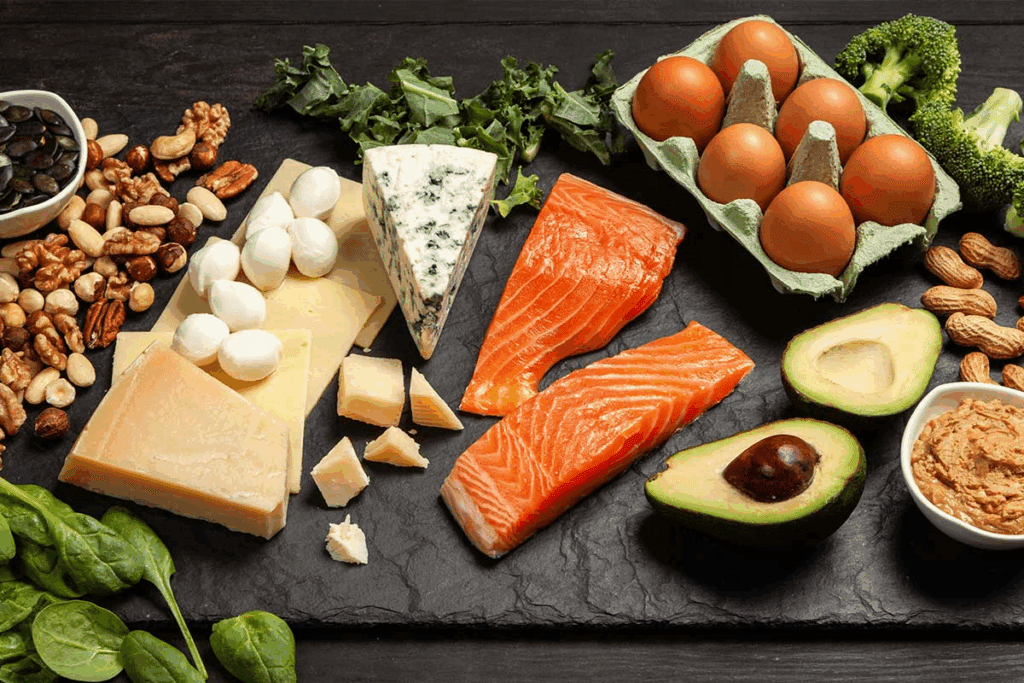
After weight loss surgery, the body is ready for ketosis. This state helps with weight loss when managed right. Ketosis is when the body uses fat for energy instead of carbs, making ketones.
How Ketosis Works in the Post-Bariatric Body
After surgery, eating less food is common. This leads to less insulin and more fat breakdown. It’s easier to get into ketosis. The ketogenic diet, with lots of fat, moderate protein, and few carbs, helps too.
With low carbs, the body starts breaking down fat into ketone bodies. This happens in the liver when glucose is scarce. The brain and heart can then use these ketones for energy.
Timeline for Entering Ketosis After Surgery
Studies show ketosis usually starts in one to three days on a ketogenic diet. But, it can vary based on recovery and health. Always talk to a bariatric specialist before starting a ketogenic diet after surgery.
The journey to ketosis depends on the surgery type, pre-surgery diet, and health. Adjusting the diet can help reach ketosis faster.
Measuring and Monitoring Ketone Levels
To check if you’re in ketosis, use blood meters, breath analyzers, or urine strips. Regular checks help see how your body reacts to the diet and make changes.
Knowing the signs of ketosis, like more energy and less hunger, is key. Using these tools helps manage your diet and get the most from ketosis after surgery.
Nutritional Requirements for Bariatric Keto Patients
The diet for bariatric keto patients is special and needs careful thought after surgery. Changing your diet after bariatric surgery is a personal process. It should be guided by a certified bariatric specialist.
Modified Macronutrient Ratios
Bariatric keto patients need a diet tailored to their needs. The traditional keto diet is high in fat, moderate in protein, and low in carbs. But after surgery, they focus on getting enough protein to heal and keep muscle.
Here are the recommended macronutrient ratios for bariatric keto patients:
Macronutrient | Recommended Intake |
Protein | 1.5-2 grams per kilogram of ideal body weight |
Fat | 70-80% of total daily calories |
Carbohydrates | 20-50 grams per day |
Protein Requirements After Gastric Bypass or Sleeve
Protein is key for bariatric patients, helping with healing and keeping muscle. After gastric bypass or sleeve surgery, they need to eat more protein-rich foods.
“Adequate protein intake is essential for wound healing, muscle preservation, and overall health post-bariatric surgery.” – American Society for Metabolic and Bariatric Surgery
Try to eat 1.5-2 grams of protein per kilogram of ideal body weight daily. Spread it out over 3-5 main meals and 2-3 snacks.
Fat Consumption Guidelines
Fat is important in the ketogenic diet, giving energy and helping with vitamin absorption. Bariatric keto patients should choose healthy fats and watch their portion sizes.
- Avocados and avocado oil
- Nuts and seeds (in moderation)
- Fatty fish and fish oil supplements
- Coconut oil and MCT oil
Carbohydrate Limits and Considerations
Carb intake should be low to keep ketosis. Bariatric keto patients should eat low-carb veggies, nuts, and seeds. Avoid high-carb foods and sugary drinks.
By following these nutritional guidelines, bariatric keto patients can have a balanced diet. This diet supports their health and weight loss goals.
Bariatric Keto Diet Plan PDF: Resources and Meal Planning
A good bariatric keto diet plan is key for those who have had bariatric surgery. It helps with weight loss and makes sure patients get the nutrients they need for health.
Essential Components of a Bariatric Keto Meal Plan
A bariatric keto meal plan should have high-quality protein sources, healthy fats, and low-carb vegetables. It’s important to balance these to meet the nutritional needs of bariatric patients.
- Protein-rich foods like lean meats, fish, and eggs
- Healthy fats such as avocado, olive oil, and nuts
- Low-carb vegetables including leafy greens, broccoli, and cauliflower
By focusing on these food groups, patients can enter ketosis. This is when the body burns fat for energy instead of carbs.
Downloadable Resources and Tracking Tools
Many online resources make meal planning easier, including downloadable bariatric keto diet plan PDFs. These resources often include:
- Sample meal plans tailored to different stages post-surgery
- Shopping lists to help patients stock up on keto-friendly foods
- Tracking tools to monitor daily food intake and nutritional balance
Using these resources helps patients stay on track with their dietary goals. They can also make adjustments as needed.
Customizing Plans Based on Surgery Type
It’s important to customize the bariatric keto diet plan based on the type of surgery. For example, patients who have had a gastric bypass may need different nutritional ratios than those who have had a sleeve gastrectomy.
Working with a healthcare provider or a nutritionist can help tailor the diet plan. This ensures patients get the nutrients they need while following a ketogenic diet.
By understanding the specific requirements based on the surgery type, patients can optimize their bariatric keto diet plan. This leads to better health outcomes.
Phase-by-Phase Guide to Implementing Keto After Bariatric Surgery
Starting a keto diet after bariatric surgery needs a careful plan. At Beltre Bariatrics, we have a post-surgery diet plan. It slowly adds different foods and nutrients, based on the surgery and the patient’s needs.
Early Post-Op Phase (Weeks 1-3)
In the early stages, healing and getting used to the new stomach is key. Patients start with a liquid diet. They add protein-rich liquids to meet their nutritional needs.
- Liquid diet: Broths, sugar-free gelatin, and protein shakes
- Hydration: Adequate water intake
- Electrolytes: Monitoring and supplementation as needed
Transition Phase (Weeks 4-6)
As patients move to the transition phase, they can start eating pureed foods and soft proteins. They slowly increase their calorie and protein intake.
Food Type | Examples | Protein Content |
Pureed Foods | Mashed vegetables, pureed meats | High |
Soft Proteins | Scrambled eggs, soft fish | High |
Healthy Fats | Avocado, olive oil | Low |
Maintenance Phase (Week 7 and Beyond)
In the maintenance phase, patients can eat solid foods. They focus on a balanced keto diet. This includes various protein sources, healthy fats, and low-carb vegetables.
- Protein sources: Meat, poultry, fish, eggs, and tofu
- Healthy fats: Nuts, seeds, avocado, and olive oil
- Low-carb vegetables: Leafy greens, broccoli, cauliflower
By following this guide, patients can successfully start a keto diet after bariatric surgery. They can achieve optimal weight loss and improve their health.
Food Selection and Meal Preparation Strategies
Success on a bariatric keto diet comes from choosing the right foods and preparing meals that are both healthy and keto-friendly. It’s important to focus on foods that are full of nutrients. These foods help with health and weight loss.
Bariatric-Friendly Protein Sources
Protein is key for the bariatric keto diet. It helps keep muscles strong and supports health. Here are some top protein sources:
- Lean meats: Chicken, turkey, and lean cuts of beef or pork.
- Fish and seafood: Salmon, tuna, shrimp, and other fatty fish rich in omega-3 fatty acids.
- Eggs and dairy: Eggs, Greek yogurt, and cottage cheese.
- Protein supplements: Whey protein or collagen peptides can be useful for meeting daily protein needs.
Try to eat 60-80 grams of protein each day. Spread it out over 3-5 main meals to keep muscles strong and feel full.
Healthy Fats for Optimal Nutrition
Fat is a main energy source on the keto diet. It’s important to choose healthy fats:
- Avocados and avocado oil: Rich in monounsaturated fats.
- Nuts and seeds: Almonds, walnuts, chia seeds, and flaxseeds.
- Olive oil and coconut oil: For cooking and dressings.
- Fatty fish: As mentioned, these are also excellent sources of healthy fats.
Healthy fats are good for the heart, give lasting energy, and help absorb vitamins.
Low-Carb Vegetables and Fiber Sources
Even though the keto diet has fewer carbs, it’s important to eat low-carb veggies. They give fiber, vitamins, and minerals. Here are some good choices:
Vegetable | Carb Count (per 100g) |
Spinach | 3.6g |
Broccoli | 6.6g |
Cauliflower | 5g |
Avocado | 8.5g |
These veggies are low in carbs but full of nutrients and fiber. They help with digestion.
Meal Prep Tips for Small Portions
Meal prep is key for a successful bariatric keto diet. Here are tips for making meals in small portions:
“Meal prep is not just about saving time; it’s about making healthy choices easier.” – Nutrition Expert
- Plan ahead: Create a weekly meal plan that includes breakfast, lunch, dinner, and snacks.
- Portion control: Use small containers to portion out meals, ensuring they meet the nutritional needs without overeating.
- Cook in bulk: Prepare larger batches of food that can be divided into individual portions and refrigerated or frozen for later use.
- Stay hydrated: Drink plenty of water throughout the day, aiming for at least 8 cups (64 ounces).
By using these strategies, people on a bariatric keto diet can meet their nutritional goals. They can also enjoy a varied and satisfying diet.
Managing Common Challenges of Keto After Gastric Bypass
Managing a keto diet after gastric bypass surgery can be tough. Patients face unique challenges that need careful handling. This ensures their diet plan works well.
Addressing Dumping Syndrome
Dumping syndrome is a problem after gastric bypass surgery. It causes nausea, vomiting, and diarrhea. To deal with it, avoid high-sugar foods and eat smaller, more frequent meals.
Adding low-carb vegetables and healthy fats helps keep blood sugar stable.
Foods to Avoid | Foods to Include |
Sugary snacks and drinks | Low-carb vegetables like broccoli and spinach |
High-carb foods like bread and pasta | Healthy fats such as avocado and olive oil |
Preventing Nutritional Deficiencies
Gastric bypass patients on a keto diet might miss out on nutrients. To avoid this, regular blood tests are key. They help check nutrient levels and supplementation is needed sometimes.
Eating nutrient-dense foods is also important. This includes lean proteins and a variety of vegetables.
Overcoming Plateaus and Stalls
Weight loss plateaus are common after gastric bypass surgery. Even on a keto diet. To get past these, reassessing calorie intake and adjusting macronutrient ratios is helpful.
Adding physical activity and stress management techniques can also boost weight loss.
- Monitor and adjust your calorie intake
- Adjust your macronutrient ratios
- Increase physical activity
- Practice stress management techniques
Handling Social Situations and Dining Out
Dining out or going to social events can be hard on a keto diet after gastric bypass. To handle these, plan ahead by looking up keto-friendly options at restaurants. Also, communicate your dietary needs to hosts or servers.
Choosing grilled meats and vegetables while avoiding high-carb foods helps stay on track.
By tackling these common challenges, patients can successfully follow a keto diet after gastric bypass surgery. They can reach their health goals.
Monitoring Progress and Adjusting Your Approach
To get the most out of a bariatric keto diet, it’s key to keep an eye on your progress. Make sure your body stays in ketosis, which is vital for bariatric patients on a keto diet.
Tracking Tools Beyond the Scale
Weight loss is important, but it’s not the only thing to watch. Use different tools to track your health journey. These tools include:
- Food Diary: Keep a record of what you eat to spot patterns and meet nutritional needs.
- Ketone Testing: Check your ketone levels often to see if you’re in ketosis.
- Blood Work: Blood tests can show how your health is doing, including cholesterol and blood sugar levels.
- Body Measurements: Track changes in your body measurements to see fat loss and muscle gain.
When to Modify Your Keto Approach
Be flexible with your diet and make changes as needed. If you’re not seeing the results you want, it might be time to tweak your keto plan. You could adjust your macronutrient ratios, change your food choices, or alter how often you eat.
Signs you might need to change your approach include:
- Plateaus in weight loss
- Nutritional deficiencies
- Persistent fatigue or other negative side effects
Working with Your Healthcare Team
Your healthcare team is a big help in your bariatric keto journey. Regular meetings with your healthcare provider can keep you on track and help solve any problems. It’s important to work closely with your team to:
- Monitor your progress and adjust your diet plan as needed
- Address any nutritional deficiencies or other health concerns
- Stay informed about the latest research and recommendations for bariatric keto diets
By teaming up with your healthcare team and sticking to your bariatric keto diet, you can reach your goals and improve your health and well-being.
Conclusion
Starting a bariatric keto diet after surgery can really help you lose weight and keep it off. It’s important to understand how this diet works and make it fit your needs. This way, you can get the nutrients you need and stay healthy.
Having a good bariatric keto diet plan is key. It can guide you through the challenges of eating after surgery. Make sure to work with your healthcare team to create a plan that’s just right for you.
By mixing the keto diet with bariatric surgery, you can make your weight loss journey even better. Keep up with your diet and nutrition plan. Always talk to experts to make sure you’re doing it right.
FAQ
What is a bariatric keto diet plan?
A bariatric keto diet plan is a special diet for people who have had bariatric surgery. It combines a ketogenic diet with the needs of post-surgery patients. It aims to help with weight loss and health.
How does a bariatric keto diet differ from a standard keto diet?
A bariatric keto diet is made for people who have had surgery. It has different macronutrient ratios and more protein than a standard keto diet. This makes it unique for post-surgery patients.
What are the benefits of following a keto diet after bariatric surgery?
Following a keto diet after surgery can help with fat loss and recovery. It also improves weight loss by using fat as energy. This is called ketosis.
How long does it take to enter ketosis after bariatric surgery?
The time to enter ketosis varies. It depends on the surgery type, diet, and body’s response. Usually, it takes a few days to a week.
What are the nutritional requirements for bariatric keto patients?
Bariatric keto patients need a diet plan with the right nutrients. This includes the right amounts of protein, fats, and carbs. It helps keep them in ketosis.
How can I create a bariatric keto meal plan?
To make a bariatric keto meal plan, find good protein sources and healthy fats. Choose low-carb veggies and use meal prep strategies. Tailor it to your surgery and diet needs.
What are common challenges faced by patients on a keto diet after gastric bypass?
Challenges include managing dumping syndrome and preventing nutritional deficiencies. Overcoming weight loss plateaus and social dining situations are also common. Making dietary adjustments and getting support can help.
How do I monitor my progress on a keto diet after bariatric surgery?
Monitor progress with tools like body measurements and ketone levels. Work with your healthcare team to adjust your diet as needed. This helps achieve the best results.
Can I follow a bariatric keto diet plan without consulting a healthcare professional?
While a bariatric keto diet is beneficial, it’s important to get a personalized plan. A healthcare professional can help tailor it to your needs and health status after surgery.
How long does ketosis last after gastric sleeve surgery?
Ketosis duration varies based on diet and body response. With a well-formulated keto diet and regular monitoring, it can be maintained.
What are the benefits of a bariatric keto diet plan PDF?
A bariatric keto diet plan PDF offers a structured guide for post-surgery keto diets. It includes meal planning and tracking tools tailored for bariatric patients.
Is a keto diet suitable for all types of bariatric surgery?
A keto diet can be adapted for different surgeries. But, the diet needs to be tailored based on the surgery type and individual needs. Personalized guidance from a healthcare professional is key.
References
National Center for Biotechnology Information. Evidence-Based Medical Guidance. Retrieved from https://pubmed.ncbi.nlm.nih.gov/37017677/