
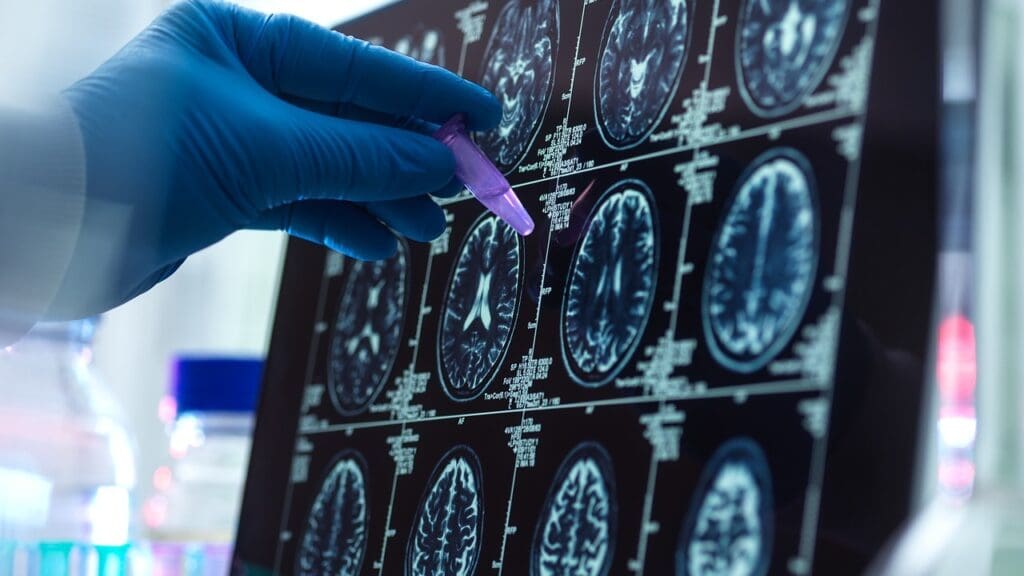
Having brain surgery can be scary, making you worry about pain, recovery, and long-term effects. At Liv Hospital, we know how important it is to be ready for a smooth recovery.
We give you clear, expert advice on what to expect before and after brain surgery. This way, you’ll feel more confident as you go through this journey.
Our team works together to plan and support you. Usually, patients come to the hospital the day before or on the day of surgery. They do tests and get ready for their operation.
Key Takeaways
- Comprehensive planning is key for a smooth recovery.
- Multidisciplinary support helps manage risks from brain surgery.
- Knowing what to expect after brain surgery can lower anxiety.
- Liv Hospital offers trusted care for patients from around the world.
- Pre-op and post-op care are tailored to each patient’s needs.
Understanding Brain Surgery: Types and Purposes
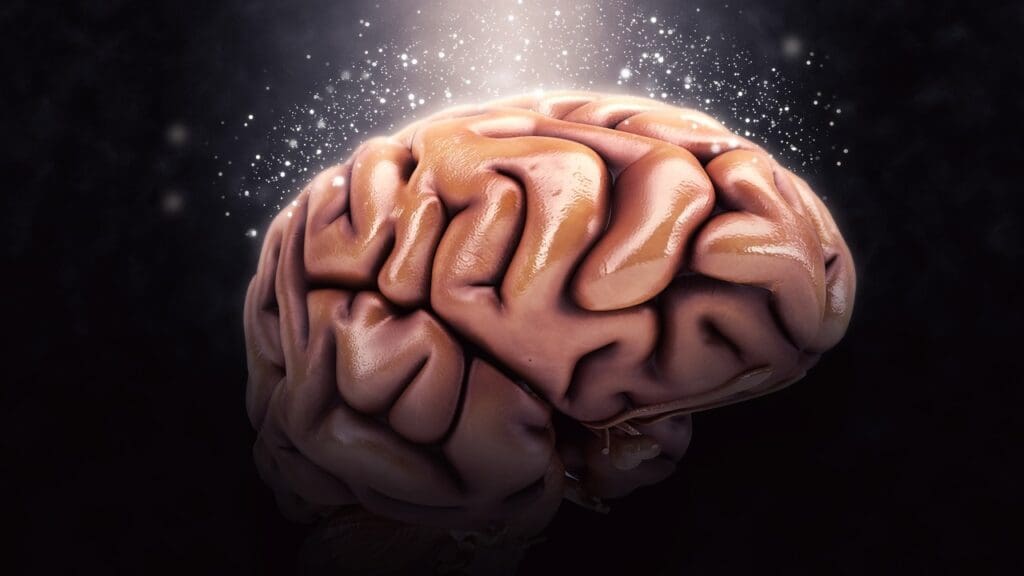
Brain surgery is a key part of neurosurgery. It deals with brain tumors, blood vessel problems, and other disorders. It’s a complex field that needs a deep understanding of the brain.
Common Types of Brain Surgeries
There are many types of brain surgeries. Each one is for a different condition. Here are a few:
- Craniectomy: This is when part of the skull is taken off to ease brain pressure.
- Brain Tumor Surgery: It’s for removing tumors in the brain, which can be harmless or cancerous.
- Vascular Neurosurgery: It treats blood vessel problems like aneurysms and AVMs.
- Functional Neurosurgery: This surgery helps with conditions like epilepsy and Parkinson’s disease.
Medical Conditions Requiring Brain Surgery
Brain surgery is needed for many conditions. These include:
- Brain tumors, both harmless and cancerous
- Blood vessel issues like aneurysms and AVMs
- Head injuries
- Disorders like epilepsy and Parkinson’s disease
Technological Advancements in Neurosurgery
New technologies have made neurosurgery better. Some of these include:
- Intraoperative MRI: It lets surgeons see the brain in real-time during surgery.
- Neuro-navigation Systems: These help surgeons find their way in the brain’s complex structure.
- Minimally Invasive Techniques: These methods make recovery faster and leave less scar tissue.
Knowing about these brain surgery aspects helps patients and families get ready for the surgery and recovery.
Comprehensive Preparation for Brain Surgery
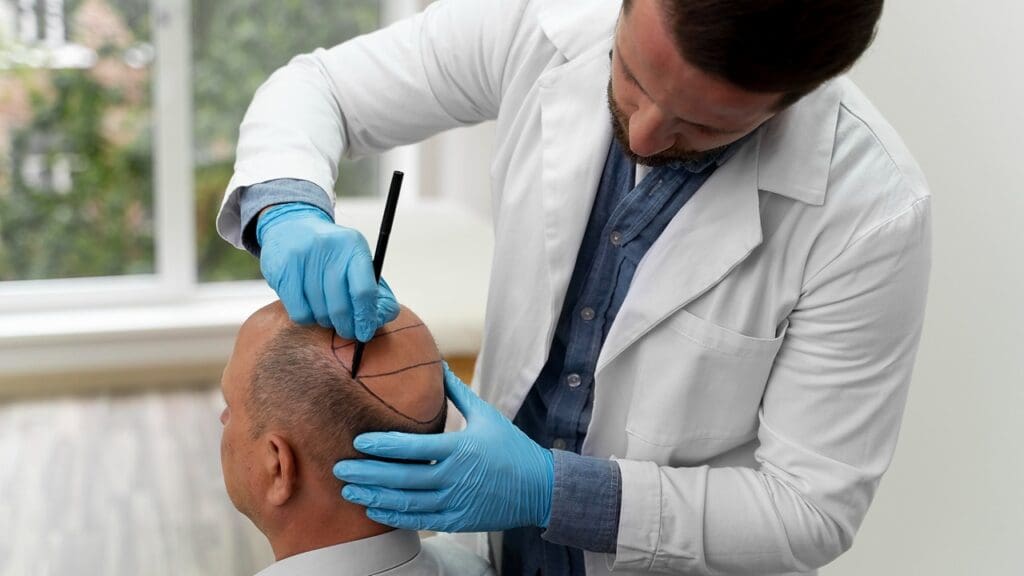
Getting ready for brain surgery is very important. Knowing what to do before surgery can help your recovery. It also affects how well you do after surgery.
Medical Evaluations and Testing
Before surgery, you’ll go through many tests. These help doctors understand your health and what needs fixing. You might have:
- Blood tests to check for infections or clotting disorders
- Imaging tests like MRI or CT scans to find the problem
- Cardiac evaluations to check your heart
- Neurological exams to see how your brain is working
Our team will look at these results. They will plan your surgery just for you.
Medication Adjustments Before Surgery
Some medicines might need to change or stop before surgery. This is to keep you safe. You might need to:
- Stop taking blood thinners to lower bleeding risk
- Pause anti-inflammatory drugs that could slow healing
It’s very important to follow our advice on changing your medicines. This keeps you safe during surgery.
Practical Preparations for Hospital Stay and Home Recovery
Getting ready for your stay in the hospital and recovery at home is also key. You should:
- Find someone to drive you home and stay with you for a few days
- Get your home ready with what you need and a comfy place to rest
- Learn about caring for yourself after surgery from our team
For more info on recovering from brain surgery, check out our guide on brain surgery recovery.
By fully preparing for brain surgery, you can make your recovery better. Our team is here to help you every step of the way.
What to Expect on Surgery Day
Getting ready for brain surgery can make you feel anxious. Knowing what to expect can help you feel more in control. It prepares you for what’s to come.
Pre-operative Procedures
When you arrive at the hospital, you’ll go through tests and preparations. Our medical team will review your medical history. You can ask any last-minute questions.
Your nurse will check a list with you to make sure everything is ready.
Some of the pre-operative procedures include:
- Review of medical history and current medications
- Pre-operative testing (e.g., blood work, ECG)
- Administration of antibiotics to prevent infection
Anesthesia Process and Monitoring
Our anesthesiology team will give you anesthesia to keep you comfortable during surgery. You’ll be watched closely to keep you safe and comfortable.
The anesthesia process involves:
| Procedure | Description |
|---|---|
| Anesthesia Administration | Anesthesia is given to ensure you’re comfortable and pain-free during surgery. |
| Monitoring | Your vital signs are closely monitored throughout the surgery. |
Family Communication During Surgery
We know how important family support is during this time. Our team will keep your family updated on the surgery’s progress. You’ll have a contact person who will share updates with your family.
Understanding what to expect on surgery day helps you prepare better. Our team is dedicated to giving you the best care and support during this time.
Pain Management: Does Brain Surgery Hurt?
Many people worry about pain during brain surgery recovery. It’s important to manage pain well for a smooth recovery.
Typical Pain Levels After Craniotomy
Studies show that pain after brain surgery is usually not too bad. It mainly affects the incision site and can cause headaches. Most patients find the pain manageable, thanks to good pain management.
Medication Protocols for Post-Surgical Pain
Our team uses different medicines to control pain after surgery. These include:
- Opioid analgesics for severe pain
- Non-opioid pain relievers for moderate pain
- Adjuvant medications to enhance pain relief and reduce side effects
The right medicine depends on each patient’s needs and health history.
| Pain Level | Medication Protocol | Expected Outcome |
|---|---|---|
| Mild | Non-opioid pain relievers | Effective pain management with minimal side effects |
| Moderate | Combination of opioid and non-opioid analgesics | Balanced pain relief with reduced risk of opioid dependency |
| Severe | Opioid analgesics | Significant pain reduction, with close monitoring for possible side effects |
Non-Pharmaceutical Pain Management Techniques
There are also non-medical ways to manage pain after brain surgery. These include:
- Relaxation techniques, such as deep breathing and meditation
- Physical therapy to improve mobility and reduce discomfort
- Cognitive behavioral therapy to address pain perception
Using these methods together helps manage pain fully. It covers both physical and emotional pain.
Managing pain well is key to recovering from brain surgery. Knowing about pain levels, medicines, and non-medical methods helps patients through their recovery.
Immediate Recovery: The First 48 Hours After Brain Surgery
The first 48 hours after brain surgery are very important. Patients are watched closely in the ICU or HDU for any problems. This is to catch any issues early on.
Intensive Care Monitoring
Patients usually wake up in the recovery room or ICU. Our medical team keeps a close eye on them. We use advanced tools to check their vital signs and brain function.
Common Early Symptoms and Complications
After brain surgery, patients might feel swelling, pressure, nausea, and discomfort. We work hard to manage these problems.
Addressing Swelling and Pressure
Swelling and pressure are common after surgery. We use medicine and special positions to help. This makes patients more comfortable.
Managing Nausea and Discomfort
Nausea and discomfort are also common. Our team uses medicine and other methods to help. This makes recovery easier for patients.
Neurological Assessments and Their Importance
Neurological checks are key in the first 48 hours. They help us see how the brain is doing. We can spot and fix problems quickly.
By watching patients closely, we can handle any issues fast. Our team is committed to giving the best care during recovery.
Before and After Brain Surgery: Recovery Timeline and Milestones
Knowing the recovery timeline after brain surgery is key for patients and their families. It helps them get ready for what comes after surgery. The journey from hospital to long-term rehab is a slow but important one.
Hospital Recovery Phase (Days 1-7)
The first week after surgery is spent in the hospital. This time varies based on the surgery’s complexity and the patient’s health. In the ICU, doctors watch for any immediate problems.
Doctors keep an eye on patients’ health, manage pain, and look out for complications like infections or seizures. This close monitoring is vital during this time.
Early Home Recovery (Weeks 1-4)
After leaving the hospital, patients start their recovery at home. This phase can last up to a month. Family members or caregivers often help during this time.
It’s important to follow the doctor’s instructions carefully. This includes taking medication, caring for the wound, and attending follow-up appointments. Patients might feel tired, have headaches, or notice slight changes in thinking.
Long-term Recovery and Rehabilitation (Months 1-12)
The long-term recovery phase can last up to a year. It’s focused on getting stronger, improving thinking skills, and getting back to daily life.
Rehabilitation is key during this time. It may include physical, occupational, and speech therapy. Regular check-ups with the neurosurgeon and other doctors are also important.
Physical and Cognitive Benchmarks
Patients will reach various milestones during their recovery. They will regain strength, balance, and thinking skills. These include better memory and focus.
| Recovery Phase | Timeline | Key Milestones |
|---|---|---|
| Hospital Recovery | Days 1-7 | Stable vital signs, manageable pain, initial neurological recovery |
| Early Home Recovery | Weeks 1-4 | Continued pain management, wound healing, gradual increase in activity |
| Long-term Recovery | Months 1-12 | Regaining strength, improving cognitive function, returning to normal activities |
Understanding these milestones helps patients and their families navigate the recovery journey. It allows them to make informed decisions about care.
Managing Post-Surgical Complications and Concerns
It’s important to know about post-surgical complications after brain surgery. While brain surgery is usually safe, there are risks to be aware of. These can affect your recovery.
Risk of Not Waking Up After Brain Tumor Surgery
Not waking up after brain tumor surgery is rare but serious. It can happen due to anesthesia problems, brain swelling, or stroke. Talking to your medical team about this risk is key.
Recognizing Signs of Infection or Bleeding
Watch for signs of infection or bleeding after brain surgery. Look out for fever, redness, or unusual drainage at the surgical site. Tell your healthcare provider right away if you see these signs.
When to Contact Your Medical Team
If you have a severe headache, confusion, weakness, or trouble speaking, call your medical team fast. Knowing these signs can help you get the help you need quickly.
Addressing Seizures and Neurological Changes
Seizures and changes in the nervous system can happen after brain surgery. We’ll talk about how to manage these issues. This includes adjusting medications and finding ways to help you recover.
| Complication | Symptoms to Watch For | Action to Take |
|---|---|---|
| Infection | Fever, redness, unusual drainage | Contact your medical team immediately |
| Bleeding | Severe headache, confusion | Seek emergency medical help |
| Seizures | Convulsions, loss of consciousness | Follow seizure management plan, contact your medical team |
Knowing about these complications and when to get help can make your recovery safer and smoother.
Healing and Scarring After Cranial Surgery
Recovering from cranial surgery means taking care of the surgical site and reducing scarring. We’ll talk about wound care, scar healing, and how to minimize scarring. We’ll also discuss hair regrowth.
Wound Care for Optimal Healing
Good wound care is key after cranial surgery. Keep the site clean and dry, as your healthcare team advises. Gentle cleaning with saline solution is important. Avoid activities that could harm the wound.
Following these steps helps prevent complications and aids in a smoother recovery.
Timeline for Frontal Lobe Brain Surgery Scar Healing
Scar healing times vary, but there’s a general pattern. At first, scars may look red and raised. But they will flatten and fade over time.
Significant improvement is seen in 6-12 months. Complete healing can take up to a year or more. Knowing this timeline helps manage expectations and reduces anxiety.
Minimizing Scarring: Techniques and Treatments
To minimize scarring, combine good wound care with treatments. Using silicone gel or sheeting can help. Sometimes, laser therapy or steroid injections are recommended.
We work with patients to find the best approach for their needs.
Hair Regrowth Expectations
Hair growth around the surgery site varies. It might grow back thinner or differently. Patience is key, as regrowth can take several months to a few years.
We advise patients on what to expect and offer guidance on managing hair regrowth as part of their recovery plan.
Life After Brain Surgery: Adapting to Your New Normal
Life after brain surgery is a journey that needs a lot of effort. It involves getting better through rehabilitation, finding emotional support, and getting practical advice. Understanding these parts is key to a successful recovery.
Cognitive and Physical Rehabilitation Options
Rehabilitation is very important for patients to get back their strength and thinking skills. We have different kinds of therapy, like physical, occupational, and speech therapy. Each one is designed to fit what each patient needs.
Physical therapy helps with moving and balance. Occupational therapy helps with everyday tasks. Speech therapy is great for those who had surgery in areas that affect talking and understanding.
| Rehabilitation Type | Purpose | Benefits |
|---|---|---|
| Physical Therapy | Improve mobility and balance | Enhanced physical strength, reduced risk of falls |
| Occupational Therapy | Regain daily living skills | Increased independence, improved quality of life |
| Speech Therapy | Improve speech and language | Enhanced communication skills, reduced frustration |
Returning to Work and Daily Activities
Going back to work and daily life is a big step in getting better. We tell patients to start small and slowly do more. It’s important to listen to your body and not push too hard.
Too much too soon can set you back. So, it’s good to check in with your doctor often to see how you’re doing.
Emotional and Psychological Adjustments
Brain surgery can be tough on your feelings, leading to anxiety, depression, or mood swings. It’s vital to have support from loved ones and support groups.
Talking to a counselor or therapist can also help. We help patients find ways to cope and offer ongoing support.
Support Groups and Resources
Support groups and resources are very helpful in recovery. They give a sense of community and connection. We encourage patients to join support groups, in-person or online, to share and learn.
We also provide many resources, like educational materials, counseling, and online forums. These help patients and their families on their journey to recovery.
Conclusion: Embracing Recovery After Brain Surgery
Recovering from brain surgery is a journey that needs patience, resilience, and support. Understanding brain surgery and recovery is key for the best results.
Having the right mindset and support can greatly help your recovery. With proper care, patients can see big improvements in their life quality. They can face the challenges of recovery after brain surgery.
Being informed and prepared helps you take charge of your recovery. We are dedicated to giving top-notch healthcare and support to international patients. We will guide you every step of the way.
What is brain surgery, and what conditions does it treat?
Brain surgery is a set of procedures to diagnose and treat brain issues. This includes tumors, vascular problems, and functional disorders.
Does brain surgery hurt?
Yes, patients might feel pain after a craniotomy. But, doctors use medicines and other methods to manage it.
What to expect after brain surgery?
After surgery, patients are closely watched in intensive care. They might face common symptoms and complications. The medical team closely monitors and manages these.
What are the risks associated with brain surgery?
Brain surgery is mostly safe, but risks exist. These include not waking up, infection, bleeding, seizures, and changes in brain function.
How long is the recovery process after brain surgery?
Recovery has several stages. First, patients recover in the hospital. Then, they recover at home and go through rehabilitation. They need to meet physical and cognitive goals.
How can I manage pain after brain surgery?
Managing pain involves medicines and non-medical methods. Techniques like relaxation and breathing exercises help.
What is the timeline for scar healing after frontal lobe brain surgery?
Scar healing time varies. Proper wound care and techniques to reduce scarring can help in healing.
Can I return to work and daily activities after brain surgery?
Yes, with the right rehabilitation, patients can go back to work and daily life. They might need to make some adjustments.
What support is available after brain surgery?
There are support groups and resources for patients. They help with adapting to life changes, including physical and cognitive rehabilitation.
How do I recognize signs of infection or bleeding after brain surgery?
Watch for fever, redness, swelling, or unusual discharge. If you see these, contact your doctor right away.
What are the expectations for hair regrowth after cranial surgery?
Hair growth varies. But, with good wound care and techniques to reduce scarring, patients can get good results.
What is the risk of not waking up after brain tumor surgery?
Not waking up is a risk after brain tumor surgery. Talk to your doctor about your specific risks.
How can I prepare for hospital stay and home recovery after brain surgery?
Make practical preparations for your stay and recovery at home. This includes arranging for care and support.
References
- Duke Tisch Brain Tumor Center (How Long Does It Take the Brain to Heal) : https://www.tischbraintumorcenter.duke.edu/blog/how-long-does-it-take-brain-heal-after-tumor-removal
- Aaron Cohen-Gadol, MD (Glioma Surgical Recovery) : https://www.aaroncohen-gadol.com/en/patients/glioma/treatment/surgical-recovery
- National Brain Tumor Society (What to Expect Before and After Brain Surgery) : https://braintumor.org/news/what-to-expect-before-and-after-brain-surgery
- Roswell Park Comprehensive Cancer Center (Recovering from Brain Surgery) : https://www.roswellpark.org/cancer-talk/202405/recovering-brain-surgery-what-expect
- Cancer Research UK (After Brain Tumour Surgery) : https://www.cancerresearchuk.org/about-cancer/brain-tumours/treatment/surgery/after-surgery