Starting weight training can seem scary, but it’s worth it. Adding weight lifting to your routine can make you stronger. You’ll also lose body fat and live longer.Our ‘beginning weight training’ guide. This simple, powerful plan gives you the best, proven routines for amazing, fast, and safe results.
At Liv Hospital, we know how key a good weight training plan is. We focus on you, giving you safe, proven advice. This lets you start weight training with confidence.
Learning the basics of weight training opens up a world of health benefits. It’s a journey that can change your life for the better.
Key Takeaways
- Increase muscle strength by 38.6% with a well-structured weight training program
- Reduce body fat by 3% and boost longevity
- Receive trustworthy, evidence-based guidance from healthcare professionals
- Safely start weight training with confidence
- Enhance overall health and well-being
The Science-Backed Benefits of Weight Training
Research shows that weight training boosts health and fitness. It offers many benefits beyond just looking good.
Research on Strength and Body Composition
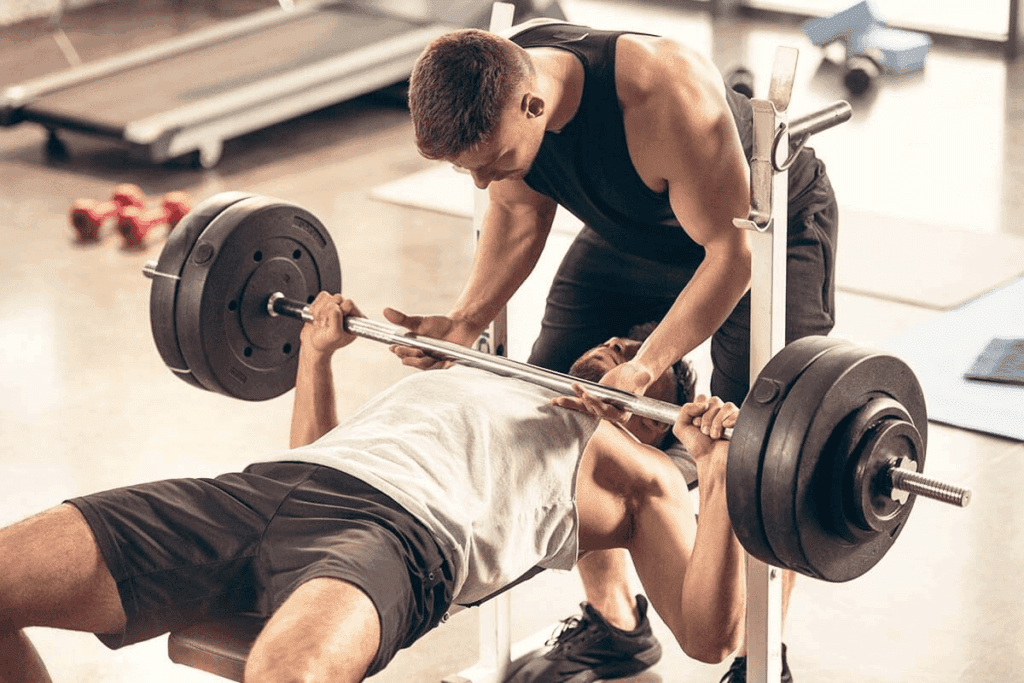
Weight training makes muscles stronger and body composition better. It can increase muscle strength by 38.6% and cut body fat by 3%. These changes improve health and looks.
It also boosts bone density, which fights osteoporosis and fractures. This is key for older adults. Weight training keeps muscles and bones strong, helping with mobility as we age.
Mortality Risk Reduction
Doing muscle-strengthening exercises like weight training lowers death risk by 10 to 15 percent. This shows how vital weight training is for fitness.
It improves heart, metabolic, and physical health. This reduces risks of heart disease, diabetes, and some cancers. So, weight training helps live longer and healthier.
Mental Health and Cognitive Benefits
Weight training is good for both body and mind. It reduces anxiety and depression, boosts mood, and sharpens the mind.
It boosts brain health by making important neurotransmitters and growth factors. The routine of weight training also brings a sense of achievement and structure, improving mental health.
Benefit | Description | Impact |
Strength Improvement | Increased muscle strength through resistance training | Enhanced physical function and mobility |
Body Composition | Reduction in body fat and increase in lean muscle mass | Improved physical appearance and health markers |
Mortality Risk Reduction | Engagement in muscle-strengthening activities | 10-15% reduction in all-cause mortality |
Beginning Weight Training: What You Need to Know
Before starting weight training, it’s key to know your goals and fitness level. This knowledge helps you tailor your program. It makes sure it’s effective and safe.
Defining Your Fitness Goals
Setting your fitness goals is the first step. Your goals might be to build muscle, get stronger, or improve health. Make your goals specific, measurable, achievable, relevant, and time-bound (SMART).
For example, instead of saying “I want to be stronger,” aim to “increase my squat by 20 pounds in 12 weeks.”
- Identify your primary motivation for starting weight training.
- Set clear, achievable goals that align with your motivation.
- Consider consulting with a fitness professional to help define your goals.
Assessing Your Current Fitness Level
Knowing your current fitness level is key. This includes strength, flexibility, endurance, and body composition. You can assess this by:
- Recording your performance in basic exercises like push-ups, squats, and lunges.
- Measuring your body fat percentage and tracking your weight.
- Assessing your cardiovascular endurance through simple tests like a 1-mile walk or run.
Understanding your fitness level helps design a program that’s challenging yet safe. It reduces injury risk and boosts progress.
Setting Realistic Expectations
Setting realistic expectations is vital for staying motivated and successful. It’s important to remember that significant gains take time. A realistic expectation might include:
- Aiming to increase your workout intensity or volume gradually over time.
- Expecting to see noticeable improvements in strength and physique within a few months, not weeks.
- Understanding that setbacks are a normal part of the journey and having a plan to overcome them.
By defining your fitness goals, assessing your current fitness level, and setting realistic expectations, you’re well-prepared. This thoughtful approach maximizes your chances of success.
Essential Equipment and Clothing for Beginners
Starting weight training needs a good workout plan and the right gear. You’ll learn what’s essential to start your weight lifting journey safely and effectively.
Gym Equipment Basics
At the gym, knowing the basic equipment is key. Essential gym equipment includes a power rack, barbell, and adjustable bench. These are must-haves for many exercises.
- A power rack is safe for lifting heavy weights, great for squats and bench presses.
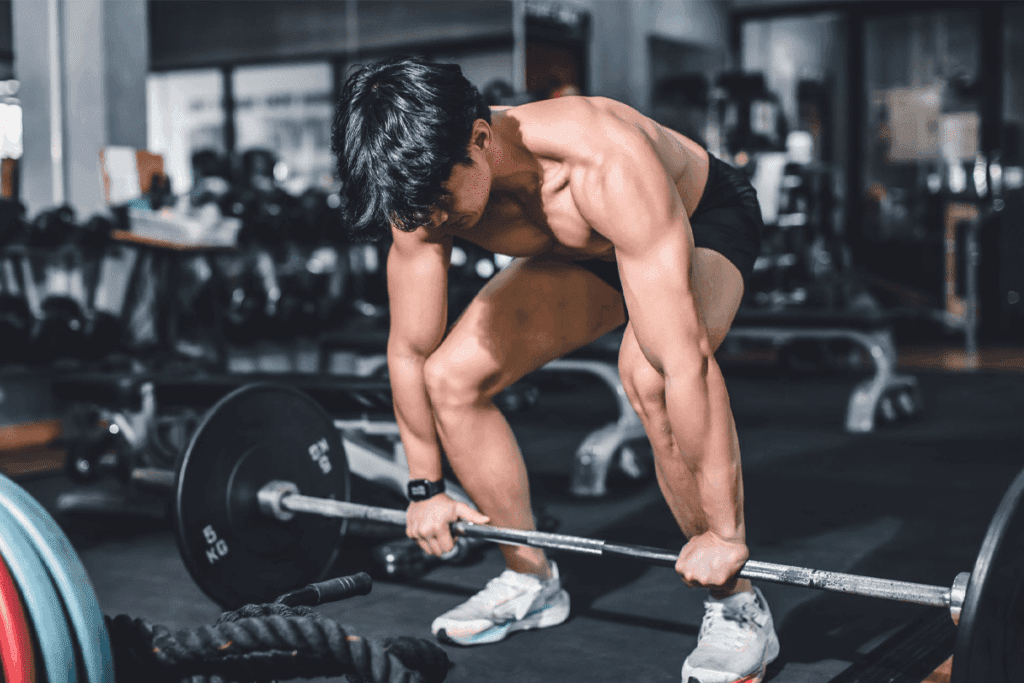
- A barbell is versatile, used for deadlifts and rows.
- An adjustable bench is good for upper body exercises, works with dumbbells or a barbell.
Home Workout Essentials
Many start weight training at home. For a home workout, you’ll need:
Equipment | Description | Benefits |
Dumbbells | Versatile weights for many exercises. | Builds strength, great for full-body workouts. |
Resistance Bands | Light, portable bands for resistance. | Perfect for beginners, adds variety to workouts. |
Adjustable Bench | A bench for different angles. | Supports upper body exercises, adds versatility. |
Proper Attire and Accessories
Right clothes and accessories are as important as the equipment. Proper attire for weight lifting means comfy, breathable clothes and strong shoes. Accessories like gloves and a belt help with performance and safety.
- Comfortable, breathable clothes keep you cool and comfy.
- Strong shoes with a stable sole are key for lifting.
- Weightlifting gloves improve grip and prevent injury.
- A weightlifting belt supports the lower back during heavy lifts.
Investing in the right gear and clothes is key for beginners. Whether at home or the gym, being well-equipped is the first step to reaching your fitness goals.
Understanding Weight Training Terminology
To get the most out of weight training, knowing the terms is key. Weight training has its own language. Learning these terms can make your workouts better and more effective.
Common Terms Explained
First off, let’s talk about sets, reps, and rest. A set is a series of exercises done one after another. A rep is when you finish one exercise. Rest is the time you take between sets. Knowing these terms is essential for planning your workouts.
- A set is a cycle of repetitions.
- A rep is a single execution of the exercise.
- Rest periods are key for recovery.
Types of Weight Training Exercises
Weight training exercises fall into two main categories: compound exercises and isolation exercises. Compound exercises, like squats and deadlifts, work many muscles at once. Isolation exercises, like bicep curls, focus on one muscle.
Knowing the different types helps you create a balanced workout. This ensures you’re working all major muscle groups.
Decoding Workout Plans and Programs
A workout plan or program outlines what exercises to do, how many sets and reps, and rest times. When you read a workout plan, look at the exercises, sets, reps, and rest times suggested.
Creating a workout plan that fits you means considering your goals, current fitness, and what equipment you have. It’s about finding a balance that suits you and making adjustments as needed.
Understanding weight training terms helps you craft a workout plan that suits your needs. This way, you can reach your fitness goals more effectively.
Preparing Your Body: Warm-up and Mobility
Getting ready is key for a good and safe weight training session. We stress the need for a warm-up and getting your body ready for the workout ahead.
Dynamic Warm-up Routines
A dynamic warm-up is a set of movements that get your body ready for exercise. It increases blood flow, temperature, and muscle flexibility. Examples are leg swings, arm circles, and torso twists. Dynamic warm-ups are essential because they lower injury risk and boost performance.
Mobility Exercises for Weight Training
Mobility exercises help improve joint movement, making weight training easier. They include hip circles, shoulder rolls, and ankle mobilizations. Adding these to your routine boosts performance and cuts injury risk.
Preventing Injuries Through Proper Preparation
Stopping injuries is a big deal in weight training. Warming up right and doing mobility exercises greatly lowers injury risk. It’s not just about avoiding injury; it also helps you perform better.
Make sure to spend 10-15 minutes on your warm-up and mobility before weight training. This effort will improve your performance and overall training experience.
Fundamental Weight Training Principles
Understanding the core principles of weight training is key to a good workout routine. These principles are the base of a successful training program. They help people reach their fitness goals safely and efficiently.
The Optimal 1-3 Sets of 8-12 Repetitions Protocol
A common weight training protocol is doing 1-3 sets of 8-12 reps for each exercise. This range is perfect because it balances muscle endurance and strength gains. It helps build muscle and increase strength without overdoing it.
Progressive Overload Explained
Progressive overload is a key principle in weight training. It means slowly increasing the weight or resistance in exercises over time. This can be done by adding weight, doing more reps, or reducing rest time between sets. It’s vital for ongoing progress and muscle growth, as it keeps muscles challenged and prevents plateaus.
Training Frequency for Beginners
For beginners, training frequency matters a lot. It’s best for them to start with 2-3 weight training sessions a week. This allows for enough rest time between sessions for the same muscle group. It helps with progress and adaptation.
As people get better, they can change their training frequency based on their goals and how they recover. It’s also important to listen to your body and adjust your training plan to avoid overtraining.
Starting Weight Lifting at Home: A Complete Plan
Starting weight lifting at home needs a good plan, the right gear, and sticking to it. We’ll show you how to set up a great home weight lifting routine.
Bodyweight Exercise Fundamentals
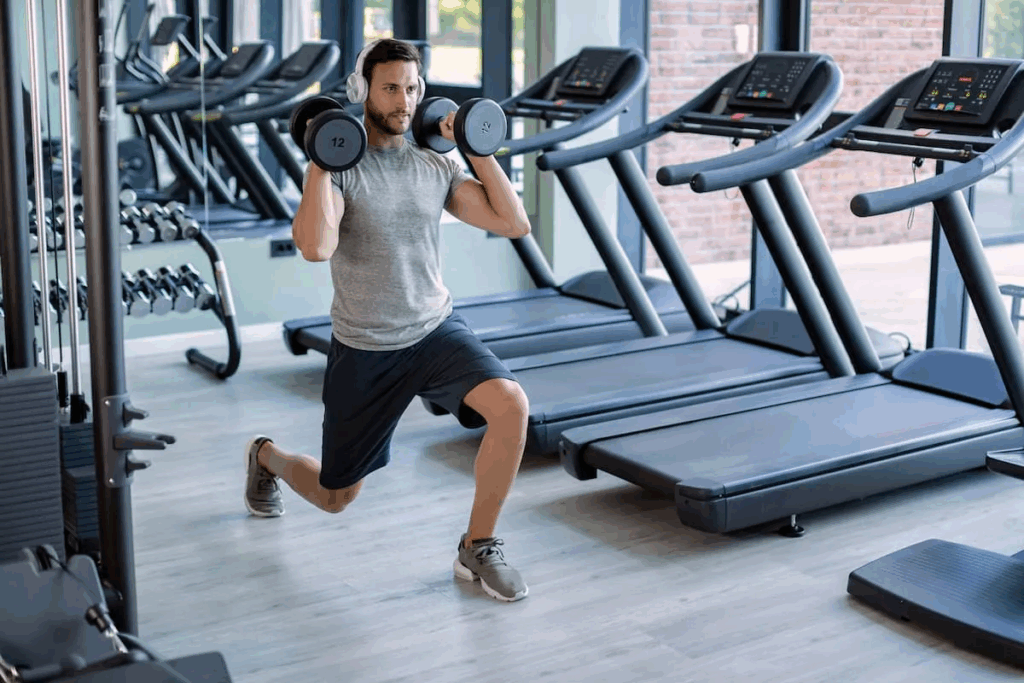
Bodyweight exercises are perfect for starting at home. They don’t need any equipment and can be changed to fit your fitness level. Try push-ups, squats, lunges, and planks.
Benefits of Bodyweight Exercises:
- Improved strength and flexibility
- Increased muscle endurance
- Enhanced coordination and balance
Focus on the right form and technique with bodyweight exercises. Start with fewer reps and sets. Then, increase the challenge as you get better.
Basic Dumbbell and Resistance Band Exercises
Dumbbells and resistance bands are great and easy to find for home workouts. They work on different muscles and can be adjusted for your level.
Examples of Dumbbell Exercises:
- Dumbbell chest press
- Dumbbell rows
- Dumbbell shoulder press
Examples of Resistance Band Exercises:
- Banded squats
- Banded lunges
- Banded chest press
Exercise | Muscle Group | Equipment |
Push-ups | Chest, Triceps | Bodyweight |
Dumbbell Chest Press | Chest | Dumbbells |
Banded Squats | Legs | Resistance Band |
Creating an Effective Home Workout Schedule
Being consistent is key for a good weight lifting routine. Make a schedule that fits you and stick to it. Try to work out 2-3 times a week, focusing on different muscles each time.
Sample Workout Schedule:
- Monday: Chest and Triceps
- Wednesday: Back and Biceps
- Friday: Legs and Shoulders
As you get better, change your schedule and routine to keep challenging yourself and reaching your fitness goals.
“Consistency is key to a successful weight lifting routine. Create a schedule that works for you and stick to it.”
Beginner’s Guide to Gym Weight Training
Starting at the gym can feel scary, but knowing the basics helps a lot. We’ll show you how to begin with gym weight training. This will make you feel ready and confident for your fitness journey.
Navigating the Gym Environment
The gym can look overwhelming at first. But, learning the layout is key. Gyms have cardio, free weights, and strength machines. Spend a bit of time to find what you need.
Tips for navigating the gym:
- Take a tour or orientation if the gym offers it.
- Ask staff or trainers for help with equipment.
- Watch others to learn proper form and technique.
Essential Machines for Beginners
Machines are good for beginners because they guide your movement. They help you use the right form. Here are some machines to start with:
- Leg Press Machine: Works the quadriceps, hamstrings, and glutes.
- Chest Press Machine: Targets the chest muscles.
- Lat Pulldown Machine: Focuses on the latissimus dorsi muscles in the back.
- Seated Row Machine: Works the middle and upper back.
Free Weights vs. Machines: What to Choose First
Choosing between free weights and machines is important. Free weights like dumbbells and barbells improve strength and coordination. But, machines are safer and easier for beginners.
Start with machines to build strength and learn form. Then, add free weights to challenge yourself more and grow muscles.
A Complete Beginner’s Workout Routine
A good workout routine is key for beginners in weight training. It helps reach fitness goals and keeps the journey safe and lasting.
Full-Body Workout Plan
Starting with a full-body workout is great for beginners. It covers all major muscle groups in one session, 2-3 times a week. This method boosts overall fitness and muscle growth.
- Squats: Works the legs, glutes, and core.
- Push-ups: Targets the chest, shoulders, and triceps.
- Rows: Engages the back, shoulders, and biceps.
- Lunges: Works the legs, glutes, and core.
- Planks: Strengthens the core.
Upper/Lower Body Split Routine
As beginners get better, an upper/lower body split routine is helpful. It divides workouts into two days: upper body one day, lower body the next.
Day | Exercises |
Upper Body | Bench Press, Bent-over Rows, Shoulder Press, Bicep Curls, Tricep Dips |
Lower Body | Squats, Deadlifts, Lunges, Leg Press, Calf Raises |
Sample 4-Week Progression Plan
Improving your workout routine is important. Here’s a 4-week plan for beginners:
- Week 1: Use lighter weights and do 12-15 reps to build endurance.
- Week 2: Increase weight slightly and aim for 10-12 reps to build strength.
- Week 3: Raise the weight again and aim for 8-10 reps to grow muscles.
- Week 4: Increase weight or reps to keep getting stronger.
Fitness expert Jim Stoppani says, “Progressive overload is key to getting better in weight training.”
“You can’t get stronger without challenging your muscles beyond what they’re used to.”
By sticking to a good workout routine and plan, beginners can have a safe and effective weight training journey.
Weight Training for Women: Breaking Myths and Getting Started
Weight training is not just for men; it’s a powerful tool that can transform women’s lives. It improves their overall health and fitness. Many women are deterred from weight training due to misconceptions and lack of information.
Addressing Common Misconceptions
One common myth is that weight training will make women bulky or masculine. But, research shows women don’t produce enough testosterone to bulk up like men. Instead, it helps women achieve a toned and lean physique.
Another myth is that weight training is not effective for weight loss. But, weight training can significantly enhance metabolism and burn calories. This helps with weight loss and management.
Research on Female-Specific Benefits
Studies have shown weight training offers many benefits for women. It improves bone density, reducing the risk of osteoporosis, which is a big concern post-menopause.
Weight training also reduces the risk of chronic diseases like heart disease, type 2 diabetes, and certain cancers. It improves mental health by reducing symptoms of anxiety and depression.
Overcoming the 20% Participation Gap
Despite the benefits, there’s a big gap in women’s participation in weight training programs. To overcome this, it’s essential to create supportive environments where women feel encouraged and motivated.
Providing female-specific training programs and workshops can help bridge this gap. Also, educating women about the benefits and proper techniques of weight training is key to increasing their participation.
Moving Forward: From Beginner to Consistent Lifter
As we move forward in weight training, becoming a consistent lifter is key. This means understanding progressive overload. It’s vital for muscle growth and strength.
To use progressive overload, we must challenge our muscles. We do this by slowly adding weight or doing more reps. We can also cut down rest time between sets.
Being consistent is important for weight training success. We should make a routine and stick to it. Adjust it as needed to keep making progress. This way, we reach our fitness goals over time.
By adding progressive overload to our routine and staying consistent, we become better lifters. We enjoy better health and fitness as a result.
FAQ
What are the benefits of weight training for beginners?
Weight training boosts strength and improves body shape. It also lowers the risk of death. Plus, it’s good for your mind and brain.
How do I define my fitness goals for weight training?
Think about what you want to achieve. Do you want to build muscle, get stronger, or feel healthier? Having clear goals helps you plan your workouts.
What equipment do I need to start weight training at home?
Start with bodyweight exercises or get basic gear like dumbbells and bands. These tools help you do many exercises and grow your workouts.
What is the optimal protocol for weight training?
Aim for 1-3 sets of 8-12 reps. This helps you get stronger and build muscle safely.
How often should I train when starting weight lifting?
Start with 2-3 times a week. As you get stronger, you can train more often. This helps you avoid injuries.
What is progressive overload, and how do I implement it?
It means slowly increasing the weight or reps to keep challenging your muscles. You can do this by adding weight, doing more reps, or resting less between sets.
How do I create an effective home workout schedule?
Plan your workouts based on your goals, schedule, and favorite exercises. Make sure to balance your routine and include rest days.
What are the benefits of weight training for women?
It boosts strength, improves bone health, and enhances overall health. It also helps with weight control and reduces disease risk.
How do I progress from a beginner to a consistent lifter?
Focus on increasing the challenge, being consistent, and patient. Keep pushing yourself, track your progress, and adjust your plan to avoid plateaus.
What are some common misconceptions about weight training for women?
Many think weight training makes women too muscular or masculine. But it actually helps women get toned and improves their health and fitness.
How do I warm up before weight training?
Start with dynamic movements like jogging or jumping jacks. Then, do mobility exercises for the muscles you’ll be working. This prepares your muscles and lowers injury risk.
References
National Center for Biotechnology Information. Evidence-Based Medical Guidance. Retrieved from https://pubmed.ncbi.nlm.nih.gov/22777332/