

Find out belly button hernia adults symptoms and when to seek urgent medical care for this condition.
A visible bulge near the navel is often the first sign of an umbilical hernia in adults. It can also cause abdominal pain or discomfort. The Medical organization says umbilical hernias are more risky in adults. So, it’s important to spot the symptoms early.
Liv Hospital puts patients first, helping them quickly find symptoms and get expert help. Knowing the signs of an umbilical hernia is key for getting medical help on time.
Key Takeaways
- Umbilical hernias in adults can be high-risk and require prompt attention.
- A visible bulge near the navel is a common symptom.
- Abdominal pain or discomfort may accompany an umbilical hernia.
- Early recognition of symptoms is key for effective treatment.
- Liv Hospital offers trusted, patient-first care for umbilical hernia diagnosis and treatment.
What Is an Umbilical Hernia in Adults?
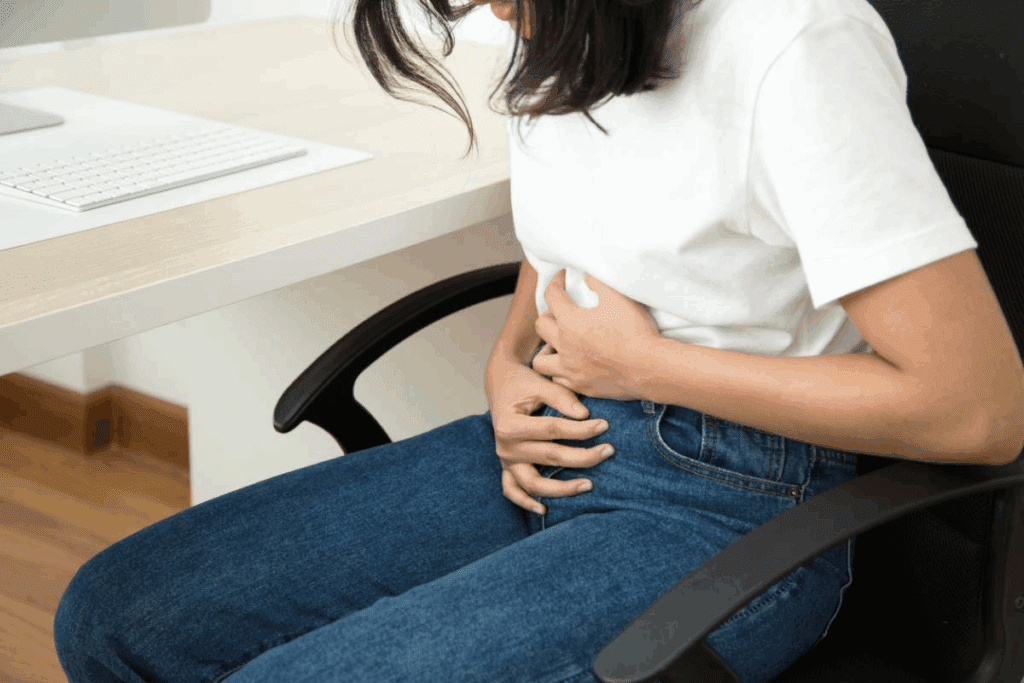
Umbilical hernias in adults are more complex than you might think. They happen when part of the intestine or other tissue bulges through a weak spot in the abdominal muscles near the navel.
Definition and Basic Anatomy
An umbilical hernia is when the belly button area bulges. This happens when the umbilical ring, the area around the belly button, stays weak. This can cause the intestines or other tissues to bulge out.
Prevalence in Adult Population
Umbilical hernias are less common in adults than in kids. But they are a big part of hernias in adults. Adults with obesity, multiple pregnancies, or chronic coughing are more at risk.
Differences Between Adult and Pediatric Umbilical Hernias
Umbilical hernias in kids usually fix themselves by age 3 to 5. But in adults, they often need surgery. The reasons and risk factors are different too. Kids get them because the umbilical ring doesn’t close right after birth. Adults get them because of weaknesses in the abdominal wall.
Belly Button Hernia Adults Symptoms: The 8 Key Signs

It’s important for adults to know the signs of a belly button hernia. This is because a hernia happens when part of the intestine bulges through an opening in the abdominal muscles near the navel.
1. Visible Bulge at the Umbilical Location
A bulge or swelling near the belly button is a common sign. This bulge may get bigger when you cough, strain, or stand up.
2. Abdominal Pain and Discomfort
Adults with an umbilical hernia often feel pain or discomfort in the belly. This pain is usually around the navel and can be mild or severe. It can get worse if not treated.
3. Tenderness Around the Navel
Tenderness or sensitivity around the belly button is another sign. This tenderness can mean irritation or strain on the tissue nearby.
4. Pressure or Fullness Sensation
Some people feel pressure or fullness near the navel. This can be uncomfortable and might make daily activities harder.
We will look at the last four symptoms in more detail. This will help you understand the condition better.
Anatomy of an Umbilical Hernia: Understanding the Problem
Knowing how an umbilical hernia works is key to spotting its signs and treatment choices. It happens when tissue pushes through a weak spot in the belly muscles near the belly button. This issue can hit both kids and grown-ups, but it affects them differently.
The Umbilical Ring Structure
The belly button, or navel, is where the umbilical cord was once attached before birth. In adults, this spot can be a weak point in the belly wall. The umbilical ring structure usually closes after birth. But sometimes, it stays weak or opens again, letting belly stuff push through.
The strength of the umbilical ring is key to avoiding hernias. If the ring is weak or damaged, it can cause an umbilical hernia. Things like getting older, being overweight, and straining the belly muscles can make this area weaker.
How Tissue Protrudes Through the Abdominal Wall
When the belly wall has a gap or weakness, tissue can push through. For umbilical hernias, this gap is at the belly button. This lets intestine or other belly stuff bulge out, making a visible lump.
- More pressure in the belly can push tissue through the weak spot.
- The size of the hernia can change, based on how much tissue bulges out.
- Doing heavy lifting or coughing can make the problem worse.
Types of Tissue That Can Herniate
Many kinds of tissue can bulge through the umbilical ring, including:
- Intestinal tissue: Parts of the intestine can bulge through, which can cause problems if not treated.
- Omental tissue: The omentum, a fatty layer that supports the intestines, can also bulge out.
- Other abdominal contents: Depending on the person’s body and the hernia type, other belly stuff can bulge out too.
Knowing which tissue can herniate helps doctors diagnose and treat umbilical hernias right. The type of tissue bulging out affects symptoms and treatment.
What Causes Umbilical Hernia in Adults?
Understanding what triggers umbilical hernias in adults is key to preventing and treating them. An umbilical hernia happens when part of the intestine bulges through an opening in the abdominal muscles near the navel. Several factors can lead to this condition.
Weaknesses in the Abdominal Wall
A main cause of umbilical hernias in adults is weaknesses in the abdominal wall. This weakness can be from birth or develop over time due to aging or surgeries. When the abdominal wall is weak, it can’t support the intestines properly, causing them to bulge out.
Obesity and Weight Fluctuations
Obesity is a big risk factor for umbilical hernias. Extra weight puts more strain on the abdominal wall, making hernias more likely. Also, quick weight changes can strain the abdominal muscles, leading to a hernia.
Pregnancy and Multiple Pregnancies
Pregnancy is a big factor for umbilical hernias in women. The increased pressure in the abdomen during pregnancy can weaken the wall, leading to a hernia. Women who have had multiple pregnancies are at even higher risk due to repeated strain on the muscles.
Chronic Coughing and Heavy Lifting
Activities that increase abdominal pressure, like chronic coughing or heavy lifting, can also cause umbilical hernias. Chronic coughing, often from respiratory issues, puts more pressure on the abdominal wall. Heavy lifting strains the muscles, potentially causing a hernia.
| Cause | Description | Risk Factor |
| Weaknesses in the Abdominal Wall | Congenital or acquired weakness | Aging, previous surgeries |
| Obesity and Weight Fluctuations | Excess weight and rapid weight changes | Obesity, rapid weight loss/gain |
| Pregnancy and Multiple Pregnancies | Increased abdominal pressure during pregnancy | Multiple pregnancies |
| Chronic Coughing and Heavy Lifting | Increased abdominal pressure | Respiratory conditions, heavy lifting |
Umbilical Hernia Symptoms in Women: Special Considerations
Umbilical hernias in women can be tricky, mainly during pregnancy and after giving birth. Women are more likely to notice symptoms because of pregnancy and hormonal changes.
Pregnancy-Related Umbilical Hernias
Pregnancy can lead to umbilical hernias in women. The extra pressure and strain can weaken the umbilical ring, causing a hernia. Research shows that women with multiple pregnancies are more at risk.
The symptoms for pregnant women with umbilical hernias are similar to others. They might see a bulge near the navel, feel discomfort, and experience pain. The increased pressure on the abdominal wall makes these symptoms more common.
Postpartum Symptoms and Concerns
Women after giving birth are also at risk for umbilical hernias. The strain of childbirth and caring for a newborn can make existing hernias worse or cause new ones.
Postpartum symptoms include more pain or discomfort near the navel, a bulge that may have grown after delivery, and tenderness around the umbilical area. It’s important for postpartum women to watch for these signs and see a doctor if they get worse.
Hormonal Influences on Hernia Development
Hormonal changes during pregnancy and after giving birth can also affect umbilical hernias. The relaxation of abdominal muscles and connective tissue due to hormonal changes can weaken the umbilical ring, making it more prone to herniation.
Knowing how hormonal changes can lead to umbilical hernias helps women take steps to prevent them. It also encourages them to seek medical help if symptoms appear. By understanding these factors, women can manage their risk and address any concerns about umbilical hernias.
Diagnosing an Umbilical Hernia
To diagnose an umbilical hernia, doctors use a detailed approach. They do a physical exam and review the patient’s medical history. This helps them accurately identify and understand the hernia.
Physical Examination Techniques
A thorough physical exam is key in diagnosing an umbilical hernia. Doctors use specific methods to check for the hernia. They might ask the patient to stand or lie down and cough or strain.
Then, they will feel the belly around the navel for any bulges or oddities.
Medical History Review
Reviewing the patient’s medical history is also vital. Doctors will ask about symptoms, like when the bulge appeared and any changes. They also ask about past medical and surgical history, including any previous hernias.
When Imaging Tests Are Necessary
In some cases, imaging tests are needed to confirm a diagnosis. These tests help see the hernia’s size and any complications. Ultrasound and computed tomography (CT) scans are common choices.
Imaging is useful when there’s a chance of complications like incarceration or strangulation.
Hernia Umbilical Reducible vs. Non-Reducible: What’s the Difference?
Knowing the difference between reducible and non-reducible hernias is key. It helps figure out how serious the hernia is and what treatment is best. This is important for both patients and doctors to make the right choices.
Characteristics of Reducible Hernias
A reducible hernia is one where the bulge can be pushed back inside. Most umbilical hernias are like this. It means the hernia is likely not too serious and might not need surgery right away.
Doctors often treat reducible hernias without surgery. They might suggest changes in lifestyle to avoid problems. But, it’s important to keep an eye on the hernia to make sure it doesn’t turn into a more serious issue.
When a Hernia Becomes Non-Reducible
A hernia turns non-reducible or incarcerated when it can’t be pushed back. This can cause serious problems like bowel obstruction or strangulation. These are emergencies that need quick medical help.
Things like increased pressure inside the belly, chronic coughing, or lifting heavy can make a hernia non-reducible. Spotting the signs of a non-reducible hernia, like a firm and tender bulge, is key to getting help fast.
Risk Factors for Non-Reducible Hernias
Some things can make an umbilical hernia turn non-reducible. These include:
- Not getting medical help for a reducible hernia on time
- Having chronic conditions that raise belly pressure
- Having had hernias or belly surgery before
- Being overweight or having big weight changes
Knowing these risk factors and watching for signs of trouble can help manage umbilical hernias well.
Signs of Incarcerated Umbilical Hernia: When to Worry
It’s important to know the symptoms of an incarcerated umbilical hernia to avoid serious health problems. An incarcerated hernia happens when the hernia’s contents get trapped and can’t go back into the belly.
Irreducible Bulge
An irreducible bulge at the belly button is a key sign. This means the hernia can’t be pushed back into the belly, showing it might be incarcerated.
Increasing Pain and Tenderness
Pain and tenderness around the hernia are big warning signs. Southeast Michigan Surgical Specialists say a painful hernia bulge that won’t go back is a serious issue that needs quick attention.
Key Symptoms to Watch For:
- Persistent pain
- Tenderness to the touch
- Inability to reduce the hernia
Redness and Inflammation
Redness and inflammation around the hernia are signs of trouble. These signs mean the hernia might be strangulated, cutting off blood to the trapped tissue.
“A painful and irreducible hernia is a medical emergency. Prompt evaluation by a healthcare professional is critical to prevent serious complications.”
Early Warning Signs of Complications
Look out for nausea, vomiting, and fever, which can mean the hernia is strangulated. Spotting these signs early can save lives.
| Symptom | Description | Action Required |
| Irreducible Bulge | Hernia cannot be pushed back | Seek medical attention |
| Increasing Pain | Pain worsens over time | Immediate medical evaluation |
| Redness and Inflammation | Visible signs of inflammation | Emergency care |
Strangulated Umbilical Hernia Symptoms: Medical Emergency
A strangulated umbilical hernia is a serious condition. It happens when the blood supply to the herniated tissue is cut off. This makes it a medical emergency with severe symptoms that need immediate attention.
Severe Pain and Fever
Severe pain in the abdominal area is a key sign of a strangulated umbilical hernia. This pain is often accompanied by a fever. The pain can get worse if not treated promptly.
Nausea, Vomiting, and Bowel Obstruction
Nausea and vomiting are common symptoms of a strangulated hernia. In severe cases, it can cause bowel obstruction. This is when the normal flow of intestinal contents is blocked.
Discoloration of the Hernia
Discoloration or redness of the hernia is a critical symptom. The herniated area may turn blue or black. This is due to the lack of blood supply, indicating tissue death.
Umbilical Hernia Emergency Symptoms Requiring Immediate Care
It’s important to recognize the emergency symptoms of a strangulated umbilical hernia. These include severe abdominal pain, fever, nausea, vomiting, and discoloration of the hernia. If you experience any of these symptoms, seek medical help right away.
| Symptom | Description | Severity |
| Severe Pain | Intensified abdominal pain | High |
| Fever | Elevated body temperature | High |
| Nausea and Vomiting | Feeling queasy, vomiting | Moderate to High |
| Bowel Obstruction | Blockage of intestinal contents | High |
| Discoloration | Change in color of the hernia | High |
Treatment Options for Umbilical Hernias
Understanding how to manage umbilical hernias is key. The choice between watching and waiting or surgery depends on the hernia’s size, symptoms, and the patient’s health.
Conservative Management Approaches
Small, symptom-free umbilical hernias might be managed without surgery. This means keeping an eye on the hernia and avoiding heavy lifting. Watchful waiting is often used for those with mild symptoms.
Changing your lifestyle can also help. Staying at a healthy weight, eating right to avoid constipation, and managing coughs are important steps.
Surgical Repair Methods
For bigger hernias or those causing pain, surgery is often needed. There are a few ways to fix a hernia surgically:
- Open Hernia Repair: This traditional method involves making an incision near the hernia site to repair the abdominal wall.
- Laparoscopic Hernia Repair: A minimally invasive technique using small incisions and a camera to guide the repair.
The choice between these methods depends on the hernia’s size, the patient’s health, and the surgeon’s skill.
Recovery Timeline and Expectations
After surgery, rest and avoiding heavy lifting are key for a few weeks. Pain is managed with medicine.
Most people can get back to normal in a few weeks. But, full recovery might take longer. Regular check-ups with the surgeon are important.
When Surgery Is Necessary vs. Optional
Guidelines suggest surgery for large, painful, or risky hernias. For small, painless ones, the choice is less clear and depends on the patient.
Big discomfort or risk of serious problems usually means surgery is best. Always talk to a doctor about your options, considering your health and wishes.
Living With an Umbilical Hernia: Managing Umbilical Hernia Pain
Managing an umbilical hernia pain requires a detailed plan. It’s about understanding the condition, choosing safe exercises, using pain management techniques, and making lifestyle changes.
Safe Physical Activities
It’s important to pick safe exercises for those with an umbilical hernia. Avoid heavy lifting, bending, or straining. Low-impact exercises like walking, swimming, or yoga are good. They keep you active without hurting the hernia.
- Walking: A low-impact exercise that improves circulation without straining the abdominal muscles.
- Swimming: Provides a full-body workout with minimal strain on the hernia.
- Yoga: Certain poses can strengthen core muscles and improve flexibility.
Pain Management Strategies
Managing pain is key for those with an umbilical hernia. Here are some strategies:
- Over-the-counter pain relievers: Medications like acetaminophen or ibuprofen can help manage pain.
- Supportive garments: Wearing supportive clothing or binders can help alleviate discomfort.
- Avoiding strenuous activities: Reducing activities that strain the abdominal area can prevent pain from worsening.
Lifestyle Modifications to Prevent Worsening
Changing your lifestyle can prevent the hernia from getting worse. Here are some tips:
| Lifestyle Change | Benefit |
| Maintaining a healthy weight | Reduces strain on the abdominal wall |
| Avoiding heavy lifting | Prevents further straining of the hernia |
| Eating a balanced diet | Improves overall health and reduces complications |
When to Contact Your Doctor About New Symptoms
Keep an eye on your condition and see a doctor if new symptoms appear. Signs that require immediate medical attention include:
- Severe pain or tenderness around the hernia
- Redness or discoloration of the skin over the hernia
- Nausea or vomiting
- Fever
By following these tips, you can manage your umbilical hernia well. This improves your quality of life.
Conclusion
Knowing the signs of an umbilical hernia is key to getting help early. This article has covered what it is, how common it is, and its symptoms in adults.
It’s important to know the causes, how to diagnose, and treatment options for umbilical hernias. Being aware of symptoms helps people get medical help when needed. This can lower the chance of serious problems.
If symptoms don’t go away or get worse, seeing a doctor is a must. With the right care, people can handle their condition well and avoid more issues.
Understanding umbilical hernias and their symptoms helps people stay healthy. This summary reminds us to get medical help when needed. It’s important for the best care for those with umbilical hernias.
FAQ
What is an umbilical hernia?
An umbilical hernia happens when part of the intestine bulges through a weak spot in the belly muscles near the navel.
Can an umbilical hernia cause constipation?
An umbilical hernia itself doesn’t cause constipation. But, a strangulated hernia can block the bowel. This might lead to constipation, nausea, and vomiting.
What are the symptoms of a strangulated umbilical hernia?
Signs of a strangulated umbilical hernia include severe pain, fever, nausea, vomiting, and the hernia turning blue or purple. It’s a serious issue that needs immediate medical help.
How is an umbilical hernia diagnosed?
Doctors diagnose umbilical hernias by examining you, reviewing your medical history, and sometimes using tests like an ultrasound or CT scan.
What is the difference between a reducible and non-reducible umbilical hernia?
A reducible hernia can be pushed back into the belly. A non-reducible hernia can’t be pushed back and might become stuck or strangulated.
What are the signs of an incarcerated umbilical hernia?
An incarcerated hernia shows as a bulge that can’t be pushed back, more pain, redness, and swelling. These symptoms need quick medical attention.
Can umbilical hernias be treated without surgery?
Some umbilical hernias can be treated without surgery. But, surgery is often needed for bigger hernias or those causing symptoms.
What causes umbilical hernias in adults?
Adults get umbilical hernias due to weak belly muscles, being overweight, pregnancy, chronic coughing, and lifting heavy things.
Are umbilical hernias more common in women?
Both men and women can get umbilical hernias. But, women are more likely to get them during pregnancy and childbirth.
How can I manage umbilical hernia pain?
To manage pain, avoid heavy lifting, bending, or straining. Use pain meds as directed and make lifestyle changes to prevent it from getting worse.
When should I contact my doctor about an umbilical hernia?
Call your doctor if your symptoms get worse, like more pain, redness, or swelling. Or if you think your hernia is stuck or strangulated.
References
Huttinger, R. (2023). Spigelian hernia. In StatPearls. National Library of Medicine. Retrieved from https://www.ncbi.nlm.nih.gov/books/NBK538290/



 Departments
 Related Videos
 Our Doctors
 News
News