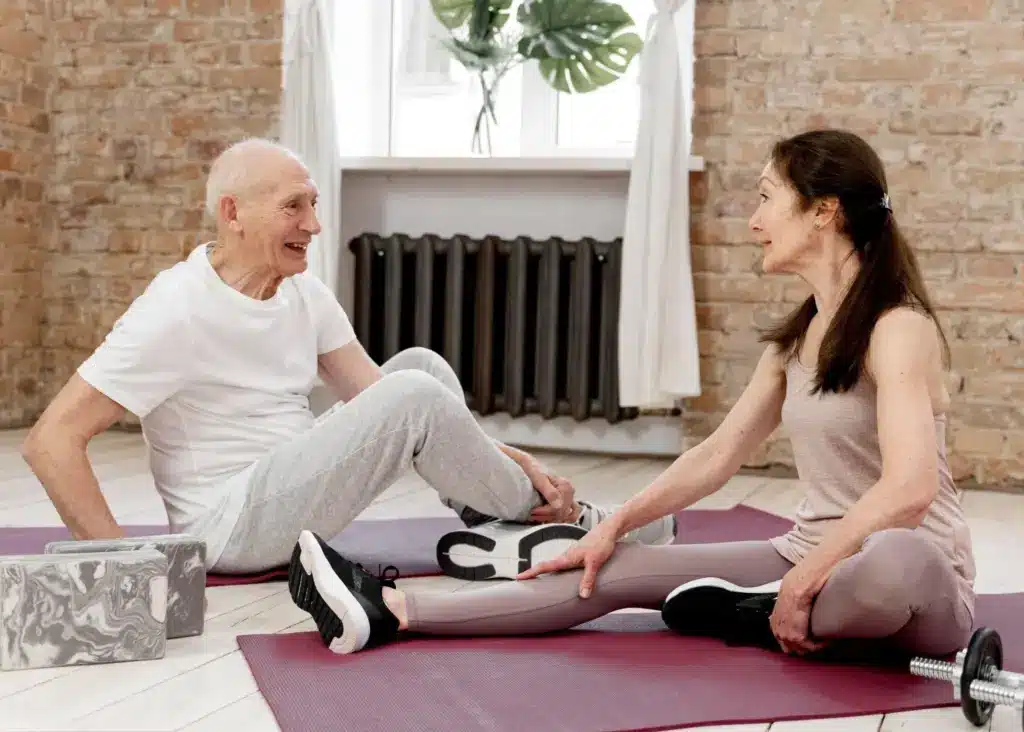
Thalassemia is a genetic disorder that disrupts the body’s hemoglobin production.” — It leads to fatigue, anemia, and less physical strength. But, increasing evidence shows that exercise is safe and good for those with thalassemia.
Recent studies found that moderate exercise can make life better for thalassemia patients. It boosts their aerobic capacity and physical function. A study on the website shows that regular exercise can also improve blood health. It helps reduce fatigue, depression, and feelings of being alone.
Key Takeaways
- Exercise improves quality of life for thalassemia patients.
- Moderate physical activity enhances aerobic capacity and physical function.
- Regular exercise can reduce fatigue and depression in thalassemia patients.
- Physical activity improves blood indices in individuals with thalassemia.
- Exercise recommendations can vary based on individual health and anemia severity.
Understanding Thalassemia and Its Impact on Physical Health
It’s important to understand thalassemia to manage its effects on physical health. Thalassemia is a genetic disorder that disrupts the body’s hemoglobin production.” — Hemoglobin is a protein in red blood cells that carries oxygen.
What is Thalassemia?
Thalassemia severely impacts hemoglobin production, causing anemia and fatigue. It’s inherited in an autosomal recessive pattern. This means a person needs two defective genes, one from each parent, to have the condition.
How Thalassemia Affects the Body
Thalassemia has many effects on the body. It leads to reduced hemoglobin production, causing anemia. This results in fatigue, weakness, and shortness of breath.
It can also cause iron overload from frequent blood transfusions. This affects organs like the heart and liver.
Common Symptoms and Challenges
People with thalassemia face various symptoms. These include chronic fatigue, pale skin, and poor growth and development in children. The condition also increases the risk of infections and bone deformities.
Managing these symptoms is key to improving quality of life.
|
Symptom/Challenge |
Description |
Management Approach |
|---|---|---|
|
Chronic Fatigue |
Persistent feeling of tiredness |
Regular rest, low-impact exercises for anemia |
|
Pale Skin |
Reduced hemoglobin causing paleness |
Iron supplements, dietary adjustments |
|
Poor Growth and Development |
Impact on children’s growth due to anemia |
Nutritional support, regular monitoring |
Managing thalassemia requires a full approach. This includes medical treatment, lifestyle changes, and effective exercises for anemia. These steps help improve health and well-being.
The Relationship Between Thalassemia and Anemia

Understanding the link between thalassemia and anemia is key to managing it well. Thalassemia is a genetic disorder that affects hemoglobin production. Hemoglobin is a protein in red blood cells that carries oxygen.
This disorder leads to anemia, where there aren’t enough healthy red blood cells. These cells are needed to carry enough oxygen to the body’s tissues.
Why Thalassemia Causes Anemia
Thalassemia causes anemia because it reduces hemoglobin production. The genetic mutations in thalassemia make red blood cells either not made enough or not healthy. This leads to a lack of healthy red blood cells.
This lack affects the body’s ability to transport oxygen. It causes the symptoms of anemia.
The severity of anemia in thalassemia patients varies. For example, those with beta-thalassemia major often need regular blood transfusions. On the other hand, those with beta-thalassemia minor or alpha-thalassemia trait might have milder anemia.
Effects of Anemia on Physical Capacity
Anemia greatly affects physical capacity. It reduces the body’s ability to transport oxygen to muscles and tissues. This leads to fatigue, weakness, and a decrease in physical performance.
People with anemia may struggle with daily activities or physical exercises. They often feel very tired.
For those with thalassemia, managing anemia is vital to keep physical capacity. An anemia exercise regimen tailored to their health can improve physical function. It’s important to balance activity with rest to avoid more fatigue.
Traditional Management Approaches
Traditional management for anemia in thalassemia includes regular blood transfusions. These increase the number of healthy red blood cells. Iron chelation therapy is also used to manage iron overload from frequent transfusions.
Patients are advised on nutritional supplements, like folic acid, to support red blood cell production.
Creating an anemia exercise plan is beneficial. Gentle exercises, like yoga or short walks, can improve physical capacity without straining too much. It’s also important to follow fitness tips for individuals with anemia, such as avoiding overexertion and staying hydrated.
Scientific Evidence: How Exercise Benefits Thalassemia Patients

Clinical trials show that exercise is key for thalassemia patients. Adding physical activity to their care plan boosts their health greatly.
Recent Clinical Trials and Findings
Recent studies have shed light on exercise’s benefits for thalassemia patients. A study in a top medical journal found that aerobic exercises help improve heart health and reduce tiredness in thalassemia patients.
“Exercise has been shown to improve blood indices, reduce fatigue, and enhance overall well-being in thalassemia patients, highlighting its potential as a complementary therapy.”
Strength training also has a big impact, as found in clinical trials. It helps thalassemia patients build muscle and improve physical function.
|
Exercise Type |
Benefits for Thalassemia Patients |
|---|---|
|
Aerobic Exercises |
Improved cardiovascular health, reduced fatigue |
|
Strength Training |
Improved muscle mass, enhanced physical function |
|
Flexibility and Stretching |
Enhanced flexibility, reduced muscle cramps |
Physiological Improvements from Regular Exercise
Regular exercise brings many benefits to thalassemia patients. It boosts energy and lessens anemia symptoms.
Key physiological benefits include:
- Improved cardiovascular health
- Enhanced muscle strength and endurance
- Better iron regulation
- Increased energy levels
Psychological and Social Benefits
Exercise also offers big psychological and social benefits for thalassemia patients. It reduces stress, improves mood, and boosts quality of life.
The psychological benefits of exercise are as important as the physical ones. They help improve mental health and overall well-being.
Impact of Exercise on Blood Indices in Thalassemia
Exercise greatly affects blood indices in thalassemia, a genetic disorder. It improves various blood parameters. This enhances the health of thalassemia patients.
Effects on Hemoglobin and Hematocrit Levels
Exercise positively changes hemoglobin and hematocrit levels in thalassemia patients. Regular aerobic exercises like walking or cycling improve these levels. This helps deliver more oxygen to tissues and organs.
“Exercise stimulates erythropoiesis, the process of red blood cell production. This can increase hemoglobin levels.”
Changes in Ferritin and Iron Levels
Ferritin and iron levels are key in managing thalassemia. Exercise impacts these levels, with effects varying by exercise type and intensity. Moderate-intensity workouts are often suggested. They help manage iron absorption without stressing the body too much.
|
Exercise Type |
Effect on Ferritin |
Effect on Iron Levels |
|---|---|---|
|
Aerobic Exercise |
Decrease |
Regulated |
|
Resistance Training |
Variable |
Potential Increase |
How Exercise Regulates Iron Absorption
Exercise affects iron absorption in several ways, including hepcidin levels. Regular activity helps keep iron levels balanced. This is vital for thalassemia patients, who often face iron overload from blood transfusions.
By adding anemia-friendly fitness routines and low-impact workouts for anemia management, thalassemia patients can see improvements. This can lead to better blood indices and a higher quality of life.
Best Exercise for Anemic Person with Thalassemia
People with thalassemia can really benefit from special exercise plans. Exercise is key for a healthy life and helps manage thalassemia. It’s important to pick safe and effective exercises for thalassemia.
Exercise Intensity Guidelines
Moderate-intensity exercise is best for anemic people with thalassemia. Activities like brisk walking, cycling, or swimming are good. Avoid high-intensity exercises that can strain your body too much.
- Start slowly: Begin with low-intensity exercises and gradually increase the intensity based on how your body responds.
- Listen to your body: If you experience any discomfort or pain, stop the exercise immediately.
Duration and Frequency Recommendations
How long and how often you exercise matters a lot. For thalassemia, start with short sessions and increase as you get stronger.
- Begin with 10-15 minute sessions, 2-3 times a week.
- Gradually increase the duration to 30-45 minutes per session.
- Aim for at least 3-4 times a week, depending on your body’s response.
Monitoring Your Body’s Response
Watching how your body reacts to exercise is very important. Notice your energy, heart rate, and any symptoms during or after exercise.
- Keep a log: Record your exercises, including the type, duration, and intensity, as well as how you felt during and after the exercise.
- Consult your healthcare provider: Regular check-ins with your healthcare provider can help you adjust your exercise plan as needed.
By following these tips and listening to your body, you can create a great exercise plan. This plan will help you manage your thalassemia better.
Aquatic Exercises: A Promising Approach for Thalassemia Management
Aquatic exercises are a great way to manage thalassemia. They are low-impact but very effective. People with thalassemia often struggle with anemia, fatigue, and other issues. Aquatic exercises are gentle and can be adjusted to fit each person’s needs.
Benefits of Water-Based Activities
Water-based activities are great for thalassemia patients. The water’s buoyancy eases joint pain, making it perfect for those who hurt during regular exercises. Water also strengthens muscles without the stress of land-based workouts. often suggest aquatic exercises as a safe choice.
The advantages of aquatic exercises for thalassemia include:
- Improved cardiovascular health
- Enhanced muscle strength and flexibility
- Reduced joint pain and inflammation
- Improved overall quality of life
Recommended Aquatic Exercise Routines
Thalassemia patients should start with easy, low-intensity aquatic exercises. Then, they can slowly increase the intensity as they get stronger. Some good routines include:
- Water walking or jogging
- Swimming laps at a leisurely pace
- Aquatic aerobics or group fitness classes
- Water-based resistance training using equipment like water weights or resistance bands
It’s important to work with a healthcare provider to create a personalized exercise plan. This plan should consider the individual’s specific needs and health status.
Research from Shahrekord University
Research at Shahrekord University found that aquatic exercises can greatly improve thalassemia patients’ quality of life and blood health. The study suggests that aquatic exercises could be a valuable addition to thalassemia management.
|
Outcome Measure |
Pre-Exercise |
Post-Exercise |
|---|---|---|
|
Quality of Life Score |
60 |
80 |
|
Hemoglobin Levels (g/dL) |
8.5 |
9.2 |
|
Ferritin Levels (ng/mL) |
2500 |
2200 |
The Shahrekord University study supports using aquatic exercises in thalassemia management plans. It shows promise for better patient outcomes.
Weight-Bearing Exercises and Bone Health in Thalassemia
People with thalassemia can greatly improve their bone density by doing weight-bearing exercises. Thalassemia can harm bone health due to bone marrow expansion and iron overload. This can lead to osteoporosis or osteopenia. Weight-bearing exercises are great because they strengthen bones, reducing fracture risk and improving life quality.
Bone Mineral Density: A Critical Aspect of Thalassemia Management
Bone mineral density (BMD) is key in managing thalassemia. Low BMD increases the risk of osteoporosis and fractures. It’s vital to regularly check BMD to spot risks and take action.
Effective Weight-Bearing Exercise Options
Good weight-bearing exercises for thalassemia patients include walking, jogging, dancing, and strength training. These exercises boost bone density and overall health and function.
- Walking: A simple and effective weight-bearing exercise that can be done almost anywhere.
- Jogging or Running: Higher impact activities that can significantly improve bone density.
- Dancing: Combines fun with physical activity, improving bone health and cardiovascular fitness.
- Strength Training: Using weights or resistance bands to strengthen muscles and bones.
UCSF Clinical Trials and Findings
UCSF has been studying how weight-bearing exercises affect bone health in thalassemia patients. Early results show these exercises can greatly improve bone mineral density. This highlights the need for physical activity in thalassemia management.
By adding weight-bearing exercises to their lifestyle, thalassemia patients can help keep their bones strong. This proactive step can greatly improve their overall health.
Aerobic Exercises to Improve Cardiovascular Function
Aerobic exercises can help thalassemia patients a lot. They make the heart stronger, reduce tiredness, and improve life quality.
Safe Cardio Options for Thalassemia Patients
Thalassemia patients can try different aerobic exercises. Brisk walking, cycling, and swimming are good choices. They are easy on the body and can be adjusted to fit each person’s fitness level.
Recommended cardio exercises include:
- Brisk walking
- Cycling
- Swimming
- Dancing
Building Endurance Gradually
Start slow and gradually get more intense with exercises. This way, you avoid pushing too hard and let your body adjust.
Tips for building endurance include:
- Begin with short sessions (20-30 minutes)
- Gradually increase duration and intensity
- Listen to your body and rest when needed
Monitoring Heart Rate and Oxygen Levels
It’s important to watch your heart rate and oxygen levels while exercising. This ensures you’re exercising safely and effectively.
Monitoring tips include:
- Use a heart rate monitor
- Check oxygen levels with a pulse oximeter
- Adjust exercise intensity based on readings
Strength Training for Individuals with Thalassemia
Thalassemia patients can boost their muscle mass and health with planned strength training. This exercise is key to a good fitness plan. It helps those with thalassemia manage their condition better.
Benefits of Muscle Building
Strength training offers many benefits for thalassemia patients. Increased muscle mass boosts physical strength, making daily tasks easier. It also strengthens bones, lowering the risk of osteoporosis and fractures.
Muscle building through strength training also improves better metabolic health. As muscle grows, so does the body’s ability to control blood sugar and improve metabolism. This is great for those with thalassemia who face metabolic challenges.
Safe Resistance Training Techniques
When training with thalassemia, safety is top priority. Start with low-intensity exercises and slowly increase intensity as you get stronger. This method reduces injury risk and supports steady strength growth.
Some safe techniques include:
- Using light weights with higher repetitions
- Incorporating bodyweight exercises like squats, lunges, and push-ups
- Utilizing resistance bands for added resistance without heavy weights
Equipment and Modifications
The right equipment is vital for strength training. For thalassemia patients, choose equipment that’s comfortable and safe.
|
Equipment |
Benefits |
Modifications for Thalassemia |
|---|---|---|
|
Free Weights |
Improves strength and muscle mass |
Start with light weights; increase gradually |
|
Resistance Bands |
Portable and easy to use |
Ideal for those with limited mobility or strength |
|
Machine-Based Exercises |
Targets specific muscle groups |
Adjust settings according to individual strength levels |
Understanding strength training’s benefits and safe practices helps thalassemia patients. They can add this valuable exercise to their management plan. This improves their quality of life and physical health.
Low-Impact Workouts for Managing Fatigue
Low-impact workouts are a great way to fight fatigue in thalassemia patients. Fatigue can really hurt your quality of life. The right physical activities can help lessen this feeling, making you feel better overall.
Yoga and Stretching Routines
Yoga and stretching are top choices for fighting fatigue in thalassemia patients. They boost flexibility and balance and lower stress. Yoga for anemia is known to improve both physical and mental health.
A study in the Journal of Alternative and Complementary Medicine showed yoga helps with fatigue and quality of life in chronic illness patients. Adding simple stretches to your day can also help, keeping muscles toned and preventing stiffness.
Tai Chi and Gentle Movement Practices
Tai chi is a low-impact exercise that boosts balance, lowers stress, and improves heart health. It’s slow and easy on the joints, perfect for thalassemia patients. Tai chi for anemia helps relax and improves blood flow.
Research from the National Institutes of Health shows tai chi helps older adults balance better and fall less. While there’s not much specific tai chi research on thalassemia, its general benefits can help thalassemia patients too, fighting fatigue and improving health.
Balancing Activity with Rest
It’s important to mix workouts with rest for thalassemia patients. They should watch their energy and not push too hard. Balancing activity with rest lets the body heal and recharge, which is key to beating fatigue.
One thalassemia patient said, “Finding the right balance between activity and rest has changed my life. It lets me stay active without feeling too tired.” This balance is essential for a healthy, active life despite thalassemia’s challenges.
Creating a Personalized Exercise Plan for Thalassemia Management
Thalassemia patients can improve their health with a personalized exercise strategy. This strategy meets their unique needs and health status.
Creating a good exercise plan involves looking at several things. These include the severity of thalassemia, overall health, and personal fitness goals.
Working with Healthcare Providers
It’s important to work with healthcare providers to make a safe and effective exercise plan. They can check your health and suggest exercises that are right for you.
They also know how to watch how your body reacts to exercise. They can help adjust your plan if needed.
Adapting to Your Symptoms and Energy Levels
People with thalassemia often feel more tired or have symptoms that change. It’s key to adjust your exercise plan to match how you feel.
For example, if you’re really tired, you might choose easier activities or rest more. This helps you stay safe and comfortable.
Tracking Progress and Making Adjustments
It’s important to keep track of how well your exercise plan is working. Look at how your body is doing, your overall health, and any symptoms related to thalassemia.
Based on what you see, you can tweak your plan. This might mean making workouts harder, adding new exercises, or changing what you’re doing.
By following these steps and working with healthcare providers, people with thalassemia can make a personalized exercise plan. This plan can help them feel better and live a better life.
Real-World Success Stories: Exercise and Thalassemia
Many people with thalassemia have found exercise to be a game-changer. Regular physical activity has greatly improved their health and happiness.
Patient Testimonials and Experiences
Thalassemia patients who exercise regularly share many benefits. For example, one might say,
“I’ve noticed a big drop in fatigue and a boost in energy levels thanks to exercise.”
Exercise also boosts mental health, making patients feel more confident and in control. It’s a key part of their thalassemia management, giving them a sense of power.
Quality of Life Improvements
Exercise does more than just improve physical health for thalassemia patients. It also makes life better overall. It lets them do more and enjoy life more fully.
- Increased energy levels
- Improved mental health
- Enhanced overall well-being
By exercising, thalassemia patients can see these benefits for themselves. It makes life more rewarding.
Overcoming Challenges and Setbacks
Exercise is great, but thalassemia patients face hurdles in keeping up with it. Working with healthcare providers to create a personalized plan is key.
This way, patients can beat setbacks and keep going. It makes exercise safe and effective for them.
Conclusion: Embracing Physical Activity as Part of Thalassemia Care
Physical activity is key in thalassemia care. It brings many health benefits. Exercise helps manage thalassemia and improves life quality.
There are many ways to stay active with thalassemia. You can try swimming, weight-bearing exercises, or aerobic workouts. These activities can boost both physical and mental health.
Good thalassemia care means more than just exercise. It also includes eating right and seeing doctors regularly. Working with your doctor to create a fitness plan is important. This way, you can manage your thalassemia better and feel healthier.
Living an active life is good for thalassemia patients. It helps manage the condition better. This leads to a better life and overall health.
FAQ
What is thalassemia, and how does it affect the body?
Thalassemia is a genetic disorder that affects the production of hemoglobin. Hemoglobin is a protein in red blood cells that carries oxygen. It can cause anemia, fatigue, and other complications.
Can exercise help manage thalassemia?
Yes, regular exercise can improve quality of life and physical function in thalassemia patients.
What are the best exercises for anemic persons with thalassemia?
Low-impact exercises like yoga, stretching, and tai chi are good. Aquatic exercises and weight-bearing exercises are also recommended.
How intense should exercise be for individuals with thalassemia?
Exercise should be moderate. It’s important to listen to your body and adjust as needed.
Can strength training benefit individuals with thalassemia?
Yes, strength training can improve muscle mass and physical function. Use safe techniques and modify equipment as needed.
How often should individuals with thalassemia exercise?
Aim to exercise 3-4 times a week. Include rest days in between.
Can exercise help regulate iron absorption in thalassemia?
Yes, regular exercise can help regulate iron absorption and improve iron metabolism in thalassemia patients.
Are there any specific exercises that can help improve bone mineral density in thalassemia?
Yes, walking, running, and resistance training can improve bone mineral density.
How can individuals with thalassemia create a personalized exercise plan?
Work with healthcare providers to create a tailored plan. Consider individual symptoms, energy levels, and health status.
Can aquatic exercises benefit individuals with thalassemia?
Yes, aquatic exercises are low-impact and enjoyable. They can improve cardiovascular function and physical fitness.
What are some tips for managing fatigue during exercise with thalassemia?
Balance activity with rest. Monitor energy levels and adjust your routine to avoid exhaustion.
Are there any specific aerobic exercises that are safe for thalassemia patients?
Yes, safe cardio options include brisk walking, cycling, and swimming. Always monitor heart rate and oxygen levels.
References
- Dehkordi, A. H., Hasani, T., Fekri, K., Deris, F., & Etemadifar, S. (2020). Effects of Aquatic Exercise on Dimensions of Quality of Life and Blood Indicators in Patients with Beta‑Thalassemia Major. International Journal of Preventive Medicine. Available at: https://pmc.ncbi.nlm.nih.gov/articles/PMC7554436/ (PMC)
- Noguer, M., Berthon, Phanélie, Makowski, C., Messonnier, L. A., et al. (2024). Impaired physical ability in patients with transfusion‑dependent β‑thalassaemia: Can regular physical activity be a countermeasure? British Journal of Haematology. Available at: https://pmc.ncbi.nlm.nih.gov/articles/PMC11739766/ (PMC)