
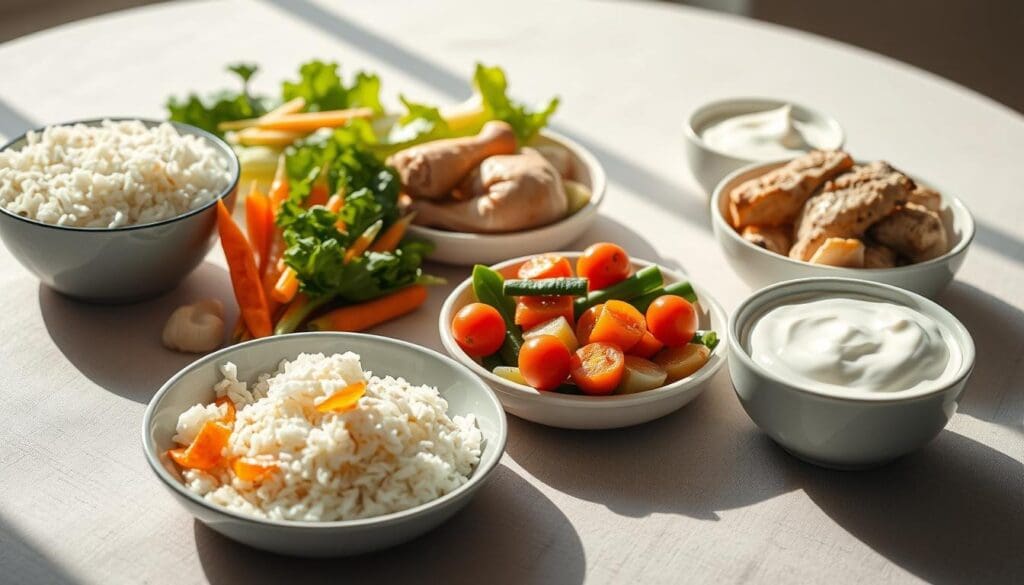
Recovering from colon surgery needs a good diet plan. First, patients get intravenous fluids. Then, they move to a clear liquid diet and later to solid foods. It’s important to eat foods that are easy to digest for a smooth recovery.
The best foods to eat after colon surgery and keeping your immune system strong after colon surgery. Liv Hospital experts say to eat foods that are full of nutrients but gentle on your stomach. Eating the right foods can help you recover faster and get back to your usual life sooner.
Key Takeaways
- Eat easily digestible foods to support recovery
- Follow a clear liquid diet initially after surgery
- Gradually introduce solid foods to your diet
- Focus on nutrient-rich foods gentle on the digestive system
- Proper nutrition supports immune function and recovery
Understanding Nutritional Needs After Colon Surgery
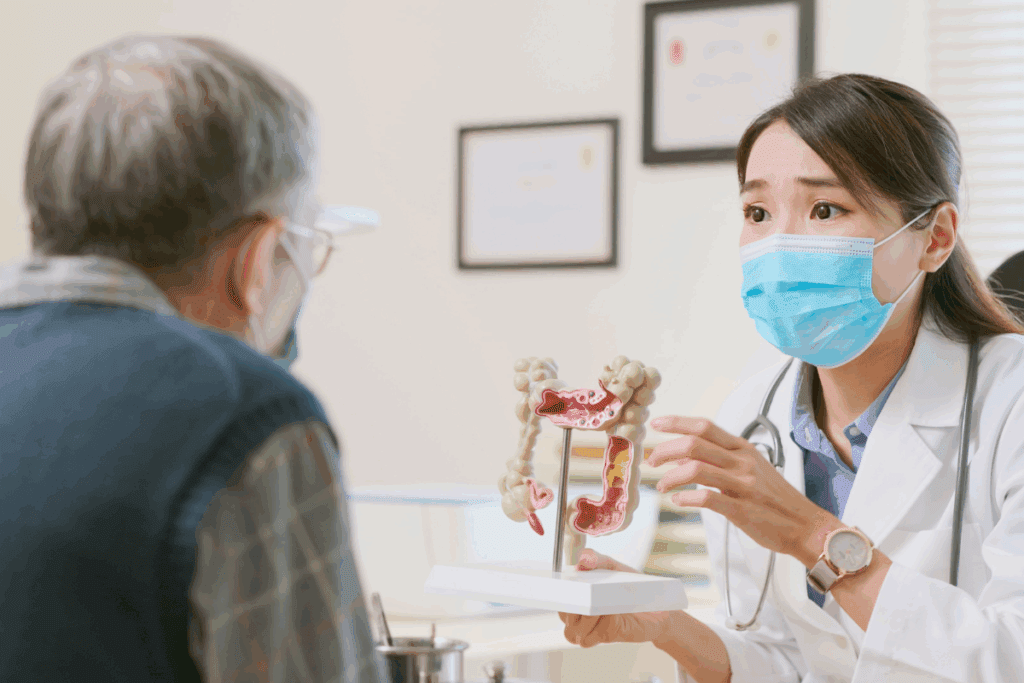
Colon surgery changes how your body digests food. This makes eating right after surgery very important. Your body can’t absorb nutrients as well, so you need a special diet.
How Surgery Affects Your Digestive System
Colon surgery can mess with your digestive system at first. “The gut needs time to heal, and during this period, the digestive system’s ability to process food is impaired,” says a gastroenterology expert. At first, you might get fluids through an IV to keep you hydrated and give you nutrients.
When you can eat again, you start with liquids and then move to solid foods. This slow start helps you feel better and heal faster.
The Importance of Proper Nutrition for Healing
Eating right is key to getting better after colon surgery. Foods help fix tissues, boost your immune system, and aid in recovery. A balanced diet lowers the chance of problems and helps your body heal naturally.
Adequate nutrition is vital for:
- Wound healing
- Immune system support
- Reducing the risk of infection
- Maintaining energy levels
As a healthcare pro notes, “Nutrition is a key factor in the recovery process, and patients should focus on consuming nutrient-rich foods that are easy to digest.”
The Post-Surgery Diet Progression
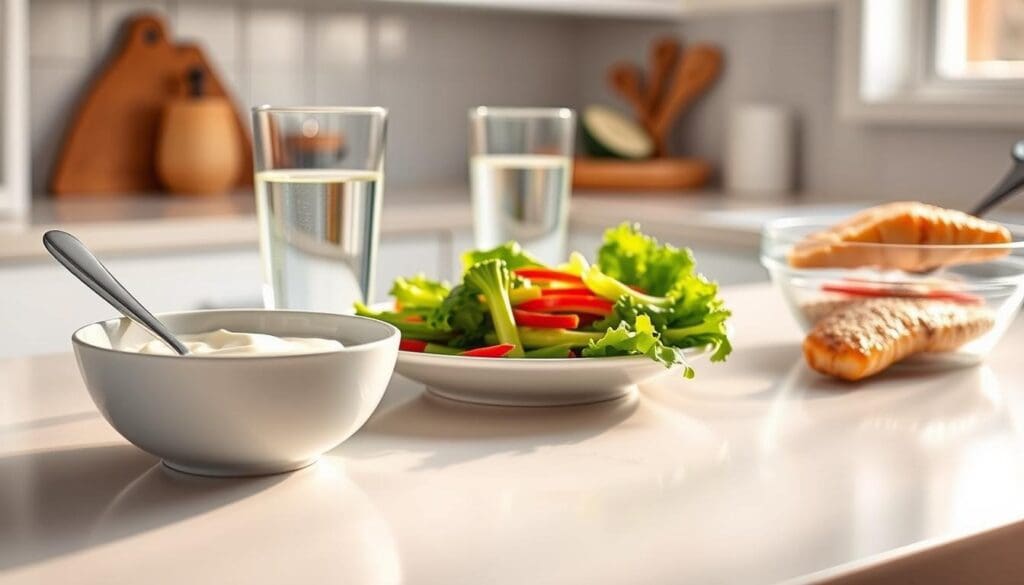
Knowing how to progress your diet after colon surgery is key for a quick recovery. The diet is made to help your digestive system get back to normal. It aims to reduce discomfort and aid in healing.
Initial Clear Liquid Phase
The first step is clear liquids. This phase is important for healing without putting too much strain on your digestive system. Clear liquids are easy to digest and keep you hydrated.
Examples of clear liquids include:
- Water
- Clear broths
- Electrolyte-rich beverages like coconut water or sports drinks
- Clear fruit juices without pulp
Full Liquid Diet Transition
Next, you move to full liquids. This includes all clear liquids plus thicker, more calorie-rich ones. These are gentle on your digestive system.
Examples of full liquids include:
- Pureed soups
- Yogurt
- Nutrition supplements
- Thinned applesauce or other pureed fruits
Low-Residue Foods Introduction
Then, you start eating low-residue foods. These are easy to digest and help avoid irritating your colon or causing discomfort.
Examples of low-residue foods include:
| Food Category | Examples |
| Grains | White rice, refined pasta, and white bread |
| Fruits | Bananas, applesauce, and canned fruits |
| Proteins | Lean meats like chicken and fish, eggs, and smooth nut butters |
Going from clear liquids to low-residue foods helps your body heal after colon surgery. Following this diet plan can help avoid complications and make your recovery smoother.
Bananas: The Perfect Low-Fiber Fruit
Bananas are great for eating after colon surgery. They are easy to digest and full of nutrients. This helps your body recover without feeling worse.
Why Bananas Support Digestive Recovery
Bananas are packed with potassium, vitamin C, and a bit of fiber. They are soft and taste mild, making them perfect for healing. The little fiber they have is good because it doesn’t upset your stomach.
Nutritional Benefits of Bananas:
- Rich in Potassium: Helps maintain electrolyte balance
- Good Source of Vitamin C: Supports immune function
- Low in Fiber: Gentle on the digestive system
- Easy to Digest: Ideal for post-surgery recovery
Best Ways to Incorporate Bananas Into Your Diet
Adding bananas to your diet after surgery is easy. Here are some ideas:
- Enjoy bananas as a snack or light meal.
- Add sliced bananas to low-fiber cereals or yogurt for extra nutrition.
- Blend bananas into smoothies with applesauce or clear broths for a gentle mix.
- Use ripe bananas in baking, like banana bread or muffins, to keep them light and low in fiber.
| Banana Preparation Method | Digestive Ease | Nutritional Value |
| Eating raw | High | Rich in potassium and vitamins |
| Blending into smoothies | Very High | Retains most nutrients, easy to customize |
| Baking into bread or muffins | Moderate | Can be nutrient-rich, depends on additional ingredients |
By eating bananas in different ways, you can help your digestive system heal. You’ll also get to enjoy a tasty and nutritious fruit.
White Rice: A Gentle Carbohydrate Source
White rice is simple and gentle, making it perfect after colon surgery. It’s easy to digest and won’t upset your stomach. This makes it a key food in your recovery diet.
Digestive Benefits of White Rice After Surgery
White rice is great for your digestive system after colon surgery. It has low fiber, which means less work for your digestive system. Plus, it’s easy on your stomach, lowering the chance of problems.
- Low in fiber, reducing digestive strain
- Easily digestible, minimizing discomfort
- Well-tolerated, reducing the risk of complications
Simple Rice Preparations for Post-Surgery Meals
It’s easy to make white rice for your meals after surgery. Here are some simple ideas:
- Plain Steamed Rice: Steaming white rice is a simple way to prepare it without adding extra fats or seasonings that might irritate the digestive system.
- Rice Porridge: Mixing cooked white rice with clear broths can create a comforting and easily digestible porridge.
- Rice Cakes: For a change of texture, rice cakes can be a gentle option, served plain or with a small amount of tolerated topping.
Adding white rice to your diet after surgery gives you important carbs. It’s also easy on your stomach. You can make it in many ways, making meal planning simpler during your recovery.
Applesauce: Easy-to-Digest Fruit Option
Applesauce is a gentle, easily digestible fruit option that can be a valuable addition to your diet after colon surgery. Its soft texture and mild flavor make it an ideal choice for individuals recovering from colon surgery, as it is easy on the digestive system.
One of the key benefits of applesauce is its ability to support gut health. The process of making applesauce involves cooking down the apples, which breaks down some of the fiber and makes the nutrients more accessible. This can be very helpful after colon surgery, when the digestive system is sensitive and needs easily digestible foods.
How Apples Sauce Supports Gut Health
Applesauce supports gut health in several ways. Firstly, it is rich in pectin, a type of soluble fiber that can help to firm up stool and support the healing of the gut lining. It also contains antioxidants and anti-inflammatory compounds that can help to reduce inflammation in the digestive tract.
A study published in the Journal of Agricultural and Food Chemistry found that apples contain phytochemicals like quercetin and catechins. These have anti-inflammatory properties.
“The antioxidant activity of apples is mainly due to polyphenols. These can help protect against oxidative stress.”
Incorporating applesauce into your post-surgery diet can provide essential nutrients while supporting the recovery of your digestive system.
When selecting applesauce, choose a variety that is low in added sugars and without added spices or flavors. Opting for unsweetened and plain applesauce is the best choice for post-colon surgery recovery.
Plain Toast: Introducing Gentle Fiber
Plain toast is a key part of diets after colon surgery. It’s easy to digest and has gentle fiber. After surgery, the digestive system needs time to heal. Eating foods that are easy on the system is important.
Why Toast Is Easier to Digest Than Other Breads
Toast, made from white bread, is often suggested. Toasting breaks down starches, making it easier to digest. White bread also has less fiber than whole grain, which is good in the early stages of recovery.
The low fiber content in white toast helps avoid irritating the colon. It also reduces the chance of gas or bloating, common after colon surgery.
Topping Ideas That Won’t Irritate Your Colon
While plain toast is gentle, adding toppings can make it more nutritious. Here are some ideas:
- Avocado: Rich in healthy fats and easy to digest when ripe.
- Jam or Jelly: Made from cooked fruits, these add flavor without fresh fruit’s fiber.
- Honey: A natural sweetener that is gentle on the digestive system.
It’s important to avoid toppings that are high in fiber, spicy, or fatty. They can irritate the colon. The table below shows some topping ideas and their digestibility:
| Topping | Digestibility |
| Avocado | Easy |
| Jam/Jelly | Easy |
| Honey | Easy |
| Nutella | Moderate |
| Butter | Easy |
By adding plain toast to your diet after colon surgery and choosing the right toppings, you can introduce gentle fiber and nutrients. This way, you can do it without stressing your colon too much.
Low-Fiber Cereals: Morning Nutrition Without Irritation
Low-fiber cereals are perfect for breakfast after colon surgery. They give you the nutrients you need without upsetting your stomach. This makes them a gentle choice for your morning meal.
Selecting the Right Cereals
Choosing the right cereals after colon surgery is key. Look for ones that are low in fiber and made from refined grains. Here are some good picks:
- Oatmeal (refined, not steel-cut)
- Cornflakes
- Rice cereals
Stay away from cereals with nuts, seeds, or dried fruits. They can upset your stomach.
Enhancing Cereals with Tolerable Additions
To make your low-fiber cereal more interesting, try adding some gentle extras. Here are a few ideas:
- A splash of low-fat milk or a non-dairy milk alternative
- A drizzle of honey or sugar
- A sprinkle of cinnamon or vanilla powder for flavor
Start with small amounts of these additions to see how your stomach reacts.
By picking the right low-fiber cereals and adding gentle extras, you can have a tasty and comforting breakfast. This is great during your recovery from colon surgery.
What Are the Best Foods to Eat After Colon Surgery for Protein Intake
Protein is key for healing after colon surgery. It helps fix tissues and speeds up recovery. This lets patients get back to their daily lives sooner.
Chicken and Fish: Lean Proteins for Tissue Repair
Chicken and fish are great for protein after surgery. They have amino acids for fixing tissues without upsetting the stomach. Chicken without skin is better because it has less fat. Fish like cod or salmon has omega-3s that fight inflammation and help heal.
It’s best to cook chicken and fish gently. Steaming or poaching keeps nutrients in and makes them easier to digest.
Eggs and Yogurt: Gentle Protein Alternatives
Eggs and yogurt are good for those who can’t eat meat or fish. Eggs have all the amino acids needed. Yogurt, mainly plain kinds, has probiotics that help the gut and aid recovery.
Start with small amounts of eggs and yogurt and slowly add more. This helps avoid discomfort and ensures enough protein for healing.
Stewed Fruits: Soft Nutrition with Natural Sweetness
Stewed fruits are a soft and sweet choice for those recovering from colon surgery. They are gentle on the stomach, helping it heal without too much strain.
Cooking fruits makes them easier to digest. It breaks down tough fibers and releases natural sugars. This way, the fruit’s nutrients stay intact, making it a nutritious option.
Benefits of Cooking Fruits for Digestibility
Cooking fruits for stewing softens their cell walls. This makes nutrients easier to absorb and reduces digestive stress. It’s great for the body after colon surgery, when it’s extra sensitive.
Stewing also mixes flavors and textures, making the dish comforting. You can adjust spices and sweeteners to suit your taste. Serving it warm can also ease digestion.
Easy Stewed Fruit Recipes for Recovery
Making stewed fruits is simple, needing just a few ingredients and tools. Just simmer your favorite fruits with a bit of water or broth until they’re tender. Add a cinnamon stick or cloves for extra flavor.
Here are some easy stewed fruit recipes:
- Peaches stewed with a hint of vanilla
- Pears cooked with cinnamon
- Apples stewed with a touch of nutmeg
These recipes are not only nutritious but also comforting. They offer familiar tastes that can soothe the stomach during recovery.
Boiled Potatoes: Soothing Starch Without Skins
Boiled potatoes are a gentle, easy-to-digest food that helps after colon surgery. They offer a soothing starch that’s kind to your stomach. This makes them perfect for when you’re healing.
Boiled potatoes are packed with nutrients during recovery. They have complex carbs for energy. Plus, they’re full of potassium, a mineral lost after surgery due to fluid loss and less eating.
Nutritional Value During Recovery
Boiled potatoes are full of nutrients important for colon surgery recovery. They’re a great source of carbs for energy. They also have potassium, which helps keep fluids balanced and supports the body.
Boiling potatoes without skins makes them better for after surgery. The skins have fiber, which can upset your stomach. Without skins, potatoes are gentler on your stomach but keep their nutritional value.
Preparation Methods That Maximize Digestibility
To make boiled potatoes easy to digest, prepare them right. Boiling breaks down starches, making them soft and digestible. Boil diced or sliced potatoes until they’re tender. This makes them cook faster and easier to eat.
Also, avoid adding spices or ingredients that might upset your stomach. Keep the preparation simple and plain. This ensures boiled potatoes stay a comforting food during recovery.
Adding boiled potatoes to your diet after colon surgery is beneficial. They provide soothing starch and essential nutrients. This supports a smoother and more comfortable recovery.
Smooth Nut Butters: Gentle Protein and Healthy Fats
Smooth nut butters are great for your diet after colon surgery. They offer gentle protein and healthy fats. These are key for recovery, helping repair tissues and keeping you energized.
Why Smooth Nut Butters Are Easier to Digest
Smooth nut butters are better for your stomach than chunky ones. Their smooth texture is less likely to upset your colon. This makes them perfect for when you’re recovering.
Making nut butters smooth involves grinding nuts until they release their oils. This creates a creamy texture. It also breaks down tough fibers, making nutrients easier for your body to use.
Nutritional Benefits:
- High in healthy fats
- Good source of protein
- Rich in vitamins and minerals
Safe Ways to Include Nut Butters in Your Diet
Start with small amounts of smooth nut butters after colon surgery. Begin with a teaspoon on plain toast or in yogurt. This helps you see how your body reacts.
| Nut Butter Type | Recommended Serving Size | Nutritional Highlights |
| Peanut Butter | 2 tbsp | High in protein, vitamin E |
| Almond Butter | 2 tbsp | Rich in healthy fats, magnesium |
As you get better, you can eat more nut butter. Always pick ones without added sugars or hydrogenated oils. This way, you get the most health benefits.
Clear Broths and Soups: Hydration and Nutrition Combined
Clear broths and soups are great for post-colon surgery recovery. They help replace lost fluids and provide the nutrients needed for healing.
Supporting Healing and Hydration
Clear broths are recommended first because they’re gentle on the stomach. They help in:
- Replenishing fluids and electrolytes
- Providing essential nutrients
- Supporting the body’s healing processes
Clear broths are good because they don’t upset the stomach as much, helping it heal.
Progressing to Heartier Soups
As recovery advances, patients can start eating more solid soups. This step is important for:
- Introducing more complex nutrients
- Gradually increasing fiber intake
- Enhancing overall nutritional value
| Soup Type | Nutritional Benefits | Recovery Stage |
| Clear Broth | Hydration, electrolytes | Initial Recovery |
| Pureed Vegetable Soup | Vitamins, minerals, fiber | Post-Initial Recovery |
| Chicken or Fish Broth | Protein, vitamins, minerals | Advanced Recovery |
By slowly adding heartier soups, patients get the nutrients they need. This helps them recover well without upsetting their stomachs.
Meal Planning After Colectomy
Planning meals after colectomy surgery is key for staying nourished and managing digestion. A good meal plan can greatly improve how patients feel and recover after surgery.
Structuring 4-6 Small Meals Daily
Eating smaller, more frequent meals is best after a colectomy. This helps with digestion and ensures you get enough nutrients. It also helps manage symptoms like bloating and diarrhea.
- Breakfast: Start with something gentle like oatmeal or yogurt.
- Mid-Morning Snack: A banana or applesauce is a good fiber-rich snack.
- Lunch: Choose lean proteins like chicken or fish with white rice or boiled potatoes.
- Afternoon Snack: Smooth nut butters on toast or crackers are good for healthy fats and protein.
- Dinner: Stick to gentle foods, avoiding heavy or spicy meals.
- Evening Snack: Clear broth or stewed fruits are soothing before bed.
Balancing Nutrition While Maintaining Comfort
It’s important to balance nutrition with comfort after surgery. Focus on foods that are nutritious but easy to digest.
Nutritional Considerations:
- Choose lean proteins like chicken, fish, and eggs.
- Include fruits and vegetables that are easy to digest, like bananas and cooked carrots.
- Start with small amounts of whole grains to see how your body reacts.
Long-Term Dietary Considerations After Colon Surgery
After a colectomy, you may need to stick to a special diet for your digestive health. Listen to your body and adjust your diet as needed.
Key long-term considerations include:
- Eat smaller, more frequent meals to avoid discomfort.
- Avoid foods high in fiber or hard to digest.
- Drink plenty of fluids to stay hydrated.
By planning meals carefully, patients can improve their recovery and long-term health after colectomy surgery.
Conclusion: Creating a Sustainable Post-Colon Surgery Diet Plan
A good diet after colon surgery is key for healing and staying healthy. Foods like bananas, white rice, and lean proteins help the digestive system get better.
Creating a lasting diet plan means knowing how to move from clear liquids to solid foods. It also involves figuring out how often to eat. A diet after colon surgery should fit each person’s needs. Healthcare experts can help make it right.
It’s important to work with a healthcare provider or a dietitian. They can make a diet plan that’s right for you. This plan will help you get the nutrients you need and improve your life after surgery.
FAQ
What can I eat after colon resection surgery?
Start with clear liquids after colon resection surgery. Then, move to full liquids. Next, add low-residue foods like bananas, white rice, and applesauce.
What are the best foods to eat after colon surgery?
Eat foods that are easy to digest after colon surgery. Good choices include bananas, white rice, and applesauce. Also, lean proteins like chicken and fish are good. Eggs and yogurt are gentle on the stomach.
How long should I follow a liquid diet after colon surgery?
The time on a liquid diet varies by person. Usually, start with clear liquids. Then, move to full liquids before adding solid foods.
Can I eat bananas after colon surgery?
Yes, bananas are a good choice after colon surgery. They are easy to digest and nutritious. You can eat them ripe or blend them into smoothies.
What is a low-residue diet after colon resection?
A low-residue diet includes foods low in fiber. Examples are white rice, plain toast, bananas, and applesauce. This diet is gentle on the digestive system during recovery.
How can I ensure I’m getting enough protein after colon surgery?
Focus on lean proteins like chicken and fish after colon surgery. Eggs and yogurt are also good. These foods help with tissue repair and recovery.
Are there any specific foods I should avoid after colon surgery?
Avoid foods high in fiber, spicy, or hard to digest after colon surgery. Raw fruits and vegetables, whole grains, and high-fiber cereals are examples to avoid.
How many meals should I eat per day after colectomy?
Eat 4-6 small meals a day after colectomy. This helps balance nutrition and comfort. It also reduces digestive strain and supports recovery.
Can I have smooth nut butters after colon surgery?
Yes, smooth nut butters are good after colon surgery. They are easy to digest and nutritious. Choose smooth varieties and eat them in moderation.
How do I progress from clear broths to more substantial soups after colon surgery?
Start by adding gentle ingredients like vegetables or lean proteins to clear broths. Gradually increase the complexity and texture as you can tolerate.
What are some long-term dietary considerations after colon surgery?
Long-term, eat a balanced diet that’s easy on your digestive system. Avoid foods that cause discomfort. Stay hydrated. Work with healthcare professionals to create a personalized diet plan.
How can I create a sustainable post-colon surgery diet plan?
Create a sustainable diet plan by including a variety of gentle, nutrient-rich foods. Work with healthcare professionals to tailor the plan to your needs and preferences.
References:
Garruti, G., et al. (2018). Cholecystectomy: a way forward and back to metabolic disease? Current Opinion in Lipidology, 29(3), 189-195. Retrieved from https://pmc.ncbi.nlm.nih.gov/articles/PMC8114797



 Departments
 Related Videos
 Our Doctors
 News
News