

At Liv Hospital, we focus on gentle yet effective ways to relieve bloating. We look beyond over-the-counter meds to home remedies backed by science. These remedies tackle the causes of bloating and boost digestive health naturally.
This ultimate guide reviews the 7 best medicine for bloating. Discover the top OTC options for fast, proven relief from gas and distension.
Key Takeaways
- Discover natural approaches to alleviate bloating and gas.
- Learn about the effectiveness of peppermint, ginger, and probiotics in relieving bloating.
- Understand the importance of addressing the root causes of bloating.
- Explore how home remedies can support digestive health holistically.
- Find relief from bloating without relying on over-the-counter medications.
Understanding Bloating and Gas: A Common Digestive Concern
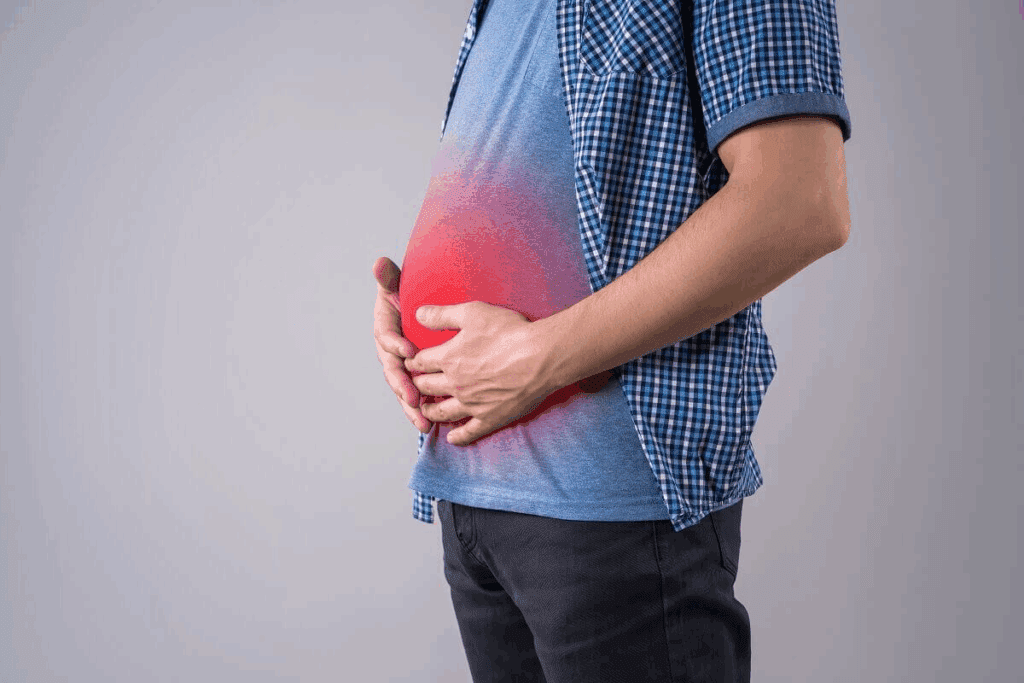
Digestive discomfort, like bloating and gas, is common today. Many people deal with these issues. They can really affect our daily lives and how we feel.
The Prevalence of Bloating in America
In the U.S., bloating is a big problem for adults. “Between ten to twenty percent of adults experience regular digestive complaints related to gas or flatulence,” says research. This shows we really need good ways to fix bloating and gas.
What we eat matters a lot for bloating. Foods hard to digest make more gas in our system.
How Gas Forms in Your Digestive System
Gas in our system comes from breaking down food by bacteria in the colon. We swallow air and our body makes gas as we digest. Some foods, like those high in fiber, make more gas.
Gas forming is normal, but too much can be a problem. Knowing how it forms helps us find ways to lessen it.
Common Causes of Excessive Gas
Too much gas usually comes from what we eat or drink. But it can also show other health issues. Foods like beans, cabbage, broccoli, and dairy can be trouble for some. Swallowing air, eating fast, or having IBS can also cause more gas.
“The key to managing bloating and gas lies in understanding the underlying causes and making appropriate lifestyle adjustments.”
Knowing what causes bloating and gas helps us start fixing it naturally. Making smart choices is the first step.
Recognizing When You Need Relief from Bloating
For those dealing with frequent bloating, knowing when to seek relief is key. Bloating can cause discomfort, pain, and embarrassment. It’s important to understand the symptoms and when to see a doctor for effective management.
Typical Symptoms of Gas and Bloating
The symptoms of gas and bloating vary from person to person. They often include:
- Discomfort or pain in the abdominal area
- Visible swelling or distension of the abdomen
- Excessive gas or belching
- Nausea or vomiting
- Abdominal cramps or sharp pains
These symptoms can be mild or severe. They can also be constant or come and go.
Distinguishing Normal from Problematic Bloating
While some bloating is normal, persistent or severe bloating might be a sign of a problem. It’s important to know the difference to take the right action.
| Characteristics | Normal Bloating | Problematic Bloating |
|---|---|---|
| Frequency | Occasional, often related to food intake | Frequent or persistent, not necessarily related to food |
| Severity | Mild discomfort | Moderate to severe pain or discomfort |
| Associated Symptoms | Minimal, possibly some gas | Multiple symptoms like nausea, vomiting, or abdominal cramps |
When to Consult a Healthcare Professional
If you’re experiencing any of the following, it’s time to see a doctor:
- Severe or persistent abdominal pain
- Vomiting blood or black tarry stools
- Significant changes in bowel habits
- Fever or chills accompanying bloating
- Unintentional weight loss
Seeking medical attention is important for these symptoms. They could mean a serious condition.
Understanding symptoms and knowing when to seek help is the first step to relieving bloating. It’s a key to better digestive health.
The Best Medicine for Bloating: Why Natural Remedies Work
Natural remedies are becoming more popular for treating bloating and gas. People are looking for safer options than over-the-counter drugs. These natural methods are known for their effectiveness and safety.
The Science Behind Natural Anti-Bloating Approaches
Many natural remedies tackle the root causes of bloating, like poor digestion or an imbalance in the gut. For example, herbs like peppermint and ginger have anti-inflammatory effects. They help soothe the digestive system.
Herbal teas can relax the intestines and reduce inflammation. This helps ease bloating symptoms. Probiotics, too, are important. They keep the gut bacteria in balance, aiding digestion and preventing gas.
Benefits of Avoiding Over-the-Counter Gas Medications
Over-the-counter gas meds might offer quick relief but can have side effects. They might not solve the bloating problem at its source. Natural remedies, by contrast, have fewer side effects. They also support long-term digestive health.
“Simple changes to your diet can provide gas relief and also aid digestion.” This approach not only eases immediate discomfort but also boosts overall well-being.
Creating an Effective Natural Relief Strategy
To manage bloating well, a multi-faceted approach is key. This includes making dietary changes and using carminative seeds and spices like fennel and turmeric in your meals.
- Identify and avoid common food triggers.
- Incorporate probiotic-rich foods or supplements.
- Practice mindful eating habits.
By mixing these strategies, you can create a plan that works for you. This plan will help manage bloating and improve your digestive health.
Remedy #1: Herbal Teas for Digestive Relief
Herbal teas have been used for centuries to ease digestive issues. They offer a natural way to handle gas and bloating. We’ll look at two great options: peppermint and ginger.
Peppermint Tea for Intestinal Muscle Relaxation
Peppermint tea is famous for easing intestinal muscle tension. This helps gas move more freely, reducing discomfort and bloating. The menthol in peppermint tea calms the digestive tract, making it great for IBS.
Ginger Root Tea to Reduce Inflammation
Ginger root tea is a strong herbal remedy that fights inflammation and boosts digestion. It contains gingerol, which has anti-inflammatory effects. Drinking ginger tea regularly can prevent gas and ease bloating.
Proper Preparation Methods for Maximum Benefit
To get the most from herbal teas, proper preparation is essential. Use high-quality, fresh ingredients for both peppermint and ginger teas. Steep one teaspoon of dried leaves or roots in boiling water for 5-10 minutes. Strain the tea and add honey if you like it sweet.
Adding herbal teas to your daily routine can help manage gas and bloating naturally. Choose between peppermint’s refreshing taste or ginger’s spicy warmth. There’s an herbal tea for everyone.
Remedy #2: Carminative Seeds and Spices
Nature gives us seeds and spices that help with gas and bloating. These natural ingredients have been used for centuries to help digestion.
Fennel Seeds: Traditional Gas Relief
Fennel seeds are known to help with bloating and flatulence. They relax the muscles in your digestive tract, easing gas and discomfort. You can chew them raw or make a tea from them.
Turmeric’s Curcumin for Digestive Inflammation
Turmeric’s curcumin has strong anti-inflammatory properties. It helps soothe digestive inflammation and promotes a healthy gut. Adding turmeric to your meals or taking it as a supplement can reduce gas and bloating.
Effective Ways to Incorporate Seeds and Spices Daily
It’s easy and tasty to add carminative seeds and spices to your diet. Here are some ways to do it:
- Add fennel seeds to salads or use them as a garnish for soups.
- Use turmeric in cooking, like in curries and stews.
- Make a tea with fennel seeds or ginger.
- Try spice blends with carminative spices in your recipes.
Let’s compare the benefits of these seeds and spices:
| Seed/Spice | Primary Benefit | Common Use |
|---|---|---|
| Fennel Seeds | Relieves gas and bloating | Chewing raw or making tea |
| Turmeric | Reduces inflammation | Cooking in various dishes |
Adding these natural remedies to your daily routine can help with gas and bloating. Try different ways to see what works best for you.
Remedy #3: Probiotics for Gut Bacteria Balance
Probiotics are key to keeping your gut healthy and avoiding bloating. They help balance the good bacteria in your gut. This can greatly reduce bloating and gas.
How Healthy Gut Flora Prevents Bloating
A healthy gut microbiome is vital for digestion and avoiding gas buildup. When gut bacteria are in balance, digestion works better. This means less bloating.
The good bacteria in your gut breaks down food, absorbs nutrients, and makes vitamins. An imbalance can cause digestive problems like bloating and gas.
Probiotic-Rich Foods vs. Supplements
You can get probiotics from foods and supplements. Foods like yogurt, kefir, sauerkraut, and kimchi are full of live cultures that help your gut.
Supplements offer a strong dose of probiotics. But eating probiotic-rich foods is more fun and lasting. Make sure to pick products with live cultures.
| Probiotic-Rich Food | Probiotic Strains | Benefits |
|---|---|---|
| Yogurt | Lactobacillus acidophilus, Bifidobacterium bifidum | Supports digestive health, boosts immunity |
| Kefir | Lactobacillus acidophilus, Bifidobacterium bifidum, Streptococcus thermophilus | Enhances gut flora, improves lactose digestion |
| Sauerkraut | Various Lactobacillus strains | Rich in vitamins, supports gut health |
Building a Gut-Friendly Eating Plan
To make a gut-friendly diet, add probiotic-rich foods and prebiotic fibers. Prebiotics feed the probiotics, helping them grow in your gut.
Focus on whole foods like fruits, veggies, whole grains, and lean proteins. Stay away from processed foods that harm gut bacteria.
Combining probiotics with a balanced diet and a healthy lifestyle can greatly reduce bloating. It also improves your digestion overall.
Remedy #4: Activated Charcoal for Gas Absorption
Activated charcoal is being studied as a natural way to handle gas in adults. It’s thought to be a good home remedy for bloating.
How Activated Charcoal Works in the Digestive Tract
Activated charcoal traps gas and toxins in the digestive system. This stops them from getting into the blood. Its high surface area helps it adsorb gas, which could help with bloating.
Proper Dosage and Timing Guidelines
The right amount of activated charcoal is 500 mg to 1000 mg a day. It’s best to take it between meals. Always talk to a healthcare professional before starting any new supplement.
Precautions and Possible Interactions
Activated charcoal can have side effects like constipation or diarrhea. It can also mess with some medicines. Knowing these risks and talking to a doctor is important.
“The use of activated charcoal for gas and bloating relief is a promising area of natural health remedies, but it should be approached with caution and under professional guidance.”
Understanding how activated charcoal works helps people use it wisely. This way, they can make smart choices for managing bloating.
Remedy #5: Abdominal Massage Techniques
Abdominal massage is a natural way to ease gas pain. It helps stimulate the digestive system. This can push gas out of the body and reduce bloating.
Self-Massage Methods to Promote Gas Movement
Self-massage is easy and effective for bloating relief. By gently pressing on the abdomen, you can help the digestive system move gas.
To start, lie on your back with your knees up. Put your hands on your belly. Use gentle, circular motions, then press harder if needed.
Step-by-Step Massage Guide for Bloating Relief
Here’s a simple guide for abdominal massage to ease bloating:
- Begin by lying on your back with your knees bent.
- Place your hands on your abdomen, with your fingers spread wide.
- Start with gentle, circular motions, gradually increasing the pressure.
- Focus on areas where you feel the most discomfort or tension.
- Continue for 5-10 minutes, taking deep breaths to relax.
When and How Often to Perform Abdominal Massage
For best results, do abdominal massage daily. It’s best after meals or before bed. Being consistent helps you get the most benefits.
| Massage Frequency | Benefits |
|---|---|
| Daily | Regular relief from bloating and gas |
| After Meals | Aids digestion and reduces discomfort |
| Before Bed | Promotes relaxation and prepares for restful sleep |
Adding abdominal massage to your daily routine can help with bloating and gas. It improves your digestive health.
Remedy #6: Mindful Eating Practices
Adopting mindful eating can help reduce bloating. It means focusing fully on eating and drinking. This way, we can better manage bloating.
The Importance of Eating Slowly
Eating slowly is key in mindful eating. Quick eating leads to swallowing more air, causing gas and bloating. Slowing down helps us feel full sooner, preventing overeating.
Benefits of Slow Eating:
- Reduced air swallowing
- Better digestion
- Increased satisfaction
Proper Chewing and Its Effect on Digestion
Proper chewing is also important. Thorough chewing breaks food into smaller pieces, making digestion easier. This can reduce gas and bloating.
Meal Timing and Portion Control Strategies
Being mindful of when and how much we eat also helps. Eating smaller, more frequent meals can ease symptoms. It avoids overloading the digestive system.
| Meal Timing Strategy | Benefit |
|---|---|
| Eating smaller meals | Reduces strain on the digestive system |
| Avoiding late-night eating | Improves digestion before sleep |
| Spacing out meals | Maintains consistent energy levels |
By adding these mindful eating habits to our daily life, we can manage bloating better. This improves our overall digestive health.
Remedy #7: Dietary Adjustments to Prevent Bloating
Making smart food choices can help reduce bloating. Knowing which foods cause bloating and adjusting your diet can ease discomfort. We’ll look at common food culprits, the role of FODMAPs, and how staying hydrated helps prevent gas.
Common Food Triggers to Identify and Avoid
Some foods can make you feel bloated. Dairy, gluten, and veggies like beans and cabbage are common offenders. To feel better, try to avoid these foods. Keeping a food diary can help you track which ones make you feel bloated.
FODMAP Awareness for Sensitive Individuals
FODMAPs are carbs that can cause bloating in some people. Knowing about FODMAPs and cutting back on them can help. Foods high in FODMAPs include some fruits, wheat, and dairy. Talking to a healthcare provider or dietitian can guide you on managing FODMAPs.
Hydration’s Role in Preventing Gas Buildup
Drinking enough water is key for good digestion. Water helps prevent constipation and reduces bloating. Aim for eight glasses of water a day. Herbal teas like peppermint and ginger can also help with digestion and bloating relief. So, to combat a bloated tummy, stay hydrated and consider digestive-friendly drinks.
Conclusion: Combining Natural Remedies for Optimal Relief
Using natural remedies together can really help with bloating and gas. We’ve looked at seven home remedies that work well together. These include herbal teas, carminative seeds and spices, probiotics, activated charcoal, and more.
These remedies tackle the main reasons for bloating, like bad gut bacteria and swallowing air. Simple diet and lifestyle changes can make a big difference. For example, drinking herbal teas like peppermint and ginger can ease intestinal muscles and reduce inflammation.
To get the best results, use these remedies together. This way, you can manage symptoms well and boost your digestive health. Start with small changes and gradually make bigger ones. With time and effort, you can feel better and live a healthier life.
FAQ
How to Relieve Bloating and Gas Naturally: 7 Home Remedies
Bloating is a common problem in the US, affecting nearly one in seven people each week. It can cause discomfort, embarrassment, and sometimes pain. Rassa Shahidzadeh, MD, says, “We’ve all experienced a bloated stomach before. It’s uncomfortable, often embarrassing and sometimes painful.”
At Liv Hospital, we focus on gentle yet effective ways to relieve bloating. We look beyond over-the-counter meds to home remedies backed by science. These remedies tackle the causes of bloating and boost digestive health naturally.
Key Takeaways
- Discover natural approaches to alleviate bloating and gas.
- Learn about the effectiveness of peppermint, ginger, and probiotics in relieving bloating.
- Understand the importance of addressing the root causes of bloating.
- Explore how home remedies can support digestive health holistically.
- Find relief from bloating without relying on over-the-counter medications.
Understanding Bloating and Gas: A Common Digestive Concern
Digestive discomfort, like bloating and gas, is common today. Many people deal with these issues. They can really affect our daily lives and how we feel.
The Prevalence of Bloating in America
In the U.S., bloating is a big problem for adults. “Between ten to twenty percent of adults experience regular digestive complaints related to gas or flatulence,” says research. This shows we really need good ways to fix bloating and gas.
What we eat matters a lot for bloating. Foods hard to digest make more gas in our system.
How Gas Forms in Your Digestive System
Gas in our system comes from breaking down food by bacteria in the colon. We swallow air and our body makes gas as we digest. Some foods, like those high in fiber, make more gas.
Gas forming is normal, but too much can be a problem. Knowing how it forms helps us find ways to lessen it.
Common Causes of Excessive Gas
Too much gas usually comes from what we eat or drink. But it can also show other health issues. Foods like beans, cabbage, broccoli, and dairy can be trouble for some. Swallowing air, eating fast, or having IBS can also cause more gas.
“The key to managing bloating and gas lies in understanding the underlying causes and making appropriate lifestyle adjustments.”
Knowing what causes bloating and gas helps us start fixing it naturally. Making smart choices is the first step.
Recognizing When You Need Relief from Bloating
For those dealing with frequent bloating, knowing when to seek relief is key. Bloating can cause discomfort, pain, and embarrassment. It’s important to understand the symptoms and when to see a doctor for effective management.
Typical Symptoms of Gas and Bloating
The symptoms of gas and bloating vary from person to person. They often include:
- Discomfort or pain in the abdominal area
- Visible swelling or distension of the abdomen
- Excessive gas or belching
- Nausea or vomiting
- Abdominal cramps or sharp pains
These symptoms can be mild or severe. They can also be constant or come and go.
Distinguishing Normal from Problematic Bloating
While some bloating is normal, persistent or severe bloating might be a sign of a problem. It’s important to know the difference to take the right action.
| Characteristics | Normal Bloating | Problematic Bloating |
|---|---|---|
| Frequency | Occasional, often related to food intake | Frequent or persistent, not necessarily related to food |
| Severity | Mild discomfort | Moderate to severe pain or discomfort |
| Associated Symptoms | Minimal, possibly some gas | Multiple symptoms like nausea, vomiting, or abdominal cramps |
When to Consult a Healthcare Professional
If you’re experiencing any of the following, it’s time to see a doctor:
- Severe or persistent abdominal pain
- Vomiting blood or black tarry stools
- Significant changes in bowel habits
- Fever or chills accompanying bloating
- Unintentional weight loss
Seeking medical attention is important for these symptoms. They could mean a serious condition.
Understanding symptoms and knowing when to seek help is the first step to relieving bloating. It’s a key to better digestive health.
The Best Medicine for Bloating: Why Natural Remedies Work
Natural remedies are becoming more popular for treating bloating and gas. People are looking for safer options than over-the-counter drugs. These natural methods are known for their effectiveness and safety.
The Science Behind Natural Anti-Bloating Approaches
Many natural remedies tackle the root causes of bloating, like poor digestion or an imbalance in the gut. For example, herbs like peppermint and ginger have anti-inflammatory effects. They help soothe the digestive system.
Herbal teas can relax the intestines and reduce inflammation. This helps ease bloating symptoms. Probiotics, too, are important. They keep the gut bacteria in balance, aiding digestion and preventing gas.
Benefits of Avoiding Over-the-Counter Gas Medications
Over-the-counter gas meds might offer quick relief but can have side effects. They might not solve the bloating problem at its source. Natural remedies, by contrast, have fewer side effects. They also support long-term digestive health.
“Simple changes to your diet can provide gas relief and also aid digestion.” This approach not only eases immediate discomfort but also boosts overall well-being.
Creating an Effective Natural Relief Strategy
To manage bloating well, a multi-faceted approach is key. This includes making dietary changes and using carminative seeds and spices like fennel and turmeric in your meals.
- Identify and avoid common food triggers.
- Incorporate probiotic-rich foods or supplements.
- Practice mindful eating habits.
By mixing these strategies, you can create a plan that works for you. This plan will help manage bloating and improve your digestive health.
Remedy #1: Herbal Teas for Digestive Relief
Herbal teas have been used for centuries to ease digestive issues. They offer a natural way to handle gas and bloating. We’ll look at two great options: peppermint and ginger.
Peppermint Tea for Intestinal Muscle Relaxation
Peppermint tea is famous for easing intestinal muscle tension. This helps gas move more freely, reducing discomfort and bloating. The menthol in peppermint tea calms the digestive tract, making it great for IBS.
Ginger Root Tea to Reduce Inflammation
Ginger root tea is a strong herbal remedy that fights inflammation and boosts digestion. It contains gingerol, which has anti-inflammatory effects. Drinking ginger tea regularly can prevent gas and ease bloating.
Proper Preparation Methods for Maximum Benefit
To get the most from herbal teas, proper preparation is essential. Use high-quality, fresh ingredients for both peppermint and ginger teas. Steep one teaspoon of dried leaves or roots in boiling water for 5-10 minutes. Strain the tea and add honey if you like it sweet.
Adding herbal teas to your daily routine can help manage gas and bloating naturally. Choose between peppermint’s refreshing taste or ginger’s spicy warmth. There’s an herbal tea for everyone.
Remedy #2: Carminative Seeds and Spices
Nature gives us seeds and spices that help with gas and bloating. These natural ingredients have been used for centuries to help digestion.
Fennel Seeds: Traditional Gas Relief
Fennel seeds are known to help with bloating and flatulence. They relax the muscles in your digestive tract, easing gas and discomfort. You can chew them raw or make a tea from them.
Turmeric’s Curcumin for Digestive Inflammation
Turmeric’s curcumin has strong anti-inflammatory properties. It helps soothe digestive inflammation and promotes a healthy gut. Adding turmeric to your meals or taking it as a supplement can reduce gas and bloating.
Effective Ways to Incorporate Seeds and Spices Daily
It’s easy and tasty to add carminative seeds and spices to your diet. Here are some ways to do it:
- Add fennel seeds to salads or use them as a garnish for soups.
- Use turmeric in cooking, like in curries and stews.
- Make a tea with fennel seeds or ginger.
- Try spice blends with carminative spices in your recipes.
Let’s compare the benefits of these seeds and spices:
| Seed/Spice | Primary Benefit | Common Use |
|---|---|---|
| Fennel Seeds | Relieves gas and bloating | Chewing raw or making tea |
| Turmeric | Reduces inflammation | Cooking in various dishes |
Adding these natural remedies to your daily routine can help with gas and bloating. Try different ways to see what works best for you.
Remedy #3: Probiotics for Gut Bacteria Balance
Probiotics are key to keeping your gut healthy and avoiding bloating. They help balance the good bacteria in your gut. This can greatly reduce bloating and gas.
How Healthy Gut Flora Prevents Bloating
A healthy gut microbiome is vital for digestion and avoiding gas buildup. When gut bacteria are in balance, digestion works better. This means less bloating.
The good bacteria in your gut breaks down food, absorbs nutrients, and makes vitamins. An imbalance can cause digestive problems like bloating and gas.
Probiotic-Rich Foods vs. Supplements
You can get probiotics from foods and supplements. Foods like yogurt, kefir, sauerkraut, and kimchi are full of live cultures that help your gut.
Supplements offer a strong dose of probiotics. But eating probiotic-rich foods is more fun and lasting. Make sure to pick products with live cultures.
| Probiotic-Rich Food | Probiotic Strains | Benefits |
|---|---|---|
| Yogurt | Lactobacillus acidophilus, Bifidobacterium bifidum | Supports digestive health, boosts immunity |
| Kefir | Lactobacillus acidophilus, Bifidobacterium bifidum, Streptococcus thermophilus | Enhances gut flora, improves lactose digestion |
| Sauerkraut | Various Lactobacillus strains | Rich in vitamins, supports gut health |
Building a Gut-Friendly Eating Plan
To make a gut-friendly diet, add probiotic-rich foods and prebiotic fibers. Prebiotics feed the probiotics, helping them grow in your gut.
Focus on whole foods like fruits, veggies, whole grains, and lean proteins. Stay away from processed foods that harm gut bacteria.
Combining probiotics with a balanced diet and a healthy lifestyle can greatly reduce bloating. It also improves your digestion overall.
Remedy #4: Activated Charcoal for Gas Absorption
Activated charcoal is being studied as a natural way to handle gas in adults. It’s thought to be a good home remedy for bloating.
How Activated Charcoal Works in the Digestive Tract
Activated charcoal traps gas and toxins in the digestive system. This stops them from getting into the blood. Its high surface area helps it adsorb gas, which could help with bloating.
Proper Dosage and Timing Guidelines
The right amount of activated charcoal is 500 mg to 1000 mg a day. It’s best to take it between meals. Always talk to a healthcare professional before starting any new supplement.
Precautions and Possible Interactions
Activated charcoal can have side effects like constipation or diarrhea. It can also mess with some medicines. Knowing these risks and talking to a doctor is important.
“The use of activated charcoal for gas and bloating relief is a promising area of natural health remedies, but it should be approached with caution and under professional guidance.”
Understanding how activated charcoal works helps people use it wisely. This way, they can make smart choices for managing bloating.
Remedy #5: Abdominal Massage Techniques
Abdominal massage is a natural way to ease gas pain. It helps stimulate the digestive system. This can push gas out of the body and reduce bloating.
Self-Massage Methods to Promote Gas Movement
Self-massage is easy and effective for bloating relief. By gently pressing on the abdomen, you can help the digestive system move gas.
To start, lie on your back with your knees up. Put your hands on your belly. Use gentle, circular motions, then press harder if needed.
Step-by-Step Massage Guide for Bloating Relief
Here’s a simple guide for abdominal massage to ease bloating:
- Begin by lying on your back with your knees bent.
- Place your hands on your abdomen, with your fingers spread wide.
- Start with gentle, circular motions, gradually increasing the pressure.
- Focus on areas where you feel the most discomfort or tension.
- Continue for 5-10 minutes, taking deep breaths to relax.
When and How Often to Perform Abdominal Massage
For best results, do abdominal massage daily. It’s best after meals or before bed. Being consistent helps you get the most benefits.
| Massage Frequency | Benefits |
|---|---|
| Daily | Regular relief from bloating and gas |
| After Meals | Aids digestion and reduces discomfort |
| Before Bed | Promotes relaxation and prepares for restful sleep |
Adding abdominal massage to your daily routine can help with bloating and gas. It improves your digestive health.
Remedy #6: Mindful Eating Practices
Adopting mindful eating can help reduce bloating. It means focusing fully on eating and drinking. This way, we can better manage bloating.
The Importance of Eating Slowly
Eating slowly is key in mindful eating. Quick eating leads to swallowing more air, causing gas and bloating. Slowing down helps us feel full sooner, preventing overeating.
Benefits of Slow Eating:
- Reduced air swallowing
- Better digestion
- Increased satisfaction
Proper Chewing and Its Effect on Digestion
Proper chewing is also important. Thorough chewing breaks food into smaller pieces, making digestion easier. This can reduce gas and bloating.
Meal Timing and Portion Control Strategies
Being mindful of when and how much we eat also helps. Eating smaller, more frequent meals can ease symptoms. It avoids overloading the digestive system.
| Meal Timing Strategy | Benefit |
|---|---|
| Eating smaller meals | Reduces strain on the digestive system |
| Avoiding late-night eating | Improves digestion before sleep |
| Spacing out meals | Maintains consistent energy levels |
By adding these mindful eating habits to our daily life, we can manage bloating better. This improves our overall digestive health.
Remedy #7: Dietary Adjustments to Prevent Bloating
Making smart food choices can help reduce bloating. Knowing which foods cause bloating and adjusting your diet can ease discomfort. We’ll look at common food culprits, the role of FODMAPs, and how staying hydrated helps prevent gas.
Common Food Triggers to Identify and Avoid
Some foods can make you feel bloated. Dairy, gluten, and veggies like beans and cabbage are common offenders. To feel better, try to avoid these foods. Keeping a food diary can help you track which ones make you feel bloated.
FODMAP Awareness for Sensitive Individuals
FODMAPs are carbs that can cause bloating in some people. Knowing about FODMAPs and cutting back on them can help. Foods high in FODMAPs include some fruits, wheat, and dairy. Talking to a healthcare provider or dietitian can guide you on managing FODMAPs.
Hydration’s Role in Preventing Gas Buildup
Drinking enough water is key for good digestion. Water helps prevent constipation and reduces bloating. Aim for eight glasses of water a day. Herbal teas like peppermint and ginger can also help with digestion and bloating relief. So, to combat a bloated tummy, stay hydrated and consider digestive-friendly drinks.
Conclusion: Combining Natural Remedies for Optimal Relief
Using natural remedies together can really help with bloating and gas. We’ve looked at seven home remedies that work well together. These include herbal teas, carminative seeds and spices, probiotics, activated charcoal, and more.
These remedies tackle the main reasons for bloating, like bad gut bacteria and swallowing air. Simple diet and lifestyle changes can make a big difference. For example, drinking herbal teas like peppermint and ginger can ease intestinal muscles and reduce inflammation.
To get the best results, use these remedies together. This way, you can manage symptoms well and boost your digestive health. Start with small changes and gradually make bigger ones. With time and effort, you can feel better and live a healthier life.
FAQ
What are some natural debloat remedies that can provide quick relief?
Effective natural debloat remedies include herbal teas like peppermint and ginger. Carminative seeds and spices, such as fennel and turmeric, also help. Probiotics balance gut bacteria.
How can I relieve bloating and gas naturally at home?
To relieve bloating and gas naturally, try abdominal massage techniques. Practice mindful eating. Make dietary adjustments to avoid common food triggers.
Are there any home remedies for bloating and constipation?
Yes, home remedies for bloating and constipation include increasing fiber intake. Stay hydrated. Use probiotics to promote a healthy gut microbiome.
What is a natural remedy for gas and bloating?
Activated charcoal is a natural remedy that absorbs gas in the digestive tract. Carminative seeds and spices like fennel and turmeric reduce inflammation and alleviate symptoms.
How can I ease bloating and gas quickly?
To ease bloating and gas quickly, try drinking herbal teas. Practice abdominal massage. Take a probiotic supplement to help regulate digestion.
What are some anti-bloat foods and drinks that can help relieve symptoms?
Foods and drinks that relieve bloating include probiotic-rich foods like yogurt. Carminative seeds and spices, and herbal teas like peppermint and ginger, also help.
How can I relieve stomach gas naturally?
To relieve stomach gas naturally, avoid common gas-producing foods. Eat slowly and mindfully. Incorporate probiotics and carminative herbs into your diet.
What are some natural gas relief remedies that are effective for adults?
Effective natural gas relief remedies for adults include activated charcoal, probiotics. Carminative seeds and spices like fennel and turmeric also work well.
Are there any herbs that can help alleviate flatulence and bloating?
Yes, herbs like peppermint, ginger, and turmeric have natural anti-inflammatory properties. They help alleviate flatulence and bloating.
How can I cure gas and bloating naturally?
To cure gas and bloating naturally, combine multiple natural remedies. Try dietary adjustments, probiotics, and carminative herbs. Practice mindful eating and stress management.
References
National Center for Biotechnology Information. Evidence-Based Medical Guidance. Retrieved from https://www.ncbi.nlm.nih.gov/pmc/articles/PMC3264926/