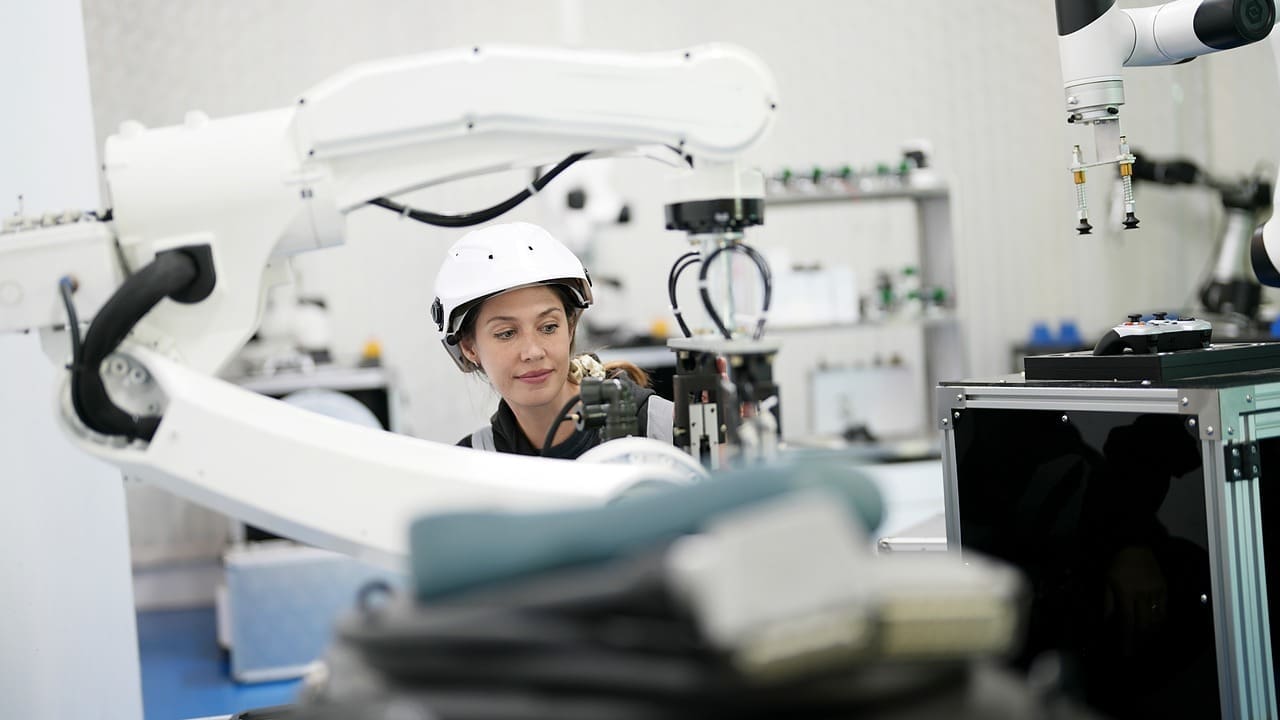
Robotic cancer surgery is a big step forward in fighting cancer. It uses advanced robotic systems and artificial intelligence. This makes removing tumors more precise.
At Liv Hospital, we’ve seen the good things about robotic surgery. It means smaller cuts, less blood loss, and faster healing. Studies from places like Stony Brook Medicine back this up.
Our team is all about top-notch care. We use the newest tech in robotic cancer surgery. This helps us get better results for our patients.
Key Takeaways
- Robotic cancer surgery enhances precision in tumor removal.
- Smaller incisions lead to less tissue damage.
- Reduced blood loss improves patient safety.
- Quicker recovery times get patients back to their lives faster.
- Liv Hospital is at the forefront of adopting innovative robotic surgery techniques.
The Revolutionary World of Robotic Cancer Surgery

Cancer treatment is changing fast with robotic surgery. This new tech makes surgeries more precise and effective. This leads to better results for patients.
How Advanced Robotics Is Transforming Cancer Treatment
Robotic surgery is making a big difference in cancer care. It’s helping with prostate, breast, and colorectal cancer. The tech offers clear 3D images and better control, making surgeries safer and more precise.
The Surgeon-Robot Partnership in Modern Oncology
The best robotic surgeons combine human skill with robotic tech. This team-up lets them do complex surgeries with more accuracy. It’s a big step forward for patient care.
| Benefits of Robotic Surgery | Traditional Surgery | Robotic Surgery |
|---|---|---|
| Precision | Limited by human dexterity | Enhanced precision with robotic instruments |
| Recovery Time | Longer recovery periods | Quicker recovery due to minimally invasive techniques |
| Complications | Higher risk of complications | Reduced risk with enhanced visualization and control |
Robotic tech is getting better, and so is cancer treatment. The future of robotic surgery in cancer looks bright. We can expect even more advanced systems, thanks to artificial intelligence and new robotic tech.
What Makes the Best Robotic Surgeon for Cancer

The top robotic surgeons for cancer have advanced training and lots of experience. They know how to use robotic surgery well. They also understand cancer deeply.
Essential Qualifications and Specialized Training
Top robotic surgeons get special training. They complete courses and sometimes fellowships in robotic surgery. Certification in robotic surgery shows they are experts.
Experience Factors That Distinguish Top Robotic Surgeons
Experience is key for robotic surgery success. Surgeons who do more surgeries have better results. Studies back this up.
Case Volume and Outcomes Correlation
Studies show a link between how many surgeries a surgeon does and the results. Here’s a table showing this:
| Case Volume | Complication Rate | Success Rate |
|---|---|---|
| Low (<50 cases) | 15% | 85% |
| Medium (50-100 cases) | 8% | 92% |
| High (>100 cases) | 3% | 97% |
As the table shows, more surgeries mean fewer problems and better results. This highlights the role of experience in robotic surgery.
The Science Behind Robotic Surgical Systems
Robotic surgical systems have changed surgery with their advanced tech and precision. They are making a big difference in how surgeries are done, with robotics leading the way.
High-Definition 3D Imaging Technology
Robotic systems use high-definition 3D imaging. This gives surgeons a clear view of the surgery area. It helps them do complex surgeries with more precision.
The high-definition 3D visualization makes it easier to see body parts. This lowers the chance of problems during surgery.
Enhanced Dexterity and Motion Control Features
Systems like the Da Vinci offer enhanced dexterity and motion control. The robotic arms move like a surgeon’s hands. They have instruments that can twist and bend, something humans can’t do.
This makes surgeries more precise. It’s great for delicate operations.
The Da Vinci Procedure: A Closer Look
The Da Vinci procedure is a top robotic system, used in over 8,606 systems worldwide. It lets surgeons do complex surgeries through small cuts. This cuts down on patient trauma.
The Da Vinci procedure uses a console for the surgeon to control the arms. It offers high-definition views and precise tools.
Robotic arm surgery has many benefits. It leads to less blood loss, less pain after surgery, and faster recovery. As robotic tech gets better, we’ll see more new uses in surgery.
- Improved precision and accuracy
- Enhanced visualization through 3D imaging
- Reduced trauma to the patient
Fact 1: Precision Tumor Removal With Robotic Assistance
Robotic help makes removing tumors more precise in cancer surgery. These systems let surgeons do complex tasks with better accuracy and less invasion.
Why Surgical Removal of Cancer Benefits From Robotics
Removing cancer is key for many patients. Robotic help lets surgeons get past old surgery limits like less control and seeing less. With robots, they can get more precise in cutting and taking out tumors, which is key in tricky spots.
The Technical Advantages in Accessing Difficult Tumor Locations
Robotic surgery is great for reaching hard-to-get tumors. It offers better control and clear 3D views, making it easier to move through tough areas. This is very important for tumors near important parts or in tight spots.
Case Studies of Complex Tumor Resections
Many studies show how well robotic help works for tough tumors. For example, it’s been used to remove tumors in the liver, pancreas, and prostate, among others.
| Tumor Location | Robotic Surgery Benefits | Outcomes |
|---|---|---|
| Liver | Precision in dissecting tumors near vital structures | Reduced blood loss and quicker recovery |
| Pancreas | Enhanced visualization and dexterity in complex anatomy | Improved survival rates and reduced complications |
| Prostate | Accurate removal of cancerous tissue with preservation of surrounding nerves | Better continence and potency outcomes |
These examples show how robotic surgery can lead to better results for cancer patients. It makes it possible to remove tumors precisely, even in hard cases.
Fact 2: Minimally Invasive Robotic Surgery Benefits
Minimally invasive robotic surgery is changing cancer treatment. It offers many benefits, like less trauma and better results. This new approach is making surgeries safer and more effective.
Smaller Incisions and Cosmetic Advantages
Robotic surgery uses smaller cuts. These small incisions lower infection risks and leave less scarring. For many, this is a big plus when choosing treatment.
Reduced Blood Loss During Procedures
Robotic systems give surgeons better control and precision. This means less blood loss during surgery. Studies show robotic surgeries often have less bleeding than open surgeries, making them safer.
Quicker Recovery Times and Shorter Hospital Stays
Robotic surgery leads to quicker recovery times. It causes less damage and smaller cuts, helping patients get back to normal faster. Also, the less invasive nature means shorter hospital stays. Patients need less time to recover before going home.
Studies back up the benefits of robotic surgery. For example, research from the National Inpatient Sample shows it can reduce blood loss and hospital stays. As more data comes in, the proof of its advantages in cancer treatment grows.
Fact 3: Cancer-Specific Applications of Robotic Surgery
Robotic surgery has changed cancer treatment, making it more precise and less invasive. As technology gets better, robotic surgery is used for more cancers. This brings new hope and better results for patients.
Robot Surgery for Prostate Cancer: The Gold Standard
Robotic surgery for prostate cancer is now the top choice. It’s precise and doesn’t cut as much as old methods. The da Vinci Surgical System lets surgeons work with more skill and see better, leading to better results and fewer problems.
A study in the American College of Surgeons Bulletin shows robotic surgery for prostate cancer has big benefits. It cuts down on blood loss and shortens hospital stays.
Robotic Surgery for Colon Cancer: Navigating Complex Anatomy
Robotic surgery for colon cancer is a big plus. It helps surgeons deal with the colon’s tricky layout. The system’s clear 3D view and precise tools make complex surgeries easier and safer.
This leads to better cancer treatment and fewer complications. Studies show robotic colon surgery causes less pain and faster recovery than old methods.
Robotic Breast Surgery: Precision and Aesthetic Outcomes
Robotic breast surgery is a new and promising area. It’s great for keeping the look of the breast during surgeries like mastectomies. This is key for making patients happy with their results.
Though it’s just starting, robotic breast surgery could change the field. It offers more precise and less invasive ways to treat breast cancer.
Emerging Applications in Lung and Gynecological Cancers
Robotic surgery is also being used for lung and gynecological cancers. For lung cancer, it helps with complex surgeries. In gynecological cancers, it’s used for surgeries like hysterectomies.
This brings the benefits of less invasive surgery and could lead to better results for patients. As robotic tech gets better, we’ll see more new uses in cancer surgery.
Fact 4: Comparing Outcomes With Traditional Cancer Surgery
Robotic surgery and traditional cancer surgery have different outcomes. These include survival rates and complication rates. It’s important for patients and doctors to understand these differences as we improve cancer treatment.
Survival Rates and Cancer Control Effectiveness
Research shows robotic surgery can match or beat traditional surgery in survival rates. An umbrella review found robotic surgery survival rates are as good as, or better than, open surgery.
Complication Rates and Quality of Life Differences
Robotic surgery often has fewer complications than open surgery. Its precision and minimal invasiveness lead to less blood loss and quicker recovery. This improves the patient’s quality of life.
Economic Considerations of Robotic vs. Open Surgery
The initial cost of robotic surgery is higher due to the equipment and training. But, it can be more cost-effective in the long run. This is because it often means shorter hospital stays and fewer complications, saving on healthcare costs.
In summary, robotic surgery has better outcomes than traditional cancer surgery. It offers improved survival rates, fewer complications, and better quality of life. As technology advances, we can expect even better results from robotic surgery.
Fact 5: Safety Protocols in Robotic Cancer Operations
Robotic surgery is getting better, and knowing its safety is key for those thinking about it. It’s safe when done by skilled surgeons. Safety is top priority in robotic cancer surgery, with many steps to keep patients safe.
Is Robotic Surgery Safe? Addressing Common Concerns
Robotic surgery is safe and works well when done right. Research shows it can lower risks and improve results. But, like any surgery, there are risks, and patients should know them.
Patients might worry about robotic surgery’s safety. It’s important to know surgeons get a lot of training. The tech used, like 3D images and precise control, makes it safer.
Training Requirements and Certification Standards
Surgeons doing robotic surgery need special training and meet strict standards. These steps make sure they can handle the robot and any problems that might come up. It’s key to pick a surgeon who’s certified and has lots of experience with robotic surgery.
Patient Satisfaction Scores and Reported Experiences
Most patients are happy with robotic surgery, saying it’s a good experience. It’s less invasive, leading to less pain and faster healing. We look at what patients say to see how well robotic surgery works and how safe it is.
In short, robotic surgery is a safe and good choice for cancer patients if done by skilled surgeons. We keep up with new tech and safety steps to give our patients the best care.
Fact 6: Finding Robotic Surgery Options Near You
Patients looking for robotic surgery need to know where to start. With new tech, more people are choosing this method for cancer treatment. Finding the right doctor and hospital is key.
Questions to Ask When Seeking a Robotic Cancer Surgeon
When searching for a robotic cancer surgeon, ask important questions. Find out their experience with robotic surgery and success rates. Also, ask about their approach to your cancer and how they plan to use robotic surgery.
Insurance Coverage and Cost Considerations
It’s important to understand insurance and costs for robotic surgery. Check with your insurance to see if it’s covered and what you’ll pay out of pocket. Costs can vary based on the procedure, surgeon, and hospital.
| Insurance Provider | Coverage for Robotic Surgery | Average Out-of-Pocket Expenses |
|---|---|---|
| Medicare | Generally Covered | $1,000 – $3,000 |
| Blue Cross Blue Shield | Often Covered | $1,500 – $4,000 |
| Private Insurers | Varies by Policy | $2,000 – $5,000 |
Doctors in Houston and Other Major Centers for Robotic Surgery
Houston has many top medical centers for robotic surgery. The Texas Medical Center is a leader in new medical tech. Other major cities like New York, Los Angeles, and Chicago also offer robotic surgery programs.
Fact 7: The Future of Robotic Surgery in Cancer Care
Robotic surgery is changing cancer care with new technologies. We’re seeing treatments that are more precise and tailored to each patient. This shift is making surgery more effective.
Artificial Intelligence Integration in Surgical Robotics
Artificial intelligence (AI) is set to change robotic surgery. AI can make surgeries more precise and help doctors make better decisions. It analyzes data to spot patterns and predict problems.
Studies show AI can improve surgery accuracy and reduce recovery time. For example, a study on robotic surgery for colorectal cancer found big benefits. This was reported in Cancer Network.
Next-Generation Systems Beyond the Da Vinci
New systems are being made to improve robotic surgery. These next-generation systems will offer better flexibility and control. They aim to make complex surgeries easier for doctors.
“The future of robotic surgery is not just about improving existing technology, but about revolutionizing the way we approach cancer treatment,” said a leading expert in the field.
Expanding Access to Robotic Cancer Surgery Globally
Robotic surgery is getting better, and we need to make it available worldwide. Efforts are underway to make it more accessible and affordable. This is key to helping more patients.
The rise in robotic surgery has led to more minimally invasive procedures for colorectal cancer. This was noted in Gastroenterology Advisor. It shows the promise of robotic surgery for more patients.
In conclusion, robotic surgery in cancer care is on the verge of big changes. New technologies and a focus on access will shape its future. Robotic surgery will become a key tool in fighting cancer.
Conclusion: Making an Informed Decision About Robotic Cancer Surgery
Robotic cancer surgery is a big step forward in cancer treatment. It helps patients understand the good and bad sides of this technology. This knowledge helps them make smart choices about their health.
Robotic surgery has many pluses. It allows for precise tumor removal and is less invasive. This means patients can recover faster and feel better sooner.
Thinking about robotic cancer surgery? Talk to a skilled robotic surgeon first. They can help figure out if it’s right for you. This way, you can make a choice that fits your needs.
We urge patients to be involved in their care. Look for experienced robotic surgeons. Talk about the ups and downs of this new tech. This will help you make a well-informed decision.
What is robotic cancer surgery?
Robotic cancer surgery is a new way to treat cancer. It uses a robotic system to help surgeons remove tumors. This method is more precise and controlled.
How does robotic surgery differ from traditional cancer surgery?
Robotic surgery is different because it has smaller cuts and less blood loss. It also means you can recover faster. The robotic system gives surgeons better vision and control.
Is robotic surgery safe for cancer treatment?
Yes, robotic surgery is safe and effective for many cancers. We follow strict safety rules. Our surgeons are well-trained and certified for the best results.
What are the benefits of robotic assistance in tumor removal?
Robotic help in removing tumors is better because it’s more precise. It lets us reach and remove tumors in hard-to-get places.
What types of cancer can be treated with robotic surgery?
Robotic surgery can treat many cancers like prostate, colon, and breast. We keep learning and using new robotic techniques.
How do I find a qualified robotic surgeon for my cancer treatment?
Look for a surgeon with experience and good results. Check if your insurance covers it. Also, ask about any extra costs.
What is the Da Vinci procedure, and how does it work?
The Da Vinci procedure uses the Da Vinci Surgical System. It helps surgeons with complex tasks. The system offers clear 3D images and precise control.
Will robotic surgery be covered by my insurance?
Insurance for robotic surgery varies. Check with your provider to see what’s covered. Find out about any costs you might have.
What is the future of robotic surgery in cancer care?
Robotic surgery in cancer care is looking good. There are new technologies and more access to it. We’re always learning to give our patients the best care.
References
- National Center for Biotechnology Information (NCBI) / PMC: https://pmc.ncbi.nlm.nih.gov/articles/PMC12255540/
- Medanta: https://www.medanta.org/patient-education-blog/redefining-cancer-surgery-the-impact-of-robotic-assisted-procedures-in-oncology-treatment
- American College of Surgeons (ACS): https://www.facs.org/for-medical-professionals/news-publications/news-and-articles/bulletin/2025/julyaugust-2025-volume-110-issue-7/advanced-imaging-robotic-surgery-propel-prostate-cancer-management/
- Cancer Network: https://www.cancernetwork.com/view/robotic-surgery-exhibits-benefit-in-select-colorectal-cancer-procedures
- Gastroenterology Advisor: https://www.gastroenterologyadvisor.com/news/robotic-surgery-drives-rise-in-minimally-invasive-colorectal-cancer-operations/