
Orthopedic tumor treatment needs a team effort. It combines surgery, chemotherapy, radiation, and new regenerative therapies. Stem cells to treat cancer are being researched, opening up new therapy paths.
At Liv Hospital, a team of experts focuses on patient-centered solutions for bone and soft tissue cancer. They are using stem cell therapies in treatment plans. This is showing great promise in improving patient results.
Key Takeaways
- Multidisciplinary approach is key for orthopedic tumor treatment.
- Stem cell therapies are being explored for cancer treatment.
- Liv Hospital has a team of experts for patient care.
- Advanced surgical and regenerative therapies are being used.
- Stem cells may offer new options for bone and soft tissue cancer.
Understanding Orthopedic Tumors and Their Management Challenges
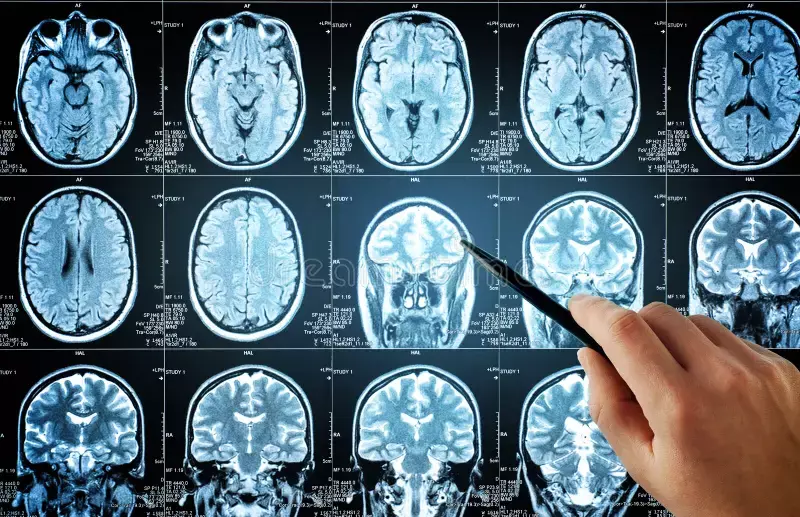
Orthopedic tumors are a big challenge in cancer treatment. They need a deep understanding of their types and how to manage them. These tumors can be harmless or dangerous and affect bones, joints, and soft tissues.
Types and Classifications of Orthopedic Tumors
Orthopedic tumors are divided into two main groups: primary and metastatic. Primary tumors start in the musculoskeletal system. Metastatic tumors come from other parts of the body. Within primary bone tumors, there are benign and malignant types, like osteosarcoma and chondrosarcoma.
Knowing the type of tumor is key to choosing the right treatment. Benign tumors are not cancerous but can damage tissue and might need surgery. Malignant tumors require more aggressive treatments, like surgery, chemotherapy, and radiation.
Impact on Patient Quality of Life
Orthopedic tumors greatly affect patients’ lives, causing pain, mobility issues, and emotional stress. The treatment process is long and tough, impacting both physical and mental health. It’s important to find effective ways to manage these tumors to improve patient outcomes.
Diagnostic Approaches and Considerations
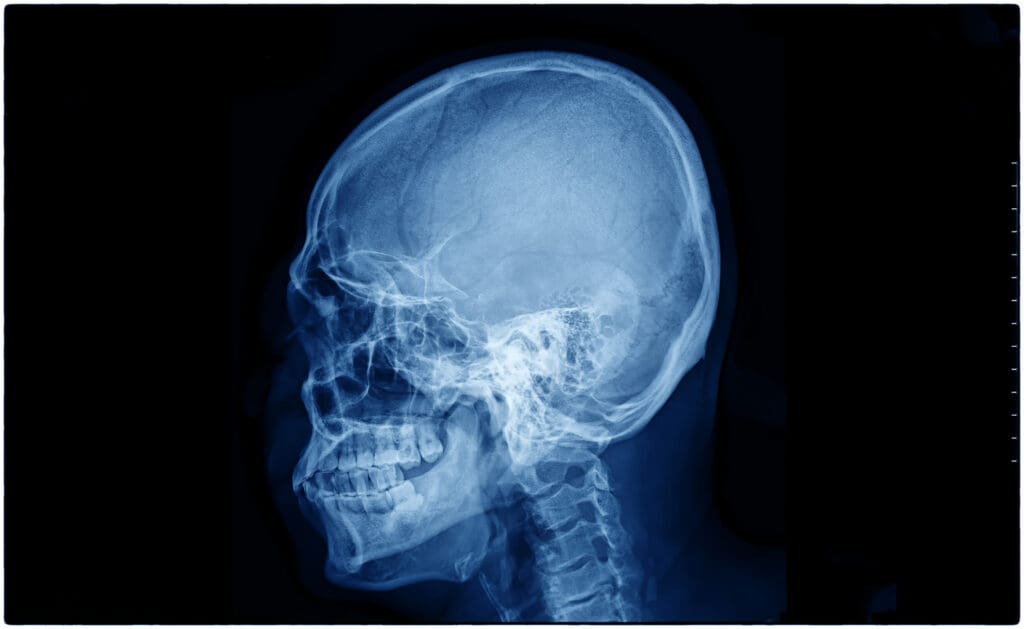
Diagnosing orthopedic tumors involves imaging, biopsy, and lab tests. X-rays, MRI, and CT scans help find the tumor’s size and location. A biopsy is key to confirming the diagnosis and understanding the tumor’s nature.
When diagnosing, it’s important to look at the patient’s health, medical history, and genetic factors. A team of experts is needed to make an accurate diagnosis and treatment plan. This might include stem cell transplants for bone marrow restoration or blood stem cell transplantation to help with chemotherapy recovery.
What Is the Best Way to Organize the Orthopedic Tumors Treatment
Effective treatment of orthopedic tumors needs a team effort from many healthcare experts. Studies show that a team approach is key for treating cancer, including orthopedic tumors. This way, all parts of patient care are covered.
Multidisciplinary Team Approach
A team of specialists is vital for managing orthopedic tumors. This team includes orthopedic surgeons, oncologists, radiologists, and rehab experts. They work together to create a treatment plan tailored to each patient.
This teamwork leads to better treatment results and happier patients. Collaboration among specialists makes sure all treatment options are explored. This way, the best plan is put into action.
Treatment Planning and Coordination
Good planning and coordination are key to managing orthopedic tumors. A careful assessment of the patient’s condition is done. This helps decide the best treatment strategy.
Working together, healthcare providers make sure treatment happens on time. This includes scheduling surgeries, chemotherapy, and follow-up visits. These steps are important for the best results.
Patient-Centered Decision Making
Putting the patient first is important in treating orthopedic tumors. This means considering the patient’s needs, wishes, and values when deciding on treatment. By involving patients, doctors can make sure treatment plans meet the patient’s goals.
Stem cell therapy is being looked into for treating orthopedic tumors. The idea of using stem cells in cancer treatment is exciting. But, it’s important to remember that stem cell therapy is not yet proven. The question of whether stem cells can cure cancer is something scientists are studying.
Conventional Treatment Modalities for Orthopedic Tumors
Orthopedic tumors need a mix of treatments to manage them well. These treatments help tackle the different types and severities of tumors. They also consider how the tumor affects the patient.
Surgical Interventions and Techniques
Surgery is key for many orthopedic tumors. It can be limb-sparing surgeries or amputations, based on the tumor and patient’s health. New surgical methods aim to keep limbs working and improve life quality.
Radiation Therapy Applications
Radiation therapy is also vital for treating orthopedic tumors. It can be used pre-operatively to make tumors smaller or post-operatively to kill any cancer cells left. Intensity-modulated radiation therapy (IMRT) targets tumors precisely, protecting healthy tissues.
Chemotherapy Protocols and Management
Chemotherapy is important for some orthopedic tumors, like malignant ones. It can be neoadjuvant chemotherapy to shrink tumors before surgery or adjuvant chemotherapy to fight microscopic disease.
| Treatment Modality | Application | Benefits |
|---|---|---|
| Surgery | Primary treatment for many orthopedic tumors | Can be limb-sparing or curative |
| Radiation Therapy | Pre-operative or post-operative treatment | Precise targeting of tumors, minimizing damage to healthy tissues |
| Chemotherapy | Treatment for malignant or high-risk tumors | Can reduce tumor size and address microscopic disease |
Knowing about the usual treatments for orthopedic tumors is key for good treatment plans. These methods have long been used. But, new treatments like stem cell therapy are being looked into to improve results.
The Emerging Role of Stem Cells in Cancer Treatment
Cancer treatment is changing with the use of stem cells. These cells are being seen as a new way to fight cancer.
Understanding Stem Cell Biology and Its Promise
Stem cells can turn into many different cell types. They help fix and grow tissues. In cancer treatment, they show great promise.
Stem cells can target cancer cells without harming healthy ones. This means less harm to the body. They also help fix tissues after treatment.
Current Applications in Oncology
Stem cell therapies are being tested for many uses in cancer care. These include:
- Stem cell transplants for bone marrow repair
- Blood stem cell transplants for blood support
- Stem cells to deliver cancer treatments
- Helping tissues recover after treatment
These uses are being studied in clinical trials. They aim to see if they are safe and work well.
Debunking Myths: Can Stem Cells Cure Cancer?
Stem cells are promising for cancer treatment, but they can’t cure it alone. They are part of a bigger treatment plan. This plan might include chemotherapy and radiation too.
The role of stem cells in cancer treatment is complex. Research is ongoing to understand their full benefits.
| Application | Description | Potential Benefits |
|---|---|---|
| Stem Cell Transplants | Replacing damaged bone marrow with healthy stem cells | Restores bone marrow function, supports hematological recovery |
| Targeted Therapy Delivery | Using stem cells to deliver cancer therapies directly to tumors | Enhances treatment efficacy, reduces side effects |
| Regenerative Applications | Repairing damaged tissues post-treatment | Improves patient quality of life, supports recovery |
Strategy 1: Stem Cell Transplants for Bone Marrow Restoration
Stem cell transplants are a promising way to fix bone marrow problems caused by orthopedic cancers. This method is getting more attention because it helps with strong chemotherapy and radiation. It does this by adding healthy stem cells to the bone marrow.
How Bone Marrow Transplants Are Performed
Bone marrow transplants put stem cells into the patient’s blood after they’ve had chemotherapy and/or radiation. This lets the stem cells go to the bone marrow. There, they start making new blood cells.
Key Steps in the Transplant Process:
- Collection of stem cells from the donor or patient
- Pre-transplant conditioning regimen to eradicate cancer cells and suppress the immune system
- Infusion of stem cells into the patient’s bloodstream
- Post-transplant care to monitor for complications and support recovery
Patient Selection and Preparation
Choosing patients for stem cell transplants is a detailed process. It looks at their health, cancer type and stage, and if they can handle the transplant. Before the transplant, they go through a special preparation to get ready.
| Criteria | Description |
|---|---|
| Age and Health Status | Patients must be in good overall health and within a certain age range to be eligible. |
| Cancer Type and Stage | The type and stage of orthopedic cancer are critical in determining suitability for a stem cell transplant. |
| Donor Availability | A suitable donor must be available for allogenic transplants. |
Recovery Process and Expected Outcomes
Recovering from a stem cell transplant takes a long time. It’s important to watch for signs of the transplant working, graft-versus-host disease, and other problems. The goal is to get the bone marrow working again and improve survival chances.
Stem cell transplants for bone marrow restoration are a complex but potentially lifesaving treatment for orthopedic tumors. Knowing how it works, who can get it, and what to expect helps doctors improve care for patients.
Strategy 2: Blood Stem Cell Transplantation for Hematological Support
Blood stem cell transplantation is key in helping patients recover from orthopedic tumor treatment. It involves putting stem cells into the blood to fix the bone marrow. This helps the body make healthy blood cells again.
Collection and Processing Procedures
The first step is collecting stem cells from the patient or a donor. This is done through apheresis, which separates stem cells from other blood parts. The stem cells are then cleaned and kept ready for use.
Next, the stem cells are processed to make sure they are pure and work well. This is very important for the patient’s recovery.
Benefits for Orthopedic Cancer Patients
Blood stem cell transplantation helps orthopedic cancer patients a lot. It lets them get strong treatments without harming their bone marrow too much. This helps them make more blood cells, which lowers the chance of infections and other problems.
“The use of blood stem cell transplantation has revolutionized the management of orthopedic tumors by providing a robust hematological support system, thereof improving patient outcomes.”
Integration with Chemotherapy Protocols
Using blood stem cell transplantation with chemotherapy makes treatment better. It lets doctors use stronger chemotherapy, which can fight cancer more effectively. This might lead to better survival rates.
The timing of when to do the transplant is very important. It’s planned carefully to get the most benefits and avoid risks. This shows how important a team effort is in treating orthopedic tumors.
Strategy 3: Targeted Therapy Delivery and Immune Enhancement
Stem cell research has led to new ways to fight orthopedic tumors. This method uses stem cells to make treatments better. It helps patients with orthopedic tumors get better results.
Stem Cells as Delivery Vehicles for Cancer Treatments
Stem cells can carry cancer treatments to tumors. This means treatments can be more precise and less harm to healthy tissues. A study in the Journal of Orthopedic Research shows stem cells can carry viruses that kill cancer cells.
“The use of stem cells as delivery vehicles represents a promising approach to enhance the efficacy of cancer treatments while reducing side effects.”
Stem cells can find tumors and deliver treatments right to them. This makes treatments more effective.
Boosting Immune Function Post-Chemotherapy
Chemotherapy weakens the immune system, making patients more likely to get sick. Stem cells help by making immune cells again. Experts say stem cell therapy can help the immune system recover faster after chemotherapy.
Key benefits of stem cell therapy in immune enhancement include:
- Rapid recovery of immune function
- Reduced risk of infections
- Improved overall survival rates
Synergistic Effects with Immunotherapy
Using stem cells with immunotherapy can make treatments work better. Immunotherapy boosts the immune system to fight cancer. Stem cells help by creating a good environment for immune cells.
The possible benefits of combining stem cell therapy with immunotherapy include:
- Stronger anti-tumor immune responses
- Longer-lasting treatment effects
- Less side effects from treatment
In summary, using stem cells for targeted therapy and boosting the immune system is a big step forward. It helps doctors create better, more tailored treatments for patients with orthopedic tumors.
Strategies 4 & 5: Regenerative Applications in Orthopedic Oncology
Regenerative medicine is changing how we treat orthopedic cancer. Stem cells are being used to help bones grow back and support structures.
Stem Cell Therapy for Post-Treatment Bone Regeneration
Stem cell therapy is being looked at for bone tissue growth after tumors are removed. It aims to make bones strong again, which can lead to better results for patients. A study on Springer Link shows it’s a promising method for bone growth.
Stem cells turn into osteoblasts, which are key for bone building. This is great for those who lost a lot of bone to tumors.
Stem Cell Implants for Structural Support
Stem cell implants are being studied for their role in supporting bones with tumors. They help bones get stronger by promoting growth.
Key benefits include:
- Enhanced bone regeneration
- Improved structural support
- Potential for reduced recovery time
Tissue Engineering Approaches
Tissue engineering is also benefiting from stem cells. It combines stem cells with materials to create new solutions for bone repair.
Stem cells in tissue engineering are a big step forward for orthopedic cancer treatment. As research grows, we’ll see more tailored and effective treatments.
Strategies 6 & 7: Combination Approaches and Personalized Treatment Planning
Combination approaches and personalized treatment planning are key in managing orthopedic tumors. Orthopedic cancers are complex, needing a treatment plan that fits each patient’s needs.
Integrating Stem Cell Therapies with Conventional Treatments
Stem cell therapies are being combined with traditional treatments like surgery and chemotherapy. Stem cell therapy for cancer is showing great promise. It could make traditional treatments more effective and improve patient results.
Stem cell transplants help patients after high-dose chemotherapy. They allow for more aggressive treatments. This is very helpful for those with aggressive tumors.
Personalized Medicine in Orthopedic Oncology
Personalized medicine means treatments are tailored to each patient’s tumor. Genetic profiling and molecular diagnostics help create targeted therapies. These are more effective and have fewer side effects.
Why do people have stem cell transplants? In orthopedic oncology, they help patients through tough treatments. They help grow healthy cells and tissues damaged by therapy.
Emerging Combination Protocols
Researchers are finding new ways to mix treatments, including stem cell therapies. Stem cells cancer therapy is leading this research. They’re looking at combining stem cells with immunotherapy and targeted therapy.
These new protocols could lead to better treatment results for orthopedic tumor patients. By mixing different treatments, doctors can offer more effective and personalized care.
Conclusion: The Future of Stem Cell Applications in Orthopedic Tumor Treatment
Stem cell research is changing how we treat orthopedic tumors. Studies show stem cells could greatly improve cancer treatment, including for orthopedic cancers.
Stem cell transplants are becoming key in fighting orthopedic cancers. They help repair bone marrow and speed up recovery after treatment. This is a big area of study.
Whether stem cells can cure cancer is a complex question. But combining stem cell therapy with traditional treatments is creating new ways to help patients. As research grows, stem cell treatments might offer more hope for those with orthopedic tumors.
Studying stem cells in orthopedic cancer is vital. It shows the need for more research and clinical trials. This will help create better, more tailored treatments for patients.
FAQ
What are the different types of orthopedic tumors and how are they classified?
Orthopedic tumors are divided into three main types. These are primary bone tumors, soft tissue tumors, and metastatic bone disease. Primary bone tumors can be either benign or malignant. Examples include osteosarcoma and Ewing’s sarcoma. Soft tissue tumors can also be benign or malignant, such as lipomas and sarcomas.
How do stem cells work in cancer treatment?
Stem cells can turn into different cell types. This makes them useful for fixing damaged tissues. In cancer treatment, they help repair bone marrow after chemotherapy. They also help deliver targeted therapies and support tissue growth.
What is a stem cell transplant, and how is it performed?
A stem cell transplant replaces damaged stem cells with healthy ones. First, stem cells are taken from the patient or a donor. Then, the body is prepared with conditioning therapy. Lastly, the stem cells are infused into the patient’s bloodstream.
Can stem cells cure cancer?
Stem cells can improve cancer treatment outcomes but can’t cure cancer alone. They are used with chemotherapy and radiation therapy. This combination can make treatments more effective and reduce side effects.
What are the benefits of using stem cells for targeted therapy delivery?
Stem cells can carry targeted therapies to cancer cells. This reduces harm to healthy tissues. It can lead to better treatment results and fewer side effects.
How are stem cells used for bone regeneration after cancer treatment?
Stem cell therapy helps grow new bone tissue after cancer treatment. It’s useful when bone tissue is damaged or destroyed. Stem cells stimulate bone growth and repair.
What is the role of stem cell implants in orthopedic oncology?
Stem cell implants support bone structure and promote tissue growth in orthopedic oncology. They help create customized implants. These implants restore function and ease symptoms.
How are combination approaches used in orthopedic oncology?
Combination approaches mix stem cell therapies with chemotherapy and radiation therapy. This improves treatment results and reduces side effects.
What is the future of stem cell applications in orthopedic tumor treatment?
The future of stem cell use in treating orthopedic tumors looks promising. Ongoing research aims to develop new therapies. As we learn more, we’ll see more effective treatments.
Are stem cell transplants painful?
Pain from stem cell transplants varies by person and procedure. Some may feel tired, nauseous, or in pain. These symptoms can be managed with medicine and care.
How are stem cells collected and processed for transplantation?
Stem cells are collected from the patient or a donor. This is done through apheresis or bone marrow harvest. The stem cells are then processed and prepared for transplant. This involves isolating and purifying them, and then freezing them for later use.
What are the different types of orthopedic tumors and how are they classified?
Orthopedic tumors are divided into three main types. These are primary bone tumors, soft tissue tumors, and metastatic bone disease. Primary bone tumors can be either benign or malignant. Examples include osteosarcoma and Ewing’s sarcoma. Soft tissue tumors can also be benign or malignant, such as lipomas and sarcomas.
FAQ
How do stem cells work in cancer treatment?
Stem cells can turn into different cell types. This makes them useful for fixing damaged tissues. In cancer treatment, they help repair bone marrow after chemotherapy. They also help deliver targeted therapies and support tissue growth.
What is a stem cell transplant, and how is it performed?
A stem cell transplant replaces damaged stem cells with healthy ones. First, stem cells are taken from the patient or a donor. Then, the body is prepared with conditioning therapy. Lastly, the stem cells are infused into the patient’s bloodstream.
Can stem cells cure cancer?
Stem cells can improve cancer treatment outcomes but can’t cure cancer alone. They are used with chemotherapy and radiation therapy. This combination can make treatments more effective and reduce side effects.
What are the benefits of using stem cells for targeted therapy delivery?
Stem cells can carry targeted therapies to cancer cells. This reduces harm to healthy tissues. It can lead to better treatment results and fewer side effects.
How are stem cells used for bone regeneration after cancer treatment?
Stem cell therapy helps grow new bone tissue after cancer treatment. It’s useful when bone tissue is damaged or destroyed. Stem cells stimulate bone growth and repair.
What is the role of stem cell implants in orthopedic oncology?
Stem cell implants support bone structure and promote tissue growth in orthopedic oncology. They help create customized implants. These implants restore function and ease symptoms.
How are combination approaches used in orthopedic oncology?
Combination approaches mix stem cell therapies with chemotherapy and radiation therapy. This improves treatment results and reduces side effects.
What is the future of stem cell applications in orthopedic tumor treatment?
The future of stem cell use in treating orthopedic tumors looks promising. Ongoing research aims to develop new therapies. As we learn more, we’ll see more effective treatments.
Are stem cell transplants painful?
Pain from stem cell transplants varies by person and procedure. Some may feel tired, nauseous, or in pain. These symptoms can be managed with medicine and care.
How are stem cells collected and processed for transplantation?
Stem cells are collected from the patient or a donor. This is done through apheresis or bone marrow harvest. The stem cells are then processed and prepared for transplant. This involves isolating and purifying them, and then freezing them for later use.
References
- Malignant Bone Tumors. Retrieved from: https://www.msdmanuals.com/professional/musculoskeletal-and-connective-tissue-disorders/tumors-of-bones-and-joints/primary-malignant-bone-tumors
- Cancer Facts and Figures. Retrieved from: https://www.cancer.org/content/dam/cancer-org/research/cancer-facts-and-statistics/annual-cancer-facts-and-figures/2025/2025-cancer-facts-and-figures-acs.pdf
- Cancer Stat Facts: Bone and Joint Cancer. Retrieved from: https://seer.cancer.gov/statfacts/html/bones.html
- Osteosarcoma Treatment. Retrieved from: https://www.cancer.gov/types/bone/patient/osteosarcoma-treatment-pdq
- 2025 Sarcoma Statistics. Retrieved from: https://curesarcoma.org/sarcoma-education/2025-sarcoma-statistics/


 Departments
 Related Videos
 Our Doctors
 News
News