
The beta thalassemia trait is a genetic condition that affects how the body makes hemoglobin. This leads to mild anemia. It is found in many ethnic groups around the world.
People from the Mediterranean, Middle Eastern, South Asian, and Southeast Asian areas are more likely to have this trait. In some groups, up to 15% of people carry it.
Knowing which ethnic groups are more likely to have this trait is important. It helps with public health efforts and genetic counseling. This information helps in planning better healthcare and prevention strategies.
Key Takeaways
- The beta thalassemia trait is a genetic blood disorder.
- It is prevalent in Mediterranean, Middle Eastern, South Asian, and Southeast Asian populations.
- Carrier rates can be as high as 15% in some populations.
- Understanding ethnic distribution is key to public health initiatives.
- Genetic counseling is important for those with the trait.
Understanding Beta Thalassemia Trait
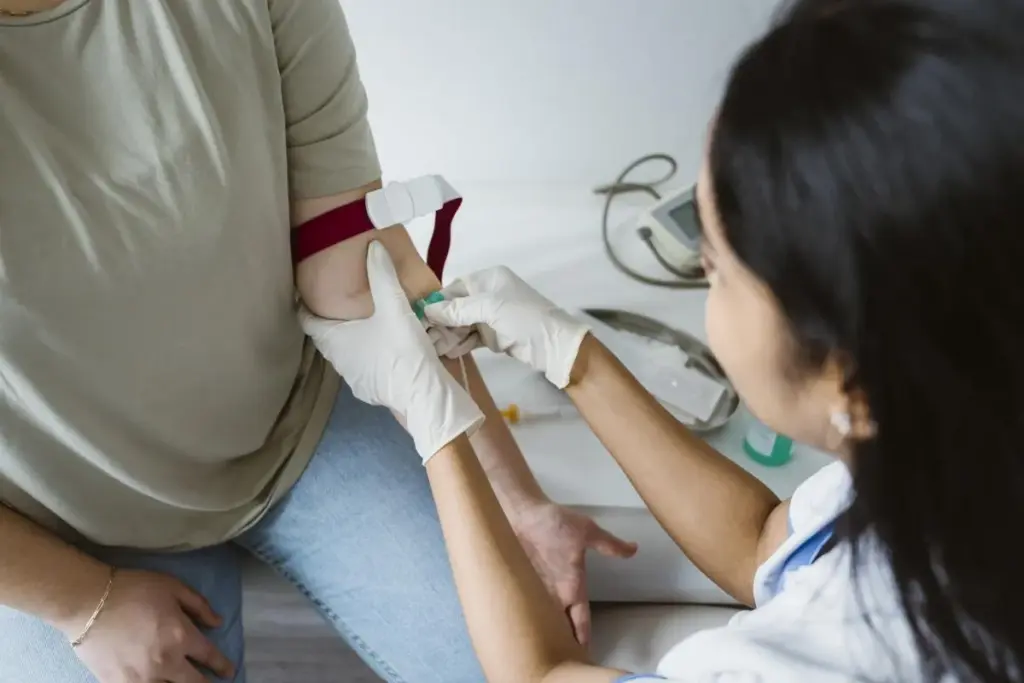
The beta thalassemia trait is caused by a mutation in one of the two beta-globin genes. This leads to less production of the beta-globin subunit of hemoglobin. It’s also known as beta thalassemia minor.
Definition and Basic Genetics
Beta thalassemia trait happens when someone has one normal and one mutated beta-globin gene. This mutation impacts the beta-globin chains of hemoglobin. Understanding the genetics of beta thalassemia trait is key for identifying carriers and giving the right genetic counseling.
Difference Between Trait and Disease
It’s important to know the difference between beta thalassemia trait and beta thalassemia major. People with the trait are usually healthy or have mild anemia. On the other hand, those with beta thalassemia major have severe anemia and need regular blood transfusions. The trait is a carrier state, meaning it doesn’t usually cause big health problems but can be passed to kids.
Inheritance Patterns
The beta thalassemia trait follows an autosomal recessive model. This means a person needs two mutated genes (one from each parent) to have beta thalassemia major. If they have only one mutated gene, they have the beta thalassemia trait. Knowing this inheritance pattern is important for family planning and genetic counseling.
Carriers of the beta thalassemia trait have a 50% chance of passing the mutated gene to each child. If both parents are carriers, there’s a 25% chance with each pregnancy that the child will have beta thalassemia major.
Global Distribution of Beta Thalassemia
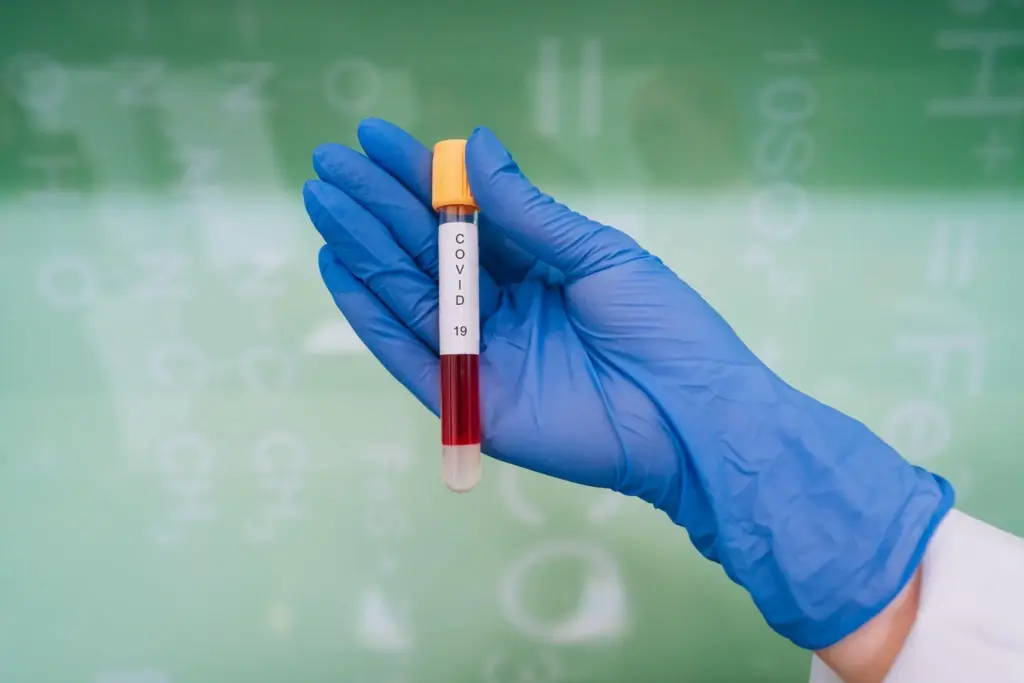
Beta thalassemia is a genetic disorder found worldwide. It’s more common in areas where malaria was once widespread. This disorder affects many ethnic groups, mainly in places where malaria was a big problem.
Prevalence Statistics Worldwide
The beta thalassemia trait’s prevalence varies by region. In places like the Mediterranean, Middle East, and South Asia, it’s more common. This is because these areas had a lot of malaria in the past.
- In the Mediterranean, countries like Greece and Italy have high carrier rates.
- The Middle East, including Iran and Turkey, also has a significant number of carriers.
- In South Asia, countries like India and Pakistan have a lot of carriers too.
These numbers show how widespread beta thalassemia is. They also highlight the need for awareness and screening in high-risk areas.
Impact of Historical Migration Patterns
Migration has greatly influenced where beta thalassemia is found. As people moved and married, the trait spread to new places.
Key migration patterns include:
- The Mediterranean migration spread the trait across Southern Europe.
- Movements from the Middle East introduced the trait to Asia and Europe.
- Trade and migration in South Asia helped spread the trait there.
Evolutionary Advantages of the Trait
The beta thalassemia trait may have helped protect against malaria. This is thought to be why it’s more common in areas where malaria was once a big problem.
The link between beta thalassemia and malaria resistance is complex. It involves how the trait affects malaria in red blood cells.
Knowing about this advantage helps us understand why the trait is common in some groups. Despite its health risks, it has been kept at high levels in certain populations.
Mediterranean Populations and Beta Thalassemia Trait

The high rate of beta thalassemia trait in the Mediterranean area shows the need for special screening efforts. This genetic issue is common in countries around the Mediterranean Sea.
Greek Communities
In Greece, 7.4% of the population carry the beta thalassemia trait. Some areas have rates up to 15%. This has led to wide screening programs to stop the disease from being passed on to future generations.
A study on shows these efforts have greatly reduced beta thalassemia major in Greece.
- Prevalence rates vary significantly across different regions.
- Genetic counseling is a critical component of these programs.
- Public awareness campaigns have been instrumental in educating the population.
Italian Populations
Italy also has a high rate of beta thalassemia trait, mainly in the south and islands like Sardinia. Screening programs help find carriers and offer genetic counseling.
- Carrier screening is often conducted as part of premarital counseling.
- Prenatal diagnosis is offered to couples identified as carriers.
- Public health initiatives aim to reduce the incidence of thalassemia major.
Other Mediterranean Regions
Turkey and Cyprus also have high rates of beta thalassemia trait. They use premarital screening and prenatal testing to manage the condition.
The high rate of beta thalassemia trait in the Mediterranean area stresses the need for ongoing public health efforts. Understanding the genetics and using effective screening can help reduce beta thalassemia major in these communities.
Middle Eastern Prevalence Patterns

The spread of beta thalassemia traits in the Middle East is complex. It’s influenced by genetics, history, and demographics. Countries like Turkey, Iran, and Arab states have different carrier rates.
Turkish Population Statistics
In Turkey, about 2.1% of people carry the beta thalassemia trait. But, some areas have rates as high as 13%. This shows the need for specific health programs.
Regional Variations in Turkey:
- Some provinces have higher rates due to genetics.
- Other areas have lower rates because of different people groups.
Iranian Carrier Rates
Iran has a big problem with beta thalassemia trait. The rate varies among ethnic groups. Some areas have much higher rates, needing wide screening.
|
Region |
Carrier Frequency (%) |
|---|---|
|
Northern Iran |
4.5 |
|
Southern Iran |
6.2 |
|
Central Iran |
5.1 |
Arab Communities and Prevalence
Arab communities in the Middle East also face beta thalassemia trait issues. Countries like Saudi Arabia and Iraq have high carrier rates. This makes genetic counseling and screening very important.
Public health strategies include premarital and prenatal tests. These help lower beta thalassemia major cases.
The Middle East’s beta thalassemia trait data shows the need for ongoing health efforts. These include education, screening, and genetic counseling. They help manage and lessen the disorder’s impact.
South Asian Distribution of Beta Thalassemia Trait
The spread of beta thalassemia trait in South Asia changes a lot from one place to another. This condition is a big worry for health because it’s so common in the area.
Indian Subcontinent Prevalence
India faces a big challenge with beta thalassemia trait. The rates vary a lot in different states and among different groups. Some ethnic groups have a much higher rate of the trait.
Prevalence in Specific Communities
- In some communities, the rate is as high as 10-15%.
- For example, the Tharu tribe has a higher rate.
The Tharu Tribe Case Study
The Tharu tribe lives in India and Nepal. Research found that 12.98% of the Tharu population tested positive for the beta thalassemia trait. This shows the need for special screening programs.
Pakistani Population Statistics
Pakistan also struggles with beta thalassemia trait. Studies show that the rate of carriers varies in different provinces.
|
Province |
Carrier Rate (%) |
|---|---|
|
Punjab |
5.6 |
|
Sindh |
6.8 |
|
Khyber Pakhtunkhwa |
4.2 |
These numbers highlight the need for broad screening and genetic counseling in Pakistan.
Southeast Asian Carrier Frequencies
Beta thalassemia trait is a big health issue in Southeast Asia. The region has different carrier frequencies. Southeast Asia’s diverse countries and ethnic groups make it hard to understand and manage beta thalassemia.
Thailand and Vietnam
Thailand has a high rate of beta thalassemia trait. Studies show carrier frequencies range from 5% to 15% in different groups. Vietnam also has a high rate, affecting health programs.
Indonesia and Malaysia
Indonesia has many beta thalassemia trait carriers. The rates vary by island and ethnic group. Malaysia also has a high carrier frequency, mainly in certain ethnic groups.
|
Country |
Carrier Frequency (%) |
Prevalence Rate |
|---|---|---|
|
Thailand |
5-15 |
High |
|
Vietnam |
3-10 |
Moderate to High |
|
Indonesia |
4-12 |
Moderate to High |
|
Malaysia |
2-8 |
Moderate |
Philippines and Regional Variations
The Philippines also has a high rate of beta thalassemia trait. There are regional differences that need specific health measures. It’s important to understand these differences for better healthcare planning.
Each country has its own challenges in managing beta thalassemia trait. Tailored public health efforts can help reduce its impact in Southeast Asia.
North African Populations and Thalassemia
The spread of beta thalassemia trait in North Africa is not the same everywhere. This makes studying this genetic condition quite complex.
Egyptian Prevalence
Egypt has a high rate of beta thalassemia trait. Studies show that 5% to 10% of Egyptians carry the trait. Some areas have even higher rates.
Regional Variations: The Nile Delta is hit hard, thanks to genetic history.
Maghreb Region Statistics
The Maghreb, including Morocco, Algeria, and Tunisia, also struggles with beta thalassemia trait.
|
Country |
Carrier Frequency |
|---|---|
|
Morocco |
3-4% |
|
Algeria |
4-5% |
|
Tunisia |
5-6% |
Ethnic Variations Within Countries
Inside North African countries, ethnic groups show different rates of beta thalassemia trait. For example, some Berber groups in Morocco and Algeria have higher rates than others.
Cultural and Genetic Factors: These differences come from cultural practices like marrying within families and genetic history tied to migration.
Beta Thalassemia Trait in Non-Endemic Regions
The beta thalassemia trait is becoming more common in areas not usually affected. This is because of people moving to new places. It means we need to be aware and screen for this condition in places it’s not usually found.
North American Prevalence
In North America, the beta thalassemia trait is found more in some groups than others. The U.S. has seen more cases because of people moving from places where it’s common.
Prevalence Rates: Some groups in the U.S. have more carriers. This shows how immigration affects the number of carriers.
|
Ethnic Group |
Carrier Rate (%) |
|---|---|
|
Hispanic |
3.5 |
|
Asian |
4.2 |
|
Middle Eastern |
5.1 |
European Populations Outside the Mediterranean
European countries not near the Mediterranean are seeing more beta thalassemia trait cases. This is mainly because of people moving from areas where it’s common.
Notable Trends: Places like the UK, Germany, and Sweden are finding more carriers among new arrivals.
Oceania and Australia
Australia has seen a big increase in beta thalassemia trait cases. This is because of its welcoming immigration policies and diverse society.
Screening Programs: Australia is actively screening for thalassemia. This shows its commitment to public health.
Genetic Basis for Ethnic Distribution
Genetic factors explain why beta thalassemia trait is more common in some ethnic groups. This trait’s spread is not random. It’s influenced by historical events that have shaped populations’ genes over time.
Malaria Hypothesis
The malaria hypothesis is a key theory for beta thalassemia trait’s prevalence in certain areas. It says that people with the trait are better protected against malaria, like Plasmodium falciparum. This protection is thought to be why the trait is more common in malaria-prone regions.
“The high frequency of beta thalassemia trait in Mediterranean and tropical regions is largely attributed to the protection it offers against severe malaria.”
Research shows that those with the beta thalassemia trait have fewer malaria parasites. They are also less likely to get severe malaria. This has led to the trait becoming more common in areas where malaria is common.
Founder Effects in Isolated Populations
Founder effects happen when a new population starts with a small group of people. This leads to less genetic variation than the original population. In isolated groups, the beta thalassemia trait can become more common due to this effect, even without a malaria advantage.
In island populations or isolated communities, the beta thalassemia trait is often more common. This is because these groups have less genetic diversity.
|
Population |
Prevalence of Beta Thalassemia Trait |
|---|---|
|
Mediterranean |
High |
|
South Asian |
Moderate to High |
|
Isolated Island Communities |
Variable, often High |
Genetic Drift and Selection
Genetic drift is the random change in allele frequencies in a population over time. In small or isolated groups, this can significantly change the beta thalassemia trait’s frequency. Natural selection also plays a role, favoring the trait in areas where it protects against malaria.
The combination of genetic drift and selection has shaped the beta thalassemia trait’s distribution in different ethnic groups. Understanding these genetic factors is key for effective screening and prevention programs.
Clinical Implications of Beta Thalassemia Trait
It’s key to understand the beta thalassemia trait’s clinical implications for correct diagnosis and care. People with this trait might have mild anemia but often don’t show symptoms. This can lead to misdiagnosis or missing the condition.
Mild Anemia and Symptoms
Those with the beta thalassemia trait usually have mild anemia, with lower hemoglobin levels. Yet, they often don’t show symptoms or have mild ones that don’t affect their daily life much.
The anemia from the beta thalassemia trait is usually not severe. But, it’s important for carriers to know their status to avoid getting iron supplements they don’t need.
Misdiagnosis as Iron Deficiency
Another big issue with the beta thalassemia trait is being misdiagnosed as iron deficiency anemia. Carriers might get iron supplements by mistake. This can cause iron overload if not watched closely.
Getting the right diagnosis through hematological tests and genetic screening is critical. It helps tell iron deficiency anemia apart from beta thalassemia trait. This ensures the right treatment and avoids unnecessary steps.
Health Considerations for Carriers
Carriers of the beta thalassemia trait usually have healthy lives with few health issues. But, there are important things to keep in mind. For example, they should know the chance of passing the trait to their kids.
Genetic counseling is advised for carriers, more so if both partners carry the trait. It helps them understand the risks and plan for their family.
Screening Programs in High-Risk Ethnic Groups
To fight beta thalassemia major, it’s key to screen high-risk groups. These screening programs find carriers of the beta thalassemia trait. This info helps with family planning and lowers the chance of passing the disease to kids.
Premarital Screening Initiatives
In places with lots of beta thalassemia, premarital screening is used. It tests people before they get married to see if they carry the trait. In Iran and Saudi Arabia, this has helped lower beta thalassemia major cases.
a genetic counselor, says, “Premarital screening is a smart way to stop genetic disorders like beta thalassemia from spreading.”
Newborn Screening Approaches
Newborn screening for beta thalassemia is vital, too. It’s important in areas with lots of births and not much prenatal care. Finding it early means kids can get the right care sooner.
- Newborn screening is a simple blood test for abnormal hemoglobin levels.
- It lets doctors keep an eye on and manage the condition from the start.
- Parents learn about what the diagnosis means and what care is needed.
Community-Based Testing Programs
Community-based testing is key for reaching more people, where health care is hard to get. These programs use local health workers and leaders to spread the word and get people involved.
“Getting the community on board is vital for screening success. By working with local leaders and teaching the community about risks and benefits, we can get more people involved. This helps lower beta thalassemia cases.”
To make these programs work, we need to educate the public, train health workers, and make testing easy to get. With all these steps, we can lessen the impact of beta thalassemia on communities.
Genetic Counseling for At-Risk Ethnicities
Genetic counseling is key for families with beta thalassemia, mainly in high-risk groups. It gives them the info to make smart health and family planning choices.
Family Planning Considerations
For couples where both carry the beta thalassemia trait, counseling is vital. It sheds light on the risks of passing the condition to their kids. Family planning considerations include figuring out the chance of a child having beta thalassemia major and looking at reproductive choices.
Genetic counselors give detailed info on the chance of passing the condition and its severity in kids. This helps couples make informed choices about pregnancy and prepare for their child’s needs.
Prenatal Testing Options
Prenatal testing is a big part of genetic counseling for at-risk pregnancies. Prenatal testing options include CVS and amniocentesis, which can spot beta thalassemia major in the fetus.
|
Test |
Description |
Timing |
|---|---|---|
|
Chorionic Villus Sampling (CVS) |
Involves removing a sample of cells from the placenta |
10-12 weeks of pregnancy |
|
Amniocentesis |
Involves withdrawing a sample of amniotic fluid |
15-20 weeks of pregnancy |
Psychological Impact of Carrier Status
Being a carrier of the beta thalassemia trait can deeply affect one’s mind. People might feel anxious or worried about their health and the risks to their future kids.
Genetic counseling tackles these worries and offers emotional support. Counselors help people grasp their carrier status and its meaning, easing anxiety and aiding in coping.
Modern Migration and Changing Distribution Patterns
Migration has spread the beta thalassemia trait far beyond its original areas. People moving across borders carry their genes with them. This can introduce the condition to new populations.
Diaspora Communities
Diaspora communities play a big role in beta thalassemia’s spread. People from the Mediterranean, Middle East, and South Asia have moved to places like North America and Europe. This has made the trait more common in these areas.
- Communities from Greece and Italy have settled in the United States, Canada, and Australia.
- Middle Eastern populations, like those from Turkey and Iran, have moved to Europe.
- South Asian communities, including those from India and Pakistan, have also moved to various countries, contributing to the global spread of the trait.
Intermarriage Between Ethnic Groups
Intermarriage between different ethnic groups makes the beta thalassemia trait harder to track. When people from different backgrounds get married, there’s a higher chance of passing the trait to their kids. This can lead to more cases of the condition in future generations.
Key factors influencing the trait’s distribution through intermarriage include:
- The prevalence of the trait within the respective ethnic groups.
- The frequency of intermarriage between carriers and non-carriers.
- Awareness and screening practices among the affected communities.
Implications for Healthcare Systems
The changing distribution of the beta thalassemia trait due to migration and intermarriage has big implications for healthcare. Healthcare providers need to know about the condition and be able to diagnose and treat it well.
Key healthcare implications include:
- Increased need for screening programs in areas with rising prevalence.
- Training for healthcare professionals to recognize and manage the condition.
- Public health campaigns to raise awareness about beta thalassemia among affected communities.
Public Health Approaches to Beta Thalassemia Prevention
To prevent beta thalassemia, we need a mix of education, healthcare provider training, and policies. These steps can lower the number of cases and help those affected live better lives.
Education and Awareness Campaigns
Teaching people about beta thalassemia is key. We aim to tell everyone, but mainly those at high risk. We want to explain the disease, its effects, and why screening is important.
Community-based programs have worked well. They use local media, events, and cultural groups to spread the word. This approach has been effective in places like Mediterranean countries.
Healthcare Provider Training
Doctors and healthcare workers must know about beta thalassemia. They need to understand how to screen, diagnose, and treat it.
Workshops, seminars, and online courses help them learn. It’s also important to keep guidelines and protocols up to date with the latest in care.
Policy Development for Vulnerable Populations
Creating policies for those at risk is vital. Governments and health groups can start premarital screening programs and prenatal tests. This helps find carriers and babies with the disease.
These policies should also help families get the care they need. This includes genetic counseling and treatment. Working together is essential for these policies to succeed.
Conclusion
The beta thalassemia trait is a big health issue worldwide. It affects different ethnic groups in varying ways. Some groups face more challenges than others.
To prevent thalassemia, we need to spread awareness, screen people, and offer genetic counseling. Knowing about the beta thalassemia trait helps healthcare systems help more people. They can then use specific prevention plans.
Genetic counseling is key for managing beta thalassemia trait, mainly in high-risk groups. It helps people make smart choices about having children. It also gives them the facts about being a carrier.
In short, the spread of beta thalassemia trait shows we need special health plans. With awareness, screening, and genetic counseling, we can lower thalassemia cases. This improves life for those affected.
FAQ
What is beta thalassemia trait?
Beta thalassemia trait is a mild form of thalassemia. It happens when someone has one normal and one mutated beta-globin gene. This leads to mild anemia.
Which ethnic groups are most affected by beta thalassemia trait?
Many ethnic groups worldwide are affected by beta thalassemia trait. This includes people from the Mediterranean, Middle East, South Asia, and Southeast Asia.
What are the symptoms of beta thalassemia trait?
People with beta thalassemia trait often have mild anemia. They might feel tired, weak, or have pale skin.
How is beta thalassemia trait diagnosed?
Doctors use blood tests to diagnose beta thalassemia trait. They check hemoglobin levels and look for the mutated beta-globin gene through genetic testing or hemoglobin electrophoresis.
Can beta thalassemia trait be misdiagnosed?
Yes, it’s often mistaken for iron deficiency anemia because of similar symptoms. Accurate tests are needed for a correct diagnosis.
What is the importance of genetic counseling for beta thalassemia trait?
Genetic counseling is vital. It helps individuals and families understand their condition. It covers family planning, prenatal testing, and the emotional impact of being a carrier.
How can beta thalassemia trait be prevented?
Prevention involves screening in high-risk groups. This includes premarital, newborn, and community testing. Education and awareness campaigns also play a key role.
What is the role of public health initiatives in managing beta thalassemia trait?
Public health initiatives are essential. They include education, training for healthcare providers, and policy development. These efforts help prevent and manage beta thalassemia trait in vulnerable populations.
How has migration affected the distribution of beta thalassemia trait?
Migration has spread beta thalassemia trait to new areas. It has introduced the condition to different communities. Awareness and screening are needed in these regions.
What is the genetic basis for the ethnic distribution of beta thalassemia trait?
Several factors explain the genetic basis. These include the malaria hypothesis, founder effects, and genetic drift. These have led to different prevalence rates in various ethnic groups.
References
- Nigam N, Kushwaha R, Yadav G, Singh PK, Gupta N, Singh B, Agrawal M, Chand P, Saxena SK, Bhatt ML. A demographic prevalence of β Thalassemia carrier and other hemoglobinopathies in adolescent of Tharu population. PMC. Available at: https://pmc.ncbi.nlm.nih.gov/articles/PMC7586583/
- Cao A, Galanello R. Beta‑thalassemia: a review. PMC. Available at: https://pmc.ncbi.nlm.nih.gov/articles/PMC5333734/
- Dubey R, et al. Molecular Docking Study of Conformational Polymorph. PMC. Available at: https://www.ncbi.nlm.nih.gov/pmc/articles/PMC3821945/
- [Authors not listed]. ScienceDirect Article (S2214999614000962). Available at: https://www.sciencedirect.com/science/article/pii/S2214999614000962