What is the Most Common Cause of Beta Thalassemia?
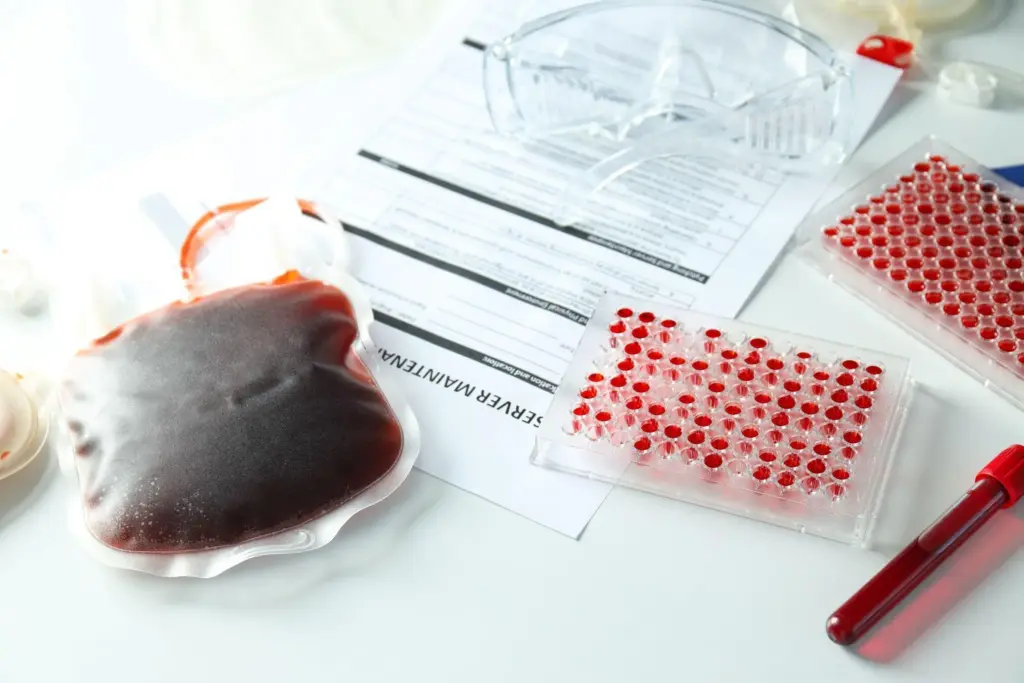
Beta thalassemia is a genetic disorder that affects the production of hemoglobin. Hemoglobin is a key protein in red blood cells.
The most common cause is mutations in the HBB gene. This gene encodes the beta-globin subunit of hemoglobin. These mutations cause a lack of beta-globin chains. This leads to anemia and other health issues.
Knowing the genetic cause of beta thalassemia is key for diagnosis and treatment. The disorder affects hemoglobin production. This shows why genetic testing is vital for finding HBB gene mutations.
Key Takeaways
- Beta thalassemia is a genetic disorder affecting hemoglobin production.
- Mutations in the HBB gene are the primary cause of beta thalassemia.
- The condition leads to anemia and other health complications.
- Genetic testing is essential for diagnosing beta thalassemia.
- Understanding the genetic cause helps in managing the disorder.
The Nature of Beta Thalassemia

Beta thalassemia is a genetic disorder that disrupts hemoglobin production. It impacts the beta-globin chains of hemoglobin. This leads to health problems.
Definition and Classification
Beta thalassemia is a genetic disorder that affects the beta-globin chains of hemoglobin. It follows an autosomal recessive inheritance pattern. This means you need two mutated genes, one from each parent, to have the condition.
The severity of the mutation determines the type of beta thalassemia. It can be beta thalassemia major, beta thalassemia intermedia, or beta thalassemia minor. Beta thalassemia minor is also known as the beta thalassemia trait.
Impact on Hemoglobin Structure
The disorder affects the structure of hemoglobin by reducing or eliminating beta-globin chains. Hemoglobin is key in red blood cells, made of alpha-globin and beta-globin chains. In beta thalassemia, the imbalance causes.
|
Type |
Description |
Clinical Manifestations |
|---|---|---|
|
Beta Thalassemia Major |
Severe form of the disorder |
Severe anemia, growth retardation, and skeletal changes |
|
Beta Thalassemia Intermedia |
Moderate form |
Anemia, but generally less severe than in beta thalassemia major |
|
Beta Thalassemia Minor (Trait) |
Mild form, often asymptomatic |
Mild or no anemia, usually detected through screening |
Understanding beta thalassemia is key to managing it. It affects hemoglobin production and causes health issues. This shows the need for good care and support for those affected.
The HBB Gene: Foundation of Beta-Globin Production
The HBB gene is key to making beta-globin, a vital part of hemoglobin. It makes the beta-globin subunit. This subunit, along with alpha-globin, is essential for carrying oxygen in our blood.
Structure and Function of the HBB Gene
The HBB gene is on chromosome 11. It has three exons and two introns. Its structure is important for its function. Mutations in these areas can cause beta thalassemia.
The gene makes beta-globin mRNA. This mRNA is then turned into the beta-globin protein.
Mutations in the HBB gene can stop beta-globin production. This is the main reason for beta thalassemia. It leads to anemia and other problems because of low hemoglobin.
Normal Beta-Globin Synthesis Process
First, the HBB gene is transcribed into mRNA. Then, this mRNA is translated into beta-globin protein. This process is very controlled and needs many genetic and molecular parts to work right.
The beta-globin chains join with alpha-globin chains to make hemoglobin. Hemoglobin is key for oxygen transport in our bodies.
Efficient beta-globin production keeps the balance between alpha and beta-globin chains. If this balance is off, it can harm red blood cells. This harm is what causes beta thalassemia symptoms.
Knowing about the HBB gene and its role in beta-globin production is key to understanding beta thalassemia. The complex process of beta-globin synthesis shows how complex hemoglobin production is. It also shows where problems can lead to this condition.
Mutations in the HBB Gene: The Primary Cause
Beta thalassemia is mainly caused by changes in the HBB gene. These changes affect how beta-globin chains are made. The impact of these changes can vary a lot.
Types of Mutations Affecting Beta-Globin
The HBB gene can have different kinds of mutations. These include point mutations, deletions, and insertions. These changes can reduce or stop the production of beta-globin chains.
Types of Mutations:
- Point mutations: Single nucleotide changes that can affect splicing, transcription, or translation.
- Deletions: Removal of genetic material that can lead to frameshift mutations or loss of critical regulatory elements.
- Insertions: Addition of nucleotides that can disrupt the reading frame or introduce premature stop codons.
The 20 Mutations Responsible for 80% of Cases
Over 350 genetic mutations have been found in the HBB gene. But, about 20 mutations cause 80% of beta thalassemia cases worldwide. This shows how complex and varied the disorder is.
|
Mutation Type |
Frequency |
Geographic Distribution |
|---|---|---|
|
Point Mutations |
60% |
Mediterranean, South Asia |
|
Deletions |
20% |
Middle East, Africa |
|
Insertions |
10% |
Global, but rare |
Molecular Mechanisms of Beta-Globin Disruption
The molecular reasons for beta thalassemia include problems with making beta-globin chains. This can happen in several ways, like issues with transcription, splicing, or translation ending too soon.
“Understanding the molecular basis of beta thalassemia is key for making good tests and treatments.”
The variety of these mutations and their effects on beta-globin production highlight the need for detailed genetic tests and tailored treatments.
Understanding Beta Thalassemia Inheritance
The genetic basis of beta thalassemia inheritance is rooted in its autosomal recessive transmission. This means that the disorder is not linked to the sex chromosomes. A person must inherit two defective genes (one from each parent) to be affected.
Autosomal Recessive Transmission
In autosomal recessive inheritance, both parents must be carriers of the mutated gene. Carriers typically do not display the full symptoms of the disorder. They can pass the mutated gene to their offspring.
When both parents are carriers, there is a 25% chance with each pregnancy that the child will inherit two mutated genes. This results in beta thalassemia major or intermedia.
Carrier Status and Inheritance Probability
Understanding carrier status is key for genetic counseling. Carriers have one normal and one mutated gene. They are generally asymptomatic or mildly symptomatic.
When two carriers conceive, there is a risk that their child may inherit two mutated genes. This results in beta thalassemia major or intermedia.
The probability of inheritance is as follows:
- 25% chance of having an unaffected child (not a carrier)
- 50% chance of having a child who is a carrier
- 25% chance of having a child with beta thalassemia major or intermedia
Genetic Heterogeneity in Families
Genetic heterogeneity refers to the presence of different mutations within the same gene. This leads to the same or similar disorders. In the context of beta thalassemia, genetic heterogeneity can result in varying severities of the disorder within the same family.
This variability is due to the different types of mutations in the HBB gene. These mutations affect the production or function of the beta-globin protein.
Global Epidemiology and Distribution
Beta thalassemia affects about 1.5% of the world’s population. This genetic disorder is found in many places. Every year, around 60,000 babies are born with it, making it a big health issue.
Worldwide Carrier Frequency
The rate of beta thalassemia carriers varies by place. About 1.5% of people worldwide carry the gene. This means a lot of people could pass it to their kids.
High-Prevalence Regions
Beta thalassemia is more common in the Mediterranean, Middle East, and South Asia. These places have seen more cases because of genetics and family ties.
Migration Patterns and Changing Demographics
People moving to new places has changed where beta thalassemia is found. It’s now in areas with fewer cases before. Studies show that migration and population changes affect where beta thalassemia is found.
|
Region |
Carrier Frequency |
Annual Births with Symptomatic Disease |
|---|---|---|
|
Mediterranean |
High |
Significant |
|
Middle East |
High |
Significant |
|
South Asia |
High |
Significant |
|
Global |
1.5% |
60,000 |
Clinical Spectrum of Beta Thalassemia
Beta thalassemia can range from mild to severe. This is because different mutations in the HBB gene affect how much beta-globin is made.
Beta Thalassemia Major (Cooley’s Anemia)
Beta thalassemia major, or Cooley’s anemia, is the most severe form. It happens when a person gets two mutated HBB genes, one from each parent. This leads to very little or no beta-globin being made.
People with this condition have severe anemia. They need regular blood transfusions to live. Without treatment, survival is rare, often not beyond early childhood.
Beta Thalassemia Intermedia
Beta thalassemia intermedia is a moderate form. It’s between beta thalassemia major and minor in severity. People with this condition have genetic mutations that reduce but don’t eliminate beta-globin production.
Its symptoms can vary a lot. Some people may not show symptoms or have only mild anemia. Others may have more severe anemia and complications. Treatment often includes occasional blood transfusions and monitoring for complications.
Beta Thalassemia Minor (Trait)
Beta thalassemia minor, or beta thalassemia trait, is a mild form. It’s caused by having one mutated HBB gene. People with this condition usually don’t have symptoms or have only mild anemia.
The main worry for those with beta thalassemia minor is passing the mutated gene to their children. Genetic counseling is often suggested to understand the risks and plan for family.
Pathophysiology: From Mutation to Disease
The pathophysiology of beta thalassemia is complex. It involves genetic and molecular events that lead to the disease. Mutations in the HBB gene, which codes for the beta-globin subunit of hemoglobin, are the main cause.
Reduced or Absent Beta-Globin Production
Mutations in the HBB gene cause reduced or absent beta-globin production. This affects the synthesis of the beta-globin chains. These chains are key for making normal hemoglobin (HbA).
With less beta-globin, the production of functional hemoglobin drops significantly.
Alpha/Beta Chain Imbalance
The imbalance between alpha and beta chains is key in beta thalassemia. Normally, alpha and beta chains are produced in balance for hemoglobin. But in beta thalassemia, the reduction in beta-globin chains causes an alpha chain surplus.
These extra alpha chains are unstable. They form clumps in red blood cells, causing damage and early destruction.
Ineffective Erythropoiesis and Hemolysis
The pathophysiology of beta thalassemia includes ineffective erythropoiesis and hemolysis. Ineffective erythropoiesis means red blood cells don’t mature or get released. This leads to anemia.
Hemolysis, or the breakdown of red blood cells, adds to the anemia. Together, these factors cause severe anemia, bone deformities, and other problems.
Clinical Manifestations and Complications
Beta thalassemia shows many symptoms, like anemia, growth problems, and iron overload issues. It affects people in different ways. We need to understand all its symptoms to help those affected.
Anemia and Related Symptoms
Anemia is a big problem in beta thalassemia because of less beta-globin chains in hemoglobin. This causes fatigue, weakness, and shortness of breath. People might look pale, have jaundice, and dark urine because of broken-down red blood cells.
Growth Retardation and Skeletal Changes
Beta thalassemia can slow down growth and cause bone changes. The bone marrow tries to make more blood but fails. This leads to changes in the face and bones, like a bigger forehead and jaw.
Iron Overload and Organ Damage
Getting regular blood transfusions helps but can cause iron overload. Too much iron harms organs like the heart and liver. This can lead to serious problems like heart failure and liver damage.
Endocrine and Cardiac Complications
Iron overload also causes hypogonadism, diabetes, and hypothyroidism in beta thalassemia major. Heart problems, like heart failure and arrhythmias, are also big concerns. We must manage iron levels well to avoid these issues.
In summary, beta thalassemia has many symptoms and complications. We need a complete approach to manage it. This includes regular transfusions, iron chelation, and watching for endocrine and heart problems.
Diagnostic Approaches and Testing
Diagnosing beta thalassemia requires a detailed process. It includes both clinical checks and lab tests. This thorough approach is key to accurately identify and understand the condition’s severity.
Complete Blood Count and Peripheral Smear
The first step is a Complete Blood Count (CBC) and a Peripheral Smear. The CBC shows red blood cell count, hemoglobin levels, and more. A peripheral smear looks at red blood cell shape, spotting signs of beta thalassemia like small and pale cells.
Hemoglobin Electrophoresis
Hemoglobin Electrophoresis is vital for finding and measuring different hemoglobins in the blood. It’s key for spotting beta thalassemia by identifying abnormal hemoglobin types. This test uses methods like cellulose acetate electrophoresis and high-performance liquid chromatography (HPLC).
DNA Analysis for HBB Mutations
DNA analysis is used to find HBB gene mutations. Techniques like PCR and sequencing help spot the genetic causes of beta thalassemia. This info is important for genetic counseling and prenatal testing.
Prenatal Diagnosis Options
Prenatal testing is available for families at risk of beta thalassemia major. Chorionic villus sampling (CVS) or amniocentesis followed by DNA analysis can be done. This gives parents-to-be vital information for making pregnancy choices.
|
Diagnostic Method |
Description |
Significance in Beta Thalassemia Diagnosis |
|---|---|---|
|
Complete Blood Count (CBC) |
Provides information on red blood cell count, hemoglobin levels, and other hematological parameters. |
Initial screening for anemia and red blood cell abnormalities. |
|
Hemoglobin Electrophoresis |
Identifies and quantifies different types of hemoglobin. |
Critical for detecting abnormal hemoglobin variants associated with beta thalassemia. |
|
DNA Analysis |
Detects mutations in the HBB gene. |
Definitive diagnosis and essential for genetic counseling. |
|
Prenatal Diagnosis (CVS or Amniocentesis) |
Involves sampling fetal cells for DNA analysis. |
Provides vital information for families at risk, enabling informed decisions about pregnancy. |
Advances in Genetic Screening Programs
Genetic screening is key in preventing and managing beta thalassemia. New technologies have greatly improved how we detect and manage this condition.
Population-Based Carrier Screening
Carrier screening programs are vital in finding people at risk of passing beta thalassemia to their kids. They work best in areas where many people carry the gene.
These programs help families make informed choices early on. This approach has helped lower beta thalassemia major rates in some countries.
Next-Generation Sequencing Technologies
Next-generation sequencing (NGS) has changed genetic diagnosis. It quickly and affordably checks the HBB gene. NGS can look at many genes at once, making it great for diagnosing beta thalassemia and other genetic issues.
NGS’s accuracy in finding mutations has made diagnosis better. This leads to more targeted treatments and personalized care.
Impact on Disease Prevention
Genetic screening advances have greatly helped prevent disease. They help doctors offer genetic counseling and prenatal tests. This cuts down on beta thalassemia major births.
Also, screening data help shape public health policies. This guides how resources are used in high-risk areas, helping reduce the disease’s impact.
Treatment Strategies and Management
Managing beta thalassemia well needs a detailed treatment plan. It aims to ease symptoms, prevent problems, and improve life quality for those affected.
Regular Blood Transfusion Protocols
For beta thalassemia major, regular blood transfusions are key. They keep hemoglobin levels up, reducing the body’s need to make more red blood cells. This helps avoid complications.
Transfusion protocols usually mean getting red blood cells every 2-4 weeks. How often depends on how severe the anemia is and the patient’s health.
|
Transfusion Frequency |
Hemoglobin Level |
Clinical Outcome |
|---|---|---|
|
Every 2-4 weeks |
Maintained at 9-10 g/dL |
Reduced anemia symptoms |
|
As needed |
Variable |
Increased risk of complications |
Iron Chelation Therapy
Iron chelation therapy is vital for those getting regular blood transfusions. It removes extra iron from the body. Too much iron can harm organs like the heart and liver.
Deferoxamine is a common iron chelator given through subcutaneous infusion. Other options like deferiprone and deferasirox are also available, making treatment more flexible.
“Iron chelation therapy has significantly improved the survival and quality of life for patients with beta thalassemia major by reducing iron overload.”
Hematopoietic Stem Cell Transplantation
Hematopoietic stem cell transplantation (HSCT) is the only cure for beta thalassemia major. It replaces the patient’s bone marrow with healthy stem cells from a donor.
Success with HSCT depends on finding a good donor and the patient’s health.
Emerging Gene Therapy Approaches
Gene therapy is a new area that might help treat beta thalassemia. It fixes the genetic problem by adding a healthy HBB gene to stem cells.
Though it’s early, gene therapy has shown promise in trials. It could be a future cure for beta thalassemia.
Future Directions: Research and new gene editing tools like CRISPR/Cas9 are making gene therapy safer and more effective for beta thalassemia.
Living with Beta Thalassemia
Getting a beta thalassemia diagnosis starts a lifelong journey. It involves managing the condition through medical care, lifestyle changes, and mental support.
Lifestyle Considerations and Limitations
People with beta thalassemia face unique lifestyle challenges. For example, regular blood transfusions can lead to iron overload. This means they need iron chelation therapy, which takes time and can affect daily life. Learning to adapt to these treatments and manage their side effects is key to a good quality of life.
They also need to make dietary changes and avoid certain activities. This could mean eating less iron or avoiding sports that might cause injuries. Knowing these limitations and making smart choices helps manage the condition better.
Psychosocial Impact and Quality of Life
The mental health effects of beta thalassemia are significant. It can lead to anxiety, depression, or stress. The need for ongoing medical care and the risk of complications can be overwhelming. It’s vital for those with beta thalassemia to have access to mental health support and counseling.
Support from loved ones, friends, and support groups is also critical. Sharing experiences and advice with others who get it can be very helpful. Patient organizations and online forums offer valuable resources and a sense of community.
Support Resources and Patient Organizations
There are many support groups and organizations for beta thalassemia. They provide educational materials, advocacy, and access to support groups. Connecting with these resources can help individuals manage their condition better and improve their well-being.
Groups like the Cooley’s Anemia Foundation and the Thalassemia International Federation are dedicated to helping. They work to support, raise awareness, and fund research for new treatments. By using these resources, people with beta thalassemia can live fulfilling lives despite the challenges.
Conclusion
Beta thalassemia is a complex genetic disorder. It’s caused by mutations in the HBB gene. This leads to less or no beta-globin subunit of hemoglobin being made.
Understanding the genetic basis is key for diagnosis and management. Advances in genetic screening and prevention have greatly reduced its incidence. This offers hope for better outcomes for those affected.
Early detection and intervention are critical in managing the condition. Regular blood transfusions, iron chelation therapy, and hematopoietic stem cell transplantation are part of effective management. Gene therapy is also a promising future treatment option.
By advancing our understanding of beta thalassemia’s genetic mechanisms, we can improve diagnosis and treatment. This will enhance the quality of life for those living with this disorder.
FAQ
What is beta thalassemia?
Beta thalassemia is a genetic disorder. It happens when the HBB gene is mutated. This gene is for the beta-globin part of hemoglobin. It leads to anemia and other health issues.
How is beta thalassemia inherited?
Beta thalassemia is passed down in an autosomal recessive pattern. This means both parents must carry the mutated gene for a child to have it.
What are the different types of beta thalassemia?
There are different types of beta thalassemia. They are based on how severe the mutation is. These include beta thalassemia major, beta thalassemia intermedia, and beta thalassemia minor.
What is the role of the HBB gene in beta thalassemia?
The HBB gene makes the beta-globin part of hemoglobin. Mutations in this gene cause beta thalassemia.
How is beta thalassemia diagnosed?
Doctors use several methods to diagnose beta thalassemia. These include blood tests, hemoglobin electrophoresis, and DNA analysis for HBB mutations.
What are the clinical manifestations of beta thalassemia?
Beta thalassemia can cause anemia and slow growth. It can also lead to skeletal changes, iron overload, and problems with the heart and endocrine system.
How is beta thalassemia managed?
Managing beta thalassemia involves several steps. These include regular blood transfusions, iron chelation therapy, and sometimes a bone marrow transplant. New gene therapy methods are also being explored.
What is the prevalence of beta thalassemia globally?
Beta thalassemia is a big health issue worldwide. It affects about 1.5% of the population. It’s more common in the Mediterranean, Middle East, and South Asia.
Can beta thalassemia be prevented?
Yes, preventing beta thalassemia is possible. Genetic screening programs are key. They include carrier screening and new DNA testing technologies.
What are the treatment options for beta thalassemia major?
For beta thalassemia major, treatments include blood transfusions, iron chelation therapy, and bone marrow transplants.
How does beta thalassemia impact quality of life?
Beta thalassemia can greatly affect a person’s life. It can impact their mental health and overall well-being. This highlights the need for support and patient groups.
References
- “Beta thalassemia.” Wikipedia. Available at: https://en.wikipedia.org/wiki/Beta_thalassemia
- Iam‑arunthai, K., Suwanban, T., Thungthong, P., Chamnanchanunt, S., & Fucharoen, S. (2024). Predicting factors of survival rates among alpha‑ and beta‑thalassemia patients: a retrospective 10‑year data analysis. Frontiers in Hematology. Available at: https://www.frontiersin.org/journals/hematology/articles/10.3389/frhem.2024.1339026/full