Do you have ongoing stomach pain, nausea, or digestive issues after a big surgery? You’re not alone. Post-cholecystectomy syndrome (PCS) hits up to 47% of people globally who had their gallbladder removed. It brings a mix of stomach problems.
It’s key to know what causes PCS and its symptoms to find relief. We focus on detailed checks and proven treatments for cholecystectomy pain after surgery and other issues.Tips and treatments for bile dumping syndrome after gallbladder surgery symptoms.
We aim to help you understand PCS symptoms and how to get better. This way, you can face your treatment with confidence.
Key Takeaways
- Post-cholecystectomy syndrome affects a significant percentage of patients after gallbladder removal.
- PCS symptoms can range from mild discomfort to severe digestive issues.
- Understanding the causes of PCS is key for effective relief.
- Comprehensive diagnostic evaluation is vital to tackle PCS symptoms.
- Evidence-based medical care offers targeted treatment approaches for PCS.
Understanding Post Cholecystectomy Syndrome

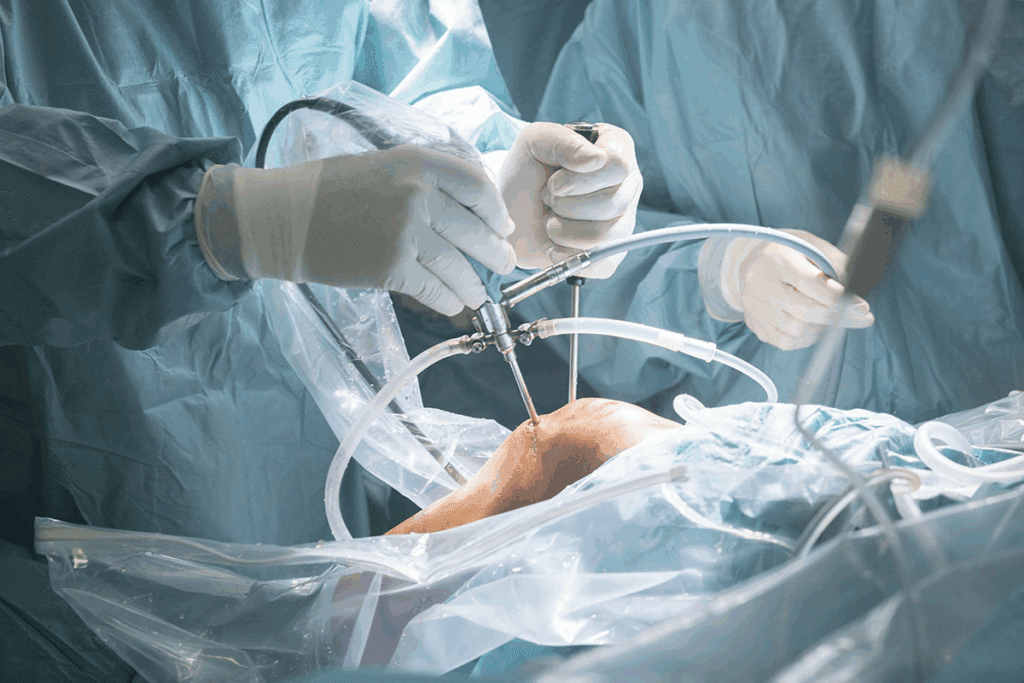
Removing the gallbladder, called cholecystectomy, can sometimes cause a mix of symptoms. These symptoms are known as post cholecystectomy syndrome (PCS). PCS affects many patients after surgery.
Definition and Prevalence Statistics
About 10% to 40% of patients get PCS after cholecystectomy. The wide range comes from different ways to define and diagnose PCS. PCS includes various gastrointestinal symptoms that can start or get worse after gallbladder surgery.
Acute vs. Chronic PCS
PCS can be either acute or chronic. Acute PCS happens soon after surgery. Chronic PCS means symptoms last or come back long after surgery.
Risk Factors for Developing PCS
Several things can make you more likely to get PCS. These include having other GI problems, bile duct stones, and complications during surgery. Knowing these risk factors helps in managing and possibly preventing PCS.
Risk Factor | Description | Impact on PCS Risk |
Pre-existing GI Conditions | Conditions like irritable bowel syndrome or gastroesophageal reflux disease | Increases risk due to existing gastrointestinal distress |
Bile Duct Stones | Presence of stones in the bile duct | Higher risk due to possible biliary obstruction |
Surgical Complications | Complications during or after cholecystectomy | Increases risk due to possible damage to nearby tissues |
What Causes Post Cholecystectomy Syndrome?

Understanding what causes post cholecystectomy syndrome is key to managing it. PCS is when people have symptoms after their gallbladder is removed. It affects many patients.
PCS has many causes. About half of the cases are due to bile problems. The other half is from other issues.
Biliary Causes (50% of Cases)
Biliary causes include problems with the bile ducts and the sphincter of Oddi. Retained gallstones can block the bile ducts and cause pain. Sphincter of Oddi dysfunction happens when the sphincter doesn’t work right, leading to pain and other symptoms.
Biliary sludge, a mix of bile, small stones, and debris, can also lead to PCS symptoms.
Biliary Cause | Description |
Retained Gallstones | Stones or fragments left behind during surgery |
Sphincter of Oddi Dysfunction | Abnormal functioning of the sphincter of Oddi |
Biliary Sludge | Mixture of bile, small stones, and debris |
Non-Biliary Causes (50% of Cases)
Non-biliary causes of PCS include various gastrointestinal issues. Functional gastrointestinal disorders, like irritable bowel syndrome (IBS), can cause PCS-like symptoms. Gastroesophageal reflux disease (GERD) is another cause, where stomach acid goes back up into the esophagus, causing pain.
Other non-biliary causes include dyspepsia and changes in bowel movements. These can happen because of the changes in the body after the gallbladder is removed.
Bile Dumping Syndrome After Gallbladder Surgery
After gallbladder removal, some people face bile dumping syndrome. This is when bile keeps flowing into the digestive system. It happens because the gallbladder, which stores bile, is gone.
How Loss of Gallbladder Reservoir Function Affects Digestion
The gallbladder is key for digestion. It stores and concentrates bile, releasing it after fatty meals. Without it, bile flows all the time into the small intestine, causing problems.
Continuous Bile Flow Complications
Bile flowing all the time can irritate the gut lining and change gut bacteria. This can cause diarrhea, pain, and upset stomach.
Relationship Between Bile Dumping and Gastritis
Bile dumping can lead to gastritis. Bile salts can irritate the stomach lining, causing nausea and vomiting.
Distinguishing Bile Dumping from Other PCS Manifestations
Diagnosing bile dumping syndrome requires knowing the difference from other PCS symptoms. A detailed medical history and tests like endoscopy help make the right diagnosis.
Symptom | Bile Dumping Syndrome | Other PCS Manifestations |
Diarrhea | Common due to continuous bile flow | May occur, but not as frequent |
Abdominal Pain | Often present, typically in the upper abdomen | Can be present, varying in location and severity |
Nausea and Vomiting | Can occur, specially after eating | May occur, but not necessarily related to meals |
It’s important to understand bile dumping syndrome to manage it well. By knowing the symptoms and differences from other PCS symptoms, doctors can help patients feel better.
The 5 Most Common Post Cholecystectomy Syndrome Symptoms
It’s important to know the symptoms of Post Cholecystectomy Syndrome to manage it well. PCS is a set of symptoms that happen after gallbladder surgery. Knowing these symptoms is the first step to feeling better.
1. Right Upper Quadrant Abdominal Pain (72.4% of Patients)
About 72.4% of patients with PCS have pain in the right upper abdomen. This pain can be mild or very severe. It might be similar to the pain before surgery or something new.
2. Nausea and Vomiting (50.7% of Patients)
Nearly 50.7% of PCS patients experience nausea and vomiting. These symptoms can happen when eating, and fatty foods can make them worse. They can affect a patient’s nutrition and overall health.
3. Dyspepsia and Digestive Discomfort (30.5% of Patients)
Indigestion and other digestive issues affect about 30.5% of PCS patients. Symptoms include bloating, gas, and discomfort in the upper abdomen. These often happen after eating.
4. Diarrhea and Bowel Changes
Diarrhea and changes in bowel habits are common in PCS patients. Without a gallbladder, bile flows into the intestine constantly. This can cause diarrhea and change bowel movements.
The following table summarizes the prevalence of these symptoms among PCS patients:
Symptom | Prevalence |
Right Upper Quadrant Abdominal Pain | 72.4% |
Nausea and Vomiting | 50.7% |
Dyspepsia and Digestive Discomfort | 30.5% |
Diarrhea and Bowel Changes | Variable |
It’s key for healthcare providers to recognize these symptoms to diagnose and treat PCS well. By understanding these symptoms, patients can better manage their condition and get the right care.
When PCS Symptoms Typically Appear
Post cholecystectomy syndrome symptoms can start right after surgery or months later. Knowing when symptoms appear helps both patients and doctors. It lets them manage expectations and tackle problems early.
Immediate Post-Surgical Symptoms (First Week)
Some people feel pain, nausea, and stomach issues right after surgery. These early symptoms might not be PCS right away. But they can hint at PCS later on.
Early Onset PCS (1-4 Weeks)
As recovery goes on, PCS symptoms might show up in 1-4 weeks. This time is key as the body gets used to not having a gallbladder. Symptoms can include bowel changes and belly pain.
Delayed Onset Symptoms (1-6 Months)
For others, PCS symptoms might wait until 1-6 months after surgery. This delay can be due to changes in bile flow and digestive adjustments. It’s important to watch for symptoms during this time to catch PCS early.
Chronic PCS Development (Beyond 6 Months)
PCS can sometimes turn into a long-term issue, lasting more than six months. Chronic PCS needs ongoing care and possibly more treatment. A study found that chronic PCS can really affect a person’s life, needing a detailed treatment plan.
“The timing of PCS symptoms can vary, but understanding the typical onset patterns helps in providing appropriate care and support to patients post-surgery.” Expert Opinion
Diagnosing Post Cholecystectomy Syndrome
To diagnose Post Cholecystectomy Syndrome (PCS), doctors need to do a detailed check-up. They use special tests to find out what’s causing the symptoms. This helps them make sure it’s PCS and not something else.
Initial Medical Evaluation Process
The first step is to review the patient’s medical history and do a physical exam. We look at the symptoms, the surgery details, and any problems that happened after the surgery.
Diagnostic Tests and Procedures
To confirm PCS and find its causes, several tests are used. These include:
- Liver function tests to check for bile duct blockage or liver damage.
- Imaging studies like ultrasound, CT scans, or MRI to see the bile ducts and find any issues.
- Endoscopic retrograde cholangiopancreatography (ERCP) to look at the bile and pancreatic ducts.
- Hepatobiliary iminodiacetic acid (HIDA) scan to check bile flow and find any blockages.
Diagnostic Test | Purpose |
Liver Function Tests | Check for liver damage or bile duct blockage |
Ultrasound/CT/MRI | See the bile ducts and find any problems |
ERCP | Look at the bile and pancreatic ducts |
HIDA Scan | Check bile flow and find blockages |
Differentiating PCS from Other Conditions
It’s important to tell PCS apart from other stomach problems. We look at things like irritable bowel syndrome (IBS), gastroesophageal reflux disease (GERD), and functional dyspepsia. We rule them out with our tests.
Medical Treatments for Post Cholecystectomy Syndrome
PCS symptoms can be managed with various treatments. The right treatment depends on the cause, how severe the symptoms are, and the patient’s health.
Medications for Symptom Management
Several medications help manage PCS symptoms. These include:
- Antispasmodics to relieve abdominal cramps and spasms
- Bile acid sequestrants to manage bile salt-related diarrhea
- Proton pump inhibitors (PPIs) to reduce stomach acid and alleviate dyspepsia
- Antidepressants in some cases to help manage chronic pain and discomfort
Medication Type | Primary Use in PCS | Examples |
Antispasmodics | Relieve abdominal cramps | Dicyclomine, Hyoscyamine |
Bile Acid Sequestrants | Manage bile salt-related diarrhea | Cholestyramine, Colestipol |
Proton Pump Inhibitors (PPIs) | Reduce stomach acid | Omeprazole, Lansoprazole |
Endoscopic Interventions
Endoscopic procedures help diagnose and treat PCS causes, like sphincter of Oddi dysfunction.
- Sphincterotomy: A procedure to cut the muscle at the junction of the bile and pancreatic ducts to improve drainage
- Balloon dilation: A technique to widen the sphincter of Oddi
Surgical Options for Severe Cases
For severe PCS symptoms not helped by other treatments, surgery might be needed.
- Sphincteroplasty: A surgical procedure to repair the sphincter of Oddi
- Biliary reconstruction: Surgery to correct any abnormalities in the bile ducts
We work closely with patients to find the best treatment plan. We consider their unique symptoms and medical history.
Dietary Modifications to Relieve PCS Symptoms
Making smart food choices is key to easing Post Cholecystectomy Syndrome (PCS) symptoms. Knowing which foods to skip and how to eat can greatly lessen discomfort.
Foods to Avoid with Bile Dumping Syndrome
Some foods can make bile dumping syndrome worse, a common PCS issue. High-fat foods are a big problem because they make the liver dump bile into the small intestine. It’s best to cut down on fried foods, fatty meats, and thick sauces.
Low-Fat Diet Implementation
Switching to a low-fat diet can ease PCS symptoms. Opt for lean proteins, veggies, and fruits, and cut down on fatty foods. This helps ease the digestive system’s workload and lessens bile dumping symptoms.
Fiber Considerations and Meal Timing
Along with a low-fat diet, the right amount of fiber and meal timing are also important. Fiber slows digestion and eases bile dumping. Eating smaller, more frequent meals also helps by not overloading the digestive system.
Lifestyle Changes and Natural Relief Options
Changing your lifestyle and trying natural ways can help with PCS. These changes can ease symptoms and improve your overall health.
Stress Management Techniques
Stress can make PCS symptoms worse. Meditation, deep breathing, and yoga can help. Doing these regularly can improve how you feel.
Physical Activity Recommendations
Walking or swimming is good for PCS patients. These activities keep you active without hurting your body too much.
Complementary Therapies
Some people find relief with acupuncture or herbal supplements. But, always talk to a doctor before trying new therapies to make sure they’re safe and work well.
Lifestyle Change | Benefit |
Stress Management | Reduces symptom severity |
Physical Activity | Improves overall well-being |
Complementary Therapies | Offers additional relief options |
When to Seek Emergency Medical Care
Most people get better after gallbladder surgery. But, some might face complications that need quick medical help. Post Cholecystectomy Syndrome (PCS) can show up in different ways. It’s key to know the difference between normal recovery and serious problems.
Warning Signs of Serious Complications
Some symptoms mean you need to go to the emergency room right away. These include:
- Severe abdominal pain that doesn’t subside
- Jaundice (yellowing of the skin or eyes)
- High fever or chills
- Vomiting blood or black tarry stools
- Difficulty breathing
If you see any of these signs, act fast. Knowing these warning signs is important for quick medical help.
Differentiating Normal Recovery from Emergencies
Telling normal post-surgery pain from serious problems can be hard. Normal recovery symptoms are usually mild and get better slowly. But, complications show up with severe or getting worse symptoms.
Normal Recovery Symptoms | Potential Complications |
Mild abdominal discomfort | Severe, persistent abdominal pain |
Gradual improvement in symptoms | Worsening symptoms over time |
Minimal pain medication required | Increasing need for pain medication |
What to Tell Your Healthcare Provider
When you see a doctor, tell them everything. This includes:
- A clear description of your symptoms, including when they started and their severity
- Any medications you’re currently taking
- Previous medical conditions or surgeries
- Recent travel or exposure to infectious agents
Having this info ready helps your doctor figure out what’s wrong and how to fix it.
Conclusion: Living Well After Gallbladder Surgery
Managing Post Cholecystectomy Syndrome (PCS) symptoms is key to a better life after gallbladder surgery. Knowing the causes, symptoms, diagnosis, and treatments helps patients make smart choices. It also helps them find ways to live well with PCS.
A good plan for PCS management includes medical care, diet changes, and lifestyle adjustments. Eating less fat, managing stress, and staying active can help. Also, getting medical help quickly is important for a smooth recovery.
With the right care, many people can enjoy an active life after surgery. It’s important for patients to work with their doctors. Together, they can create a care plan that meets each person’s needs.
FAQ
What is Post Cholecystectomy Syndrome (PCS)?
PCS is a set of symptoms in the stomach area that can happen after gallbladder surgery. These symptoms can really affect how well a person lives.
How common is Post Cholecystectomy Syndrome?
PCS is quite common, affecting many people who have had their gallbladder removed. It’s thought that up to 40% of these patients might deal with PCS symptoms.
What are the most common symptoms of PCS?
Symptoms include pain in the right upper stomach, nausea, vomiting, and stomach discomfort. Diarrhea and changes in bowel habits are also common. These symptoms can be quite severe and affect daily life.
What causes Post Cholecystectomy Syndrome?
PCS can be caused by several things. Biliary causes include leftover gallstones and problems with the Oddi sphincter. Non-biliary causes include stomach issues and acid reflux.
What is bile dumping syndrome, and how is it related to PCS?
Bile dumping syndrome happens when bile goes straight into the small intestine without the gallbladder’s help. This can cause stomach problems and is a big issue for PCS patients.
How is Post Cholecystectomy Syndrome diagnosed?
Doctors first check you out, then use tests to figure out if you have PCS. They need to make sure it’s not something else causing your symptoms.
What are the treatment options for PCS?
Doctors might use medicines, endoscopy, or surgery for PCS. Changing your diet and lifestyle is also key in managing PCS symptoms.
What dietary changes can help relieve PCS symptoms?
Eating foods that don’t make bile dumping worse, eating less fat, and getting enough fiber can help. Also, controlling how much you eat and when can be beneficial.
Are there any lifestyle changes that can help alleviate PCS symptoms?
Yes, managing stress, staying active, and trying other therapies can help. Making these changes can really improve life for PCS patients.
When should I seek emergency medical care for PCS symptoms?
If you have really bad stomach pain, vomit blood, or feel very dehydrated, get help right away. It’s important to know when your symptoms are serious.
Can PCS symptoms be managed effectively?
Yes, with the right treatment, lifestyle changes, and medical care, many people can manage PCS symptoms well. This can greatly improve their life quality.
References
National Center for Biotechnology Information. Evidence-Based Medical Guidance. Retrieved from https://pmc.ncbi.nlm.nih.gov/articles/PMC5845611/



 Departments
 Related Videos
 Our Doctors
 News
News