
Major structural or genetic congenital anomalies affect about 3% of live births. They are also responsible for 20% of infant deaths, as the CDC reports. This shows how important it is to know what causes birth defects.
Congenital abnormalities come from both genetic and environmental factors. This article will explain the main causes and risk factors. It aims to help expectant parents and healthcare professionals understand and lower these risks.
Key Takeaways
- Congenital anomalies affect a significant percentage of live births.
- Understanding the causes of birth defects is key to prevention.
- Genetic and environmental factors increase the risk of congenital abnormalities.
- Knowing the risk factors can help prevent birth defects.
- Expectant parents and healthcare professionals can team up to lower congenital anomaly rates.
Understanding Birth Defects
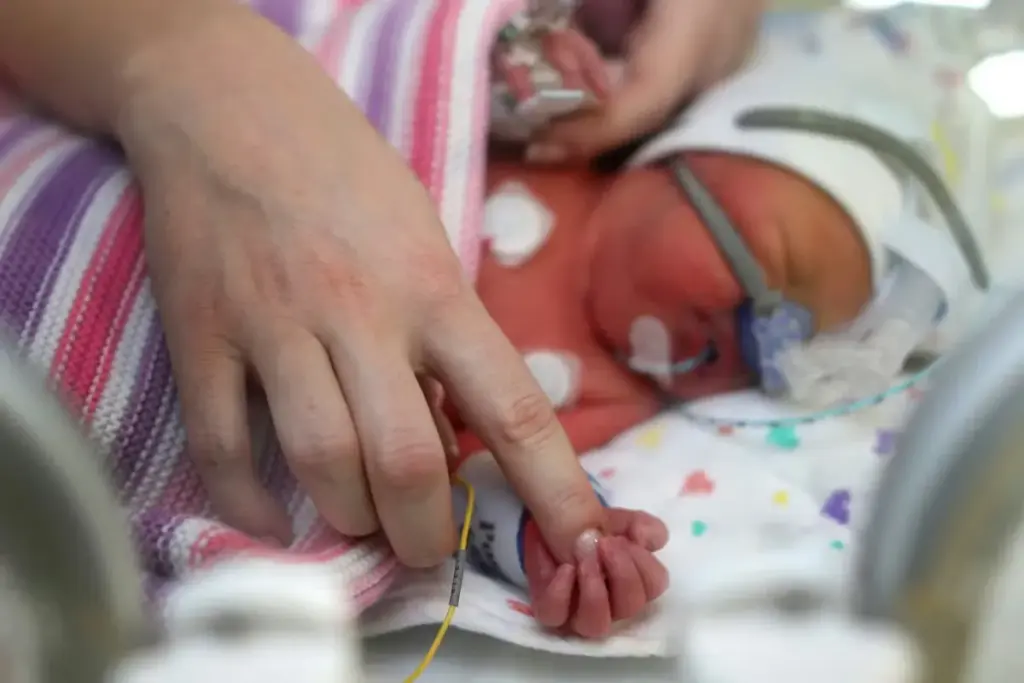
Birth defects, or congenital malformations, are abnormalities in babies during pregnancy. They can be structural, functional, or metabolic. These issues are often caused by genetics or the environment.
Definition and Classification
Birth defects are divided into major and minor types. Major defects have big medical, social, or cosmetic effects. Minor defects are less severe and might not need treatment.
Prevalence and Statistics
Birth defects are a big health issue worldwide. The World Health Organization (WHO) says about 1 in 33 infants has a birth defect globally. The rate varies by region, influenced by prenatal care and genetics.
|
Region |
Prevalence of Birth Defects |
|---|---|
|
Global |
1 in 33 |
|
High-income countries |
1 in 25 |
|
Low- and middle-income countries |
1 in 44 |
These numbers highlight the need for more research and prevention. Knowing about birth defects helps healthcare and families. It helps them deal with these issues and improve outcomes for kids.
Genetic Factors: The Primary Cause of Birth Defects

Understanding the genetic causes of birth defects is key to better prevention and treatment. Genetic factors play a big role in congenital disorders, affecting newborn health.
Genetic factors include chromosomal abnormalities and single gene mutations. These can cause various birth defects. These defects can range from mild to severe and affect many organs.
Chromosomal Abnormalities
Chromosomal abnormalities happen when there’s a change in chromosome number or structure. This can lead to conditions like Down syndrome and Turner syndrome. These issues are a major cause of birth defects and can greatly impact a person’s life.
Common Chromosomal Abnormalities:
- Down syndrome (Trisomy 21)
- Turner syndrome (45,X)
- Klinefelter syndrome (47,XXY)
- Trisomy 13 and Trisomy 18
Single Gene Mutations
Single gene mutations are changes in a single gene’s DNA sequence. These can cause conditions like cystic fibrosis and sickle cell disease. These disorders can be passed down in different ways.
Examples of Single Gene Disorders:
- Cystic fibrosis
- Sickle cell disease
- Thalassemia
- Huntington’s disease
Genetic Testing Options
Genetic testing can find chromosomal abnormalities and single gene mutations. These tests can be done during pregnancy or after birth. They give important information to families and healthcare providers.
This allows for better prenatal care and informed decisions.
“Genetic testing has revolutionized prenatal diagnosis, enabling healthcare providers to detect genetic disorders early in pregnancy.” –
Genetic testing options include:
|
Test Type |
Description |
Timing |
|---|---|---|
|
Non-invasive prenatal testing (NIPT) |
Analyzes cell-free DNA in maternal blood |
10+ weeks gestation |
|
Chorionic villus sampling (CVS) |
Examines placental tissue for genetic abnormalities |
10-12 weeks gestation |
|
Amniocentesis |
Analyzes amniotic fluid for genetic conditions |
15-20 weeks gestation |
The Birth Process and Congenital Anomalies
It’s important to know about the birth process and its risks. The birth process is natural but can sometimes have unexpected problems. These problems can affect a newborn’s health.
Complications During Delivery
Numerous factors can contribute to complications during delivery. These include maternal health issues, fetal distress, or difficulties during labor. These issues can lead to various outcomes, from small problems to serious congenital anomalies. For example, a study showed that delivery complications can raise the risk of birth injuries. These injuries can cause long-term health problems.
“The World Health Organization estimates that approximately 7 million births worldwide are affected by congenital anomalies annually.”
Good prenatal care and monitoring can spot problems early. This allows for quick actions to lower risks.
Birth Trauma and Related Defects
Birth trauma is injuries a newborn gets during birth. These injuries can be minor or serious. In some cases, they can cause congenital anomalies or long-term health issues. Birth trauma often comes from mechanical forces during delivery, like too much forceps use or hard labor.
The link between birth trauma and congenital anomalies is complex. Research is ongoing to understand how birth trauma might cause or worsen congenital conditions.
- Mechanical forces during delivery can cause physical injuries.
- Birth trauma may lead to complications that affect the newborn’s health.
- Proper obstetric care can minimize the risk of birth trauma.
Healthcare providers can manage the birth process better. This can help lower the risk of congenital anomalies by understanding delivery complications and birth trauma.
Maternal Infections and Their Impact
Infections during pregnancy can harm the developing fetus, leading to birth defects. These infections are a big worry for public health because of their impact on babies.
TORCH infections are a group of pathogens that can harm a fetus if the mother gets infected. TORCH stands for Toxoplasmosis, Other (like Syphilis and Varicella-Zoster), Rubella, Cytomegalovirus (CMV), and Herpes Simplex Virus.
TORCH Infections
TORCH infections can cause serious problems in newborns. Cytomegalovirus (CMV) is a common cause of congenital infections. It can lead to hearing loss, developmental delays, and vision problems.
|
TORCH Infection |
Potential Effects on the Newborn |
|---|---|
|
Toxoplasmosis |
Eye and brain damage, developmental delays |
|
Rubella |
Heart defects, hearing and vision loss, developmental issues |
|
Cytomegalovirus (CMV) |
Hearing loss, developmental delays, vision impairment |
|
Herpes Simplex Virus |
Skin, eye, and mouth lesions, potentially severe neurological damage |
Other Infectious Agents
Other pathogens can also affect fetal development. For example, Listeria monocytogenes can cause listeriosis. This can lead to miscarriage, birth defects, or severe illness in newborns.
Parasitic infections like malaria can also harm pregnancy. They can cause low birth weight and early birth.
It’s important to know about the risks of maternal infections. Pregnant women should take steps to avoid infections. This can help prevent harm to their babies.
Chronic Maternal Health Conditions
Chronic health conditions in expectant mothers can raise the risk of birth defects and pregnancy complications. These conditions include a wide range of disorders that can affect pregnancy outcomes. It’s important for expectant mothers to manage their health well.
Diabetes and Gestational Diabetes
Diabetes, including gestational diabetes, can complicate pregnancy. High blood sugar levels can lead to various complications. This includes increased risk of birth defects like heart defects and neural tube defects. Managing diabetes through diet, exercise, and medication is vital to minimize risks.
Gestational diabetes, which develops during pregnancy, also needs careful management. Monitoring blood glucose levels and adopting a healthy lifestyle can help control gestational diabetes. This reduces the risk of complications.
Hypertension and Preeclampsia
Hypertension, or high blood pressure, can impact pregnancy. It increases the risk of preeclampsia, a condition with high blood pressure and protein in the urine. Preeclampsia can lead to premature birth and low birth weight, among other complications.
Managing hypertension involves lifestyle changes and, in some cases, medication. Regular prenatal care is essential for monitoring blood pressure and detecting any issues early.
Autoimmune Disorders
Autoimmune disorders, where the body attacks its own tissues, can affect pregnancy. Conditions like lupus or rheumatoid arthritis need careful management during pregnancy. This is to minimize risks to both mother and baby.
Women with autoimmune disorders should work closely with their healthcare providers during pregnancy. This may involve adjusting medications and closely monitoring the health of both mother and fetus.
In conclusion, chronic maternal health conditions like diabetes, hypertension, and autoimmune disorders are critical in pregnancy outcomes. Effective management of these conditions is key to reducing the risk of birth defects and ensuring a healthy pregnancy.
Teratogenic Medications and Substances
Certain medications and substances can harm a developing fetus during pregnancy. These can cause a range of birth defects, from mild to severe. It’s important for pregnant women to know about these risks.
Prescription Medications with Known Risks
Some prescription drugs can harm a fetus. For example, some anticonvulsants and isotretinoin for acne can increase the risk of birth defects. Women who are pregnant or planning to get pregnant should talk to their doctor about these risks.
Examples of teratogenic prescription medications include:
- Isotretinoin (for acne)
- Certain anticonvulsants (e.g., valproate)
- Lithium (for bipolar disorder)
Alcohol and Fetal Alcohol Spectrum Disorders
Drinking alcohol during pregnancy can cause Fetal Alcohol Spectrum Disorders (FASD). FASD includes physical, behavioral, and cognitive problems. There is no safe amount of alcohol during pregnancy, so avoiding it is best.
The effects of FASD can vary widely but may include:
- Growth deficiencies
- Facial abnormalities
- Neurodevelopmental disorders
Tobacco, Cannabis, and Other Drugs
Using tobacco, cannabis, or other drugs during pregnancy can harm a baby. Tobacco use can lead to low birth weight and SIDS. Cannabis use may cause lower birth weight, and its long-term effects are being studied.
|
Substance |
Potential Risks |
|---|---|
|
Tobacco |
Low birth weight, SIDS |
|
Cannabis |
Lower birth weight, possible neurodevelopmental effects |
|
Illicit drugs (e.g., cocaine, heroin) |
Preterm labor, neonatal abstinence syndrome |
Pregnant women should know about the risks of teratogenic medications and substances. This knowledge helps them make informed health choices for themselves and their fetus. Talking to healthcare providers and avoiding harmful substances are key steps to prevent birth defects.
Environmental Exposures During Pregnancy
Some environmental elements can increase the risk of birth defects during pregnancy. These can include chemicals, radiation, and pollutants. It’s important for expectant mothers to know about these risks to protect their health and their baby’s.
Chemical and Industrial Exposures
Chemicals and industrial exposures are big concerns for pregnant women. Industrial chemicals like pesticides and solvents can be harmful if breathed in or swallowed. Women working in or near industrial areas might face higher risks.
For example, some pesticides have been linked to neural tube defects and heart defects in babies.
- Pesticides: Exposure has been linked to various birth defects.
- Solvents: Commonly used in industrial settings, solvents can be harmful if inhaled.
- Industrial pollutants: Air and water pollution from industrial activities can affect pregnant women.
Radiation Exposure
Radiation exposure can also impact fetal development. Ionizing radiation is a particular concern, as it can increase the risk of birth defects and developmental issues. Pregnant women should avoid unnecessary radiation, like X-rays or other medical imaging, unless it’s really needed.
- Avoid unnecessary medical imaging that involves radiation.
- Follow safety guidelines if working with radiation sources.
- Limit exposure to cosmic radiation during air travel.
Heavy Metals and Pollutants
Heavy metals and pollutants are common environmental contaminants that can affect pregnancy. Lead and mercury are very harmful because they can pass through the placenta and affect the fetus. Pregnant women should be careful about eating fish high in mercury and avoid lead-based paints or contaminated soil.
|
Heavy Metal |
Sources |
Precautions |
|---|---|---|
|
Lead |
Old paint, contaminated soil |
Avoid lead-based paint, contaminated areas |
|
Mercury |
Certain fish, industrial waste |
Limit consumption of high-mercury fish |
By understanding the risks of environmental exposures, pregnant women can take steps to reduce their exposure and lower the risk of birth defects. This includes being aware of their surroundings, following safety guidelines, and making informed choices about their health.
Nutritional Factors and Deficiencies
Nutritional deficiencies, like folic acid deficiency, are a big cause of birth defects.
Eating a balanced diet full of essential nutrients is key for a healthy fetus. Knowing about these nutrients helps pregnant women make good food choices.
Folic Acid Deficiency and Neural Tube Defects
Folic acid is very important during pregnancy, even in the early stages. Not having enough folic acid can cause neural tube defects (NTDs). These include spina bifida and anencephaly.
NTDs happen when the neural tube, which forms the brain and spinal cord, doesn’t close right. Studies show that enough folic acid before and during pregnancy can lower NTD risks. The CDC says all women should take 400 micrograms of folic acid every day to prevent NTDs.
Other Critical Nutrients for Fetal Development
Other nutrients are also key for the baby’s growth. These include:
- Iron: it helps make red blood cells and prevent anemia.
- Calcium: it’s needed for the baby’s bones, teeth, and muscles.
- Protein: it’s vital for the growth of fetal tissues.
- Omega-3 fatty acids: they help with brain and eye development.
Getting enough of these nutrients through food or supplements can prevent many birth defects. It also supports the baby’s overall growth.
Multifactorial Causes of Birth Defects
Birth defects come from many factors, including genes and the environment. Often, it’s a mix of both that causes a defect. This makes it hard to pinpoint a single reason.
Gene-Environment Interactions
Genes and the environment work together in birth defects. Genetic susceptibility can make someone more likely to be affected by certain things. For example, some genes might not handle toxins well, raising the risk of defects when exposed.
Environmental factors like what the mother eats and her lifestyle also play a part. The mix of genes and environment shows how complex birth defects can be.
Complex Inheritance Patterns
Birth defects often have complex inheritance patterns. Unlike simple genetic disorders, they involve many genes and the environment. This makes it tough to predict risks or find specific causes.
Understanding these patterns is key for better genetic counseling and prevention. Scientists are studying the genetic and environmental factors to better understand and prevent birth defects.
By understanding the many causes of birth defects, healthcare can offer better support to families. This includes recognizing the role of genes and environment.
Prevention Strategies to Reduce Birth Defect Risks
To prevent birth defects, we need a plan that includes preconception planning, prenatal care, and lifestyle changes. Knowing and using these steps can greatly lower the chance of birth defects in babies.
Preconception Planning
Getting ready for pregnancy is key. It means eating well, staying active, and avoiding bad stuff. Nutritional counseling helps fix any diet problems, like not enough folic acid, which can cause neural tube defects.
It’s also important to check your health history and manage any ongoing health issues. This includes things like diabetes or high blood pressure. Genetic counseling is a good idea if there’s a family history of genetic problems.
Prenatal Care and Screening
Prenatal care is vital for keeping mom and baby healthy. Regular visits help catch any problems early, like birth defects. Prenatal screening tests, like ultrasounds and blood tests, give important info about the baby’s health.
It also teaches about making healthy choices during pregnancy. This includes what to eat, how to stay active, and avoiding harmful things like alcohol and tobacco.
Lifestyle Modifications
Healthy choices are important to prevent birth defects. This means staying away from harmful substances and eating well. A good diet is full of nutrients that help the baby grow right.
|
Lifestyle Modification |
Benefit |
|---|---|
|
Avoiding alcohol and tobacco |
Reduces risk of fetal alcohol spectrum disorders and other birth defects |
|
Maintaining a healthy diet |
Ensures adequate nutrition for fetal development |
|
Regular exercise |
Promotes overall health and well-being |
By following these steps, parents-to-be can greatly lower the risk of birth defects. This helps ensure a healthy pregnancy.
Conclusion
It’s important to know what causes birth defects to prevent them. Many things can increase the risk, like genes, infections, health problems, harmful substances, and environmental factors.
Prevention is key. Things like planning before pregnancy, getting prenatal care, and making healthy lifestyle choices can help. These steps can lower the risk of birth defects.
Knowing about birth defects and how to prevent them is essential. Healthcare providers and expectant mothers need to work together. This way, they can spot risks and take steps to prevent birth defects. This helps ensure healthier babies.
FAQ
What are birth defects, and how are they defined?
Birth defects are structural or functional issues that happen during fetal development. They often occur before birth. These can be due to genetics, environment, or a mix of both.
What is the prevalence of birth defects, and how common are they?
In the United States, birth defects affect about 1 in 33 births. This means around 120,000 babies are born with them each year. Worldwide, it’s estimated that 6% of births are affected by birth defects.
What are the major causes of birth defects?
Birth defects can be caused by many things. Genetics, like chromosomal issues and single gene mutations, play a big role. Environmental factors, like infections and certain substances, also contribute.
How do genetic factors contribute to birth defects?
Genetics, including chromosomal problems and single gene mutations, are big contributors to birth defects. There are genetic tests that can help identify risks for parents-to-be.
Can maternal infections cause birth defects?
Yes, some infections in the mother, like TORCH infections, can lead to birth defects. Zika virus is another example of an infectious agent that can cause congenital anomalies.
How do chronic maternal health conditions affect birth defect risks?
Conditions like diabetes and hypertension in the mother can raise the risk of birth defects. Managing these conditions well during pregnancy is key to reducing risks.
What are some common teratogenic substances that can cause birth defects?
Substances like certain medications, alcohol, tobacco, and cannabis can cause birth defects. Pregnant women should avoid these to lower the risk.
How can environmental exposures during pregnancy contribute to birth defects?
Exposure to chemicals, radiation, and heavy metals can increase the risk of birth defects. Pregnant women should try to avoid these hazards.
What is the role of nutrition in preventing birth defects?
Good nutrition, like taking folic acid, can help prevent birth defects. A balanced diet and prenatal care are important for a healthy pregnancy.
Can lifestyle modifications help prevent birth defects?
Yes, making healthy choices, like eating well and avoiding harmful substances, can help prevent birth defects. Planning before pregnancy and getting prenatal care are also key.
Reference
Centers for Disease Control and Prevention. Evidence-Based Medical Insight. Retrieved from https://www.cdc.gov/birth-defects/data-research/facts-stats/index.html[2



 Departments
 Related Videos
 Our Doctors
 News
News