Understanding hematologic cancers is key. New treatments are changing survival rates globally. At LivHospital, we focus on you, using the latest research to help.
There are many hematologic cancers, like leukemia, lymphoma, and myeloma. The SEER database shows about 1.7 million people in the U.S. are fighting these diseases.
We aim to give you all the info on cancers of blood. We share the newest findings and important facts. Our goal is to help people from around the world with the latest medical care.
Key Takeaways
- Hematologic cancers include leukemia, lymphoma, and myeloma.
- Approximately 1.7 million people in the U.S. are living with or in remission from these conditions.
- Advances in treatment and care are improving survival rates worldwide.
- LivHospital provides a patient-centered, evidence-based approach to addressing hematologic cancers.
- Our team is committed to delivering comprehensive guidance and support.
What Are Hematologic Cancers?
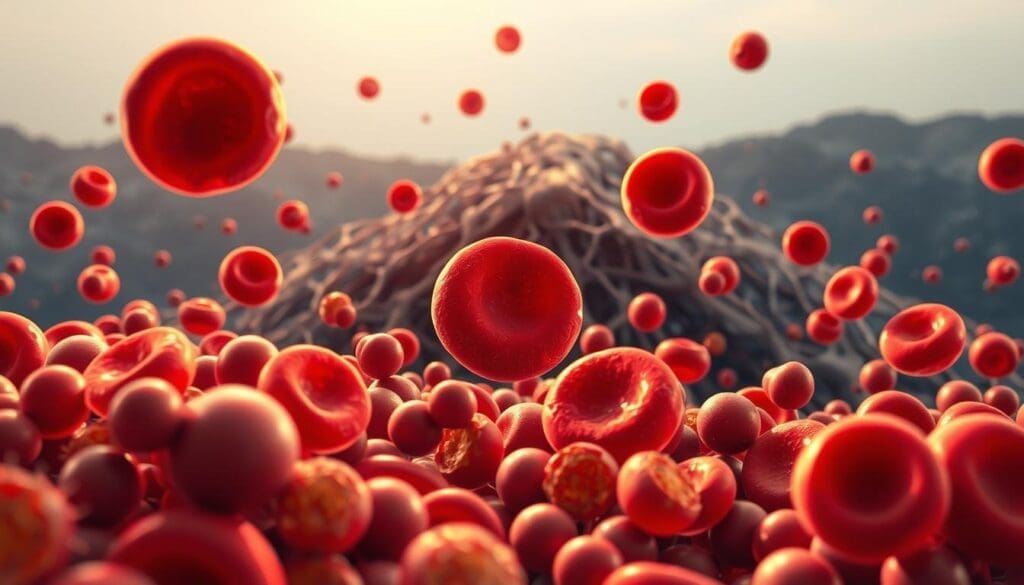
Hematologic cancers are complex diseases that affect the blood, bone marrow, and lymphatic system. They disrupt normal blood cell production and function. This leads to various health problems. It’s important to understand these cancers to diagnose and treat them effectively.
Origin and Development in Blood-Forming Tissues
Hematologic cancers start in the body’s blood-forming tissues, mainly in the bone marrow and lymphatic system. Leukemia, lymphoma, and myeloma are the main types, each with its own effects. These cancers happen when there are DNA mutations in blood cells, causing uncontrolled growth.
Genetic and environmental factors play a role in developing these cancers. Exposure to certain chemicals or radiation can increase risk. Genetic predispositions also play a part.
How Normal Blood Cell Production Is Disrupted
Normal blood cell production is a complex process in the bone marrow. Hematologic cancers disrupt this by producing abnormal cells. This crowds out healthy cells, impairing normal blood cell production.
This disruption can cause anemia, infections, and bleeding disorders. Abnormal cells can also spread to other organs, making the disease worse. For example, lymphoma can affect lymph nodes and spleen, while leukemia can harm the bone marrow’s ability to produce healthy blood cells.
Impact on the Body’s Immune System
Hematologic cancers weaken the immune system, making it hard to fight infections. The abnormal cells can suppress the immune system. Treatments like chemotherapy can also weaken the immune system, requiring careful management.
The immune system’s response to these cancers involves complex interactions. Understanding these interactions is key to developing effective treatments that target the cancer without harming the immune system.
Key aspects of hematologic cancers include:
- Origin in blood-forming tissues
- Disruption of normal blood cell production
- Impact on the immune system
- Variety of cancer types, including leukemia, lymphoma, and myeloma
Understanding these aspects helps healthcare providers create effective treatment plans. These plans address the unique challenges of hematologic cancers.
The Three Main Types of Blood and Bone Cancer
Blood and bone cancers are complex diseases. They come in three main types: leukemia, lymphoma, and myeloma. These cancers affect the blood, bone marrow, and lymphatic system. They make it hard for the body to produce healthy blood cells and fight infections.
According to the SEER database, leukemia, lymphoma, and myeloma are the most common blood cancers. Each has its own characteristics and treatment options.
Leukemia: Cancer of Blood-Forming Tissues
Leukemia is a cancer that affects the blood-forming tissues. This includes bone marrow and the lymphatic system. It happens when the bone marrow makes abnormal white blood cells. These cells crowd out healthy cells, making it hard for the body to fight infections.
Key characteristics of leukemia include:
- Abnormal white blood cell production
- Infiltration of cancer cells into the bloodstream
- Impact on the body’s immune system
Lymphoma: Cancer of the Lymphatic System
Lymphoma is a cancer that starts in the lymph system, part of the immune system. There are two main types: Hodgkin lymphoma and non-Hodgkin lymphoma. Each has different subtypes and treatment options.
Lymphoma can cause symptoms such as swollen lymph nodes, fever, and fatigue.
Myeloma: Cancer of Plasma Cells
Myeloma, also known as multiple myeloma, is a cancer of plasma cells. Plasma cells help fight infections by making antibodies. These antibodies recognize and attack germs.
Myeloma can lead to complications such as:
- Bone damage and fractures
- Anemia and low blood cell counts
- Increased risk of infections
Knowing the differences between leukemia, lymphoma, and myeloma is key. It helps in developing effective treatment plans and improving patient outcomes.
Leukemia: Understanding Cancer of the Blood Cells
Leukemia is a blood cancer that affects the bone marrow and lymphatic system. It comes in different forms, like acute and chronic, each affecting different blood cells.
Acute Lymphocytic Leukemia (ALL)
Acute Lymphocytic Leukemia (ALL) is a fast-growing cancer. It affects the lymphoid cells in the bone marrow. These cells are immature and can’t fight infections well.
- Symptoms: Fatigue, pale skin, recurring infections, and easy bruising.
- Treatment: Chemotherapy, targeted therapy, and sometimes bone marrow transplantation.
Chronic Lymphocytic Leukemia (CLL)
Chronic Lymphocytic Leukemia (CLL) grows slower. It affects the lymphoid cells and is more common in older adults. It’s marked by the buildup of mature lymphocytes in the blood and bone marrow.
- Symptoms: Often asymptomatic in early stages, but can include fatigue, weight loss, and swollen lymph nodes.
- Treatment: Watchful waiting, chemotherapy, targeted therapy, and immunotherapy.
Acute Myeloid Leukemia (AML)
Acute Myeloid Leukemia (AML) is a fast-growing cancer. It affects the myeloid cells, which make red blood cells, platelets, and most white blood cells. AML is marked by the buildup of immature myeloid cells in the bone marrow.
- Symptoms: Fatigue, shortness of breath, easy bruising, and frequent infections.
- Treatment: Chemotherapy, targeted therapy, and sometimes bone marrow transplantation.
Chronic Myeloid Leukemia (CML)
Chronic Myeloid Leukemia (CML) grows slowly. It affects the myeloid cells and is marked by the overproduction of mature granulocytes in the bone marrow.
- Symptoms: Often asymptomatic in early stages, but can include fatigue, weight loss, and an enlarged spleen.
- Treatment: Targeted therapy, like tyrosine kinase inhibitors, is the main treatment.
Each type of leukemia needs a specific treatment plan. Understanding these differences is key to effective management and care.
Lymphoma: Hodgkin and Non-Hodgkin Variants
Lymphoma is a group of cancers that affect the lymphatic system. This system is key for our immune response. When lymphoma strikes, it can weaken our body’s ability to fight off infections.
Hodgkin Lymphoma Characteristics and Subtypes
Hodgkin lymphoma is known for its Reed-Sternberg cells. These abnormal lymphocytes are seen under a microscope. It’s a rare type of lymphoma that spreads in a certain order from one lymph node group to the next.
Subtypes of Hodgkin Lymphoma:
- Nodular sclerosis Hodgkin lymphoma
- Mixed cellularity Hodgkin lymphoma
- Lymphocyte-depleted Hodgkin lymphoma
- Lymphocyte-rich classical Hodgkin lymphoma
Non-Hodgkin Lymphoma Classifications
Non-Hodgkin lymphoma (NHL) is a different group of cancers. It can start from B cells or T cells. The type of NHL is based on the cell type and how mature it is.
Common Types of Non-Hodgkin Lymphoma:
- Diffuse large B-cell lymphoma
- Follicular lymphoma
- Mantle cell lymphoma
- Burkitt lymphoma
Lymphoma Staging and What It Means
Staging lymphoma is key for knowing how far the disease has spread. It helps doctors decide on the best treatment. The Ann Arbor Staging System is the most common system used.
| Stage | Description |
| I | Lymphoma is limited to one lymph node group. |
| II | Lymphoma is in two or more lymph node groups on the same side of the diaphragm. |
| III | Lymphoma is in lymph node groups on both sides of the diaphragm. |
| IV | Lymphoma has spread widely through one or more organs that are not part of a lymphatic area. |
Knowing the stage of lymphoma helps doctors plan the best treatment. It also gives patients important information about their chances of recovery.
Multiple Myeloma and Related Plasma Cell Disorders
We will look into multiple myeloma, a blood cancer that affects plasma cells in the bone marrow. It’s a complex issue that messes with blood cell production, causing many problems.
How Multiple Myeloma Affects Bone Marrow
Multiple myeloma cancer cells fill the bone marrow, pushing out healthy cells. This makes it hard to make normal blood cells. Patients might get anemia, infections, and bleeding issues.
The impact on bone marrow can be significant, leading to:
- Reduced production of normal plasma cells, affecting antibody production
- Increased risk of infections due to weakened immune system
- Anemia and fatigue resulting from decreased red blood cell production
CRAB Symptoms (Calcium, Renal, Anemia, Bone)
Multiple myeloma often shows symptoms known as CRAB. This stands for Calcium elevation, Renal insufficiency, Anemia, and Bone lesions. These signs show how the disease is growing and affecting the body.
| CRAB Symptom | Description |
| Calcium Elevation | High levels of calcium in the blood, potentially leading to confusion, weakness, and kidney damage |
| Renal Insufficiency | Reduced kidney function, which can progress to kidney failure if not managed properly |
| Anemia | Low red blood cell count, causing fatigue, weakness, and shortness of breath |
| Bone Lesions | Bone damage, resulting in pain and increased risk of fractures |
“The CRAB criteria are not only a diagnostic tool but also a prognostic indicator, helping clinicians understand the severity of multiple myeloma and tailor treatment.”
Stages and Progression Patterns
Multiple myeloma is staged based on blood tests like beta-2 microglobulin and albumin levels. Knowing the stage and how it’s progressing helps doctors predict the outcome and plan treatment.
The Revised International Staging System (RISS) is often used. It includes genetic info and other factors to classify the disease into three stages. This helps doctors understand how aggressive the disease is and choose the best treatment.
Rare Blood Cancers and Unusual Presentations
There are rare blood cancers that need our focus. These uncommon cancers can be hard to diagnose and need special treatments. We’ll look at hairy cell leukemia and blastic plasmacytoid dendritic cell neoplasm, and other rare red blood cell disorders.
Hairy Cell Leukemia and Its Characteristics
Hairy cell leukemia is a rare cancer of the blood. It happens when the bone marrow makes too many B cells. This leads to fewer healthy blood cells.
Symptoms include feeling tired, getting infections easily, and having an enlarged spleen. The cancer is named for the ‘hairy cells’ found in the bone marrow and blood.
Key features of hairy cell leukemia include:
- Presence of hairy cells in bone marrow and blood
- Splenomegaly (enlarged spleen)
- Pancytopenia (low counts of blood cells)
- Increased risk of infections
Blastic Plasmacytoid Dendritic Cell Neoplasm
Blastic plasmacytoid dendritic cell neoplasm (BPDCN) is a rare and aggressive blood cancer. It starts from plasmacytoid dendritic cells. It often shows up with skin lesions and then affects the bone marrow and blood.
Characteristics of BPDCN include:
- Aggressive clinical course
- Skin involvement at presentation
- Rapid progression to leukemia
- Poor prognosis without intensive treatment
Disorders Affecting Red Blood Cells
Some rare disorders affect red blood cells, not just white blood cells. Conditions like polycythemia vera cause the bone marrow to make too many red blood cells. It’s important to understand these disorders for proper diagnosis and treatment.
Blood Cancer Survival Rates and Prognosis Factors
Knowing about blood cancer survival rates is key for patients and their families. It helps them understand their diagnosis and treatment options. We will look at the latest survival stats and what affects prognosis.
Current Five-Year Survival Statistics by Cancer Type
The five-year survival rate for all blood cancers has gotten better over time. The latest numbers show that leukemia’s five-year survival rate is about 70 percent. But, survival rates differ a lot based on the blood cancer type.
For example, acute lymphocytic leukemia (ALL) has a better survival rate in kids than in adults. On the other hand, chronic lymphocytic leukemia (CLL) usually has a better outlook, with a higher five-year survival rate than other leukemias.
“The prognosis for patients with blood cancer has improved significantly over the years, thanks to advancements in treatment options and a better understanding of the disease.”
Expert Opinion
Patient Factors Affecting Prognosis
Several things about the patient can change their blood cancer prognosis. These include:
- Age at diagnosis
- Overall health and presence of comorbidities
- Response to initial treatment
- Genetic characteristics of the cancer
Younger patients and those in better health usually have a better chance of survival. Also, those who respond well to treatment often do better.
Disease Characteristics Impacting Outcomes
The disease itself also greatly affects the prognosis. These include:
- The specific type of blood cancer
- The stage of the disease at diagnosis
- Genetic mutations or abnormalities
Certain genetic changes can impact how the cancer reacts to treatment. Knowing these disease traits helps doctors create personalized treatment plans.
By looking at both patient and disease factors, we can better predict outcomes. This helps make informed decisions about treatment.
Cancer Cells in Blood: Detection and Implications
It’s important to know how cancer cells get into the blood. This knowledge helps in managing cancer better. Cancer cells in the blood can change how we diagnose, predict outcomes, and treat cancer, mainly in blood cancers.
How Cancer Cells Circulate in the Bloodstream
Cancer cells get into the blood by breaking into blood vessels. This lets them travel to other parts of the body. This travel can make cancer harder to treat by creating new tumors in other organs.
Liquid biopsies are a new way to find and track cancer cells in the blood. These tests look at DNA from cancer cells in the blood. They help doctors understand how cancer is growing and how well treatments are working.
Blood-Borne Cancer vs. Solid Tumors
Blood-borne cancers start in the blood or lymph system. Solid tumors start in organs or tissues. Knowing the type of cancer is key because it affects treatment and how well you might do.
| Cancer Type | Origin | Common Diagnostic Methods |
| Blood-Borne Cancer | Blood or lymphatic system | Liquid biopsies, blood smear analysis |
| Solid Tumors | Specific organs or tissues | Imaging studies, tissue biopsies |
Liquid Biopsies and Their Diagnostic Value
Liquid biopsies are a gentle way to find cancer cells and track how the disease is changing. They look at DNA from cancer cells in the blood. This helps doctors understand the cancer and how well treatments are working.
“Liquid biopsies have the power to change how we diagnose and watch cancer. They give us a quick, non-invasive look at how the tumor is behaving.”
Oncologist
Liquid biopsies are great for spotting small amounts of cancer left after treatment. They help doctors see how well treatments are working and if the cancer is becoming resistant. As research gets better, liquid biopsies will likely play an even bigger role in fighting cancer.
Diagnosis and Staging of Blood and Bone Marrow Cancers
To find out if you have blood or bone marrow cancer, doctors use many tools and methods. They do several tests to see if you have cancer, what kind it is, and how far it has spread.
Complete Blood Count and Blood Smear Analysis
A complete blood count (CBC) is a key first test. It checks the levels of different blood cells. If these levels are off, it might mean you have cancer. A blood smear analysis looks at blood under a microscope for any odd cells.
“A CBC is often the first step in diagnosing blood cancers, as it can reveal abnormalities in blood cell counts that may suggest cancer,” says a hematologist. Early detection through CBC can significantly impact treatment outcomes.
Bone Marrow Aspiration and Biopsy
Bone marrow aspiration and biopsy are key for finding and understanding blood cancers. These tests take a sample of bone marrow for a closer look. They check for cancer cells and tell us how far the disease has spread.
- Bone marrow aspiration involves removing a liquid sample of marrow.
- Bone marrow biopsy involves removing a small piece of bone and marrow.
These tests give us important details about the cancer. They help doctors decide the best treatment plan.
Imaging Studies and Their Role
Imaging studies like CT scans, MRI, and PET scans are very important. They help see how far the cancer has spread. They check if any lymph nodes or organs are affected.
Imaging studies are essential for determining the stage of cancer, which is key for planning treatment. A study in the Journal of Clinical Oncology found that imaging has made cancer staging more accurate.
Treatment Approaches for Hematologic Malignancies
Hematologic malignancies need a mix of treatments to get the best results. The right treatment depends on the cancer type, stage, patient health, and the cancer’s genetic makeup.
Chemotherapy Protocols
Chemotherapy is a key part of treating many hematologic malignancies. It uses drugs to kill cancer cells that grow fast. Newer chemotherapy options are more effective and cause less harm.
Here’s a table showing common chemotherapy plans for different cancers:
| Cancer Type | Chemotherapy Regimen | Key Drugs |
| Acute Lymphocytic Leukemia (ALL) | Induction, Consolidation, Maintenance | Vincristine, Prednisone, Anthracyclines |
| Chronic Lymphocytic Leukemia (CLL) | Chemoimmunotherapy | Fludarabine, Cyclophosphamide, Rituximab |
| Non-Hodgkin Lymphoma (NHL) | R-CHOP | Rituximab, Cyclophosphamide, Doxorubicin, Vincristine, Prednisone |
Targeted Therapies and Precision Medicine
Targeted therapies have changed how we treat hematologic malignancies. They focus on specific cancer growth and survival molecules. These treatments are often more effective and have fewer side effects than traditional chemotherapy. For example, tyrosine kinase inhibitors help with Chronic Myeloid Leukemia (CML), and Bruton’s tyrosine kinase inhibitors are used for CLL.
Immunotherapies Including CAR T-Cell Therapy
Immunotherapy uses the body’s immune system to fight cancer. CAR T-cell therapy is a type of immunotherapy that has shown great success in treating some hematologic malignancies, like relapsed or refractory cases. It involves changing a patient’s T cells to attack cancer cells.
Key benefits of CAR T-cell therapy include:
- Potential for long-term remission
- Targeted action against cancer cells
- Rapid expansion of CAR T cells post-infusion
Stem Cell Transplantation Options
Stem cell transplantation offers a chance for a cure for many patients with hematologic malignancies. It replaces the patient’s sick bone marrow with healthy stem cells, either from the patient or a donor.
Advances in stem cell transplantation are improving results and reducing risks.
Conclusion: Advances and Future Directions in Blood Cancer Care
Understanding blood and bone cancers has led to big steps forward. We now see better survival rates and new treatments. These changes are making a big difference in how we fight blood cancers.
New treatments like targeted therapies and immunotherapies are changing the game. Leukemia, lymphoma, and myeloma are being tackled in new ways. This gives hope to patients all over the world.
Research and clinical trials are key to moving forward. Treatments like CAR T-cell therapy are showing great promise. We expect even more progress in the future. It’s important to keep investing in research to help patients live better lives.
By keeping up with the latest in blood cancer care, we can give patients the best treatment. This ensures they get the support they need.
FAQ
What are hematologic cancers?
Hematologic cancers, also known as blood cancers, affect the blood, bone marrow, and lymphatic system. They include leukemia, lymphoma, and myeloma.
What is the difference between leukemia, lymphoma, and myeloma?
Leukemia affects the blood-forming tissues. Lymphoma targets the lymphatic system. Myeloma is a cancer of plasma cells in the bone marrow.
What are the symptoms of blood cancer?
Symptoms vary by type but include fatigue, weight loss, and frequent infections. You might also bleed or bruise easily.
How is blood cancer diagnosed?
Tests like complete blood count and bone marrow aspiration diagnose blood cancer. Imaging studies also play a role.
What is the survival rate for blood cancer?
Survival rates depend on the type, stage, and individual factors. Each case is unique.
What are the treatment options for hematologic malignancies?
Treatments include chemotherapy, targeted therapies, immunotherapies, and stem cell transplantation. Each option is tailored to the patient.
What is liquid biopsy and its diagnostic value?
Liquid biopsy tests for cancer cells or DNA in the blood. It helps diagnose, predict outcomes, and monitor treatment.
How do cancer cells circulate in the bloodstream?
Cancer cells enter the bloodstream through blood and lymphatic vessels. This allows them to spread.
What are the CRAB symptoms associated with multiple myeloma?
CRAB symptoms include hypercalcemia (C), renal insufficiency (R), anemia (A), and bone lesions (B). They are signs of multiple myeloma.
What are the different types of leukemia?
Leukemia types include acute lymphocytic leukemia (ALL), chronic lymphocytic leukemia (CLL), acute myeloid leukemia (AML), and chronic myeloid leukemia (CML).
What is the difference between Hodgkin and non-Hodgkin lymphoma?
Hodgkin lymphoma has Reed-Sternberg cells. Non-Hodgkin lymphoma is diverse and lacks these cells.
How does multiple myeloma affect the bone marrow?
Multiple myeloma fills the bone marrow with malignant plasma cells. This causes bone damage, anemia, and weakens the immune system.
References
- Swerdlow, S. H., Campo, E., Pileri, S. A., et al. (2016). The 2016 revision of the World Health Organization classification of lymphoid neoplasms. Blood, 127(20), 2375–2390. https://www.ncbi.nlm.nih.gov/pmc/articles/PMC4874220/