WM is a unique non-Hodgkin lymphoma. It’s different from leukemia and multiple myeloma. Its rarity and special features make it hard to diagnose and treat.
Key Takeaways
- Waldenström macroglobulinemia (WM) is considered the rarest form of blood cancer.
- WM affects approximately 3 people per million each year.
- It is classified as a type of non-Hodgkin lymphoma.
- WM is distinct from other blood cancers like leukemia and multiple myeloma.
- Its rarity makes WM a diagnostic and treatment challenge.
Understanding Blood Cancer: An Overview
How Blood Cancer Develops
Blood cancer starts when cells in the blood-making tissues grow abnormally. This can cause the production of bad blood cells. Leukemia is one example, where too many white blood cells crowd out healthy ones in the bone marrow.
What causes blood cancer is not fully known. But we know some risk factors. These include genetic changes, radiation, and certain chemicals. Genetic predispositions are a big factor in some blood cancers.
- Exposure to high levels of radiation
- Chemotherapy and certain chemicals
- Genetic disorders such as Down syndrome
Impact on the Body’s Blood-Forming Systems
Blood cancer can harm the body’s ability to make healthy blood cells. For example, lymphoma affects the lymphatic system, which is key to our immune system. Myeloma messes with plasma cells in the bone marrow, causing too much of bad proteins.
This can lead to problems like anemia, infections, and bleeding issues. Knowing these effects is key to managing the disease and helping patients.
“The diagnosis of blood cancer can be a life-altering event, but with advancements in medical science, there is hope for effective management and treatment of the disease.”
Understanding how blood cancer starts and its effects on the body helps patients and doctors create better treatment plans.
Types of Blood Cancer and Their Prevalence
Blood cancers are divided into three main types: leukemia, lymphoma, and multiple myeloma. Each has subtypes and different rates of occurrence. Knowing about these types helps us understand the impact of blood cancers on health.
Leukemia: Statistics and Subtypes
Leukemia is a common blood cancer, making up about 3.3% of new cancer cases. By 2025, there will be around 66,890 new cases. It has several subtypes, each with its own characteristics.
- Acute Lymphoblastic Leukemia (ALL): More common in children, ALL grows quickly.
- Chronic Lymphocytic Leukemia (CLL): Affects adults more, growing slower than ALL.
- Acute Myeloid Leukemia (AML): AML is common in adults and grows fast.
- Chronic Myeloid Leukemia (CML): CML causes too many mature myeloid cells.
Lymphoma: Hodgkin’s and Non-Hodgkin’s
Lymphoma starts in the lymphatic system. It’s mainly divided into Hodgkin’s lymphoma and Non-Hodgkin’s lymphoma.
- Hodgkin’s Lymphoma: Has Reed-Sternberg cells, Hodgkin’s is rare but follows a pattern.
- Non-Hodgkin’s Lymphoma: More common, diverse, and varies in aggressiveness and treatment.
Non-Hodgkin’s lymphoma is more common than Hodgkin’s lymphoma.
Multiple Myeloma: Incidence Rates
Multiple myeloma affects plasma cells in the bone marrow. It causes problems like bone damage and anemia.
It’s a significant disease, with many new cases each year. It’s more common in older adults and will likely increase as the population ages.
Waldenström Macroglobulinemia: The Rarest Blood Cancer
Waldenström Macroglobulinemia is a very rare blood cancer. It’s part of the non-Hodgkin lymphoma family. This condition makes too much of a certain antibody called macroglobulins.
Definition and Classification
Waldenström Macroglobulinemia (WM) is a cancer that affects B cells. These cells are important for our immune system. It’s a rare type of non-Hodgkin lymphoma.
The World Health Organization sees WM as a unique disease. Doctors use tests and biopsies to diagnose it.
Incidence and Prevalence Statistics
WM is very rare, known as an orphan disease. It affects about 3 people per million each year. This makes it hard to diagnose and treat.
- Annual incidence: About 3 cases per million people
- More common in older adults, with a median age at diagnosis around 70 years
- Slightly more prevalent in men than in women
Why WM Is Considered Exceptionally Rare
WM is rare because of its low occurrence rate. It also has unique genetic and molecular traits. These set it apart from other lymphomas.
Key factors contributing to its rarity:
- Specific genetic mutations, such as MYD88 L265P
- Distinct clinicopathological features
- Limited awareness and understanding among healthcare providers
The Bone Marrow Connection in Rare Blood Cancers
The bone marrow is key in rare blood cancers. It’s a spongy tissue in bones like hips and thighbones. It makes blood cells. Rare blood cancers harm the bone marrow’s ability to make healthy blood cells.
How Rare Blood Cancers Affect Bone Marrow
Rare blood cancers, like Waldenström Macroglobulinemia (WM), harm the bone marrow. They crowd out healthy cells. This can cause anemia, infections, and bleeding problems.
The cancer cells take over the bone marrow. This weakens the body’s fight against infections and healing.
Bone Marrow Microenvironment in WM
The bone marrow microenvironment is vital in WM. It helps WM cells grow and multiply. Understanding this is key to finding new treatments.
Research aims to find new ways to treat WM. This includes studying the bone marrow microenvironment.
Key factors in the bone marrow microenvironment that contribute to WM progression include:
- Chemokines and cytokines that promote cell growth and survival
- Adhesion molecules that facilitate interaction between WM cells and bone marrow stromal cells
- Angiogenic factors that support the formation of new blood vessels
Research into the bone marrow microenvironment in WM and other rare blood cancers is ongoing. The goal is to find new therapeutic targets.
Comparing WM to Other Rare Blood Malignancies
Waldenström Macroglobulinemia is often compared to other rare blood cancers like Hairy Cell Leukemia and T-Cell Lymphomas. These cancers are rare and affect the body in similar ways. But, they have different symptoms, how common they are, and how they are treated.
Hairy Cell Leukemia
Hairy Cell Leukemia (HCL) is a rare blood cancer. It makes too many lymphocytes in the bone marrow. Key features of HCL include:
- Splenomegaly without lymphadenopathy
- Pancytopenia
- Presence of ‘hairy cells’ in the bone marrow
HCL is different from WM because of its unique cell shape and the lack of the MYD88 mutation found in WM.
T-Cell Lymphomas
T-Cell Lymphomas are a group of non-Hodgkin lymphomas that start from T cells. They can be different types, like Peripheral T-Cell Lymphoma and Cutaneous T-Cell Lymphoma. Notable characteristics include:
- Variable clinical presentations, ranging from indolent to aggressive forms
- Often associated with systemic symptoms like fever and weight loss
- May involve the skin, lymph nodes, and other organs
T-Cell Lymphomas are different from WM because they start from T cells, not B cells. They also need different treatments.
Rare Myeloproliferative Neoplasms
Rare Myeloproliferative Neoplasms (MPNs) include conditions like Chronic Myeloid Leukemia (CML) and Essential Thrombocythemia (ET). These disorders make too many blood cells. Common features include:
- Overproduction of myeloid cells
- Increased risk of thrombosis and hemorrhage
- Potential for transformation to acute leukemia
While MPNs and WM both affect the bone marrow, they have different causes and symptoms.
In conclusion, Waldenström Macroglobulinemia and other rare blood cancers share some similarities. But, they are different in cell origin, symptoms, and treatment. Knowing these differences is key for correct diagnosis and treatment.
Risk Factors for Developing Rare Blood Cancers
Rare blood cancers can be caused by genetic and environmental factors. Knowing these risk factors helps us find people at higher risk. It also helps us try to stop these diseases before they start.
Genetic Predispositions
Genetics are a big part of rare blood cancers. Some genetic mutations make people more likely to get these cancers. For example, some gene mutations raise the risk of Waldenström Macroglobulinemia.
Family history matters too. People with a family history of cancer might be at higher risk. Studies show genetics play a big role in getting rare blood cancers. This makes genetic screening important for those at high risk.
Environmental and Lifestyle Factors
Genetics aren’t the only thing that matters. Environmental and lifestyle factors also play a role. Being around certain chemicals and radiation can increase cancer risk, including rare blood cancers.
- Exposure to pesticides and certain industrial chemicals
- Radiation exposure, including from medical treatments or occupational exposure
- Lifestyle factors, such as smoking and diet, may also play a role
It’s key to understand how genetics and lifestyle or environment interact. This helps us create better ways to prevent and catch rare blood cancers early.
Recognizing Symptoms of Waldenström Macroglobulinemia
It’s key to know the early and advanced symptoms of Waldenström Macroglobulinemia for quick medical help. WM is a rare blood cancer with symptoms that might seem like other health issues at first.
Early Warning Signs
In the early stages of WM, symptoms can be mild but get worse over time. Common signs include:
- Fatigue and Weakness: Feeling very tired and unwell all the time.
- Recurrent Infections: Getting sick often because your immune system is weak.
- Weight Loss: Losing weight without trying, which can be a cancer sign.
These symptoms are not clear and might not point to WM right away. This makes it hard to catch the disease early.
Advanced Symptoms and Complications
As WM gets worse, symptoms and problems get more serious. Advanced symptoms include:
|
Symptom |
Description |
|---|---|
|
Anemia |
A lack of red blood cells, causing tiredness and weakness. |
|
Hyperviscosity Syndrome |
Blood getting too thick, causing nerve problems, vision changes, and bleeding. |
|
Nerve Damage |
Peripheral neuropathy, leading to numbness, tingling, or pain in hands and feet. |
The International Waldenström’s Macroglobulinemia Foundation says it’s vital to spot these symptoms for better disease management.
“Early diagnosis and treatment can significantly improve the quality of life for patients with Waldenström Macroglobulinemia.” –
Director of the Bing Center for Waldenström’s Macroglobulinemia
If you’re showing these symptoms, see a doctor for a full check-up and diagnosis.
Diagnostic Challenges with Rare Blood Cancers
Diagnosing rare blood cancers is tough because they are complex and rare. They often have symptoms that are not clear, making it hard to catch them early.
“The diagnosis of rare blood cancers requires a high index of suspicion and a thorough diagnostic approach,” says a hematologist at a leading cancer research center.
Blood Tests and Laboratory Findings
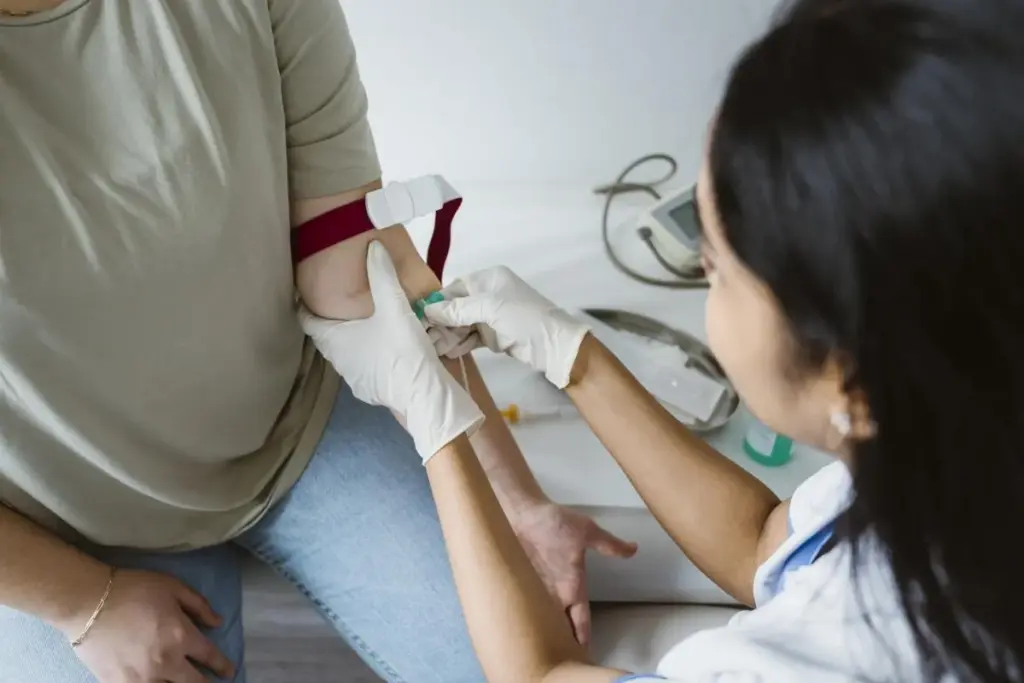
Blood tests are the first step in finding rare blood cancers. They can show changes in blood cells and proteins that might mean cancer.
A complete blood count (CBC) can show odd levels of white and red blood cells, or platelets. Tests like serum protein electrophoresis (SPEP) can find specific proteins linked to certain blood cancers.
Bone Marrow Biopsy and Imaging
A bone marrow biopsy is key for diagnosing rare blood cancers. It takes a sample of bone marrow for a microscope check.
This test can spot cancer cells in the bone marrow and show how far the disease has spread. Imaging like CT or PET scans might also be used to see how cancer has spread.
Genetic and Molecular Testing
Genetic and molecular tests are very important for rare blood cancers. They can find specific genetic changes or mutations in cancer cells.
For example, genetic testing can spot the MYD88 mutation in Waldenström Macroglobulinemia. Molecular tests can also track how well treatment is working and find any leftover cancer cells.
In summary, finding rare blood cancers needs blood tests, bone marrow biopsies, and genetic or molecular tests. A detailed diagnostic plan is key for the right diagnosis and treatment.
Treatment Approaches for Waldenström Macroglobulinemia
Understanding the treatment options for Waldenström Macroglobulinemia is key. The right treatment depends on the patient’s health, disease stage, and cancer specifics.
Watch and Wait Strategy
Some patients with WM might follow a “watch and wait” strategy. This means regular check-ups and tests but no treatment unless the disease worsens or symptoms show up.
According to the International Waldenström’s Macroglobulinemia Foundation, this method is suitable for those with no or mild symptoms.
Chemotherapy and Targeted Therapies
Chemotherapy is a common treatment for WM, often paired with other therapies. Targeted therapies, which target specific cancer molecules, also show promise in treating WM.
“The introduction of targeted therapies has revolutionized the treatment landscape for WM, bringing new hope for patients,” said a leading expert in hematologic malignancies.
Examples of targeted therapies include rituximab, which targets the CD20 protein, and ibrutinib, which blocks a survival enzyme in cancer cells.
Stem Cell Transplantation Options
Stem cell transplantation is an option for some WM patients. It uses high-dose chemotherapy followed by stem cell infusion to rebuild healthy blood cells.
Autologous stem cell transplantation, where the patient’s own stem cells are used, is more common. Allogeneic transplantation, using donor stem cells, is less common due to risks.
Living with a Rare Blood Cancer Diagnosis
Living with a rare blood cancer diagnosis takes a lot of strength and support. You need a good care plan to manage your health and feelings. It’s a tough journey through the healthcare system.
Managing Symptoms and Side Effects
It’s key to manage symptoms well to keep your life quality up. Symptoms like tiredness, pain, and infections are common. Side effects from treatment can be tough, from feeling sick to losing hair.
- Fatigue Management: Rest, eat right, and do light exercise to fight tiredness.
- Pain Relief: Work with your doctor to find a pain plan that works for you.
- Infection Prevention: Keep clean, avoid crowds, and get all your shots to stay healthy.
A hematologist-oncologist, says, “Handling symptoms and side effects is a team effort. It needs constant talk between you and your healthcare team.”
Quality of Life Considerations
Keeping your life quality up is a big challenge. It’s about your body, mind, and social life. Here are some ways to help:
- Support Networks: Connect with loved ones and support groups for emotional and practical help.
- Mental Health Support: See a counselor or therapist to deal with your feelings about the diagnosis.
- Lifestyle Adjustments: Choose wisely about what you eat, how you exercise, and how you handle stress to feel better.
“The journey with a rare blood cancer is not just about the treatment; it’s about living a life that is meaningful and fulfilling despite the challenges.” –
Patient Advocate
By focusing on managing symptoms and improving your life quality, you can face your rare blood cancer diagnosis with more strength and hope.
The Role of Specialized Cancer Centers
For those with rare blood cancers, specialized cancer centers are a ray of hope. They have the newest technology and teams with deep knowledge in rare cancers.
Benefits of Expert Care for Rare Cancers
Getting care at a specialized cancer center brings many advantages. These places have teams of experts who work together to create treatment plans just for you. This team effort means you get care that covers every part of your condition.
Also, expert care at these centers uses the latest research and trials. This means you might get treatments not found elsewhere, boosting your chances of a good outcome.
Accessing Specialized Treatment Centers
Finding a specialized treatment center is key for patients with rare blood cancers. Start by asking your doctor or oncologist for advice. Cancer groups and advocacy organizations also offer lists of these centers.
When choosing a center, think about their experience with your cancer type, trial availability, and support services. Picking the right place ensures you get top-notch care.
Research Advances in Rare Blood Cancers
Recent years have brought big steps forward in rare blood cancers, like Waldenström Macroglobulinemia (WM). These breakthroughs are key for better treatments and better lives for patients.
Recent Breakthroughs in Understanding WM
Research on WM has uncovered its genetic and molecular secrets. Scientists have found specific mutations linked to the disease. This discovery has led to the creation of targeted treatments.
For example, mutations in the MYD88 gene are common in WM patients. This knowledge has helped in making treatments that target these mutations.
The study of how WM cells interact with their environment is also important. This research has shown new ways to treat the disease. It has led to the development of drugs that can disrupt these interactions, which may slow the disease’s growth.
Promising Clinical Trials and Emerging Therapies
Many clinical trials are exploring new treatments for WM and other rare blood cancers. These trials look at new chemotherapy agents, targeted therapies, and immunotherapies. For instance, BTK inhibitors have shown great promise in treating WM by blocking a key enzyme in cancer cells.
Another exciting area is CAR-T cell therapy, a form of immunotherapy. It modifies a patient’s T cells to attack cancer cells. Early trials suggest that CAR-T cell therapy can be effective in treating WM that doesn’t respond to other treatments.
Key Takeaways:
- Advances in understanding the genetic basis of WM are leading to more targeted treatment approaches.
- Ongoing clinical trials are evaluating the efficacy of new therapies, including BTK inhibitors and CAR-T cell therapy.
- The bone marrow microenvironment is a critical area of research, with new therapeutic targets being found.
Blood Cancer Mortality Trends and Statistics
The landscape of blood cancer mortality is changing. Overall rates are decreasing, but rare subtypes like WM are a big challenge.
Overall Cancer Mortality Reduction
There’s been a big step forward in lowering overall cancer death rates. Recent cancer statistics show a drop in deaths from many cancers. This is thanks to better early detection and treatment.
But, not all cancers are improving at the same rate. Rare blood cancers, like Waldenström Macroglobulinemia (WM), have seen less progress in lowering death rates.
Survival Rates for Rare Blood Cancers
Survival rates for rare blood cancers differ a lot. For WM, the five-year survival rate is key. Studies show that while survival has gotten better, the disease’s rarity makes treatment and prognosis tough.
The table below shows the five-year survival rates for different rare blood cancers, including WM.
|
Type of Blood Cancer |
Five-Year Survival Rate |
|---|---|
|
Waldenström Macroglobulinemia (WM) |
68% |
|
Hairy Cell Leukemia |
85% |
|
T-Cell Lymphomas |
60% |
As the table shows, survival rates differ among rare blood cancers. More research and better treatments are needed to improve survival rates for these patients.
“The progress made in understanding and treating rare blood cancers is promising, but more work is needed to improve outcomes for these patients.” –
A leading hematologist
It’s important to understand mortality trends and survival rates for rare blood cancers. This helps in creating effective treatments and improving patient outcomes. Ongoing research and data analysis are key to tackling these complex diseases.
Support Resources for Patients with Rare Blood Cancers
Patients with rare blood cancers face unique challenges. But, many support resources are here to help. These resources offer emotional, practical, and medical support.
Patient Advocacy Organizations
Patient advocacy groups help those with rare blood cancers. They provide educational materials, financial help, and access to clinical trials. For example, the Leukemia & Lymphoma Society supports patients with blood cancers, including rare ones like Waldenström Macroglobulinemia.
Other important groups include the Rare Cancer Research Foundation and the Myeloma Research Alliance. They work hard to raise awareness, fund research, and support patients.
Online Communities and Support Groups
Online communities and support groups are key for patients with rare blood cancers. They let people connect with others facing similar challenges. Websites like PatientsLikeMe and CancerConnect have forums for these patients.
Social media also has many support groups. For example, Facebook groups for specific rare blood cancers offer a sense of community.
Cancer centers and hospitals also offer support services. These include counseling, nutritional guidance, and rehabilitation programs. Patients should explore these options to find the right support for them.
Conclusion
Waldenström Macroglobulinemia (WM) is a rare and tough blood cancer. It needs a lot of care and support. WM is much rarer than other blood cancers like Leukemia, Lymphoma, and Multiple Myeloma.
These other cancers have a lot more cases. For example, Leukemia, Lymphoma, and Multiple Myeloma are expected to have 66,890, 8,720 to 80,350, and 36,110 new cases in 2025. This is according to the SEER Cancer Statistics.
WM and other rare blood cancers are hard to diagnose and treat. Specialized cancer centers are key in giving expert care and new treatments. New research has helped us understand WM better, giving patients new hope.
People with rare blood cancers need support. This includes patient groups and online communities. Knowing more about WM and other rare blood cancers helps us support them better. This way, we can improve their outcomes.
FAQ
What is Waldenström macroglobulinemia (WM), and how does it differ from other types of blood cancer?
Waldenström macroglobulinemia is a rare lymphoma. It’s caused by too much IgM protein. Unlike leukemia and multiple myeloma, WM has unique features and affects different cells.
What are the main types of blood cancer, and how common are they?
Blood cancers include leukemia, lymphoma, and multiple myeloma. Leukemia is the most common, making up 30% of blood cancers. Lymphoma is less common, making up 5-10%. Multiple myeloma and WM are rare.
How does Waldenström macroglobulinemia affect the bone marrow?
WM harms the bone marrow by filling it with cancer cells. This reduces normal blood cell production. It disrupts the bone marrow’s function.
What are the risk factors for developing rare blood cancers like WM?
Genetic predispositions, toxins, and lifestyle factors can increase the risk. But, the exact causes of WM and other rare cancers are not known.
What are the symptoms of Waldenström macroglobulinemia, and how are they managed?
Symptoms include fatigue, weakness, weight loss, and infections. Treatment involves chemotherapy, targeted therapies, and supportive care. These help manage symptoms and improve life quality.
How is Waldenström macroglobulinemia diagnosed, and what diagnostic tests are used?
Diagnosis uses blood tests, bone marrow biopsy, and imaging. Lab findings and genetic testing confirm the diagnosis.
What are the treatment options for Waldenström macroglobulinemia?
Treatments include watch and wait for some, chemotherapy, targeted therapies like rituximab, and stem cell transplantation. Treatment choice depends on health, disease severity, and other factors.
How do specialized cancer centers contribute to the care of patients with rare blood cancers?
Specialized centers offer expert care for rare blood cancers. They have multidisciplinary teams, cutting-edge treatments, and clinical trials. These centers meet the complex needs of patients with rare cancers.
What support resources are available for patients with rare blood cancers?
Patients can find support through advocacy groups, online communities, and support groups. These offer emotional support, educational materials, and connections with others facing similar challenges.
What recent advances have been made in understanding and treating rare blood cancers like WM?
Advances include understanding WM’s molecular mechanisms and new targeted therapies. Clinical trials are exploring new treatments, giving hope for better outcomes for patients with rare blood cancers.
References
- National Cancer Institute. (n.d.). Leukemia (SEER Stat Fact Sheet). Retrieved from https://seer.cancer.gov/statfacts/html/leuks.html
- National Cancer Institute. (n.d.). Common Cancer Types (SEER Stat Fact Sheet). Retrieved from https://seer.cancer.gov/statfacts/html/common.html
- Hematology Advisor. (2025). Cancer statistics for 2025. Retrieved from https://www.hematologyadvisor.com/news/cancer-statistics-for-2025/
- U.S. Pharmacist. (n.d.). Blood cancer statistics and facts. Retrieved from https://www.uspharmacist.com/article/blood-cancer-statistics-and-facts
- American Cancer Society. (n.d.). What is Waldenström macroglobulinemia? Retrieved from https://www.cancer.org/cancer/types/waldenstrom-macroglobulinemia/about/what-is-waldenstrom.html
- National Cancer Institute. (n.d.). Waldenström macroglobulinemia treatment (PDQ®) — patient version. Retrieved from https://www.cancer.gov/types/lymphoma/patient/waldenstrom-macroglobulinemia-treatment-pdq