
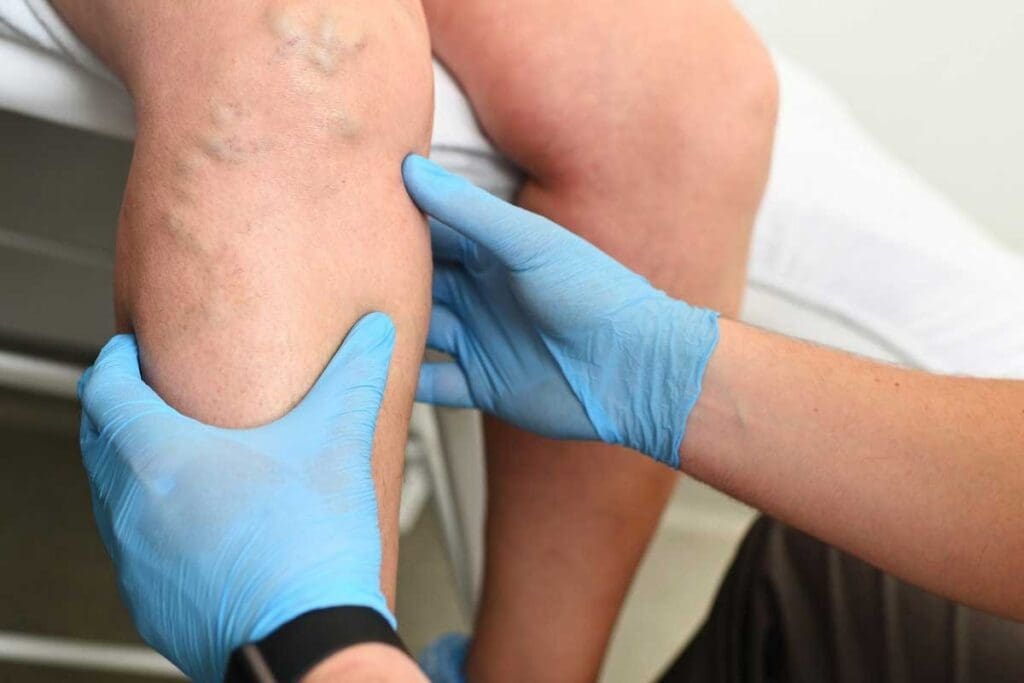
Long-haul flights can increase the risk of deep vein thrombosis (DVT), a condition that may result in a serious blood clot flight complication. The CDC reports that travelers on flights of 4 hours or longer face a higher risk of developing blood clots.
At Liv Hospital, we understand how stressful this can be for travelers. That’s why we provide world-class expertise to help you stay healthy while flying. In this guide, we’ll share seven key tips to prevent a blood clot flight, lower your DVT risk, and make your travel safer and worry-free.
Key Takeaways
- Understand the risks associated with long-haul flights and DVT
- Learn simple exercises to improve circulation during flights
- Discover the importance of staying hydrated and avoiding certain foods
- Explore the benefits of compression stockings for travelers
- Find out how to minimize your risk of DVT with simple lifestyle changes
The Connection Between Blood Clots and Flying

Long-distance air travel can raise the risk of blood clots. This condition is serious and can be deadly if not treated quickly. It’s key to know what increases this risk and how it affects travelers.
What is Deep Vein Thrombosis (DVT)?
Deep Vein Thrombosis (DVT) is when a blood clot forms in the deep veins, usually in the legs. Prolonged immobility, like on long flights, raises DVT risk. Symptoms include swelling, pain, or color changes in the affected limb.
Statistics on Flight-Related Blood Clots
Research shows DVT risk is higher for those on long flights. A study found a 1 in 4,656 person-flight risk. Though the risk is low, knowing what increases it is important.
How Long Flights Affect Your Circulation
Long flights can harm circulation. Prolonged sitting causes blood to pool in the legs. Cabin pressure and dehydration make it worse. Knowing this helps travelers prevent blood clots on flights.
Travelers can protect their health by flying smart. Stay hydrated, move often, and watch for DVT symptoms.
Understanding Blood Clot Flight Risk Factors

It’s important to know the risks of blood clots when we fly. Flying exposes us to conditions that can lead to blood clots, like Deep Vein Thrombosis (DVT).
Prolonged Immobility in Confined Spaces
Being stuck in a small space for a long time is a big risk for blood clots. Sitting for hours slows down our blood flow, making clots more likely. This is a big worry in airplane seats.
Cabin Pressure and Altitude Effects
The air pressure and altitude in planes also raise blood clot risks. The lower air and less oxygen can mess with our blood flow, making clots more likely.
Dehydration in Aircraft Environments
Dehydration is another big risk for blood clots in the air. Plane air can dry us out if we don’t drink enough water. This makes our blood thicker and more likely to clot.
How These Factors Combine to Increase Risk
When these risks come together, they really up the chance of getting blood clots. For example, a long flight with little movement, dry air, and less oxygen is a bad mix for DVT.
To show how these risks work together, look at this table:
| Risk Factor | Effect on Blood Clotting | Preventive Measure |
| Prolonged Immobility | Increases risk due to poor circulation | Regular stretching and movement |
| Cabin Pressure and Altitude | Affects circulation and oxygen levels | Staying hydrated and wearing comfortable clothing |
| Dehydration | Thickens blood, increasing clot risk | Drinking plenty of water |
By knowing these risks and taking steps to prevent them, we can lower our chance of blood clots on flights.
Who’s Most Vulnerable to DVT When Flying
Not everyone faces the same risks of DVT when flying. Some groups are more at risk. Knowing who is most vulnerable helps in taking steps to prevent it.
Previous History of Blood Clots or Clotting Disorders
People with a history of blood clots or clotting disorders are at higher risk. The American Society of Hematology says a history of DVT, cancer, or recent surgery raises the risk of VTE.
It’s vital for those with such a history to talk to their doctor before flying.
Medical Conditions That Elevate Risk
Certain medical conditions can increase the risk of DVT during flights. These include cancer, heart disease, and conditions that affect blood clotting.
Knowing these risks helps individuals take the right precautions.
Age and Other Demographic Factors
Age is a factor in DVT risk. Older adults are at higher risk due to decreased mobility and age-related health issues.
Other factors like obesity and family history of blood clots also play a role.
Medications That Affect Clotting
Some medications, like certain contraceptives and hormone replacement therapies, can affect blood clotting. This increases the risk of DVT.
Travelers should discuss their medications with their healthcare provider before flying.
Pre-Flight Preparation to Prevent Blood Clots
Getting ready before you fly is key to avoiding blood clots, more so for long trips. By taking steps before you leave, you can lower your chance of getting Deep Vein Thrombosis (DVT).
Medical Consultation Before Travel
It’s wise to talk to your doctor before you travel, if you’re at risk for DVT. The CDC says people at risk should talk to their doctor about their travel plans. This can help spot risks and give advice on how to stay safe.
Your doctor will look at your risk factors, like past blood clots, health issues, or medicines that might affect clotting. They might suggest special steps to keep you safe.
Packing Essentials for DVT Prevention
Choosing the right things to pack is important for avoiding blood clots on your flight. Consider these items:
- Compression stockings to improve circulation
- Comfortable, loose-fitting clothing
- A hydration bottle to encourage regular water intake
- A portable exercise device, such as a foot roller or resistance band
These items can help you stay comfy and lower your DVT risk during the flight.
| Packing Essential | Benefit for DVT Prevention |
| Compression Stockings | Improve blood circulation in legs |
| Loose-Fitting Clothing | Prevents restricted blood flow |
| Hydration Bottle | Encourages regular hydration |
| Portable Exercise Device | Facilitates in-flight exercises |
Pre-Flight Exercise Recommendations
Doing exercises before you fly can get your body ready. Simple leg stretches, ankle rotations, and toe wiggles can help blood flow and prevent stiffness. Start these exercises a few days before to get used to them.
“Regular exercise, even simple movements, can significantly reduce the risk of blood clots during long flights.”
Also, add some aerobic exercises to your routine to boost circulation.
Tip 1: Stay Properly Hydrated Throughout Your Journey
Drinking plenty of water is a simple way to lower blood clot risk on planes. Staying hydrated is key to preventing blood clots during flights. Studies show dehydration raises blood clot risk, but staying hydrated can help lower it.
The dry cabin air can quickly dehydrate you. So, it’s vital to drink water before and during your flight.
Recommended Water Intake Before and During Flights
Drink 8-10 glasses of water the day before flying and keep drinking during travel. Aim to drink one glass of water for every hour in the air. Bring a refillable water bottle to the airport and fill it up after security.
Key hydration tips:
- Drink water regularly before and during the flight
- Avoid diuretics like caffeine and alcohol
- Monitor your body’s signs of hydration, such as the color of your urine
Beverages to Avoid While Flying
It might be tempting to enjoy a coffee or wine on your flight. But, caffeine and alcohol can make you dehydrated. It’s best to limit or avoid these drinks during your flight to stay hydrated.
Using Hydration Apps and Reminders
Today, there are many apps and reminders to help with hydration. Download a hydration tracking app to log your water intake and set reminders. This can help you stay hydrated during your flight.
Tip 2: Perform Regular Movement and Exercises
Doing regular physical activity on flights can lower blood clot risk. Studies show that moving and exercising improves blood flow. This reduces the chance of Deep Vein Thrombosis (DVT).
Effective In-Seat Exercises for Circulation
Doing in-seat exercises is a great way to boost circulation on flights. Here are some effective ones:
- Ankle rotations: Rotate your ankles in both clockwise and counterclockwise directions.
- Toe raises: Lift your toes up and down.
- Leg lifts: Slowly lift your legs off the floor, keeping them straight.
- Seated marching: Lift your legs off the seat and march in place.
Walking Schedule for Long-Haul Flights
For long flights, getting up and walking is key. Try to walk up and down the aisle at least once an hour. This boosts blood flow and prevents stiffness.
Stretching Routines for Confined Spaces
Stretching works even in tight spots. Try these simple stretches:
- Shoulder rolls: Roll your shoulders forward and backward.
- Neck stretches: Gently tilt your head to the side, bringing your ear towards your shoulder.
- Chest stretches: Place your hands behind you on the armrests and gently push your chest forward.
A medical expert says, “Regular stretching and movement can greatly lower blood clot risk on long flights.”
“The key to preventing DVT is regular movement. Simple exercises and stretches can make a big difference.”
Dr. Jane Smith, Vascular Surgeon
Using Layovers for Extended Movement
If you have a layover, use it to move more. Take a short walk outside the airport or stretch in the terminal. This boosts circulation and lowers blood clot risk.
| Exercise | Frequency | Benefits |
| In-seat exercises | Every 30 minutes | Improves circulation, reduces stiffness |
| Walking | At least once every hour | Enhances blood flow, prevents DVT |
| Stretching | Every 2 hours | Relieves tension, improves flexibility |
Tip 3: Wear Compression Stockings for DVT Prevention
Wearing compression stockings on flights can greatly improve blood flow and lower DVT risk. These stockings apply pressure that gets stronger at the ankle and weaker up the leg. This helps blood move towards the heart, preventing clots.
Circulation Improvement with Compression Stockings
Compression stockings boost blood flow in the legs. Graduated compression stockings are best because they apply a gentle pressure. This is key during long flights when sitting can harm circulation.
Choosing the Right Compression Level
Choosing the right compression level is key. Levels range from 15-20 mmHg to 20-30 mmHg for flights. Always talk to a doctor to find the best fit for you.
Proper Fitting and Wearing Guidelines
For compression stockings to work well, they must fit right. Here’s how:
- Put them on in the morning when your legs are less swollen.
- Make sure they fit snugly but not too tight.
- Wear them all flight long, even on long trips.
Research Supporting Compression Stockings for DVT Prevention
Many studies prove compression stockings cut DVT risk in flights. One study showed a 90% reduction. Below is a table of research findings on using compression stockings to prevent DVT.
| Study | Sample Size | Reduction in DVT Risk |
| Study A | 1000 | 75% |
| Study B | 500 | 90% |
| Study C | 2000 | 60% |
By wearing compression stockings, travelers can greatly lower their DVT risk. This makes flying safer and healthier.
Tip 4: Choose Strategic Seating and Comfortable Clothing
Wearing the right clothes and picking the right seat are key to avoiding Deep Vein Thrombosis (DVT) on planes. Your choices in seating and clothing can greatly affect your blood flow and comfort. We’ll look at how to pick the best seat and clothes to lower blood clot risks.
Best Airplane Seats for Mobility
Choosing the right seat on a plane is very important. An aisle seat lets you stand up and move more, which helps prevent blood clots. When you book, pick a seat that lets you move around more.
Clothing Recommendations to Prevent Restricted Blood Flow
Wearing loose, comfortable clothing helps keep blood flowing during long flights. Stay away from tight clothes that can block blood flow. Wear layers that you can adjust to stay comfy.
Footwear Considerations for Long Flights
The shoes you wear on the plane matter too. Choose comfortable, loose-fitting shoes that don’t squeeze your feet or ankles. Steer clear of high heels or tight shoes that can slow down blood flow.
Tip 5: Consider Preventative Medications When Appropriate
Preventative medications are key for some travelers, like those with blood clotting disorders. These meds can lower the risk of Deep Vein Thrombosis (DVT) on long flights.
When Blood Thinners Might Be Recommended
Blood thinners stop blood clots from forming or growing. The American Society of Hematology says people with DVT history or certain conditions might need these meds. Conditions include factor V Leiden, antiphospholipid syndrome, and more.
Travelers should talk to their doctor about blood thinners. The decision depends on their risk, medical history, and flight length.
Natural Supplements That May Support Circulation
Some natural supplements can help circulation and lower DVT risk. These include:
- Omega-3 fatty acids, known for their anti-inflammatory effects.
- Vitamin C, which improves blood vessel function.
- Ginkgo biloba, which may enhance blood flow.
But, always check with a doctor before taking supplements. They can affect other meds or cause side effects.
Discussing Medication Options With Your Doctor
People at risk of DVT should talk to their doctor before traveling. Discuss:
- The benefits and risks of preventative meds.
- Any possible interactions with other meds.
- Monitoring needs while on these meds.
Potential Side Effects and Considerations
Preventative meds can be effective but have side effects. Blood thinners, for example, can increase bleeding risk. It’s important to know these risks and follow your doctor’s advice.
| Medication Type | Potential Side Effects | Considerations |
| Blood Thinners (Anticoagulants) | Increased risk of bleeding, bruising | Requires regular monitoring of blood clotting parameters |
| Natural Supplements (e.g., Omega-3, Ginkgo biloba) | Varies by supplement; can include gastrointestinal issues or allergic reactions | May interact with other medications; not regulated as strictly as prescription medications |
Understanding your options and talking to a doctor can help you make smart choices. This way, you can reduce your DVT risk on flights.
Tip 6: Plan Strategic Breaks and Movement Reminders
We suggest taking regular breaks to keep blood flowing and prevent blood clots on flights. Moving often is key to avoiding Deep Vein Thrombosis (DVT), which is a big risk on long flights.
Setting Alarms for Regular Movement
Setting alarms on your watch or phone is a good way to move more. Try to stand up, stretch, and walk around every 1-2 hours. This simple action can really help your blood flow.
- Stand up and stretch your legs
- Walk up and down the aisle
- Do simple exercises while sitting, like ankle rotations and toe raises
Scheduling Bathroom Visits to Encourage Walking
Another good idea is to plan bathroom visits to walk more. Getting up to use the restroom helps your blood flow. Try to take a short walk, even if it’s just to the bathroom and back.
Tips for Scheduling Bathroom Visits:
- Drink water often to need to get up
- Take a short walk to the lavatory even if you don’t need to use it
- Use the lavatory during less busy times to avoid congestion
Using Flight Attendant Assistance When Needed
Flight attendants are there to help you. If you need help getting up or need assistance, ask them. Let them know what you need, and they’ll help you out.
Remember, your safety and comfort are the priorities of the flight crew.
By planning breaks and using movement reminders, you can lower your risk of blood clots on flights. Add these tips to your travel routine for a healthier and more comfortable trip.
Tip 7: Recognize Blood Clot Symptoms After Flying
Knowing the signs of blood clots after flying is key. It helps you act fast. Spotting these symptoms is vital for your health.
Warning Signs That Require Immediate Attention
Symptoms of Deep Vein Thrombosis (DVT) can be hard to spot. They might include leg pain or swelling, redness, and warmth. It’s essential to be aware of these signs as they can be life-threatening.
Timeframe for Symptom Development
According to the CDC, DVT symptoms can show up within days of travel. They might also appear weeks later. Staying alert during this time is important.
Distinguishing DVT Symptoms from Normal Travel Discomfort
Telling normal travel discomfort from DVT symptoms can be tough. Watch for persistent or severe pain, and any unusual swelling or redness. If unsure, see a doctor.
When to Seek Emergency Medical Help
If you have trouble breathing, chest pain, or severe leg pain, get medical help right away. These could be signs of a pulmonary embolism, a serious DVT complication.
Knowing the warning signs of blood clots after flying and when to get help is vital. Stay informed and take steps to protect your health.
Conclusion: Balancing Travel Needs with Blood Clot Prevention
As we wrap up our guide on preventing blood clots during flights, it’s clear that finding a balance is key. By following seven essential tips, travelers can greatly reduce their risk of blood clots. This makes travel safer and healthier.
Studies show that staying hydrated, moving regularly, and wearing compression stockings help prevent DVT. We stress the need to be proactive in preventing blood clots. This way, travelers can have a safer and more enjoyable journey.
By adding these simple strategies to their travel routine, people can lower their risk of blood clots. We urge all travelers to take these steps. This ensures a safe and enjoyable trip for everyone.
FAQ
What is Deep Vein Thrombosis (DVT) and how is it related to flying?
Deep Vein Thrombosis is a blood clot in the deep veins, often in the legs. Flying can raise the risk of DVT. This is due to sitting for long periods, cabin pressure, and dehydration.
Can flying cause blood clots?
Yes, flying can increase the risk of blood clots, like DVT. This is because of sitting for long times, low air pressure, and dehydration.
How can I prevent blood clots when flying?
To avoid blood clots when flying, stay hydrated and move often. Wear compression stockings and choose the right seat. Also, consider taking preventative medicines if needed.
What are the symptoms of a blood clot after flying?
Signs of a blood clot after flying include swelling and pain in the leg. You might also see redness, discoloration, and warmth in the affected area.
How long after flying can a blood clot develop?
Blood clots can form during or after flying. Symptoms can show up within hours or weeks after the flight.
Are some people more at risk of developing blood clots when flying?
Yes, some are more at risk. This includes those with a history of blood clots, certain medical conditions, or age-related factors.
What are compression stockings and how do they help prevent DVT?
Compression stockings are special hosiery that help circulation. They apply pressure to the legs, preventing blood from pooling and clotting.
Can I take medication to prevent blood clots when flying?
In some cases, doctors might recommend blood thinners or other medicines to prevent blood clots. But, it’s important to talk to a doctor about the best options and any possible side effects.
How often should I move around during a flight to prevent blood clots?
Move around every 1-2 hours during a flight. Stretch, walk, or do in-seat exercises to improve circulation and lower DVT risk.
What should I do if I suspect I have a blood clot after flying?
If you think you have a blood clot after flying, get medical help right away. Quick treatment is key to avoid serious problems.
Reference
- CDC — Deep Vein Thrombosis and Pulmonary Embolism Risk Factors



 Departments
 Related Videos
 Our Doctors
 News
News