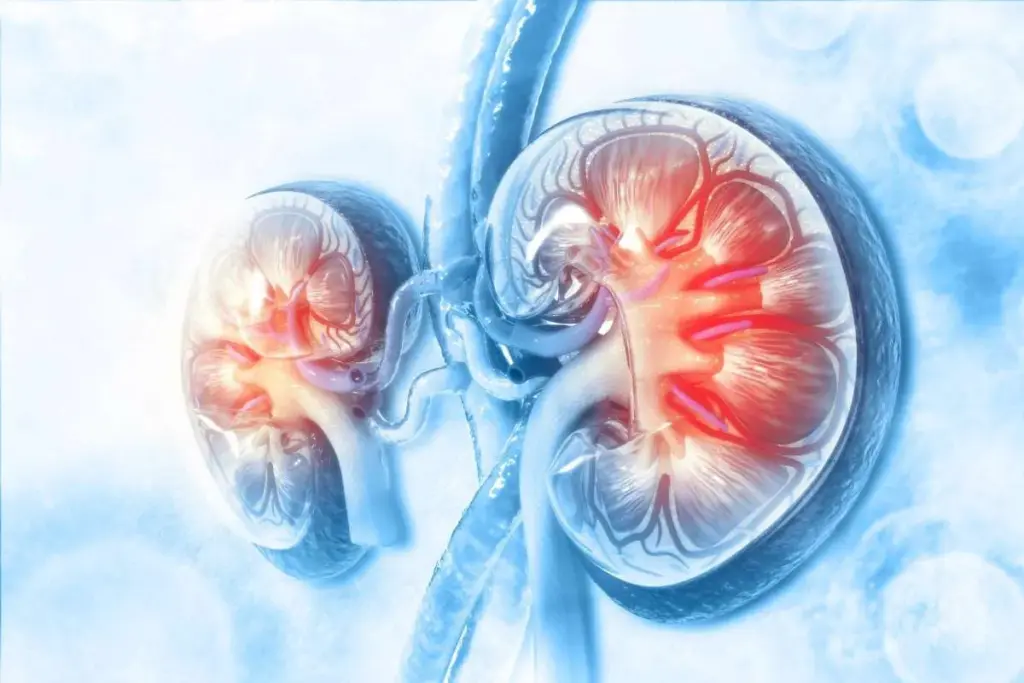
A blood clot in head, known medically as cerebral venous sinus thrombosis (CVST), is a rare but serious condition where a thrombus forms in the dural venous sinuses, obstructing blood drainage from the brain. This condition affects about 5,000 people in the U.S. each year and accounts for roughly 0.5% of all strokes.
Understanding a blood clot in head is crucial because it can lead to severe complications if not diagnosed and treated promptly. For more detailed information on CVST, you can visit this resource, which provides comprehensive insights into the condition, its symptoms, diagnosis, and treatment options.
Key Takeaways
- CVST is a rare condition affecting about 5,000 people in the U.S. annually.
- It constitutes about 0.5% of all stroke cases.
- CVST involves a thrombus in the dural venous sinuses, obstructing blood drainage.
- The condition can lead to significant health issues if not properly addressed.
- Understanding CVST is crucial for timely diagnosis and treatment.
The Science Behind Blood Clots in the Head
Understanding the science behind blood clots in the head is crucial for grasping the complexities of cerebral venous sinus thrombosis (CVST). The brain’s venous system is designed to drain deoxygenated blood away from the brain back to the heart. Cerebral venous sinus thrombosis occurs when a blood clot forms in this venous system, obstructing the normal flow of blood.
Normal Blood Circulation in the Brain
In a healthy brain, blood circulation is a finely tuned process. Oxygenated blood is supplied to the brain through arteries, while deoxygenated blood is drained through veins. The cerebral venous sinuses are a group of venous channels located between the layers of the dura mater, a protective membrane surrounding the brain. These sinuses play a critical role in draining blood from the brain. Normal blood circulation is essential for maintaining proper brain function, supplying oxygen, and removing waste products.
When Clotting Becomes Dangerous
When a blood clot forms in the cerebral venous sinuses, it can block the drainage of blood from the brain, leading to increased intracranial pressure. This condition can result in venous infarctions or hemorrhages. The clot can cause the affected sinus to become congested, potentially leading to damage to the surrounding brain tissue. Understanding the risks associated with CVST is vital for prompt diagnosis and treatment.
The consequences of CVST can be severe, making it essential to recognize the signs and symptoms early. By understanding how clotting affects the brain’s venous system, individuals can better appreciate the importance of seeking medical attention if they experience any unusual symptoms.
What Is a Blood Clot in Head? Clinical Definition

CVST, or Cerebral Venous Sinus Thrombosis, is a rare form of stroke that occurs when a blood clot forms in the brain’s venous sinuses. This condition is a type of stroke that can affect adults, children, and infants, accounting for about 1 out of 100 strokes.
Cerebral Venous Sinus Thrombosis Explained
Cerebral Venous Sinus Thrombosis is a serious medical condition where a blood clot develops in the dural venous sinuses. These sinuses are responsible for draining blood from the brain. When a clot forms, it can obstruct the normal drainage, leading to increased pressure within the brain and potentially causing a range of symptoms, including headache, seizures, and even stroke.
The formation of a blood clot in the cerebral venous sinuses can be attributed to various factors, including genetic predispositions, hormonal changes, and certain medical conditions. Understanding these underlying causes is crucial for diagnosing and treating CVST effectively.
Prevalence and Significance
CVST is considered a rare condition, but its impact on patients can be significant, with substantial morbidity and mortality associated with it. The condition requires prompt medical attention to prevent long-term neurological damage.
The prevalence of CVST highlights the need for awareness among healthcare professionals and the general public. Early recognition and treatment can significantly improve outcomes for patients.
| Condition | Prevalence | Mortality Rate |
| CVST | 1-2 per 100,000 adults per year | 4.3-22% |
| Ischemic Stroke | 120-150 per 100,000 adults per year | 10-20% |
Understanding CVST, its clinical definition, and its implications is essential for providing appropriate care and support to affected individuals.
Anatomy of Cerebral Venous System
The cerebral venous sinuses, located between the layers of the dura mater, are vital for the venous drainage of the brain. These sinuses are unique in that they are not surrounded by muscular walls like other veins, making them more susceptible to certain conditions.
Dural Venous Sinuses Structure
The dural venous sinuses are channels located between the dura mater’s layers. They receive blood from the cerebral veins and drain it into the internal jugular vein. The superior sagittal sinus is the largest of these sinuses and is most frequently affected in CVST, followed by the transverse sinus.
The structure of these sinuses is critical for understanding how CVST occurs. The superior sagittal sinus runs along the midline of the brain, while the transverse sinuses are located laterally. The confluence of sinuses, where the superior sagittal, straight, and transverse sinuses meet, is another key area.
Critical Drainage Pathways
Critical drainage pathways in the cerebral venous system include the superior sagittal sinus, transverse sinuses, and the sigmoid sinuses. These pathways are essential for the proper drainage of blood from the brain. When a thrombosis occurs in these areas, it can lead to significant clinical consequences.
The lateral sinuses, which include the transverse and sigmoid sinuses, play a crucial role in draining blood from the brain. Thrombosis in these sinuses can lead to increased intracranial pressure and other complications.
Types of Cerebral Sinus Thrombosis
Understanding the different types of Cerebral Venous Sinus Thrombosis (CVST) is crucial for diagnosis and treatment, as the condition can affect multiple sinuses within the brain.
CVST can occur in various sinuses, including the superior sagittal, transverse, and cavernous sinuses. The superior sagittal sinus is most commonly affected, followed by the transverse sinus.
Superior Sagittal Sinus Thrombosis
Superior sagittal sinus thrombosis is the most common form of CVST. This sinus plays a critical role in draining blood from the brain. Thrombosis here can lead to increased intracranial pressure and potentially severe neurological deficits.
Lateral (Transverse) Sinus Thrombosis
Lateral or transverse sinus thrombosis is another significant type of CVST. The transverse sinuses are located at the base of the brain and are crucial for venous drainage. Thrombosis in this area can cause symptoms such as headache, seizures, and visual disturbances.
Cavernous Sinus Thrombosis
Cavernous sinus thrombosis, though less common, is a serious condition due to the cavernous sinus’s location near critical structures. It can lead to symptoms like diplopia, proptosis, and severe facial pain.
| Type of CVST | Common Symptoms | Potential Complications |
| Superior Sagittal Sinus Thrombosis | Headache, seizures, neurological deficits | Increased intracranial pressure, cerebral edema |
| Lateral (Transverse) Sinus Thrombosis | Headache, seizures, visual disturbances | Cerebral venous infarction, hemorrhage |
| Cavernous Sinus Thrombosis | Diplopia, proptosis, facial pain | Cavernous sinus syndrome, meningitis |
In conclusion, CVST encompasses a range of conditions based on the sinus affected. Understanding these differences is vital for appropriate management and treatment.
Venous Brain Bleeds: Understanding the Complication
Venous brain bleeds are a potentially life-threatening consequence of CVST, arising from the blockage of cerebral venous sinuses. When a clot forms in the cerebral venous sinuses, it obstructs the normal drainage of blood from the brain, leading to increased pressure within the venous system.
CVST can cause a backup of blood in the brain’s venous system, resulting in a range of complications, including hemorrhage. The mechanism involves the obstruction of venous drainage, which can lead to the rupture of venous vessels and subsequent bleeding into the brain tissue.
How CVST Leads to Hemorrhage
The process by which CVST leads to hemorrhage involves several steps:
- The formation of a thrombus in the cerebral venous sinuses.
- Obstruction of normal venous drainage.
- Increased venous pressure.
- Potential rupture of venous vessels.
- Bleeding into the brain tissue, resulting in a venous brain bleed.
This sequence of events highlights the critical nature of CVST and the importance of prompt medical intervention to prevent such complications.
Venous vs. Arterial Brain Bleeds
Understanding the difference between venous and arterial brain bleeds is crucial for diagnosis and treatment. The key differences are outlined in the table below:
| Characteristics | Venous Brain Bleeds | Arterial Brain Bleeds |
| Cause | Typically caused by CVST or venous obstruction | Often result from hypertension, aneurysms, or trauma |
| Location | Can occur in various locations, often related to the site of venous sinus thrombosis | Commonly occur in areas supplied by specific arteries, such as the basal ganglia or cerebellum |
| Presentation | May present with headache, seizures, or focal neurological deficits | Often present with sudden headache, loss of consciousness, or severe neurological deficits |
As shown in the table, venous and arterial brain bleeds have distinct causes, locations, and presentations. Recognizing these differences is essential for appropriate management.
Recognizing CVST Symptoms
Understanding the presenting symptoms of CVST is essential for early detection and treatment. Cerebral Venous Sinus Thrombosis can manifest with a variety of clinical features, making it challenging to diagnose without a high index of suspicion.
Common Presentations
The symptoms of CVST can vary significantly among patients. However, headache is the most common presenting symptom, occurring in approximately 80-90% of cases. This headache is often described as severe and progressive, sometimes accompanied by other symptoms such as seizures, nausea, vomiting, and altered mental status.
Other common presentations include focal neurological deficits, which can range from mild weakness to severe paralysis. In some cases, patients may also experience visual disturbances, including blurred vision or papilledema due to increased intracranial pressure.
Emergency Warning Signs
It is crucial to recognize the emergency warning signs of CVST to provide timely medical intervention. Sudden severe headache, often described as “thunderclap,” is a red flag symptom that warrants immediate attention. Other warning signs include sudden onset of seizures, significant alteration in mental status, or acute focal neurological deficits.
Patients presenting with these symptoms should be urgently evaluated for CVST and other potential causes of their symptoms. Prompt diagnosis and treatment can significantly improve outcomes in patients with cerebral venous sinus thrombosis.
In conclusion, being aware of the common presentations and emergency warning signs of CVST is vital for early recognition and management. Healthcare providers should maintain a high index of suspicion for CVST in patients presenting with suggestive symptoms to ensure timely and appropriate care.
Risk Factors for Cerebral Venous Thrombosis
Several factors can increase the risk of developing cerebral venous thrombosis, including hormonal, medical, and environmental influences. Understanding these risk factors is essential for the early detection and prevention of CVST.
Hormonal Influences
Hormonal changes and influences play a significant role in the development of cerebral venous thrombosis. Pregnancy and the postpartum period are known to increase the risk due to the body’s hypercoagulable state during this time. Additionally, the use of oral contraceptives has been associated with an increased risk of CVST, particularly in women with other predisposing factors.
Medical Conditions
Certain medical conditions can predispose individuals to cerebral venous thrombosis. These include prothrombotic states such as factor V Leiden mutation and antiphospholipid syndrome, which affect the blood’s clotting mechanisms. Infections, particularly those involving the head and neck, can also increase the risk of developing CVST.
Other medical conditions that may contribute to the risk include cancer, inflammatory diseases like lupus, and conditions that lead to dehydration. It’s crucial for individuals with these conditions to be aware of their increased risk.
Environmental Factors
Environmental factors also play a role in the risk of developing CVST. Head trauma can directly damage the cerebral veins and sinuses, increasing the risk of thrombosis. Other factors may include dehydration and conditions that lead to prolonged immobilization.
Understanding these risk factors can help in the prevention and early diagnosis of cerebral venous thrombosis. Being aware of the signs and symptoms can lead to timely medical intervention, potentially improving outcomes for individuals at risk.
Diagnostic Approaches for CVST
Diagnosing cerebral venous sinus thrombosis (CVST) requires a combination of clinical evaluation and advanced imaging techniques. The complexity of CVST diagnosis lies in its nonspecific symptoms, which can mimic other neurological conditions. Therefore, a high index of suspicion and appropriate diagnostic tools are crucial for accurate diagnosis.
Imaging Techniques
Imaging plays a pivotal role in diagnosing CVST. Several modalities are used, each with its advantages and specific indications.
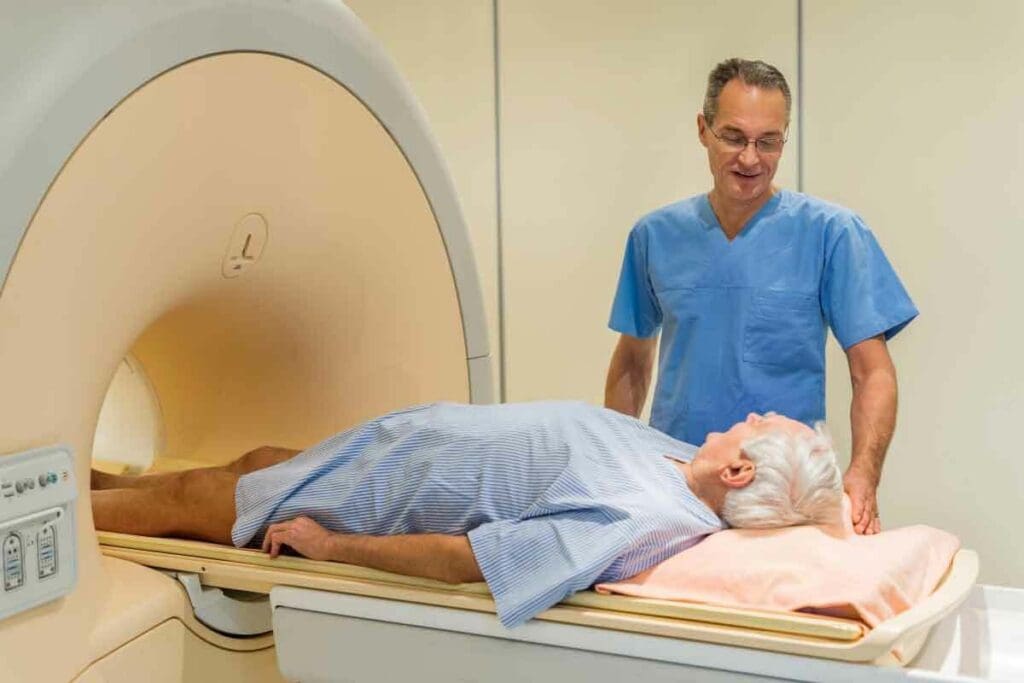
- Magnetic Resonance Imaging (MRI): MRI is considered the gold standard for diagnosing CVST. It provides detailed images of the brain and cerebral venous sinuses. Magnetic Resonance Venography (MRV) is often used in conjunction with MRI to visualize the venous sinuses and detect thrombosis.
- Computed Tomography (CT): Noncontrast-enhanced CT may reveal indirect signs of CVST, such as the cord sign or dense triangle sign. However, CT venography (CTV) is more sensitive for diagnosing CVST.
For more detailed information on the imaging techniques used in CVST diagnosis, you can refer to resources such as the National Center for Biotechnology Information.
| Imaging Modality | Advantages | Limitations |
| MRI/MRV | High sensitivity and specificity for CVST, detailed venous anatomy | Contraindicated in patients with certain metal implants, longer examination time |
| CT/CTV | Quick and widely available, useful in emergency settings | Less sensitive than MRI/MRV, involves radiation exposure |
Laboratory Testing
While imaging techniques are crucial for diagnosing CVST, laboratory tests play a supportive role by helping to identify underlying causes or risk factors.
- Coagulation Studies: Tests such as prothrombin time (PT) and activated partial thromboplastin time (aPTT) help assess the patient’s coagulation status.
- D-Dimer Assay: Although not definitive, a negative D-dimer can help rule out CVST in low-risk patients.
By combining clinical evaluation, imaging techniques, and laboratory testing, healthcare professionals can accurately diagnose CVST and initiate appropriate treatment.
Treatment Strategies for Blood Clots in the Brain
Effective treatment strategies for cerebral venous sinus thrombosis are crucial for patient outcomes. The management of CVST is primarily focused on preventing the propagation of the thrombus and facilitating recanalization.
Anticoagulation Therapy
Anticoagulation therapy is the mainstay of treatment for CVST. It involves the use of medications that prevent the clot from getting bigger and reduce the risk of further clots forming. Heparin is commonly used, often followed by warfarin or one of the newer oral anticoagulants. The goal is to achieve a balance between preventing clot progression and minimizing the risk of bleeding complications.
“The use of anticoagulation therapy in CVST is supported by evidence showing improved outcomes, despite the presence of hemorrhage in some cases,” as noted in clinical guidelines.
Thrombolytic Treatments
In certain cases, thrombolytic therapy may be considered. This involves administering drugs that dissolve the clot. While it’s a more aggressive approach, it’s reserved for patients with severe symptoms or those who deteriorate despite anticoagulation therapy. The decision to use thrombolytic treatment must be made carefully, considering the risk of bleeding.
Surgical Interventions
Surgical interventions are typically reserved for patients who have failed medical therapy or have significant mass effect from a hemorrhage. Options may include decompressive craniectomy or other surgical procedures to relieve pressure and manage complications.
The choice of treatment strategy depends on various factors, including the patient’s clinical presentation, the extent of thrombosis, and the presence of any complications. A multidisciplinary approach is often necessary to determine the best course of action.
Recovery and Prognosis After CVST
The journey to recovery after CVST can be complex, involving various factors that influence patient outcomes. Recovery from CVST is not uniform and can vary significantly from one individual to another.
Acute Recovery Phase
The acute recovery phase is critical and typically involves hospitalization to closely monitor the patient’s condition and manage any immediate complications. Anticoagulation therapy is often initiated to prevent further clot formation and promote the body’s natural clot dissolution processes.
“Early diagnosis and treatment are crucial for improving outcomes in patients with CVST.”
Long-term Outcomes and Potential Complications
Long-term outcomes for CVST patients can vary, with some experiencing full recovery while others may have lasting effects. Data suggests that about 85 out of 100 people are independent after CVST, but half may experience long-term issues such as cognitive difficulties, pain, fatigue, or mood disturbances.
Potential complications can include:
- Recurrent thrombosis
- Persistent headaches
- Seizures
- Cognitive and memory problems
Managing these complications often requires a multidisciplinary approach, including neurological follow-up, rehabilitation, and sometimes psychological support.
Prognosis is generally better for patients who receive prompt and appropriate treatment. Factors influencing prognosis include the severity of the initial thrombosis, the presence of underlying health conditions, and the patient’s response to treatment.
Prevention of Cerebral Venous Sinus Thrombosis
Understanding the risks and taking proactive steps are essential in preventing CVST, a potentially life-threatening condition. Prevention involves a comprehensive approach that includes assessing individual risk factors and implementing appropriate preventive measures.
Risk Assessment
Assessing the risk of CVST is the first step in its prevention. This involves identifying factors that increase the likelihood of developing CVST, such as hormonal influences, certain medical conditions, and environmental factors. For instance, individuals on hormonal contraceptives or those with conditions like antiphospholipid syndrome are at a higher risk. Recognizing these risk factors is crucial for early intervention.
Preventive Measures for High-Risk Individuals
For individuals identified as being at high risk, preventive measures are crucial. This may include managing underlying medical conditions, adjusting medications that may increase the risk of CVST, and adopting lifestyle changes to mitigate environmental risk factors. For example, staying hydrated and avoiding prolonged periods of immobility can reduce the risk.
When to Seek Medical Attention
It is vital for individuals, especially those at high risk, to know when to seek medical attention. Symptoms such as severe headache, confusion, or seizures should prompt immediate action. Early diagnosis and treatment can significantly improve outcomes in CVST.
Being aware of the risks and taking proactive steps can help prevent CVST. By understanding the risk factors and recognizing the symptoms, individuals can seek timely medical intervention, potentially saving lives.
Conclusion
Cerebral Venous Sinus Thrombosis (CVST) is a rare but serious condition that requires prompt medical attention. Understanding CVST is crucial for timely diagnosis and effective treatment.
The complexity of CVST demands a comprehensive approach to diagnosis, involving advanced imaging techniques and laboratory testing. Treatment strategies range from anticoagulation therapy to thrombolytic treatments and surgical interventions, depending on the severity and specific circumstances of the condition.
Recognizing the risk factors and symptoms of CVST is essential for early intervention. By understanding the causes, such as hormonal influences, medical conditions, and environmental factors, individuals can take preventive measures to reduce their risk.
In conclusion, CVST is a condition that necessitates awareness and understanding among both the general public and healthcare professionals. By promoting education and awareness about CVST, we can improve diagnosis rates, treatment outcomes, and overall patient care, ultimately saving lives and reducing the impact of this potentially debilitating condition.
FAQ
What is Cerebral Venous Sinus Thrombosis (CVST)?
Cerebral Venous Sinus Thrombosis (CVST) is a rare condition where a blood clot forms in the brain’s venous sinuses, which are responsible for draining blood from the brain.
What are the symptoms of CVST?
Symptoms of CVST can include headache, seizures, confusion, and weakness or paralysis of the face, arm, or leg. Some people may also experience vision changes, such as double vision or loss of vision.
How is CVST diagnosed?
CVST is typically diagnosed using imaging techniques such as MRI or CT scans, which can show the presence of a blood clot in the brain’s venous sinuses. Laboratory testing may also be used to help confirm the diagnosis.
What are the risk factors for developing CVST?
Risk factors for CVST include hormonal influences, certain medical conditions, and environmental factors. Hormonal influences include pregnancy and the use of birth control pills. Medical conditions that increase the risk of CVST include cancer, infections, and blood disorders. Environmental factors include dehydration and head trauma.
How is CVST treated?
Treatment for CVST typically involves anticoagulation therapy to prevent further clotting and promote the dissolution of the existing clot. In some cases, thrombolytic treatments or surgical interventions may be necessary.
What is the prognosis for someone with CVST?
The prognosis for someone with CVST varies depending on the severity of the condition and the effectiveness of treatment. With prompt and proper treatment, many people are able to recover fully. However, some individuals may experience long-term complications, such as seizures or cognitive impairment.
Can CVST be prevented?
While some risk factors for CVST cannot be avoided, there are steps that can be taken to reduce the risk of developing the condition. These include staying hydrated, avoiding head trauma, and managing underlying medical conditions.
What is the difference between a venous brain bleed and an arterial brain bleed?
A venous brain bleed occurs when there is bleeding into the brain tissue due to a problem with the venous system, whereas an arterial brain bleed occurs when there is bleeding due to a problem with the arterial system. CVST can lead to a venous brain bleed.
What are the types of CVST based on the location of the thrombosis?
CVST can be classified into different types based on the location of the thrombosis, including superior sagittal sinus thrombosis, lateral sinus thrombosis, and cavernous sinus thrombosis.
How does CVST affect the cerebral venous system?
CVST affects the cerebral venous system by obstructing the normal flow of blood through the venous sinuses, which can lead to increased intracranial pressure and potentially life-threatening complications.
References
- Sackett, D. L., Rosenberg, W. M., Gray, J. A., Haynes, R. B., & Richardson, W. S. (1996). Evidence based medicine: What it is and what it isn’t. BMJ, 312(7023), 71-72.