Knowing the signs of a blood clot can save lives. At Liv Hospital, we teach our patients how to recognize blood clot symptoms early to prevent serious complications.
A clot is a gel-like mass formed by platelets, proteins, and blood cells sticking together, according to Dr. Lily Johnston, a vascular surgeon. The blood clot symptoms you may notice depend on where the clot forms, but often include sudden pain, swelling, warmth, and changes in skin color.
In this guide, we’ll cover the 7 key blood clot symptoms you should never ignore. Our expert advice will help you understand the causes and warning signs of this potentially dangerous condition.
Key Takeaways
- Identify the 7 key warning signs of a blood clot.
- Understand the causes and risk factors associated with blood clots.
- Learn how to recognize the symptoms early on.
- Get expert insights from Dr. Lily Johnston, a vascular surgeon.
- Discover the importance of seeking medical attention if you experience any of the warning signs.
Understanding Blood Clots: What They Are and Why They Form
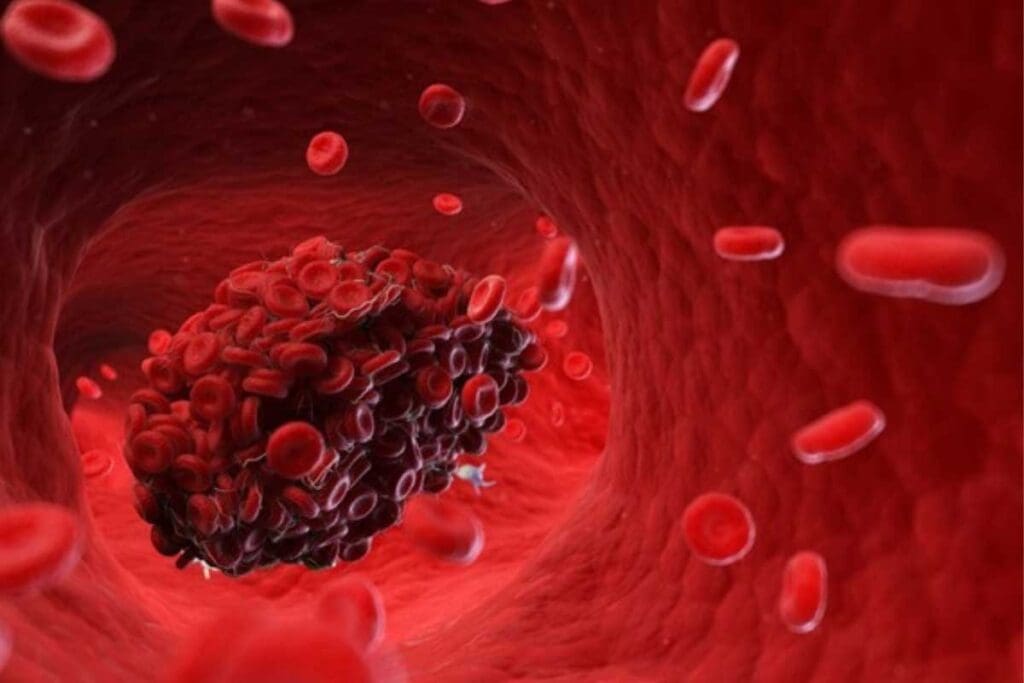
To understand blood clot risks, knowing how they form is key. Blood clots are like gel clumps in veins or arteries. They form through a complex mix of platelets, proteins, and blood cells.
The Science Behind Blood Clotting
Blood clotting is a natural process to stop bleeding when a vessel is hurt. It starts with platelets and clotting factors coming together. They form a fibrin clot, sealing the damage and helping the vessel heal.
Dr. Johnston explains, “Your body has two blood vessel systems—arteries and veins. They form clots for different reasons.” Knowing this is important because the causes and effects of arterial and venous clots differ.
Risk Factors for Developing Blood Clots
Many factors can raise your risk of blood clots. Genetic conditions and family history are big ones. Also, being immobile, having cancer, or recently having surgery can increase your risk. Pregnancy, obesity, and some medicines like hormonal contraceptives also play a part.
Knowing these risk factors helps in prevention and early detection. By spotting signs early and taking action, you can lower your risk of dangerous clots.
The Danger of Undetected Blood Clots
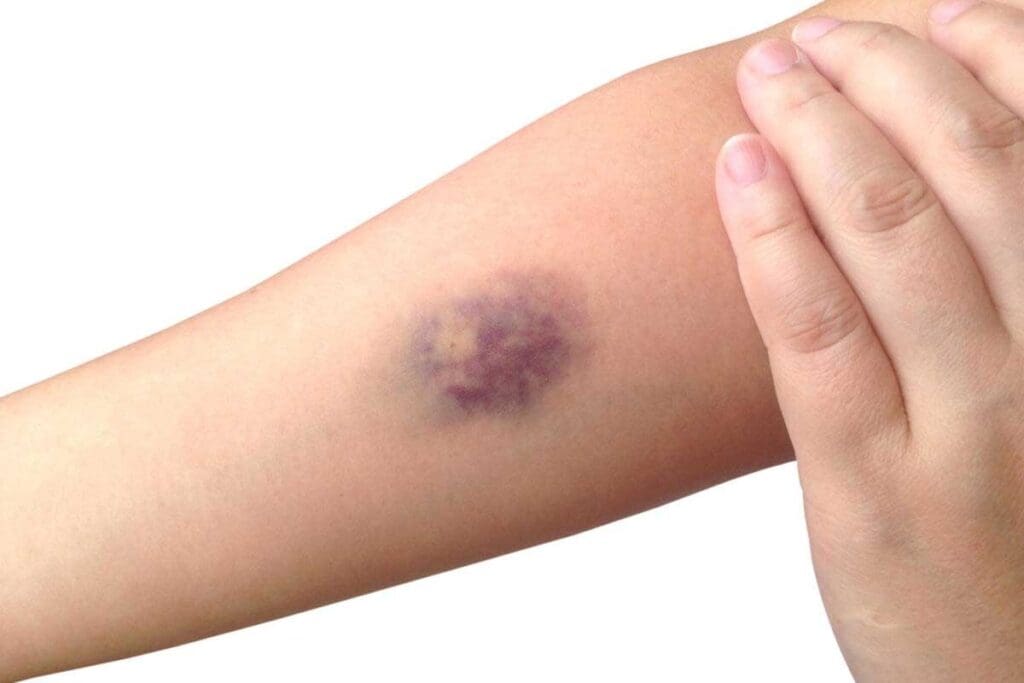
Undetected blood clots are a big health risk. They can lead to serious conditions. Blood clots can form anywhere in the body. If not caught early, they can move to vital organs and cause harm.
Dr. Johnston says, “A clot in a deep leg vein can break off and travel to your lungs, causing a potentially fatal pulmonary embolism.” This shows why it’s key to spot blood clot signs early.
Potential Complications
Ignoring blood clots can lead to serious issues. These include:
- Pulmonary embolism: A blockage in one of the pulmonary arteries, which can be life-threatening.
- Stroke: A clot that travels to the brain, potentially causing permanent damage.
- Post-thrombotic syndrome: Chronic pain, swelling, and skin discoloration in the affected limb.
| Complication | Description | Potential Consequences |
| Pulmonary Embolism | Blockage in the pulmonary arteries | Life-threatening, difficulty breathing |
| Stroke | Clot in the brain | Permanent brain damage, disability |
| Post-thrombotic Syndrome | Chronic condition affecting the limb | Pain, swelling, skin discoloration |
Why Early Detection Matters
Finding blood clots early is key to avoiding these problems. Early treatment can greatly reduce risks. This is because anticoagulant medications or other treatments can be used.
Timely medical intervention is vital. Knowing the risks and symptoms of blood clots helps in early detection.
“Early detection and treatment of blood clots can significantly improve patient outcomes and prevent potentially life-threatening complications.”
Understanding the risks of undetected blood clots and the need for early detection helps us stay healthy. We should seek medical help when needed.
Blood Clot Symptoms: General Overview
It’s important to know the signs of blood clots early. This can help in getting the right treatment quickly. Blood clots can happen anywhere in the body. Their symptoms can change based on where they form.
At times, a blood clot can appear without any warning, as Dr. Johnston points out.
How Symptoms Vary by Location
The place where a blood clot forms affects its symptoms. For example, a clot in the leg can cause pain, swelling, and warmth. On the other hand, a clot in the lungs can lead to shortness of breath, chest pain, and coughing.
Common locations for blood clots and their symptoms include:
- Legs (DVT): Pain, swelling, warmth, and skin discoloration
- Lungs (PE): Shortness of breath, chest pain, coughing, and rapid heart rate
- Brain: Stroke symptoms such as facial drooping, arm weakness, and speech difficulties
The Progression of Symptoms
Ignoring blood clot symptoms can lead to worse problems. At first, symptoms might seem mild. But they can get much worse fast. For instance, a clot in the leg can move to the lungs if not treated.
Seeing a doctor early is key to avoiding serious issues.
“The key to managing blood clots effectively is early detection and appropriate treatment,” says Dr. Johnston. He stresses the importance of knowing the symptoms and their progression.
“Sometimes, a blood clot can form seemingly without warning,” says Dr. Johnston, highlighting the need for vigilance regarding our body’s signals.
Dr. Johnston
Warning Sign #1: Unexpected Pain and Tenderness
One of the first signs of a blood clot is pain and tenderness in the affected area. This pain is a key sign that something is wrong in your body.
Characteristics of Blood Clot Pain
Blood clot pain can feel different based on where and how big the clot is. Dr. Johnston says, “The trapped blood puts pressure on tissue and nerves, causing a deep ache or cramp that doesn’t go away.” This pain stays and can get worse if not treated.
The pain from a blood clot is often a deep, dull ache or a sharp, stabbing feeling. It can also feel like a severe muscle cramp.
Is Blood Clot Pain Different from Other Types?
Blood clot pain stands out because it lasts and is very severe. Unlike muscle strains or minor injuries, which usually get better with rest, blood clot pain keeps going and gets worse.
A big difference is that blood clot pain doesn’t get better with usual pain relief. For example, muscle strains might feel better with rest and over-the-counter pain meds. But blood clot pain doesn’t respond the same way.
To understand the differences, let’s look at blood clot pain compared to other common pains:
| Pain Type | Characteristics | Response to Treatment |
| Blood Clot Pain | Persistent, deep ache or cramp | Resistant to conventional pain relief |
| Muscle Strain | Sharp, stabbing; improves with rest | Relieved by rest and pain relievers |
| Menstrual Cramps | Cyclical, crampy | Often relieved by pain relievers and hormonal treatments |
Knowing the signs of blood clot pain and how it’s different from other pains is key for early treatment. If you have persistent, unexplained pain, see a doctor right away.
Warning Sign #2: Swelling in One Limb
Swelling in just one limb is a warning sign you shouldn’t ignore. A blood clot can block blood flow, causing fluid to build up in the limb.
Why Swelling Occurs with Blood Clots
Dr. Johnston explains, “A clot in a vein stops blood from draining. This causes fluid to leak into the tissue.” Swelling is a sign of a possible blood clot.
The swelling from blood clots usually happens in one limb. This is because the clot forms in a specific vein. It’s important to watch for any unusual swelling, along with other symptoms.
How to Measure and Monitor Swelling
To track swelling, measure the affected limb regularly. Compare these measurements to the unaffected limb. Here’s how to do it:
- Measure the limb’s circumference at the same spot every day.
- Use a tape measure for consistent measurements.
- Keep a record of your measurements to see changes over time.
- Compare the measurements of the affected limb to the unaffected one.
By watching swelling closely and knowing why it happens, you can spot blood clots early. If you see persistent or severe swelling in one limb, get medical help right away.
Warning Sign #3: Skin Discoloration and Warmth
One of the key warning signs of a blood clot is skin discoloration with unusual warmth. This happens because the body tries to fight the clot by bringing more blood to the area. This leads to inflammation.
Red or Bluish Skin Changes
The skin may turn red or bluish because of the clot blocking blood flow. This color change is a big sign of a blood clot, even with other symptoms.
Dr. Johnston says, “Your body sends inflammatory signals to the area, causing localized warmth and skin discoloration.” This inflammation is a natural response but can be a warning sign of a serious condition.
Localized Warmth as an Indicator
Another important symptom is localized warmth. The affected area might feel warmer than the rest of the skin. This warmth comes from the increased blood flow and inflammation caused by the clot.
- Be aware of any unusual changes in skin temperature.
- Monitor for redness or discoloration that doesn’t seem to resolve.
- If you notice these symptoms, even with other signs like swelling or pain, seek medical attention.
Spotting these warning signs early is key to avoiding serious problems. If you’re experiencing any of these symptoms, it’s vital to talk to a healthcare professional for the right evaluation and treatment.
Warning Sign #4: Visible Vein Changes
Visible vein changes are a key warning sign for blood clots. These changes can show up in different ways. It’s important to know what to look for to catch them early.
Prominent or Distended Veins
One sign of a blood clot is veins that look bigger or more swollen. Dr. Johnston says, “Enlarged and puffy veins in the leg can be early signs of DVT.” This happens because the clot blocks blood flow, making the vein swell.
Characteristics of Prominent or Distended Veins:
- Veins appear larger than usual
- Veins may feel tender to the touch
- The skin around the vein may be warm or red
What These Changes Indicate
Visible vein changes, like bigger veins, can mean there’s a blood clot. These signs often come with pain or swelling. Spotting these early is key to getting medical help fast.
| Characteristics | Normal Veins | Veins with Blood Clots |
| Appearance | Flat or slightly visible | Prominent, distended, or swollen |
| Texture | Soft and pliable | May feel hard or cord-like |
| Sensation | Generally painless | May be painful or tender |
It’s essential to monitor any changes in your veins and seek medical help if you notice any unusual signs.
Warning Sign #5: Respiratory Symptoms (When Clots Affect the Lungs)
A blood clot in the lungs is very dangerous. It happens when a clot moves to the lungs. This can cause severe respiratory symptoms.
A pulmonary embolism is a serious condition that needs quick medical help. Symptoms include sudden shortness of breath and chest pain. These signs should not be ignored.
Shortness of Breath and Chest Pain
Shortness of breath, or dyspnea, is a common symptom. It can start suddenly and make it hard to breathe. Chest pain from a pulmonary embolism can be sharp and stabbing, getting worse with deep breaths.
Dr. Johnston says, “This could mean a clot has traveled to your lungs—a pulmonary embolism.” Such a condition demands immediate medical care to prevent serious complications or death.
When to Seek Emergency Care
If you have sudden shortness of breath, chest pain, or other severe respiratory symptoms, seek emergency care right away. These symptoms can indicate a life-threatening condition that requires prompt treatment.
- Sudden difficulty breathing
- Chest pain that worsens with deep breathing
- Rapid heart rate
- Coughing up blood
If you’re experiencing any of these symptoms, don’t hesitate to call emergency services or have someone drive you to the nearest emergency room.
Warning Sign #6: Neurological Symptoms (When Clots Affect the Brain)
Neurological symptoms can happen when a blood clot affects the brain. This is a serious sign that needs quick action. It could mean a stroke, a medical emergency that must be treated right away.
Recognizing Stroke Symptoms
It’s key to know the signs of a stroke. Dr. Johnston says quick treatment can greatly help. Look for sudden weakness or numbness in the face, arm, or leg. Also, watch for trouble speaking or understanding speech, and sudden vision changes.
Remember the FAST acronym to spot stroke symptoms:
- Face: Ask the person to smile. Does one side of their face droop?
- Arm: Ask the person to raise both arms. Does one arm drift downward?
- Speech: Ask the person to repeat a simple sentence. Is their speech slurred or hard to understand?
- Time: Time is of the essence. If the person shows any of these symptoms, call for emergency services right away.
The Critical Time Window for Treatment
The time to treat a stroke caused by a blood clot is usually within 4.5 hours. But, this time can change based on the person and the treatment.
| Time Frame | Treatment Options | Outcomes |
| 0-3 hours | Thrombolytic therapy | High likelihood of good outcomes with minimal disability |
| 3-4.5 hours | Thrombolytic therapy (in selected cases) | Good outcomes possible, but with increased risk of complications |
| Beyond 4.5 hours | Alternative treatments or supportive care | Variable outcomes; generally less favorable |
Quick medical help is vital for the best recovery and to avoid lasting damage. If you or someone you know has stroke symptoms, act fast and get emergency care.
Warning Sign #7: Persistent Cough or Fever
Many people know the usual signs of blood clots. But, there are less obvious signs that need attention. It’s important to know these signs to get medical help on time.
Less Common but Important Indicators
A cough or fever that won’t go away might mean a blood clot in the lungs. Dr. Johnston says that if a lung part can’t get blood because of a clot, it can cause irritation, coughing, or bleeding in the airways. These symptoms can be tricky because they can mean many things. But, if you have other risk factors, don’t ignore them.
It’s key to remember that these symptoms usually happen with other signs of blood clots. For example, someone might have swelling or pain in a limb and a cough if the clot is in the lungs.
When Combined with Other Symptoms
A cough or fever that lasts is more serious when you have other symptoms. To see how these symptoms work together, let’s look at a table:
| Symptom | Possible Indication | Severity |
| Persistent Cough | Irritation or bleeding in airways due to clot | Moderate to Severe |
| Fever | Infection or inflammation related to clot | Mild to Severe |
| Swelling or Pain in Limb | Presence of a clot in the limb | Mild to Severe |
Seeing these symptoms together is key to catching blood clots early. If you have a cough or fever and other signs like swelling or pain in a limb, get medical help fast.
Location-Specific Blood Clot Symptoms
It’s important to know the symptoms of blood clots in different parts of the body. This knowledge helps in early detection and treatment. Blood clots can happen anywhere, and their signs vary by location.
Symptoms of Blood Clots in the Legs (DVT)
Deep Vein Thrombosis (DVT) mainly affects the legs’ veins. Dr. Johnston says, “DVT usually affects the veins in the legs.” The signs of DVT include:
- Pain or tenderness in the leg, which may feel like cramping or soreness
- Swelling in the affected leg
- Redness or discoloration of the skin
- Warmth or a feeling of heat in the affected area
Some people with DVT might not show any symptoms. So, knowing the risk factors and taking steps to prevent them is key.
Symptoms of Blood Clots in the Arms and Upper Arm
Blood clots can also happen in the arms, though less often than in the legs. Symptoms may include:
- Pain or aching in the arm
- Swelling in the affected arm
- Visible veins or a feeling of heaviness
- Redness or warmth around the affected area
Blood clots in the arms might be linked to medical procedures or having a central venous catheter.
Symptoms of Blood Clots in the Hip
Blood clots in the hip often come from surgery or being immobile for a long time. Symptoms include:
- Pain or discomfort in the hip area
- Swelling or redness around the hip
- Difficulty moving the hip or leg
Seek medical help if you have these symptoms, and they happen after surgery.
Symptoms of Blood Clots in the Lungs (Pulmonary Embolism)
A pulmonary embolism happens when a blood clot reaches the lungs. It’s a serious condition that needs immediate care. Symptoms include:
- Sudden shortness of breath
- Chest pain that worsens with deep breathing
- Coughing up blood
- Rapid heart rate
- Lightheadedness or dizziness
Medical experts stress the need for quick treatment to survive a pulmonary embolism.
| Location of Blood Clot | Common Symptoms |
| Legs (DVT) | Pain, swelling, redness, warmth in the leg |
| Arms | Pain, swelling, visible veins, heaviness in the arm |
| Hip | Pain, swelling, difficulty moving the hip or leg |
| Lungs (Pulmonary Embolism) | Shortness of breath, chest pain, coughing up blood, rapid heart rate |
“Recognizing the symptoms of blood clots in different locations is vital for timely medical intervention.”
Early detection and treatment can greatly improve outcomes for blood clot patients. If you or someone else shows signs of a blood clot, seek medical help right away.
How to Tell If You Have a Blood Clot: Diagnostic Procedures
To know if you have a blood clot, you need to look at your medical history, get a physical check-up, and take specific tests. If you think you might have a blood clot, seeing a doctor is key to finding out for sure.
When to Contact Your Doctor
If you notice signs like sudden pain, swelling, or skin color changes, call your doctor right away. “If you think you might have DVT in your leg, see your doctor fast,” says Dr. Johnston. This can help figure out what’s wrong and what to do next.
Common Tests for Blood Clot Diagnosis
Doctors use several tests to find blood clots:
- Ultrasound: This test uses sound waves to see the blood vessels and find clots without surgery.
- D-dimer Test: A blood test that checks for D-dimer, a sign that a clot has broken down.
- Venography: An X-ray test that uses dye to see the veins and find clots.
- CT Scan or MRI: These tests use images to find clots in different parts of the body.
The test you get depends on where the doctor thinks the clot is and your health.
| Diagnostic Test | Description | Typical Use |
| Ultrasound | Non-invasive imaging using sound waves | Diagnosing DVT in legs |
| D-dimer Test | Blood test measuring D-dimer levels | Assessing likelihood of clot presence |
| Venography | X-ray with contrast dye to visualize veins | Confirming clots in deep veins |
| CT Scan or MRI | Advanced imaging for clot detection | Identifying clots in lungs, brain, or other organs |
Knowing about these tests and when to see a doctor can help you stay healthy and catch blood clots early.
Conclusion: Taking Action When Blood Clot Symptoms Appear
It’s important to know the signs of blood clots to get timely treatment. Knowing the 7 key warning signs can greatly improve your health. If you see these signs, acting fast is key to avoid serious problems like pulmonary embolism or stroke.
Dr. Johnston says, “Lowering your risk starts with awareness.” This means knowing the symptoms and understanding the risks. By being informed and careful, you can protect your health.
When you see warning signs, get medical help right away. Also, living a healthier lifestyle can lower your risk of blood clots. We urge you to take charge of your health by staying informed and talking to doctors when needed.
FAQ
What are the common symptoms of a blood clot?
Symptoms of a blood clot include pain, swelling, and warmth in the affected limb. You might also see skin discoloration. Other signs are respiratory issues like shortness of breath and neurological symptoms like stroke symptoms.
How do I know if I have a blood clot in my leg?
A blood clot in the leg, or DVT, shows as pain, swelling, warmth, and redness. You might feel a heavy or aching sensation in the leg too.
Can a blood clot cause pain?
Yes, a blood clot can cause pain. This pain is often a deep ache or cramp. It can be severe and get worse when standing or walking.
What does a blood clot feel like in the arm?
A blood clot in the arm causes pain, swelling, and warmth. You might see skin discoloration, like redness or a bluish tint.
How can I tell if I have a blood clot in my hip?
Symptoms of a blood clot in the hip include pain, swelling, and warmth. You might also have limited mobility or stiffness in the hip.
What are the symptoms of a blood clot in the lungs?
A blood clot in the lungs, or pulmonary embolism, shows as shortness of breath, chest pain, and coughing up blood. These symptoms need immediate medical attention.
Can a blood clot cause neurological symptoms?
Yes, a blood clot in the brain can cause neurological symptoms. These include stroke symptoms like weakness, numbness, or trouble speaking.
How is a blood clot diagnosed?
Diagnosing a blood clot involves a physical exam, medical history, and tests. Tests include ultrasound, CT scans, or blood tests.
What are the risk factors for developing blood clots?
Risk factors for blood clots include pregnancy, family history, immobility, and certain medical conditions. Knowing your risk factors helps you take preventive steps.
Can I prevent blood clots?
While some risks can’t be avoided, you can lower your risk of blood clots. Stay mobile, maintain a healthy weight, and manage any medical conditions.
Reference
- National Institutes of Health (NIH) MedlinePlus — Blood Clots: Symptoms



 Departments
 Related Videos
 Our Doctors
 News
News