Knowing the survival rates and recovery chances for blood clots in the brain is key. At Liv Hospital, we focus on top-notch care for our patients. We make sure they get the latest and most accurate information.
Studies show that survival rates for cerebral venous thrombosis and other brain clots differ a lot. This depends on the type, where it is, the treatment, and the patient’s health. We’ll look into these factors and more, giving you a full picture of the topic.
Key Takeaways
- Survival rates for blood clots in the brain vary based on the type and location of the clot.
- Patient factors, such as age and overall health, play a significant role in determining survival rates.
- Timely and appropriate treatment can significantly improve recovery prospects.
- Understanding the different types of blood clots in the brain is essential for effective treatment.
- Liv Hospital is dedicated to providing world-class healthcare with complete support for international patients.
Understanding Blood Clots in the Brain
It’s important to know about blood clots in the brain. They are serious and can cause big problems if not treated fast.
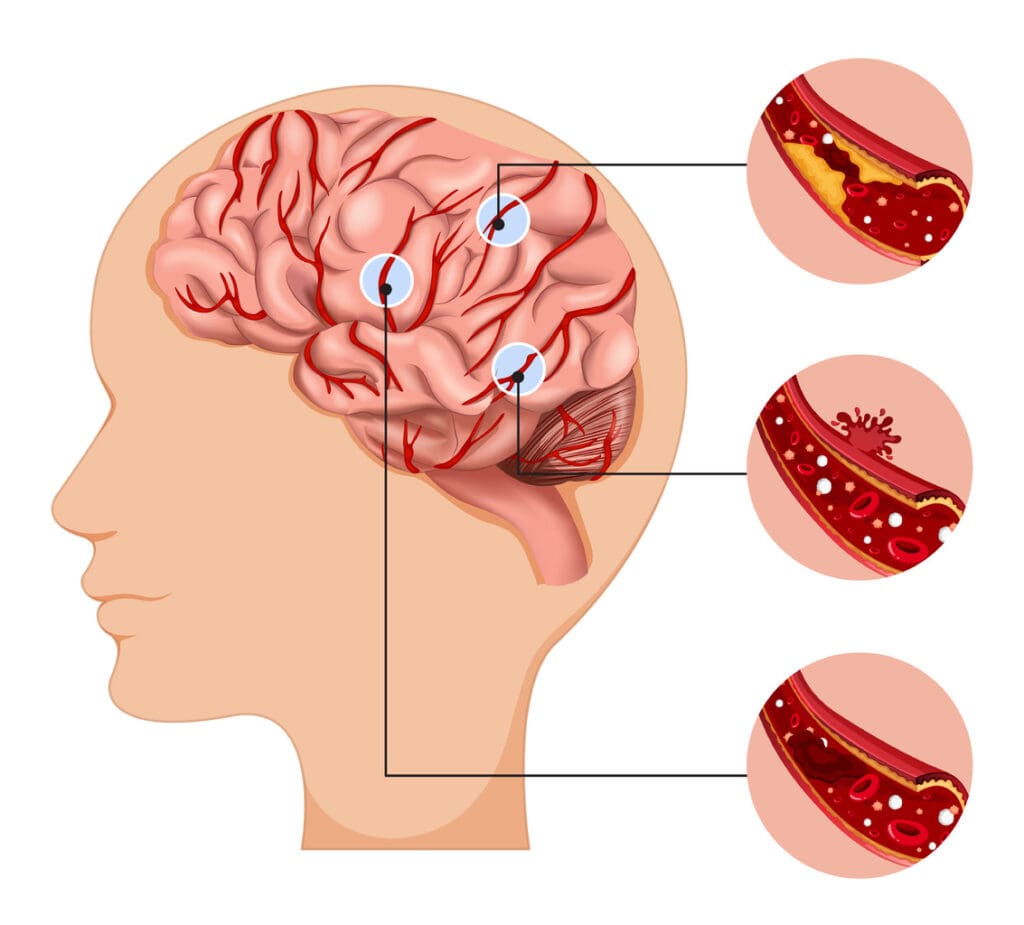
Blood clots in the brain come in different forms. Each has its own signs and effects. The main types are cerebral venous thrombosis and hemorrhagic stroke.
Types of Brain Blood Clots
There are two main types of brain blood clots. Ischemic clots block a blood vessel. Hemorrhagic clots happen when a blood vessel bursts.
- Ischemic Clots: These are linked to cerebral venous thrombosis.
- Hemorrhagic Clots: These are seen in hemorrhagic strokes, where there’s bleeding in or around the brain.
Cerebral Venous Thrombosis vs. Hemorrhagic Stroke
Cerebral venous thrombosis is when a clot blocks the brain’s venous sinuses. Hemorrhagic stroke is when bleeding happens in or around the brain because of a burst blood vessel.
| Condition | Description | Mortality Rate |
|---|---|---|
| Cerebral Venous Thrombosis | Clot in the brain’s venous sinuses | 1-4% in-hospital mortality |
| Hemorrhagic Stroke | Bleeding into or around the brain | Higher mortality rate compared to cerebral venous thrombosis |
Risk Factors and Causes
Many things can make you more likely to get a brain blood clot. These include your genes, lifestyle, and health conditions.
- Genetic Predispositions: Family history of clotting disorders.
- Lifestyle Factors: Smoking, obesity, and not being active.
- Pre-existing Conditions: High blood pressure, diabetes, and heart disease.
Knowing these risk factors helps prevent and treat brain blood clots early.
Recognizing the Warning Signs
Symptoms of a blood clot in the brain can vary. But knowing the signs is key to survival. We must be quick to act when we see these warning signs.
Common Symptoms and Warning Signs
Blood clots in the brain show up with sudden and severe symptoms. These include:
- Sudden headache: A severe headache that comes on suddenly is a common symptom.
- Confusion and disorientation: Patients may become confused or disoriented.
- Weakness or numbness: Sudden weakness or numbness in the face, arm, or leg on one side of the body.
- Loss of consciousness: In severe cases, a person may lose consciousness.
What Does a Blood Clot in the Brain Feel Like
It’s hard to describe what a blood clot in the brain feels like. But many people say it’s like the worst headache ever. This is not a typical headache and is usually much more severe than usual.
Some people feel pressure or tightness in their head. Others might have trouble speaking or understanding speech. They might also lose coordination or balance.
| Symptom | Description |
|---|---|
| Sudden Headache | Severe headache with no clear cause |
| Confusion | Difficulty understanding or being aware of surroundings |
| Weakness/Numbness | Sudden weakness or numbness on one side of the body |
When to Seek Emergency Medical Care
If you or someone else is showing symptoms of a blood clot in the brain, seek emergency care right away. Time is of the essence in treating brain blood clots effectively.
Call emergency services or go to the nearest emergency room if you notice any of these symptoms:
- Sudden severe headache
- Confusion or difficulty speaking
- Weakness or numbness in parts of the body
- Loss of consciousness
Acting quickly can greatly improve outcomes for those with a brain blood clot.
Blood Clots in the Brain Survival Rate: Critical Statistics
Knowing the survival rates for blood clots in the brain is key for both patients and doctors. Blood clots in the brain come in different types, each with its own survival stats. We’ll look at the important numbers, showing how likely people are to survive and what their long-term chances are.
Cerebral Venous Thrombosis Mortality
Cerebral venous thrombosis (CVT) is a rare stroke type. It happens when a blood clot forms in the brain’s venous sinuses. The death rate for CVT in the hospital is 1-4%.
This shows how vital quick diagnosis and treatment are. Even though CVT is rare, it can be very serious if not treated fast.
Hemorrhagic Stroke Survival Data
Hemorrhagic stroke happens when a blood vessel in the brain bursts. It has a much higher death rate than CVT. The survival rate for hemorrhagic stroke depends on how bad the bleed is and where it is.
Usually, hemorrhagic stroke has a lower survival rate than ischemic stroke. This means getting medical help right away is very important.
Five-Year Survival Rate After Brain Bleeding
The five-year survival rate after a brain bleed from a hemorrhagic stroke is key for understanding long-term recovery. The data shows a five-year survival rate of about 26.7%.
This number shows how tough recovery can be for many patients. It also stresses the need for thorough care after a stroke.
These survival rate stats for blood clots in the brain show how complex and varied outcomes can be. By knowing these numbers, patients and doctors can better handle the challenges of brain blood clots.
Diagnosis and Immediate Treatment Approaches
Diagnosing blood clots in the brain is complex. It involves clinical checks and advanced tools. We use patient history, physical exams, and imaging to diagnose and treat blood clots.
Diagnostic Procedures
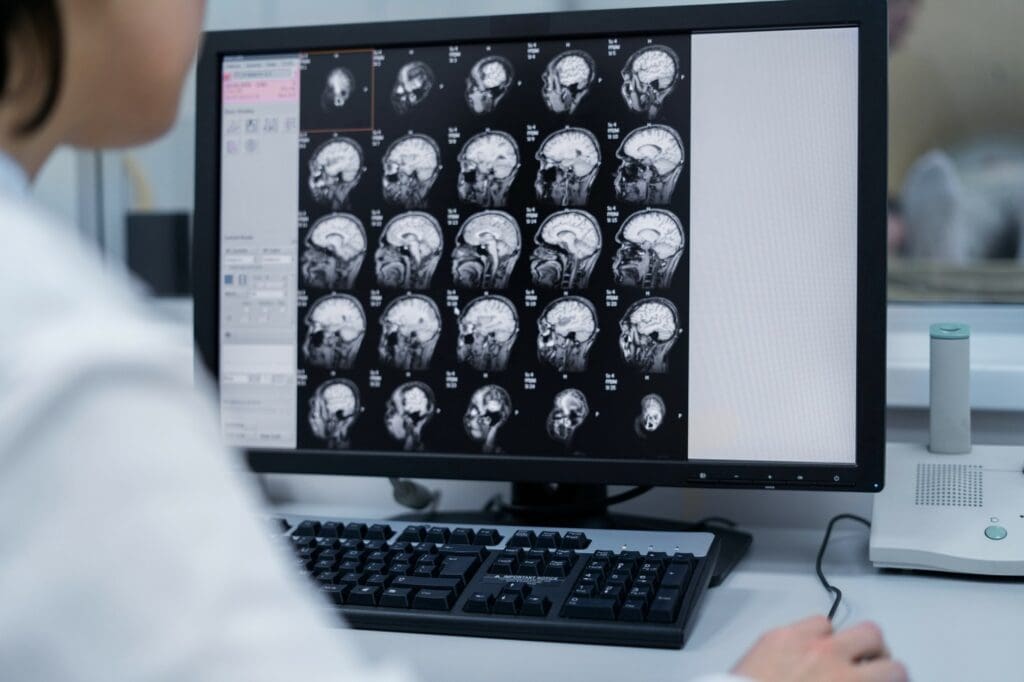
Advanced imaging is key in diagnosing brain blood clots. Computed Tomography (CT) scans and Magnetic Resonance Imaging (MRI) help see the clot and its effects.
- CT scans give quick, detailed brain images, showing where the clot is.
- MRI offers detailed views of soft brain tissues, helping with a precise diagnosis.
In some cases, cerebral angiography is used to check blood vessels and the clot more closely.
Emergency Interventions
Emergency treatments for brain blood clots aim to restore blood flow and prevent damage. Thrombolytic therapy is often used, where drugs dissolve the clot.
| Treatment Approach | Description | Benefits |
|---|---|---|
| Thrombolytic Therapy | Medications used to dissolve the clot | Restores blood flow, reduces damage |
| Mechanical Thrombectomy | Surgical removal of the clot | High success rate for large clots, improves outcomes |
The Critical Importance of Early Detection
Spotting blood clots in the brain early is vital for good treatment and outcomes. We stress the need to recognize symptoms early and get medical help fast.
Knowing how to diagnose and treat blood clots in the brain helps us save lives. Our goal is to provide quick, effective care for patients needing blood clot in brain operation or blood clots in brain surgery.
Surgical Interventions and Success Rates
Surgical treatments are key in fighting brain blood clots, giving hope to many. Blood clots in the brain can cause strokes or even death. But, thanks to new medical tech and surgery methods, many patients now have a better chance.
Thrombectomy Success Rates (60-80%)
Thrombectomy is a surgery that removes brain blood clots. It has a success rate of 60-80%, helping many patients. The sooner the surgery, the better the results.
Success depends on the clot’s size and location, the patient’s health, and how fast the surgery is done.
Brain Clot Surgery Survival Rate
The survival rate for brain clot surgery varies. It depends on the surgery type, patient health, and clot severity. Thanks to better surgery and care, survival rates have gone up.
- Patients with fewer health issues tend to live longer.
- The surgeon’s skill and experience matter a lot.
- Good care after surgery helps a lot with recovery.
Post-Operation Recovery Statistics (75%)
Recovering from brain clot surgery is complex. It depends on the patient’s age, clot location, and rehab. About 75% of patients see big improvements.
Rehab is key to getting better. It includes physical, occupational, and speech therapy. A team of experts helps patients on their way to recovery.
Long-Term Survival Outcomes
It’s key to know how patients with brain blood clots do in the long run. Both patients and doctors need this info. Blood clots in the brain can be very dangerous, whether they cause cerebral venous thrombosis or hemorrhagic stroke.
The severity of the condition and the patient’s health are very important. We’ll look at the stats and what affects survival rates.
30-Day Survival for Brainstem Hemorrhage
Studies show that about 70% of patients with brainstem hemorrhage survive the first 30 days. This shows how important quick action and good medical care are.
Those who make it past 30 days face a tough recovery. Many things can affect their outcome, like the size and location of the hemorrhage and their health before the stroke.
Long-Term Follow-Up
Follow-up data for brain blood clots shows a mortality rate of 8-10%. This range shows how different outcomes can be and why ongoing care is vital.
Survivors often need a lot of rehab to get back to normal. This process can take a long time, and results vary a lot.
Factors That Influence Long-Term Survival
Many things can affect how long a patient with a brain blood clot will live. These include:
- The size and location of the clot
- The patient’s age and overall health
- The timeliness and quality of medical care received
- The presence of any pre-existing medical conditions
Knowing these factors helps predict outcomes and guide treatment.
Here’s a table that shows how these factors can affect survival:
| Factor | Impact on Survival |
|---|---|
| Clot Size and Location | Larger clots or those in critical areas tend to have poorer outcomes |
| Patient Age and Health | Older patients or those with pre-existing conditions face higher risks |
| Timeliness of Medical Care | Early intervention significantly improves survival chances |
It’s important to remember that while stats are helpful, each person’s outcome can be different. Things like the treatment plan, how well the patient follows it, and support systems all matter.
By knowing the risks and what affects survival, patients and their families can better understand their recovery. We stress the need for thorough medical care and support during this time.
The Recovery Journey After Brain Blood Clots
Surviving a brain blood clot is just the start. The real challenge is the recovery journey that follows. This journey is complex and varies for everyone. It involves medical treatment, rehabilitation, and support to regain lost abilities.
Immediate Post-Treatment Phase
The immediate post-treatment phase is very important. Patients with a head blood clot or dvt in brain need close monitoring. This phase focuses on rest, medication, and assessing the damage.
Medical professionals work hard to stabilize the patient and prevent complications. This is a time for healing and preparing for rehabilitation.
Rehabilitation Process and Timeline
The rehabilitation process is tailored to each person’s needs. It can vary in duration and intensity. It may include physical, occupational, and speech therapy.
The timeline for rehabilitation can be weeks to months. It’s a slow process that requires patience and support from healthcare teams, family, and friends.
Cognitive and Physical Recovery Milestones
Cognitive and physical recovery milestones are important. They include regaining memory, improving concentration, and resuming daily activities. The rate of recovery varies among individuals.
It’s key for patients and their families to work with healthcare teams. Setting realistic goals and celebrating achievements is important. With the right support, many people can make significant recoveries after a brain blood clot.
Factors That Impact Recovery Outcomes
Recovering from a brain blood clot is complex. It depends on many things. Each person’s recovery is different, based on their health, the clot’s type, and the care they get.
Age and Pre-Existing Health Conditions
Age affects recovery. Older people might face more challenges. This is because they have less energy and may have other health issues.
Health problems like high blood pressure, diabetes, or heart disease can make recovery harder. They raise the risk of more health problems.
A study on Dove Press shows how important it is to understand a patient’s health fully.
Clot Location and Size
The clot’s location and size are key. Clots in certain areas, like the brainstem, can cause big problems. This is because these areas control important functions.
Rehabilitation Participation
Being active in rehabilitation is very important. It helps patients get back lost skills and adapt to any lasting changes. Early and intensive rehabilitation leads to better results.
Support Systems and Mental Health
Having a strong support system is key. Family and friends can make a big difference. It’s also important to take care of mental health.
Patients with brain blood clots can struggle with depression and anxiety. A holistic approach to care, including mental health support, can help a lot.
“The road to recovery is not just about medical treatment; it’s also about the support and care that patients receive from their loved ones and healthcare providers.”
Healthcare providers can improve recovery by understanding and addressing these factors. This way, they can tailor care to meet each patient’s needs. This helps improve outcomes for those with brain blood clots.
Prevention and Risk Reduction Strategies
To prevent blood clots in the brain, we need a plan that includes lifestyle changes and medical care. Knowing what causes brain blood clots helps us take steps to lower our risk.
Lifestyle Modifications
Changing our lifestyle can greatly lower the risk of brain blood clots. Regular physical activity boosts circulation and heart health. Eating a healthy diet full of fruits, veggies, and whole grains helps manage weight and lowers the risk of high blood pressure and diabetes.
Quitting smoking and drinking less alcohol are also key. These actions help keep our blood vessels healthy.
Medical Management of Risk Factors
Managing health conditions that raise the risk of brain blood clots is vital. This means controlling hypertension, diabetes, and high cholesterol with medicine and lifestyle changes. Regular doctor visits are important to keep these conditions in check and adjust treatments as needed.
When to Consider Preventive Medications
In some cases, doctors might suggest preventive medicines to lower the risk of brain blood clots. Anticoagulant medications are given to those at high risk or who have had a clot before. It’s important to talk to a doctor about the pros and cons of these medicines to decide if they’re right for you.
By making lifestyle changes, managing health conditions, and using preventive medicines when needed, we can greatly reduce the risk of brain blood clots. This improves our chances of survival.
Conclusion: Life After Brain Blood Clots
Understanding the survival rate of brain blood clots is key for patients and their families. We’ve looked at different types of brain blood clots, risk factors, symptoms, diagnosis, treatment, and recovery chances.
The survival rate for brain blood clots changes a lot. It depends on the type of clot, where it is, and the patient’s health. For example, cerebral venous thrombosis has a low in-hospital death rate of 1-4%. But, hemorrhagic stroke survival rates can vary a lot.
Recovering from brain blood clots is complex and varies for everyone. Age, health before the clot, where and how big the clot is, rehab efforts, and support systems all matter. They help decide how well someone will do in the long run.
By combining what we’ve learned, we see that catching clots early, acting fast, and doing a lot of rehab are key. These steps help improve survival and recovery chances from brain blood clots.
FAQ
What is the survival rate for blood clots in the brain?
The survival rate for brain blood clots varies. It depends on the clot’s type and where it is. For cerebral venous thrombosis, the death rate in the hospital is 1-4%. Hemorrhagic stroke has a lower survival rate, with a five-year survival rate of 26.7%.
What are the symptoms of a blood clot in the brain?
Symptoms include severe headaches, confusion, and weakness or numbness in limbs. You might also have trouble speaking or understanding speech, and vision changes. If you notice these, get medical help right away.
Can you die from a blood clot in your brain?
Yes, a brain blood clot can be deadly. Hemorrhagic stroke has a higher death rate than cerebral venous thrombosis. Quick medical care is key to survival.
What does a blood clot in the head feel like?
A head blood clot can cause severe headaches, often called “the worst headache of my life.” You might also feel dizzy, confused, or nauseous.
What is the success rate of thrombectomy surgery?
Thrombectomy surgery works 60-80% of the time. It removes the clot and restores blood flow. Success depends on the clot’s location, size, and the patient’s health.
How long does it take to recover from a brain blood clot?
Recovery from a brain blood clot can take months to a year or more. It involves physical, occupational, and speech therapy to regain lost functions.
What factors influence recovery outcomes for patients with blood clots in the brain?
Recovery depends on age, health conditions, clot location, and rehabilitation. Quick medical treatment and active rehabilitation lead to better outcomes.
Can blood clots in the brain be prevented?
Some risk factors can’t be prevented, but lifestyle changes and medications can help. A healthy lifestyle, managing conditions like hypertension, and taking anticoagulants can prevent blood clots.
What is the 30-day survival rate for brainstem hemorrhage?
The 30-day survival rate for brainstem hemorrhage is about 70%. This type of hemorrhage is very dangerous because it affects critical brain functions.
Is a blood clot in the brain dangerous?
Yes, a brain blood clot is a serious condition that needs immediate attention. It can damage brain tissue, leading to disability or death if not treated quickly and effectively.
FAQ
What is the survival rate for blood clots in the brain?
The survival rate for brain blood clots varies. It depends on the clot’s type and where it is. For cerebral venous thrombosis, the death rate in the hospital is 1-4%. Hemorrhagic stroke has a lower survival rate, with a five-year survival rate of 26.7%.
What are the symptoms of a blood clot in the brain?
Symptoms include severe headaches, confusion, and weakness or numbness in limbs. You might also have trouble speaking or understanding speech, and vision changes. If you notice these, get medical help right away.
Can you die from a blood clot in your brain?
Yes, a brain blood clot can be deadly. Hemorrhagic stroke has a higher death rate than cerebral venous thrombosis. Quick medical care is key to survival.
What does a blood clot in the head feel like?
A head blood clot can cause severe headaches, often called “the worst headache of my life.” You might also feel dizzy, confused, or nauseous.
What is the success rate of thrombectomy surgery?
Thrombectomy surgery works 60-80% of the time. It removes the clot and restores blood flow. Success depends on the clot’s location, size, and the patient’s health.
How long does it take to recover from a brain blood clot?
Recovery from a brain blood clot can take months to a year or more. It involves physical, occupational, and speech therapy to regain lost functions.
What factors influence recovery outcomes for patients with blood clots in the brain?
Recovery depends on age, health conditions, clot location, and rehabilitation. Quick medical treatment and active rehabilitation lead to better outcomes.
Can blood clots in the brain be prevented?
Some risk factors can’t be prevented, but lifestyle changes and medications can help. A healthy lifestyle, managing conditions like hypertension, and taking anticoagulants can prevent blood clots.
What is the 30-day survival rate for brainstem hemorrhage?
The 30-day survival rate for brainstem hemorrhage is about 70%. This type of hemorrhage is very dangerous because it affects critical brain functions.
Is a blood clot in the brain dangerous?
Yes, a brain blood clot is a serious condition that needs immediate attention. It can damage brain tissue, leading to disability or death if not treated quickly and effectively.