
Hematologic disorders affect blood cells and plasma. They can greatly change a person’s life and health.
There are over 30 different diseases and disorders in this category. Knowing about them is key to quick diagnosis and treatment. For example, anemia, a common issue with low red blood cells, shows how complex these conditions are.
These disorders are common worldwide. This means we need good care and treatment plans, like those at Liv Hospital.
Key Takeaways
- Over 30 distinct blood diseases and disorders exist.
- Hematologic disorders significantly impact quality of life.
- Early diagnosis is key to effective treatment.
- Anemia affects millions globally.
- Comprehensive care is vital for managing these disorders.
Understanding Blood Disorders and Their Impact
Blood disorders are numerous and affect the blood and its parts. They can greatly impact a person’s health and quality.
What Are Hematologic Disorders?
Hematologic disorders, or blood diseases, affect the blood’s function. The Anthony Nolan organization says they can impact blood cell production, function, or components.
Examples include anemia, bleeding disorders, and blood cancers. Anemia, for instance, is when there are not enough red blood cells or hemoglobin.
The Importance of Blood Health
Good blood health is key to well-being. Blood carries oxygen, fights infections, and helps regulate temperature.
Key aspects of blood health include:
- Production of healthy blood cells
- Proper functioning of blood cells
- Maintenance of healthy blood vessels
Global Prevalence of Blood Diseases
Blood diseases are a big health issue worldwide. Anemia, for example, affects nearly a quarter of the world’s population, hitting women and children in poor countries hard.
Some key stats on blood diseases globally include:
- Anemia affects about 1.62 billion people worldwide.
- Sickle cell disease impacts millions, mainly those of African descent.
- Blood cancers, like leukemia and lymphoma, are diagnosed in thousands yearly.
Knowing how common blood diseases are helps us create better health plans and treatments.
Common Types of Anemia: The Most Prevalent Blood Illnesses
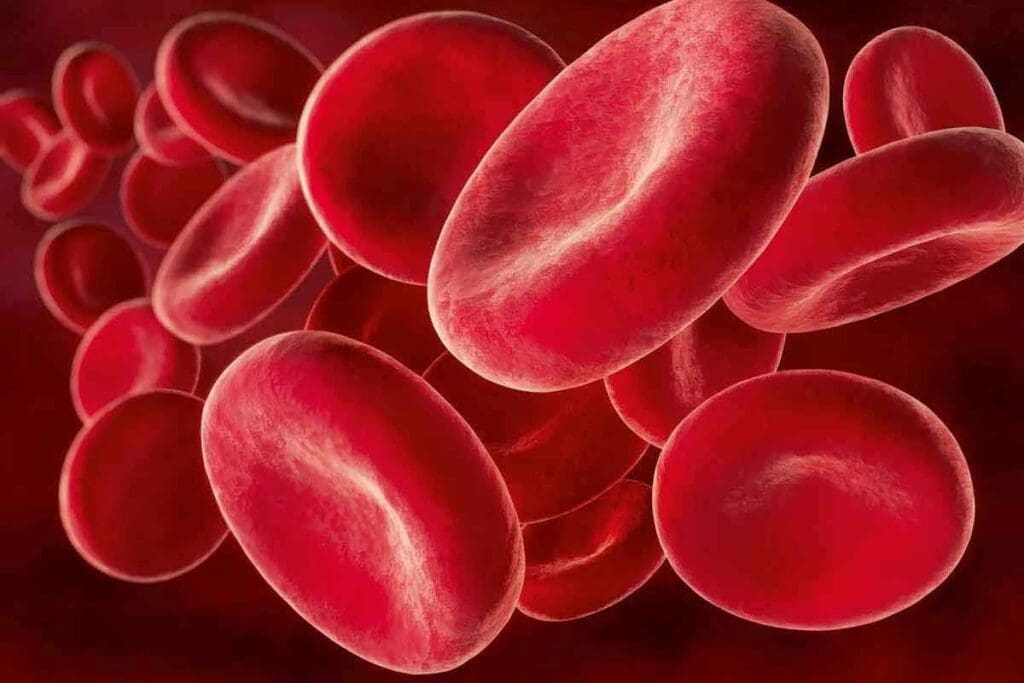
Anemia is when you don’t have enough red blood cells or hemoglobin. It comes in different types, each with its own causes and signs. Knowing about these types helps doctors find and treat the problem.
Iron Deficiency Anemia
Iron deficiency anemia is the most common kind. It happens when you don’t get enough iron, lose too much blood, or need more iron. You might feel tired, weak, and have trouble breathing. To fix it, you need iron pills and to eat more iron-rich foods.
Key characteristics of iron deficiency anemia:
- Caused by low iron levels
- Common in individuals with a poor diet or chronic blood loss
- Symptoms include fatigue and weakness
- Treatment involves iron supplementation
Vitamin B12 Deficiency Anemia (Pernicious Anemia)
Vitamin B12 deficiency anemia, or pernicious anemia, happens when your body can’t absorb enough vitamin B12. It’s often linked to autoimmune diseases or problems with your gut. You might feel tired, have nerve issues, and have stomach problems. To treat it, you get vitamin B12 shots or take pills.
Notable aspects of vitamin B12 deficiency anemia:
- Linked to autoimmune conditions
- Can cause neurological symptoms
- Treatment involves vitamin B12 supplementation
Folate Deficiency Anemia
Folate deficiency anemia is caused by not getting enough folate or not being able to absorb it. It’s more common in people who don’t eat well, have gut problems, or need more folate. The symptoms are similar to iron deficiency anemia, like feeling tired and weak. To fix it, you take folate pills and eat better.
Folate deficiency anemia characteristics:
- Caused by insufficient folate intake
- More common in pregnant women and individuals with certain medical conditions
- Treatment involves folate supplementation
Aplastic Anemia
Aplastic anemia is a rare and serious condition where your bone marrow can’t make blood cells. It can be caused by toxins, radiation, certain medicines, or autoimmune diseases. You might feel tired, get sick easily, and bleed a lot. Treatment can include medicines to boost your immune system or even a bone marrow transplant.
Aplastic anemia is a serious condition that needs quick medical help. Knowing about the causes, symptoms, and treatments for these common anemias is key to managing them well.
Genetic Blood Disorders: Inherited Hematologic Conditions
Genetic blood disorders are inherited conditions that affect blood cells. They are caused by gene mutations. These mutations impact proteins needed for blood cell production and clotting. Understanding these conditions is key to diagnosis and treatment.
Sickle Cell Disease
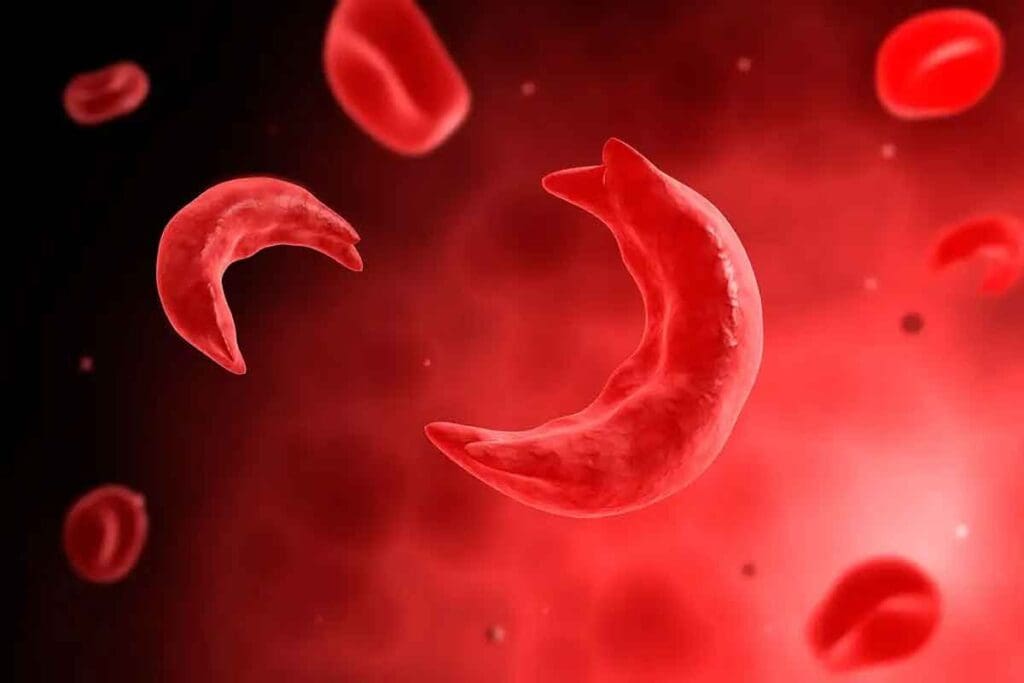
Sickle cell disease is a genetic disorder that makes red blood cells sickle-shaped. These cells can block blood vessels, causing health problems. It affects 300,000 newborns worldwide each year.
Managing it includes pain relief, staying hydrated, and sometimes blood transfusions.
Thalassemia (Alpha and Beta)
Thalassemia affects hemoglobin production. It’s divided into alpha and beta types, based on the affected part of hemoglobin. Symptoms range from mild anemia to severe health issues.
Treatment often includes blood transfusions and iron chelation therapy to manage iron buildup.
Hemophilia A and B
Hemophilia is a disorder that makes it hard to stop bleeding. Hemophilia A and B are the most common types. They result from missing clotting factors VIII and IX.
Treatment involves replacing the missing clotting factor.
Von Willebrand Disease
Von Willebrand disease is the most common inherited bleeding disorder. It’s caused by a lack or mutation of von Willebrand factor, a clotting protein. Symptoms include easy bruising and heavy menstrual bleeding.
Treatment may include desmopressin or von Willebrand factor concentrates.
| Disorder | Primary Cause | Key Symptoms | Common Treatments |
| Sickle Cell Disease | Abnormal hemoglobin production | Pain crises, anemia, infections | Hydration, pain management, and blood transfusions |
| Thalassemia | Defective hemoglobin synthesis | Anemia, fatigue, growth problems | Blood transfusions, iron chelation therapy |
| Hemophilia A and B | Deficiency in clotting factors VIII/IX | Bleeding into joints or muscles | Replacement therapy with clotting factors |
| Von Willebrand Disease | Deficiency or mutation in von Willebrand factor | Easy bruising, heavy menstrual bleeding | Desmopressin, von Willebrand factor concentrates |
Genetic blood disorders need careful management. This includes genetic counseling to help families understand the risks. Advances in genetic testing and treatment are improving life for those affected.
Complete Blood Illnesses List: Malignant Blood Disorders
It’s important to know about malignant blood disorders. They include conditions like multiple myeloma and myelodysplastic syndromes. These disorders happen when abnormal cells grow too much in the blood or bone marrow.
Leukemia Types
Leukemia is a blood cancer that mainly affects white blood cells. There are several types, each with its own characteristics.
- Acute Lymphoblastic Leukemia (ALL): A fast-growing leukemia that affects lymphoid cells.
- Acute Myeloid Leukemia (AML): A leukemia that starts in the bone marrow and quickly spreads to the blood.
- Chronic Lymphocytic Leukemia (CLL): A slow-growing leukemia that affects lymphoid cells.
- Chronic Myeloid Leukemia (CML): A leukemia that starts in the bone marrow and gradually moves to the blood.
Lymphoma Types
Lymphoma is a blood cancer that starts in the lymphatic system. It has two main types.
- Hodgkin Lymphoma: It has Reed-Sternberg cells.
- Non-Hodgkin Lymphoma: A group of lymphomas without Reed-Sternberg cells.
Multiple Myeloma
Multiple myeloma is a cancer of plasma cells in the bone marrow. It can cause anemia, bone pain, and infections.
Myelodysplastic Syndromes
Myelodysplastic syndromes (MDS) are disorders caused by poorly formed or dysfunctional blood cells. They can turn into acute myeloid leukemia.
| Disorder | Characteristics | Common Symptoms |
| Leukemia | Uncontrolled growth of abnormal white blood cells | Fatigue, infections, easy bruising |
| Lymphoma | Cancer of the lymphatic system | Swollen lymph nodes, fever, weight loss |
| Multiple Myeloma | Cancer of plasma cells in the bone marrow | Bone pain, anemia, and infections |
| Myelodysplastic Syndromes | Poorly formed or dysfunctional blood cells | Anemia, infections, fatigue |
Malignant blood disorders need quick diagnosis and treatment. Knowing the different types and their characteristics is key to managing them well.
Myeloproliferative Neoplasms and Related Disorders
Myeloproliferative neoplasms are blood disorders where too many blood cells are made. They can cause health problems like blood clots, bone marrow failure, and leukemia.
There are different types of myeloproliferative neoplasms, each with its own symptoms and treatments. Knowing about these disorders is key to getting the right care.
Polycythemia Vera
Polycythemia vera is a blood disorder that makes too many red and white blood cells and platelets. It raises the risk of blood clots and can cause headaches, dizziness, and tiredness.
Key features of polycythemia vera include:
- Elevated hematocrit levels
- Increased risk of thrombosis
- Splenomegaly
Essential Thrombocythemia
Essential thrombocythemia is a disorder that makes too many platelets. It can cause blood clots and bleeding problems.
Common symptoms and complications include:
- Thrombosis
- Bleeding episodes
- Headaches and dizziness
Primary Myelofibrosis
Primary myelofibrosis is a serious disorder that scars the bone marrow. This scarring can cause anemia, a big spleen, and other issues.
Characteristics of primary myelofibrosis include:
- Bone marrow fibrosis
- Splenomegaly
- Anemia and other cytopenias
Chronic Neutrophilic Leukemia
Chronic neutrophilic leukemia is a rare disorder that raises neutrophil counts in the blood and bone marrow. It can damage organs.
Key aspects of chronic neutrophilic leukemia include:
- Persistent neutrophilia
- Bone marrow involvement
- Potential for organ damage
Platelet and Clotting Disorders
The blood’s clotting mechanism is key to stopping bleeding. Disorders in this system can lead to serious problems. These conditions affect how blood clots, causing too much bleeding or clots where they shouldn’t be.
Thrombocytopenia
Thrombocytopenia means you have too few platelets. This can happen for many reasons, like bone marrow problems or certain medicines. Symptoms include easy bruising, small spots on the skin, and cuts that won’t stop bleeding.
Immune Thrombocytopenic Purpura (ITP)
ITP is when your immune system attacks and destroys platelets. This can make your platelet count very low, causing bleeding issues. Doctors often use medicines to calm down the immune system.
Thrombotic Thrombocytopenic Purpura (TTP)
TTP is a rare disorder where blood clots form in small blood vessels. It can cause serious problems like kidney failure and brain issues. Treatment usually involves replacing the blood plasma.
Disseminated Intravascular Coagulation (DIC)
DIC is a serious condition that causes both clotting and bleeding. It uses up all the platelets and clotting factors in your body. It’s often linked to severe illnesses like sepsis. Treatment focuses on fixing the underlying issue and helping your body clot.
| Condition | Primary Characteristics | Common Symptoms | Typical Treatment Approaches |
| Thrombocytopenia | Low platelet count | Bruising, petechiae, prolonged bleeding | Address the underlying cause, platelet transfusions |
| Immune Thrombocytopenic Purpura (ITP) | Autoimmune destruction of platelets | Bleeding, bruising | Immunosuppressive medications, corticosteroids |
| Thrombotic Thrombocytopenic Purpura (TTP) | Formation of blood clots in small vessels | Kidney failure, neurological issues, thrombocytopenia | Plasma exchange therapy |
| Disseminated Intravascular Coagulation (DIC) | Depletion of platelets and clotting factors | Bleeding, clotting complications | Treat the underlying cause, support clotting mechanisms |
White Blood Cell Disorders
White blood cells are key to our immune system. Disorders affecting these cells can lead to serious health issues. These cells help fight infections and diseases. Problems with them can cause mild to severe health problems.
Neutropenia
Neutropenia is when you have too few neutrophils, a type of white blood cell. This makes it harder to fight off infections. It can be caused by bone marrow issues, some medicines, or severe infections.
Symptoms include frequent infections, fever, and mouth sores. Treatment aims to fix the cause and may include medicines to boost neutrophils or treat infections.
Leukocytosis
Leukocytosis is when you have too many white blood cells. It’s often a sign of infection, inflammation, or stress. But it can also mean a serious disease like leukemia.
Causes range from infections to leukemia. Symptoms include fever, fatigue, and weight loss. Treatment varies based on the cause.
Lymphocytopenia
Lymphocytopenia means you have too few lymphocytes, another important white blood cell. It can be caused by infections, diseases, or medicines.
People with this condition may get sick more easily. Treatment aims to fix the cause and manage infections.
Eosinophilia
Eosinophilia is when you have too many eosinophils, a type of white blood cell. It’s linked to fighting parasites and allergic reactions. It can be caused by parasites, allergies, and other conditions.
Symptoms depend on the cause and can include skin rashes, breathing problems, or stomach issues. Treatment focuses on the cause, like antiparasitic drugs or managing allergies.
| Disorder | Description | Common Causes |
| Neutropenia | Low neutrophil count | Bone marrow disorders, certain medications |
| Leukocytosis | High white blood cell count | Infections, inflammation, leukemia |
| Lymphocytopenia | Low lymphocyte count | Infections, immunodeficiency diseases, and certain medications |
| Eosinophilia | High eosinophil count | Parasitic infections, allergic diseases |
Rare Blood Disorders and Conditions
It’s important to know about rare blood disorders to help patients. These conditions might not be common, but they can really affect someone’s life. We’ll look at four rare blood disorders: Paroxysmal Nocturnal Hemoglobinuria, Gaucher Disease, Fanconi Anemia, and Diamond-Blackfan Anemia.
Paroxysmal Nocturnal Hemoglobinuria
Paroxysmal Nocturnal Hemoglobinuria (PNH) is a rare disorder. It causes red blood cells to break down, bone marrow failure, and blood clots. Symptoms can be different for everyone, but often include feeling tired, short of breath, and stomach pain.
Managing PNH means stopping the breakdown of red blood cells and preventing blood clots. Doctors might use medicines that slow down the immune system’s attack on red blood cells.
Gaucher Disease
Gaucher Disease is a genetic disorder. It happens when the body can’t break down a certain substance, leading to it building up in cells. This buildup can harm the spleen, liver, and bones, causing symptoms.
Symptoms include a big spleen and liver, bone pain, and sometimes brain problems. Treatment is enzyme replacement therapy (ERT) to replace the missing enzyme. This helps reduce the buildup and eases symptoms.
| Disease | Primary Symptoms | Management/Treatment |
| Paroxysmal Nocturnal Hemoglobinuria | Fatigue, shortness of breath, abdominal pain | Complement inhibitors, symptom management |
| Gaucher Disease | Enlarged spleen and liver, bone pain | Enzyme replacement therapy |
| Fanconi Anemia | Bone marrow failure, congenital abnormalities | Bone marrow transplantation, supportive care |
| Diamond-Blackfan Anemia | Anemia, congenital abnormalities | Corticosteroids, blood transfusions |
Fanconi Anemia
Fanconi Anemia is a rare genetic disorder. It causes bone marrow failure and a higher risk of cancer. People with Fanconi Anemia often have birth defects and may have aplastic anemia.
The main treatment is bone marrow transplantation to replace the bad bone marrow with healthy cells. They also need supportive care like blood transfusions and infection management.
Diamond-Blackfan Anemia
Diamond-Blackfan Anemia is a rare genetic disorder. It mainly causes anemia because the bone marrow can’t make enough red blood cells. It’s often linked with birth defects.
Treatment usually includes corticosteroids to help make more red blood cells. Sometimes, blood transfusions are needed for severe anemia.
Rare blood disorders are challenging to diagnose and manage. It’s key for healthcare providers to understand these conditions to give the best care. More research is needed to improve treatment outcomes.
Diagnosis and Treatment Approaches for Hematologic Disorders
Hematologic disorders need accurate diagnosis and specific treatments. These conditions are complex. They require the latest diagnostic methods and treatments.
Common Diagnostic Tests
Tests for diagnosing these disorders include:
- Complete Blood Count (CBC)
- Blood smear examination
- Bone marrow biopsy
- Genetic testing
- Imaging studies (e.g., CT scans, MRI)
These tests help find the exact condition and its level. They guide the treatment plan.
Treatment Modalities
Treatment for these disorders depends on the condition. It may include:
- Medications (e.g., chemotherapy, immunosuppressants)
- Blood transfusions
- Bone marrow transplantation
- Supportive care (e.g., pain management, nutritional support)
Treatment plans are often personalized to meet each patient’s needs.
Advances in Blood Disorder Therapies
New research has brought novel therapies. These include:
- Targeted therapies
- Gene therapy
- Immunotherapy
These new treatments have greatly improved patient outcomes and quality of life.
Bone Marrow Transplantation
Bone marrow transplantation is a key treatment for some disorders. It replaces the patient’s bone marrow with healthy marrow. This can be from the patient themselves or a donor.
| Type of Transplant | Description | Indications |
| Autologous | Using the patient’s own bone marrow | Certain types of lymphoma, multiple myeloma |
| Allogeneic | Using bone marrow from a donor | Leukemia, aplastic anemia, thalassemia |
Bone marrow transplantation can be a cure for severe hematologic disorders.
Conclusion: Living with Blood Disorders
Living with blood disorders needs a full plan to manage them well. It’s key to understand the complex nature of these diseases. This knowledge helps in finding ways to deal with their challenges.
Managing blood diseases means using medicine, changing your lifestyle, and keeping an eye on your health. Thanks to medical research, there are now better treatments. This makes life better for people with blood disorders.
It’s important to manage blood disorders well to reduce symptoms and avoid serious problems. Knowing about the latest in treatment and care helps. This way, people can live a happy and meaningful life despite their condition.
New research is always finding out more about blood disorders. This leads to new ways to treat them. This progress is essential for better patient care and managing these diseases.
FAQ
What are some common blood diseases?
Common blood diseases include different types of anemia. These include iron deficiency anemia, vitamin B12 deficiency anemia, and folate deficiency anemia. Genetic blood disorders like sickle cell disease and thalassemia are also common.
What are hematologic disorders?
Hematologic disorders affect the blood and blood-forming organs. They include anemia, bleeding disorders, and blood cancers like leukemia and lymphoma.
What is the list of blood disorders?
Blood disorders include anemia, sickle cell disease, and thalassemia. Hemophilia and von Willebrand disease are also part of this list. Blood cancers like leukemia, lymphoma, and multiple myeloma are included, too.
What are the symptoms of blood diseases?
Symptoms vary by disease but often include fatigue and weakness. Pale skin, shortness of breath, and increased risk of infections or bleeding are common signs.
How are blood disorders diagnosed?
Tests diagnose blood disorders. These include a complete blood count (CBC), blood smear, and bone marrow biopsy. Genetic testing is also used.
What are the treatment options for blood diseases?
Treatment options vary by disease. They may include medications, blood transfusions, and bone marrow transplantation. Other therapies are also used.
What is the importance of maintaining good blood health?
Good blood health is vital for overall well-being. Blood delivers oxygen and nutrients to tissues and organs.
What are some rare blood disorders?
Rare blood disorders include paroxysmal nocturnal hemoglobinuria and Gaucher disease. Fanconi anemia and Diamond-Blackfan anemia are also rare.
What are myeloproliferative neoplasms?
Myeloproliferative neoplasms are blood disorders with overproduction of blood cells. Polycythemia vera, essential thrombocythemia, and primary myelofibrosis are examples.
What are platelet and clotting disorders?
Platelet and clotting disorders affect blood clotting. Conditions include thrombocytopenia, immune thrombocytopenic purpura, and disseminated intravascular coagulation.
What are white blood cell disorders?
White blood cell disorders include neutropenia and leukocytosis. Lymphocytopenia and eosinophilia are also part of this group. They affect the body’s infection-fighting ability.
References
- Centers for Disease Control and Prevention. (2023). Sickle Cell Disease (SCD). CDC. https://www.cdc.gov/ncbddd/sicklecell/index.html