
What blood types are most needed?
Understanding which blood types are in demand is crucial for effective healthcare. This is true for emergency transfusions and caring for patients. Type O negative blood stands out because it can be given to anyone, making it the universal donor type.
The American Red Cross says we need up to 29,000 units of every day in the US. Only 7% of people have O negative blood type. This highlights the critical importance of donations. Learning about the different blood types helps us see why we need a variety of donations.
Key Takeaways
- Type O negative is the universal donor blood type.
- Only 7% of the US population has O negative blood.
- Up to 29,000 units of blood are needed daily in the US.
- Type O positive is the most common blood type, found in 37% of the population.
- Diverse blood donations are key to meet medical needs.
The Basics of Blood Types and Compatibility
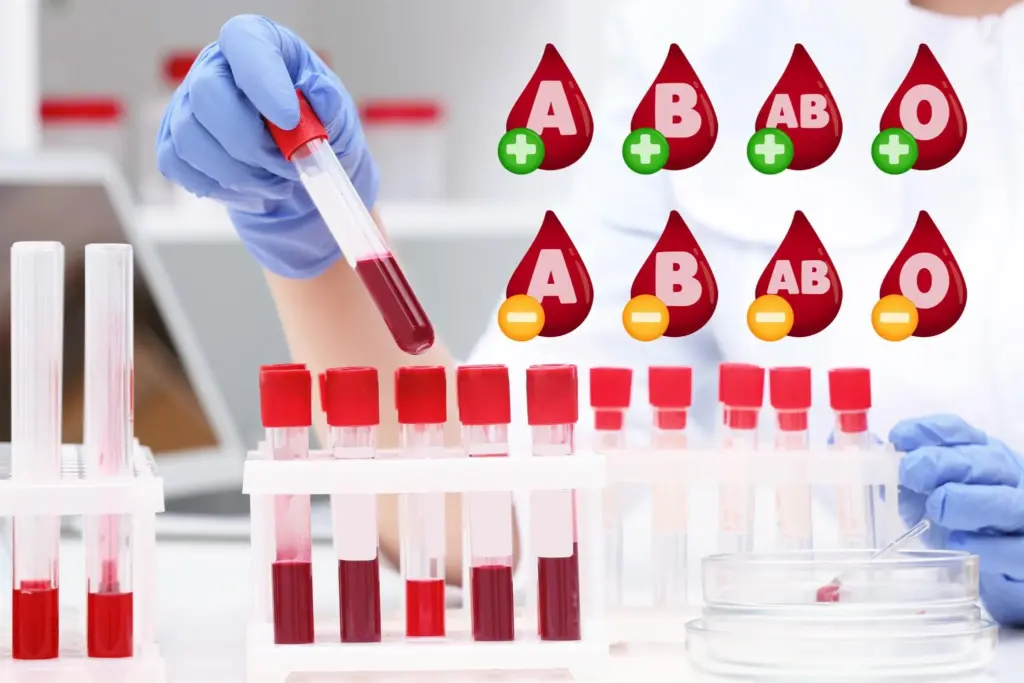
Knowing about blood types is key for safe blood transfusions. It’s important to know who can give blood to whom. We use two main systems to classify blood: the ABO blood group system and the Rh factor.
The ABO Blood Group System
The ABO system groups blood into four types: A, B, AB, and O. These types are based on specific antigens on red blood cells. Type A blood has A antigens, Type B has B antigens, Type AB has both, and Type O has none. This system is key for matching donors and recipients.
In transfusions, the ABO system is very important. For example, people with Type AB blood can get blood from all types, making them universal recipients. Those with Type O blood can give to all but can only get from Type O. This makes O negative the universal donor type.
The Rh Factor: Positive vs. Negative
The Rh factor is another key part of blood type. It shows if a person has the RhD antigen on their red blood cells. If they do, they’re Rh positive; if not, they’re Rh negative. This adds a positive or negative category to each ABO blood type, making eight main types (A+, A-, B+, B-, AB+, AB-, O+, O-).
The Rh factor is very important during pregnancy. An Rh-negative mother carrying an Rh-positive fetus needs special care to avoid problems. It’s also vital for blood transfusions, as the wrong Rh factor can cause bad reactions.
O-Negative: The Universal Blood Donor
O-negative blood is key in emergency transfusions because it works with all blood types. This makes it very important when there’s no time to check a patient’s blood type.
Why O-Negative Blood Is Critical in Emergencies
O-negative blood is used in emergencies because it can be given to anyone. This is vital in trauma, surgery, or other urgent situations where the patient’s blood type is unknown. Experts say O-negative blood is often the only choice in these critical times.
Key reasons for its critical importance include:
- Universal compatibility
- Emergency transfusions
- Trauma and surgery cases
The Scarcity Challenge: Only 7% of the Population
O-negative blood is rare, found in only about 7% of people. This makes it hard for hospitals and blood banks to keep enough on hand for emergencies.
As a blood donation expert noted,
“O-negative blood is like a universal key that can unlock the door to saving a life in an emergency. But its scarcity means we must be careful to keep enough stock.”
|
Blood Type |
Percentage of Population |
Compatibility |
|---|---|---|
|
O-Negative |
7% |
Universal Donor |
|
O-Positive |
37% |
Most common type |
|
A-Negative |
6% |
Compatible with A and AB types |
We need to value O-negative blood donors and encourage more to give. This way, we can make sure hospitals have enough for emergencies.
O-Positive: The Most Needed Blood Type by Volume
O-positive blood is very common and plays a big role in transfusions. Its wide use and safety make it key in the blood supply.
Prevalence and Compatibility Factors
O-positive blood is in about 37% of people, making it the most common. This high number, plus its safety with other positive types, makes it vital for transfusions. In emergencies, O-positive is often used because it’s safe.
Its value comes from being compatible with many blood types. Here’s a table showing who can get and give O-positive blood:
|
Blood Type |
Can Receive From |
Can Donate To |
|---|---|---|
|
O+ |
O+, O- |
O+, A+, B+, AB+ |
|
A+ |
A+, A-, O+, O- |
A+, AB+ |
|
B+ |
B+, B-, O+, O- |
B+, AB+ |
|
AB+ |
Any Rh-positive type |
AB+ |
Why O-Positive Donors Are Always in Demand
O-positive donors are always needed because of its commonness and flexibility. As medical needs and emergencies keep coming, the need for O-positive blood stays the same. Blood banks often say O-positive blood is scarce, more so in emergencies.
“Blood donors are the backbone of the healthcare system, and O-positive donors play a critical role in saving lives.”
Ashley Page, Director of Blood Donor Programs
To keep up with the demand for O-positive blood, we urge eligible donors to donate often. Every donation helps make sure hospitals have enough of this essential blood type.
The Unique Demand for AB Plasma
AB plasma is key in saving lives during surgeries and emergencies. It’s the universal plasma donor type. Its unique compatibility makes it very valuable in transfusion medicine.
We need AB plasma donors to keep hospitals and blood banks stocked. This is true, even in urgent situations where patients need quick transfusions. AB plasma is special because it works with all blood types. This makes it a vital resource.
AB Plasma as the Universal Plasma Donor
AB plasma can be given to patients of any ABO blood group. This is very important in emergencies when finding out a patient’s blood type is not possible.
Its use in medical treatments like surgeries, trauma care, and managing bleeding disorders drives the demand. Hospitals and healthcare places need a steady supply of AB plasma to meet these needs.
AB-Negative: Rarity and Medical Significance
AB-negative plasma is rare but very important. People with AB-negative blood are universal donors for plasma. Their donations are key for patients with rare or complex blood needs.
The rarity of AB-negative plasma shows how important regular donations from those with this rare blood type are. We urge AB-negative donors to keep donating. Their work directly affects patient care and outcomes.
In summary, the need for AB plasma, and AB-negative in particular, shows the importance of a diverse blood donor pool. Understanding AB plasma’s unique characteristics and medical importance helps us see the vital role donors play in healthcare.
Blood Type Compatibility Chart and Transfusion Guidelines
It’s important to match blood donors and recipients for safe transfusions. Blood type charts are key tools for doctors to figure out who can give and who can receive blood.
Who Can Donate to Whom
Knowing about the ABO blood group system and the Rh factor is key. People with O-negative blood can donate to anyone. Those with AB-positive blood can receive from any ABO blood type.
Here’s a simple guide on who can donate to whom:
|
Recipient’s Blood Type |
Can Receive From |
|---|---|
|
A+ |
A+, A-, O+, O- |
|
A- |
A-, O- |
|
B+ |
B+, B-, O+, O- |
|
B- |
B-, O- |
|
AB+ |
Any ABO blood type |
|
AB- |
AB-, A-, B-, O- |
|
O+ |
O+, O- |
|
O- |
O- |
Who Can Receive from Whom
The chart helps find donors and who can safely get blood. For example, someone with O-negative blood can donate to anyone but only get blood from O-negative donors.
Doctors must check these charts during transfusions to avoid bad reactions.
The Daily Blood Supply Needs in the United States
Hospitals and healthcare facilities across the US need a lot of blood every day. This constant demand is key for patient care.
The US healthcare system depends a lot on blood donations. Every day, a lot of blood is needed for surgeries, treatments, and emergencies.
29,000 Units Required Daily
The US healthcare system needs about 29,000 units of blood daily. This is for patients having surgeries, treatments, and emergency care. It shows how important regular blood donations are.
- Surgical procedures require a significant amount of blood.
- Trauma patients often need multiple units of blood.
- Cancer treatments and other medical conditions also require blood transfusions.
The 3% Donor Problem and Its Consequences
Only about 3% of eligible donors actually give blood. This low rate can cause shortages and affect patient care. We need to find out why and increase the number of donors.
Not meeting the daily blood supply needs can be very serious. Hospitals might have to cancel surgeries, and patients needing transfusions could face delays. It’s vital we tackle this issue to ensure timely care for patients.
To meet the daily blood supply needs, we must encourage more eligible donors. By doing this, we can keep a steady supply of blood for patients across the US.
Global Distribution of Blood Types and Regional Needs
Blood types vary worldwide, showing big differences in different areas. Knowing these differences helps manage blood supplies and meet local needs.
Some blood types are more common in certain places. For example, the ABO blood groups and Rh factor vary a lot among different people.
O-Positive Dominance in the Americas and Africa
O-positive blood is very common in the Americas and Africa. Studies, like those from , show O-positive is often the most common. This is important for blood banks because O-positive blood is often needed for transfusions.
In many countries in the Americas and Africa, O-positive blood is common because of genetics and history. This means blood donation centers often look for O-positive donors.
A and B Type Prevalence in Europe and Asia
A and B blood types are more common in Europe and Asia. Even within these continents, blood types can vary a lot. This shows the diverse genetic backgrounds of different populations.
In some European countries, A blood type is more common. In other parts of Asia, B blood type is more common. This highlights the need to understand local blood type distributions to ensure enough compatible blood for transfusions.
By understanding these regional differences, healthcare providers can better manage blood supplies. They can also tailor donation drives to meet the specific needs of their communities.
The Science of Blood Components and Their Medical Uses
Knowing what blood is made of is key to seeing its importance in medicine. Blood carries oxygen, nutrients, and hormones to our cells and organs. It also helps fight infections and diseases.
We’ll look at the parts of blood, like red cells, plasma, platelets, and white blood cells. Each part has a special job that helps keep us healthy and treats illnesses.
Red Cells, Plasma, and Platelets
Blood is made up of four main parts: red blood cells, plasma, platelets, and white blood cells. Red blood cells carry oxygen from our lungs to our body’s tissues. They have hemoglobin, a protein that holds onto oxygen.
Plasma is the liquid part of blood, making up about 55% of it. It’s mostly water, with proteins, nutrients, hormones, and waste products. Plasma helps keep blood pressure up and supports blood clotting and immunity.
Platelets are small, colorless pieces that help stop bleeding. When a blood vessel gets hurt, platelets stick to the injury. They then attract more platelets to form a clot and seal the vessel.
White Blood Cells and Hemoglobin Functions
White blood cells are key to our immune system. They fight infections by attacking and destroying harmful substances. There are different types of white blood cells, each with its own role.
Hemoglobin is in red blood cells and carries oxygen to our body’s tissues. It’s vital for our tissues and organs to work right. Problems with hemoglobin can signal health issues like anemia or polycythemia.
“The balance of blood components is vital for health and medical emergencies. Knowing about these components and their roles shows the importance of blood donation.” – Medical Expert
In summary, blood’s components are complex and play key roles in health and disease. Understanding them and their uses is key to seeing the value of blood donation and transfusion.
Seasonal and Emergency Blood Shortages
Emergency situations and seasonal changes can really hurt blood availability. It’s key to manage this well all year round.
Critical Periods Throughout the Year
Some times of the year are harder for blood banks. For example, holidays mean many people can’t donate because they’re traveling or with family. Also, bad weather can keep people from donating.
Summer is when many people are on vacation, leading to fewer donations. Winter holidays like Christmas and New Year can also mess up donation schedules because of hospital and blood bank closures.
Key factors contributing to seasonal shortages include:
- Reduced donor availability during holidays
- Extreme weather conditions affecting donor centers
- Increased surgical procedures and accidents during certain times of the year
Disaster Response and Blood Supply Management
Natural disasters like hurricanes, earthquakes, and floods can suddenly raise blood demand. They also mess up donation and distribution. It’s vital to have good disaster response and blood supply management to help patients.
We need strong systems for managing blood in emergencies. This includes having blood ready in key places, plans for distribution, and keeping in touch with hospitals and emergency teams.
Effective strategies for managing blood shortages during disasters include:
- Pre-disaster planning and stockpiling
- Rapid mobilization of donors through social media and emergency alerts
- Coordination with local hospitals and emergency response teams
Understanding seasonal and emergency blood shortages helps us tackle these issues. This way, we can keep a steady blood supply for those who need it.
Rare Blood Types and Special Donation Programs
Rare blood types beyond the ABO system make blood donation and transfusion tricky. People with these rare types often struggle to find compatible blood. This shows the need for special donation programs.
Beyond ABO: Rare Blood Phenotypes
Rare blood phenotypes have unique antigens on red blood cells. These types are so rare, only a few people worldwide have them. It’s key for blood banks to keep detailed records and networks to find donors quickly.
Examples of Rare Blood Phenotypes:
- The Bombay phenotype, where individuals lack the H antigen.
- The Rh-null phenotype, characterized by the absence of Rh antigens.
- Other rare phenotypes involving antigens from various blood group systems.
Finding Donors for Patients with Rare Blood Needs
Finding donors for rare blood types needs teamwork from international blood banks and registries. Special programs help these patients, including:
- International collaborations: Networks like the International Rare Donor Panel help share info and coordinate efforts.
- Rare donor registries: Databases store info on rare blood types, making it easier to find donors.
- Targeted recruitment: Campaigns aim to find donors with specific rare blood types through community outreach.
|
Rare Blood Phenotype |
Characteristics |
Donor Recruitment Strategies |
|---|---|---|
|
Bombay Phenotype |
Lack of H antigen |
Community outreach, international registries |
|
Rh-null Phenotype |
Absence of Rh antigens |
Targeted recruitment, rare donor databases |
|
Other Rare Phenotypes |
Unique antigen profiles |
International collaborations, specialized registries |
These special programs are essential for patients with rare blood types. They ensure these patients get the right blood. By tackling these challenges, we can save lives and support these patients better.
The Blood Donation Process: What to Expect
Knowing what to expect when you donate blood can make it less scary. We’ll walk you through the whole process, from signing up to after you’ve donated. This way, you’ll feel ready and at ease.
Before, During, and After Donation
The blood donation process has several steps to keep you safe and the blood quality high. First, you’ll give some basic info and get a quick health check. This includes checking your temperature, blood pressure, and more.
When it’s time to donate, you’ll sit comfortably. Our team will clean the area for the needle. Donating usually takes about 10 minutes, and we watch you closely the whole time.
After you’ve donated, we’ll give you something to drink and check on you. We want to make sure you’re okay to go home. Remember to drink lots of water and rest for the rest of the day.
Different Types of Blood Donations
There are many types of donations you can make, depending on your health and what our patients need. The most common is whole blood donation, where we take all your blood components and separate them.
Other types include:
- Platelet donation, where we take platelets and return the rest of your blood.
- Plasma donation, where we take plasma and return the rest.
- Double red cell donation, for those who qualify, where we take two units of red blood cells.
Each donation type has its own benefits and rules. Our team will figure out which one is right for you based on your health and what our patients need.
By knowing about the donation process and the different types of donations, you can choose how you want to help. We’re here to support you every step of the way, making sure it’s a safe and rewarding experience.
Medical Conditions Requiring Specific Blood Types
Medical needs drive the need for certain blood types. This is true for surgeries, trauma, and chronic diseases. Having the right blood type is key for safe and effective transfusions.
Surgical and Trauma Requirements
Surgeries and trauma cases often need specific blood types. This is to replace lost blood or support patients during and after surgery. For example, patients in major surgeries need blood types that match their own to avoid bad reactions.
Trauma, like from accidents, can cause a lot of blood loss. This makes it urgent to have the right blood types available. Quick transfusions can save lives in these situations.
Chronic Conditions and Regular Transfusions
Chronic diseases like sickle cell disease and thalassemia need regular blood transfusions. These transfusions help manage the disease and improve life quality. Patients often need specific blood types to avoid complications from transfusion incompatibility.
For instance, sickle cell disease patients get regular red blood cell transfusions. This reduces the risk of sickling crises. The need for compatible blood types is ongoing, showing the importance of regular blood donations.
|
Medical Condition |
Blood Component Required |
Frequency of Transfusion |
|---|---|---|
|
Sickle Cell Disease |
Red Blood Cells |
Regularly, every 3-4 weeks |
|
Thalassemia |
Red Blood Cells |
Regularly, every 2-5 weeks |
|
Major Surgery |
Red Blood Cells, Plasma |
As needed during and after surgery |
|
Trauma |
Red Blood Cells, Plasma, Platelets |
Immediately, as needed |
It’s important to know which medical conditions need specific blood types. This helps manage the blood supply. By having a wide range of blood types, healthcare providers can better meet patient needs.
Innovations in Blood Banking and Future Technologies
The future of blood banking is changing with new technologies. These advancements aim to improve patient care. They are key in making transfusions safer and more effective.
One big challenge is the short shelf life of blood components. Extending this shelf life could make more blood available for transfusions. Scientists are working on new storage methods and technologies to keep blood cells alive longer.
Extending Shelf Life of Donated Blood
Red blood cells can be stored for up to 42 days now. But platelets only last 5 to 7 days. New storage techniques are being developed to keep blood available longer. For example, freezing can preserve red blood cells for years, though it’s expensive and complex.
Improving blood storage goes beyond just shelf life. Researchers are also working to keep blood in better condition. This includes using new additive solutions to keep blood cells healthy during storage.
Artificial Blood Research and Development
Another area of focus is artificial blood or blood substitutes. These aim to replace natural blood for transfusions. Artificial blood could solve many problems with traditional blood donation, like storage and compatibility.
Many methods are being tested, from hemoglobin-based oxygen carriers to synthetic platelets. These are early stages, but they show great promise. They could be a solution when there’s no compatible blood available.
Looking ahead, these innovations are vital for meeting blood transfusion needs. By improving blood storage and developing artificial blood, we can better care for patients. This could save more lives in the future.
How to Become a Regular Blood Donor of Needed Types
Consider becoming a regular blood donor. Your donation can save lives. It’s a selfless act that helps patients in need. By donating regularly, you make a big difference in your community.
Finding Donation Centers and Blood Drives
To start donating blood, find a center or blood drive near you. Here’s how:
- Visit the American Red Cross website or other reputable blood donation organizations to locate nearby donation centers.
- Check local hospitals and community centers for blood drives.
- Use online directories or mobile apps designed to help you find blood donation opportunities.
Many organizations let you schedule appointments online or over the phone. This makes planning your donation easy.
Tips for a Successful Donation Experience
For a smooth donation, follow these tips:
- Prepare Your Body: Drink plenty of water and eat a nutritious meal before donating.
- Bring Required Documents: You’ll need a valid ID, proof of eligibility, and any medical history.
- Be Relaxed: Take deep breaths and relax during the donation. The staff will support you.
- Post-Donation Care: Follow the center’s guidelines for rest and hydration after donating.
By following these tips and donating regularly, you help save lives. You’ll also enrich your own life.
Becoming a regular blood donor is rewarding. It benefits recipients and enriches your life. We thank you for considering this lifesaving role.
The Life-Saving Impact of Donating Most-Needed Blood Types
Donating blood can save lives. It’s a big deal. When we give blood, we give patients a second chance. This kindness can change lives for families and communities.
Patient Stories and Testimonials
Patients who got blood transfusions share their thanks. For example, a surgery patient might get blood from a donor. These stories show how blood donation saves lives.
A young mom needed blood during childbirth. Thanks to a donor, she recovered and cared for her baby. She said, “Your act gave me a second chance. I’ll always thank you.”
One Donation’s Ripple Effect
One blood donation can help many. Blood can be split into parts like red cells and plasma. This means one donation can help up to three people.
Donating blood also strengthens our community. It brings people together and encourages giving. By donating, we save lives and help our community thrive.
Conclusion: The Ongoing Need for Blood Donors
We’ve looked into blood types and their importance in medicine. We’ve also seen how donors are key in saving lives. The need for blood never stops, and donors are vital to meet this need.
Some blood types, like O-Negative and O-Positive, are needed more often. This is because they can help many patients. This shows how important it is to keep donating blood.
We need to keep asking people to donate blood. This way, we can always have enough blood for those who need it. If you can, think about donating regularly. It can really help people who need transfusions.
Donating blood is a big act of kindness. It can change lives in a big way. We think it’s very important and want everyone to help out.
FAQ
What are the most needed blood types?
The most needed blood types are O-negative and O-positive. O-negative is the universal donor type. O-positive is the most common blood type.
What is the ABO blood group system?
The ABO blood group system classifies blood types. It checks for specific antigens on red blood cells.
What is the Rh factor, and how does it affect blood type?
The Rh factor is a protein on red blood cells. If present, it makes a person Rh-positive. Without it, they are Rh-negative. This factor is key in matching blood types for transfusions.
Why is O-negative blood so critical in emergencies?
O-negative blood is vital in emergencies. It can be given to anyone, making it the universal donor type.
How common is O-negative blood?
O-negative blood is rare, found in only about 7% of the population.
Why are O-positive donors always in demand?
O-positive donors are always needed. This is because O-positive is the most common blood type and often used in transfusions.
What is the role of AB plasma in transfusions?
AB plasma is the universal plasma donor type. It can be transfused to anyone, regardless of their blood type.
How do I know if I’m compatible to donate blood to someone?
Compatibility is based on the ABO blood group system and the Rh factor. A compatibility chart helps figure out who can donate to whom.
What are the daily blood supply needs in the US?
The US needs about 29,000 units of blood every day.
What are the challenges faced by individuals with rare blood types?
People with rare blood types often struggle to find compatible blood for transfusions. Special programs help these individuals.
What is the blood donation process like?
The process includes registration, a mini-physical exam, donation, and post-donation care.
What medical conditions require specific blood types?
Certain conditions, like sickle cell disease and cancer, need specific blood types for transfusions.
How can I become a regular blood donor?
To donate regularly, find a local center or blood drive. Then, follow the registration and donation process.
What are the benefits of donating blood?
Donating blood can save lives. It also offers a mini-physical exam and information about your blood type.
How do advances in blood banking impact transfusion medicine?
Advances in blood banking, like longer-lasting blood and artificial blood, can improve transfusion medicine. They have the power to save more lives.
References:
- American Red Cross. (n.d.). Know your blood type facts. Retrieved from https://www.redcrossblood.org/local-homepage/news/article/know-your-blood-type-facts.html redcrossblood.org
- Australian Red Cross Lifeblood. (n.d.). Blood types. Retrieved from https://www.lifeblood.com.au/donors/blood-plasma-platelets/learn/blood/blood-types Australian Red Cross Lifeblood
- Blood — Canadian Blood Services. (n.d.). What my blood type. Retrieved from https://www.blood.ca/en/blood/donating-blood/what-my-blood-type blood.ca
- Stanford Blood Center. (n.d.). Blood types. Retrieved from https://stanfordbloodcenter.org/donate-blood/blood-donation-facts/blood-types/ Stanford Blood Center
- Statista. (n.d.). Blood type distribution by region. Retrieved from https://www.statista.com/chart/28156/blood-type-by-region/