At Liv Hospital, we know that blood transfusions and stem cell therapies are key to treating many health issues. These include cancer and autoimmune diseases. But these treatments also carry risks and possible complications.
A bone marrow transplant puts healthy stem cells into your body. This is to replace bone marrow that’s not making enough healthy cells. While these treatments can save lives, it’s important to know the risks involved.
We will look at the side effects of blood transfusions and stem cell treatments. We want to give patients the info they need to make smart choices about their health.
Key Takeaways
- Knowing the risks of blood transfusions and stem cell therapies is key for patients.
- Bone marrow transplants involve putting healthy stem cells into the body.
- These treatments help with many health issues, like cancer and autoimmune diseases.
- The side effects can be mild or severe.
- Understanding the risks helps patients make better health choices.
The Science Behind Blood Transfusions and Stem Cell Therapies
It’s important for patients and doctors to know about blood transfusions and stem cell therapies. These treatments move blood or stem cells into a patient’s body. They help with many health problems.
Differences Between Blood Transfusions and Stem Cell Treatments
Blood transfusions replace lost blood due to surgery, injury, or disease. They add blood parts like red cells, platelets, or plasma to the blood. Stem cell therapies, on the other hand, treat diseases by adding stem cells.
Stem cell treatments are either autologous or allogeneic. Autologous uses the patient’s own cells. Allogeneic uses cells from another person. This choice affects the risks of stem cell treatment and recovery.
Who Typically Needs These Procedures
People needing blood transfusions often have lost a lot of blood or have anemia. This includes those who have had major surgery or have chronic anemia.
Stem cell therapies are for those with cancer or severe autoimmune diseases. The choice to get stem cell therapy depends on health and the disease being treated.
“The use of stem cell therapies has revolutionized the treatment of various life-threatening conditions, giving new hope to patients worldwide.”
Stem Cell Researcher
How These Procedures Are Performed
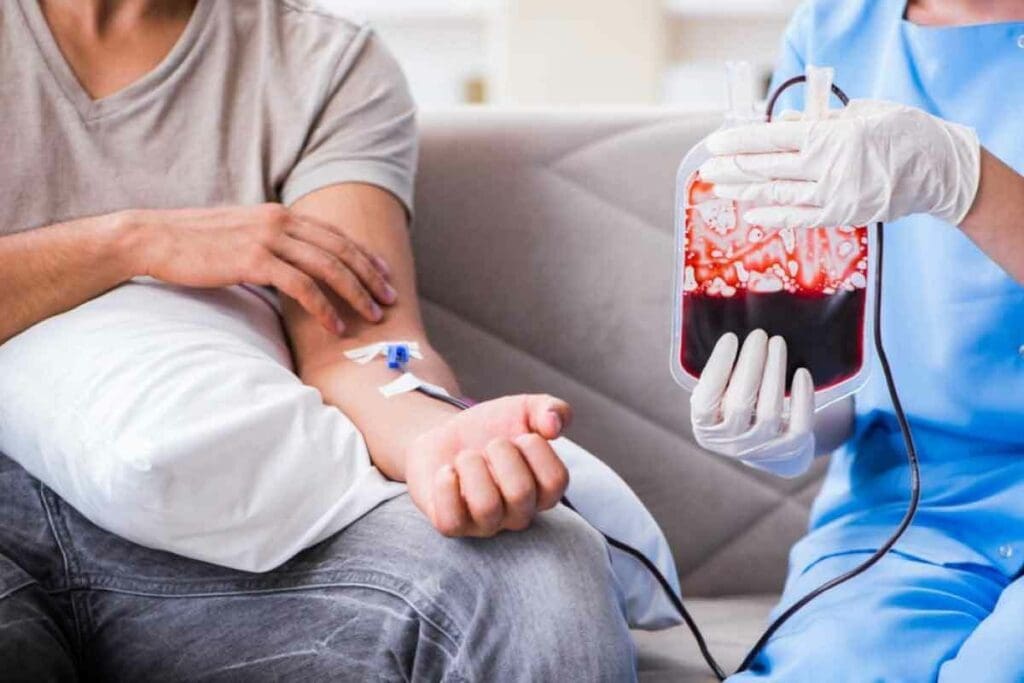
Blood transfusions are simple. They involve giving blood components through an IV. The process checks for compatibility and watches for reactions.
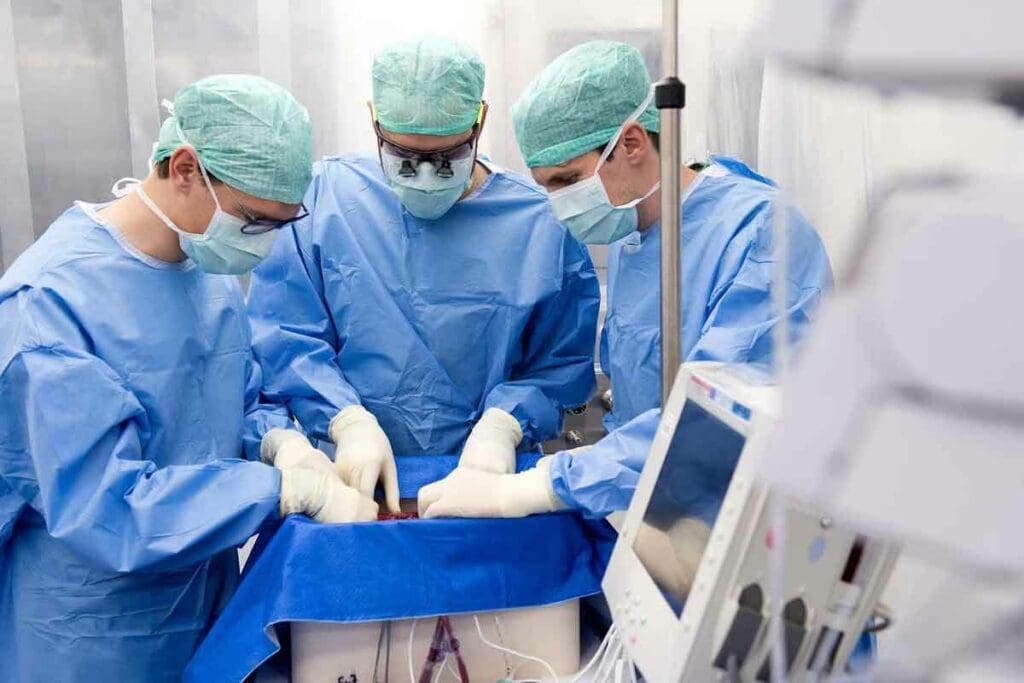
Stem cell treatments are more complex. They include getting stem cells, processing them, and infusing them. The stem cell therapy risks include graft-versus-host disease and side effects from the treatment before the transplant.
Knowing about these treatments and their risks helps patients make better health choices. Understanding the science behind them lets patients work with doctors to get the best results.
Common Blood Transplant Side Effects
Getting a blood transfusion can cause side effects, from mild to severe. Blood transfusions are key in medical treatment. Knowing the possible side effects is vital for patient care.
Allergic Reactions and Hives
Allergic reactions are common with blood transfusions. These can show as hives or itching. Sometimes, symptoms can get worse. We watch patients closely during transfusions to spot and treat allergic reactions fast.
Fever and Chills
Fever and chills are common side effects, too. These symptoms are usually temporary and manageable. We take steps to lower the chance of these reactions. This includes using medicines to fight fever and chills.
Shortness of Breath
Shortness of breath after a transfusion is a serious sign. It might mean Transfusion-Related Acute Lung Injury (TRALI) or other problems. We keep a close eye on patients for this and other breathing issues.
In summary, blood transfusions are mostly safe. But knowing the possible side effects is key. By understanding and spotting these side effects, we can offer better care and reduce risks for patients getting blood transfusions.
Immune-Related Complications After Blood Transfusions
Blood transfusions carry risks, and immune-related issues are serious. These problems happen when the body reacts to the blood it receives.
We will look at three major immune-related issues: acute hemolytic reactions, delayed hemolytic reactions, and transfusion-related acute lung injury (TRALI).
Acute Hemolytic Reactions
Acute hemolytic reactions are severe. They happen when the immune system quickly attacks the transfused blood. This is because the body sees the blood as foreign.
Symptoms include:
- Fever and chills
- Back or flank pain
- Red or brown urine
- Rapid heart rate
These reactions need immediate help.
Delayed Hemolytic Reactions
Delayed hemolytic reactions happen days later. They occur when the immune system takes time to react. These reactions are less severe but are dangerous.
Signs include:
- Anemia
- Jaundice
- Fatigue
Doctors must watch patients closely after transfusions to catch these reactions early.
Transfusion-Related Acute Lung Injury (TRALI)
TRALI is a serious lung issue. It happens when antibodies in the blood react with the recipient’s white blood cells. This causes lung inflammation.
Symptoms include:
- Severe shortness of breath
- Hypoxemia
- Bilateral lung infiltrates on chest X-ray
Knowing about these complications is key for doctors. It helps them manage risks from blood transfusions. By recognizing symptoms and acting fast, we can help patients better.
Infection Risks Associated with Blood Products
Infections are a big worry with blood transfusions and stem cell therapies. These treatments can save lives but also come with risks. It’s important to know and reduce these risks.
Bacterial contamination is a major infection risk with blood products. Bacteria can get into the blood during collection or in other ways. Platelet transfusions are at higher risk because platelets are stored at room temperature, where bacteria can grow.
Bacterial Contamination
Blood product contamination with bacteria can cause serious infections in those who receive them. Staphylococcus and Streptococcus are common culprits. Blood banks use several strategies to lower this risk, including:
- Thorough screening of donors to keep out those with bacterial infections
- Using sterile tools when collecting blood
- Testing blood components for bacteria before transfusion
Viral Transmission Risks
Viral transmission through blood products is also a big worry. Viruses like HIV, hepatitis B and C, and West Nile virus can spread through contaminated blood. Thanks to modern blood banking, these risks have dropped a lot. This is due to:
- Comprehensive screening and history checks of donors
- Advanced viral tests on donated blood
- Techniques to kill certain viruses
Preventive Measures in Modern Blood Banking
Thanks to new blood banking methods, the risk of infection from blood products has gone down a lot. Key steps include:
- Using nucleic acid testing (NAT) for viral detection
- Pathogen reduction technologies
- Keeping a close eye on infections that can spread through the blood
Knowing about these risks and how to fight them helps make blood transfusions and stem cell therapies safer for patients.
Immediate Stem Cell Injection Side Effects
Stem cell injections are promising for many medical treatments. But they can cause immediate side effects. Knowing about these side effects is key to patient care.
Pain and Inflammation at the Injection Site
Pain and inflammation at the injection site are common side effects. This discomfort can be mild or moderate. Patients should follow their doctor’s advice on pain relief.
Bleeding and Bruising
Bleeding and bruising can happen after stem cell injections. These symptoms usually go away on their own. But, seek medical help if they don’t get better or get worse.
Temporary Immune Reactions
Some people might have temporary immune reactions after the injections. This can show as fever or other body-wide reactions. It’s important to watch for these and talk to your doctor if you have any worries.
Stem cell injections can have side effects like pain, bleeding, and immune reactions. Knowing about these can help us take better care of patients and reduce discomfort.
- Pain and inflammation at the injection site are common immediate side effects.
- Bleeding and bruising can occur but are typically temporary.
- Temporary immune reactions may require monitoring and medical attention if severe.
Systemic Side Effects During Stem Cell Treatment
Exploring stem cell therapy, it’s key to know about systemic side effects. These effects can impact many body systems. They often come from the treatment process and conditioning therapy before a stem cell transplant.
Nausea and Digestive Disturbances
Nausea and digestive issues are common side effects of stem cell treatment. The conditioning therapy can cause nausea and vomiting. This can be very hard for patients.
In some cases, it may lead to diarrhea or constipation. We focus on managing these symptoms to help patients feel better and succeed in treatment.
Fatigue and Weakness
Fatigue and weakness are common in patients getting stem cell treatment. The treatment can make patients extremely tired and weak. These feelings can last even after treatment ends.
We work hard to help patients manage these symptoms. Our goal is to improve their quality of life.
Headaches and Dizziness
Headaches and dizziness are also side effects of stem cell treatment. These symptoms can come from the conditioning therapy or the infusion process. Patients need to tell their healthcare team about these symptoms.
This way, we can take steps to make them feel better.
Knowing about these side effects helps us support patients better during their treatment. We aim to care for our patients’ overall well-being, not just the treatment itself.
Graft-Versus-Host Disease: A Major Stem Cell Complication
Stem cell transplants, like allogeneic ones, can lead to graft-versus-host disease (GVHD). This is when the donor’s immune cells attack the recipient’s body. GVHD is a big problem that can affect the transplant’s success and the patient’s quality.
Acute GVHD Symptoms and Timeline
Acute GVHD usually happens within the first 100 days after the transplant. Symptoms can range from mild to severe and include:
- Skin rash or itching
- Nausea and vomiting
- Diarrhea
- Abdominal pain
- Liver dysfunction
These symptoms can be very uncomfortable and need quick medical help. The severity of acute GVHD is ranked from I to IV, with IV being the worst.
Chronic GVHD Manifestations
Chronic GVHD can start after the first 100 days and can last for years. Symptoms can include:
- Skin changes, such as thickening or tightening
- Eye dryness and irritation
- Mouth sores and dryness
- Joint pain and stiffness
- Liver dysfunction
Chronic GVHD can really affect a patient’s life, needing ongoing care and treatment.
Prevention and Treatment Approaches
To prevent GVHD, doctors choose donors carefully, use immunosuppressive drugs, and watch patients closely after the transplant. Treating GVHD depends on how bad it is and may include:
- Immunosuppressive therapy to reduce the immune response
- Corticosteroids to control inflammation
- Supportive care to manage symptoms and prevent infections
Long-Term Side Effects of Stem Cell Therapy
Stem cell therapy can have many long-term effects on patients’ lives. It offers hope for many, but it’s important to know the possible side effects. This knowledge helps us give better care.
Fertility Issues and Reproductive Health
Stem cell therapy can harm fertility. High doses of chemotherapy and radiation used in treatment can lead to infertility or early menopause. It’s key to talk about fertility options before starting treatment.
Secondary Cancer Development
There’s a chance of getting secondary cancers after stem cell therapy. This risk comes from the conditioning regimen before the transplant. The risk depends on the patient’s age, the dose of radiation and chemotherapy, and the type of stem cell therapy.
Cataracts and Other Vision Problems
Cataracts can be a long-term side effect, often caused by radiation therapy. It’s important for patients to have regular eye exams after stem cell therapy to catch any vision issues early.
Chronic Immune System Dysfunction
Stem cell therapy can also lead to chronic immune system problems. This makes patients more likely to get infections. We need to keep a close eye on these patients to manage this risk.
| Long-term Side Effects | Potential Cause | Management Strategy |
| Fertility Issues | High-dose chemotherapy and radiation | Fertility preservation counseling |
| Secondary Cancer | Conditioning regimen | Regular cancer screening |
| Cataracts | Radiation therapy | Regular eye exams |
| Chronic Immune Dysfunction | Immunosuppression | Ongoing immune monitoring |
It’s vital to understand these long-term side effects to give the best care to patients. By knowing the risks and using the right management strategies, we can help improve their outcomes and quality of life.
Autologous Stem Cell Transplant Side Effects
When thinking about an autologous stem cell transplant, knowing the side effects is key. This treatment uses a patient’s own stem cells. These cells are collected, stored, and then given back after a special treatment. Though it can save lives, it comes with serious side effects.
Bone Marrow Suppression and Blood Count Issues
Bone marrow suppression is a big issue with this treatment. It happens when the bone marrow can’t make enough blood cells. This leads to low counts of white blood cells, platelets, and red blood cells.
Neutropenia (low white blood cell count) makes infections more likely. Thrombocytopenia (low platelet count) can cause bleeding. Anemia (low red blood cell count) makes you tired and short of breath.
| Blood Cell Type | Condition | Potential Complications |
| White Blood Cells | Neutropenia | Infections |
| Platelets | Thrombocytopenia | Bleeding |
| Red Blood Cells | Anemia | Fatigue, Shortness of Breath |
Mucositis and Digestive Tract Problems
Mucositis is another big problem. It makes swallowing hard and causes pain. The digestive system is also affected, leading to diarrhea, nausea, and vomiting.
In bad cases, mucositis can cause malnutrition and dehydration. It’s important to manage it well.
To deal with mucositis, patients need pain relief and nutrition support. Sometimes, they need total parenteral nutrition (TPN) to get enough nutrients.
Hair Loss and Skin Changes
Hair loss, or alopecia, is common due to the treatment before the transplant. The chemotherapy and radiation can make hair fall out in a few weeks. The skin can also get dry, rashy, and sensitive.
These side effects are tough but usually go away. Hair starts growing back a few months after the transplant. Skin problems usually get better once treatment ends.
It’s important for patients to know about these side effects before getting an autologous stem cell transplant. While it’s tough, many find the benefits worth it. Knowing what to expect helps patients prepare for the journey.
Conclusion: Balancing Risks and Benefits of Blood and Stem Cell Treatments
Blood transfusions and stem cell therapies have big benefits for many patients. But they also have risks and side effects we must think about carefully.
It’s key for patients and doctors to understand the good and bad sides of these treatments. This way, we can choose the best care for each patient. We aim to reduce bad outcomes while improving treatment results.
New research and tech advancements are making these treatments safer and more effective. Keeping up with the latest in medical science is vital.
By carefully weighing the pros and cons, we can give patients the best care. This approach helps us use blood transfusions and stem cell therapies to their fullest. It leads to better patient care and a higher quality of life.
FAQ
What are the common side effects of blood transfusions?
Blood transfusions can cause allergic reactions, fever, chills, and shortness of breath. These reactions can be mild or severe. Medical care helps manage them.
What are the risks associated with stem cell injections?
Stem cell injections might cause pain and inflammation at the site. You might also experience bleeding, bruising, and temporary immune reactions. Systemic side effects include nausea, fatigue, headaches, and dizziness.
What is Graft-Versus-Host Disease (GVHD), and how is it related to stem cell transplantation?
GVHD is a serious complication of stem cell transplantation, often seen with donor stem cells. It can cause skin rashes to liver dysfunction. Knowing about GVHD is key to managing it.
What are the long-term side effects of stem cell therapy?
Long-term effects of stem cell therapy include fertility issues, secondary cancer, cataracts, and chronic immune system problems. These can greatly affect a patient’s life and need ongoing care.
What are the risks associated with autologous stem cell transplantation?
Autologous stem cell transplantation can cause bone marrow suppression, mucositis, hair loss, and skin changes. These are due to the conditioning therapy before the transplant.
How can infection risks be minimized in blood transfusions?
Blood banking uses strict screening and testing to reduce infection risks. These measures are vital for patient safety.
What are the differences between blood transfusions and stem cell therapies?
Blood transfusions replace lost blood due to surgery, injury, or disease. Stem cell therapies treat conditions like cancer and autoimmune diseases. Knowing the differences is important for patients and healthcare providers.
Can stem cell therapy cause long-term immune system dysfunction?
Yes, stem cell therapy can lead to chronic immune system problems. This requires ongoing management to prevent infections and complications.
Are there any risks of secondary cancer development after stem cell therapy?
Yes, there’s a risk of secondary cancers years after stem cell treatment. This is a significant long-term side effect patients should be aware of.
How can patients minimize the risks associated with blood transfusions and stem cell therapies?
Patients can reduce risks by understanding side effects and complications. Working closely with healthcare providers and following their advice is key to managing care and avoiding complications.
References
- Kumar, S., & Stevenson, K. (2018). Hematopoietic stem cell transplantation: clinical experience and considerations. Journal of Clinical Medicine, 7(3), 123. https://www.ncbi.nlm.nih.gov/pmc/articles/PMC5876451/



 Departments
 Related Videos
 Our Doctors
 News
News