

For those dealing with severe obesity, bariatric surgery can be a game-changer. Starting this journey can feel overwhelming. Knowing your Body Mass Index (BMI) is key to qualify for surgeries like gastric bypass.bmi for gastric bypassWhat Is the Safest Form of Weight Loss Surgery?
To be eligible, you usually need a BMI of 40 or more. Or, a BMI of 35 or more with serious health problems. At top healthcare places, we help our patients every step of the way. We make sure they get all the care and support they need.
Key Takeaways
- Understanding your BMI is key to see if you qualify for bariatric surgery.
- A BMI of 40 or more, or 35 with health issues, usually means you qualify.
- Bariatric surgery is a top choice for severe obesity and health problems.
- Top healthcare places offer full support for patients from abroad looking for surgery.
- Checking your BMI is the first step to better health through bariatric surgery.
Understanding BMI and Its Role in Weight Loss Surgery

Starting your bariatric surgery journey means first understanding your BMI. BMI, or Body Mass Index, is a simple way to measure body fat. It’s key for doctors to check if you’re a good candidate for weight loss surgery.
How BMI Is Calculated and Interpreted
To find your BMI, divide your weight in kilograms by your height in meters squared. This gives you a number that shows your weight status. For adults, a BMI of 18.5-24.9 is normal. A BMI of 25-29.9 is overweight. A BMI of 30 or higher means you’re obese, with higher numbers showing more severe obesity.
Knowing your BMI is important. It helps talk about your weight loss needs. A higher BMI often means you need surgery more.
BMI Classification Categories for Adults
The World Health Organization (WHO) has set BMI categories for adults. These categories help doctors understand your obesity level and health risks. Here are the categories:
BMI Category | BMI Range | Health Risk |
Underweight | Less than 18.5 | Low (but increased risk of other health issues) |
Normal weight | 18.5-24.9 | Average |
Overweight | 25-29.9 | Increased |
Obese Class I | 30-34.9 | Moderate |
Obese Class II | 35-39.9 | Severe |
Obese Class III | 40 or higher | Very severe |
To qualify for bariatric surgery, you usually need a BMI of 40 or higher. Or, a BMI of 35-39.9 with health problems. Knowing these categories is a key step towards weight loss surgery.
Standard BMI Requirements for Bariatric Surgery
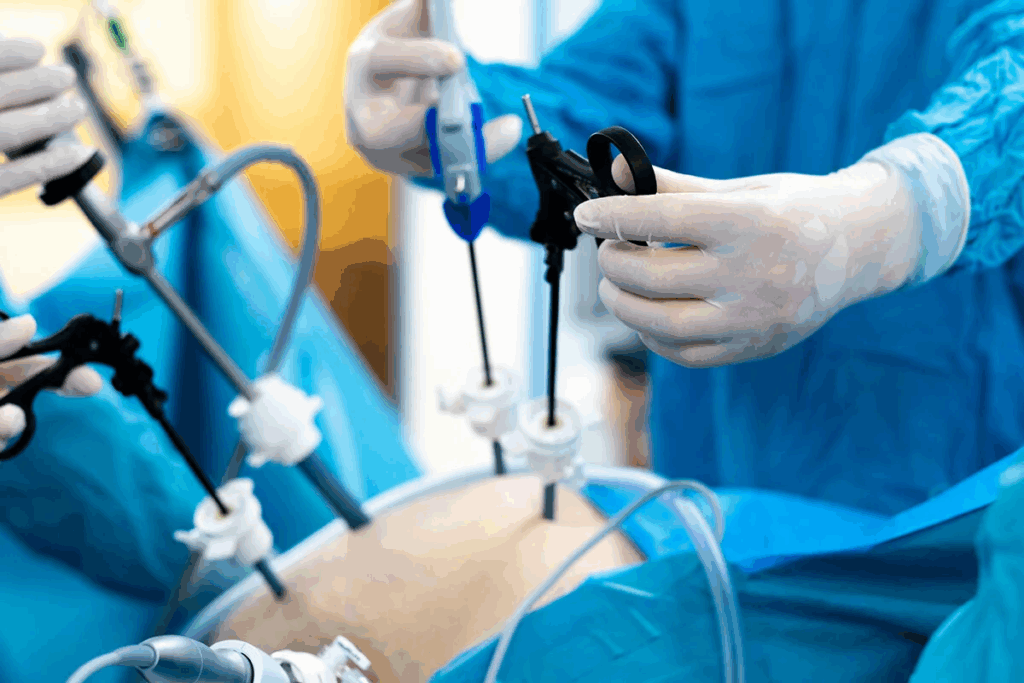
The BMI needed for bariatric surgery changes based on several factors. This includes the presence of obesity-related health conditions.
To qualify for bariatric surgery, patients must meet certain BMI standards. Here are the usual requirements.
BMI of 40 or Higher: Class III Obesity Qualification
People with a BMI of 40 or more are usually eligible for bariatric surgery. They fall into the Class III obesity category. This category is at high risk for health problems, and surgery can help.
BMI of 35-39.9 with Obesity-Related Health Conditions
Those with a BMI of 35-39.9 can also qualify for surgery. They need to have one or more obesity-related health conditions. These include type 2 diabetes, high blood pressure, and sleep apnea.
These health issues can greatly affect a person’s life and increase the risk of more problems. Bariatric surgery can help manage these conditions and improve health.
In short, the BMI standards for bariatric surgery aim to provide the best care for patients. Knowing these criteria helps individuals understand if they qualify for weight loss surgery.
BMI for Gastric Bypass and Other Surgical Procedures
Bariatric surgery includes many procedures, each with its own BMI needs. The most common are gastric bypass, sleeve gastrectomy, and adjustable gastric band. Knowing the BMI criteria for each is key to figuring out if you’re a good candidate.
Gastric Bypass BMI Requirements and Considerations
Gastric bypass surgery is a top choice for weight loss. You need a BMI of 40 or more, or 35-39.9 with health problems. Some places might accept lower BMIs if you have serious health issues.
This surgery makes a small stomach pouch and changes how your body absorbs nutrients. It’s a big change that requires a lot of lifestyle adjustments and ongoing care.
Sleeve Gastrectomy BMI Criteria
Sleeve gastrectomy removes a big part of your stomach, leaving a narrow one. The BMI needs are similar to gastric bypass. You usually need a BMI of 40 or more, or 35-39.9 with health problems.
This surgery is chosen by those who want less intestinal change. It’s also for people who can’t have gastric bypass due to health reasons.
Adjustable Gastric Band and Duodenal Switch Considerations
Adjustable gastric banding uses a band to make a small stomach pouch. The BMI needs are a bit lower than for other surgeries. Some places might accept a BMI of 30-34.9 if you have health issues.
Duodenal switch surgery is more complex. It removes a lot of stomach and changes the intestines. It’s for those with a BMI of 40 or more because of its complexity and risks.
Surgical Procedure | Typical BMI Requirement | Considerations |
Gastric Bypass | 40 or higher, or 35-39.9 with comorbidities | Significant lifestyle changes required, long-term follow-up |
Sleeve Gastrectomy | 40 or higher, or 35-39.9 with comorbidities | Less intestinal rearrangement, suitable for certain health conditions |
Adjustable Gastric Band | 30-34.9 with health issues, or higher BMI | Reversible, less invasive, adjustable |
Duodenal Switch | 40 or higher | Complex procedure, higher risk, significant weight loss |
Expanded BMI Guidelines for Metabolic Surgery
New studies have changed the BMI guidelines for metabolic surgery. Before, surgery was for those with a BMI of 40 or higher. Now, it includes people with a BMI of 35 or higher who have health issues due to obesity. Also, those with lower BMIs and metabolic diseases like type 2 diabetes are now considered.
BMI 30-35 with Type 2 Diabetes
Now, people with a BMI between 30 and 35 and type 2 diabetes might get surgery. This change shows how surgery can help those with type 2 diabetes, even at lower BMIs. It can improve blood sugar control, reduce medication, and even stop type 2 diabetes in many cases.
Medical Organizations Supporting Lower BMI Thresholds
Many big medical groups now support these new BMI guidelines. For example, the American Diabetes Association (ADA) and the International Diabetes Federation (IDF) see surgery’s benefits for type 2 diabetes patients, even at BMI 30. They see surgery as a treatment for metabolic diseases, not just for losing weight.
Organization | BMI Threshold | Condition |
ADA | 30-35 | Type 2 Diabetes |
IDF | 30-35 | Type 2 Diabetes |
ASMBS | 30-35 | Type 2 Diabetes, Metabolic Syndrome |
These new guidelines show a growing agreement among doctors. Metabolic surgery is seen as a good option for type 2 diabetes patients, even at lower BMIs. It’s important for patients to talk to their doctors to find the best treatment.
Health Conditions That Affect BMI Requirements
Health issues like type 2 diabetes and cardiovascular disease can change BMI needs for bariatric surgery. Obesity-related health problems are key in deciding if someone can have weight loss surgery. We’ll look at how different health conditions affect BMI needs and who can get bariatric surgery.
Type 2 Diabetes and Metabolic Syndrome
Type 2 diabetes can change BMI needs for bariatric surgery. Studies show that people with type 2 diabetes can benefit from surgery even at lower BMIs. Metabolic syndrome, which includes high blood pressure and high blood sugar, also affects BMI eligibility.
Research shows that bariatric surgery can greatly help or even cure type 2 diabetes in many patients. So, some medical guidelines now accept lower BMI thresholds for those with this condition.
Cardiovascular Disease and Hypertension
Cardiovascular disease and hypertension also play a big role in BMI needs for bariatric surgery. People with these conditions face higher risks from obesity, making surgery a potentially life-saving option.
We look at the overall heart risk when checking BMI needs. Patients with hypertension or heart diseases might be eligible for surgery at lower BMIs than others.
Sleep Apnea, Joint Disease, and Other Qualifying Conditions
Other health issues like sleep apnea and joint disease can also affect BMI needs. Sleep apnea, for example, can increase surgery risks, but weight loss surgery can help improve it.
We check each patient’s health profile, including these conditions, to decide if they’re eligible for bariatric surgery.
Health Condition | Impact on BMI Requirement | Potential Benefits of Bariatric Surgery |
Type 2 Diabetes | May be eligible at lower BMIs | Improved glycemic control, possible resolution |
Cardiovascular Disease | Considered on a case-by-case basis | Reduced cardiovascular risk, better hypertension control |
Sleep Apnea | May be eligible at lower BMIs due to high risk | Significant improvement or resolution |
Do I Qualify for Bariatric Surgery? Assessment Process
To see if you qualify for bariatric surgery, you go through a detailed process. This checks your health and if you’re ready for the surgery. It’s all about making sure you’re a good fit for the surgery and ready for what comes next.
Initial Screening and Referral Process
The first thing you do is an initial screening. This might be with your doctor or a specialist. They look at your health history, current health, and weight loss goals. If you seem like a good candidate, you’ll get a referral to a bariatric surgery program for more checks.
Comprehensive Bariatric Program Evaluation
Next, you get a detailed evaluation. This includes tests, talks, and reviews. You might have:
- Nutritional counseling to check your eating habits and knowledge
- Psychological evaluation to see if you’re mentally ready for surgery
- Medical tests to check your health and find any risks
- Review of your medical history to see if it affects your surgery or recovery
This deep evaluation helps the team decide if you’re right for bariatric surgery. It also spots any areas that need work before you can move forward.
Insurance Verification of BMI Requirements
Checking with your insurance is a key part of the process. Most insurance needs to see your BMI and health conditions to decide if they’ll cover it. Here’s what you usually need for insurance verification:
Documentation | Description |
BMI Calculation | A calculation of your body mass index based on your height and weight |
Medical Records | Documentation of your medical history, including related health conditions |
Physician Referral | A referral from your primary care physician or specialist |
Understanding the steps to qualify for bariatric surgery is key. By going through these steps, you’ll know if you’re a good candidate for this life-changing surgery.
Insurance Coverage and BMI Requirements
It’s important to know how insurance and BMI requirements work together for bariatric surgery. The type of insurance and BMI criteria can affect coverage a lot.
Medicare and Medicaid BMI Criteria
For those with Medicare or Medicaid, BMI rules for bariatric surgery are clear. Medicare needs a BMI of 35 or higher with a health problem like diabetes or high blood pressure to cover surgery. Medicaid rules can change by state but usually match Medicare’s.
Here are the main points for Medicare and Medicaid:
- BMI of 35 or higher with a health issue.
- Proof of trying to lose weight before.
- Check by a team of experts.
Private Insurance Variations and Requirements
Private insurance has different rules for bariatric surgery. Some follow Medicare, while others are stricter or more relaxed. Always check your policy to know the BMI needs and extra health conditions for coverage.
Important things for private insurance are:
- Find out your insurance’s BMI limit.
- Know any extra health needs.
- Look at what documents and steps are needed before surgery.
Knowing these details helps people get insurance for bariatric surgery.
Special Considerations for BMI Eligibility
Adolescents and elderly patients face unique challenges when it comes to bariatric surgery. Healthcare providers must carefully assess their BMI eligibility. This is because these groups have special needs that must be considered.
Adolescent Bariatric Surgery Candidates
Adolescents looking into bariatric surgery have their own set of rules. They need a BMI of 40 or higher, or a BMI of 35 with serious health issues. They also need to be physically and emotionally ready, which is checked through Tanner staging and psychological tests.
It’s important to see if the teen can handle the lifestyle changes after surgery. This includes eating differently, exercising more, and keeping up with doctor visits. A team of doctors, including pediatricians and mental health experts, helps decide if a teen is ready.
Elderly Patients and BMI Considerations
Elderly patients need a careful look before bariatric surgery because of health risks. While BMI is key, other health signs, like how well they can function and any health problems, matter too.
We check the elderly patient’s health and how well they can heal from surgery. This includes looking at their heart, kidneys, and brain health. Deciding if surgery is right for them depends on many factors.
Pregnancy and Family Planning Factors
Women thinking about bariatric surgery need to think about pregnancy and family planning. Pregnancy after surgery needs careful management for the health of mom and baby. We talk about waiting a while before getting pregnant and managing nutrition during pregnancy.
Talking about family planning is a big part of the prep for women. We discuss birth control and how pregnancy care might change because of surgery.
When BMI Doesn’t Tell the Full Story
BMI has its limits as a health measure. It doesn’t tell the difference between muscle and fat. It also doesn’t consider ethnic and racial differences or the unique body types of athletes and muscular people.
Body Composition Analysis vs. BMI
Body composition analysis gives a clearer picture of health. It separates fat from muscle mass. This is key for those with a lot of muscle, as BMI might say they’re overweight or obese even if they’re not.
A study in the Journal of the American Medical Association showed that body composition analysis is more accurate. It better shows the health risks linked to obesity. Here’s a comparison of BMI and body composition analysis:
Category | BMI | Body Composition Analysis |
Muscle Mass | Not Differentiated | Measured |
Body Fat Percentage | Not Measured | Measured |
Health Risk Assessment | Limited | Detailed |
Ethnic and Racial Variations in BMI Interpretation
Ethnic and racial differences affect how BMI is seen. For example, people of Asian descent might have more body fat at the same BMI as Caucasians. A study in the International Journal of Obesity found that “ethnic differences in body composition can lead to differences in the relationship between BMI and body fat.”
“The relationship between BMI and body fat is not the same across different ethnic groups.” –
Medical Expert, Obesity Researcher
Athletes and Muscular Individuals
Athletes and muscular people often have a high BMI because of their muscle, not fat. BMI doesn’t tell the difference between muscle and fat in these cases.
Looking at BMI’s limits, we see the need for a more detailed health check. By using body composition analysis and taking into account ethnic, racial, and physical differences, doctors can give more accurate and tailored health advice.
Preparing for Surgery When You Meet BMI Criteria
When you meet the BMI criteria for bariatric surgery, it’s time to get ready. This means preparing your body and mind for the big day. You’ll need to manage your weight, make lifestyle changes, and learn about the surgery and recovery.
Pre-Surgery Weight Management Requirements
Managing your weight before surgery is key. Our program asks patients to lose a certain amount of weight before surgery. This helps reduce risks and makes the surgery easier.
The amount of weight you need to lose varies. Usually, losing 5-10% of your body weight is recommended. This not only prepares you for surgery but also starts your journey to a healthier life.
Weight Loss Percentage | Benefits |
5% | Reduces surgical risks, improves liver size |
10% | Enhances overall health, simplifies surgical process |
Lifestyle Changes and Education Before Surgery
Before surgery, it’s important to make healthy lifestyle changes. This includes eating better, exercising more, and quitting bad habits like smoking. Our team will help you make these changes.
Learning about the surgery is also important. Our educational program covers nutrition, exercise, and post-operative care. Knowing what to expect is key for a successful surgery.
By focusing on weight management, lifestyle changes, and education, we prepare you for bariatric surgery. This sets you up for success in the long run.
What If You Don’t Meet the BMI Requirements for Weight Loss Surgery?
If your BMI is too low for weight loss surgery, don’t worry. There are other ways to lose weight. Not everyone fits the BMI criteria for surgery. It’s important to look into other options to reach a healthier weight.
Alternative Weight Loss Options and Approaches
For those who don’t qualify by BMI, alternative weight loss methods are available. These include:
- Intensive dietary changes with a registered dietitian’s help
- Increased physical activity that fits your fitness level
- Behavioral therapy to change eating habits and lifestyle
- Medication-assisted weight loss with a doctor’s guidance
These alternatives can help manage weight. Healthcare professionals might suggest them as a first step or as a treatment on their own.
Clinical Trials and Research Programs for Lower BMI Patients
Some people might qualify for clinical trials or research programs for weight loss. These studies offer new treatments and close monitoring by doctors.
To find clinical trials, you can:
- Search online databases like ClinicalTrials.gov
- Talk to your healthcare provider about studies
- Contact research institutions directly
Joining a clinical trial can give you access to new treatments. It also helps with medical research.
Conclusion
Knowing about BMI requirements is key for figuring out if you’re a good candidate for bariatric surgery. This surgery can greatly improve your health and life quality. We’ve looked at how BMI affects weight loss surgery, including the usual BMI needs, new guidelines, and special cases.
BMI is a big deal when it comes to getting bariatric surgery. Different surgeries need different BMI levels. It’s important to look at these rules carefully to get the best results for those getting weight loss surgery.
Learning about BMI needs for bariatric surgery helps people make smart choices about their health. As we keep improving in weight loss surgery, staying up-to-date on BMI and surgery rules is vital.
FAQ
What is the BMI requirement for bariatric surgery?
You need a BMI of 40 or more. Or, a BMI of 35-39.9 with health issues related to obesity.
Can I qualify for bariatric surgery with a lower BMI?
Yes, sometimes. People with a BMI of 30-35 might qualify if they have type 2 diabetes. This is supported by some medical groups.
How is BMI calculated for bariatric surgery eligibility?
BMI is found by dividing your weight in kilograms by your height in meters squared. It helps decide if you can have weight loss surgery.
What health conditions can affect BMI requirements for bariatric surgery?
Certain health issues like type 2 diabetes, heart disease, high blood pressure, sleep apnea, and joint problems can change BMI needs.
Do insurance providers have different BMI requirements for bariatric surgery?
Yes, they do. Medicare and Medicaid have their own BMI rules for coverage. Always check your insurance.
Can adolescents and elderly patients qualify for bariatric surgery?
Yes, but it’s different for them. Doctors look at each case carefully, considering their unique needs.
Are there alternative weight loss options if I don’t meet the BMI requirements?
Yes, there are. You might find other ways to lose weight or join clinical trials if you don’t qualify for surgery.
What are the pre-surgery requirements for bariatric surgery?
Before surgery, you’ll need to manage your weight and make lifestyle changes. You’ll also get educated to prepare for surgery.
How do I know if I’m a candidate for weight loss surgery?
First, you’ll get screened and evaluated. Then, you’ll check your insurance to see if you qualify for surgery.
What are the BMI requirements for gastric bypass surgery?
For gastric bypass, you need a BMI of 40 or more. Or, a BMI of 35-39.9 with obesity-related health issues.
Can athletes or muscular individuals qualify for bariatric surgery?
BMI might not be accurate for athletes or very muscular people. They might need extra checks to see if they qualify.
References
National Center for Biotechnology Information. Evidence-Based Medical Guidance. Retrieved from https://www.ncbi.nlm.nih.gov/pmc/articles/PMC5657104/



 Departments
 Related Videos
 Our Doctors
 News
News