Knowing your Body Mass Index (BMI) score is key to checking your health and spotting disease risks. We offer a detailed guide on reading BMI charts. This helps you see where you stand and plan your health goals.A ‘bmi of 32’ is classified as obese. Our simple guide explains the serious, shocking health risks and the best steps you can take.
Your BMI score, based on your weight and height, shows your health level. Looking at a bmi chart in pounds or a bmi graph for women and men helps you know if you’re at a healthy weight. Or if you might face health problems related to weight.
At Liv Hospital, we mix global best practices with care that focuses on you. We help you grasp your BMI score and its health effects. Whether you’re looking at a healthy bmi table or need help with weight management, our team is ready to help.
Key Takeaways
- Understanding your BMI score is essential for assessing your health status.
- BMI charts provide a valuable tool for evaluating weight status.
- A healthy BMI range varies based on age, sex, and other factors.
- Our team offers personalized health strategies to manage weight-related health risks.
- Liv Hospital combines international best practices with patient-centered care.
What is BMI and How is it Calculated?
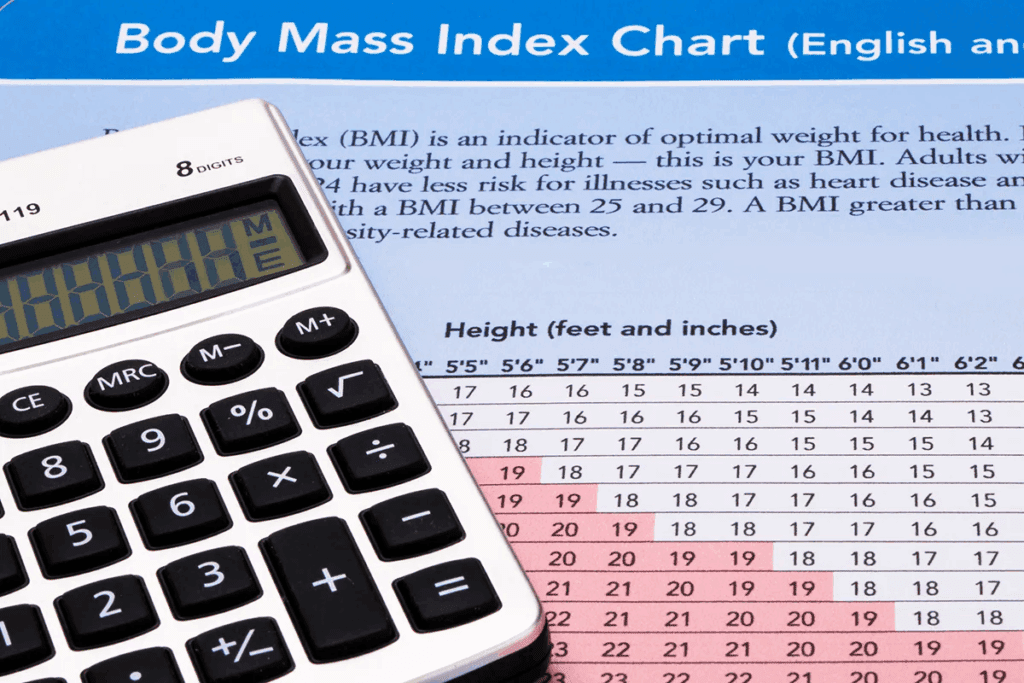
Calculating BMI is simple and helps spot health risks tied to weight. BMI, or Body Mass Index, checks if a person’s weight is healthy for their height.
The BMI Formula Explained
The BMI formula is easy: it’s your weight in kilograms divided by your height in meters squared (kg/m). For example, if you weigh 70 kilograms and are 1.75 meters tall, your BMI is 22.86 (70 kg / (1.75 m)). This number helps sort people into weight categories like underweight, normal, overweight, or obese.
A BMI index 22 means you’re in the normal weight range. It shows a good balance between your weight and height.
History and Development of BMI
Adolphe Quetelet, a Belgian mathematician, introduced BMI between 1830 and 1850. He created it for “social physics,” aiming to describe the “average man.” It became a useful tool for health checks, evolving into the Body Mass Index we know today.
Limitations of BMI as a Health Measure
Even though BMI is common and gives a general health risk idea, it has downsides. It doesn’t tell the difference between lean body mass and body fat. So, athletes or those with more muscle might have a high BMI without being overweight. On the other hand, people with less muscle might have a normal BMI but face health risks.
For example, a BMI of 32 is obese, but health risks depend on body composition and fat distribution. Knowing these limits is key for healthcare providers to use BMI wisely in health assessments.
Understanding BMI Classifications and Healthy Ranges

Knowing your BMI classification is key to understanding your health risks. It helps you decide the best way to manage your weight. BMI ranges are divided into several categories, each with its own health implications.
Underweight: BMI Below 18.5
A BMI under 18.5 means you’re underweight. This can lead to health problems like osteoporosis and hair loss. For example, a BMI of 17 might require a doctor’s visit to address health concerns.
Healthy Weight: BMI 20-24.9
A BMI of 20 to 24.9 is considered healthy. For instance, a BMI of 20.4 is in this range. It means your weight is right for your height. Staying in this range can lower your risk of diseases like diabetes and heart disease.
Overweight: BMI 25-29.9
People with a BMI of 25 to 29.9 are overweight. This group faces higher risks of health issues like high blood pressure. Knowing the overweight BMI range is key to preventing these problems.
Obesity: BMI 30 and Above
A BMI of 30 or higher is obese. For example, a BMI of 40 is considered severe obesity. It comes with serious health risks like heart disease and certain cancers. The obesity classification guides healthcare providers in creating treatment plans.
BMI Range | Classification | Health Risks |
Below 18.5 | Underweight | Osteoporosis, hair loss |
20-24.9 | Healthy Weight | Low risk |
25-29.9 | Overweight | High blood pressure, stroke |
30 and above | Obese | Cardiovascular disease, certain cancers |
Healthy BMI Range: What BMI 20.4 and BMI Index 22 Mean
The healthy BMI range is key to good health. Scores like 20.4 and 22 show you’re in a healthy weight zone. We’ll look into what these numbers mean for your health and how to keep a healthy weight.
Interpreting a BMI of 20.4
A BMI of 20.4 means you’re in the healthy weight range. It shows your weight is just right for your height. Eating well and exercising can help you stay healthy.
The Significance of BMI Index 22
A BMI index of 22 is also in the healthy range. It means your weight and height are in balance. This balance lowers the risk of diseases like diabetes and heart disease.
Healthy BMI Table: What Doctors Recommend
Doctors use a healthy BMI table to check if your weight is good. These tables show BMI scores and health risks. Doctors say a BMI between 20 and 24.9 is best for health.
Maintaining Weight in the Healthy Range
To stay healthy, live a balanced life. Eat well, exercise often, and watch your weight. This way, you can avoid health problems and stay well.
Overweight BMI Range: Scores from 25 to 29.9
The overweight BMI range is from 25 to 29.9. It’s linked to health concerns. Being in this range doesn’t mean you’re unhealthy, but it raises health risks.
Health Implications of Being Overweight
Being overweight increases the risk of heart disease, diabetes, and some cancers. These conditions can harm your quality of life and life expectancy.
Managing Weight in the Overweight Range
Managing weight involves diet changes, more exercise, and sometimes professional help. Small, lasting changes can greatly improve your health.
Strategy | Description | Benefit |
Dietary Changes | Reducing calorie intake, eating more fruits and vegetables | Weight loss, improved overall health |
Increased Physical Activity | Engaging in regular exercise such as walking, cycling | Improved cardiovascular health, weight management |
Professional Guidance | Consulting with a healthcare provider or a nutritionist | Personalized advice, monitoring progress |
When to Consult Healthcare Providers
Consult healthcare providers when trying to manage weight. This is key if you’re making big changes to your diet or exercise. They offer tailored advice and track your progress.
Understanding a BMI of 32: Class 1 Obesity Explained
A BMI of 32 is more than just a number. It shows a health status called Class 1 obesity. This means a person’s health is at risk because of too much weight.
What Does a BMI of 32 Indicate?
A BMI of 32 means a person’s weight is too high for their height. This puts them in Class 1 obesity. The BMI formula uses weight in kilograms and height in meters squared to figure this out.
Health Risks Associated with Class 1 Obesity
Class 1 obesity raises the risk of health problems. These include heart disease, type 2 diabetes, and some cancers. The extra weight strains the body, leading to these issues.
Weight Management Strategies for BMI 30-34.9
Managing weight is key for those with a BMI of 30 to 34.9. Good strategies include eating well, being active, and sometimes getting medical help. This could be through weight loss programs or counseling.
Strategy | Description | Benefits |
Dietary Changes | Adopting a balanced diet rich in fruits, vegetables, and lean proteins. | Weight loss, improved overall health |
Increased Physical Activity | Engaging in regular exercise such as walking, cycling, or swimming. | Improved cardiovascular health, weight loss |
Medical Interventions | Seeking professional help through weight loss programs or counseling. | Personalized guidance, support |
Success Stories: Moving from BMI 32 to Healthier Ranges
Many people have moved from a BMI of 32 to a healthier range. They did it through hard work and the right support. Their stories are inspiring and show big health gains are possible.
Class 2 Obesity: BMI Values 35.1, 36, 38, and 39
Class 2 obesity has a BMI of 35 to 39.9. It’s a serious health issue that needs quick action. People with a BMI of 35.1, 36, 38, or 39 face many health risks.
What 39 BMI Means for Females vs. Males
A BMI of 39 means a lot of body fat. This can cause health problems for both women and men. Women might face issues with their reproductive health. Men could be at a higher risk for heart diseases.
Understanding BMI of 35.1 and BMI 36
A BMI of 35.1 or 36 means you’re in Class 2 obesity. Your weight is much higher than what’s healthy for your height. At this level, you’re at a big risk for diseases like diabetes and high blood pressure.
Health Implications of BMI 38
A BMI of 38 means serious health risks. You could face heart disease, some cancers, and stroke. The extra fat can also make moving harder and lower your quality of life.
Medical Interventions for Class 2 Obesity
For Class 2 obesity, there are many medical options. These include changing your diet, exercising more, therapy, and sometimes medication or surgery. It’s important to talk to a doctor to find the best treatment.
Managing Class 2 obesity needs a full plan. This includes diet, exercise, and sometimes medical help. Knowing the risks and the options can help improve your health and lower the risks of Class 2 obesity.
Class 3 Obesity: BMI 40, 42, 44, 45, and Beyond
Class 3 obesity, with a BMI of 40 or higher, is a serious health issue. It needs quick attention and detailed care. This condition raises the risk of diabetes, heart disease, and some cancers.
Understanding a BMI of 40: The Threshold for Class 3
A BMI of 40 marks the start of Class 3 obesity, a severe category. People with this BMI face a higher risk of serious health problems.
Health Implications of BMI 42 and 44 BMI Weight
Health risks grow as BMI goes up past 40. A BMI of 42 or 44 increases the chance of heart disease, breathing issues, and mobility problems. Knowing these risks helps in creating better treatment plans.
BMI Category | Health Risks | Potential Interventions |
40-44 | High risk of diabetes, heart disease | Lifestyle changes, medication |
45 and above | Very high risk of multiple health issues | Surgical options, intensive lifestyle modification |
What a 45 BMI Means for Your Health
A BMI of 45 means a very high risk of severe health problems, even life-threatening ones. It calls for a detailed medical check-up and a custom treatment plan.
Extreme Cases: BMI of 100 and Medical Approaches
At a BMI of 100, health risks are extremely high. Treatment often involves a team of experts, like bariatric surgeons, nutritionists, and mental health professionals. They work together to meet the complex needs of these patients.
We know that Class 3 obesity is a complex issue that needs caring and detailed care. By understanding the health risks and exploring medical options, we can help improve the lives of those affected.
BMI Charts and Tables: Gender Differences and Practical Use
BMI charts and tables are key in managing weight and preventing obesity. They come in both metric and imperial units. This lets people find their BMI using graphs and tables made for women and men.
BMI Chart in Pounds: How to Read and Interpret
A BMI chart in pounds is great for those who use imperial measurements. To use it, you need to know how to read it. It plots weight against height to find BMI. For example, a 150-pound person who is 5’6″ tall has a BMI of 24.2, showing they are at a healthy weight.
BMI Graph Women vs. Men: Understanding the Differences
Even though BMI is the same for both men and women, body fat percentages differ. Women usually have more body fat than men at the same BMI. It’s important to understand these differences when using BMI graphs for health checks.
BMI Chart Women and Men: Gender-Specific Considerations
When looking at BMI charts for women and men, gender-specific factors are key. Muscle mass and body composition can vary, affecting BMI’s accuracy. Healthcare providers often consider these when checking health risks.
Using BMI Score Tables Effectively
BMI score tables help quickly find your BMI category. To use them, know your height and weight. They show BMI ranges, from underweight to obese. This helps understand health status and make informed choices.
BMI Category | BMI Range | Health Risks |
Underweight | Less than 18.5 | Nutrition deficiencies, osteoporosis |
Normal weight | 18.5-24.9 | Low risk |
Overweight | 25-29.9 | Increased risk of chronic diseases |
Obese | 30 or greater | High risk of chronic diseases |
By using BMI charts and tables wisely, people can better understand health risks. It’s also vital to talk to healthcare providers. They can offer advice tailored to individual needs, beyond just BMI.
Conclusion: Using BMI as Part of Your Health Journey
Understanding your BMI is key to keeping healthy. BMI helps check your weight status and health risks. It lets you know about your body composition and helps you make better lifestyle choices.
BMI is just one part of staying healthy. It’s important to look at BMI with other health signs like blood pressure and cholesterol. This way, you can see your overall health and find areas to get better.
BMI helps set and track health goals. By watching your BMI, you can see if your weight plans are working. It’s good to work with your doctor to make a health plan that includes BMI.
Embracing a full health approach helps you live better and avoid diseases. We’re here to help you on your health path. We give you the info and tools you need to reach your health goals.
FAQ
What is BMI, and how is it calculated?
BMI, or Body Mass Index, is a simple way to check if your weight is healthy for your height. It’s calculated by dividing your weight in kilograms by your height in meters squared. This helps us see if your weight is in a healthy range for your height.
What does a BMI of 20.4 mean?
A BMI of 20.4 means you’re in the healthy weight range. This is between 18.5 and 24.9. It shows your weight is good for your height.
What are the health implications of having a BMI of 36?
A BMI of 36 means you’re obese, Class 2. This increases your risk of health problems like diabetes and heart disease. We suggest getting medical advice to manage your weight and reduce risks.
How do BMI charts differ for men and women?
We use the same BMI formula for both men and women. But, body composition and health risks can differ. We consider these differences when looking at BMI scores and making weight management plans.
What does a BMI of 40 indicate?
A BMI of 40 is Class 3 obesity, a big health risk. We advise seeking medical help to manage your weight and health issues.
Can BMI be used for children and adolescents?
We use BMI differently for kids and teens. Their body composition changes with age and growth. We use BMI-for-age charts to check their weight status.
What are the limitations of using BMI as a health measure?
BMI gives a general idea of weight status. But, it doesn’t consider muscle mass or body composition. We look at these factors when assessing overall health.
How can I maintain a healthy BMI?
To keep a healthy BMI, eat a balanced diet and exercise regularly. Also, talk to healthcare professionals for personalized advice on managing your weight.
What is considered a healthy BMI range?
A healthy BMI range is between 18.5 and 24.9. Staying in this range can lower the risk of health problems.
How does a BMI of 35.1 or 39 affect health?
BMIs of 35.1 and 39 are Class 2 obesity. These ranges increase health risks like heart disease and diabetes. We recommend getting medical advice for weight management.
What medical interventions are available for managing obesity?
For obesity, we offer weight loss programs, medication, and surgery. We help patients find the best approach for their needs.
References
World Health Organization. Evidence-Based Medical Guidance. Retrieved from https://apps.who.int/iris/bitstream/handle/10665/37003/WHO_TRS_854.pdf