

Finding the right bariatric surgeon is key to your weight loss journey. Metabolic and bariatric surgery (MBS) is the top treatment for obesity. It works for all BMI classes. This journey is tough, so having a skilled surgeon is vital.Guide to selecting the best bmi surgeons based on experience and credentials.
At Liv Hospital, we offer top-notch bariatric care. Our surgeons and medical team use the latest methods. We ensure patients get the best treatment in a caring environment. Our goal is to provide world-class healthcare to all our patients, including those from abroad.
Key Takeaways
- Expert BMI surgeons play a vital role in the success of bariatric surgery.
- Bariatric surgery is a highly effective treatment for obesity across various BMI classes.
- A multidisciplinary team is essential for complete bariatric care.
- Liv Hospital provides patient-centered healthcare for international patients.
- Choosing the right bariatric surgeon can greatly affect your surgery’s success and long-term health.
Understanding Metabolic and Bariatric Surgery
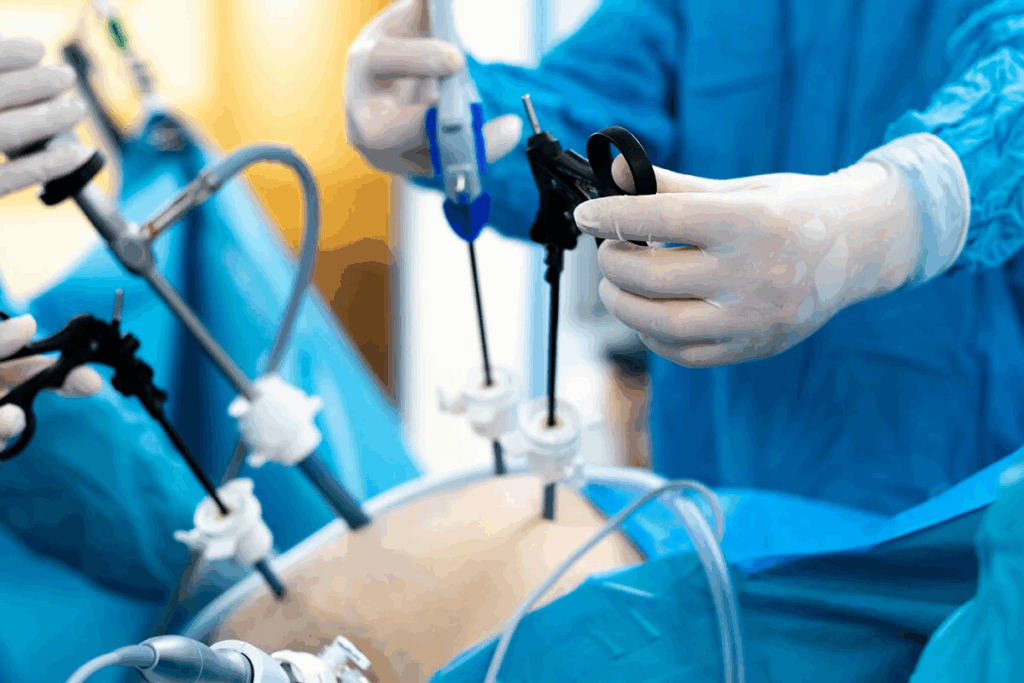
Metabolic and bariatric surgery is a big step for many. It’s important to know what it is, its benefits, and the different types of surgeries. This knowledge helps in making informed decisions.
What is Metabolic and Bariatric Surgery?
Metabolic and bariatric surgery changes the digestive system to help with weight loss. It can limit how much food you eat or how your body absorbs nutrients. The main goal is to help people lose a lot of weight and improve their health.
Evidence for Safety and Efficacy
Many studies prove that these surgeries are safe and work well. They lead to big weight loss and can fix health problems like diabetes and high blood pressure. It’s key to look at the evidence to see how these surgeries can help.
The safety of these surgeries has been well-studied. Thanks to new techniques and better care after surgery, the risks are much lower. So, these surgeries are now a safe choice for the right patients.
Common Procedures: Sleeve Gastrectomy and Gastric Bypass
Sleeve gastrectomy and gastric bypass are two common surgeries. Sleeve gastrectomy makes the stomach very narrow, limiting food intake. Gastric bypass creates a small stomach pouch and connects it to the small intestine, reducing nutrient absorption.
Procedure | Description | Benefits |
Sleeve Gastrectomy | Removal of a large portion of the stomach, leaving a narrow ‘sleeve’ | Restricts food intake, reduces hunger hormones |
Gastric Bypass | Creation of a small stomach pouch connected directly to the small intestine | Reduces food absorption, can improve metabolic conditions |
Both surgeries help a lot with weight loss and health issues. The choice depends on many things, like health, BMI, and personal wishes.
When Bariatric Surgery is Recommended

To understand when bariatric surgery is suggested, we look at BMI classifications and comorbidities. We’ll dive into these areas and how they affect the choice to have surgery.
BMI Classifications and Surgery Eligibility
Who can get bariatric surgery often depends on their BMI. A BMI of 40 or higher usually means you qualify. But, if you have a BMI of 35 or higher and certain health issues, you might also be eligible.
The National Institutes of Health (NIH) has set rules for bariatric surgery. These include BMI and health conditions. Doctors use these guidelines to decide if surgery is right for you.
Comorbidities and Their Impact on Surgical Decisions
Having comorbidities like type 2 diabetes, hypertension, and sleep apnea can affect surgery choices. These conditions can change who gets surgery and what kind of surgery they need.
- Type 2 diabetes
- Hypertension
- Sleep apnea
- Other obesity-related health issues
International Guidelines for Bariatric Surgery
Worldwide, metabolic and bariatric surgery (MBS) is advised for those with a BMI of 35 kg/m^2 or more. Or for those with a BMI of 30-34.9 kg/m^2 and metabolic disease. These rules are based on research showing surgery can help many health problems linked to obesity.
Healthcare providers use these guidelines to decide if bariatric surgery is right for their patients.
Why Expert BMI Surgeons Matter for High-BMI Patients
For those with a high BMI, finding the right bariatric surgeon is key. Surgeons for patients over 50 need to be very skilled. This is because the surgery is complex and comes with higher risks.
Special Considerations for BMI Over 50
Patients with a BMI over 50 face special challenges. They often have health issues like diabetes and sleep apnea. These can make surgery and recovery harder.
A survey showed 89.9% of bariatric surgeons think only experts should operate on these patients. This highlights the need for a surgeon with lots of experience in complex cases.
The Importance of Experienced Anesthesiology Support
For bariatric surgeries, having skilled anesthesiologists is vital. They manage the risks of anesthesia, which is important for patients with heart and lung issues. Their knowledge helps keep patients safe during surgery, lowering risks and improving results.
Two-Stage Surgical Approaches for Super Obesity
Patients who are super obese might need a two-stage surgery. The first step is a less invasive procedure to lose weight. Then, a more detailed surgery follows. This method can lower surgery risks for this high-risk group.
Choosing an expert BMI surgeon greatly improves a patient’s surgery success. These surgeons offer more than just technical skills. They provide full care tailored to each patient’s needs.
High-Volume vs. Low-Volume Bariatric Centers
The number of surgeries done at a bariatric center matters a lot. High-volume and low-volume centers differ in how well they care for patients. This choice affects the quality of care you get.
Outcome Differences Between Center Types
Research shows high-volume centers do better than low-volume ones. High-volume centers do more surgeries each year. This means they get better at surgery, care after surgery, and handling problems.
A study in the Journal of the American Medical Association (JAMA) found a big difference. Patients at high-volume centers had fewer problems and lower death rates. This shows why picking a high-volume center is key.
Mortality Rates and Complication Statistics
High-volume centers have lower death rates and fewer problems. For example, a big review showed high-volume centers had much lower death rates. This is a big advantage.
- High-volume centers: Lower mortality rates and fewer complications
- Low-volume centers: Higher mortality rates and more frequent complications
Benefits of Choosing Specialized Centers
Going to a specialized, high-volume bariatric center has many benefits. These centers have teams of experts for complex cases and care after surgery. The advantages include:
- Improved surgical outcomes due to the team’s experience and skill
- Better management of possible complications
- Comprehensive care before and after surgery
- Access to a team of specialists
Choosing a high-volume bariatric center can greatly improve your chances of a good outcome and easier recovery.
Qualifications to Look for in BMI Surgeons
Choosing the right BMI surgeon is key. Their skills and experience can greatly affect your surgery’s success.
Board Certification and Specialization Requirements
Board certification is a must for BMI surgeons. In the U.S., they should be certified by the American Board of Surgery (ABS) or the American Osteopathic Board of Surgery (AOBS). Specialization in bariatric surgery shows they focus on this area.
Look for surgeons in groups like the American Society for Metabolic and Bariatric Surgery (ASMBS). Being a member means they keep up with new methods and practices.
Fellowship Training in Bariatric Surgery
Fellowship training is vital. It gives surgeons the skills for complex cases and full care.
Surgeons with this training have extra years of study after their general surgery residency. They learn about bariatric surgery, including how to choose patients and care for them after surgery.
The Role of Multidisciplinary Teams
A team approach is essential in bariatric surgery. This team includes the surgeon and nutritionists, psychologists, and other healthcare professionals for full care.
The table below shows who’s in the team and what they do:
Team Member | Role |
Bariatric Surgeon | Performs the surgery and leads the surgical team |
Nutritionist | Provides dietary guidance pre- and post-surgery |
Psychologist | Assesses mental readiness and provides support |
Primary Care Physician | Manages overall health and comorbidities |
Knowing these qualifications helps you choose the right BMI surgeon. It’s about making a smart choice for your care.
Researching Top BMI Surgeons in the United States
Finding the best BMI surgeon requires careful research. Look for surgeons with the right qualifications and a history of success.
Accredited Centers of Excellence
Start by finding accredited centers of excellence. These places are known for their high standards in care and results. The American Society for Metabolic and Bariatric Surgery (ASMBS) has a special ASMBS Bariatric Surgery Center of Excellence designation. It shows a center meets strict quality standards.
Online Resources and Professional Directories
Online resources are key in your search. Use sites like the ASMBS or the Society of American Gastrointestinal and Endoscopic Surgeons (SAGES) directory to find surgeons. Online forums and reviews also offer insights into patient experiences.
Reading Surgeon Reviews and Patient Testimonials
Reviews and testimonials give a glimpse into a surgeon’s practice. They can tell you about the surgeon’s care and how patients feel. Reading many reviews helps you understand the surgeon’s strengths and weaknesses.
Geographical Considerations for Treatment
Where you live can affect your choice of surgeon. Consider the pros of local care versus traveling to a specialized center. Think about costs, where to stay, and follow-up care options.
Essential Questions for Your BMI Surgeon Consultation
Getting ready for your BMI surgeon consultation? Knowing what to ask can greatly affect your surgery and results. This meeting is your chance to learn about your surgery, the support you’ll get, and how to handle any issues. Make sure to come with a list of questions to cover all your care needs.
Surgical Approach and Technique Questions
It’s important to understand the surgery method and technique your BMI surgeon will use. This helps you know what to expect and prepare for your surgery. Here are some questions to ask:
- What surgical technique do you recommend for my specific condition and why?
- How will you ensure the surgery is performed safely and effectively?
- Are there any alternative surgical approaches that might be suitable for me?
Experience and Success Rate Questions
The experience and success rate of your BMI surgeon are key to your surgery’s outcome. You might ask:
- How many bariatric surgeries have you performed, and what were the outcomes?
- What is your success rate with patients with a similar BMI or condition?
- Can you share any patient testimonials or reviews that reflect your expertise?
Post-Surgery Support Questions
Good post-surgery support is essential for a smooth recovery and long-term success. You might ask about:
- What kind of follow-up care can I expect after my surgery?
- How will you support me in managing any dietary or lifestyle changes?
- Are there any support groups or resources you recommend for patients after bariatric surgery?
Complication Management Protocols
Knowing how your BMI surgeon handles complications can give you peace of mind. It ensures you’re ready for any situation. You might ask:
- What are the most common complications associated with bariatric surgery, and how are they managed?
- Do you have protocols in place for handling emergencies or complications during or after surgery?
- How will you support me in case of any post-surgery complications or concerns?
Red Flags When Evaluating Potencial BMI Surgeons
When looking for a BMI surgeon, watch out for red flags. These signs can mean a surgeon isn’t the best choice. Being informed and careful can greatly affect your surgery’s success.
Lack of Proper Credentials or Experience
A big red flag is a surgeon without the right credentials or experience. Board certification in a field like general surgery is key. Also, choose a surgeon with lots of BMI surgery experience for better results.
- Check if the surgeon is board certified.
- Ask about their experience with your surgery type.
- Look for any malpractice or disciplinary actions.
Limited Experience with Your Specific BMI Category
Choosing a surgeon without experience in your BMI category is risky. Complex cases need surgeons with the right skills. Make sure your surgeon has worked with patients like you before.
“The complexity of bariatric surgery demands not just skill, but experience, particulary for patients with higher BMIs.” – Expert in Bariatric Surgery
Inadequate Pre and Post-Operative Support Systems
A good support system before and after surgery is key. Be careful of surgeons without strong support systems. This includes nutrition advice, mental health support, and follow-up care.
- Ask about the pre-operative evaluation process.
- Find out about post-surgery care and support.
- Check if they offer nutritional and psychological support.
Unrealistic Promises or Guarantees
Be wary of surgeons who promise too much. Bariatric surgery is complex and needs realistic goals. It also requires a commitment to lifestyle changes.
Knowing these red flags helps you choose a better BMI surgeon. Your surgeon’s choice can greatly affect your health journey.
Insurance and Financial Considerations for Bariatric Surgery
Insurance and money matters are key when thinking about bariatric surgery. It’s important to understand the costs to make a smart choice.
Navigating Insurance Requirements in the US
Finding out what insurance covers for bariatric surgery in the US can be tough. Most plans need a detailed check-up, including weight loss attempts and mental health checks. Always check with your insurance to see what they need, as rules can change a lot.
Insurance usually covers surgery if you meet certain weight or health criteria. You’ll need to get approval first, which means sharing your health history and surgery plan.
Working with Surgeons Who Accept Your Insurance
Finding surgeons who work with your insurance can make things easier. Ask about their experience with your insurance to avoid surprises. Many centers have teams to help with insurance and costs.
When looking for surgeons, ask about their experience with your insurance. This can help avoid extra costs and make the process smoother.
Options When Insurance Won’t Cover Surgery
If insurance doesn’t cover surgery, there are other ways to pay. Some centers offer payment plans or deals. Look into clinical trials or studies that might help with costs too.
Some people look at traveling abroad for cheaper options. But, this comes with risks. Think carefully before making this choice.
Understanding Total Costs Beyond the Procedure
It’s important to know all the costs of bariatric surgery. This includes tests before surgery, care after, and follow-up visits. Get a full list of costs from your team to avoid surprises.
Other costs include travel and time off work for recovery. Make a detailed budget to prepare for these expenses.
By thinking about these financial points, you can plan well for bariatric surgery. This way, you’re ready for the costs and can focus on your health goals.
Preparing for Surgery with Your Chosen BMI Surgeon
The journey to a successful bariatric surgery starts long before the surgery. Thorough preparation is key. As you move forward with your chosen BMI surgeon, several important steps can help ensure a smooth and successful experience.
Pre-Surgery Requirements and Preparations
Before surgery, your BMI surgeon will outline specific requirements. These may include dietary changes, exercise regimens, and medical evaluations. It’s important to follow these instructions carefully to minimize risks and optimize your condition for surgery.
Pre-surgery preparations often involve:
- Nutritional counseling to adjust your diet
- Psychological evaluations to assess your mental readiness
- Medical tests to evaluate your overall health
- Adjusting or stopping certain medications
Experts say, “Proper preparation is fundamental to the success of bariatric surgery” (Source: American Society for Metabolic and Bariatric Surgery).
Building a Relationship with Your Surgical Team
Building a strong relationship with your surgical team is vital. This includes your surgeon, nurses, dietitians, and other healthcare professionals. They will support you throughout your journey.
Effective communication is key. Don’t hesitate to ask questions or express concerns. Your surgical team is there to support you, and building trust can significantly enhance your experience.
Setting Realistic Expectations for Outcomes
Understanding what to expect after surgery is important. Your surgeon will discuss outcomes, including weight loss, improvements in health, and lifestyle changes.
It’s essential to have realistic expectations. Bariatric surgery aids in weight loss and improves health, but it requires commitment to lifestyle changes. “Surgery is just the beginning; the real work starts afterward,” as many surgeons emphasize.
Creating Your Long-term Follow-up Plan
A long-term follow-up plan is critical for maintaining surgery success. This plan includes regular check-ups, nutritional counseling, and support groups.
Your follow-up plan should be tailored to your needs. It should address challenges and ensure you have the support needed for long-term success. Commitment to this plan is key for maintaining weight loss and improving overall health.
By preparing for surgery, building a strong relationship with your team, setting realistic expectations, and creating a follow-up plan, you can maximize the benefits of your surgery. This will improve your overall quality of life.
Conclusion: Making Your Final Decision
Choosing a BMI surgeon is a big step in your weight loss journey. We’ve outlined key points to help you make a smart choice. Understanding the importance of metabolic and bariatric surgery is the first step to a healthier life.
When picking a BMI surgeon, look at their qualifications and experience. It’s also important to see the quality of care they offer. Research top BMI surgeons in the U.S. and check if they are board certified and specialize in bariatric surgery. A well-planned approach to bariatric surgery is key for success.
Remember, thorough research and consultation are key when making your decision. Ask important questions during your consultation. This includes their surgical approach, experience, and support after surgery. This way, you’ll know you’re in good hands and on the right path to your weight loss goals.
Choosing the right BMI surgeon needs careful thought and planning. We’re sure that by following these tips, you’ll make a well-informed decision. This will be the first step towards a healthier, happier you.
FAQ
What is metabolic and bariatric surgery?
Metabolic and bariatric surgery (MBS) changes the digestive system to treat obesity. It includes procedures like sleeve gastrectomy and gastric bypass. These surgeries are safe and effective for losing weight and improving health.
How do I know if I’m eligible for bariatric surgery?
Your BMI and health conditions decide if you’re eligible. You need a BMI of 40 or higher, or 35 with serious health issues. A BMI surgeon will check your health to see if surgery is right for you.
What are the benefits of choosing a high-volume bariatric center?
High-volume centers have better results and fewer risks. They have skilled surgeons and staff focused on bariatric surgery. This ensures you get the best care.
What qualifications should I look for in a BMI surgeon?
Look for a surgeon who’s board certified in general surgery and specializes in bariatric surgery. They should have experience with your BMI and be part of a team that offers full care.
How do I research top BMI surgeons in the United States?
Search for accredited centers and use online resources. Read reviews and testimonials. Consider location and insurance when choosing a surgeon.
What questions should I ask during my BMI surgeon consultation?
Ask about the surgeon’s experience and success rates. Find out about their approach, support, and how they handle complications. This helps you understand their qualifications and care level.
What are some red flags to watch out for when evaluating BMI surgeons?
Be careful of surgeons without proper credentials or experience. Avoid those who don’t fit your BMI or offer poor support. Watch out for unrealistic promises, as they may indicate a focus on profit over care.
How do I navigate insurance requirements for bariatric surgery in the US?
Work with your surgeon’s office to understand insurance policies. Make sure your surgeon accepts your insurance and know the total costs, including any extra expenses.
How can I prepare for bariatric surgery with my chosen BMI surgeon?
Follow your surgeon’s pre-surgery instructions and build a relationship with your team. Set realistic expectations and plan for ongoing support and care after surgery.
What are the total costs involved in bariatric surgery?
Costs include the surgery, pre and post-operative care, and follow-up procedures. Your surgeon’s office can explain the costs and help with insurance and financing.
References
Government Health Resource. Bariatric Surgeon Selection: BMI, Obesity Treatment, and Outcomes. Retrieved from https://professional.diabetes.org/sites/default/files/media/2022_ada_standards_of_medical_care_in_diabetes.pdf



 Departments
 Related Videos
 Our Doctors
 News
News