We all want to stay healthy as we get older. Biological age testing is a new way to check how fast our cells are aging. It shows our real cell health, not just how old we are.Take a body age test. This essential guide explains how DNA and Horvath Clock methods calculate your true biological age.
Tests like the Horvath clock use DNA to see how our cells are aging. This info helps us live healthier. At Liv Hospital, we use the latest tests to check your cell health.
Key Takeaways
- Biological age testing assesses cellular aging using DNA methylation analysis.
- The Horvath clock is a pioneering method in biological age testing.
- Understanding your biological age can guide healthier aging practices.
- Liv Hospital offers comprehensive biological age testing services.
- Advanced medical protocols support our biological age testing.
Understanding Biological Age vs. Chronological Age
Knowing the difference between biological and chronological age can change our health and life span. Chronological age is just how many years we’ve lived. But biological age shows how well our body is aging compared to our chronological age.
What Is Biological Age?
Biological age shows the changes in our body as we age. It shows how well our body is working compared to our age. It looks at genetics, lifestyle, and the environment.
Biological age is a better health indicator because it looks at how our choices and environment affect our body. For example, someone who is 50 might be biologically 40 if they’re healthy. But they might be 60 if they smoke or have unhealthy habits.
Why Biological Age Matters More Than Chronological Age
Chronological age is just a count of years. But it doesn’t show the quality of those years. Biological age, on the other hand, tells us about our health risks and how long we might live. It’s a dynamic measure that encourages us to live healthier.
“The concept of biological age has changed how we view aging. It’s not just about counting years. It’s about understanding the factors that affect our health as we age.”
Medical Expert, Aging Researcher
Factors That Influence Biological Aging
Many things affect biological aging, like genetics, lifestyle, and environment. Here’s a table that shows some key factors:
|
Factor |
Impact on Biological Aging |
|---|---|
|
Smoking |
Increases biological age due to oxidative stress and DNA damage |
|
Exercise |
Decreases biological age by improving cardiovascular health and reducing inflammation |
|
Diet |
A balanced diet rich in antioxidants can slow biological aging |
|
Stress |
Chronic stress can accelerate biological aging through hormonal imbalances |
By knowing these factors and their effects on biological age, we can take steps to improve our health. This could help us live longer.
The Science Behind Epigenetic Age Testing
Epigenetic age testing looks at how our genes and environment interact. It’s a way to check our biological age, not just our calendar age.
What Is DNA Methylation?
DNA methylation adds a methyl group to DNA, at cytosine bases. It’s key for controlling gene expression without changing the DNA. DNA methylation decides which genes are active or not, affecting many biological processes.
Studies show DNA methylation patterns change with age. This makes it a good marker for biological aging. We can use these changes to guess someone’s epigenetic age.
How Epigenetic Changes Reflect Aging
Epigenetic changes, like DNA methylation, show aging by tracking environmental and genetic impacts. As we get older, our epigenetic profile changes a lot. These changes help us see how old we really are.
- Epigenetic changes show how we’ve been affected by stressors and toxins.
- These changes affect gene expression, impacting cell function and health.
- Measuring epigenetic changes gives a detailed view of aging.
The Role of Epigenetic Clocks in Age Assessment
Epigenetic clocks, like the Horvath clock, use DNA methylation to guess biological age. They’re made by studying DNA methylation in people of different ages. By comparing an individual’s DNA methylation to these datasets, clocks can accurately estimate biological age.
The accuracy of epigenetic clocks comes from their ability to understand the complex relationship between genes and environment in aging. They’re useful for studying aging and finding ways to age healthily.
The Horvath Clock: Pioneering Biological Age Testing
Steve Horvath’s work has led to the Horvath clock, a groundbreaking tool in aging research. It offers a precise way to measure biological age.
Who Is Steve Horvath?
Steve Horvath is a top professor at UCLA, famous for his epigenetics and aging research. His Horvath clock is a key achievement in aging studies.
How the Horvath Clock Was Developed
The Horvath clock uses DNA methylation data from different tissues. Horvath found aging patterns in this data, creating an epigenetic clock.
He looked at DNA methylation levels in the genome. He found sites linked to aging and made an algorithm to predict biological age accurately.
Accuracy Metrics: 3.6 Years Median Error and 0.96 Correlation
The Horvath clock is very accurate, with a 3.6-year median error and a 0.96 correlation. This means it can guess an individual’s biological age within 3.6 years, making it a reliable tool.
|
Metric |
Value |
|---|---|
|
Median Error |
3.6 Years |
|
Correlation |
0.96 |
Applications Across Different Tissue Types
The Horvath clock works well with many tissue types. This makes it a great tool for aging research in various contexts.
It has been used in blood, skin, brain, and muscle. Its wide use has expanded research into aging’s effects on the body.
How Body Age Tests Work: From Sample to Results
The body age testing process is simple yet insightful. We’ll walk you through each step, from getting ready for your test to learning about your biological age.
Sample Collection Methods
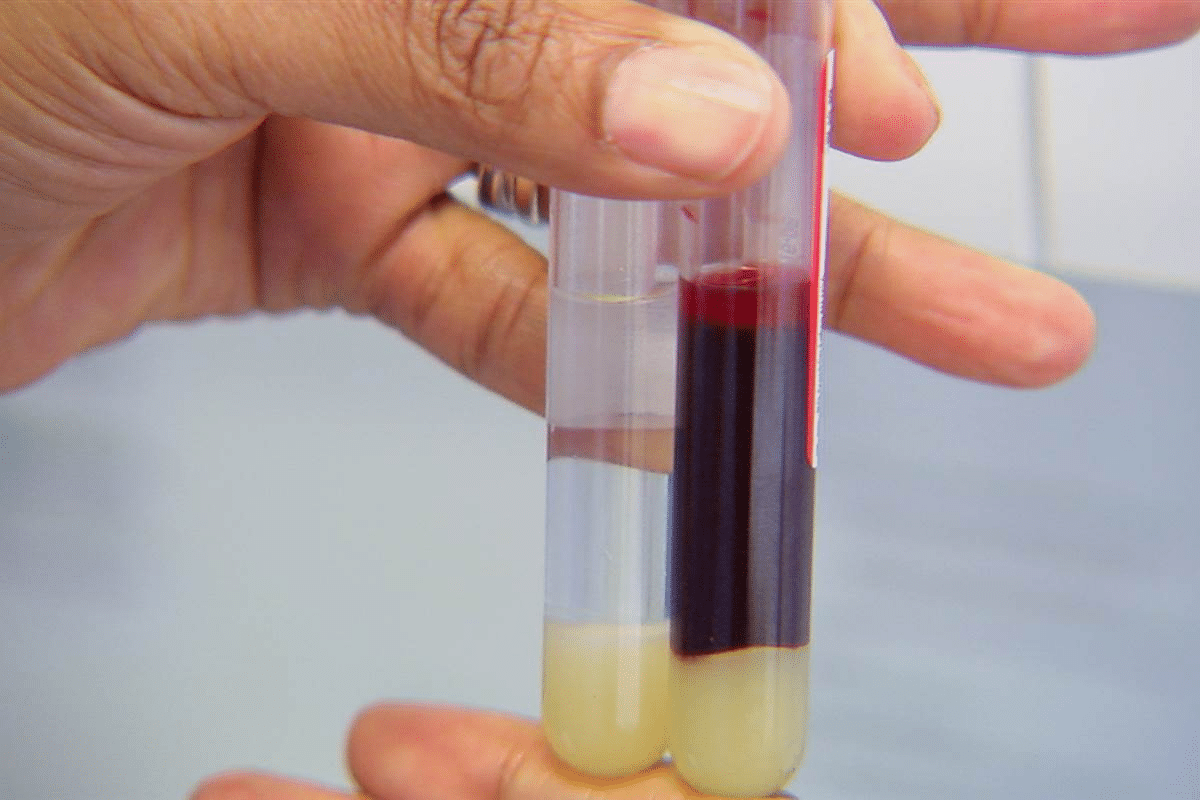
The first step is collecting a sample. This usually means a biological blood test or a saliva sample. For blood tests, a healthcare professional will take a small blood sample from your arm.
Saliva tests are done at home with a kit. You’ll spit into a tube to provide your sample. It’s important to follow the kit’s instructions carefully.
For blood tests, you might need to fast before the test. Your testing provider will give you specific instructions.
Laboratory Analysis Process
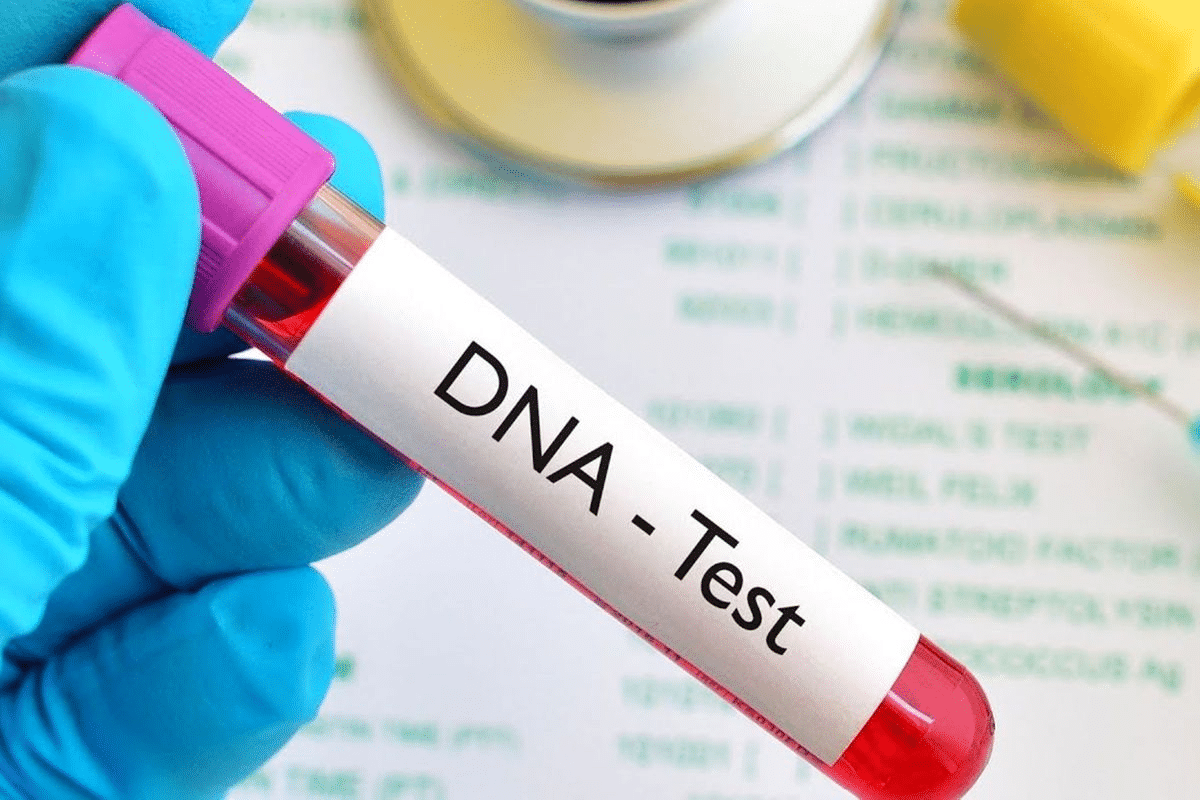
After collecting your sample, it goes to a lab for analysis. Technicians examine your DNA to find your biological age. They look at DNA methylation patterns, which change as you age.
The lab analysis is key to finding your body age. Advanced tech analyzes your DNA against a database of samples from different ages. This helps estimate your biological age accurately.
|
Laboratory Analysis Steps |
Description |
|---|---|
|
DNA Extraction |
Isolating DNA from your sample |
|
DNA Methylation Analysis |
Examining methylation patterns |
|
Data Comparison |
Comparing your data to a reference database |
Interpreting Your Test Results
Once the lab analysis is done, you’ll get your results. These will show your biological age, which might differ from your actual age. A gap between these ages can show how well you’re aging.
For example, if you’re 50 but your biological age is 40, you’re aging slower than average. If your biological age is higher than your chronological age, you might be aging faster.
Timeframe for Receiving Results
The time to get your body age test results varies. It usually takes 2-4 weeks after your sample is collected.
We’ll keep you updated on when to expect your results. When you get them, we’ll help you understand what they mean. We’ll also guide you on how to use this info to improve your health.
Types of Biological Age Tests Available Today
Many biological age tests are now available. Each has its own way of checking how old we are biologically. These tests help us see how our aging process is going, giving us a better idea of our health.
DNA Methylation-Based Tests
DNA methylation-based tests are very advanced. They look at DNA methylation patterns to guess our biological age. DNA methylation is when methyl groups are added to DNA, changing how genes work without changing the DNA itself.
Advantages: They are very accurate and linked to age-related diseases.
Considerations: You need to know a lot about epigenetics and its role in aging.
Telomere Length Measurements
Telomere length tests check the length of telomeres, the protective caps at chromosome ends. Shortening of telomeres is linked to aging and age-related diseases.
Key Benefits: Telomere length shows how old our cells are.
Limitations: Lifestyle factors can affect telomere length, not always showing our true biological age.
Blood Biomarker Panels
Blood biomarker panels look at blood biomarkers to guess our biological age. These biomarkers can show inflammation, oxidative stress, and other aging-related processes.
Advantages: They give a full picture of our health.
Considerations: Understanding biomarker data needs expertise, and results can be influenced by many factors.
Combination Testing Approaches
Combination testing uses different methods like DNA methylation, telomere length, and blood biomarkers. This gives a complete view of our aging process.
Benefits: It offers a detailed look at aging by combining various indicators.
Future Directions: As technology gets better, combination testing will likely become more common and detailed.
|
Test Type |
Methodology |
Key Indicators |
|---|---|---|
|
DNA Methylation-Based Tests |
Analyze DNA methylation patterns |
Epigenetic age, gene expression |
|
Telomere Length Measurements |
Assess telomere length |
Cellular aging, chromosome integrity |
|
Blood Biomarker Panels |
Analyze blood biomarkers |
Inflammation, oxidative stress, physiological health |
|
Combination Testing Approaches |
Integrate multiple testing methods |
Comprehensive biological age assessment |
“The future of aging research lies in understanding the complex interplay between genetic, environmental, and lifestyle factors that influence our biological age.”
— Medical Expert, renowned epigeneticist
Where to Get a Body Age Test: Options and Providers
Exploring the different ways to get a body age test is key. You can find these tests through various channels, each with its own benefits and costs.
At-Home Testing Kits
At-home testing kits are a private and easy way to check your biological age. They usually need a simple sample like saliva or a cheek swab. These kits are great for those who like testing in their own space and are good for those who are nervous about clinics.
Clinic and Laboratory-Based Testing
Clinic and lab tests offer a detailed look at your biological age. They might need a blood draw or other methods. The Horvath blood test is a well-known test that uses blood to check for aging signs.
These tests are best for those wanting a detailed analysis or have health concerns. They are done under medical watch, ensuring the test is done right and results are understood in health context.
Cost Comparison and Insurance Coverage
The price of body age tests varies a lot. At-home kits cost between $100 to $500, while clinic tests can be $200 to over $1,000. It’s important to see if your insurance covers these costs, as some tests might be covered.
|
Test Type |
Cost Range |
Insurance Coverage |
|---|---|---|
|
At-Home Kits |
$100 – $500 |
Rarely Covered |
|
Clinic-Based Tests |
$200 – $1,000+ |
Partially Covered |
Selecting the Right Test for Your Needs
Choosing the right body age test depends on your health goals, budget, and what you prefer. If you value ease, at-home kits are a good choice. But, if you want a detailed look or have health concerns, clinic tests are better.
Think about these when picking a test:
- The type of biological sample needed
- The test’s detail level
- The cost and insurance coverage
- The provider’s reputation and reliability
By carefully looking at these points, you can choose a test that fits your health goals.
Recent Innovations in Biological Age Testing
Recent years have seen big steps forward in biological age testing. These changes are helping us understand aging better and how it affects our health. They make age prediction more accurate and let us see how to slow down aging.
The 2024 Biomarkers of Aging Challenge Results
The 2024 Biomarkers of Aging Challenge has led to exciting discoveries. It has pushed our limits on what we know about aging. Researchers have come up with new biomarkers, giving us a clearer view of aging.
- Improved Accuracy: New biomarkers have shown higher accuracy in predicting biological age.
- Diverse Approaches: The challenge has seen a variety of approaches, from DNA methylation to other epigenetic markers.
Machine Learning Advancements in Age Prediction
Machine learning has been key in improving age prediction. It looks at complex data in ways humans can’t. This helps find patterns that might be missed by traditional methods.
Key Advancements:
- Enhanced pattern recognition in large datasets.
- Improved predictive modeling using diverse biological markers.
Integration of Multiple Biological Markers
Using many biological markers at once is a big trend in age testing. This method gives a complete picture of how old someone’s body is.
- Comprehensive Assessment: Using multiple markers gives a fuller picture of biological age.
- Personalized Insights: This approach allows for more tailored health recommendations.
Emerging Technologies in Age Assessment
New technologies are going to change biological age testing even more. From advanced genomics to AI analysis, these tools will help us understand aging better.
- Advanced Genomics: New genomic techniques are providing deeper insights into aging.
- AI-Driven Analysis: Artificial intelligence is being used to analyze complex aging data.
How Accurate Are DNA Age Tests?
DNA age tests are popular for guessing how old you are biologically. But, how accurate are they? It’s key to know this to understand your results.
Comparing Different Testing Methods
There are many ways to test DNA age, like DNA methylation, telomere length, and blood biomarkers. DNA methylation tests are seen as very accurate. They match closely with your real age, as shown in a Genome Biology study.
Telomere length tests are less consistent. Telomeres get shorter with age, but lifestyle and environment can change their length. A
“study found that telomere length could predict age with a median error of 7.4 years”
, showing the importance of careful reading of results.
Factors Affecting Test Accuracy
Many things can change how accurate DNA age tests are. Genetic differences and lifestyle choices like smoking and diet matter. Also, the DNA quality and testing method used play a role.
Understanding Margin of Error in Age Prediction
DNA age tests have a margin of error, which can be a few years or more. For example, the Horvath Clock has a median error of 3.6 years. Knowing this margin helps in understanding test results better.
Reliability Across Different Populations
DNA age tests may not be the same for everyone. This is because of genetic and environmental differences. It’s important to consider these when looking at your results. Always talk to a healthcare professional for personalized advice.
In summary, DNA age tests can give useful insights into aging. But, their accuracy depends on many things, like the test method and your genetics and lifestyle. By knowing these factors and the test’s margin of error, you can make better health choices.
Using Biological Age Test Results to Improve Health
Your biological age is more than just a number. It’s a roadmap to better health. Once you have your biological age test results, you can start making informed decisions to improve your well-being.
Interpreting Your Biological Age Gap
The first step is understanding your biological age gap. This gap is the difference between your chronological age and your biological age. A positive gap means you’re aging faster than expected. A negative gap means you’re aging slower.
For example, if you’re 50 but your biological age is 60, you have a +10 year gap. This gap can be a wake-up call. It motivates you to make lifestyle changes to slow down or reverse your aging.
Lifestyle Changes Based on Test Results
With your biological age in hand, you can tailor lifestyle changes to improve your health. This might include:
- Dietary adjustments to include more anti-inflammatory and antioxidant-rich foods
- Incorporating regular exercise, such as cardio, strength training, and flexibility exercises
- Stress management techniques, like meditation or yoga
- Improving sleep quality and duration
- Reducing or eliminating harmful habits like smoking or excessive alcohol consumption
As
“The greatest wealth is health.” – Virgil
, making these changes can significantly impact your biological age and overall health.
Working with Healthcare Providers
It’s essential to work closely with your healthcare providers when interpreting and acting on your biological age test results. They can help you understand the implications of your results and recommend personalized interventions.
Healthcare providers can also monitor your progress and adjust your plan as needed. This collaborative approach ensures that you’re making the most effective changes to improve your health.
Tracking Changes in Biological Age Over Time
Biological age testing is not a one-time event; it’s a tool that can be used periodically to track changes in your biological age. By repeating the test over time, you can assess the effectiveness of your lifestyle changes and make further adjustments as necessary.
Regular tracking allows you to see the impact of your efforts. It provides motivation to continue on your path to better health.
Conclusion: The Future of Biological Age Testing
Biological age testing is growing fast and could change how we see aging and health. The Horvath Clock and other epigenetic clocks lead the way. They let us check how old our bodies really are by looking at DNA.
The future of this field is exciting. New research and ideas are making it better and more useful. Blood tests are getting smarter, giving us important health clues.
We’ll soon use more than one test to guess our age. Machine learning will help make these guesses even better. This means doctors can find new ways to fight age-related diseases. We’re on the edge of a big change in how we view aging, and biological age testing is leading the way.
FAQ
What is biological age, and how does it differ from chronological age?
Biological age is about how well your body works compared to your age. It’s not just about how many years you’ve lived. It shows how your cells, tissues, and organs are aging.
How accurate is DNA age testing?
DNA age tests, like the Horvath clock, are pretty accurate. They usually have a median error of about 3.6 years. But, the exact accuracy can change based on the test and your personal health.
What is the Horvath clock, and how does it work?
The Horvath clock is a test that looks at DNA methylation to guess your biological age. It was made by Medical Expert. It’s a key tool for checking how old your body is at the cellular level.
Can a DNA test really tell my biological age?
Yes, DNA tests like the Horvath clock can guess your biological age. They look at DNA methylation patterns. This gives insights into how your cells are aging.
What are the different types of biological age tests available?
There are many types of biological age tests. These include DNA methylation tests, telomere length tests, blood biomarker panels, and tests that combine different methods. Each has its own way of working.
How do I interpret my biological age test results?
To understand your biological age test results, look at your biological age gap. This is the difference between your actual age and your biological age. A doctor can help you make sense of it and suggest ways to improve your health.
Can I get a body age test at home?
Yes, you can get biological age tests at home. But, make sure to pick a trusted provider. Also, know the limits of these tests.
How long does it take to receive results from a body age test?
The time it takes to get results from a body age test varies. It depends on the provider and the test. Usually, you’ll get results in a few days to weeks.
Are biological age tests covered by insurance?
Insurance coverage for biological age tests varies. It depends on the provider and the test. Some might be covered, while others might not.
How can I use my biological age test results to improve my health?
Knowing your biological age can help you make better health choices. You can work with a doctor to create a plan that suits you. This way, you can improve your health.
What are the emerging technologies in age assessment?
New technologies in age assessment include better machine learning and combining different biological markers. There are also new biomarkers of aging. These advancements aim to make age testing more accurate and accessible.
References
National Center for Biotechnology Information. Evidence-Based Medical Guidance. Retrieved from https://pmc.ncbi.nlm.nih.gov/articles/PMC5436771/