

Could silent changes in your blood signal serious problems with your bone marrow? We are here to help you understand the important signs. Bone marrow is the spongy tissue inside some bones, like hip and thigh bones. It contains stem cells that grow into red blood cells, white blood cells, and platelets.
When bone marrow doesn’t work right, it can cause many health problems. Knowing the signs of bone marrow insufficiency is key for early treatment. We will talk about the common symptoms that show a problem with your bone marrow.
Key Takeaways
- Recognizing symptoms of bone marrow disease is key for early treatment.
- Bone marrow insufficiency can lead to many health issues.
- Common symptoms include fatigue, pale skin, and frequent infections.
- Easy bruising and bleeding, and bone pain are also signs of bone marrow problems.
- Understanding these symptoms can greatly improve a person’s quality of life.
Understanding Bone Marrow and Its Vital Functions
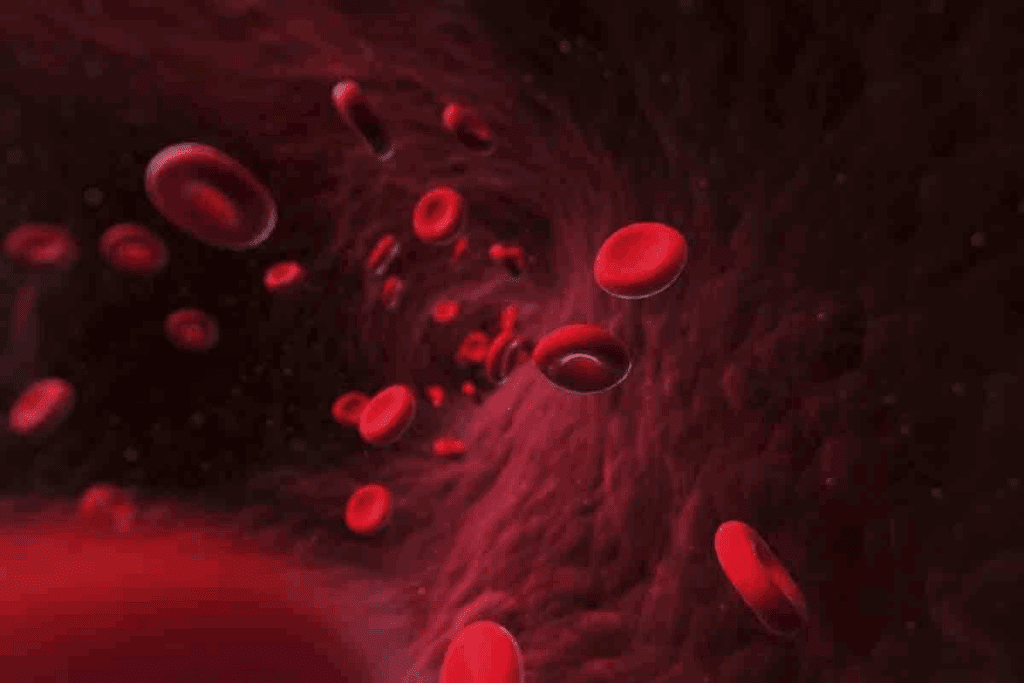
Bone marrow is key to our health. It makes cells that carry oxygen, fight infections, and heal injuries. Located in the bones, it produces blood cells through a process called hematopoiesis.
What is Bone Marrow?
Bone marrow is the soft tissue inside bones. In adults, it’s mainly in the pelvis, vertebrae, and long bones. Bone marrow contains stem cells, which turn into different blood cells.
How Healthy Bone Marrow Produces Blood Cells
Every day, healthy bone marrow makes over 220 billion blood cells. These include red blood cells, white blood cells, and platelets. Red blood cells carry oxygen, white blood cells fight infections, and platelets help blood clot.
| Type of Blood Cell | Function |
| Red Blood Cells | Carry oxygen throughout the body |
| White Blood Cells | Fight infections |
| Platelets | Essential for blood clotting |
The Impact of Bone Marrow Dysfunction
Damaged bone marrow can cause health problems like anemia, infections, and bleeding disorders. Bone marrow dysfunction can be caused by diseases, toxins, and radiation. Knowing the signs and symptoms is key for early treatment.
Symptoms of bone marrow failure include fatigue, weakness, and shortness of breath. They also include frequent infections and bruising or bleeding. These are due to a lack of red blood cells, white blood cells, and platelets.
Common Bone Marrow Disease Symptoms and Their Significance

Bone marrow disorders show up in many ways, affecting a person’s life a lot. These signs can be different and hit many parts of the body. It’s key to know what they mean for finding the right treatment.
How Symptoms Develop in Bone Marrow Disorders
Bone marrow problems can cause many health issues. The marrow is key for making blood cells. If it doesn’t work right, there’s less healthy blood, leading to symptoms.
Some common symptoms of bone marrow disease are:
- Fatigue and persistent weakness
- Pale skin and mucosal membranes
- Frequent infections
- Easy bruising and prolonged bleeding
- Bone and joint pain
These signs happen because bone marrow issues mess up blood cell making. For example, fewer red blood cells mean anemia, causing tiredness and pale skin. Fewer platelets cause easy bruising and bleeding.
Other symptoms might be shortness of breath, kidney problems, bone issues, and skin changes. These show bone marrow trouble and serious health issues. Spotting these signs early can lead to better medical care and results.
Fatigue and Persistent Weakness
Fatigue is a big problem for people with bone marrow disorders. It really affects their life quality. We will look into why this tiredness happens and what it means.
Why Bone Marrow Disorders Cause Extreme Tiredness
Bone marrow disorders can cause anemia. This is when there aren’t enough red blood cells or hemoglobin. Without enough oxygen, tissues get tired and weak.
Anemia is a main reason for tiredness in bone marrow disease. Without enough red blood cells, tissues don’t get enough oxygen. This makes people feel very tired.
Distinguishing Bone Marrow-Related Fatigue from Other Causes
Fatigue is common, but bone marrow-related fatigue is different. It doesn’t get better with rest. It’s important to know the difference to get the right treatment.
| Characteristics | Bone Marrow-Related Fatigue | Other Causes of Fatigue |
| Duration | Persistent, lasting weeks or months | Variable, may be short-term |
| Relief with Rest | Not typically relieved by rest | Often relieved by rest |
| Associated Symptoms | May include pale skin, infections, or bruising | Varies depending on the underlying cause |
When Fatigue Requires Medical Evaluation
If you’re always tired and it’s hard to do daily things, see a doctor. Look for changes in energy, pale skin, or often getting sick. If rest doesn’t help, get checked out.
Getting a diagnosis early can really help. Knowing why we get tired and weak helps us manage better. It’s all about finding and treating the real problem.
Pale Skin and Mucosal Membranes
Pale skin and mucosal membranes might show bone marrow issues. This means we need to look into the possible causes. Bone marrow disease can mess with blood cell production, causing symptoms like skin color changes.
The Connection Between Pallor and Anemia
Pallor, or paleness, often shows up in anemia, linked to bone marrow disease. Anemia happens when the bone marrow can’t make enough red blood cells or when these cells don’t work right. This leads to less oxygen getting to tissues and organs, making the skin pale.
Diagnosing and treating anemia is key in managing bone marrow disease. Knowing how pallor and anemia are connected helps spot bone marrow issues early.
Other Skin Changes Associated with Bone Marrow Disease
Besides pallor, bone marrow disease can cause other skin changes. These include easy bruising and prolonged bleeding, due to not enough platelets.
Also, skin changes can come from nutritional deficiencies linked to bone marrow disease. For example, not enough vitamin B12 can change skin color.
Visual Assessment of Pallor
Checking for pallor means looking at the skin and mucous membranes. Doctors look for a color change, which can be hard to spot in darker skin.
They also check the conjunctiva, lips, and nail beds. These areas can hint at anemia and bone marrow disease.
| Signs | Description | Possible Cause |
| Pallor | Pale skin and mucous membranes | Anemia due to bone marrow disease |
| Easy Bruising | Unexplained bruising | Low platelet count |
| Skin Pigmentation Changes | Changes in skin color | Nutritional deficiencies |
Increased Susceptibility to Infections
Bone marrow problems can weaken the immune system, making us more likely to get sick. This is because the bone marrow helps make immune cells. These cells, like white blood cells, are key in fighting off infections.
How Bone Marrow Dysfunction Compromises Immunity
Bone marrow issues can harm our immune system. Normally, the bone marrow makes stem cells that turn into blood cells. These cells help protect us from infections. But, when the bone marrow is sick, it can’t make these cells well.
This can lead to neutropenia, where there aren’t enough neutrophils. Neutrophils help fight off bacterial infections. Also, fewer lymphocytes make it hard to fight viral infections.
Common Types of Infections in Bone Marrow Disease
People with bone marrow disease can get many infections. These include:
- Bacterial infections, such as pneumonia and sepsis
- Viral infections, including reactivation of latent viruses like herpes simplex or varicella-zoster
- Fungal infections, which can be hard to treat, such as aspergillosis
These infections can be very serious and even life-threatening. So, it’s important to treat them quickly and effectively.
Recognizing Infection Patterns That Suggest Bone Marrow Issues
It’s important to notice infection patterns that might mean bone marrow problems. If you get sick often, or if infections are hard to treat, it could be a sign. For example, if you keep getting pneumonia, it might mean your bone marrow isn’t working right.
Doctors should watch for signs of infection in patients with bone marrow disease. Catching infections early and treating them quickly is key to avoiding serious problems.
Easy Bruising and Prolonged Bleeding
Easy bruising and prolonged bleeding can be more than just minor annoyances. They can be signs of deeper bone marrow issues. When bone marrow doesn’t work right, it can make fewer platelets. Platelets are key for blood to clot.
The Role of Platelets in Blood Clotting
Platelets are tiny blood cells that help stop bleeding when a blood vessel is hurt. They form a plug that clotting factors then strengthen. Any problem with platelet production or function can cause easy bruising and prolonged bleeding.
Warning Signs of Abnormal Bleeding
It’s important to know the signs of abnormal bleeding. These include:
- Frequent or unexplained bruising
- Prolonged bleeding from cuts or injuries
- Nosebleeds that are difficult to stop
- Bleeding gums
Seeing these symptoms often could mean a problem with platelet production. This might be linked to bone marrow disease.
Distinguishing Pathological from Normal Bruising
Not all bruising is a worry. But, if bruising happens often, without reason, or with other bleeding signs, it might be a problem. Knowing the difference between normal and pathological bruising is key to spotting bone marrow issues early.
We should pay attention to our body’s signals. If we notice unusual or ongoing bleeding, we should see a doctor. Early diagnosis and treatment can greatly help manage bone marrow disease and its symptoms.
Bone and Joint Pain
Bone marrow disorders can cause a lot of pain in bones and joints. This pain really affects how well patients can live their lives. It comes from different reasons linked to the bone marrow disease.
Mechanisms of Pain
Pain from bone marrow disorders happens in a few ways. For example, when bone marrow grows too much, it can hurt. Also, some chemicals can make pain receptors work more.
Some specific ways include:
- Expansion of bone marrow cavity
- Release of pain-inducing cytokines
- Bone destruction or lesions
- Inflammation
Common Locations and Characteristics of Pain
Pain from bone marrow disease can show up in different places. It often affects:
- The spine
- The pelvis
- The ribs
- The long bones of the arms and legs
Pain Management Approaches
Managing bone and joint pain from bone marrow disease needs a mix of treatments. We use:
- Medicines like painkillers and steroids
- Non-medical treatments like physical therapy
- Changes in lifestyle like exercise and managing stress
By knowing how pain works and using the right treatments, we can help patients with bone marrow disorders live better.
Respiratory Symptoms: Shortness of Breath and Reduced Exercise Tolerance
Signs of bone marrow issues include shortness of breath and trouble exercising. These symptoms can really affect a person’s life and daily tasks.
The Connection to Anemia and Oxygen Transport
Shortness of breath and trouble exercising often come from anemia. Anemia means not enough red blood cells or hemoglobin. This is because the bone marrow, which makes red blood cells, isn’t working right.
When there are fewer red blood cells, the body can’t carry enough oxygen. This leads to feeling short of breath.
Progressive Nature of Breathing Difficulties
Breathing problems from bone marrow disease can get worse over time. As anemia or other bone marrow issues get worse, the body needs more oxygen. The lungs have to work harder, making breathing harder, even when sitting or lying down.
It’s important to watch how these symptoms change to catch bone marrow disease early. Doctors can check how bad anemia and other problems are with blood tests and other tools.
Impact on Daily Activities and Quality of Life
Breathing problems from bone marrow disease can really affect daily life. Even simple things like walking or going up stairs can be hard. This can make people less active, which makes their health worse.
It’s key to understand how breathing issues relate to bone marrow disease. This helps doctors give better care and support. By fixing the root cause of these symptoms, doctors can help patients live better and do more everyday things.
Unexplained Weight Loss and Nutritional Challenges
Unexplained weight loss is a key sign of bone marrow dysfunction. It can be very worrying for those affected. The disease can slow down the body’s metabolism, causing weight loss and nutritional problems. We will look at how bone marrow disease affects metabolism and why patients might lose their appetite and have digestive issues.
Metabolic Changes in Bone Marrow Disease
Bone marrow disease can change how the body uses nutrients. Metabolic changes can lead to weight loss, tiredness, and other symptoms. The disease can also affect blood cell production, causing anemia and worsening nutrition.
“The metabolic changes in bone marrow disease are complex and multifactorial, involving alterations in energy expenditure and nutrient utilization,” as noted in medical literature. Understanding these changes is key to managing the disease well.
Appetite Loss and Digestive Symptoms
Many patients with bone marrow disease lose their appetite. They may also experience nausea and changes in bowel habits. These symptoms can be caused by the disease or its treatments, like chemotherapy. Nutritional counseling is important to manage these symptoms and ensure patients get enough nutrients.
- Nausea and vomiting
- Changes in bowel habits
- Loss of appetite
- Early satiety
Nutritional Support Strategies
Nutritional support is critical for patients with bone marrow disease. It helps manage symptoms, supports treatment, and improves quality of life. We suggest a balanced diet full of proteins, vitamins, and minerals. Sometimes, nutritional supplements are needed to fill specific nutrient gaps.
Getting help from a healthcare provider or a registered dietitian is helpful. They can create a nutritional plan that fits each patient’s needs. This ensures they get the nutrients they need for good health.
Additional Signs of Bone Marrow Disease
Beyond the common symptoms, bone marrow disease can show itself in many ways. These signs are important for catching the disease early and treating it. They often mean the disease is more serious and needs a detailed check-up.
Enlarged Liver and Spleen (Hepatosplenomegaly)
One key sign of bone marrow disease is an enlarged liver and spleen. This happens when abnormal cells build up, making these organs bigger. Hepatosplenomegaly can cause pain in the upper abdomen and may be felt during a doctor’s check-up.
Lymph Node Swelling
Lymph node swelling is another sign of bone marrow disease. The lymph nodes grow when cancer cells multiply. You can see this swelling in the neck, armpits, and groin.
Kidney Dysfunction
Bone marrow disease can also harm the kidneys. It can cause the kidneys to struggle with filtering out toxins. This might lead to changes in how you urinate, swelling in your legs, and feeling very tired.
Neurological Manifestations
Some bone marrow diseases can affect the brain and nerves. This can cause nerve damage, problems with thinking, and even affect the central nervous system. These symptoms can really impact a person’s life and need quick medical help.
It’s important to know these extra signs to catch bone marrow disease early. If you or someone you know is showing these symptoms, getting a doctor’s check-up is key. This helps find the cause and start the right treatment.
Common Bone Marrow Disorders and Their Specific Symptoms
Many bone marrow disorders are seen in medical practice. These include aplastic anemia, Fanconi anemia, Diamond-Blackfan anemia, and myelodysplastic syndromes. These conditions make it hard for the bone marrow to make healthy blood cells. This leads to various symptoms and problems.
Aplastic Anemia
Aplastic anemia happens when the bone marrow can’t make enough blood cells. This causes fatigue, infections, and bleeding. Symptoms can start slowly or quickly, based on the cause and how fast the bone marrow fails.
Fanconi Anemia
Fanconi anemia is a rare genetic disorder. It leads to bone marrow failure and can cause physical issues and a higher risk of cancer. People with Fanconi anemia might have congenital anomalies like short stature and skin color changes, along with symptoms of bone marrow failure.
Diamond-Blackfan Anemia
Diamond-Blackfan anemia affects red blood cell production. It often starts in infancy or early childhood. Symptoms include anemia and physical abnormalities, and there’s a higher risk of some cancers.
Myelodysplastic Syndromes
Myelodysplastic syndromes (MDS) are disorders with poorly formed blood cells. They cause anemia, infections, and bleeding. Some MDS patients may develop acute myeloid leukemia, a blood cancer.
It’s important to know the symptoms of these bone marrow disorders early. This helps in getting the right treatment. Understanding each condition’s unique traits helps doctors give better care.
Conclusion: When to Seek Medical Attention for Bone Marrow Symptoms
It’s important to know the signs of bone marrow disease early. This is key for managing conditions like aplastic anemia, Fanconi anemia, and Diamond-Blackfan anemia. Symptoms include fatigue, pale skin, and easy bruising.
If you have symptoms like shortness of breath or unexplained weight loss, see a doctor. These signs can mean your bone marrow isn’t working right. Getting medical help quickly can make a big difference.
If you notice any of these symptoms, talk to a healthcare professional. Early treatment can greatly improve your life and health if you have a bone marrow disorder.
FAQ
What are the common symptoms of bone marrow disease?
Symptoms include fatigue, pale skin, and frequent infections. You might also notice easy bruising and bleeding, along with bone pain. These signs can really affect your life and need doctor’s care.
How does bone marrow dysfunction affect the body?
It can cause anemia, infections, and bleeding problems. This is because the bone marrow doesn’t make enough blood cells.
What causes fatigue in bone marrow disorders?
Fatigue often comes from anemia. This is when the bone marrow doesn’t make enough red blood cells. This means less oxygen gets to your body’s tissues and organs.
How is pallor related to bone marrow disease?
Pallor, or pale skin, is a sign of anemia in bone marrow disease. This is because there are fewer red blood cells, leading to less hemoglobin.
Why are people with bone marrow disease more susceptible to infections?
They are more likely to get infections because their bone marrow doesn’t make enough white blood cells. White blood cells help fight off infections.
What is the connection between bone marrow disease and easy bruising?
Easy bruising is often due to low platelet count. This is because the bone marrow doesn’t make enough platelets. Platelets help blood to clot.
How does bone marrow disease cause bone and joint pain?
Bone and joint pain can come from bone marrow expansion, bone destruction, or cytokines. Cytokines are substances that can make pain receptors active.
Can bone marrow disease cause respiratory symptoms?
Yes, it can cause shortness of breath. This is because anemia makes it harder for the body to carry oxygen.
What are the nutritional challenges associated with bone marrow disease?
It can lead to metabolic changes, loss of appetite, and digestive issues. Nutritional support is key to managing the condition.
Are there other signs of bone marrow disease beside the common symptoms?
Yes, other signs include an enlarged liver and spleen, swollen lymph nodes, kidney problems, and neurological issues. These depend on the specific disorder.
What are some common bone marrow disorders?
Common disorders include aplastic anemia, Fanconi anemia, Diamond-Blackfan anemia, and myelodysplastic syndromes. Each has its own symptoms and characteristics.
When should I seek medical attention for bone marrow symptoms?
Seek medical help for persistent or severe symptoms like fatigue, infections, bruising, or bone pain. Early treatment is very important.
What diagnostic tests are used to identify bone marrow disease?
Tests include blood counts, bone marrow biopsy, and genetic testing. These help check blood cell production and find bone marrow abnormalities.
How is bone marrow disease treated?
Treatment varies by disorder. It may include medicines to boost blood cell production, immunosuppressive therapy, or bone marrow transplantation in severe cases.
References
- Killick, S. B., Bown, N., Cavenagh, J., Dokal, I., Foukaneli, T., Hill, A., … & Marsh, J. C. W. (2021). Guidelines for the diagnosis and management of adult aplastic anaemia. British Journal of Haematology, *172*(2), 187-207. https://www.ncbi.nlm.nih.gov/pmc/articles/PMC7988580/



 Departments
 Related Videos
 Our Doctors
 News
News