

Going through a bone marrow transplant or donation is a big deal. It’s important for patients and their families to know about the recovery process. This journey is complex and can be different for everyone.
A bone marrow transplant means putting healthy stem cells into your body. These cells replace the old marrow that’s not working right. We help guide you through the 8 main stages of recovery. This way, you can know what to expect, watch out for risks, and stay healthy.
Key Takeaways
- Understand the 8 key stages of bone marrow recovery after transplant and donation.
- Anticipate milestones and recognize possible risks during the recovery process.
- Optimize your well-being at every step of the recovery journey.
- Gain knowledge to support you through this challenging yet hopeful time.
- Empower yourself with a full understanding of the recovery process.
Understanding Bone Marrow Procedures and Their Purpose
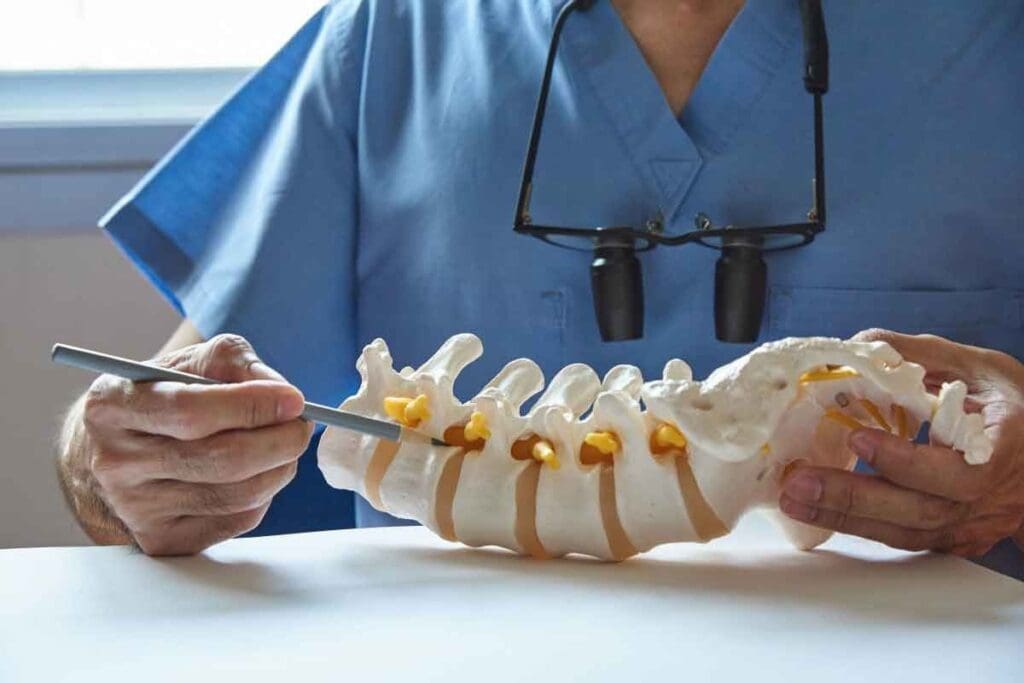
To understand bone marrow transplant or donation, knowing the procedures and their goals is key. These medical actions replace damaged bone marrow with healthy stem cells or donate bone marrow to aid another’s recovery.
What Is Bone Marrow and Its Function in the Body
Bone marrow is the soft tissue in bones like the hips and thighbones. It makes blood cells. This is vital for our body’s health, as it creates:
- Red blood cells, which carry oxygen
- White blood cells, important for fighting infections
- Platelets, helping blood to clot
A bone marrow transplant treats serious diseases like cancer and autoimmune disorders. It replaces damaged marrow with healthy stem cells. These can be from the patient (autologous) or a donor (allogeneic).
Differences Between Transplant and Donation Procedures
Transplant and donation both involve bone marrow but for different reasons. A transplant treats a patient by replacing damaged marrow with healthy cells. Donation, on the other hand, is when a healthy person gives their marrow to help another.
The main differences are:
- Purpose: Transplant is a treatment, donation is a way to help
- Process: Transplant requires conditioning therapy, donation involves harvesting marrow
- Risks: Transplant risks include conditioning therapy and graft-versus-host disease, donation risks are related to harvesting
Why Recovery Timelines Vary Between Individuals
The recovery after bone marrow transplant usually lasts 30 to 60 days in the hospital. But, recovery times differ due to:
- Health before the transplant
- The disease being treated and its stage
- Transplant type (autologous or allogeneic)
- Presence of complications or graft-versus-host disease
Knowing these factors helps plan for recovery. The bone marrow transplant recovery timeline varies, and understanding this can prepare patients and caregivers for the journey.
Stage 1: Initial Engraftment (Days 1-30)

The first 30 days after a transplant are very important. They mark the start of engraftment, where watching closely is key for a good recovery. Patients are usually in the hospital, where doctors can watch them closely and fix any problems fast.
The Hospital Stay Experience
Right after a bone marrow transplant, patients go to a special part of the hospital. This area is made to keep infections away and give patients the care they need during this critical time.
Doctors say, “The first time in the hospital is when we watch everything very closely. We look for signs that the transplant is working or if there are any problems.”
Critical Monitoring and Care Protocols
Patients are watched very closely during the first engraftment stage. They have regular blood tests and health checks. This helps doctors spot and fix any problems, like graft-versus-host disease (GVHD) or infections, quickly.
- Daily blood tests to check cell counts and look for any odd results
- Regular checks of vital signs to make sure everything is stable
- Assessments by a team of doctors and nurses
First Signs of Successful Cell Production
One of the first signs that the transplant is working is when new blood cells start to form. As the transplanted stem cells start to work, patients usually see their blood cell counts get better. This is a good sign that they are on the road to recovery. Most people start to see big improvements in the first 60 days, but it can take longer for some.
“The start of new cell production is a hopeful sign that the transplant is working, and it marks a very important step towards getting better.”
When the body starts making new cells, patients and their families feel hopeful and excited for the future. The medical team keeps playing a big role in helping the patient get better during this time and beyond.
Stage 2: Blood Cell Count Normalization (Weeks 2-6)
After a bone marrow transplant, getting blood cell counts back to normal is key. This usually takes 2 to 6 weeks. We watch our patients closely, handling any issues like needing blood transfusions.
White Blood Cell Recovery Milestones
White blood cells are vital for fighting infections. They start to increase in 2-4 weeks after the transplant. We check their levels often, making changes to help them recover.
How fast someone recovers can differ. Things like the transplant type and the patient’s health play a role. Studies show that quick recovery of white blood cells is good for long-term health.
Platelet and Red Blood Cell Regeneration Timeline
Platelets and red blood cells are important for clotting and carrying oxygen. Platelets take longer to come back, often needing weeks to be safe. Red blood cells also take time, and some patients need transfusions until their marrow works right.
We keep a close eye on these cells. We use transfusions and other care as needed to keep risks low.
Managing Transfusion Dependencies
Some patients need transfusions during this stage. Transfusions help with anemia and bleeding risks. We make plans for each patient to keep risks low and improve outcomes.
We aim to lessen the need for transfusions as the marrow starts making enough cells. Keeping a close eye on progress and adjusting plans is key.
Stage 3: Early Immune System Rebuilding (Days 30-60)
The early immune system rebuilding stage is key for BMT patients from days 30 to 60. We work hard to boost the immune system. This helps prevent infections and aids in a smooth recovery.
Protective Isolation Requirements
To lower infection risks, patients often need protective isolation. They might stay in a clean area, avoid sick people, and follow strict hygiene rules.
We tell patients to avoid crowded places and not get too close to people with infections. Their immune system is weak.
Medication Regimens and Side Effects
Medicine is vital in Stage 3. Patients take immunosuppressive drugs to avoid GVHD and antibiotics to fight infections.
It’s important for patients to stick to their medication plan and tell their doctor about any side effects. Common side effects include feeling tired, nausea, and diarrhea.
Infection Prevention Strategies
Stopping infections is a big focus in Stage 3. We suggest patients wash their hands often, avoid raw or undercooked foods, and drink plenty of water.
Checking blood counts and health markers regularly helps us catch problems early. This allows us to act fast.
Good care after BMT in Stage 3 is key for a good recovery. By following isolation rules, sticking to medication, and preventing infections, patients can get through this tough time with confidence.
| Strategy | Description | Benefits |
| Protective Isolation | Staying in a sterile environment, avoiding sick individuals | Reduces infection risk |
| Medication Adherence | Following prescribed medication regimens | Prevents GVHD and infections |
| Infection Prevention | Hand hygiene, avoiding raw foods, staying hydrated | Minimizes infection risk |
By focusing on these areas, we help patients get through the early immune rebuilding stage. This sets them up for long-term success and a full recovery.
Stage 4: Hospital Discharge and Home Transition (Days 45-100)
Leaving the hospital marks a big step in recovering from a bone marrow transplant. Patients and their caregivers get ready for this big change. We stress the need for a safe home and offer tips on what caregivers should do.
Preparing Your Home Environment
Before going home, patients and their caregivers learn how to make their home safe. They learn about removing infection sources and setting up a cozy recovery spot.
To make your home safe, follow these steps:
- Clean and disinfect surfaces often
- Avoid crowded places and gatherings
- Use a HEPA air purifier to cut down on airborne germs
Caregiver Responsibilities and Training
Caregivers are key to a patient’s recovery after BMT. They learn about managing meds, watching for problems, and giving emotional support.
| Caregiver Responsibilities | Description |
| Medication Management | Give meds on time as prescribed |
| Monitoring for Complications | Spot signs of infection or graft-versus-host disease |
| Emotional Support | Offer comfort and reassurance during recovery |
Early Outpatient Follow-up Schedule
After going home, patients see their transplant team regularly. These visits check on their recovery and solve any issues.
Getting independent around three months is a big win in life after BMT. With the right care and support, patients can get through this tough time.
Our team keeps supporting patients, setting up follow-up visits. We watch their recovery and guide them smoothly into life after BMT.
Stage 5: Regaining Physical Independence (Months 3-6)
Months 3-6 after transplant focus on getting back to normal. It’s a time to rebuild health and regain strength. Patients start to move from the early recovery phase to daily life again.
Physical Rehabilitation Progress Expectations
Rehabilitation is key in the recovery journey. We create a plan for each patient, focusing on their needs and goals. Improvements in strength and mobility are seen over time. Physical therapy is encouraged to help patients recover fully.
Dietary and Nutritional Recovery
Eating right is important for healing. We guide patients on what to eat to support their recovery. Good nutrition helps the body heal and rebuild its immune system. Our nutrition experts help create a diet plan for each patient.
Returning to Daily Activities Safely
When patients get stronger, they can start doing daily things again. But, it’s important to do it safely. We help them know how to slowly get back to work, exercise, and social activities. Listening to your body and not rushing is key. Regular check-ups with our team are important to track progress and address any issues.
Bone marrow donors usually recover quickly, getting back to normal in a few weeks. We give them care instructions, including advice on managing pain and scheduling follow-up visits. This ensures a smooth recovery from bone marrow donation.
The Complete Bone Marrow Recovery Process (Months 6-24)
After the first recovery stages, patients start a long journey of rebuilding their immune system. This can take up to two years. We help our patients through this time, dealing with any ongoing issues and celebrating their successes.
Stages 6-8: Long-term Immune Reconstitution
The immune rebuilding phase is key for those who have had bone marrow transplants or donations. This stage happens between six months to two years after the procedure. We watch over patients to handle any problems and keep them healthy.
Long-term care is vital for managing late effects and keeping patients well. Regular visits help us catch and fix any issues quickly, supporting their health.
Milestone Achievements in Recovery
As patients move forward, they hit many milestones. These include better blood counts, stronger immune systems, and more energy. We celebrate these achievements with our patients, which is a big part of their healing.
- Normalization of blood cell counts
- Improved immune function
- Increased energy levels and physical strength
- Reduced dependency on medications
Managing Chronic Complications
Even with progress, some patients face ongoing issues. Managing these complications is key to their quality of life. We offer full care, including medication, lifestyle changes, and ongoing checks.
Understanding the bone marrow recovery process helps us support our patients better. Our dedication to top-notch healthcare and support ensures patients get the best care for a full recovery.
When Bone Marrow Transplants Fail: Next Steps and Options
When a bone marrow transplant doesn’t work, it’s important to know what to do next. Not every transplant is successful. We help patients find out why it failed and look at other treatments.
Patients are watched closely for signs of failure. This includes not seeing an improvement in blood cells, the disease coming back, or graft-versus-host disease (GVHD). We use tests to find out why it failed.
Identifying Transplant Failure Signs
It’s key to spot signs of failure early. Some signs include:
- Failure to Engraft: When the new cells don’t make blood cells.
- Graft Rejection: The body rejects the new cells.
- Relapse: The disease comes back after the transplant.
- GVHD: The new cells attack the body.
Finding these signs early helps us change the treatment plan.
Secondary Transplant Considerations
In some cases, a second transplant might be an option. We look at the patient’s health, why the first transplant failed, and the risks.
Before a second transplant, we think about:
- The patient’s health and if they can handle another transplant.
- If there’s a good donor.
- If it’s likely to work.
Alternative Treatment Approaches
If a second transplant isn’t possible, we look at other treatments. These might include:
- Immunotherapy: Ways to make the body fight cancer better.
- Targeted Therapy: Medicines that target cancer cells.
- Palliative Care: Care to ease symptoms and stress of serious illness.
We work with the patient and their family to find the best treatment. We make sure it meets their needs and wishes.
Every patient’s journey is different. What works for one might not work for another. Our team is here to provide personalized care and support.
Recovery From Bone Marrow Donation: A Donor’s Timeline
Recovering from bone marrow donation has different stages. Each stage has its own timeline and things to consider. Understanding these phases helps donors recover smoothly and healthily.
Immediate Post-Donation Recovery (First 48 Hours)
The first 48 hours after donation are key. Donors might feel tired, have pain, or soreness in their lower back. Rest and staying hydrated are very important. Donors should avoid hard work and eat well to help their body heal.
Short-term Recovery (2-3 Weeks)
In 2 to 3 weeks, most donors start to feel better. The bone marrow donation recovery time usually takes about 2 weeks. But, it can vary. Donors should slowly get back to normal activities, avoiding heavy lifting or bending. Following the healthcare team’s instructions is also key to avoid complications.
Complete Marrow Regeneration in Donors
The body can quickly regrow bone marrow. Studies show the bone marrow cavity usually gets back to normal in a few weeks. Complete marrow regeneration might take longer, sometimes several weeks or months. This depends on the donor’s health and how much marrow was donated.
Long-term Health Considerations for Donors
Donors should also think about long-term health. Generally, bone marrow donation doesn’t harm a donor’s health long-term. But, regular check-ups with doctors are a good idea. Donors should also eat well and exercise to stay healthy.
We take care of our donors at our institution. We guide them through recovery, from the first steps to long-term health. The recovery time for bone marrow donation can differ, but with the right care, donors can get back to their normal life quickly.
Conclusion: Navigating Your Bone Marrow Recovery Journey
Recovering from a bone marrow transplant (BMT) needs a lot of support and guidance. Patients must be active in their recovery. They should know about the different stages and challenges they might face.
The recovery has eight key stages, from the start of engraftment to the long-term rebuilding of the immune system after BMT. Knowing these stages and the possible complications helps patients and donors prepare better.
It’s important for patients and donors to stay informed and proactive in their recovery. This way, they can get the best results and regain their health and freedom. We are dedicated to giving top-notch healthcare and support to everyone during their recovery.
FAQ
What is the typical recovery time for a bone marrow transplant?
Recovery times for bone marrow transplants vary. The first stage, engraftment, can last from 1 to 30 days. Full recovery of the bone marrow can take up to 24 months.
How long does it take for blood cell counts to normalize after a bone marrow transplant?
Normalizing blood cell counts usually happens between 2 to 6 weeks after the transplant. White blood cell recovery is a key part of this time.
What are the key stages of bone marrow recovery after a transplant?
The main stages include engraftment, blood cell count normalization, and rebuilding the immune system. Then comes hospital discharge, regaining independence, and long-term immune recovery.
How long does it take to recover from bone marrow donation?
Donors usually recover fast. Immediate recovery takes about 48 hours. Full marrow regeneration takes 2-3 weeks.
What is the difference between bone marrow transplant recovery and bone marrow donation recovery?
Bone marrow transplant recovery can take up to 24 months. It involves replacing damaged marrow with healthy stem cells. Bone marrow donation recovery is quicker, usually within a few weeks.
What are the common complications after a bone marrow transplant, and how are they managed?
Common issues include infections, graft-versus-host disease, and blood transfusions. We use isolation, medication, and monitoring to manage these problems.
Can a bone marrow transplant fail, and what are the next steps?
Yes, transplants can fail. If this happens, we work with the patient to find out why and discuss next steps. This might include a second transplant or other treatments.
How do you support patients during the recovery process after a bone marrow transplant?
We offer full support, including monitoring, medication, and isolation. We also help with caregiver duties and preparing the home environment.
What are the long-term health considerations for bone marrow donors?
We guide donors on long-term health issues. We ensure they have the support they need to stay healthy after donation.
How soon can patients return to their daily activities after a bone marrow transplant?
Patients can start returning to daily life safely around 3-6 months after the transplant. Recovery times vary based on individual progress.
References
- Cowan, A. J., Green, D. J., Kwok, M., Lee, S., Coffey, D. G., Holmberg, L. A., Tuazon, S., Gopal, A. K., & Libby, E. N. (2022). Diagnosis and management of multiple myeloma: A review. JAMA, 327(5), 464–477. https://pubmed.ncbi.nlm.nih.gov/35103762/



 Departments
 Related Videos
 Our Doctors
 Testimonials