
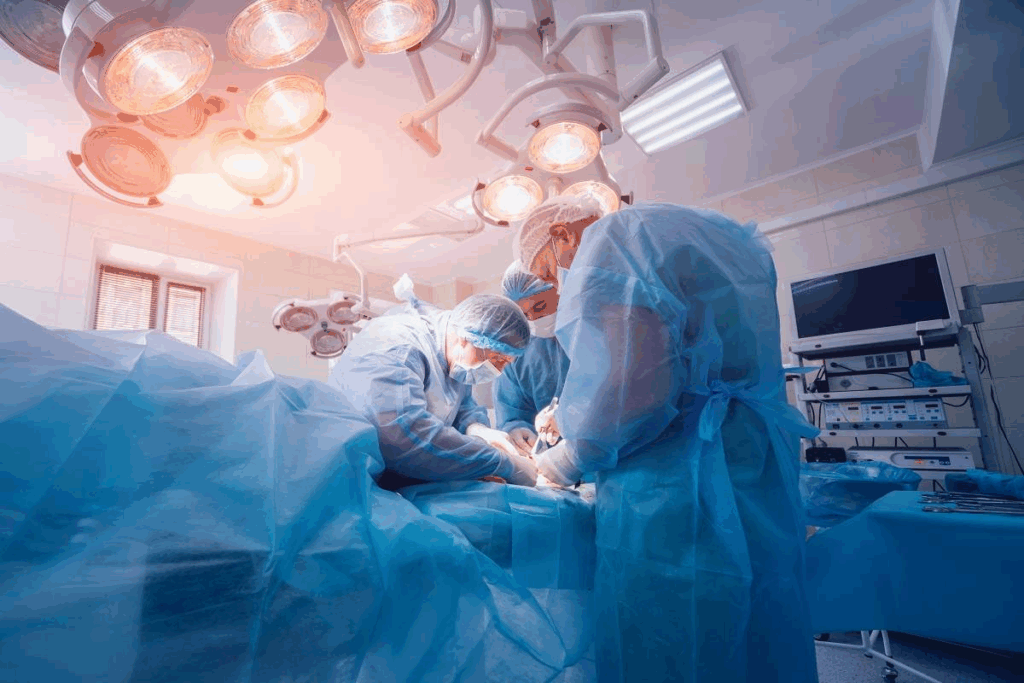
Gastrointestinal surgery is a big deal. It includes many procedures like stomach, colon, and intestinal surgery. Nearly 1 million people undergo gastrointestinal surgery annually in the United States alone. It’s a common way to treat many digestive problems. Focused look at the recovery time for bowel function to normalize after gastrointestinal surgery.
The recovery time after surgery can change a lot. It depends on the surgery type, your health, and other things. Knowing what to expect during your hospital stay is key. It helps you get ready for what’s coming.
Key Takeaways
- Gastrointestinal surgery includes various procedures like stomach, colon, and intestinal surgery.
- The recovery time varies based on the surgery type and individual health factors.
- Understanding the healing process is important for patient preparation.
- Hospital stay duration can affect overall recovery time.
- Individual health is a big factor in how fast you recover.
What to Expect from Gastrointestinal Surgery Recovery

The recovery after gastrointestinal surgery depends on many things. These include the surgery type and the patient’s health. Gastrointestinal surgery covers a wide range of procedures. Each one has its own recovery time and needs.
Types of Gastrointestinal Surgeries
Gastrointestinal surgeries include many types. These include stomach, colon, intestinal, pancreas, liver, and gallbladder surgeries. Each surgery has its own way of affecting recovery. For example, minimally invasive surgeries usually have shorter recovery times than open surgeries.
Factors That Influence Recovery Timelines
Many things can affect how long it takes to recover from gastrointestinal surgery. These include the patient’s age, health, any existing medical conditions, and the surgery’s complexity. Good post-operative care and following the surgeon’s advice are also key. They help determine how fast and well you recover.
Knowing these factors helps patients and their caregivers get ready for recovery. It helps manage expectations and spot any problems early.
The Immediate Post-Operative Period
After surgery, the first few days are critical for recovery. Doctors and nurses watch over patients closely. They manage pain, prevent problems, and help the body heal.
First 24-48 Hours After Surgery

The first two days after surgery are very important. Patients stay in the hospital, where they get constant care. Pain management is a top priority, with medicines given to reduce pain.
“Effective pain control is key for recovery,” doctors say. It lets patients breathe, cough, and move more easily.
Initial Mobility Expectations
Moving early is important to avoid blood clots and aid healing. Patients are urged to get out of bed and walk within 24 hours. This helps regain strength and improve blood flow.
Inpatient Monitoring Procedures
In the hospital, patients are watched for infections, bleeding, and anesthesia side effects. Their temperature, blood pressure, and heart rate are checked often. The surgical area is also watched for signs of infection or other problems.
Healthcare providers stress the importance of close monitoring. “It’s vital to catch and fix any issues quickly,” they say. This helps avoid complications.
Average Hospital Stay Duration by Procedure
The time a patient stays in the hospital after surgery is important. It depends on the type of surgery they had.
The kind of surgery affects how long a patient stays in the hospital. Minimally invasive surgeries have smaller cuts and less damage. They usually mean shorter stays than open surgeries.
Minimally Invasive Surgery Recovery Timeline
Minimally invasive surgeries, like laparoscopic ones, have quicker recovery times. Patients might stay in the hospital for 1 to 3 days.
“The benefits of minimally invasive surgery include less postoperative pain, reduced risk of complications, and quicker recovery times,” according to a study published in the Journal of Surgical Research.
Open Surgery Recovery Timeline
Open surgeries need bigger cuts and take longer to recover. Patients after open surgery might stay for 5 to 7 days or more. This depends on the surgery’s complexity and the patient’s health.
Procedure-Specific Hospital Stays
Each surgery has its own recovery time. Here’s a table showing some common surgeries and their average hospital stays:
Procedure | Average Hospital Stay |
Laparoscopic Cholecystectomy | 1-2 days |
Open Gastrectomy | 7-10 days |
Laparoscopic Colectomy | 2-4 days |
Pancreatic Surgery (Open) | 10-14 days |
Knowing these averages helps patients prepare for their recovery. It lets them plan better.
Restoring Normal Bowel Function After Surgery
After surgery, patients often struggle to get their bowel function back to normal. The healing process is not just about the surgery itself. It’s also about getting the body’s natural processes, like bowel movements, back on track.
Timeline for First Bowel Movement
The time it takes for the first bowel movement after surgery varies. It can be a few days to a week. The type of surgery, the patient’s health, and any complications can affect this timeline.
Managing Constipation and Diarrhea
Constipation and diarrhea are common during recovery. Constipation relief comes from drinking plenty of water, eating fiber, and gentle exercise. For diarrhea management, try avoiding spicy or fatty foods. Sometimes, medication is needed, as a doctor advises.
Strategies to Support Digestive Health
Improving digestive health during recovery requires a few steps. These include:
- Eating a balanced diet with plenty of fiber
- Drinking lots of water
- Doing gentle exercise as your doctor suggests
- Using probiotics or supplements, if a doctor recommends them
When to Be Concerned About Bowel Function
Some irregular bowel movements are normal after surgery. But, there are signs that mean you should see a doctor. These include severe pain, persistent constipation or diarrhea, and signs of a bowel blockage. If you notice these, get medical help right away.
Symptom | Possible Cause | Action |
Constipation | Inactivity, medication, diet | Increase fluid intake, fiber-rich foods, gentle exercise |
Diarrhea | Diet, infection, medication | Avoid irritating foods, consider medication if advised by a doctor |
Abdominal Pain | Surgery, bowel obstruction, infection | Seek immediate medical attention if severe |
Pain Management Throughout Recovery
Patients after gastrointestinal surgery face the challenge of managing pain. It’s key to reduce discomfort and get back to normal life quickly. Effective pain management is vital for a smooth recovery.
Medication Timeline and Tapering
After surgery, patients get pain meds. Doctors carefully choose the type and amount to avoid side effects. The goal is to gradually reduce the dosage as pain lessens.
- Initial Phase: Stronger pain meds are used first.
- Tapering Phase: Dosage is lowered, and weaker meds may be added.
Non-Pharmaceutical Pain Relief Methods
There are non-medication ways to manage pain too. These include:
- Breathing exercises and relaxation techniques
- Gentle stretching and mobility exercises
- Heat or cold therapy
Red Flags for Pain Management
Some pain is normal after surgery. But, watch out for these red flags:
- Increasing pain despite meds
- Pain with fever, swelling, or redness at the site
- Struggling to control pain with meds
If you see these signs, call your doctor right away.
Dietary Progression After GI Surgery
After GI surgery, patients follow a structured diet to aid in recovery. This diet helps avoid discomfort and complications. It lets the GI tract heal properly.
Clear Liquid Diet Phase (Days 1-2)
The first stage is a clear liquid diet. It’s key for staying hydrated without straining the digestive system. Clear liquids include water, clear broths, and electrolyte-rich drinks like coconut water or sports drinks. Avoid caffeinated and carbonated drinks during this time.
Full Liquid and Soft Food Transition (Days 3-7)
Next, patients move to full liquids and soft foods. Full liquids include milk, yogurt, and pureed soups. Soft foods are scrambled eggs, mashed bananas, and cooked pasta. Introduce these foods slowly and watch for intolerance signs.
- Start with small portions to test tolerance.
- Choose foods that are easy to digest.
- Avoid spicy, fatty, or high-fiber foods.
Returning to Regular Diet (Weeks 2-4)
By the second to fourth week, most can start eating regular food again. This depends on the surgery type and recovery pace. Introduce new foods slowly and watch for any bad reactions.
“The key to a successful recovery is patience and adherence to the dietary progression. Rushing back to a normal diet can lead to complications.”
Long-term Dietary Adjustments
Some may need to make long-term diet changes after GI surgery. This could mean avoiding certain foods or eating habits that help with comfort and nutrition. It’s wise to talk to a healthcare provider or dietitian for a personalized diet plan.
- Eat smaller, more frequent meals.
- Stay hydrated by drinking plenty of water.
- Consider keeping a food diary to track tolerance and preferences.
Physical Activity and Mobility Recovery Timeline
Physical activity is key in recovering from gastrointestinal surgery. It helps avoid complications, cuts down recovery time, and boosts outcomes.
Early Ambulation (Days 1-3)
Walking soon after surgery is encouraged. It helps prevent blood clots, boosts circulation, and speeds up recovery. Patients usually start walking within 24 to 48 hours after surgery. They start with short walks and increase as they get stronger.
At-Home Activity Progression (Weeks 1-4)
At home, patients should slowly increase their activity. Start with light activities like walking, stretching, and simple chores. It’s important to listen to your body and not push too hard, as it can lead to fatigue or complications.
Returning to Work Timeline
The time to go back to work varies. It depends on the surgery type, job demands, and how fast you recover. Most can return to desk jobs in 2 to 4 weeks. Those with harder jobs might need 6 weeks or more.
Exercise Restrictions and Recommendations
While recovering, it’s important to follow certain exercise rules. Avoid high-intensity exercises, heavy lifting, and bending in the first weeks. Always check with your healthcare provider for the best exercises for your recovery.
Wound Healing and Incision Care
Knowing how to care for your surgical site is key for healing and avoiding problems after surgery. Good wound care helps you recover smoothly.
Proper Surgical Site Care
Keeping your surgical site clean and dry is important. Gentle washing with mild soap and water is often advised once the wound is closed. Always follow your doctor’s wound care advice, as it’s tailored to your surgery and health.
“Keeping the wound clean and dry is a simple yet effective way to promote healing.” A study in the Journal of Surgical Research shows that proper care lowers the risk of infections.
Stitches and Staple Removal Timeline
The time to remove stitches or staples depends on your surgery and incision location. Usually, stitches or staples are removed in 7-14 days after surgery. Your doctor will tell you when to come back for removal.
- For most abdominal surgeries, staples are removed in 7-10 days.
- For surgeries involving the skin, sutures may be removed in 5-7 days.
Scar Formation and Management
Scar formation is a natural part of healing. At first, scars may look red and raised, but they usually fade. Massaging the scar with a gentle, fragrance-free lotion can make it look better. Silicone gel or sheeting may also be suggested to lessen scar visibility.
Managing scars involves good wound care, scar massage, and possibly silicone products. It’s also vital to protect your scar from the sun with sunscreen, as UV rays can make it darker.
Recovery Timelines for Specific GI Surgeries
Knowing how long it takes to recover from different GI surgeries is key. These surgeries vary, each with its own recovery pace.
Stomach Surgery Recovery (Gastrectomy)
Stomach surgery, or gastrectomy, means removing part or all of the stomach. The recovery timeline depends on the surgery’s extent and the patient’s health.
Patients usually stay in the hospital for 3 to 7 days. Full recovery can take weeks to months. During this time, eating the right foods is very important.
“The key to a successful recovery from gastrectomy is gradual dietary progression and monitoring for any signs of complications.”
Colon and Intestinal Surgery Recovery
Colon and intestinal surgeries remove diseased parts of the colon or intestine. The recovery timeline varies based on surgery complexity and method.
- Laparoscopic surgeries have shorter recovery times, usually 2 to 4 weeks.
- Open surgeries may need longer recovery, sometimes up to 6 weeks or more.
Liver, Gallbladder, and Pancreas Surgery
Surgeries on the liver, gallbladder, and pancreas are complex. Each has a different recovery timeline. For example, a laparoscopic cholecystectomy (gallbladder removal) might have a shorter recovery than liver or pancreatic surgery.
Patients should prepare for an extended recovery period, including several weeks of rest and follow-up care.
Doctors stress the importance of rest, nutrition, and follow-up care for GI surgery recovery.
Recognizing and Managing Complications
Complications after gastrointestinal surgery are rare but can happen. Knowing the signs is key. Most patients recover well, but knowing about possible complications helps manage them better.
Signs of Surgical Site Infection
A surgical site infection (SSI) is a big complication after gastrointestinal surgery. Look out for these signs:
- Increasing pain or tenderness around the incision site
- Redness or swelling around the incision
- Pus or discharge from the incision
- Fever or chills
Early detection of SSI is vital for managing it well. If you see any of these symptoms, call your healthcare provider right away.
Internal Complications
Internal complications can happen after gastrointestinal surgery. These include:
Complication | Symptoms |
Bleeding | Severe abdominal pain, vomiting blood, or black tarry stools |
Bowel Obstruction | Severe abdominal pain, vomiting, constipation, or inability to pass gas |
Leakage | Severe abdominal pain, fever, or signs of infection |
As
“The key to managing internal complications is early recognition and intervention.”
Quick medical help can greatly improve your chances of recovery.
When to Contact Your Doctor vs. Emergency Care
Knowing when to get medical help is important. Call your doctor for:
- Mild symptoms that get worse over time
- Unusual discharge or bleeding
- Fever or chills
But, go to emergency care right away if you have:
- Severe abdominal pain
- Vomiting blood or passing black tarry stools
- Signs of severe infection or sepsis
Knowing these signs and when to seek help can greatly improve managing complications after gastrointestinal surgery.
Emotional and Psychological Recovery
Gastrointestinal surgery can deeply affect a patient’s emotional and mental health. Patients may feel many emotions during recovery, like relief and gratitude, but also anxiety and depression.
Managing Recovery Expectations
It’s key to manage what you expect for a smooth emotional recovery. Patients should know recovery takes time and that setbacks happen. Realistic expectations can reduce feelings of frustration and disappointment.
Coping with Body Changes
Gastrointestinal surgery can lead to big changes in the body. These changes can affect how patients see themselves and their confidence. Coping mechanisms like counseling, support groups, and relaxation techniques can help patients adjust.
“The emotional journey after surgery is just as important as the physical. Patients need support and understanding as they navigate these changes.”
Depression and Anxiety After Surgery
Many patients feel depression and anxiety after surgery. Symptoms include feeling sad all the time, losing interest in things, and feeling very anxious. It’s important to notice these symptoms early to manage them well.
Support Resources for Patients and Caregivers
Support resources are vital for patients and their caregivers’ emotional and mental recovery. These can include professional counseling, support groups, and online forums. Access to these resources can greatly improve the recovery experience.
By understanding the emotional and mental aspects of recovery and using available support, patients can better handle the challenges of gastrointestinal surgery.
Follow-up Care and Long-term Monitoring
The recovery process doesn’t end when you leave the hospital. Follow-up care is key to a smooth recovery after gastrointestinal surgery.
After leaving the hospital, patients need ongoing care. This is to watch for any complications and support their health. They will have a series of post-discharge appointments with healthcare providers.
Post-Discharge Appointment Schedule
The first follow-up is usually within one to two weeks after discharge. How often you go back depends on your health and surgery type. At these visits, doctors check your progress and help manage symptoms.
Rehabilitation Services
Some patients need rehabilitation services to get strong and mobile again. This can include physical therapy and nutritional counseling. It helps patients fully recover and get back to their daily lives.
Long-term Surveillance Needs
Long-term surveillance is important to catch late complications or recurrences. This might mean regular check-ups and tests. It’s important to know when to seek immediate medical help.
Returning to Full Quality of Life
With the right follow-up care and long-term monitoring, most patients fully recover. They can then return to their normal quality of life. It’s important to follow your healthcare provider’s advice and report any concerns or symptoms right away.
By focusing on follow-up care and long-term monitoring, patients can improve their recovery outcomes. This helps reduce the risk of complications after gastrointestinal surgery.
Conclusion
Recovering from gastrointestinal surgery takes time, patience, and the right care. This article offers guidance to help patients through their recovery. The journey includes several stages, from the immediate post-op to follow-up care.
Getting the right follow-up care is key to a successful recovery. Patients should keep up with their post-discharge appointments and talk to their doctor about any issues. With the right support, people can fully recover and get back to their daily lives.
Knowing the recovery timeline and possible complications helps patients make better care choices. Prioritizing follow-up care and monitoring can reduce risks. This ensures a smooth recovery from gastrointestinal surgery.
FAQ
How long does it typically take to recover from gastrointestinal surgery?
Recovery time varies. It depends on the surgery type, your health, and personal factors. Most people take weeks to months to fully recover.
What can I expect during the immediate post-operative period after gastrointestinal surgery?
You’ll be closely watched in the hospital. You’ll get pain meds and encouraged to move early. This helps prevent problems and aids in healing.
How long will I need to stay in the hospital after gastrointestinal surgery?
Hospital stay length varies. Minimally invasive surgeries usually need 1-3 days. Open surgeries might need 5-7 days or more.
What are some common issues with bowel function after gastrointestinal surgery, and how can I manage them?
Issues like constipation and diarrhea are common. They can be managed with diet, hydration, and meds. Probiotics and fiber can also help.
How will my pain be managed after gastrointestinal surgery?
Pain management includes meds like opioids and non-opioids. You’ll also learn non-medical methods like deep breathing and relaxation.
What is the typical dietary progression after gastrointestinal surgery?
Your diet will start with clear liquids, then full liquids, soft foods, and eventually regular food. Progress is based on your tolerance and surgery type.
How soon can I resume physical activity after gastrointestinal surgery?
You’ll start moving early, usually 1-3 days post-surgery. Activities will get more strenuous over weeks. Your doctor will guide you.
How do I care for my surgical incision site after gastrointestinal surgery?
Keep the site clean and watch for infection signs. Follow your doctor’s instructions for dressing changes and removing staples or sutures.
What are some possible complications after gastrointestinal surgery, and how can I recognize them?
Complications include infections and internal issues. Look out for increased pain, fever, and bowel or urinary changes. Contact your doctor or seek emergency care if you notice these signs.
How can I manage emotional and psychological changes after gastrointestinal surgery?
Manage your expectations and cope with body changes. Use counseling, support groups, and online resources to address depression and anxiety.
What follow-up care and long-term monitoring are needed after gastrointestinal surgery?
You’ll need follow-up appointments and long-term surveillance. This ensures healing, addresses complications, and helps you return to your normal life.
How can I support my digestive health after gastrointestinal surgery?
Support your digestive health with diet changes, probiotics, and fiber. Stay hydrated and watch for bowel function changes. Report any concerns to your healthcare provider.
When can I return to work after gastrointestinal surgery?
Return to work time varies. It depends on surgery type, recovery, and job demands. Most people can go back to work in 2-6 weeks.
References
National Center for Biotechnology Information. Evidence-Based Medical Insight. Retrieved from https://pmc.ncbi.nlm.nih.gov/articles/PMC11743424/