

Nearly 100,000 people in the United States have bowel resection surgery every year. This shows how important it is for treating many gastrointestinal problems.Assessing whether bowel resection big operation is an accurate description due to its invasiveness and risks.
A bowel resection, or partial colectomy, means removing a part of the colon or rectum. This complex surgery is needed for issues like colon cancer, diverticulitis, or inflammatory bowel disease.
The complexity of bowel resection surgery can change based on the person’s condition and how much of the colon or rectum is removed. It’s key for patients to understand this surgery well. This helps them make better choices about their treatment.
Key Takeaways
- Bowel resection surgery is a significant procedure with a substantial number of cases annually.
- The surgery involves removing a portion of the colon or rectum.
- Conditions such as colon cancer and inflammatory bowel disease may require bowel resection.
- The complexity of the surgery varies depending on individual conditions.
- Understanding the procedure is key for making informed decisions.
Understanding Bowel Resection Surgery
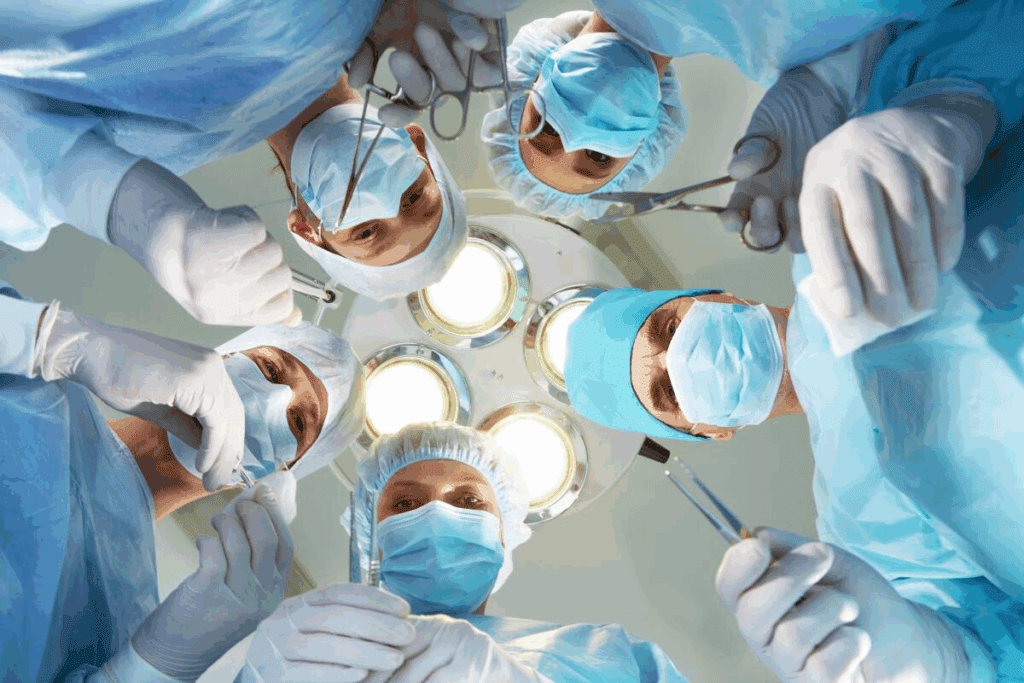
It’s important for patients to know about bowel resection surgery. This surgery removes part of the intestine. It’s done for many health reasons.
Definition and Purpose of Bowel Resection
Bowel resection, or intestinal resection, removes a sick or damaged part of the intestine. Its main goal is to get rid of the bad part. This helps prevent more problems and helps the body heal.
This surgery treats diseases like colorectal cancer and Crohn’s disease. It also helps with diverticulitis and intestinal blockages. By taking out the bad part, it aims to fix the intestine and improve life quality.
Anatomical Structures Involved
The intestine is key to our digestion. It has two parts: the small intestine and the large intestine (colon). The small intestine absorbs nutrients. The colon absorbs water and salts.
In bowel resection, the surgeon finds and removes the sick part of the intestine. Then, the healthy parts are sewn back together. This is called anastomosis.
Historical Development of the Procedure
Bowel resection surgery has changed a lot over time. New medical tools and better surgery methods have helped. Early surgeries were often very risky because of infections and technical issues.
Important steps in its development include antiseptic surgery, better anesthesia, and new, less invasive surgery methods. These changes have made bowel resection safer and more effective.
- Improved surgical techniques have enhanced the precision of bowel resection.
- Advances in anesthesia have reduced patient discomfort and risk.
- Minimally invasive approaches have decreased recovery times and scarring.
Knowing about bowel resection surgery helps patients understand its importance and complexity.
Types of Bowel Resection Procedures

There are many types of bowel resection surgeries. Each one is used for different reasons and has its own benefits. The choice of surgery depends on the condition, where the problem is, and the patient’s health.
Small Intestine (Small Bowel) Resection
Small intestine resection removes a part of the small bowel. It’s often needed for Crohn’s disease, blockages, or tumors. The surgery can be open or laparoscopic.
The recovery and possible complications change based on the surgery’s extent and method.
Colectomy: Partial and Total Colon Removal
A colectomy removes part or all of the colon. Partial colectomy is for affected parts, while total colectomy removes the whole colon. These are used for colorectal cancer, severe diverticulitis, and ulcerative colitis.
The surgery’s extent and the need for a colostomy or ileostomy depend on the condition and how much colon is removed.
| Type of Colectomy | Indications | Potential Outcomes |
| Partial Colectomy | Colorectal cancer, diverticulitis | Removal of diseased segment, possible reconnection |
| Total Colectomy | Ulcerative colitis, familial adenomatous polyposis | Removal of entire colon, possible ileostomy or ileal pouch |
Low Anterior Resection for Rectal Issues
Low anterior resection (LAR) treats rectal cancer or other rectal issues. It aims to remove the diseased part of the rectum while keeping the anal sphincter.
The complexity of LAR depends on the disease’s location and extent.
Ileostomy and Colostomy Procedures
Some bowel resection surgeries create an ostomy. An ileostomy brings the small intestine to the skin, while a colostomy does the same with the colon.
These can be temporary or permanent, based on the condition and surgery extent.
Common Conditions Requiring Bowel Resection
Bowel resection surgery is needed for several serious conditions. These conditions can greatly affect a person’s life quality. Often, surgery is the only way to restore health.
Colorectal Cancer and Polyps
Colorectal cancer is a main reason for bowel resection. When cancer is found in the colon or rectum, removing the affected part is often needed. Early detection is key for effective treatment. Polyps, which can grow on the colon or rectum, might become cancerous. Removing them can stop cancer from forming.
Crohn’s Disease and Ulcerative Colitis
Inflammatory bowel diseases (IBD) like Crohn’s and ulcerative colitis can cause serious problems. Crohn’s disease can affect any part of the GI tract, causing severe inflammation. Ulcerative colitis mainly affects the colon, leading to chronic inflammation and ulcers. If these diseases don’t respond to treatment, surgery might be needed to remove the affected bowel part.
Diverticulitis and Intestinal Perforation
Diverticulitis is an inflammation of the colon wall’s diverticula. It might need surgery if complications like abscesses or perforation happen. Intestinal perforation, where a hole forms in the intestine, is a medical emergency. It often requires immediate surgery to prevent further issues.
Bowel Obstruction and Volvulus
Bowel obstruction happens when the intestine’s flow is blocked. This can lead to severe problems if not treated quickly. Volvulus is when a part of the intestine twists, cutting off its blood supply. Both conditions can cause ischemia and necrosis if not treated surgically.
The seriousness of these conditions shows how important it is to know when bowel resection is needed. Each condition has its own challenges and needs for surgery.
Is a Bowel Resection a Big Operation?
Figuring out if bowel resection is a big deal involves looking at a few important points. This surgery removes a part of the intestine that’s sick. It’s a complex operation with different levels of risk and complexity.
Surgical Classification and Complexity Levels
Bowel resection surgeries are sorted by how complex they are. This depends on where and how much of the intestine is sick, the patient’s health, and any other health issues. These surgeries can be simple or very complex, needing special skills.
| ASA Classification | Description | Surgical Risk Level |
| ASA I | Normal healthy patient | Low |
| ASA II | Patient with mild systemic disease | Moderate |
| ASA III | Patient with severe systemic disease | High |
| ASA IV | Patient with severe systemic disease that is a constant threat to life | Very High |
Factors Determining Surgical Magnitude
Many things make a bowel resection surgery big or small. These include how much of the intestine is removed, whether it’s done openly or laparoscopically, and the patient’s health. Conditions like colorectal cancer, Crohn’s disease, or diverticulitis can make the surgery more complex.
Comparison to Other Abdominal Surgeries
Bowel resection is a major surgery, like hysterectomy or cholecystectomy. But, the risks and problems with bowel resection can be different. This is because of the unique nature of intestinal surgery.
Patient-Specific Considerations for Risk Assessment
When figuring out the risk of bowel resection, we look at things like age, health, other health problems, and past surgeries. These help decide the bowel resection risk level and plan the best care before and after surgery.
Understanding these points helps doctors better classify intestinal surgery category and colon surgery classification. This way, they can guide patients better, giving them the right info and prep.
Surgical Approaches for Bowel Resection
It’s important to know the different ways to do bowel resection surgery. This surgery is needed for things like colorectal cancer, Crohn’s disease, and diverticulitis. There are several methods to perform it.
Traditional Open Surgery Technique
Open surgery means one big cut in the belly to get to the bowel. It lets surgeons see and work on the problem area well. But, it takes longer to heal and leaves bigger scars than other ways.
Laparoscopic Minimally Invasive Approach
Laparoscopic surgery uses small cuts and a camera to see inside. It causes less damage and leads to less pain and quicker healing. But, it needs special tools and skills.
Robotic-Assisted Surgical Methods
Robotic surgery uses a camera and tools that let surgeons do precise work. It helps with complex surgeries and is good for detailed work. It’s great for tricky operations.
Single-Incision Laparoscopic Surgery (SILS)
SILS uses one cut in the belly for all tools. It tries to make less scarring and less pain. But, it’s hard to do and not for everyone.
Every method for bowel resection has its own good points and challenges. The right choice depends on the patient’s needs, the surgeon’s skills, and the technology. Knowing this helps make sure patients get the best care and understand the surgery’s complexity.
Preoperative Preparation and Assessment
Getting ready for bowel resection surgery is key to good results. This step includes checking the patient’s health, preparing the bowel, and adjusting diet and meds. It also covers mental and emotional readiness.
Medical Evaluation and Testing
Before surgery, a detailed medical check is vital. This includes looking at the patient’s health history and colorectal surgery complexity. Tests like blood work, imaging, and endoscopies help understand the surgery needed. A study on shows how important these checks are for surgery success.
Bowel Preparation Protocols
Cleaning the bowel before surgery is a must. This involves changing diets, using laxatives, and sometimes antibiotics. The aim is to lower infection risks and make the surgery safer. The exact method depends on the doctor and the patient’s health.
Dietary and Medication Adjustments
Patients often need to change their diet before surgery. This might mean eating less fiber or fasting. They also need to adjust their meds, stopping some or changing others. This is to avoid risks during surgery, like bleeding or complications.
Mental and Emotional Preparation
Getting mentally ready is just as important. Patients should talk about their worries with their doctors. Support from loved ones and sometimes counselors helps manage stress. Knowing what to expect can make patients feel more at ease.
By focusing on these pre-surgery steps, patients can be more ready for bowel resection. This can lead to better results and an easier recovery.
What Happens During a Bowel Resection Procedure
Learning about a bowel resection can ease worries about this big surgery. This surgery, also known as bowel removal or intestinal resection, is a major abdominal surgery. It’s complex and can greatly affect a patient’s digestive system.
Anesthesia Administration and Monitoring
The first thing in a bowel resection is giving anesthesia. This makes sure the patient feels no pain during the surgery. General anesthesia is used, so the patient will be asleep. An anesthesiologist keeps an eye on the patient’s health and adjusts the anesthesia as needed.
Step-by-Step Surgical Process
The surgery starts with an incision in the abdomen. The size and where the incision is made depends on the surgery type and whether it’s open or laparoscopic. The surgeon then finds and removes the damaged part of the intestine.
Intestinal Reconnection (Anastomosis) Techniques
After removing the bad part, the surgeon connects the healthy parts of the intestine. This is called creating an anastomosis. The surgeon uses sutures or staples, based on the surgery and their preference.
Stoma Creation When Necessary
At times, a bowel resection leads to a stoma. This is when a part of the intestine is brought to the abdomen’s surface. It’s for diverting fecal matter, and it can be temporary or permanent.
The details of a bowel resection can change a lot. It depends on the surgery type and the patient’s health. Knowing these details helps patients prepare for the surgery and recovery.
Immediate Postoperative Care
The time right after bowel resection surgery is very important. It helps prevent problems and makes sure the patient recovers well. During this time, doctors watch the patient closely for any signs of trouble.
Recovery Room Monitoring and Interventions
In the recovery room, doctors keep a close eye on the patient’s health. They check the heart rate, blood pressure, and oxygen levels. They also look at how awake the patient is, how much pain they’re in, and the healing of the surgery site.
Key monitoring parameters include:
- Vital sign stability
- Pain management effectiveness
- Surgical site condition
- Presence of any postoperative complications
Pain Management Strategies
Managing pain well is very important right after surgery. Doctors use different ways to help with pain, like:
- Patient-controlled analgesia (PCA)
- Epidural anesthesia
- Oral pain medications
Pain management plans are tailored to the individual patient’s needs and the specifics of their surgery.
Early Mobilization Protocols
Moving around early is good to prevent problems like blood clots. It also helps the patient get better faster. This might include:
- Getting out of bed and walking
- Doing simple exercises
- Slowly increasing how active you are
Monitoring for Immediate Complications
Doctors watch closely for any quick problems that might happen, like:
| Complication | Signs and Symptoms |
| Bleeding | Increased heart rate, decreased blood pressure, bloody drainage |
| Infection | Fever, redness or swelling at the surgical site |
| Respiratory issues | Difficulty breathing, low oxygen saturation |
Hospital Recovery Timeline
Knowing how to recover in the hospital after bowel resection surgery is key. The time you stay in the hospital can change based on your health and the surgery’s complexity.
First 24-48 Hours After Surgery
The first 24-48 hours are very important after bowel resection surgery. You’ll be watched closely in the recovery room for any problems. Pain management is a big focus, and you’ll get medicine to help with pain. “The first 48 hours are key to knowing if the surgery was a success,” a study on postoperative care says.
Progression of Diet and Activity (Days 3-5)
As you get better, your diet will slowly get more solid foods. Early mobilization is also important to avoid problems like blood clots and pneumonia. Hospital staff will help you start walking and doing light exercises.
A study on Enhanced Recovery After Surgery (ERAS) found that following a set recovery plan can lead to shorter hospital stays and fewer problems.
Discharge Planning and Criteria
Planning for your discharge starts early. You’ll go home when you can manage your pain with pills, eat normally, and have a bowel movement or pass gas.
- Ability to manage pain with oral medication
- Tolerating a normal diet
- Having a bowel movement or passing gas
- Being mobile and able to perform daily activities
Enhanced Recovery After Surgery (ERAS) Protocols
ERAS protocols are based on evidence to improve patient care. They include preoperative counseling, optimized anesthesia and pain management, and early movement. By using ERAS, hospitals can lower complications and better patient results.
“ERAS protocols have been shown to reduce hospital stay and complication rates in patients undergoing bowel resection surgery.”
Potential Complications and Risks
It’s important for patients to know about the risks of bowel resection surgery. This surgery, like any major abdominal surgery, can have complications. These can affect how well you recover and the outcome of the surgery.
Immediate Surgical Complications
Right after surgery, there can be bleeding, damage to nearby organs, and bad reactions to anesthesia. These are common risks with any big surgery. The surgical team watches for these closely.
- Bleeding or hemorrhage
- Injury to nearby organs or structures
- Adverse reactions to anesthesia
- Cardiovascular complications
Infection and Wound Healing Issues
Infection is a big risk after bowel resection surgery. Surgical site infections (SSIs) can happen. Also, wound healing problems might occur, more so in people with diabetes or on certain medicines.
“Surgical site infections are a major concern in colorectal surgery, necessitating careful wound management and potentially preventive antibiotics.”
Anastomotic Leak and Bowel Obstruction
Anastomotic leak is a serious issue where the intestine doesn’t heal right. Bowel obstruction, from adhesions or narrowing, is another risk. These might need more surgery.
Key risks associated with anastomotic leak include:
- Severe infection
- Need for additional surgery
- Prolonged hospital stay
Long-Term Complications and Management
Long-term problems can be bowel dysfunction, nutritional issues, and future obstructions. Managing these often needs a team effort. This includes diet changes, meds, and sometimes more surgery.
Patients should know about these risks. Working with their healthcare team is key to reducing risks and handling any problems that come up.
Recovery at Home After Bowel Resection
Recovering at home after bowel resection surgery is a journey. It involves following steps to heal smoothly and avoid problems. Proper care at home is key to a successful recovery.
Activity Restrictions and Gradual Return to Normal
After leaving the hospital, patients must follow certain rules. These rules help avoid straining the stomach area and aid in healing. Avoid heavy lifting, bending, or strenuous exercises for the time your doctor says.
As you get better, you can slowly start doing more. It’s important to listen to your body. Slowly getting back to normal helps you regain strength and lowers the risk of problems.
Dietary Progression and Nutritional Support
Your diet is very important during recovery. You’ll start with liquids and then move to solid foods as you can. Drinking plenty of water and eating foods rich in nutrients is key to healing.
Getting the right nutrients is vital. You might want to talk to a dietitian for advice tailored to you.
“A well-balanced diet rich in proteins, vitamins, and minerals can significantly aid in the recovery process.”of Nutrition
Wound Care and Stoma Management
Proper wound care is critical to avoid infections and help healing. Follow the instructions from your healthcare team. This may include keeping the wound dry, changing dressings, and watching for infection signs.
If you have a stoma, learning how to care for it is important. Good stoma care can greatly improve your quality of life during recovery.
Warning Signs and When to Seek Medical Attention
It’s important to know the signs of possible complications. These include increased pain, fever, redness or swelling around the wound, or changes in bowel habits. Spotting these signs early can lead to quick action and prevent serious issues.
Know when to call your doctor. If you notice anything unusual or have concerns, don’t hesitate to reach out to your healthcare provider.
Long-Term Recovery Timeline and Expectations
Recovery from bowel resection surgery is different for everyone. It depends on your health and the surgery’s complexity. Knowing what to expect can help you prepare for the journey ahead.
First Month Post-Surgery Milestones
The first month is key for healing. You might feel very tired and need to eat differently. It’s important to see your surgeon regularly to check on your progress and solve any problems. By the end of this month, you should start feeling more energetic and better overall.
Three to Six Month Recovery Phase
Between three to six months, you’ll likely get stronger and your bowel function will improve. This time is also for adjusting to any lifestyle changes, like new diets or managing a stoma. Keep seeing your healthcare team to make sure you’re healing right.
Long-Term Adaptation and Function
Over time, most people get used to their new bowel function. How well you adapt depends on the surgery’s complexity. Staying healthy with a good diet and exercise is key for your overall well-being.
Follow-up Care Schedule
Your surgeon will tell you when to come back for check-ups. These visits might include tests to make sure everything is healing well and there are no complications. Keeping to this schedule is vital for the best long-term results.
The type of surgery you had affects how long it takes to recover. More complex surgeries mean longer recovery times and more follow-up care. Knowing this helps set realistic goals for your recovery.
Quality of Life After Bowel Resection
Patients often wonder how bowel resection surgery affects their quality of life. This major abdominal surgery brings big changes. These changes depend on the surgery’s complexity, the patient’s health, and how well they adjust to changes after surgery.
Physical Adaptation and Bowel Function Changes
One big concern is changes in bowel function. Patients might deal with diarrhea, constipation, or different stool types. It can be tough, but most get used to it over time. They also have to recover from the surgery and adjust to a stoma if needed.
Dietary Modifications for Optimal Function
Changing your diet is key to managing bowel issues after surgery. Doctors often suggest eating smaller meals more often. They also recommend avoiding foods that cause gas or discomfort. Drinking enough water is also important. A healthcare provider or dietitian can help with a personalized diet plan.
Psychological and Emotional Adjustment
The emotional side of bowel resection surgery is just as important. Patients might feel anxious, depressed, relieved, or grateful. It all depends on their situation before surgery and how the surgery goes. Support from loved ones and healthcare teams is essential. Counseling or joining support groups can also help.
Returning to Work and Social Activities
Getting back to work and social activities is a big step in improving quality of life. When patients can return varies based on their job, surgery type, and recovery speed. They should avoid heavy lifting and hard activities for a few weeks. As they heal, most can go back to their usual activities, including work and social events, with some adjustments.
Alternatives to Bowel Resection Surgery
For some, there are other ways to treat bowel issues instead of surgery. A doctor will decide if these options are right for you. This depends on your condition and how serious it is.
Medical Management Options
Medical management uses drugs and other non-surgical methods to treat conditions. For example, inflammatory bowel disease (IBD) can be managed with certain medicines. In some cases of diverticulitis, antibiotics might be used to treat the infection without surgery.
Minimally Invasive Alternatives
There are also less invasive procedures that might replace surgery. Endoscopic dilation can widen narrow parts of the intestine. Stenting is used to keep the bowel open, which is helpful for obstructions.
When Watchful Waiting Is Appropriate
In some cases, waiting and watching might be the best approach. This is when the condition is not urgent and can be managed with less invasive treatments. Regular check-ups are key to make sure the condition doesn’t get worse.
Experimental and Emerging Treatments
New research is always happening in gastroenterology and colorectal surgery. This leads to new treatments that might replace traditional surgery. These include stem cell therapies and novel drug delivery systems.
It’s important to understand the options for bowel resection surgery. The complexity of a colectomy can vary a lot. By looking at all options, patients and doctors can make the best choice for each person.
Questions to Ask Your Surgical Team
Talking to your surgical team is key for a smooth bowel resection surgery. Asking the right questions can ease your worries and prepare you for what’s ahead. This way, you’ll know what to expect during and after the surgery.
Understanding Your Specific Procedure
Knowing the details of your surgery is important. You should understand the type of procedure and why it’s needed. Here are some questions to ask:
- What is the intestinal surgery category for my procedure?
- Will my surgery involve a colon surgery classification that I should be aware of?
- Can you explain the bowel procedure complexity and what it means for my recovery?
Surgeon Experience and Hospital Volume
Your surgeon’s experience and the hospital’s volume matter a lot. They can affect your surgery’s success. Ask these questions:
- How many bowel resection surgeries has my surgeon performed?
- What is the hospital’s volume of similar surgeries, and how does it compare to other hospitals?
- Are there any specific qualifications or certifications that my surgeon or the surgical team has that are relevant to my procedure?
Recovery Expectations and Support
Knowing what to expect during recovery is important. It helps you prepare physically and emotionally. Ask your team these questions:
- What are the immediate recovery expectations after surgery?
- How will pain be managed, and what are the typical pain management strategies used?
- What kind of support will I need at home, and are there resources available to help with this?
Insurance and Financial Considerations
Understanding the financial side of your surgery can reduce stress. It helps you prepare for any costs. Ask these questions:
- What are the estimated costs associated with my bowel resection surgery?
- Are there any out-of-pocket expenses I should be aware of?
- How does my insurance cover bowel resection surgery, and are there any specific requirements or limitations I should know about?
By asking these questions, you’ll understand your surgery better. This knowledge can lead to a better outcome for you.
Conclusion
Bowel resection surgery is a complex procedure that involves removing a part of the intestine. It’s important for patients to understand this to make informed decisions about their care.
The severity of intestinal resection surgery can vary. This depends on the condition being treated and the patient’s health.
Colon surgery complexity requires careful thought. Factors like the surgical approach, risks, and benefits need to be considered. Patients should know about possible complications and the importance of proper care after surgery.
A thorough understanding of bowel resection surgery enables patients to better navigate their treatment options. It’s key to discuss any concerns or questions with a healthcare professional. This ensures the best possible care.
FAQ
What is a bowel resection surgery?
Bowel resection surgery is a procedure where a part of the intestine is removed. This can be either the small intestine or the large intestine, also known as the colon. The remaining healthy parts are then connected again.
Is bowel resection considered a major surgery?
Yes, it is. This surgery is complex and carries risks. It also requires a long recovery time.
What conditions require bowel resection surgery?
You might need this surgery for colorectal cancer or inflammatory bowel disease. It’s also needed for diverticulitis, bowel obstruction, and some cases of intestinal perforation or volvulus.
What are the different types of bowel resection procedures?
There are several types. These include small intestine resection and colectomy, which is partial or total colon removal. You might also need low anterior resection for rectal issues or procedures involving ileostomy or colostomy.
How is bowel resection surgery performed?
The surgery can be done in different ways. It can be open surgery, laparoscopic (minimally invasive), robotic-assisted, or single-incision laparoscopic surgery (SILS). The choice depends on your condition and the surgeon’s skills.
What is the recovery process like after bowel resection surgery?
First, you’ll stay in the hospital for monitoring and pain management. Then, you’ll rest at home and gradually get back to normal activities. You’ll follow specific guidelines for diet, wound care, and activity levels.
What are the possible complications of bowel resection surgery?
Complications can include immediate surgical issues, infection, and anastomotic leak. You might also face bowel obstruction or long-term problems like adhesions or stoma-related issues.
How long does it take to fully recover from bowel resection surgery?
Recovery time varies. But, most people see big improvements in the first few months. They continue to get better over the next few months.
Will I need to make dietary changes after bowel resection surgery?
Yes, you’ll likely need to change your diet. This is to manage bowel function and ensure you get the right nutrition. The specific changes will depend on your surgery.
Can bowel resection surgery affect my quality of life?
While it’s a big surgery, many people can get back to their normal lives after recovery. They might need to make some adjustments, though.
Are there alternatives to bowel resection surgery?
Yes, there are. Depending on your condition, you might have other options. These could include medical management, minimally invasive procedures, or watchful waiting. Your healthcare provider will decide the best approach for you.
What should I ask my surgical team before undergoing bowel resection surgery?
It’s important to ask about your procedure, your surgeon’s experience, and what to expect during recovery. Also, ask about possible complications and any financial or insurance concerns.
References
National Center for Biotechnology Information. Evidence-Based Medical Insight. Retrieved from https://pubmed.ncbi.nlm.nih.gov/40229620/