
Neurological disorders are a big health problem worldwide. In 2021, 3.4 billion people, or 43.1% of the world’s population, had neurological conditions. This led to 11.1 million deaths globally.
It’s important to know the signs of brain diseases early. Symptoms can mean serious conditions like stroke, multiple sclerosis (MS), dementia, and migraine. At Liv Hospital, we stress the need to understand and spot these health issues.
We aim to give top-notch neurological care with care and skill. Knowing the symptoms of brain diseases can save lives. We’re here to help you through it.
Key Takeaways
- Neurological disorders affect billions worldwide.
- Recognizing brain disease symptoms is key for early action.
- Liv Hospital offers world-class neurological care.
- Understanding symptoms can save lives.
- Early detection is vital for managing neurological conditions.
The Growing Crisis of Brain Diseases
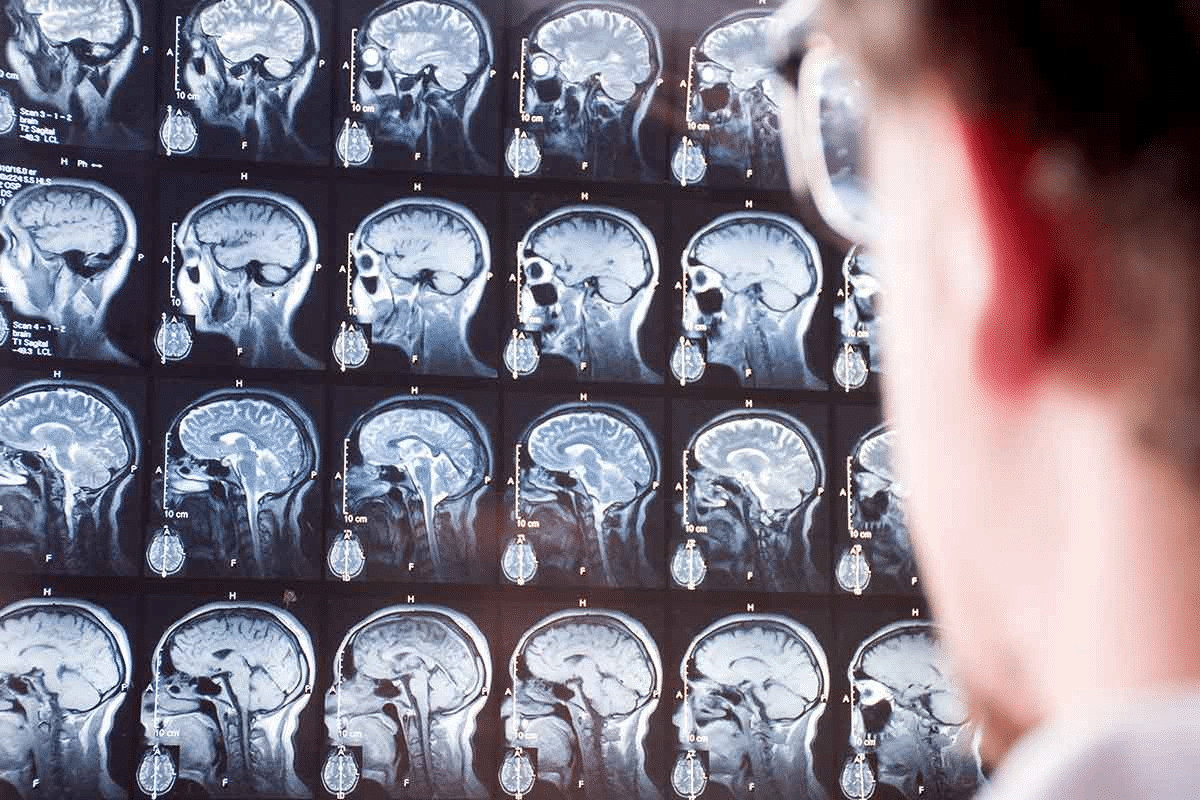
Brain diseases are taking over the global health scene, posing big challenges to healthcare systems everywhere.
By 2050, brain diseases are expected to affect 4.9 billion people, a 22% jump from 2021. This crisis shows we need to spread awareness, catch diseases early, and manage them well.
Global Impact of Neurological Conditions
Neurological conditions are now the top cause of global disease burden, beating out heart disease and cancer. Most neurological deaths and health issues happen in low- and middle-income countries. This shows how hard these diseases hit the most vulnerable.
The effects of this crisis go beyond health. It also hits the economy and society hard.
|
Region |
Estimated Cases in 2021 |
Projected Cases by 2050 |
|---|---|---|
|
Global |
4 billion |
4.9 billion |
|
Low- and Middle-Income Countries |
3.2 billion |
4 billion |
|
High-Income Countries |
0.8 billion |
0.9 billion |
Why Early Detection Can Save Lives
Finding brain diseases early is key to better patient care. Early action can slow disease growth, lessen symptoms, and improve life quality. It’s vital to spot early signs and get medical help fast.
Early detection offers many benefits:
- It leads to better treatment results
- It cuts down healthcare costs
- It boosts patient life quality
- It opens up chances for early action
Understanding the global impact of neurological conditions and the need for early detection helps us tackle the brain disease crisis. We must keep raising awareness and teaching about brain health to tackle this major health issue.
Understanding Common Brain Condition Symptoms
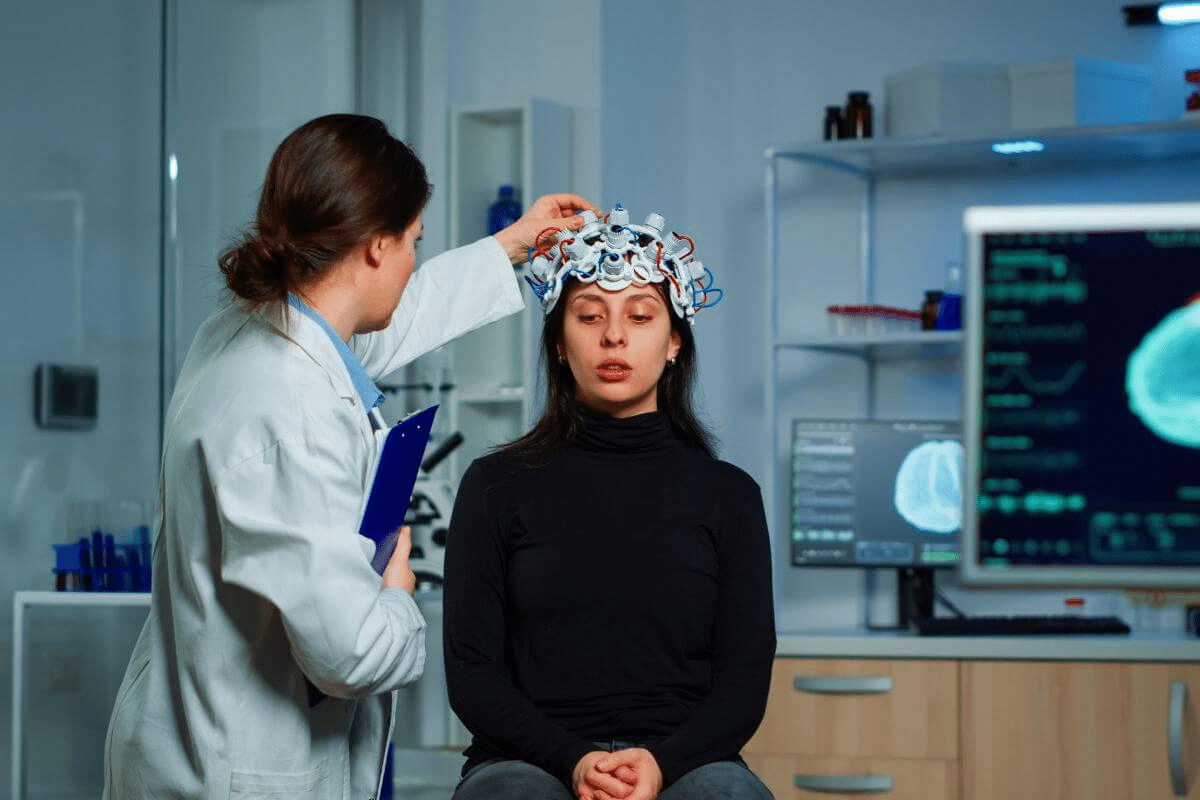
Knowing how brain conditions show symptoms is key to better treatment results. Symptoms can be small or big, and spotting them early is vital.
How Symptoms Manifest
Symptoms of brain conditions can show up in many ways, affecting daily life. They might include memory loss, confusion, seizures, or tremors.
Neurological symptoms hint at problems with the brain, spinal cord, or nerves. Telling a doctor about these symptoms is important for quick diagnosis and treatment.
- Headaches and pain
- Memory problems and cognitive decline
- Speech and language difficulties
- Vision changes and disturbances
- Balance problems and coordination issues
Risk Factors That Increase Vulnerability
Some factors make people more likely to get brain conditions. These include genes, age, and lifestyle choices like diet and exercise.
|
Risk Factor |
Description |
Impact |
|---|---|---|
|
Genetic Predisposition |
Family history of neurological conditions |
Increased risk of developing similar conditions |
|
Age |
Risk increases with age |
Higher incidence of brain conditions in older adults |
|
Lifestyle Factors |
Diet, exercise, and other lifestyle choices |
Can contribute to or mitigate the risk of brain conditions |
Knowing about these risk factors and symptoms can help people stay healthy. It also encourages them to see a doctor when needed.
Persistent Headaches and Pain
Ignoring persistent headaches and pain is not wise. These signs can point to serious brain health issues that need doctor’s care.
When Headaches Signal Something Serious
Headaches can vary from mild to severe. They might signal a serious problem. Warning signs include:
- Sudden onset of a severe headache
- Headaches that worsen over time
- Headaches with confusion, fever, or stiff neck
Persistent headaches can be a sign of a serious condition. They might point to stroke, brain tumor, or meningitis. Knowing the different types of headaches and their causes is key.
Types of Pain Associated with Brain Disorders
Brain disorders can cause different kinds of pain. These include:
- Chronic headaches: Frequent or continuous headaches over a long time.
- Neuralgia: Sharp, shooting, or severe pain along a nerve.
- Referred pain: Pain felt in a place other than where it hurts.
Knowing these pain types helps in finding the right diagnosis. Certain pain patterns can show specific brain disorders.
Seeking medical help for unusual or ongoing pain is vital. Early treatment can greatly improve outcomes for brain disorder patients.
Memory Problems and Cognitive Decline
It’s important to know the difference between normal aging and memory loss that’s a concern. As we get older, our brains might not work as well as they used to. But, if memory problems or cognitive decline are severe, it could mean there’s a brain disease.
Normal Aging vs. Concerning Memory Loss
Normal aging might mean you forget names or where you put things. But, if you have trouble learning new things, get confused, or feel lost, it’s a bigger issue. It’s key to tell the difference to catch brain diseases early.
Key differences between normal aging and concerning memory loss include:
- Difficulty in performing daily tasks due to memory loss
- Confusion about time, place, or situation
- Problems with communication and language
- Mood changes, such as becoming easily agitated or withdrawn
Impact on Daily Functioning
Cognitive decline can make everyday tasks hard. It might affect managing money, cooking, or even personal care. How much it affects daily life shows how severe the decline is.
The effects of cognitive decline on daily life can be seen in several areas:
- Reduced independence due to memory loss and confusion
- Difficulty in maintaining social relationships
- Increased reliance on others for daily tasks
Spotting signs of memory problems and cognitive decline is the first step. Getting medical help early can greatly improve life for those with brain diseases.
Speech and Language Difficulties
Speech and language problems are often the first signs of brain disorders. These issues can make it hard for people to talk and communicate well.
Speech changes, like slurring words, are signs of a stroke and need quick medical help. They can also show other brain conditions, like Parkinson’s disease and multiple sclerosis (MS).
Slurred Speech and Aphasia
Slurred speech, or dysarthria, happens when speaking muscles are affected. This is often due to brain damage. Aphasia makes it hard to talk and understand language, usually from a brain injury, like a stroke.
- Difficulty articulating words
- Speaking in short or incomplete sentences
- Struggling to find the right words
- Writing or understanding written or spoken language
Aphasia can make daily talks hard. If you’re having trouble, see a doctor to find out why.
Word-Finding Problems
Word-finding issues, or anomia, are common in brain problems. It’s hard to find the right words, which can be frustrating.
Some signs include:
- Pausing or using filler words (like “um” or “ah”) frequently while speaking
- Describing a word without being able to say it
- Using vague or general terms instead of specific names or words
Spotting these signs early helps diagnose and treat brain conditions. If you’re having trouble with speech or language, talk to a healthcare professional for help.
Vision Changes and Disturbances
Vision problems like blurred vision and double vision can mean brain disease. These signs can point to conditions like stroke, multiple sclerosis (MS), diabetes, or tumors. It’s important to know the causes and get medical help if needed.
Blurred Vision and Double Vision
Blurred vision and double vision are signs of brain diseases. Blurred vision makes images unclear, while double vision shows two images of the same thing. These happen when the brain’s vision centers or eye movement nerves are damaged.
Potential Causes:
- Stroke or transient ischemic attack (TIA)
- Multiple sclerosis (MS)
- Brain tumor or cyst
- Diabetes or diabetic retinopathy
- Thyroid disorders
Visual Field Defects
Visual field defects mean losing part of your vision. You might see blind spots, tunnel vision, or half-vision loss. These happen when the visual pathway, including the eyes and brain, is damaged.
“Visual disturbances can be an early warning sign of serious neurological conditions. Prompt medical evaluation is essential to determine the underlying cause and appropriate treatment.”
The table below shows causes and symptoms of vision changes:
|
Symptom |
Potential Causes |
|---|---|
|
Blurred Vision |
Stroke, MS, brain tumor, diabetes |
|
Double Vision |
Stroke, MS, thyroid disorders, brain tumor |
|
Visual Field Defects |
Stroke, brain tumor, glaucoma, optic neuritis |
Knowing about vision changes helps find and treat brain diseases early. If you have these symptoms, see a doctor for help.
Balance Problems and Coordination Issues
Many neurological disorders make it hard to balance and coordinate. This can make daily life more dangerous and difficult. It’s a big challenge that affects how we live.
Unexplained Falls and Stumbling
Falling without reason and stumbling are serious signs. They might point to serious health issues like Parkinson’s disease, multiple sclerosis (MS), or a brain tumor. Damage to the brain’s movement centers can cause these problems.
In Parkinson’s, brain cell loss leads to shaking, stiffness, and slow movement. This makes it hard to stay balanced. MS can also mess with how the brain talks to the body, causing coordination issues.
Difficulty with Fine Motor Skills
Neurological disorders can also mess with fine motor skills. These skills involve small muscle movements, like using hands and fingers together. Ataxia can make simple tasks like writing or buttoning a shirt very hard.
Other conditions, like stroke and cerebral palsy, also affect fine motor skills. A stroke can weaken one side of the body, making it hard to do small tasks. Getting help early can make a big difference.
It’s important to know why balance and coordination problems happen. If you’re having trouble, seeing a doctor is key. They can find out what’s wrong and help fix it.
Mood and Personality Changes
Mood and personality changes can signal brain diseases early on. These signs are often subtle, making them hard to spot. Yet, knowing them is key to catching problems early.
Depression and Anxiety as Warning Signs
Depression and anxiety are common but can also hint at brain diseases. A study in JAMA Neurology showed adults with depression were more than twice as likely to get dementia. This shows why watching mental health is so important.
It’s vital to tell normal mood swings from signs of brain issues. If sadness, hopelessness, or anxiety lasts and affects daily life, see a doctor.
Inappropriate Behaviors and Impulse Control
Behavior and impulse control changes can point to brain diseases. People might act aggressively, show no interest, or behave in ways that are out of character. These changes can upset both the person and their family. They usually need a doctor’s check-up to find out why.
Knowing how these changes relate to brain health is critical. Spotting these early can help manage symptoms better and slow disease progress.
In summary, mood and personality shifts shouldn’t be ignored as just emotional or psychological issues. They could be signs of brain diseases. By recognizing these signs and getting medical help, people can get the care they need to live better lives.
Seizures and Unusual Body Movements
Seizures or involuntary movements can signal brain disorders. They might point to conditions like epilepsy, meningitis, or brain injuries. It’s vital to get a quick diagnosis and treatment to improve life quality.
Different Types of Seizures
Seizures are divided into types based on the brain area affected and the person’s consciousness level. The main types are:
- Focal Seizures: These affect one part of the brain, causing symptoms like twitching or numbness.
- Generalized Seizures: These involve both sides of the brain, leading to convulsions, loss of consciousness, or absence seizures.
- Unknown Onset Seizures: Sometimes, it’s hard to tell what type of seizure it is, needing more tests.
|
Seizure Type |
Characteristics |
Potential Causes |
|---|---|---|
|
Focal Seizures |
Localized symptoms, may remain conscious |
Brain injury, tumors, infections |
|
Generalized Seizures |
Convulsions, loss of consciousness, absence seizures |
Genetic predisposition, metabolic disorders, brain damage |
|
Unknown Onset Seizures |
Unclear onset, requires further diagnosis |
Various, often requires a full check-up |
Tremors and Involuntary Movements
Tremors and involuntary movements can signal neurological issues like MS, Parkinson’s, or stroke. These movements can be mild or severe, impacting daily life.
Tremors are rhythmic shaking, often seen in the hands. Involuntary movements include tics, dystonia, or chorea, depending on the cause.
Knowing about seizures and unusual movements is key to managing them. Early recognition and medical help can greatly improve outcomes.
When to Seek Medical Help: Emergency vs. Urgent Symptoms
Knowing when to seek medical help for brain symptoms is critical. Symptoms can vary, and knowing how serious they are is key. This helps determine the right medical response.
Red Flag Symptoms Requiring Immediate Attention
Some brain symptoms need immediate medical help. These include:
- Severe headache: A sudden, extremely severe headache can be a sign of a serious condition like a stroke or aneurysm.
- Numbness or tingling: Sudden numbness or tingling, on one side of the body, can indicate a stroke.
- Slurred speech: Difficulty speaking or understanding speech can be a sign of a stroke or other serious neurological condition.
- Movement issues or balance concerns: Sudden difficulty walking, dizziness, or loss of balance can signal a serious neurological issue.
- Confusion: Sudden confusion or difficulty understanding surroundings can be a red flag for a serious condition.
- Seizures: Seizures or convulsions can be a sign of a neurological emergency.
How to Communicate Symptoms Effectively to Doctors
When you seek medical help, it’s important to talk about your symptoms clearly. Here are some tips:
- Be detailed: Describe your symptoms in detail, including when they started and any factors that make them better or worse.
- Keep a symptom journal: Keeping a record of your symptoms can help you remember important details to share with your doctor.
- List your medications: Bring a list of your current medications and dosages to help your doctor understand possible interactions or side effects.
- Ask questions: Don’t hesitate to ask your doctor about your symptoms, diagnosis, or treatment options.
Talking clearly with your healthcare provider is key to getting the right diagnosis and treatment. Being prepared and detailed about your symptoms helps ensure you get the best care.
Conclusion: Protecting Your Brain Health
Knowing what brain disease is and its signs is key to keeping your brain healthy. We’ve looked at many common symptoms, like headaches, memory loss, speech issues, and vision changes. These signs can tell us a lot about our brain health.
It’s vital to recognize these symptoms and get medical help if needed. Early treatment can make a big difference. It can help avoid serious problems and improve your health.
Seeing a doctor or calling them for concerns is very important. It could save your life. We urge everyone to look after their brain health by staying informed and acting when necessary.
FAQ
What are the common symptoms of brain diseases?
Common symptoms include headaches that won’t go away, memory loss, and trouble speaking. You might also notice changes in your vision, balance problems, mood swings, and seizures.
When should I seek medical help for brain disease symptoms?
If you have a sudden severe headache, confusion, weakness, or trouble speaking, get help right away. For other symptoms, see a doctor as soon as you can.
What are the risk factors that increase vulnerability to brain diseases?
Risk factors include getting older, having a family history, and certain genetics. Lifestyle choices like smoking and not exercising also play a role. Medical conditions like high blood pressure and diabetes are risks too.
How do brain diseases affect daily functioning?
Brain diseases can make everyday tasks hard. They cause memory loss, trouble with speech and language, vision problems, and balance issues.
What are the signs of cognitive decline?
Signs include memory loss, trouble solving problems, and mood changes. These can affect your daily life.
Can brain diseases cause mood and personality changes?
Yes, diseases like dementia can lead to depression, anxiety, and changes in impulse control. This can change your mood and personality.
What are the different types of seizures associated with brain diseases?
Seizures can include generalized, focal, and absence seizures. These are signs of underlying brain conditions.
How can I communicate my symptoms effectively to my doctor?
Be clear and detailed about your symptoms. Tell your doctor when they started, how often, and what makes them better or worse.
What are the emergency symptoms that require immediate medical attention?
Emergency symptoms include sudden severe headache, confusion, weakness, trouble speaking, and loss of consciousness. These need immediate medical help.
Can lifestyle changes help prevent or manage brain diseases?
Yes, a healthy lifestyle can help. This includes regular exercise, a balanced diet, and not smoking. It can prevent or manage some brain diseases.
What are the symptoms of brain disorder that I should be aware of?
Be aware of symptoms like persistent pain, vision disturbances, and unusual body movements. These can be signs of underlying brain disorders.
How do vision changes relate to brain diseases?
Vision changes, like blurred vision and double vision, can be symptoms of brain diseases. They affect the visual pathway or brain areas responsible for vision.
Reference
World Health Organization. Evidence-Based Medical Guidance. Retrieved from https://www.who.int/news/item/14-03-2024-over-1-in-3-people-affected-by-neurological-conditions–the-leading-cause-of-illness-and-disability-worldwide