
Feeling forgetful or having trouble focusing can worry you. But knowing the difference between brain fog and dementia is key to feeling better.
At Liv, we know it’s hard to tell these conditions apart. Studies show 60% of women going through menopause get brain fog. This is a common, usually fixable issue.
We aim to ease your worries by explaining the main differences. We look at how long symptoms last, how they change, and how they affect your daily life. This way, you’ll know if you’re dealing with brain fog or something more serious.
Key Takeaways
- Distinguishing between brain fog and dementia is key for the right treatment.
- Brain fog is a common symptom, often seen in women going through menopause.
- Dementia is a serious condition that gets worse over time and affects daily life.
- Knowing the differences can help reduce anxiety.
- Getting the right treatment depends on understanding these differences.
Understanding Cognitive Changes and Concerns

It’s key to understand cognitive changes to tackle anxiety about brain fog and dementia. As we get older, some cognitive changes are normal. But, it’s important to tell the difference between normal aging and signs of a serious issue.
Normal Aging vs. Concerning Symptoms
Normal aging might slow down our thinking or cause memory lapses. But, symptoms like big memory loss, confusion, or trouble speaking are red flags. Knowing these differences helps us tackle our worries the right way.
Key differences between normal aging and concerning symptoms include:
- Difficulty with daily tasks due to cognitive issues
- Disorientation in familiar environments
- Significant memory loss that affects daily life
The Anxiety Behind Memory Concerns
Memory worries can really stress us out, impacting our daily lives and happiness. The fear of getting dementia or dealing with constant brain fog is scary. Knowing what causes these worries helps ease our anxiety.
Recognizing the sources of memory concerns can help in managing anxiety:
- Stress and mental health factors
- Sleep deprivation and fatigue
- Nutritional deficiencies
Overview of Cognitive Health
Cognitive health covers our brain’s functions like memory, solving problems, and talking. Keeping our cognitive health up is key for staying independent and enjoying life. We’ll look into what affects cognitive health and how to support it.
Aspects of cognitive health include:
- Memory and learning
- Attention and concentration
- Problem-solving and decision-making
What Is Brain Fog?
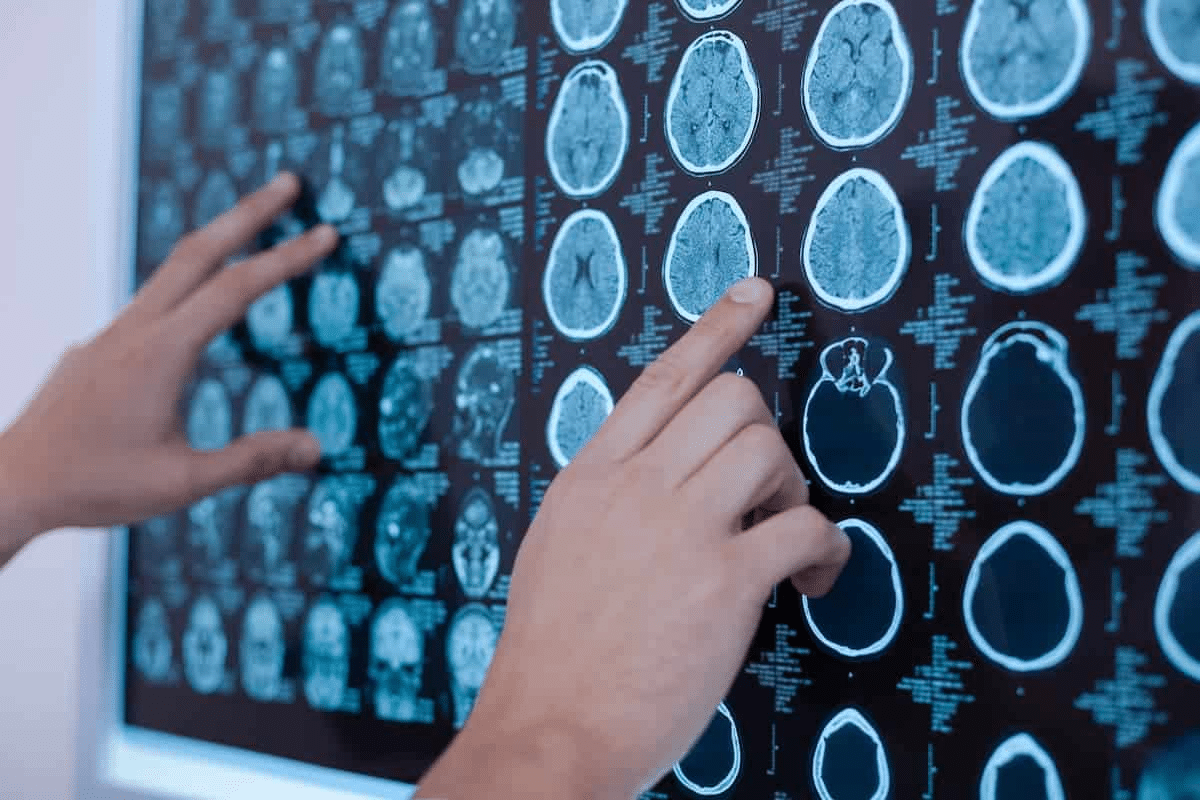
Brain fog is a term for feeling mentally unclear and forgetful. It’s common, often during big hormonal changes like perimenopause.
Definition and Common Symptoms
Brain fog means feeling confused and unable to focus. Symptoms include:
- Forgetfulness and memory lapses
- Difficulty in making decisions or solving problems
- Lack of mental clarity and focus
- Confusion and disorganization
These symptoms can make everyday tasks hard to do.
Temporary Nature of Brain Fog
Brain fog is usually short-lived. It’s not like a permanent brain problem. Stress, lack of sleep, poor diet, and hormonal shifts can cause it. Fixing these issues can help a lot.
Key factors that can cause brain fog include:
- Stress and mental health issues
- Sleep disorders and fatigue
- Nutritional deficiencies and dietary habits
- Hormonal fluctuations, like during menopause
Impact on Daily Functioning
Brain fog can mess up your daily life. It can hurt your work, relationships, and happiness. Knowing what causes it and how to manage it can help you feel better.
“The impact of brain fog on daily life can be substantial, but recognizing its causes and taking proactive steps can lead to significant improvements.”
What Is Dementia?
Dementia is a group of brain disorders that cause memory loss and thinking problems. It affects how we communicate, solve problems, and think.
This condition gets worse over time. It changes not just memory but also our personality and behavior. The World Health Organisation says 57 million people worldwide have dementia. Almost 10 million new cases happen every year.
Medical Definition and Diagnosis
Doctors diagnose dementia by checking our thinking and memory skills. They look at our medical history and do tests.
It’s important to get a clear diagnosis. This helps tell dementia apart from other conditions that might look similar, like depression.
Types of Dementia Conditions
There are many types of dementia, but Alzheimer’s is the most common. It makes up 60-80% of cases. Other types include vascular dementia, Lewy body dementia, and frontotemporal dementia.
|
Type of Dementia |
Characteristics |
|---|---|
|
Alzheimer’s Disease |
Progressive memory loss and cognitive decline |
|
Vascular Dementia |
Caused by reduced blood flow to the brain, often after a stroke |
|
Lewy Body Dementia |
Characterized by abnormal protein clumps in the brain, affecting cognitive and motor skills |
|
Frontotemporal Dementia |
Affects the front and temporal lobes of the brain, impacting personality, behavior, and language |
Progressive Nature and Long-term Impact
Dementia gets worse over time. How fast it progresses varies from person to person. It depends on the cause.
Dementia’s long-term effects are big. It affects not just the person but also their family and caregivers. They need a lot of care and support to manage symptoms and improve life quality.
Understanding dementia fully is key to giving the right care and support. As we learn more about the difference between brain fog and dementia, it’s important to see the complexity and challenges of dementia.
Brain Fog vs Dementia: Key Differences
It’s important to know the difference between brain fog and dementia to get the right treatment. We’ll look at how these conditions start and change, how they affect thinking, and how they can be treated. We’ll also talk about how they impact daily life.
Symptom Onset and Progression
Brain fog can start suddenly, often because of stress, medicine, or illness. Dementia, on the other hand, gets worse slowly over time.
Key differences in symptom onset:
- Brain fog: Sudden onset, often reversible
- Dementia: Gradual onset, progressive
Cognitive Effort vs. Cognitive Decline
Brain fog makes you feel mentally foggy, but you can try harder to do things. Dementia makes it hard to do everyday tasks because your thinking gets worse.
Reversibility and Treatment Response
Brain fog can often be fixed by treating the cause. Dementia, though, is usually not curable, but some treatments can slow it down.
|
Condition |
Reversibility |
Treatment Response |
|---|---|---|
|
Brain Fog |
Often reversible |
Responds to treatment of underlying cause |
|
Dementia |
Generally irreversible |
Treatments can slow progression |
Impact on Independence
Dementia makes it hard for people to live on their own because it worsens over time. Brain fog can be tough, but it usually doesn’t make someone as dependent. Once the cause is treated, brain fog can often go away.
Knowing the differences between brain fog and dementia is key for both patients and doctors. It helps us understand and treat these conditions better. By recognizing these differences, we can provide better care and support.
Common Causes of Brain Fog
Brain fog is a confusing condition that can come from many sources. It affects how well we think and do daily tasks. We’ll look at what causes brain fog, like stress, sleep issues, diet problems, and side effects from medicine.
Stress and Mental Health Factors
Stress and mental health are big players in brain fog. Long-term stress can make us tired, less focused, and forgetful. Mental health issues like depression and anxiety also make it hard to concentrate and make choices.
Managing stress with relaxation methods like meditation can help. Getting help for mental health problems is also key to solving brain fog issues.
Sleep Deprivation and Fatigue
Not getting enough sleep is another big reason for brain fog. Not sleeping well can mess with our thinking, memory, and decision-making. Feeling tired, from lack of sleep or other health issues, can make brain fog worse.
Good sleep habits, like a regular sleep schedule and a comfy sleep space, can fight sleep-related brain fog.
Nutritional Deficiencies
Not getting enough nutrients can hurt our brain function and cause brain fog. Lack of vitamins like B12, vitamin D, and iron can make us tired, unfocused, and forgetful.
Eating well or taking supplements can help with brain fog from not getting enough nutrients. Foods high in omega-3s, antioxidants, and fiber are good for the brain.
Medication Side Effects
Some medicines can make us foggy as a side effect. Sedatives, antidepressants, and antihistamines can mess with our thinking.
If you’re taking meds and feel foggy, talk to your doctor. Changing your medicine or how much you take might help clear your mind.
Hormonal Changes and Brain Fog
Hormonal shifts can really affect how well we think, leading to brain fog. As we get older, our hormones change, and this is more noticeable in women during menopause. Knowing how these changes affect our brains is key to fighting brain fog.
Menopause and Cognitive Symptoms
Menopause is a big change in life, bringing big hormonal shifts. The drop in estrogen can cause memory problems and trouble focusing. These issues can really mess with daily life and how we feel overall.
Statistics: 60% of Perimenopausal Women
About 60% of women going through perimenopause deal with brain fog. This shows how common thinking problems are during this time. The severity and how long these symptoms last can vary, but they usually get better after perimenopause ends.
Thyroid Dysfunction and Brain Fog
Thyroid issues can also cause brain fog. Both underactive and overactive thyroid can mess with our thinking. Thyroid hormones help control our energy and metabolism, and not having the right balance can really affect our brain.
Hormonal Treatment Options
For some, hormone treatments can help with brain fog and other menopause symptoms. Hormone replacement therapy (HRT) is often used to boost estrogen levels. But, it’s important to talk to a doctor first, as there are risks involved.
Key Considerations:
- Consult a healthcare provider before starting any hormonal treatment.
- Discuss the possible benefits and risks of hormone replacement therapy.
- Look into other options if HRT isn’t right for you.
By understanding how hormonal changes lead to brain fog, women can take steps to manage their symptoms. This can greatly improve their quality of life.
Risk Factors and Warning Signs for Dementia
Knowing the risk factors and early signs of dementia is key. As we get older, it’s more important to keep our minds sharp. This helps us stay healthy.
Age-Related Risk Factors
The chance of getting dementia goes up with age. The Alzheimer’s Association says it doubles every five years after 65. Age is the biggest risk factor for dementia. So, older people should watch for signs.
Genetic and Family History Considerations
Genetics are a big part of dementia risk. If your family has a history of dementia, you’re at higher risk. Certain genes, like the APOE gene, can raise your chance of getting Alzheimer’s disease.
“Family history is an important risk factor for dementia, and understanding one’s genetic predisposition can aid in early detection and prevention strategies.”
Early Warning Signs to Watch For
Look out for memory loss, confusion, and trouble with communication. You might also notice mood or behavior changes. Spotting these signs early means you can get checked out sooner.
- Memory loss that disrupts daily life
- Challenges in planning or solving problems
- Difficulty completing familiar tasks
- Confusion with time or place
Lifestyle Factors That Increase Risk
Not being active, smoking, and a bad diet can up your dementia risk. Living a healthy lifestyle can help. Exercise, eat well, and don’t smoke.
By knowing the risks and signs of dementia, we can act early. This can greatly improve our quality of life. Early action is key for those at risk.
Diagnostic Process: How Professionals Differentiate
Healthcare experts use a detailed plan to figure out if symptoms are from brain fog or dementia. This step is key to giving the right diagnosis and treatment.
Initial Screening Assessments
The first step is a detailed medical history check and physical exam. We also use tests like the Mini-Mental State Examination (MMSE) to check thinking skills.
Comprehensive Neurological Testing
If early tests show possible thinking problems, we do more tests. These tests check different thinking areas, like memory and focus.
Brain Imaging and Laboratory Tests
Scans like MRI or CT help find any brain issues. Blood tests help find other health problems that might cause symptoms.
|
Diagnostic Test |
Purpose |
|---|---|
|
MRI or CT scans |
Identify structural abnormalities or vascular changes |
|
Blood work |
Rule out underlying medical conditions |
|
Neuropsychological assessments |
Evaluate cognitive function and identify areas of impairment |
Ruling Out Other Conditions
It’s important to check for other conditions that might look like thinking problems. We look for things like side effects from medicines or not getting enough sleep.
With a thorough plan, we can tell the difference between brain fog and dementia. This helps us give the right care and support to patients.
When to Seek Medical Help
Knowing when to see a doctor is key to treating brain fog and dementia. Changes in how you think can be scary. It’s important to know when to ask for help.
Red Flags That Warrant Immediate Attention
Some symptoms mean you should see a doctor right away. These include:
- Significant memory loss: Forgetting important stuff often.
- Confusion: Trouble knowing where you are or what’s happening.
- Disorientation: Getting lost in places you know well or not knowing the time.
- Mood changes: Sudden or big mood swings, like getting really upset or quiet.
Preparing for Your Doctor’s Appointment
Getting ready for your doctor’s visit is a good idea. Here’s how:
|
Preparation Step |
Description |
|---|---|
|
List your symptoms |
Write down the changes in your thinking, when they started, and how often. |
|
Gather medical information |
Get any medical records or lists of medicines you’re taking. |
|
Prepare questions |
Make a list of questions or worries you have for your doctor. |
Questions to Ask Your Healthcare Provider
Asking the right questions can help you understand your health better. Consider asking:
- What could be causing my symptoms?
- Are there any tests or exams I need?
- What treatments or ways to manage my condition are available?
- Are there any lifestyle changes that can help my symptoms?
Getting medical help when you need it is a smart move for your health. Being ready and informed helps you work well with your doctor to solve your problems.
Effective Strategies for Managing Brain Fog
Managing brain fog needs a mix of lifestyle changes and stress management. A good plan can help reduce symptoms and improve thinking skills.
Lifestyle Modifications That Help
Changing your lifestyle is key to fighting brain fog. Exercise regularly to boost blood flow to your brain. This improves thinking and lessens fog.
Also, doing activities that challenge your mind helps build a strong brain. This makes your brain more resistant to fog.
Key Lifestyle Changes:
- Incorporating regular physical exercise
- Engaging in mentally stimulating activities
- Maintaining a balanced social life
- Practicing stress management techniques
Nutrition and Supplements
Eating a balanced diet is important for your brain. Some foods and supplements can help fight brain fog. Omega-3 fatty acids in fish and nuts support brain health.
Vitamin B12 is also key. It helps make myelin, the fatty substance around nerve fibers.
|
Nutrient |
Food Sources |
Benefits |
|---|---|---|
|
Omega-3 Fatty Acids |
Fish, Nuts, Seeds |
Supports brain health |
|
Vitamin B12 |
Meat, Fish, Poultry, Eggs, Dairy |
Aids in myelin production |
|
Antioxidants |
Fruits, Vegetables, Nuts, Seeds |
Reduces oxidative stress |
Stress Reduction Techniques
Stress can make brain fog worse. Using stress-reducing techniques can help. Mindfulness meditation, yoga, and deep breathing are good ways to lower stress and clear your mind.
Sleep Optimization Approaches
Good sleep is vital for your brain. Poor sleep can make brain fog worse. To sleep better, keep a regular sleep schedule and create a cozy sleep space. Avoid caffeine and electronics before bed.
Sleep Optimization Tips:
- Maintain a consistent sleep schedule
- Create a sleep-conducive environment
- Avoid stimulants before bedtime
- Practice relaxation techniques before sleep
Prevention Strategies for Cognitive Health
There are ways to keep our minds sharp as we age. By making lifestyle changes, we can lower the risk of losing mental clarity. This helps us stay mentally sharp for longer.
Dietary Approaches to Cognitive Health
Eating right is key to keeping our brains working well. Foods like fruits, veggies, whole grains, and lean proteins are good. The Mediterranean diet is a great example.
Nutritional Components: Omega-3s in foods like salmon and walnuts are super for the brain. Berries and leafy greens are also great because they fight off brain damage.
Physical Exercise and Cognitive Function
Exercise is also very important for our brains. It keeps our heart healthy and boosts our brain power. It even helps grow new brain cells.
Types of Exercise: Walking, cycling, and weight training are all good. Mixing up our exercise keeps our brains flexible and healthy.
Mental Stimulation for Cognitive Reserve
Doing brain teasers is key to keeping our brains sharp. Activities like puzzles, learning new things, or reading help our brains stay strong.
Examples of Mental Stimulation: Hobbies, games like chess, and learning a new language are all good. They help our brains stay active.
The Importance of Social Engagement
Being social is also good for our brains. Staying connected and doing community activities helps our mental health. It can even lower the risk of losing brain function.
Benefits of Social Interaction: Social activities give us emotional support and reduce loneliness. They also keep our brains active through talking and interacting.
Conclusion
It’s important to know the difference between brain fog and dementia to keep our minds sharp. By understanding each condition, we can find ways to prevent and treat them.
Brain fog can often be fixed with simple changes in our daily lives. This includes better sleep, less stress, and healthier eating. On the other hand, dementia is a serious condition that needs early treatment.
By eating right, staying active, and keeping our minds busy, we can lower our risk of cognitive decline. Knowing the difference between brain fog and dementia helps us make better health choices.
By focusing on our brain health, we can avoid dementia and stay independent as we get older. It’s key to use prevention strategies and seek medical help early to protect our minds.
FAQ
What is the main difference between brain fog and dementia?
Brain fog is a short-term condition that makes it hard to remember things and focus. Dementia, on the other hand, is a long-term brain disease that affects memory, thinking, and behavior.
Is brain fog a sign of dementia?
No, brain fog is not a sign of dementia. It can be a symptom of many other conditions. While both can make thinking hard, they are different in how they start and grow.
What causes brain fog in perimenopausal women?
Hormonal changes during menopause often lead to brain fog. About 60% of women going through this experience brain fog. It’s caused by hormonal shifts, sleep issues, and other factors.
Can nutritional deficiencies cause brain fog?
Yes, not getting enough vitamins and minerals can cause brain fog. Lack of vitamin B12, iron, and magnesium can make thinking hard.
How is dementia diagnosed?
Doctors use many tests to find dementia. They start with simple checks, then do more tests like brain scans and blood work. This helps figure out if someone has dementia and what kind.
What are the risk factors for dementia?
Getting older, family history, and lifestyle choices can raise dementia risk. Being inactive, lonely, and eating poorly can also increase it.
Can brain fog be treated?
Yes, treating brain fog involves fixing the cause. This can be stress, lack of sleep, not enough nutrients, or hormonal issues. Changing your lifestyle, eating right, managing stress, and sleeping well can help.
What are the early warning signs of dementia?
Early signs of dementia include memory loss and trouble solving problems. Mood and personality changes are also signs. If you notice these, see a doctor right away.
How can I prevent cognitive decline?
To keep your brain healthy, eat well, exercise, and keep your mind active. Socializing also helps. These habits can lower the risk of losing cognitive function.
When should I seek medical help for brain fog or dementia?
If you’re worried about your brain health, see a doctor. Look out for big memory loss, trouble with daily tasks, and mood changes. These are signs you need help.
What questions should I ask my healthcare provider about brain fog or dementia?
Ask your doctor about your symptoms, treatments, and how to keep your brain healthy. This will help you understand your condition and find ways to manage it.
Is losing your train of thought a sign of dementia?
Losing your train of thought can mean brain fog or other issues. It’s not always dementia. But, if it’s constant or severe, see a doctor to find out why.
What deficiencies cause brain fog?
Not having enough vitamins and minerals like B12, iron, and magnesium can cause brain fog. Eating well and fixing any deficiencies can help your brain function better.
Reference
National Center for Biotechnology Information. Evidence-Based Medical Guidance. Retrieved from https://www.ncbi.nlm.nih.gov/pmc/articles/PMC7432630/