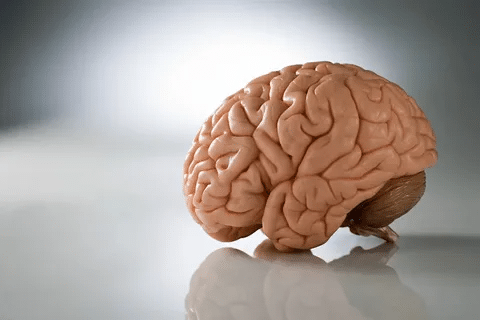
The human brain is truly amazing, with unique features that show its incredible complexity. It weighs about 1.2–1.4 kg (2.6–3.1 lb) and has a volume of 1260 cm in men and 1130 cm in women. It’s a soft, wrinkled mass of tissue.brain in real lifeRadiotherapy for Brain Cancer
The brain controls everything about us, from simple actions to deep thoughts. Thanks to advanced imaging, we can now see inside the brain. This shows its detailed cellular structure and important functions.
Liv Hospitalhelps us learn more about this complex organ.
Key Takeaways
- The average adult human brain weighs between 1.2–1.4 kg.
- Brain volume differs between men and women, with averages of 1260 cm3 and 1130 cm3, respectively.
- The brain is a soft, wrinkled mass of tissue with a complex structure.
- Advanced imaging techniques reveal the brain’s intricacy and functions.
- The brain controls all aspects of human function, from basic to complex processes.
The Physical Appearance of a Human Brain
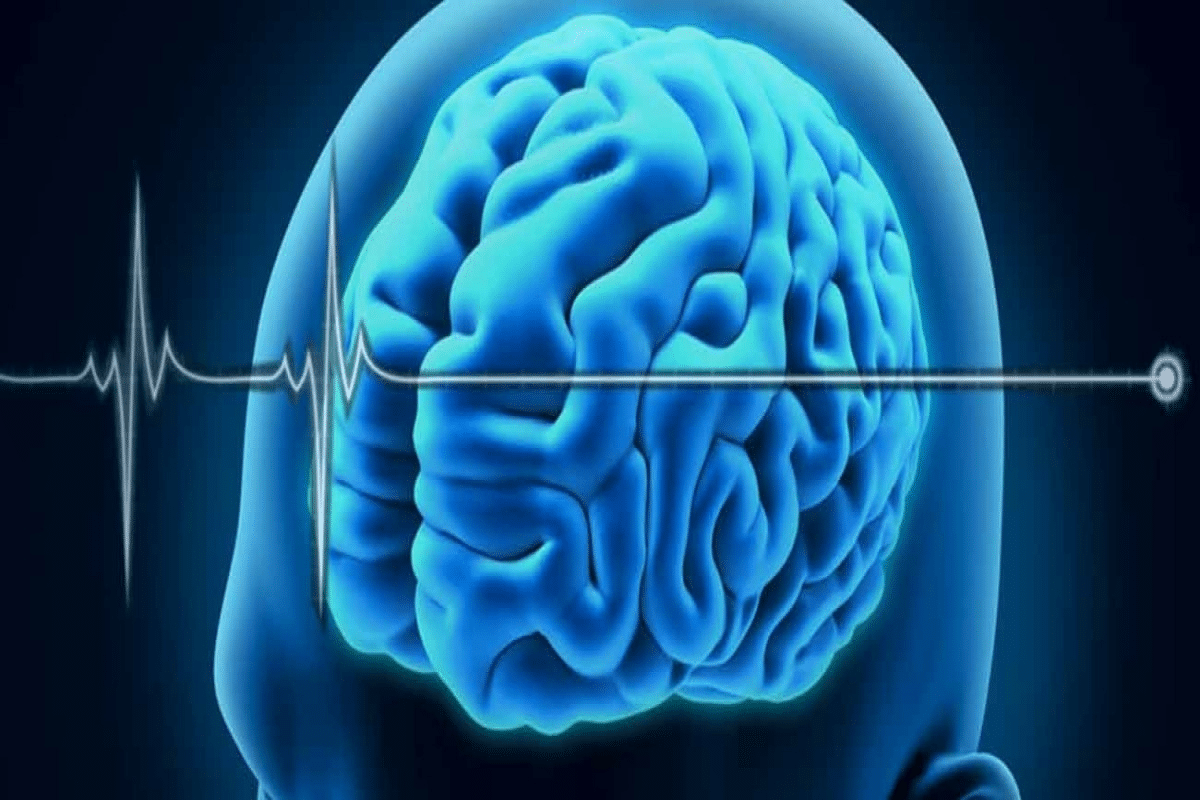
A human brain looks like a soft, gel-like organ with a wrinkled surface. This look comes from its detailed structure and function.
The brain is very soft, like soft tofu. This softness is key for its work. It lets the brain change and adapt easily.
Texture, Color, and Consistency
The brain’s texture is soft and delicate. It’s a pale pinkish-gray color because of blood vessels and no pigmentation. Its gel-like consistency is vital for its function.
“The brain is a complex, intricately structured organ that is not fully understood. Its soft, gel-like consistency is a key aspect of its ability to process information and control the body.”
The brain’s surface has many folds, called gyri and sulci. These folds increase its surface area. This lets more neurons fit inside the skull.
Size and Weight of an Adult Brain
An adult human brain weighs between 1300-1400 grams. It has an average volume of about 1400 cubic centimeters. The size can vary, but these values are a good guide.
|
Characteristic |
Average Measurement |
Range |
|---|---|---|
|
Weight |
1350 grams |
1300-1400 grams |
|
Volume |
1400 cc |
1300-1500 cc |
Knowing about the human brain’s physical traits is key to understanding its complexity and role. Its appearance, including texture, color, and size, gives us insights into its function in controlling our bodies.
How a Brain in Real Life Differs from Common Representations
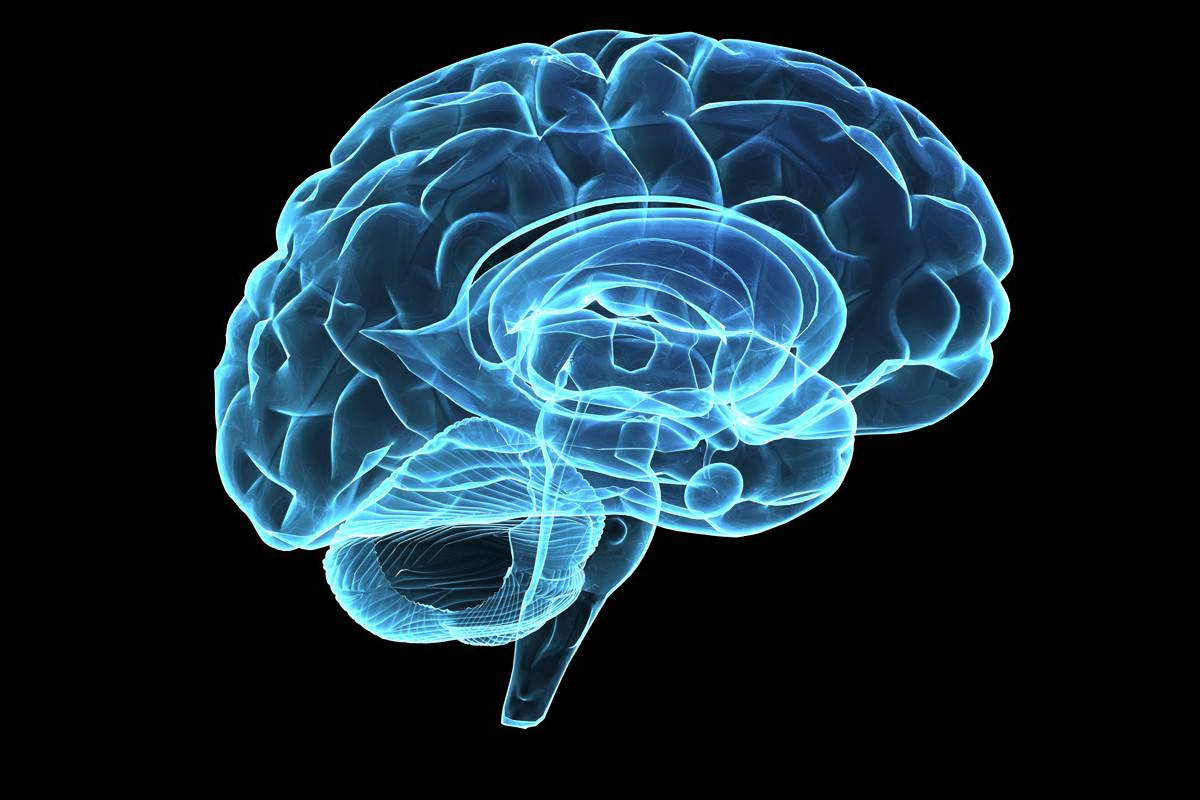
The real human brain is much more complex than what we see in media. This is because the brain’s structure is very detailed and often simplified in popular culture.
Looking at how the brain is shown in media, we see big differences. Media often focuses on the dramatic parts, not the brain’s true look and how it works.
Media Portrayals vs. Actual Appearance
Media often makes the brain look good but not real. They usually show it as a single gray color. But, in truth, the brain has many colors.
The brain has both gray and white parts. The gray parts look more like pinkish-gray because of blood vessels. Media rarely shows this.
Color and Texture Misconceptions
Many think the brain is smooth. But, it’s actually very bumpy with lots of folds and grooves. These make its surface area bigger.
Here’s a table showing some big differences between the real brain and how it’s shown in media:
|
Characteristic |
Real Brain |
Media Representation |
|---|---|---|
|
Color |
Mix of gray and white matter, with pinkish-gray color due to blood vessels |
Uniform gray or blue color |
|
Texture |
Highly convoluted surface with numerous folds and grooves |
Smooth, uniform texture |
|
Size |
Approximately 3 pounds in weight and 1300-1400 cm³ in volume |
Often exaggerated or distorted for dramatic effect |
Knowing these differences helps us appreciate the brain’s true complexity and beauty.
The Cellular Composition of the Human Brain
The human brain is a complex organ with billions of cells. It has about 86 billion neurons and the same number of glial cells. This makes the brain’s cellular composition truly amazing.
The brain’s function comes from its cells. It has two main types: neurons and glial cells. Each type has a special role in keeping the brain working well.
Neurons: The Brain’s Information Processors
Neurons are the brain’s information processors. They help send and process information. The adult human brain has about 86 billion neurons.
Neurons have parts like dendrites, a cell body, and an axon. These parts help them receive, integrate, and send signals.
Neurons are key for thinking, moving, and sensing. They are the foundation of the nervous system. This shows how complex and capable the brain is.
Glial Cells: The Support System
Glial cells, or glia, support and protect neurons. There are about 85 billion glial cells, almost as many as neurons. They help by giving neurons oxygen and nutrients, removing dead cells, and keeping the blood-brain barrier strong.
Glial cells are vital for neuron health. They help create a good environment for neurons to work. The relationship between neurons and glial cells is key to the brain’s function.
The Brain’s Surface Features
The brain’s surface is not smooth. Instead, it has a complex pattern of ridges and grooves. These are called gyri and sulci. They are key to how the brain works.
Gyri: The Ridges of the Brain
Gyri are the brain’s ridges. They are not random but are a consistent feature in all human brains. This shows how important they are.
The gyri help with many brain functions. They process sensory information and control movement.
Sulci: The Grooves That Increase Surface Area
Sulci are the grooves between the gyri. They are not just empty spaces. They increase the brain’s surface area, allowing for more neurons and better thinking.
The sulci also help divide the brain into different areas. Each area has its own function.
The combination of gyri and sulci makes the brain look wrinkled. This folding is vital. It lets the brain have a larger surface area, boosting its power.
To show how complex the brain’s surface is, let’s look at a comparison:
|
Feature |
Description |
Function |
|---|---|---|
|
Gyri |
Ridges on the brain’s surface |
Processing sensory information, controlling movement |
|
Sulci |
Grooves between the gyri |
Increasing surface area, dividing brain regions |
In conclusion, the brain’s surface features are not just interesting facts. They are essential for the brain to process information and control the body.
Gray Matter vs. White Matter: The Two Main Tissue Types
The human brain has two main types of tissue: gray matter and white matter. Each type has its own role and makeup. They are key to how the brain works.
Gray matter and white matter are found all over the brain. They do different jobs. Knowing about them helps us understand how the brain handles information and controls our body.
Gray Matter: The Cerebral Cortex and Processing Centers
Gray matter is mostly the cerebral cortex, the brain’s outer layer. It handles sensory info, movement, and thinking. It’s called “gray” because it’s full of neurons and supporting cells.
Gray matter’s main jobs are:
- Processing sensory information
- Controlling movement and coordination
- Facilitating thought, perception, and memory
White Matter: The Brain’s Communication Network
White matter is made of myelinated nerve fibers. These fibers connect different brain parts, helping them talk to each other. The myelin sheath makes white matter look white. It’s vital for sending signals between brain areas.
White matter’s key role is:
- Facilitating rapid signal transmission
- Enabling coordination between brain regions
- Supporting complex cognitive functions and behaviors
The Cerebrum: The Largest Part of the Brain in Real Life
The human brain’s biggest part is the cerebrum. It has two hemispheres. This split helps it handle many tasks, from thinking to moving.
The Four Lobes and Their Functions
The cerebrum is split into four lobes: frontal, parietal, temporal, and occipital. Each lobe does something different:
- The frontal lobe helps with making decisions, solving problems, and controlling movements.
- The parietal lobe deals with touch and knowing where things are.
- The temporal lobe is important for hearing, remembering, and understanding language.
- The occipital lobe focuses on seeing.
The Corpus Callosum: Connecting the Hemispheres
The corpus callosum is a thick bundle of nerve fibers. It connects the two hemispheres. It lets them share information, making actions and processing sensory info better.
In short, the cerebrum is a complex part of the brain. It has many parts working together. Knowing about the four lobes and the corpus callosum helps us understand how we think and act.
The Cerebellum: Structure and Appearance
The cerebellum is at the back of the skull. It helps control how we move and keep our balance. It connects to the brainstem through cerebellar peduncles, linking it with the rest of the brain.
Distinctive Features of the “Little Brain”
The cerebellum is called the “little brain” because of its unique shape. It has a foliated appearance with many folds. These folds increase its surface area, which is key for processing motor information.
It has different areas for different tasks, like coordinating movements and learning. It has gray matter on the outside and white matter inside, like other brain parts.
Coordination of Movement and Balance
The cerebellum is key for smooth movements and balance. It works with other brain parts and the spinal cord to achieve this. This helps us move and speak smoothly.
|
Function |
Description |
|---|---|
|
Motor Coordination |
The cerebellum regulates the timing and force of muscular contractions. |
|
Balance and Posture |
It helps maintain posture and balance by integrating sensory information. |
|
Learning Motor Activities |
The cerebellum is involved in learning new motor activities through practice and repetition. |
In summary, the cerebellum’s shape and function are closely linked. Its unique features and complex connections make it essential for our brain.
The Brainstem: Gateway to the Central Nervous System
The brainstem is key to controlling many automatic functions. It connects the brain to the spinal cord. This lets signals move between the upper brain and the rest of the body.
The Midbrain, Pons, and Medulla Oblongata
The brainstem has three main parts, each with its own role.
- The midbrain handles hearing, vision, and movement.
- The pons is important for sleep and staying awake.
- The medulla oblongata controls breathing and heart rate.
Vital Functions Controlled by the Brainstem
The brainstem is vital for many life functions, including:
- Respiration: The medulla oblongata makes sure we breathe.
- Heart Rate: It helps control how fast our heart beats.
- Blood Pressure: The brainstem keeps blood pressure healthy.
In short, the brainstem is a key part of our nervous system. It controls many automatic functions we need to live. Its three parts work together to help us function properly.
Deep Brain Structures: What Lies Beneath the Surface
Exploring the deep brain structures shows us how our emotions and movements work. These hidden parts of the brain are key to our daily life. They affect our feelings and how we move.
The Limbic System: The Emotional Brain
The limbic system is a network of brain parts important for emotions, memory, and motivation. It includes the hippocampus, amygdala, and hypothalamus. These work together to help us react to emotions.
The hippocampus helps us make new memories, mainly emotional ones. The amygdala deals with fear and anger, making us respond. The hypothalamus controls things like hunger, thirst, and body temperature.
The Thalamus, Hypothalamus, and Basal Ganglia
The thalamus is a relay for sensory and motor signals to the brain. It’s key for consciousness, sleep, and being alert. The hypothalamus is involved in many body processes, like hormone production.
The basal ganglia help with movement coordination. They get information from the cortex, process it, and send it back to the cortex. This helps us move smoothly and controlled.
|
Structure |
Function |
|---|---|
|
Thalamus |
Relays sensory and motor signals to the cerebral cortex |
|
Hypothalamus |
Regulates physiological responses, hormone production |
|
Basal Ganglia |
Facilitates coordination of movement |
Learning about these brain structures helps us understand the brain better. By looking at the limbic system, thalamus, hypothalamus, and basal ganglia, we see how our emotions, movements, and body responses work.
The Vascular System of the Real Human Brain
Understanding the brain’s vascular system is key to knowing how it works and stays alive. The brain uses about 20% of the body’s energy, even though it’s only 2% of its weight. This shows how vital a good blood supply is.
The brain gets its blood from two main arteries: the internal carotid arteries and the vertebral arteries. These arteries split into a complex network. This network makes sure the brain always gets the oxygen and nutrients it needs.
Major Arteries and Blood Supply
The internal carotid arteries start in the neck and feed the front part of the brain, like the cerebral cortex. The vertebral arteries merge to form the basilar artery. They supply the back part of the brain, including the brainstem and cerebellum.
The Circle of Willis is a key structure at the brain’s base. It’s made by branches from the internal carotid and vertebral arteries. This circle helps by letting blood flow to other areas if a main artery is blocked.
The Blood-Brain Barrier: Protection and Regulation
The blood-brain barrier (BBB) is a special barrier that keeps the brain safe. It’s made of endothelial cells that line the brain’s capillaries. These cells are very close together, forming tight junctions.
The BBB is vital for keeping the brain’s environment safe. It stops harmful substances from getting into the brain. At the same time, it lets essential nutrients pass through.
Conclusion: The Remarkable Complexity of the Human Brain
The human brain is truly amazing, with a complex structure and function. It controls everything from how we move to how we think. This makes it one of the most fascinating parts of our body.
Learning about the brain’s parts, like the cerebrum and cerebellum, helps us understand its complexity. The brain’s brain function is key. It processes information, controls our body, and helps us think and feel.
The brain’s human brain complexity is seen in its cells, like neurons and glial cells. These cells help the brain communicate and process information. By looking at the brain’s brain structure, we learn more about its role in our lives.
Understanding the brain’s complexity helps us see how it works. It’s essential for our thoughts, movements, and actions. By studying the brain, we can discover more about its amazing functions and its role in our daily lives.
FAQ
What does a real human brain look like?
A real human brain is complex and gel-like. It has a wrinkled surface. It weighs about 3 pounds and is roughly 1300 cubic centimeters in volume.
What is the texture and consistency of the human brain?
The human brain feels soft and gel-like. Its surface is wrinkled, with a mix of gray and white matter.
How does the brain’s appearance in real life differ from its portrayal in media?
Media often shows the brain as uniform in color and smooth. But in real life, it’s wrinkled and varied.
What are the main cellular components of the brain?
The brain has neurons, which process information. It also has glial cells, which support and protect neurons.
What are gyri and sulci, and what is their significance?
Gyri are ridges on the brain’s surface. Sulci are grooves. Together, they increase the brain’s surface area. This allows for more neurons and complex functions.
What is the difference between gray and white matter in the brain?
Gray matter has neuron cell bodies and processes information. White matter has myelinated axons and helps communicate between brain regions.
What is the cerebrum, and what are its main functions?
The cerebrum is the brain’s largest part. It has four lobes. It processes sensory information, controls movement, and handles thought and emotion.
What is the role of the cerebellum in the brain?
The cerebellum coordinates movement, balance, and posture. It’s key for motor control and learning new skills.
What is the brainstem, and what functions does it control?
The brainstem connects the cerebrum to the spinal cord. It controls vital functions like breathing, heart rate, and blood pressure.
What are the deep brain structures, and what are their functions?
Deep brain structures include the limbic system, thalamus, hypothalamus, and basal ganglia. They handle emotion, sensation, hormone regulation, and movement control.
How is the brain supplied with blood?
The brain gets blood from arteries like the carotid and vertebral. It’s protected by the blood-brain barrier, which controls what enters the brain.
What does a fresh real human brain look like?
A fresh human brain is soft, pinkish-gray, and gel-like. Its wrinkled surface shows its complex structure and function.
Can you show me a real brain?
You can’t see a real brain here, but there are many online resources. They include videos and images that show the brain’s structure and function.
What does the brain look like inside?
Inside, the brain has structures like ventricles with cerebrospinal fluid. It also has gray and white matter regions. These work together for complex functions.
Are there any videos that show the brain in real life?
Yes, many videos show the brain’s structure and function. They include views during surgery or through neuroimaging.
Reference
National Center for Biotechnology Information. Human Brain: Anatomy, Weight, and Volume Characteristics. Retrieved from
https://pmc.ncbi.nlm.nih.gov/articles/PMC4073949/



 Departments
 Related Videos
 Our Doctors
 News
News