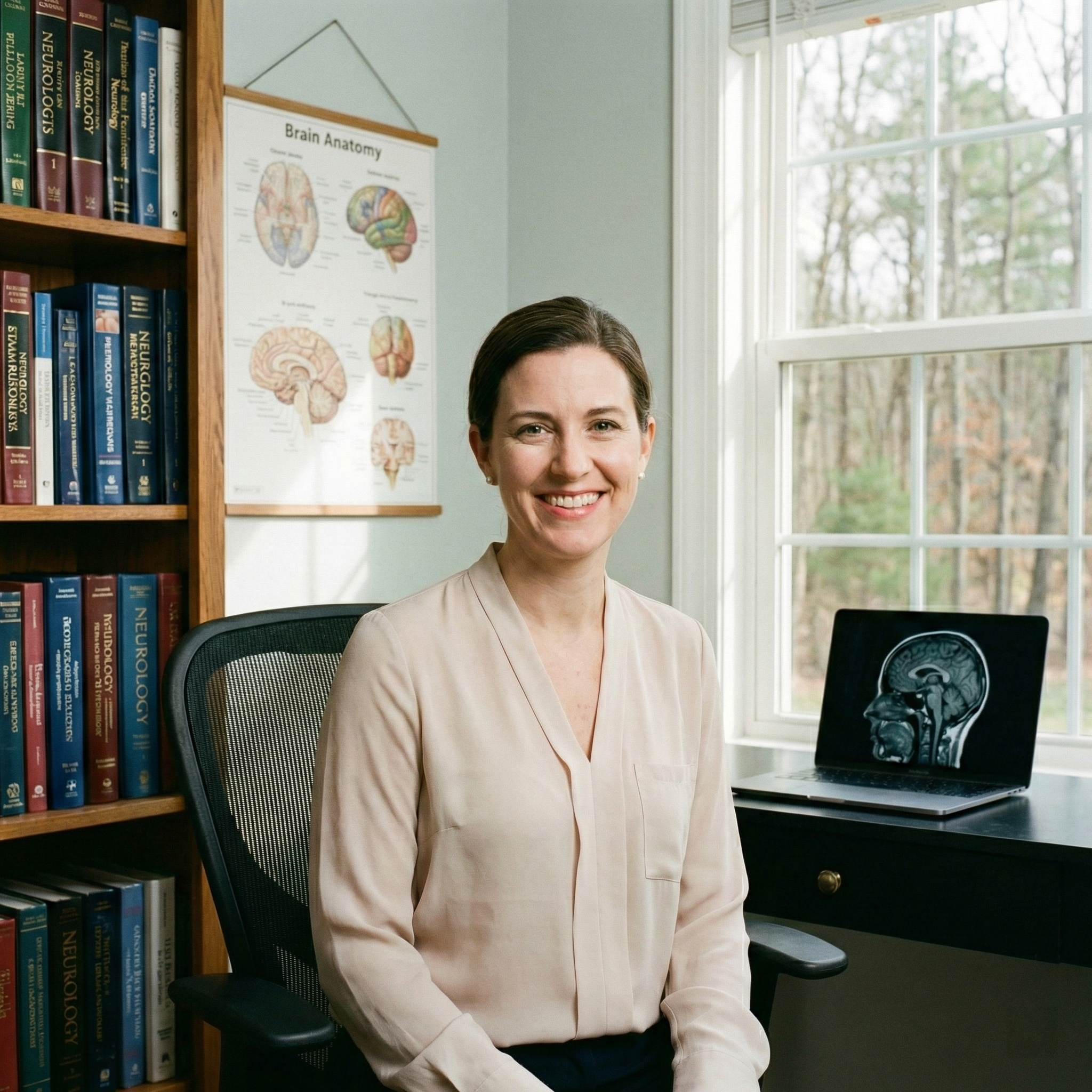

Many wonder if patients feel pain during brain surgery. The truth is, thanks to new tech and surgical methods, the experience has greatly improved. This is for cerebral tumor surgery.
Thinking about brain operation surgery can be scary. But, most patients say they barely feel any pain. This is because of the advanced anesthesia and pain control methods used.
At our place, we focus a lot on making patients comfortable and safe during brain tumor surgery. Our skilled team works hard with patients. They make sure patients know what to expect and are ready for the surgery.
Key Takeaways
- Patients usually don’t feel much pain during brain surgery.
- Advanced anesthesia and pain management are used.
- Our team puts a big focus on patient comfort and safety.
- Patients are watched closely during and after the surgery.
- Each patient gets a care plan that’s just for them.
The Reality of Sensation During Brain Surgery
Understanding what happens during brain surgery is complex but key. The brain is very sensitive and has a special way of feeling pain.
The Paradox: A Sensitive Organ Without Pain Receptors
The brain doesn’t have pain receptors, which might seem odd. Yet, the tissues and nerves around it can hurt. This is important to know about brain surgery. Because the brain itself doesn’t feel pain, surgeons can work on it without hurting it.
What Patients Actually Feel During Procedures
Patients might feel different things during brain surgery, depending on the procedure and anesthesia. Some patients are awake during surgery, which helps surgeons see how the brain works. Others might not feel anything because of the anesthesia. The feelings can be pressure or discomfort in the areas around the brain, not in the brain itself.
Brain surgery can seem scary. But knowing what happens can help ease worries. It’s all about the brain not feeling pain and the sensitive areas around it. This info can make patients feel better about their surgery, like removing brain mass or opening the brain for other treatments.
Understanding Modern Brain Surgery Techniques
Modern brain surgery has changed a lot, improving patient care. New advances in neurosurgery have led to better results. It’s a field that keeps getting better.
Evolution of Neurosurgical Approaches
Neurosurgery has evolved a lot, thanks to new tech and better understanding of the brain. Minimally invasive procedures and precision medicine are now common. They help treat patients more effectively.
New tools and methods have made surgeries safer and more precise. For example, intraoperative MRI and neuronavigation systems help surgeons remove tumors better. This reduces risks for patients.
Common Reasons for Neurosurgical Intervention
Many reasons lead to neurosurgery, like brain tumors, vascular issues, and head injuries. Doctors decide on surgery after checking the patient’s situation. They weigh the benefits and risks.
- Brain tumors, both good and bad, might need surgery to help symptoms and improve life.
- Vascular problems, like aneurysms, can be fixed with surgery to stop bleeding.
- Head injuries might need surgery to ease brain pressure, fix blood vessels, or remove blood clots.
The Surgical Environment
The place where surgery happens is key to success. Modern operating rooms have top-notch tech. This includes clear imaging and monitoring tools for the team.
The team, led by the neurosurgeon, works together for the best care. This team includes anesthesiologists, nurses, and others. They’re all trained to help during and after surgery.
Types of Brain Surgery Procedures
Neurosurgeons use different surgical methods to treat brain disorders. Each method has its own benefits and uses. The choice depends on the patient’s condition and overall health.
Craniotomy: Opening the Skull
A craniotomy is when a part of the skull is temporarily removed to access the brain. It’s a traditional surgery used for many conditions, like tumors and aneurysms.
Indications: It’s used for brain tumors, cerebral aneurysms, and some cases of traumatic brain injury.
Minimally Invasive Neurosurgery
Minimally invasive neurosurgery uses smaller incisions and causes less damage than traditional surgeries. It includes endoscopic and stereotactic surgery.
Benefits: It has less risk of infection, less pain after surgery, and faster recovery times.
Burr Hole Procedures
Burr hole surgery drills small holes in the skull to relieve pressure or drain fluid. It’s often used for subdural hematomas.
Procedure: A small hole is drilled under local anesthesia. It allows for fluid or blood drainage.
Brain Biopsy Techniques
A brain biopsy takes a sample of brain tissue for diagnosis. It includes stereotactic and open biopsy techniques.
Recovery Time: It varies based on the method and the patient’s health. Patients are closely monitored after the procedure.
| Procedure | Indications | Recovery Time |
| Craniotomy | Brain tumors, aneurysms, AVMs | Several weeks to months |
| Minimally Invasive Neurosurgery | Tumors, cysts, certain neurological conditions | Less than a week to several weeks |
| Burr Hole Procedures | Subdural hematomas, fluid drainage | A few days to a week |
| Brain Biopsy | Diagnostic purposes for brain conditions | Varies, generally a few days |
Anesthesia Options for Brain Surgery
Choosing the right anesthesia for brain surgery is key. It affects the surgery’s success and the patient’s comfort. There are many options, each suited for different needs and procedures.
General Anesthesia: Complete Unconsciousness
General anesthesia makes the patient completely unconscious. It’s often used for complex brain surgeries. This ensures the patient feels no pain and stays perfectly steady, helping the surgeon work precisely.
Key aspects of general anesthesia include:
- Complete unconsciousness
- Pain management
- Muscle relaxation
Local Anesthesia: Numbing Specific Areas
Local anesthesia numbs a specific area, like the scalp. The patient can stay awake or be lightly sedated. It’s good for less invasive procedures or when the patient needs to cooperate.
The benefits of local anesthesia include:
- Reduced risk of complications
- Faster recovery
- Ability to monitor patient’s neurological responses in real-time
Conscious Sedation Approaches
Conscious sedation relaxes the patient but keeps them awake. It’s used for less invasive procedures to keep the patient calm and comfortable.
Conscious sedation has several advantages, including:
- Relaxation without full unconsciousness
- Reduced anxiety
- Quick recovery
Determining the Right Anesthesia Method
The right anesthesia depends on many factors. These include the surgery type, the patient’s health, and their preferences. A team of healthcare professionals, including anesthesiologists and neurosurgeons, decide together.
The following table summarizes the key differences between the anesthesia options:
| Anesthesia Type | Patient State | Typical Use | Recovery Time |
| General Anesthesia | Completely Unconscious | Complex Surgeries | Longer |
| Local Anesthesia | Awake or Sedated | Less Invasive Procedures | Shorter |
| Conscious Sedation | Relaxed, Not Fully Awake | Minor Procedures | Quick |
Awake Brain Surgery: The Conscious Patient Experience
For some brain surgeries, being awake is key to success. This method, known as awake brain surgery or awake craniotomy, lets surgeons work on the brain while the patient is awake and can respond.
Why Surgeons Keep Patients Awake
Surgeons choose awake brain surgery when they’re near important brain areas. These areas control things like speech, movement, or feeling. Keeping the patient awake lets surgeons watch these functions closely, avoiding damage.
Real-time feedback from the patient is vital. It helps surgeons adjust their work to save brain function. This is very important when working near areas for language or movement.
Brain Mapping During Surgery
Brain mapping is a big part of awake brain surgery. It’s about stimulating brain areas to see what they do. This helps surgeons make a detailed map of the brain.
During surgery, the patient’s reactions to these stimulations are watched and noted. For example, if near a language center, the patient might name objects or read. This info is key for the surgery.
Patient Tasks During Awake Procedures
Patients in awake brain surgery do specific tasks to help surgeons. These tasks can be simple or complex.
- Counting or doing simple math
- Naming objects or reading out loud
- Moving limbs on command
- Responding to sensory stimuli
These tasks help surgeons see which brain areas are affected. They can then make the needed changes.
Psychological Preparation for Awake Surgery
Awake brain surgery can be scary for patients. So, they get a lot of psychological prep. They learn what to expect, like sensations and tasks.
Having emotional support is also key. Knowing the team is experienced helps reduce anxiety. Clear communication and empathy from the team are very important.
Patient Testimonials: Feeling Brain Surgery Firsthand
Patient testimonials give us a peek into what it’s like to go through brain surgery. They share their personal stories, giving us valuable insights. This helps us understand the complex world of neurosurgery better.
Descriptions of Sensations During Surgery
Patients feel a variety of sensations during brain surgery. These can range from mild pressure to more intense feelings. The type of procedure and anesthesia used play a big role in what they feel.
“I was surprised by how calm I felt during the procedure. The sensation was more like pressure than pain.” – A patient who underwent awake brain surgery.
Emotional and Psychological Experiences
Patients’ emotional and psychological experiences during surgery vary. Some feel anxious or scared, while others are calm or detached. The support from the surgical team and family is key in these moments.
Coping Mechanisms like meditation, deep breathing, and visualization help manage anxiety and stress. These techniques are often used by patients during the procedure.
Surprising Aspects Patients Report
Patients often find the comfort and calm they feel during and after surgery surprising. They are also surprised by how quickly they recover and how little discomfort they experience afterward.
Coping Mechanisms During Procedures
Coping mechanisms are vital for patients going through brain surgery. Listening to music, having a support person, and practicing relaxation techniques can greatly impact their experience. We work with patients to create personalized strategies for coping.
By learning from patient testimonials, we can improve our care for those undergoing brain surgery.
Brain Tumor Surgery: Special Considerations
Removing brain tumors is a complex task. It requires a detailed approach to ensure the best results for patients.
Mapping Brain Function Before Tumor Removal
Before surgery, doctors must understand the brain’s layout and how it works. They use brain mapping techniques for this. These methods help identify important areas to keep safe during surgery.
Tools like functional MRI (fMRI) and magnetoencephalography (MEG) are used. They give detailed info about brain functions. This helps surgeons tell tumor tissue from healthy brain.
Balancing Complete Removal with Brain Preservation
Removing tumors while keeping the brain safe is a big challenge. Surgeons aim to remove as much tumor as they can without harming the brain.
This task needs advanced techniques and a deep understanding of the brain. Sometimes, awake brain surgery is used. This way, the patient can help identify and protect important brain areas while awake.
Recovery Expectations After Tumor Surgery
Recovery times vary for each patient. The tumor’s size, location, and type, along with the patient’s health, play a big role.
Patients usually need a few days to a week or more in the hospital. They’ll be watched for complications, managed for pain, and helped to regain lost functions.
“The road to recovery after brain tumor surgery can be long, but with the right support and care, many patients are able to return to their normal activities.”
Risk of Tumor Recurrence
One big worry after surgery is the risk of tumor recurrence. This risk depends on the tumor type, how much was removed, and the patient’s health.
People with malignant tumors face a higher risk. Regular check-ups and scans are key to catch any recurrence early.
- Regular follow-up care is essential for monitoring tumor recurrence.
- The risk of recurrence varies based on tumor type and other factors.
- Early detection of recurrence can improve treatment outcomes.
It’s important for both doctors and patients to understand these special considerations. Being informed helps patients deal with the challenges of brain tumor treatment.
The Risks and Complications of Brain Surgery
Brain surgery is a lifesaving procedure but comes with risks. Cases of boxers dying after surgery show these dangers. Patients and surgeons must think carefully about these risks.
Common Complications
Brain surgery can cause infections, bleeding, and reactions to anesthesia. We must consider these risks when deciding on surgery.
Infection is a big worry, as it can cause serious problems if not treated quickly. Antibiotic prophylaxis is used to lower this risk.
Mortality Rates by Procedure Type
Mortality rates differ based on the brain surgery type. For example, surgeries for brain tumors have different rates than vascular conditions.
- Craniotomy for tumor removal: 1-3% mortality rate
- Arteriovenous malformation (AVM) surgery: 2-5% mortality rate
- Brain aneurysm clipping: 3-7% mortality rate
Neurological Deficits After Surgery
Neurological problems can happen after brain surgery. These can range from mild cognitive issues to severe motor problems. Brain mapping helps reduce these risks.
We use intraoperative monitoring to check brain function during surgery. This lets us make changes to lower the chance of neurological problems after surgery.
Minimizing Risks Through Advanced Techniques
New neurosurgical methods have made brain surgery safer. Minimally invasive surgery and stereotactic radiosurgery are examples of these advancements.
Using these techniques, we can better patient outcomes and lower complication risks. For example, brain hemorrhage surgery success rates have gone up with modern tools and methods.
Recovery After Brain Surgery
Recovering from brain surgery is a complex process. It needs careful watching and support. The path to full recovery has many stages and things to consider.
Immediate Post-Operative Period
The first days after surgery are very important. Patients often stay in an intensive care unit (ICU). Medical staff watch for any signs of problems, like swelling or infection. They keep a close eye for a few days to make sure everything is okay.
Patients might feel pain, discomfort, or be confused. Managing pain well is key for comfort and a smooth recovery. Doctors give medicines to control pain and prevent infection.
“The care received during the immediate post-operative period significantly impacts the overall recovery experience.” – A neurosurgery patient
How Long Does the Brain Take to Heal?
The brain heals at different rates for everyone. It depends on the surgery type, health, and age. Healing usually takes a few weeks, with feelings of tiredness, headaches, or brain fog.
| Recovery Stage | Typical Duration | Common Experiences |
| Initial Healing | 2-4 weeks | Fatigue, headaches, cognitive fogginess |
| Rehabilitation | 6-12 weeks | Physical therapy, speech therapy, cognitive rehabilitation |
| Full Recovery | Several months | Gradual return to normal activities |
Physical and Cognitive Rehabilitation
Rehabilitation is very important for recovery. It helps patients get back lost functions and adjust to changes. Physical, occupational, and speech therapies are used, based on each person’s needs.
Patients might need to learn new skills or find new ways to do daily tasks. Cognitive rehabilitation helps with memory, attention, and solving problems, which can be affected by surgery.
Timeline for Returning to Normal Activities
When patients can go back to normal activities varies. It depends on the surgery and how fast they recover. Most can start with light activities in a few weeks and then more challenging tasks over months.
- Light activities: 2-4 weeks
- Moderate activities: 6-8 weeks
- Strenuous activities: 3-6 months
It’s important for patients to listen to their doctors about what activities are safe and right for them.
The Financial Reality of Brain Surgery
Brain surgery is a big worry for many people and their families. It’s a complex and expensive procedure. The cost can change a lot based on the surgery type, where it’s done, and the patient’s insurance.
Average Costs in the United States
In the United States, brain surgery can cost from tens of thousands to hundreds of thousands of dollars. For example, a craniotomy can cost between $50,000 and over $200,000. This depends on how complex the surgery is and how long you stay in the hospital.
- Surgeon’s fees: These can vary a lot based on the surgeon’s experience and reputation.
- Hospital charges: Include costs for operating room time, hospital stay, and nursing care.
- Anesthesia fees: Can add a significant amount to the overall cost.
- Diagnostic tests: Pre-surgical tests and imaging studies contribute to the overall expense.
Insurance Coverage Considerations
Insurance coverage is key in figuring out what you’ll pay for brain surgery. Most health insurance plans cover some of the costs. But how much can vary a lot.
It’s essential for patients to:
- Check their insurance policy to understand what is covered.
- Pre-authorize the procedure if required by their insurance provider.
- Understand the deductible, copay, and coinsurance rates.
Financial Resources for Patients
For many, the cost of brain surgery is too much. But, there are ways to help manage these costs.
“Financial assistance programs can significantly reduce the burden of medical expenses for eligible patients.”
— National Patient Advocate Foundation
Some options include:
- Patient advocacy groups that provide financial assistance.
- Government programs such as Medicaid and Medicare.
- Non-profit organizations that offer grants for medical expenses.
International Cost Comparisons
The cost of brain surgery can differ a lot between countries. Some people travel abroad for cheaper medical care, known as medical tourism.
| Country | Average Cost of Brain Surgery |
| United States | $50,000 – $200,000 |
| India | $6,000 – $15,000 |
| Mexico | $10,000 – $25,000 |
While cost is important, patients should also think about the quality of care, travel costs, and after-care when looking at international options.
The Path to Becoming a Neurosurgeon
Neurosurgery is a very specialized field. It requires a lot of education and training. We will explain what it takes to become a neurosurgeon.
Educational Requirements and Timeline
The journey to becoming a neurosurgeon starts with a strong foundation. It begins with four years of undergraduate studies. Then, four years of medical school to get an M.D. or D.O. degree.
After medical school, aspiring neurosurgeons must complete a seven-year residency in neurosurgery. This residency gives them hands-on experience. They learn to diagnose and treat neurological conditions under experienced neurosurgeons.
Key steps in the educational pathway include:
- Completing a bachelor’s degree, typically in a science-related field
- Attending medical school to earn an M.D. or D.O. degree
- Completing a seven-year neurosurgery residency program
- Obtaining board certification from the American Board of Neurological Surgery (ABNS)
Specializations Within Neurosurgery
Neurosurgery has many specializations. Surgeons can focus on specific areas of the nervous system. Some key specializations include:
- Pediatric Neurosurgery: Focusing on surgical treatments for neurological conditions in children
- Spine Surgery: Concentrating on surgical interventions for spinal disorders
- Neuro-oncology: Dealing with the surgical management of brain tumors
- Functional Neurosurgery: Involving surgical procedures to treat conditions like Parkinson’s disease and epilepsy
How Much Do Brain Surgeons Make?
Neurosurgeons are among the highest-paid medical professionals. The average annual salary in the United States is between $600,000 and over $800,000. This depends on location, experience, and type of practice.
Factors influencing neurosurgeon salaries include:
- Geographic location, with urban areas typically paying more
- Years of experience, with more experienced surgeons earning more
- Type of practice, with private practice often paying more than academic or research positions
The Demanding Lifestyle of Neurosurgeons
The lifestyle of a neurosurgeon is demanding. It is both physically and emotionally challenging. Long hours in the operating room and the need for continuous education are part of the job. The high-stakes decision-making required in neurosurgery adds to the stress.
Key aspects of a neurosurgeon’s lifestyle include:
- Long and irregular working hours, including night shifts and being on call
- High levels of stress due to the critical nature of their work
- The need for ongoing education and training to stay current with advancements in neurosurgery
Conclusion
Brain surgery is a complex field that needs a mix of advanced techniques and caring for patients. We’ve looked at different brain surgery procedures and why each step is important. This includes everything from opening the skull to using new, less invasive methods. We’ve also talked about how important it is to choose the right anesthesia and care after surgery. This ensures patients get the best treatment and support. Our goal is to give top-notch healthcare, even to patients from other countries. We offer full support, helping patients get the medical care they need and the help they want during their treatment. In short, brain surgery is a detailed field that needs skill, care, and understanding. By knowing more about neurosurgery and the help available, patients can make better choices. We’re committed to giving the best care and support to those having brain surgery, aiming for the best results.
FAQ
Do patients feel pain during brain surgery?
The brain itself doesn’t have pain receptors. So, patients usually don’t feel pain during surgery. But, they might feel other sensations or discomfort. This depends on the anesthesia used and the procedure.
What is the difference between a craniotomy and a burr hole procedure?
A craniotomy means temporarily removing a part of the skull to reach the brain. A burr hole procedure involves drilling a small hole in the skull. It’s used to relieve pressure or access a specific brain area.
How long does it take to recover from brain surgery?
Recovery time varies. It depends on the surgery type, the patient’s health, and the procedure’s extent. Patients often spend several days to weeks in the hospital. Then, they need several months to fully recover at home.
What are the risks associated with brain surgery?
Risks include infection, bleeding, and neurological deficits. Complications from anesthesia can also happen. The specific risks depend on the surgery type and the patient’s health.
Can brain tumors grow back after surgery?
Yes, brain tumors can come back after surgery. This depends on the tumor type and grade. The risk of recurrence varies. It’s important to follow up with a neurosurgeon to watch for any signs of recurrence.
How much does brain surgery cost in the United States?
Brain surgery costs in the United States vary a lot. They depend on the procedure type, location, and insurance. On average, costs can range from tens of thousands to hundreds of thousands of dollars.
What is awake brain surgery, and why is it performed?
Awake brain surgery is done while the patient is awake and alert. It’s used to map brain function and protect critical areas. This is important for tumors or lesions near important brain areas.
How do neurosurgeons determine the right anesthesia method for brain surgery?
The choice of anesthesia depends on the surgery type, the patient’s health, and the neurosurgeon’s preference. Options include general anesthesia, local anesthesia, and conscious sedation.
What is the role of brain mapping during awake brain surgery?
Brain mapping identifies and preserves critical brain areas during surgery. It’s done by stimulating the brain and monitoring the patient’s responses. This ensures essential functions are preserved.
How long does it take to become a neurosurgeon?
Becoming a neurosurgeon takes at least 15-16 years after high school. This includes four years of undergraduate studies, four years of medical school, and 6-7 years of residency training.
What are the common complications of brain surgery?
Common complications include infection, bleeding, cerebral edema, and neurological deficits. The risk of these complications varies. It depends on the surgery type and the individual’s health.
Can patients return to normal activities after brain surgery?
Yes, most patients can return to normal activities after brain surgery. The timeline varies based on the surgery type and the individual’s recovery. Some patients may need ongoing rehabilitation to regain full function.
ScienceDirect. Evidence-Based Medical Insight. Retrieved from https://www.sciencedirect.com/science/article/pii/S1042368012001263