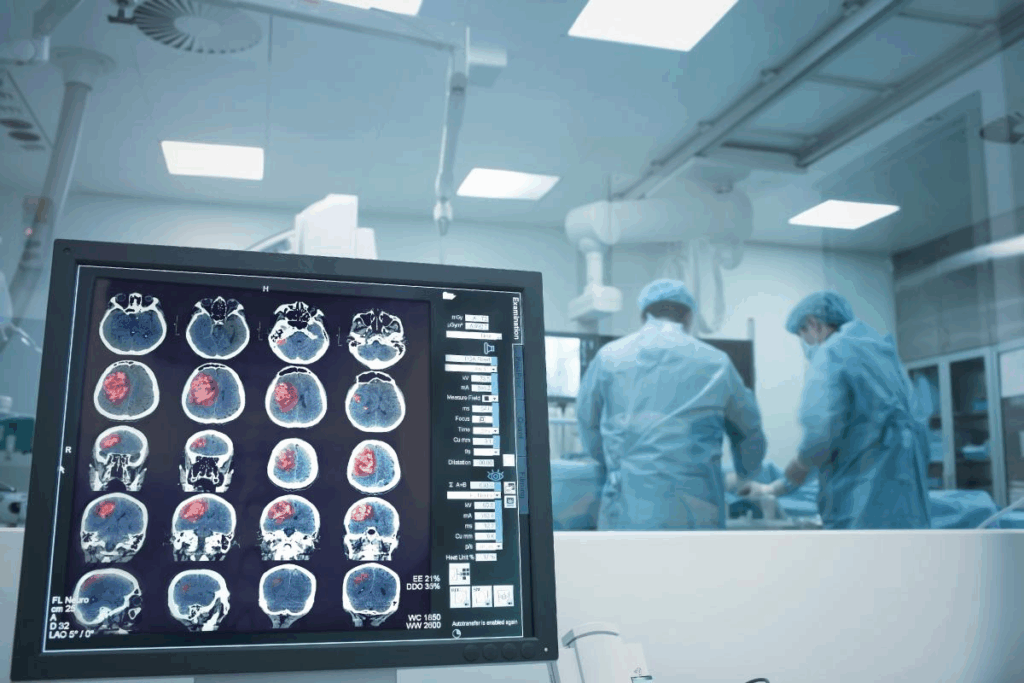
The cerebellum is a key part of the brain. It helps with movement, balance, and how we stand. Sometimes, it gets sick and needs neurosurgical help.
Our essential guide to brain surgery on the cerebellum. Discover the critical reasons for this operation and the amazing techniques used.
Cerebellum surgery is a tough task. It’s done to fix problems like tumors, blood vessel issues, or injuries in this area.
A brain surgeon must plan and do the operation with great care. They might need to open the skull, called a craniotomy, to reach the cerebellum.
Key Takeaways
- The cerebellum plays a key role in controlling our movements and balance.
- When the cerebellum gets sick, surgery might be needed.
- Surgery on the cerebellum is very complex and needs careful planning.
- Opening the skull, or a craniotomy, might be needed to get to the cerebellum.
- A skilled brain surgeon is very important for a successful surgery.
Understanding the Cerebellum and Its Functions
It’s important to know about the cerebellum to understand its role in our body. Located at the brain’s base, it’s a complex part that affects many functions. It helps with movement, balance, and how we stand.
Anatomy of the Cerebellum
The cerebellum has different areas, each with its own job. It includes the cortex, white matter, and deep nuclei. The cortex is split into folia and fissures, making it bigger.
Role in Motor Control and Coordination
The cerebellum is key for controlling our movements and keeping us balanced. It gets info from our senses and sends signals to muscles and glands. If it gets damaged, we might have trouble moving right or speaking clearly.
Cognitive Functions of the Cerebellum
The cerebellum also helps with thinking, like paying attention, remembering things, and understanding language. Studies show it plays a part in our brain’s thinking processes. Problems with the cerebellum can lead to neurological issues.
Common Conditions Requiring Cerebellum Brain Surgery
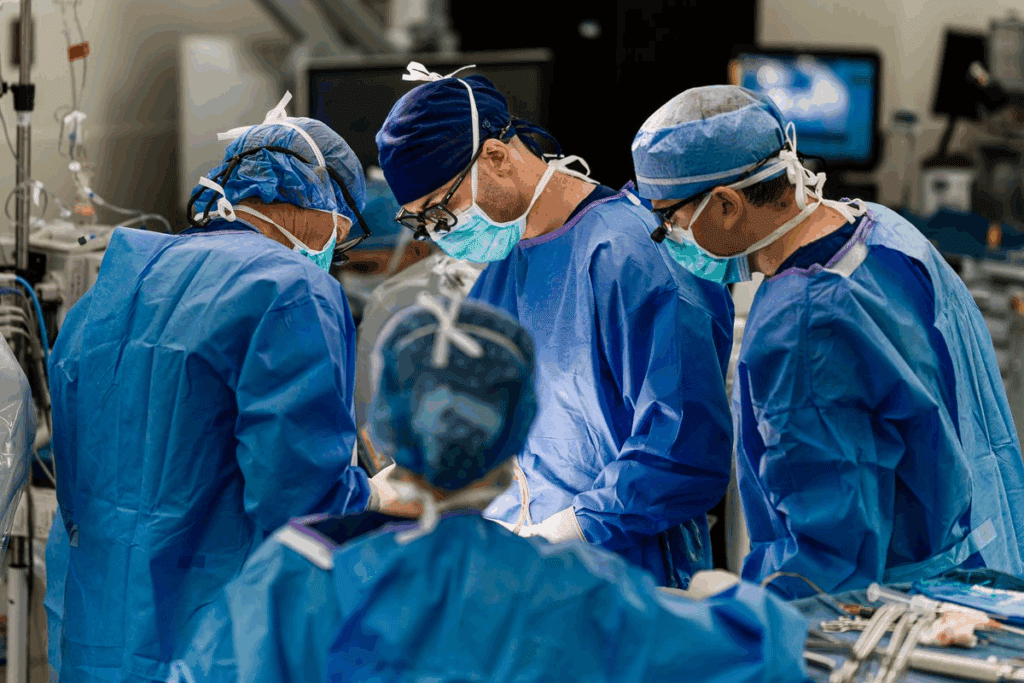
The cerebellum is key for controlling our movements and balance. It can get affected by several issues that might need surgery. These problems can really change someone’s life, so they need quick and good treatment.
Cerebellar Tumors
Cerebellar tumors are a big worry. They can be either good or bad. Surgical removal is usually the main treatment. It aims to take out the tumor without harming the brain around it. Whether or not to operate depends on the tumor’s size, type, and where it is.
Cerebellar Hemorrhage
Cerebellar hemorrhage is a serious issue that needs fast surgery. It’s when blood starts bleeding in the cerebellum. This can cause high pressure in the brain and harm the brainstem. Emergency surgery is needed to remove the blood and ease the pressure.
Chiari Malformation
Chiari malformation is a birth defect where the cerebellum goes into the spinal canal. It can block the flow of cerebrospinal fluid, causing symptoms. Surgical decompression is done to help symptoms and stop more problems.
Cerebellar Abscesses
Cerebellar abscesses are pockets of pus in the cerebellum, caused by infection. Treatment usually includes antibiotics and draining the abscess. Sometimes, surgery is needed to remove the abscess and find the cause.
These conditions show how important cerebellum brain surgery is for dealing with tough brain problems. Each case needs a special plan, showing the need for skilled diagnosis and treatment.
Types of Brain Surgery Procedures for the Cerebellum
Brain surgery for the cerebellum includes many procedures. Each one is designed for a specific condition. The choice of surgery depends on the problem, where it is, and the patient’s health.
Suboccipital Craniotomy
Suboccipital craniotomy is a common method. It involves removing part of the skull at the back. This is done to relieve pressure or remove tumors.
Cerebellar Tumor Resection
Cerebellar tumor resection aims to remove tumors in the cerebellum. The goal is to take out as much of the tumor as possible. This is done while trying to keep the surrounding brain tissue safe.
Posterior Fossa Decompression
Posterior fossa decompression is mainly for Chiari malformation. It involves removing a small part of the skull. This helps relieve pressure on the cerebellum and spinal cord.
Minimally Invasive Approaches
Minimally invasive approaches are becoming more common in cerebellar surgery. These methods use smaller cuts and cause less damage. They can lead to faster recovery times.
New surgical techniques and technology have greatly improved results for cerebellum surgery patients.”
The future of cerebellar surgery is about finding a balance. It’s about being effective but also using the least invasive methods. This ensures the best results for patients.
Diagnostic Process Before Cerebellum Surgery
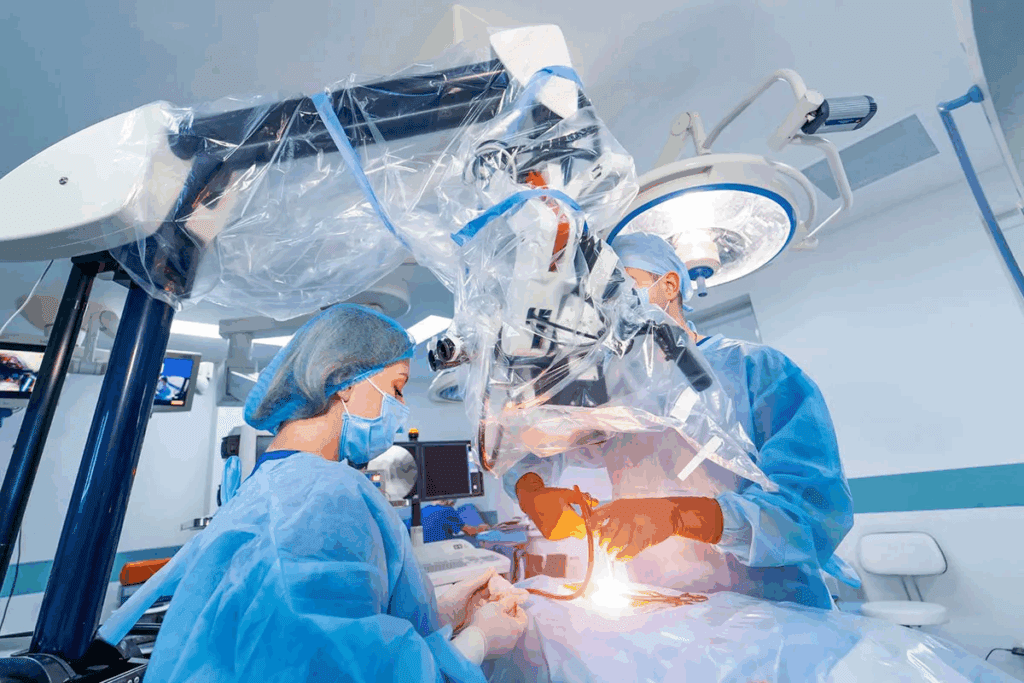
The first step before cerebellum surgery is a detailed diagnostic process. It includes several important tests and exams. A thorough diagnosis is key to finding the right treatment.
Neurological Examination
A detailed neurological exam is done to check the patient’s brain health. It looks at motor skills, balance, and thinking abilities.
Imaging Studies
Imaging tests are vital for spotting cerebellar problems. They include:
MRI Scans
MRI (Magnetic Resonance Imaging) scans give clear brain pictures. They help find issues in the cerebellum.
CT Scans
CT (Computed Tomography) scans are useful in emergencies. They provide extra information.
Imaging Modality | Primary Use | Benefits |
MRI | Detailed brain imaging | High resolution, soft tissue differentiation |
CT | Emergency situations, calcification detection | Quick, sensitive to acute hemorrhage |
Laboratory Tests
Laboratory tests are also key. They check the patient’s health and find surgery risks.
Preparing for Cerebellum Brain Surgery
Cerebellum brain surgery needs careful planning to lower risks and help with recovery. Patients must be fully checked and ready both physically and mentally.
Medical Evaluations
Medical checks are key before cerebellum brain surgery. These tests look at the patient’s health and the cerebellum’s condition. Imaging studies like MRI and CT scans help see the cerebellum’s details and any issues.
Medication Adjustments
Changing medications is often needed to avoid surgery risks. This might mean stopping blood-thinning meds or changing their amounts.
Lifestyle Preparations
Getting ready in daily life is also important. Patients should stop smoking, eat well, and stay active. This boosts health before surgery.
Mental Preparation
Being mentally ready is just as vital. Patients should understand what surgery and recovery might be like. Counseling or support groups can help.
By focusing on these steps, patients can get ready for cerebellum brain surgery. This reduces risks and boosts the chance of a good outcome.
The Surgical Team for Cerebellum Operations
Cerebellum operations need a team with special skills. The success of these complex surgeries depends on teamwork and expertise.
Neurosurgeons
Neurosurgeons lead the surgery. They know a lot about brain and nervous system surgeries. They bring precision and care to cerebellum operations.
Anesthesiologists
Anesthesiologists are key in managing anesthesia. They make sure patients are comfortable and safe during surgery.
Neurophysiologists
Neurophysiologists watch the nervous system during surgery. They give feedback to the team to avoid damage.
Nursing Staff
The nursing staff is vital before, during, and after surgery. They help the patient recover and make the surgery run smoothly.
Together, these experts make sure cerebellum operations are done with the best care. This helps patients get the best results from brain surgery or neurosurgery operation.
Step-by-Step Brain Surgery Procedure for the Cerebellum
Understanding the cerebellum brain surgery process is key for patients and doctors. This complex surgery has many important steps. Each step needs precision and skill.
Anesthesia Administration
The first step is giving anesthesia. General anesthesia keeps the patient asleep and pain-free. The anesthesiologist watches the patient’s vital signs closely.
Patient Positioning
Next, the patient is placed on the operating table. The prone position is often used for cerebellum surgery. It helps the team reach the posterior fossa.
Surgical Approach to the Cerebellum
The next step is making a precise scalp incision. A suboccipital craniotomy is done to get to the cerebellum. The neurosurgeon carefully goes through tissue layers to the cerebellum.
Intraoperative Monitoring
During surgery, intraoperative monitoring tracks the patient’s brain functions. This helps the team avoid harming important brain areas.
Closure and Immediate Post-Op Care
Once the surgery is done, the neurosurgeon closes the incision. The patient is then moved to the ICU for immediate post-operative care. Here, their vital signs and brain status are watched closely.
Step | Description |
Anesthesia Administration | General anesthesia is administered to keep the patient unconscious. |
Patient Positioning | The patient is positioned in a prone position for access. |
Surgical Approach | A suboccipital craniotomy is performed to access the cerebellum. |
Intraoperative Monitoring | Neurological functions are monitored to prevent damage. |
Closure and Post-Op Care | The incision is closed, and the patient is monitored in ICU. |
Technological Advancements in Cerebellum Surgery
Technology has changed cerebellum surgery a lot. It makes surgeries more precise and safe. Many new technologies have helped a lot.
Intraoperative MRI
Intraoperative MRI lets surgeons see the brain in real time during surgery. This helps them make better decisions and avoid mistakes. It’s great for removing tumors safely.
Neuronavigation Systems
Neuronavigation systems give surgeons detailed maps of the brain. They help guide through tough surgeries. This makes cerebellum surgery more precise.
Robotic Assistance
Robots help in cerebellum surgery by adding more skill and precision. They can do things that are hard for humans. This is very helpful.
Laser Interstitial Thermal Therapy
Laser interstitial thermal therapy is a new way to treat brain problems. It uses a laser to kill off bad tissue without harming the good stuff around it. It’s a very careful method.
Risks and Complications of Cerebellum Surgery
Cerebellum surgery is a complex and delicate procedure. It carries a range of risks and complications. Patients need to know these to make informed decisions about their treatment.
Immediate Surgical Risks
Immediate risks of cerebellum surgery include bleeding, infection, and adverse reactions to anesthesia. These risks are serious but closely watched by the surgical team. They work hard to minimize their impact.
Neurological Complications
Neurological complications can happen during or after surgery. These include cerebellar damage, stroke, or seizures. The surgical team’s skill is key in reducing these risks.
Infection Risks
Infection is a big risk after any surgery, including cerebellum surgery. Antibiotics and careful wound care help lower this risk.
Long-term Complications
Long-term complications can include persistent neurological deficits or issues related to the surgery site. Ongoing care and follow-up are vital to manage these risks.
It’s important for patients to understand these risks and complications. This helps them have realistic expectations. It also helps them make informed decisions about cerebellum surgery.
Recovery Process After Cerebellum Surgery
Cerebellum surgery recovery is a detailed process. It includes hospital stay, rehabilitation, and lifestyle changes. This approach is key to a good outcome and avoiding complications.
Immediate Post-Operative Period
The first days after surgery are very important. Patients stay in the ICU to watch for any problems. Managing pain well is a top priority.
Hospital Stay Duration
How long you stay in the hospital depends on your surgery and health. Usually, it’s a few days to a week. The medical team keeps a close eye on you the whole time.
Physical Rehabilitation
Physical therapy is a big part of getting better. It helps you regain strength and move better. Physical therapists create a plan just for you.
Return to Daily Activities
Going back to your daily life takes time. You should avoid hard activities and follow your surgeon’s advice closely. A care plan helps keep track of your progress and answers any questions.
Recovery Phase | Key Activities | Duration |
Immediate Post-Operative | Monitoring, pain management | Several days |
Hospital Stay | Medical care, initial rehabilitation | Several days to a week |
Physical Rehabilitation | Physical therapy, regaining strength and mobility | Several weeks to months |
Return to Daily Activities | Gradual resumption of normal activities | Several weeks to months |
One patient said, “Recovering was tough, but with the right help, I got stronger and went back to my life.” This shows how important a detailed recovery plan is.
Patient Experiences and Case Studies
Patient stories and case studies give a full picture of cerebellum surgery. They show what happens before, during, and after the surgery. These real-life tales share the struggles patients face and the surgery’s results.
Success Stories
Many patients have seen big improvements after cerebellum surgery. For example, a patient with a cerebellar tumor got better completely. They regained full use of their body and went back to normal life.
These success stories show how well cerebellum surgery works for many conditions. They also show how key a skilled team and good care after surgery are.
Challenges and Adaptations
Not all patients have easy recoveries. Some struggle with new physical limits and pain after surgery.
They need lots of help from family, caregivers, and doctors. Rehab programs that fit their needs are very important.
Advice from Former Patients
Patients who have been through it offer great advice. They say it’s important to know what to expect, have realistic hopes, and stay positive.
They also say having a strong support system and following doctor’s orders is key for a smooth recovery.
By sharing their stories, former patients make the journey ahead easier for others. They make it less scary and more doable.
Conclusion
Cerebellum brain surgery is a complex and delicate procedure. It needs careful planning, skilled teams, and advanced technology. The cerebellum is key for motor control, coordination, and thinking, making surgery a big challenge.
Conditions like cerebellar tumors, hemorrhage, and Chiari malformation require deep brain knowledge. Neurosurgeons and brain surgeons must team up with experts in anesthesia, neurophysiology, and nursing. This ensures a successful brain operation.
Thanks to new neurosurgery tools like intraoperative MRI and neuronavigation systems, surgery outcomes have gotten better. But, it’s important to remember the risks and complications. Patients need to understand these to make good treatment choices.
In summary, cerebellum brain surgery is a highly specialized field. It demands precision, expertise, and the latest technology. By grasping the complexities, patients can make better choices and get the best results.
FAQ
What is the cerebellum, and what are its functions?
The cerebellum is at the base of the skull. It helps with motor control, coordination, and balance. It also plays a role in thinking and learning.
Why is brain surgery necessary for cerebellar conditions?
Brain surgery is needed for conditions like tumors and hemorrhages in the cerebellum. These can be serious and affect your life quality.
What are the different types of brain surgery procedures for the cerebellum?
There are several surgeries for the cerebellum. These include suboccipital craniotomy and cerebellar tumor resection. There are also posterior fossa decompression and minimally invasive approaches.
How is the diagnosis made before cerebellum surgery?
Doctors use many tests to diagnose cerebellum conditions. These include neurological exams, MRI and CT scans, and lab tests. They help find the best treatment.
What preparations are necessary for cerebellum brain surgery?
Before surgery, you’ll need medical checks and medication changes. You’ll also need to prepare your lifestyle and mentally. This helps reduce risks and ensures success.
Who is involved in the surgical team for cerebellum operations?
The team includes neurosurgeons, anesthesiologists, and neurophysiologists. Nursing staff also play a key role. They all work together for a successful surgery.
What are the possible risks and complications of cerebellum surgery?
Risks include immediate surgical problems and neurological issues. There are also infection risks and long-term complications. Knowing these helps you make informed choices.
What is the recovery process like after cerebellum surgery?
Recovery starts right after surgery. It includes a hospital stay and physical therapy. A structured program helps you get back to daily life.
How have technological advancements improved cerebellum surgery?
New technologies like intraoperative MRI and neuronavigation systems have improved surgery. Robotic assistance and laser therapy also enhance precision and safety.
What can patients expect during the brain surgery procedure for the cerebellum?
The process includes anesthesia, positioning, and the surgical approach. Intraoperative monitoring and closure are also part of it. The team works together for success.
Are there any long-term effects of cerebellum surgery?
Effects vary based on the condition and health. Some see big improvements, while others face ongoing challenges.
How long do brain surgeries for the cerebellum typically last?
Surgery time varies. It depends on the procedure’s complexity and the individual case.
Is brain surgery for cerebellum conditions risky?
Yes, like any surgery, cerebellum surgery has risks. These include immediate problems, neurological issues, and infection risks. These must be considered carefully.
What is the role of a neurosurgeon in cerebellum surgery?
Neurosurgeons are key in cerebellum surgery. They perform the surgery and work with the team.
References
National Center for Biotechnology Information. Evidence-Based Medical Insight. Retrieved from https://pubmed.ncbi.nlm.nih.gov/26426239/