Nearly 1 in 5 patients who have brain surgery face some complications. Neurosurgery is often lifesaving but comes with big risks. Both doctors and patients need to understand these risks.
We will look at different neurosurgical procedures, like cerebral tumor surgery and brain tumor surgery. We’ll also talk about the common risks. A skilled neurosurgeon brain surgeon is key in reducing these risks.
brain operation surgeryIt’s important for patients to know what might happen after brain surgery. We’ll cover the possible complications and why post-operative care is so important.
Key Takeaways
- Neurosurgery carries significant risks, including complications during and after the procedure.
- Understanding the risks associated with neurosurgery is vital for both medical professionals and patients.
- The role of a skilled neurosurgeon is vital in minimizing these risks.
- Post-operative care is essential for recovery after neurosurgery.
- Patients should be aware of the possible complications and talk about them with their neurosurgeon.
Understanding the Risks of Brain Surgery
Neurosurgery is lifesaving but comes with risks. We tell patients and families about these risks. This helps them prepare well.
Common Types of Neurosurgical Procedures
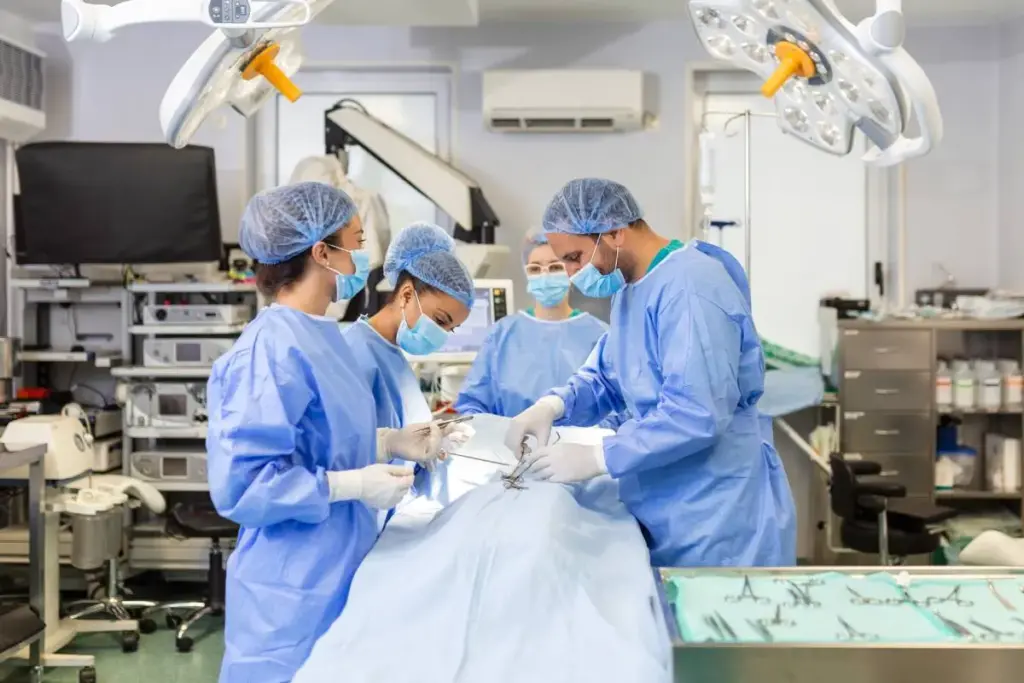
Neurosurgery includes many procedures, each with its own risks. Some common ones are:
- Craniotomies: This involves temporarily removing a part of the skull to access the brain.
- Brain Tumor Surgeries: These aim to remove tumors located in or around the brain.
- Cerebral Aneurysm Clipping: A procedure to treat aneurysms by clipping the neck to prevent rupture.
Each procedure has its own risks, like infection, bleeding, and damage to brain tissue.
General Risk Factors That Increase Complications
Some factors can raise the risk of complications in neurosurgery. These include:
| Risk Factor | Description | Impact on Surgery |
| Age | Older patients may have more comorbidities. | Increased risk of complications and slower recovery. |
| Overall Health | Pre-existing conditions like diabetes or heart disease. | Higher risk of post-operative complications. |
| Presence of Other Medical Conditions | Conditions such as hypertension or previous strokes. | Potential for increased risk of neurological complications. |
Knowing these risk factors helps us tailor care for each patient. We try to minimize risks.
“The key to successful neurosurgery lies not only in the technical skill of the surgeon but also in the complete care provided to the patient before, during, and after the procedure.”
— Medical Expert, Neurosurgeon
By understanding brain surgery risks, we can improve patient care. This helps us navigate neurosurgery better.
Immediate Post-Operative Complications
Neurosurgery is lifesaving but comes with risks right after surgery. It’s key for doctors to know these risks to care for patients well.
Anesthesia-Related Issues
Right after neurosurgery, anesthesia problems can happen. These include breathing issues, allergic reactions, and post-operative delirium. It’s important to handle these quickly to avoid more problems.
- Respiratory depression needs quick action, like using a ventilator.
- Allergic reactions can be treated with antihistamines or steroids.
- Post-operative delirium might need changes in pain and sedation.
Hemorrhage and Bleeding Complications
Bleeding is a big risk after brain surgery. It can cause serious problems if not fixed fast. The brain hemorrhage surgery success rate depends on where and how bad the bleeding is.
Things that affect bleeding risk include:
- The surgery’s complexity.
- Conditions like high blood pressure or blood clotting issues.
- The neurosurgeon’s skill and experience.
Cerebral Edema (Brain Swelling)
Brain swelling, or cerebral edema, is another quick problem after surgery. It can raise pressure inside the brain, causing more damage.
To deal with brain swelling, doctors:
- Watch the brain’s pressure.
- Give medicines to shrink swelling.
- In severe cases, they might remove part of the skull to relieve pressure.
Knowing and handling these quick problems is key to better results after brain mass surgery and other brain surgeries.
Neurological Complications After Neurosurgery
Neurosurgery is lifesaving but can cause neurological problems after surgery. It’s key to know the risks and how to manage them well.
Seizures and Seizure Management
Seizures are a common problem after neurosurgery. Seizure management is vital to avoid more brain damage. We use antiepileptic drugs (AEDs) to control seizures.
The choice of medication depends on the seizure type and the patient’s history. Some patients need AEDs for a long time, while others can stop taking them later. Keeping an eye on seizure activity is a big part of care after surgery.
Motor and Sensory Deficits
Damage to brain areas during surgery can cause motor and sensory problems. Rehabilitation is key to help patients regain lost functions. Physical, occupational, and speech therapy are often needed.
- Physical therapy helps improve motor skills and mobility.
- Occupational therapy assists patients in regaining daily functioning skills.
- Speech therapy is critical for those with speech and language issues.
Speech and Language Impairments
Damage to brain areas can lead to speech and language problems. Speech therapy is vital to help patients communicate better.
It’s important for patients and their families to work with a neurologist brain surgeon. This helps manage complications and create a detailed rehabilitation plan.
Knowing about neurological complications after neurosurgery is key for patients. Being aware of these risks helps patients prepare for recovery. Working closely with healthcare teams is essential to reduce complications.
Infection Risks Following Brain Surgery
When neurosurgeons drill holes in the skull, infection risks are a big deal. Infections can make recovery harder, leading to longer hospital stays and more surgeries. This also raises healthcare costs.
Surgical Site Infections
Surgical site infections (SSIs) are a big worry after neurosurgery. These happen when bacteria get into the surgical area. Good wound care and watching for signs are key to stop SSIs. Keeping the surgery area clean and using antibiotics when needed is important.
A study found SSIs can happen in up to 4% of neurosurgery cases. Longer surgeries and complex wound closures up the risk. Quickly finding and treating SSIs is key to avoiding more problems.
| Risk Factor | Description | Prevention Strategy |
| Prolonged Surgery | Increased exposure to contaminants | Optimize surgical techniques, minimize duration |
| Complex Wound Closure | Higher risk of bacterial entry | Use meticulous wound closure techniques, antimicrobial sutures |
Meningitis and Encephalitis
Meningitis and encephalitis are serious infections that can happen after neurosurgery. Meningitis is inflammation of the brain and spinal cord’s protective membranes. Encephalitis is inflammation of the brain tissue. These need quick medical help.
“The diagnosis of post-neurosurgical meningitis can be challenging due to the presence of other post-operative complications. A high index of suspicion is necessary to diagnose and treat this condition promptly.” – Neurosurgery Guidelines
Prevention and Treatment Approaches
Preventing infections after brain surgery needs a few steps:
- Give antibiotics before surgery if needed
- Keep the surgery area clean
- Watch for early signs of infection
- Follow proper wound care
Treating infections means using the right antibiotics, supportive care, and sometimes more surgery. Acting fast is key to better results.
Cognitive and Psychological Changes
Recovering from neurosurgery is not just about the body. Many face challenges in their mind and emotions too. It’s key to know about the possible changes in thinking and feelings that can happen.
Memory and Attention Deficits
Brain surgery can affect how we remember and focus. Patients might find it hard to concentrate or recall things. A neurosurgeon says these changes can be as tough as the physical healing.
Using tools like calendars and reminders can help. Rehab programs also offer training to improve thinking skills. The time it takes to recover varies, depending on the surgery type, like burr holes surgery.
Personality Changes
Neurosurgery can also change how we act and feel. These changes might be due to the surgery or the condition it treated. It can be hard for patients and their families.
Support from loved ones and mental health experts is vital. A clinical psychologist says emotional support greatly helps patients cope. Creating a supportive environment aids in overcoming these challenges.
Depression and Anxiety After Neurosurgery
Feeling down or anxious is common after brain surgery. The operation and recovery can be emotionally taxing. It’s not just the body that heals, but also the mind.
Dealing with depression and anxiety needs medical help, therapy, and support. A psychiatrist says early action and a detailed care plan can improve mental health. Knowing the risks, like how risky is brain surgery, helps prepare for recovery.
It’s important for patients and their caregivers to be aware of these mental and emotional changes. With the right support, they can better handle their recovery.
Craniotomy-Specific Complications
The craniotomy procedure is lifesaving but can lead to complications. It’s important to know the risks and how to manage them.
Craniotomy Scar Pain and Management
Scar pain is a common issue after a craniotomy. It can be mild or severe. There are ways to treat it.
- Pain Management Medications: Doctors often give pain meds to help with scar pain.
- Physical Therapy: Gentle exercises can reduce pain and improve movement.
- Nerve Blocks: Sometimes, nerve blocks are used to control pain that doesn’t go away.
Bone Flap Issues and Complications
Bone flap problems are a big worry after a craniotomy. These can include infection, bone loss, or poor healing.
- Infection: Antibiotics are used to prevent infection. Sometimes, more surgery is needed.
- Bone Flap Resorption: This might need more surgery to fix or replace the bone flap.
- Improper Healing: Doctors closely watch for any healing problems to fix them quickly.
Cosmetic and Structural Concerns
After a craniotomy, cosmetic and structural issues can affect a patient’s life. These can include visible scars, changes in the skull, and other looks-related problems.
Surgeons try to help with these issues. They work with patients to:
- Minimize Scarring: They use special techniques to make scars less noticeable during surgery.
- Cosmetic Procedures: More cosmetic work might be suggested to improve how the surgery site looks.
- Reconstructive Surgery: Sometimes, reconstructive surgery is needed to fix the skull’s look and structure.
Knowing about these complications and how to handle them is key for patients. Being informed helps them deal with their recovery and any issues that come up.
Cerebrospinal Fluid (CSF) Related Problems
Neurosurgery is often lifesaving but can lead to cerebrospinal fluid (CSF) issues. CSF cushions the brain and spinal cord. Its imbalance can cause problems, like those after brain aneurysm post surgery complications.
CSF Leaks: Symptoms and Treatment
A CSF leak happens when CSF flows through a dura mater defect. Symptoms include headaches, nausea, vomiting, and neck stiffness. Treatment may include bed rest, hydration, and sometimes a lumbar drain. In severe cases, surgery is needed to fix the leak.
Hydrocephalus Development
Hydrocephalus is when CSF builds up in the brain, causing pressure. It can happen after neurosurgery due to blockages or poor CSF absorption. Symptoms are headaches, cognitive decline, and trouble walking. Treatment usually involves a shunt to move excess CSF.
| Condition | Symptoms | Treatment |
| CSF Leaks | Headache, nausea, vomiting, neck stiffness | Conservative management, lumbar drain, surgical repair |
| Hydrocephalus | Headache, cognitive decline, gait disturbances | Shunt placement |
| Pseudomeningocele | Swelling at surgical site, headache, CSF leak | Conservative management, surgical repair |
Pseudomeningocele Formation
A pseudomeningocele is CSF that leaks out of the dura mater and gathers in tissue. It can happen after surgery and may look like swelling at the site. Treatment can be non-surgical or surgical, based on the size and symptoms.
It’s important to understand CSF-related problems after neurosurgery, including biopsy brain tumor procedure. Recognizing symptoms and using the right treatment helps reduce risks and improve outcomes.
Vascular Complications After Brain Surgery
Vascular problems after brain surgery can greatly affect how well a patient recovers. These issues can happen for many reasons. This includes the type of surgery, the patient’s health, and how well they are cared for after surgery.
Stroke Risk Following Neurosurgery
One big risk after brain surgery is stroke. This can happen because of blood clots, blockages, or when blood vessels get too narrow. Patients with huge brain tumors face a higher stroke risk because of the surgery’s impact on blood vessels and brain tissue.
To lower this risk, neurosurgeons use careful techniques. They try to avoid damaging blood vessels as much as possible. This includes using minimal invasive neurosurgery when it’s safe to do so.
Vasospasm and Its Management
Vasospasm is when blood vessels get too narrow. This can cut off blood flow to the brain, leading to stroke or other problems. It’s a big worry after some brain surgeries.
To deal with vasospasm, doctors use medicines like nimodipine. They also watch patients closely with tools like transcranial Doppler ultrasonography. This helps catch vasospasm early.
Deep Vein Thrombosis and Pulmonary Embolism
Deep vein thrombosis (DVT) and pulmonary embolism (PE) are big risks after brain surgery. These are more common in patients who can’t move much after surgery. To prevent DVT/PE, doctors use medicines, compression stockings, and encourage patients to move early.
| Complication | Risk Factors | Management Strategies |
| Stroke | Surgical technique, patient health, tumor size | Meticulous surgery, post-op monitoring |
| Vasospasm | Cerebral blood vessel manipulation | Calcium channel blockers, TCD monitoring |
| DVT/PE | Limited mobility, surgery type | Anticoagulation, compression stockings, early mobilization |
It’s important to know about these vascular problems and how to manage them after brain surgery. By taking steps to prevent these issues and keeping a close eye on patients, doctors can help improve recovery outcomes.
Tumor-Related Complications
Life after craniotomy comes with many challenges, including those from the tumor itself. These complications can greatly affect a patient’s recovery and outcome after malignant brain tumor surgery.
Recurrence Rates and Risk Factors
Recurrence is a big worry for those who’ve had brain tumor surgery. The chance of it happening depends on the tumor type, grade, and how much was removed. Factors like not removing all the tumor or having aggressive tumor traits can up the risk.
Key risk factors for tumor recurrence include:
- Tumor type and grade
- Extent of surgical resection
- Presence of residual tumor tissue
Knowing these risk factors helps us plan better follow-up care. It also helps manage what patients can expect during their brain tumor recovery journey.
Radiation Necrosis After Adjuvant Treatment
Radiation necrosis is a possible side effect of radiation therapy for brain tumors. It happens when radiation damages brain tissue, leading to death. This can sometimes look like tumor growth on scans.
“Radiation necrosis can present a diagnostic challenge, as it may mimic tumor progression on imaging. Advanced imaging techniques and sometimes histological confirmation are required to differentiate between the two.”
Dealing with radiation necrosis involves medicine, like corticosteroids, and sometimes surgery. This helps ease symptoms and reduce the damaged tissue.
Managing Residual Tumor Tissue
Having leftover tumor tissue after surgery is a big challenge. The approach depends on the tumor type, where it is, and the patient’s health.
Options for managing residual tumor tissue may include:
- Further surgical resection if feasible
- Adjuvant therapies such as radiation or chemotherapy
- Close surveillance with regular imaging studies
We create a personalized plan with each patient. This plan aims to meet their specific needs and improve their chances for a good life after craniotomy.
When to Seek Emergency Care After Brain Surgery
Knowing when to get emergency care after brain surgery is key. After surgery, patients and their caregivers need to watch for signs of trouble.
Warning Signs of Serious Complications
Look out for signs of serious problems after brain surgery. These include severe headaches, confusion, trouble speaking, or weakness. Severe headaches after brain surgery are a red flag and should not be ignored.
Fever and Signs of Infection
Fever often means infection, a big risk after brain surgery. Watch for signs like redness, swelling, or discharge from the surgery area. Keeping an eye on your temperature and telling your doctor about any fever is important.
Seizure Activity Management
Seizures can happen after brain surgery. It’s vital to manage them. Know how to use rescue meds and when to get help fast. Keeping a log of seizures helps doctors adjust your treatment.
| Symptom | Possible Complication | Action |
| Severe Headache | Bleeding or Hematoma | Seek Emergency Care |
| Fever | Infection | Contact Healthcare Provider |
| Seizure Activity | Seizure Disorder | Administer Rescue Medication, Seek Help |
Knowing about these risks and when to get help can greatly improve recovery. If you’re experiencing any of these symptoms after brain surgery, get medical help right away.
Pain Management Challenges After Brain Surgery
Managing pain after brain surgery is a big challenge. It needs careful thought about many factors. Patients often face different types of pain that affect their recovery.
Headaches: Types and Treatment Approaches
Headaches are common after brain surgery. They can vary in how bad they are and how often they happen. Post-craniotomy headaches can last for years, making them hard to deal with.
We will look at how to treat these headaches. This includes medicines, physical therapy, and even things like acupuncture.
The kind and how bad the headaches are can depend on the surgery and the patient. Knowing this helps doctors create a treatment plan that fits the patient’s needs.
Neuropathic Pain Syndromes
Neuropathic pain is a big worry after neurosurgery. It happens when nerves are damaged during surgery. This pain can be hard to manage and can last a long time. Neuropathic pain feels like shooting, burning, or stabbing, and can be triggered by light touch.
We will talk about how to manage this pain. This includes medicines like anticonvulsants and antidepressants, and even treatments like nerve blocks.
Long-term Pain Management Strategies
Managing pain long-term after brain surgery needs a team effort. This includes medicines, changes in lifestyle, physical therapy, and support for the mind. Pain management plans should be made just for each patient. They should consider the patient’s health, the surgery, and what they prefer.
We stress the need for a full recovery plan. It should cover physical, emotional, and mental aspects of pain. This way, we can help patients live better lives after brain surgery.
Recovery Timeline and Rehabilitation Process
The journey to recovery after neurosurgery has many stages. Each stage has its own challenges and milestones. Understanding the recovery process and the options for rehabilitation is key.
Typical Hospital Stay and Acute Recovery
Right after surgery, the recovery starts. Most patients stay in the hospital for a few days to over a week. This depends on the surgery’s complexity and the patient’s health.
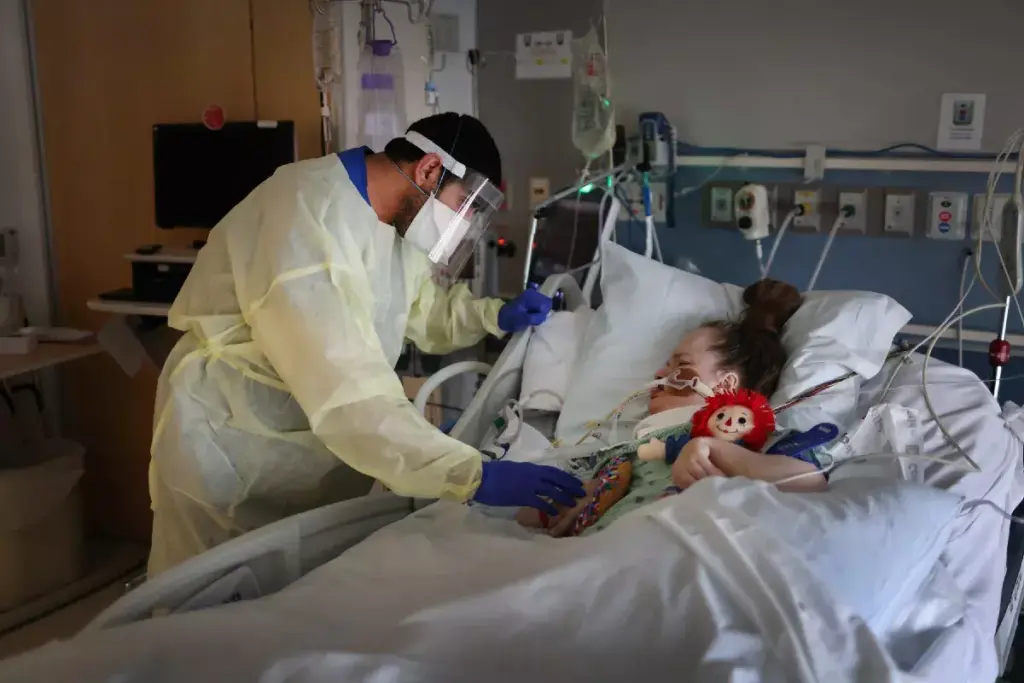
During this time, doctors closely watch the patient. They manage pain and look for any complications. Acute recovery is very important, and the care during this phase greatly affects the outcome.
Outpatient Rehabilitation Options
After leaving the hospital, patients start outpatient rehabilitation. This includes physical, occupational, and speech therapy, based on their needs. These programs help patients regain strength, mobility, and cognitive functions.
Outpatient rehabilitation lets patients recover at home or in a facility. They have regular check-ups with healthcare professionals to track their progress.
Factors Affecting Recovery Speed
Many factors can affect how fast and well a patient recovers. These include age, overall health, other medical conditions, and the surgery type. For example, meningioma surgery recovery might differ from other brain surgeries.
Knowing these factors helps set realistic recovery goals. It also helps tailor rehabilitation plans to fit each patient’s needs.
Recovering from brain surgery is unique for each person. By understanding the recovery timeline and what affects it, patients and families can better handle this tough time. Our team is dedicated to providing full care and support throughout the recovery journey, aiming for the best outcomes for our patients.
Conclusion:
It’s key for patients to know the risks of neurosurgery before undergoing brain surgery. We’ve talked about complications like immediate issues, neurological problems, infection risks, and changes in thinking. Patients often ask why they need such a serious procedure. It’s important to think about the benefits and risks. For those who have had a craniotomy, knowing what to expect is vital. This includes understanding brain tumor recovery and life after craniotomy. It’s also important to know about brain surgery scar pictures and the recovery process. Getting good care and support helps patients deal with these challenges and get the best results. Patients can handle the risks of neurosurgery better if they’re informed and ready. It’s important to listen to healthcare professionals and get help when needed. This ensures a smooth recovery.
FAQ
What are the most common risks associated with neurosurgery?
Neurosurgery can lead to several risks. These include infection, bleeding, and swelling in the brain. It can also cause seizures, problems with movement and feeling, and issues with speech and language.
How long does it take to recover from brain surgery?
The recovery time varies. It depends on the surgery type, your health, and any other medical conditions. You might stay in the hospital for a few days to a week. Full recovery can take weeks to months.
What are the signs of serious complications after brain surgery?
Look out for fever, signs of infection, and seizures. Severe headaches and neurological problems are also warning signs. If you notice these, get emergency care right away.
Can brain surgery cause cognitive and psychological changes?
Yes, brain surgery can lead to changes in thinking and mood. This includes memory and attention problems, changes in personality, and feelings of depression and anxiety. There are ways to manage these effects.
What are the risks associated with craniotomy?
Craniotomy can cause specific complications. These include pain from scars, issues with the bone flap, and concerns about appearance. There’s also a risk of CSF leaks, hydrocephalus, and pseudomeningocele formation.
How is pain managed after brain surgery?
Pain management varies based on the pain type and severity. Options include medication, physical therapy, and alternative therapies. These help with headaches, neuropathic pain, and other types of pain.
What is the risk of tumor recurrence after brain tumor surgery?
The risk of tumor recurrence depends on the tumor type and grade. There are management strategies, like adjuvant treatment, to lower this risk.
Can I experience vascular complications after brain surgery?
Yes, vascular complications can happen. These include stroke, vasospasm, deep vein thrombosis, and pulmonary embolism. There are ways to manage these risks.
How can I prevent infection after brain surgery?
To prevent infection, follow proper wound care and use antimicrobial therapy. Watch for signs of infection. If you suspect an infection, seek medical help quickly.
What is the typical hospital stay after brain surgery?
The hospital stay varies. It depends on the surgery type and individual factors. Generally, it’s a few days to a week.
What rehabilitation options are available after brain surgery?
Outpatient rehabilitation is available. It includes physical, occupational, and speech therapy. These help with recovery and address specific needs.
How can I manage cognitive and psychological changes after brain surgery?
There are strategies to manage these changes. These include cognitive rehabilitation, counseling, and medication. They help mitigate cognitive and psychological changes.
References
National Center for Biotechnology Information. Evidence-Based Medical Insight. Retrieved from https://www.ncbi.nlm.nih.gov/pmc/articles/PMC10006024/