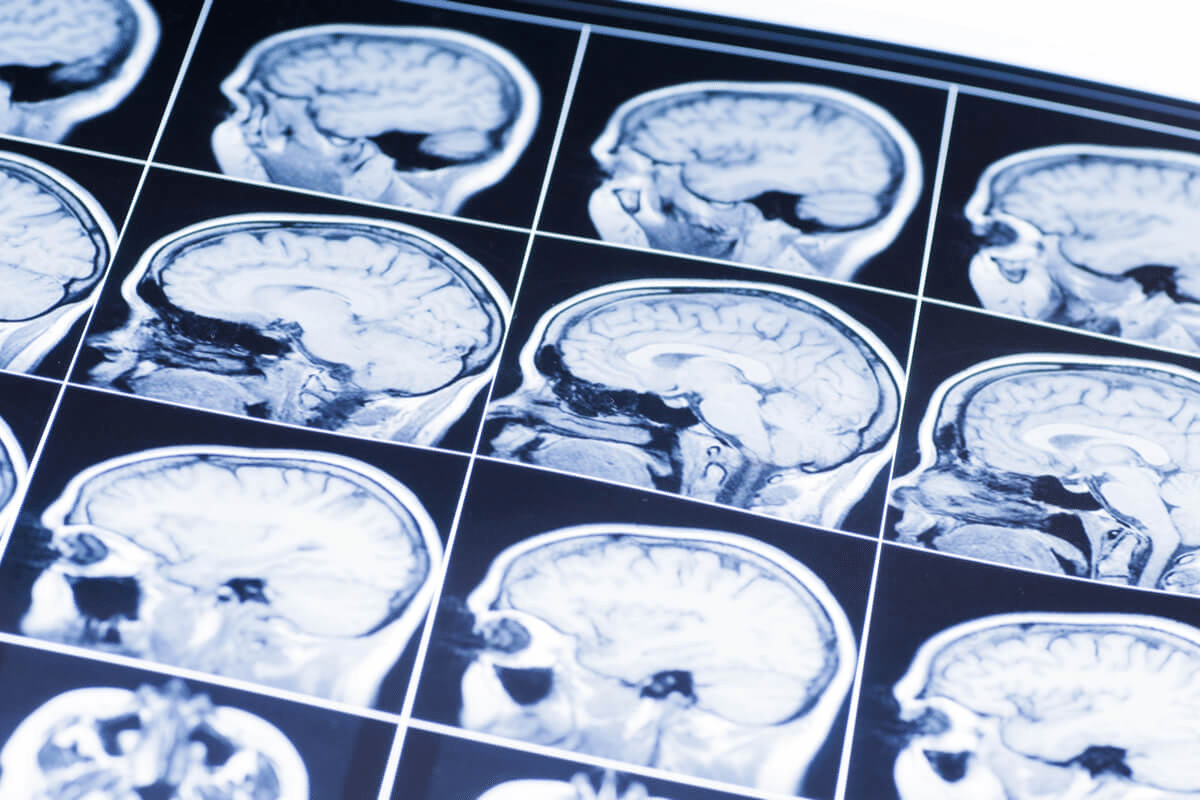
We face many toxins every day, and they can harm our health a lot. Brain toxicity is damage to the brain by harmful substances. It’s a serious issue that many people don’t know about.
Studies show toxins can lead to memory loss, trouble concentrating, headaches, and changes in personality. It’s important to know the signs of brain poisoning and how to detoxify.
Spotting brain toxicity early helps us start fixing it. This can lead to better health overall.
Key Takeaways
- Understanding brain toxicity is key to spotting its signs.
- Early detection can stop permanent damage.
- Detox methods can lessen brain poisoning effects.
- Toxins can cause many brain and nerve problems.
- Knowing brain toxicity symptoms helps us act fast.
What Is Brain Toxicity and Why Should You Be Concerned?
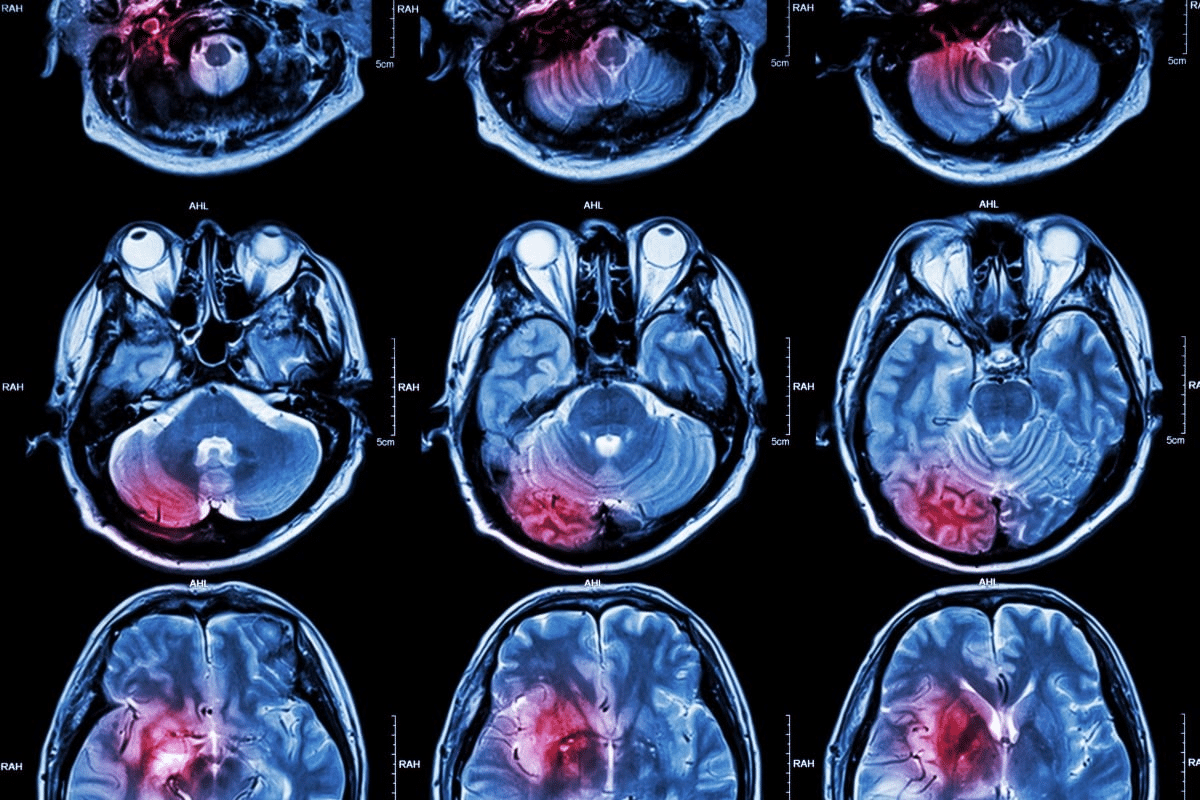
Toxic encephalopathy, or neurotoxicity, is a serious condition caused by harmful substances. These substances can harm our brain and overall health. They affect our thinking and well-being.
Defining Toxic Encephalopathy and Neurotoxicity
Toxic encephalopathy is brain damage from chemicals. Neurotoxicity is the damage these toxins do to our nervous system, including the brain. Causes include pollution, some medicines, and lifestyle choices.
It’s important to know the difference between these terms. While all neurotoxicity can cause encephalopathy, not all encephalopathy is from toxins. But both show how vital it is to keep our brain healthy.
The Alarming Statistics on Global Neurotoxin Exposure
The numbers on global neurotoxin exposure are scary. About 385 million cases of acute pesticide poisoning happen every year. Also, 1 million deaths from lead poisoning occur yearly. These numbers show how widespread and dangerous neurotoxin exposure is.
- 385 million cases of acute pesticide poisoning annually
- 1 million deaths from lead poisoning yearly
- Increasing exposure to industrial and household chemicals
These figures are more than just numbers. They are people and families suffering from neurotoxin exposure. The global impact is huge, and we need a big effort to reduce these risks.
How Brain Toxicity Affects Quality of Life
Brain toxicity can really hurt someone’s quality of life. Symptoms include memory loss, trouble focusing, and physical issues like tremors. Mood swings and depression are also common.
The effects of brain toxicity are wide-ranging. They touch many parts of a person’s life:
- Cognitive issues, like confusion and disorientation
- Physical symptoms, such as headaches and fatigue
- Psychological and behavioral changes, such as anxiety and irritability
Dealing with brain toxicity is more than just treating symptoms. It’s about improving life for those affected. By understanding causes and taking action, we can lessen neurotoxicity’s effects and boost brain health.
Common Sources of Brain Toxins in Modern Life
Brain toxins are everywhere in our lives today. Knowing where they come from is key to keeping our brains healthy. Every day, we face substances that could harm our brain health.
Heavy Metals: Lead, Mercury, Cadmium, and Aluminum
Heavy metals are big threats to brain health. Lead, mercury, cadmium, and aluminum are very harmful. They can build up in our bodies, causing brain damage and cognitive problems.
Lead can lower IQ and increase the risk of brain diseases. Mercury, found in some fish and dental fillings, harms the brain. Cadmium, from industrial pollution, damages brain blood vessels. Aluminum, in cookware and some meds, is linked to Alzheimer’s.
Pesticides and Agricultural Chemicals
Pesticides and chemicals from farming are also brain toxins. Organophosphate pesticides can cause brain decline and neurological issues. They disrupt the nervous system, leading to brain damage.
We can get exposed to these chemicals through food, work, or the environment. It’s important to reduce our exposure to protect our brains.
Industrial and Household Solvents
Solvents in paint thinners, cleaners, and adhesives release harmful vapors. Long-term exposure can harm our thinking, memory, and brain function.
Wearing protective gear and working in well-ventilated areas can lower risks.
Medications with Neurotoxic Side Effects
Some medicines, meant to help us, can harm our brains. For example, some chemo drugs cause brain fog and memory problems. It’s vital to know about these side effects.
Talking to your doctor about these risks is important. Look for safer alternatives when possible.
How Toxins Cross the Blood-Brain Barrier
It’s important to know how toxins get into the brain. The blood-brain barrier keeps harmful stuff out. But, some toxins can get through because of their special properties.
Understanding the Blood-Brain Barrier Function
The blood-brain barrier is made of cells that line the brain’s blood vessels. These cells are very close together, keeping most substances out. But, some toxins can get in if the barrier is damaged.
Lipophilic Properties That Enable Toxin Penetration
Toxins that dissolve in fats can easily get into the brain. These lipophilic substances can go through the barrier. Pesticides and heavy metals are examples that can harm the brain.
- Heavy metals like mercury and lead
- Pesticides such as organophosphates
- Industrial solvents like toluene
These substances can really hurt the brain. They can mess up how the brain works and cause symptoms.
Cellular Damage Mechanisms in Toxic Brain Injury
Toxins that get into the brain can hurt cells in many ways. They can cause stress, mess with cell energy, and damage DNA. This can lead to brain cell death and diseases like Alzheimer’s.
- Oxidative stress and inflammation
- Disruption of cellular energy production
- DNA damage and repair mechanisms
Knowing how toxins damage the brain is key. It helps us find ways to prevent and treat brain damage.
Recognizing Brain Toxicity Symptoms: Early Warning Signs
Brain toxicity shows itself in many ways. It’s key to spot early signs. This condition can hit many areas of health.
Cognitive Manifestations
Cognitive issues are a big sign of brain toxicity. You might notice memory loss, trouble focusing, and getting confused. These problems can make everyday tasks hard.
Experts say, “Cognitive decline is often one of the first signs of brain toxicity. It’s why we need to see a doctor right away.”
“The cognitive symptoms of brain toxicity can be subtle at first, but they can rapidly progress if left unchecked,”
This shows why catching it early is so important.
Physical Symptoms
Physical signs of brain toxicity vary a lot. You might feel headaches and tiredness or even seizures and problems with movement. These signs often go hand in hand with brain problems, making it hard to figure out what’s happening.
- Headaches
- Fatigue
- Seizures
- Motor dysfunction
Psychological and Behavioral Changes
Brain toxicity can also change how you feel and act. You might see mood swings, anxiety, and depression. In some cases, you might need to see a psychiatrist for more serious issues.
Spotting these signs early is key. Knowing what symptoms to look for helps us support those affected. It also guides them to the right medical help.
Populations at Higher Risk for Brain Toxicity
It’s important to know who is at higher risk for brain toxicity. This helps us create better ways to prevent and treat it. Some groups face more risks because of their jobs, age, genes, or health.
Occupational Exposure Risks
People who work with neurotoxins are at a higher risk. This includes miners, factory workers, and farmers. They are exposed to heavy metals, pesticides, and solvents. It’s vital to use protective gear and follow safety rules to reduce this risk.
Age-Related Vulnerability Factors
Age affects how vulnerable we are to brain toxicity. Children and older adults are more at risk. Kids’ brains are more easily damaged by toxins, which can harm their development. Older adults might not be able to get rid of toxins as well, making them more vulnerable.
Genetic Variations in Detoxification Pathways
Genes play a big role in how we detoxify harmful substances. Some people’s genes affect their detox enzymes. This makes them more likely to suffer from brain toxicity when exposed to toxins. Knowing this can help us tailor prevention and treatment plans.
Pre-existing Conditions That Increase Susceptibility
People with certain health issues are more at risk. Liver or kidney disease makes it harder to get rid of toxins. Those with neurological conditions are also more vulnerable to toxins.
By understanding these high-risk groups, we can make better prevention and treatment plans. This includes safer workplaces, age-specific programs, and treatments based on genetics.
Diagnostic Approaches for Identifying Brain Toxicity
Diagnosing brain toxicity is complex. It involves lab tests, neurological checks, and looking at environmental exposures. Our goal is to give patients the right diagnosis and treatment.
Laboratory Testing for Toxin Exposure
Labs are key in finding toxins and diagnosing brain issues. We test blood, urine, and other fluids for toxins. This helps us see how much exposure there is.
|
Test Type |
Description |
Sample Type |
|---|---|---|
|
Heavy Metal Testing |
Measures levels of heavy metals such as lead, mercury, and arsenic |
Blood, Urine |
|
Biomarker Testing |
Measures biomarkers indicative of toxin exposure |
Blood, Urine |
Neurological and Cognitive Assessments
Neurological and cognitive tests are vital. They check how toxins affect the brain. We look at things like memory and attention.
Key components of neurological assessments include:
- Cognitive function tests
- Motor function evaluations
- Sensory testing
Brain Imaging Techniques
Imaging shows us brain injuries. We use MRI and CT scans to see brain damage. This helps us understand the damage.
Environmental Exposure History Taking
Knowing what toxins a person was exposed to is important. We ask about work, pollution, and lifestyle. This helps us find the cause.
“A thorough environmental exposure history is essential for identifying the source of toxin exposure and developing an effective treatment plan.” – Expert Toxicologist
We use lab tests, neurological checks, imaging, and history to diagnose brain toxicity. This way, we can help patients recover well.
Medical Interventions for Brain Toxicity Treatment
Brain toxicity treatment uses many medical steps to tackle toxin exposure. Each plan is made for the person, based on the toxin type and how much they’ve been exposed to.
Chelation Therapy Protocols
Chelation therapy helps remove heavy metals and toxins from the body. It uses chelating agents that grab onto toxins, helping them leave the body. Chelation therapy has been shown to be effective in reducing the body’s burden of heavy metals, such as lead and mercury.
The chelation therapy process includes:
- First, checking if and how much toxins are present
- Then, giving chelating agents, which can be taken by mouth or through an IV
- Keeping an eye on kidney function and other important signs during treatment
- Doing follow-up tests to see if toxin levels have gone down
Pharmaceutical Support Treatments
Pharmaceutical support treatments are also key in treating brain toxicity. They help manage symptoms and support brain health. These treatments may include medicines for memory loss and trouble focusing.
Pharmaceutical support treatments are often used with other therapies for full care. For example, medicines might be given for anxiety, depression, or other mental health issues linked to brain toxicity.
Working with Toxicologists and Neurologists
It’s important to work with specialists for a complete treatment plan for brain toxicity. Toxicologists and neurologists know a lot about toxins and brain health.
Together, healthcare teams can:
- Figure out how much toxin exposure there is and its health effects
- Make a treatment plan just for that person
- Keep track of how things are going and change treatments if needed
Rehabilitation Approaches for Cognitive Recovery
Rehabilitation is a big part of getting better from brain toxicity. Cognitive rehabilitation helps people get back their thinking skills and improve their life quality.
These therapies include:
- Training programs for better memory, attention, and speed
- Occupational therapy to help with daily tasks
- Speech therapy for any speech problems
By using these medical steps in a treatment plan, people with brain toxicity can see big improvements in their symptoms and overall health.
Natural Brain Detoxification Strategies
We can start by making our body’s detox processes better. This helps keep our brain healthy. By using certain foods, staying hydrated, exercising, and sleeping well, we help our brain stay sharp.
Nutritional Approaches to Support Detoxification
Eating a balanced diet is key for detox. Foods like berries and leafy greens fight off toxins. Omega-3 rich foods, like salmon, also help our brain.
Garlic and onions are good for making glutathione. This antioxidant helps clean our body.
Hydration Protocols for Toxin Elimination
Drinking enough water is important for getting rid of toxins. Water helps us pee, sweat, and poop out toxins. We should drink at least eight glasses a day.
Herbal teas and coconut water can also help. But, avoid drinks with caffeine and alcohol.
Exercise and Movement for Enhanced Detoxification
Exercise is great for detox. It gets blood flowing, which helps our brain and body. Yoga, walking, and swimming are good choices.
Sleep Optimization for Brain Recovery
Good sleep is vital for brain health. Our brain cleans itself out while we sleep. Try to sleep 7-9 hours a night.
Keep a regular sleep schedule and make your bedroom comfy. Avoid caffeine and screens before bed.
Preventing Future Brain Toxicity Exposure
To prevent brain toxicity, we need to create a safe space and watch out for toxins every day. By being proactive, we can lower our exposure to harmful substances that harm our brain.
Creating a Low-Toxin Home Environment
First, we should make our homes low-toxin. This means getting rid of toxins in our living areas. We can use non-toxic cleaners, avoid plastics with BPA or phthalates, and make sure our homes are well-ventilated.
It’s also important to choose natural materials for our furniture and decor. Avoiding materials with flame retardants can help keep our homes safe from neurotoxins.
Safe Food and Water Practices
Practicing safe food and water habits is key to preventing brain toxicity. We should pick organic fruits and veggies, and be careful with fish to avoid mercury. Using water filters that remove heavy metals is also important.
Limiting plastic use for food storage can also help avoid BPA exposure. These steps can make a big difference in our health.
“The most effective way to prevent brain toxicity is through a combination of awareness, lifestyle changes, and proactive measures to minimize exposure to neurotoxins.”
Personal Protection During High-Risk Activities
For those who work with neurotoxins, like in some industries, personal protective equipment (PPE) is a must. This includes masks, gloves, and protective clothes to prevent skin contact and breathing in toxins.
Regular Detoxification Maintenance Routines
Adding regular detox routines to our lives can help our bodies get rid of toxins. Eating foods that help detox, like leafy greens, and staying active can improve our health.
By following these steps, we can lower our risk of brain toxicity and keep our brains healthy.
Conclusion: Reclaiming Your Brain Health
Understanding brain toxicity is key to improving our brain health. We must know its causes and symptoms. This knowledge helps us take action to protect our brains.
To fight brain toxins, we need a plan. This plan includes detox, avoiding toxins, and supporting brain health. Eating right, staying hydrated, exercising, and sleeping well are all important.
Together, we can reduce neurotoxin exposure and boost brain health. This improves our life quality and keeps our minds sharp. It’s important to stay informed and proactive about brain health.
Improving brain health is a journey. It needs dedication, awareness, and a focus on overall wellness. By controlling our brain health, we can live better and healthier lives.
FAQ
What is brain toxicity, and how does it occur?
Brain toxicity happens when harmful substances damage the brain. This can include heavy metals, pesticides, and some medicines. It leads to problems with thinking, feeling, and physical health.
What are the common sources of brain toxins in modern life?
Brain toxins come from many places. They include heavy metals like lead and mercury. Also, pesticides, chemicals from farming, and some medicines can be harmful.
How do toxins cross the blood-brain barrier?
Toxins can get past the blood-brain barrier because they are fat-loving. This lets them damage brain cells and cause harm.
What are the early warning signs of brain toxicity?
Signs of brain toxicity include memory loss and trouble focusing. You might also feel confused or notice changes in how you feel or act.
Who is at a higher risk for brain toxicity?
Some people are more at risk. This includes those exposed to toxins at work, older adults, and people with certain health issues. Genetic factors can also play a part.
How is brain toxicity diagnosed?
Doctors use tests to find out if you have brain toxicity. They check for toxin exposure and do brain scans. They also look at your health history.
What are the medical interventions available for treating brain toxicity?
Doctors use treatments like chelation therapy to remove toxins. They also use medicines and work with specialists. There are also ways to help your brain recover.
What are some natural strategies for brain detoxification?
Natural ways to detox your brain include eating right and staying hydrated. Exercise and getting enough sleep also help.
How can I prevent future brain toxicity exposure?
To avoid brain toxins, make your home safe. Choose clean food and water. Wear protective gear when needed. Regular detox routines are also important.
What is brain poisoning, and is it related to brain toxicity?
Brain poisoning is another name for brain toxicity. It means damage from harmful substances. It’s the same as brain toxicity.
Can toxins in the brain cause long-term damage?
Yes, brain toxins can lead to lasting damage. This includes problems with thinking, feeling, and physical health. It’s important to address it early.
How can I support my brain health and reduce the risk of brain toxicity?
To keep your brain healthy, live a balanced life. Eat well, exercise, drink enough water, and sleep well. Be aware of toxins and try to avoid them.
Reference
National Center for Biotechnology Information. Evidence-Based Medical Guidance. Retrieved from https://pubmed.ncbi.nlm.nih.gov/21555429/