Getting a brain tumor diagnosis can be scary. Many think it means the end. But, it’s not always true.
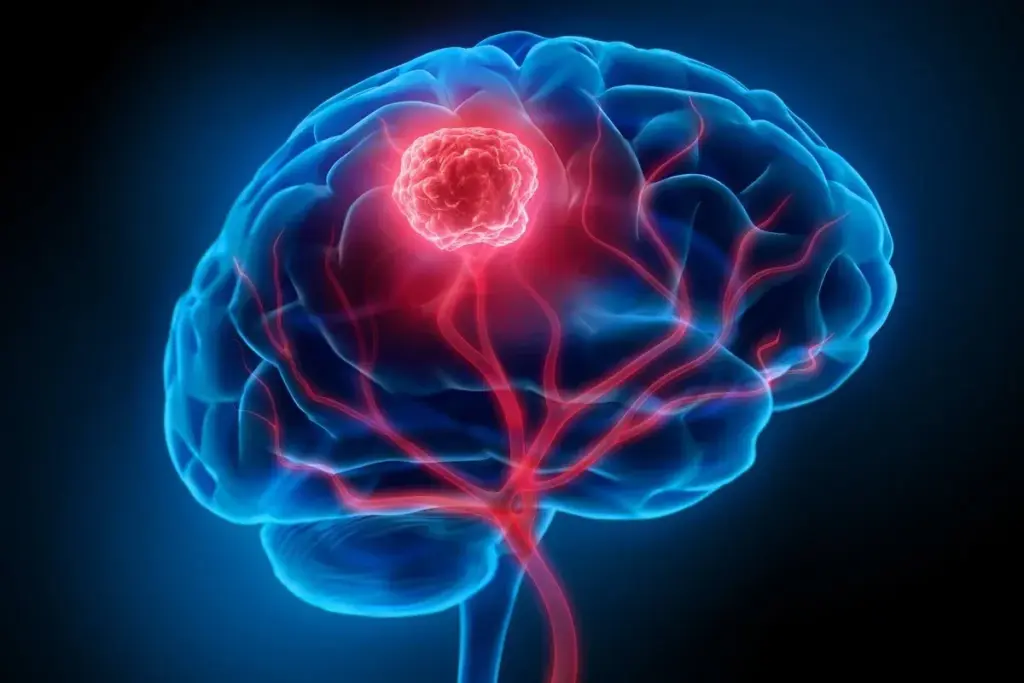
Brain tumors are ranked from 1 to 4. This ranking shows how fast they grow and if they can spread. Knowing about brain cancer and its types is key. It helps figure out the outlook and treatment choices.
Not every brain tumor is deadly. Some are harmless. Even the bad ones, thanks to new medical discoveries, can be treated better now.
A brain tumor and its diagnosis can be scary. Discover hopeful survival rates and the latest medical breakthroughs in brain cancer care.
Key Takeaways
- The grading of brain tumors helps determine the prognosis.
- Not all brain tumors are terminal or life-threatening.
- Understanding the type and nature of brain cancer is critical for treatment.
- Advancements in medical science have improved treatment outcomes for brain cancer.
- The prognosis varies a lot based on the tumor’s grade and type.
Understanding Brain Tumors
Brain tumors are abnormal growths in the brain. They can be either benign or malignant. Their location and impact on brain function are key factors.
Definition and Basic Concepts
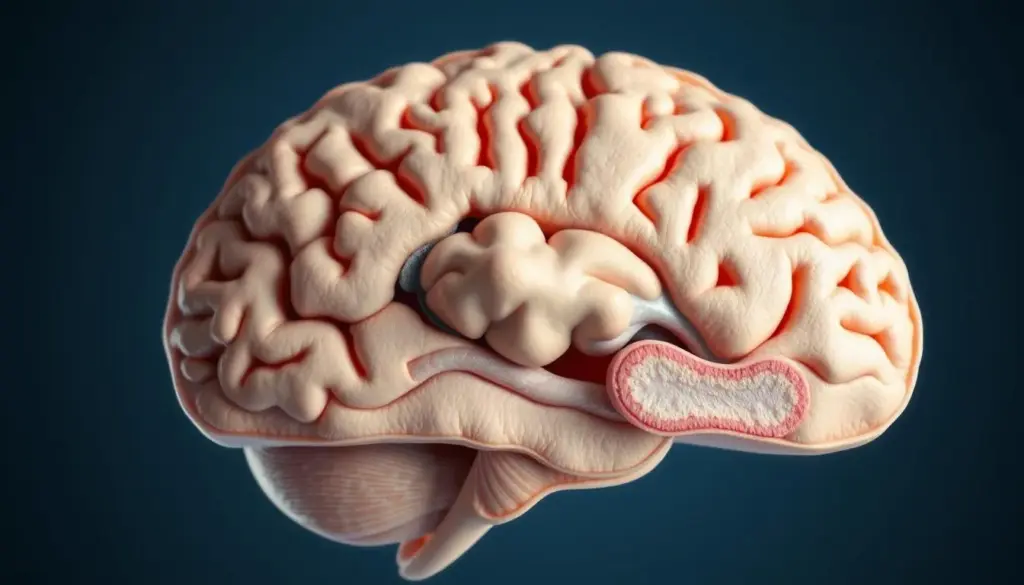
A brain tumor grows without control in the brain. It can be benign, or non-cancerous, or malignant, which means it’s cancerous. Tumors are usually called brain cancer if they are grade 3 or 4. These tumors grow fast and can spread in the brain.
It’s important to understand brain tumors to know how to diagnose and treat them. Even benign tumors can cause health problems because of where they are in the brain.
How Brain Tumors Differ from Other Cancers
Brain tumors are different from other cancers because of where they are. They can press on or invade brain tissue. This can lead to many neurological problems.
The grading of brain tumors is very important. Tumors are graded from 1 to 4, with higher numbers meaning they are more aggressive. Knowing if a tumor is benign or malignant helps doctors decide on treatment and what the future might hold.
Types of Brain Tumors
It’s important to know about the different types of brain tumors. This knowledge helps in managing and treating them effectively. Brain tumors can be classified based on where they start and how they behave.
Primary Brain Tumors
Primary brain tumors start in the brain itself. They can be either benign or malignant. Each type has its own characteristics and effects on patients.
Common Types of Primary Brain Tumors:
- Gliomas: These tumors come from the brain’s glial cells. They are the most common in adults.
- Meningiomas: These tumors grow in the meninges, the brain and spinal cord’s covering. Most are benign.
- Medulloblastomas: These are very aggressive tumors in the cerebellum, mainly in children.
- Pineoblastomas: Rare and aggressive tumors in the pineal gland, a small gland in the brain.
|
Type of Tumor |
Origin |
Malignancy |
|---|---|---|
|
Gliomas |
Glial cells |
Variable |
|
Meningiomas |
Meninges |
Mostly benign |
|
Medulloblastomas |
Cerebellum |
Malignant |
|
Pineoblastomas |
Pineal gland |
Malignant |
Secondary (Metastatic) Brain Tumors
Secondary brain tumors come from cancer cells spreading to the brain. They are more common than primary tumors. They often start from cancers like lung, breast, and melanoma.
Characteristics of Secondary Brain Tumors:
- They are usually malignant, as they come from cancerous cells.
- Often multiple, not just one tumor.
- Can be found anywhere in the brain.
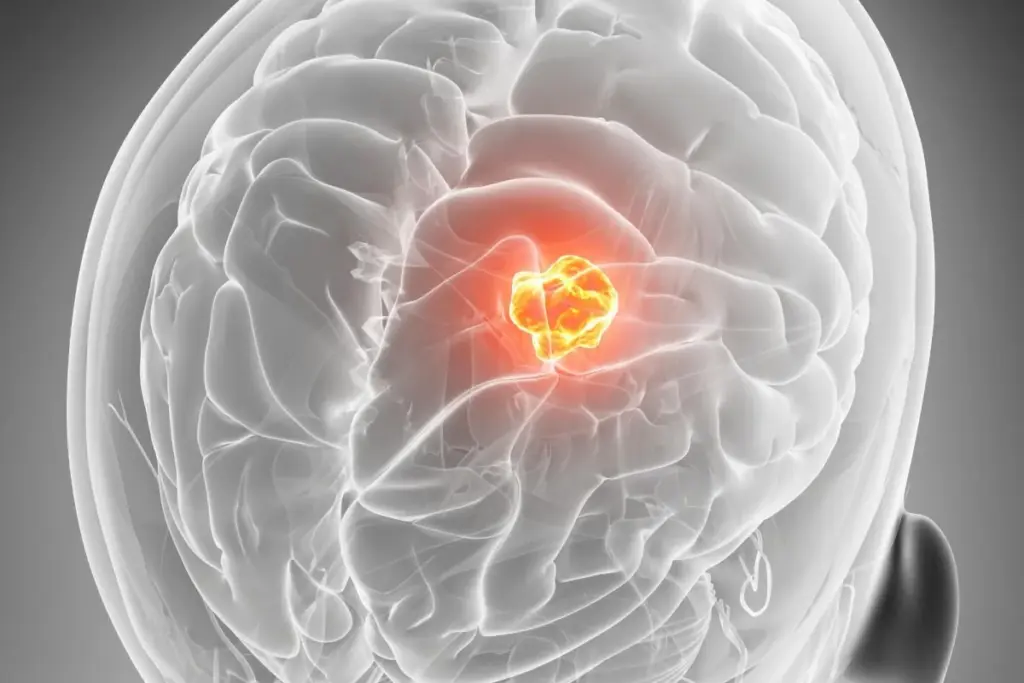
Knowing if a brain tumor is primary or secondary is key for treatment. With over 130 types of brain tumors, diagnosis and treatment are complex.
Benign vs. Malignant Brain Tumors
Brain tumors fall into two main types: benign and malignant. Each has its own traits and affects treatment choices. Knowing the differences is key to finding the right treatment.
Characteristics of Benign Tumors
Benign brain tumors grow slowly and don’t usually spread. They can be removed by surgery because they are usually contained. But, they can cause problems if they press on important brain areas.
Key features of benign brain tumors include:
- Slow growth rate
- Less invasive
- Often encapsulated
- Less likely to recur after removal
Characteristics of Malignant Tumors
Malignant brain tumors grow fast and are aggressive. They spread to other brain areas, making surgery hard. They also come back more often. Knowing what brain cancer is and its aggressive types is vital for treatment.
Key features of malignant brain tumors include:
- Rapid growth rate
- Invasive nature
- Higher likelihood of recurrence
- Potential to spread to other parts of the central nervous system
The difference between benign and malignant tumors greatly affects treatment and outcome. Cancers of the brain that are malignant need stronger treatments like surgery, radiation, and chemotherapy.
Grading System for Brain Tumors
The World Health Organization (WHO) grading system is key for sorting brain tumors by how aggressive they are.
It divides brain tumors into four grades. Grade I is the least aggressive, and Grade IV is the most. This system helps doctors choose the best treatment and guess how well a patient will do.
Grade I and II Tumors
Grade I and II tumors are low-grade. They grow slowly and are not very aggressive.
- Grade I tumors are usually benign and grow very little.
- Grade II tumors grow slowly but might come back and get worse over time.
Treatment for these tumors often includes surgery. Sometimes, doctors also suggest radiation or chemotherapy.
Grade III and IV Tumors
Grade III and IV tumors are high-grade. They are more aggressive and have a poorer outlook than low-grade tumors.
- Grade III tumors are malignant and grow faster.
- Grade IV tumors are the most aggressive and grow the fastest, needing strong treatment.
For Grade III and IV tumors, doctors usually use a mix of surgery, radiation, and chemotherapy.
Knowing the grade of a brain tumor is vital for picking the right treatment and predicting how well a patient will do. The WHO grading system offers a clear way to classify brain tumors by how aggressive they are.
Common Types of Brain Tumors and Their Prognosis
Brain tumors fall into two main groups: gliomas and non-glioma tumors. Each group has its own features.
Gliomas
Gliomas start from the brain’s glial cells. They vary in severity, from low-grade to high-grade. Glioblastoma is the most severe.
Low-grade gliomas grow slowly. They might be watched or treated with surgery, radiation, or chemotherapy. On the other hand, high-grade gliomas, like glioblastoma, are very aggressive and need strong treatment.
|
Type of Glioma |
Grade |
Prognosis |
|---|---|---|
|
Low-grade Glioma |
I, II |
Favorable, with a chance for long-term survival |
|
High-grade Glioma |
III, IV |
Poor, with short survival even with aggressive treatment |
Non-Glioma Tumors
Non-glioma tumors include medulloblastomas, pineoblastomas, and meningiomas. These tumors come from different cells and act differently.
Medulloblastomas are common in kids and are very aggressive. They need surgery, radiation, and chemotherapy.
- Medulloblastomas: Common in children, aggressive, and need a lot of treatment.
- Pineoblastomas: Rare, aggressive tumors in the pineal gland, often needing intense therapy.
- Meningiomas: Usually not cancerous, coming from the meninges, often treated with surgery or watched.
The outlook for non-glioma tumors varies a lot. It depends on the tumor type, grade, and the patient’s health.
Brain Tumor and Survival Rates
Survival rates for brain cancer patients depend on several factors. These include the type and grade of the tumor. Knowing these statistics helps patients and healthcare providers make better decisions about treatment and care.
Five-Year Survival Statistics
The five-year survival rate is a key metric for cancer patients. For brain tumor patients, this rate varies a lot. The overall five-year survival rate for all brain tumors is about 40%.
But, this rate can be as low as 5% for high-grade gliomas. On the other hand, it can be over 90% for certain low-grade tumors.
Table: Five-Year Survival Rates for Different Types of Brain Tumors
|
Tumor Type |
Grade |
Five-Year Survival Rate |
|---|---|---|
|
Glioblastoma |
IV |
5-10% |
|
Anaplastic Astrocytoma |
III |
20-30% |
|
Low-Grade Glioma |
I-II |
50-90% |
|
Meningioma |
I |
80-90% |
Factors Affecting Survival
Several factors affect brain tumor survival rates. These include the tumor type and grade, the patient’s age and health, and the treatment’s effectiveness. For example, younger patients with low-grade tumors usually have better survival rates than older patients with high-grade tumors.
Key Factors Influencing Survival:
- Tumor type and grade
- Patient’s age
- Overall health of the patient
- Effectiveness of treatment
- Tumor location and size
Understanding these factors is key to developing effective treatment plans. It helps improve survival rates for brain tumor patients.
Factors That Influence Prognosis
Brain tumor prognosis is complex. It looks at many patient and tumor traits. Knowing these factors helps doctors choose the right treatment and guess the outcome.
Tumor Location and Size
The spot and size of a brain tumor greatly affect the prognosis. Tumors in hard-to-reach places or near vital brain areas are tougher to treat.
- Tumors near the brainstem or other key spots might have a worse outlook because of surgery risks.
- Bigger tumors are often more aggressive. They might need stronger treatments.
Patient Age and Overall Health
Patient age and health are key in figuring out prognosis. Older folks or those with health issues face extra hurdles in treatment.
Important points include:
- Older patients might not handle some treatments as well.
- Those with other health problems might need special treatment plans.
Genetic and Molecular Markers
Genetic and molecular markers are vital in understanding brain tumor prognosis. Some genetic changes can affect how the tumor grows and reacts to treatment.
For instance:
- IDH1 and IDH2 mutations in gliomas are linked to a better outlook.
- MGMT promoter methylation status can show how well a tumor will respond to chemo.
Diagnosis of Brain Tumors
Diagnosing brain tumors is a detailed process. It starts with noticing symptoms and is confirmed by various tests. Getting the diagnosis right is key to choosing the right treatment.
Symptoms and Warning Signs
The signs of a brain tumor can differ a lot. This depends on where, how big, and what type the tumor is. Common signs include headaches that don’t go away, seizures, and changes in how you think or act.
Key symptoms to watch out for:
- Headaches that worsen over time
- Seizures or convulsions
- Nausea or vomiting
- Vision changes or double vision
- Difficulty with speech or understanding language
- Weakness or numbness in the limbs
Diagnostic Procedures and Tests
After noticing symptoms, tests are done to confirm a brain tumor. These tests help understand the tumor’s details.
Common diagnostic procedures include:
|
Diagnostic Test |
Description |
|---|---|
|
MRI (Magnetic Resonance Imaging) |
Provides detailed images of the brain, helping to identify tumors and their exact location. |
|
CT Scan (Computed Tomography) |
Uses X-rays to create images of the brain, useful for emergency situations or when MRI is not available. |
|
Biopsy |
Involves removing a sample of tumor tissue for pathological examination to determine the tumor type and grade. |
These tests are vital for creating a treatment plan that fits the patient’s needs.
Treatment Options for Brain Tumors
It’s important for patients and their families to know about brain tumor treatments. The right treatment depends on the tumor’s type, size, and where it is. It also depends on the patient’s health.
A well-known neurosurgeon, once said,
“The key to successful brain tumor treatment lies in a multidisciplinary approach, combining the expertise of neurosurgeons, oncologists, and radiologists.”
Surgery
Surgery is often the first step for many brain tumors. The goal is to remove as much of the tumor as possible. This helps keep the brain tissue safe. New surgical techniques, like intraoperative MRI and awake craniotomy, have made surgery better.
Radiation Therapy
Radiation therapy uses high-energy beams to kill tumor cells. It’s used when surgery isn’t possible or when patients can’t have surgery. There are different types, like external beam radiation therapy and stereotactic radiosurgery.
Chemotherapy
Chemotherapy uses drugs to kill tumor cells. It can be taken by mouth or through an IV. It’s often used with surgery and/or radiation therapy. The choice of drugs depends on the tumor type and grade.
Targeted Therapy and Immunotherapy
Targeted therapy and immunotherapy are new ways to treat brain tumors. Targeted therapy uses drugs that target specific tumor molecules. Immunotherapy boosts the body’s immune response against tumor cells. These treatments offer hope for some patients.
In conclusion, treating brain tumors needs a detailed plan. Each patient’s situation is unique. Knowing the treatment options helps patients make informed decisions about their care.
Advances in Brain Tumor Treatment
Recent breakthroughs in precision medicine are changing how we treat brain tumors. This progress comes from a better understanding of the genetic and molecular causes of these cancers.
Precision Medicine Approaches
Precision medicine means treating each patient’s tumor based on its unique characteristics. This method has led to the creation of targeted therapies that fight brain tumors more effectively.
Key aspects of precision medicine in brain tumor treatment include:
- Genetic profiling of tumors to identify targets for therapy
- Advanced imaging to track how well treatments work
- Creating personalized treatment plans based on molecular details
Emerging Therapies and Clinical Trials
New therapies like immunotherapy and novel chemotherapies are being tested in clinical trials. These trials are key to figuring out if these treatments are safe and work well.
|
Therapy Type |
Description |
Potential Benefits |
|---|---|---|
|
Immunotherapy |
Boosts the body’s immune system to fight cancer |
Targeted approach with potentially fewer side effects |
|
Targeted Therapy |
Targets specific molecules involved in cancer growth |
More precise treatment with reduced harm to healthy cells |
|
Novel Chemotherapy |
New chemical agents designed to combat cancer cells |
Potential for improved efficacy and reduced resistance |
Joining clinical trials gives patients a chance to try new treatments. It also helps advance brain tumor treatment, benefiting future patients.
Living with a Brain Tumor Diagnosis
Getting a brain tumor diagnosis is tough. It takes a lot of strength, support, and understanding. Patients and their families face many challenges, from medical to emotional and practical ones.
Quality of Life Considerations
Keeping a good quality of life is key when you have a brain tumor. It’s about managing symptoms, dealing with treatment side effects, and handling the emotional impact of the diagnosis.
Symptom Management: Managing symptoms well is important for a better life. This might include medicines, physical therapy, and other plans made just for you.
“The goal of treatment is not just to extend life, but to improve the quality of the time we have.” –
A healthcare professional’s perspective
- Regular monitoring and adjustments to treatment plans
- Support from healthcare professionals, family, and friends
- Engagement in activities that bring joy and fulfillment
Support Systems and Resources
Having a strong support system is essential. This includes doctors, support groups, and resources for emotional, practical, and financial help.
|
Support System |
Description |
Benefits |
|---|---|---|
|
Healthcare Providers |
Medical professionals who provide treatment and care |
Expert medical guidance, treatment options |
|
Support Groups |
Groups of individuals with similar experiences |
Emotional support, shared understanding, coping strategies |
|
Online Resources |
Websites, forums, and organizations providing information and help |
Access to information, community connection, practical advice |
Using these support systems can really help improve life for those with a brain tumor.
By focusing on quality of life and using available support, people can handle the challenges of a brain tumor diagnosis better.
Recurrence and Long-term Monitoring
Brain tumor recurrence is a big worry for patients and doctors. It needs a detailed follow-up care plan. Even if a tumor seems harmless at first, it can come back and cause serious problems.
Risk of Recurrence
The chance of a tumor coming back depends on several things. These include the tumor type, its grade, and how well it was treated. High-grade tumors are more likely to come back than low-grade ones. Knowing this helps set realistic hopes and plan the right follow-up care.
Follow-up Care and Surveillance
Keeping an eye on a tumor over time is key to managing it. This means regular imaging studies like MRI or CT scans. Doctors also watch for any signs of the tumor growing back or for any changes in the brain.
Each patient’s follow-up care is customized. It considers the tumor’s specific traits and the patient’s overall health. Personalized care helps make sure patients get the best monitoring. This improves their chances of a good outcome and a better quality of life.
Good long-term monitoring also means working together. Neurosurgeons, oncologists, radiologists, and others team up. This ensures patients get all-around care.
What Causes Brain Cancer
The exact causes of brain cancer are not fully understood. But, research has found several risk factors. Knowing these factors helps in preventing and treating brain cancer.
Known Risk Factors
Several factors increase the risk of brain cancer. These include genetic predisposition and exposure to radiation.
- Genetic Predisposition: Certain genetic syndromes, like Li-Fraumeni syndrome and neurofibromatosis, raise the risk of brain tumors.
- Exposure to Radiation: Ionizing radiation, including X-rays and radiation therapy, increases the risk of brain cancer.
Other risk factors are being studied, like exposure to certain chemicals and electromagnetic fields. But, more research is needed to understand these fully.
|
Risk Factor |
Description |
Level of Risk |
|---|---|---|
|
Genetic Predisposition |
Presence of certain genetic syndromes |
High |
|
Exposure to Radiation |
Ionizing radiation from sources like X-rays and radiation therapy |
Moderate to High |
|
Chemical Exposure |
Exposure to certain chemicals in the environment or workplace |
Unclear |
Myths and Misconceptions
There are many myths about brain cancer causes. For example, some think mobile phone use causes brain cancer. Early studies suggested a link, but more recent research has not confirmed it.
It’s important to rely on credible sources to understand real risk factors. This helps avoid spreading myths.
Brain Tumors in Children vs. Adults
It’s important to know the differences between brain tumors in kids and adults. This knowledge helps doctors create better treatment plans. Brain tumors in children and adults have different types, locations, and how they react to treatment.
Pediatric Brain Tumors
Pediatric brain tumors are different from those in adults. They include medulloblastomas, gliomas, and craniopharyngiomas. These tumors often grow in different parts of the brain than adult tumors.
Treatment for kids with brain tumors usually involves surgery, chemotherapy, and radiation. It’s tailored to the child’s needs and the tumor’s characteristics.
Adult-Onset Brain Tumors
Adult brain tumors, like glioblastomas, meningiomas, and acoustic neuromas, have unique features. The treatment for adults depends on the tumor type, grade, and location. It also considers the patient’s overall health.
Adults with brain tumors might get surgery, radiation, or chemotherapy. New treatments like targeted therapy and immunotherapy offer hope for better outcomes.
|
Characteristics |
Pediatric Brain Tumors |
Adult-Onset Brain Tumors |
|---|---|---|
|
Common Types |
Medulloblastomas, Gliomas, Craniopharyngiomas |
Glioblastomas, Meningiomas, Acoustic Neuromas |
|
Treatment Approaches |
Surgery, Chemotherapy, Radiation Therapy |
Surgery, Radiation Therapy, Chemotherapy, Targeted Therapy |
|
Prognosis Factors |
Tumor Type, Age, Overall Health |
Tumor Grade, Location, Patient Health |
Comparing pediatric and adult brain tumors shows the need for age-specific treatments. It also highlights the importance of ongoing research into brain tumors in different age groups.
When Is a Brain Tumor Considered Terminal?
A “terminal brain tumor” means the cancer has grown too far for treatments to work. At this stage, care shifts to making the patient’s life better, not curing the cancer.
Definition of Terminal Cancer
Terminal cancer, like brain tumors, can’t be cured. It’s when the cancer has spread too much. Doctors look at the tumor’s type, how fast it grows, and how it responds to treatments to decide if it’s terminal.
What makes a brain tumor terminal includes:
- The tumor’s aggressiveness and growth rate
- The tumor’s location and its impact on brain function
- The patient’s overall health and age
- The effectiveness of previous treatments
Palliative Care Approaches
Palliative care helps manage symptoms and pain of serious illnesses like terminal brain tumors. It aims to improve life quality for patients and their families. It’s given alongside treatments but focuses more when cancer is terminal.
Palliative care for terminal brain tumor patients may include:
- Symptom management, like pain relief and nausea control
- Psychological support, including counseling and therapy
- Spiritual support, addressing spiritual needs
- Support with decision-making and advance care planning
The National Cancer Institute says, “Palliative care is key for serious illnesses, including cancer.” It focuses on the patient’s physical, emotional, and social needs.
In summary, a brain tumor is terminal when treatments fail. Palliative care then focuses on improving life quality. Knowing about terminal cancer and palliative care helps patients and families during tough times.
Conclusion
Getting a brain tumor diagnosis can change your life. It’s important to know about the condition for patients and their families. This article has given a detailed look at brain tumors, including types, grading, and treatments.
It’s key to remember that not all brain tumors are fatal. The outlook depends on the tumor type, where it is, and the patient’s health. Thanks to new medical tech and treatments, many people live longer and better lives.
In summary, a brain tumor diagnosis is tough, but knowing about it helps. Understanding the condition and its treatments lets patients make better choices. By staying informed and getting help from doctors and support groups, people can face brain tumor challenges head-on.
FAQ
What is a brain tumor?
A brain tumor is an abnormal growth of cells in the brain. It can be benign or malignant. Tumors can start in the brain or spread from another part of the body.
What causes brain cancer?
The exact causes of brain cancer are not fully understood. Known risk factors include radiation exposure, certain genetic conditions, and a family history of brain tumors. Research is ongoing to find more risk factors.
Are all brain tumors cancerous?
No, not all brain tumors are cancerous. Benign tumors are non-cancerous and usually don’t spread. Malignant tumors are cancerous and can spread to other parts of the brain.
What is the difference between a primary and secondary brain tumor?
Primary brain tumors start in the brain. Secondary (metastatic) tumors spread to the brain from another part of the body, like the lung or breast.
How are brain tumors graded?
Brain tumors are graded based on their characteristics. The World Health Organization (WHO) grading system ranges from Grade I (least aggressive) to Grade IV (most aggressive).
What are the symptoms of a brain tumor?
Symptoms of a brain tumor vary. They include headaches, seizures, weakness or numbness in the limbs, and changes in speech or vision. Personality or cognitive function changes can also occur.
How are brain tumors diagnosed?
Brain tumors are diagnosed with imaging tests like MRI or CT scans. Sometimes, a biopsy is needed to examine the tumor tissue. Neurological exams also assess cognitive and motor functions.
What are the treatment options for brain tumors?
Treatment options vary based on the tumor type, grade, and location. They include surgery, radiation therapy, chemotherapy, targeted therapy, or a combination of these. The patient’s overall health is also considered.
Can brain cancer be cured?
The cure possibility depends on the tumor type and grade, and the effectiveness of treatment. Some benign or low-grade tumors can be cured. Others may need ongoing management.
What is the prognosis for brain tumor patients?
Prognosis varies widely. It depends on the tumor type, grade, location, and patient health. Survival rates are generally better for benign or low-grade tumors and those who receive timely and effective treatment.
Are brain tumors in children different from those in adults?
Yes, brain tumors in children and adults differ. Pediatric brain tumors require specialized care. Treatment plans are tailored to the child’s specific needs and developmental stage.
What is palliative care for brain tumor patients?
Palliative care aims to relieve symptoms, pain, and stress of a serious illness like a brain tumor. It improves quality of life for patients and their families, even when the tumor is terminal.
Can brain tumors recur after treatment?
Yes, brain tumors can recur after treatment. The risk depends on the tumor type, grade, and treatment effectiveness. Regular follow-up care and monitoring are key to detect recurrence early.
National Center for Biotechnology Information. Evidence-Based Medical Insight. Retrieved from https://pubmed.ncbi.nlm.nih.gov/34185076/