

Are your headaches just a normal pain or something more serious? It’s important to know the difference, and brain tumor headaches are no exception. At Liv Hospital, we teach you how to spot the signs that mean you might have a brain tumor.
Persistent and worsening headaches are a warning sign. These headaches often get worse in the early morning or at night. Knowing this can help you decide when to see a doctor. We’ll look at the 7 key signs of brain tumor headaches, so you can take care of your health.
Key Takeaways
- Identify the distinct characteristics of brain tumor headaches.
- Understand the importance of seeking medical attention.
- Learn about the 7 key signs that distinguish tumor headaches.
- Discover how Liv Hospital’s expert approach ensures trustworthy answers.
- Recognize the significance of early morning or nighttime headaches.
What You Need to Know About Brain Tumor Headaches
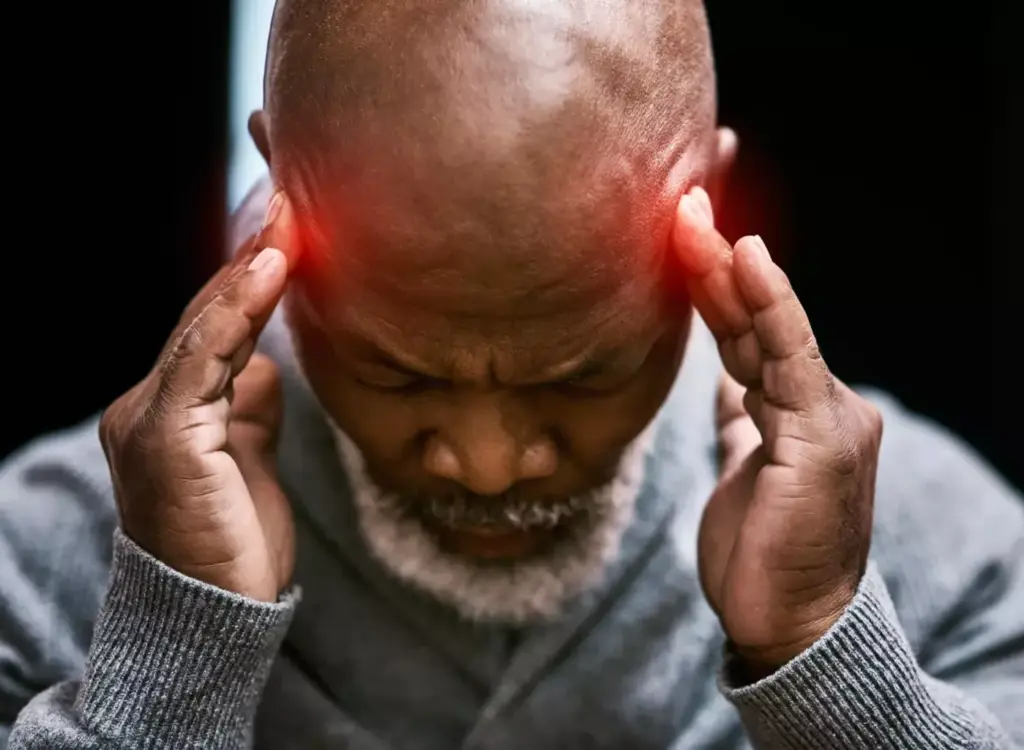
Brain tumor headaches are different from other headaches. It’s important for both patients and doctors to know these differences. This helps spot the signs of a brain tumor early.
The Nature of Brain Tumor Headaches
These headaches feel like dull pressure. They can get worse when you cough, sneeze, or bend over.
The pain comes from the tumor pressing on the brain or raising pressure inside the skull.
Prevalence Among Brain Tumor Patients
Many brain tumor patients get headaches. Research shows that a big number of them notice headaches early on.
| Tumor Type | Prevalence of Headaches |
|---|---|
| Meningioma | 40-60% |
| Glioma | 30-50% |
| Metastatic Tumors | 20-40% |
Knowing about brain tumor headaches is key for early treatment. These headaches often show unique signs that need a doctor’s check-up.
The Science Behind Brain Tumor Headaches
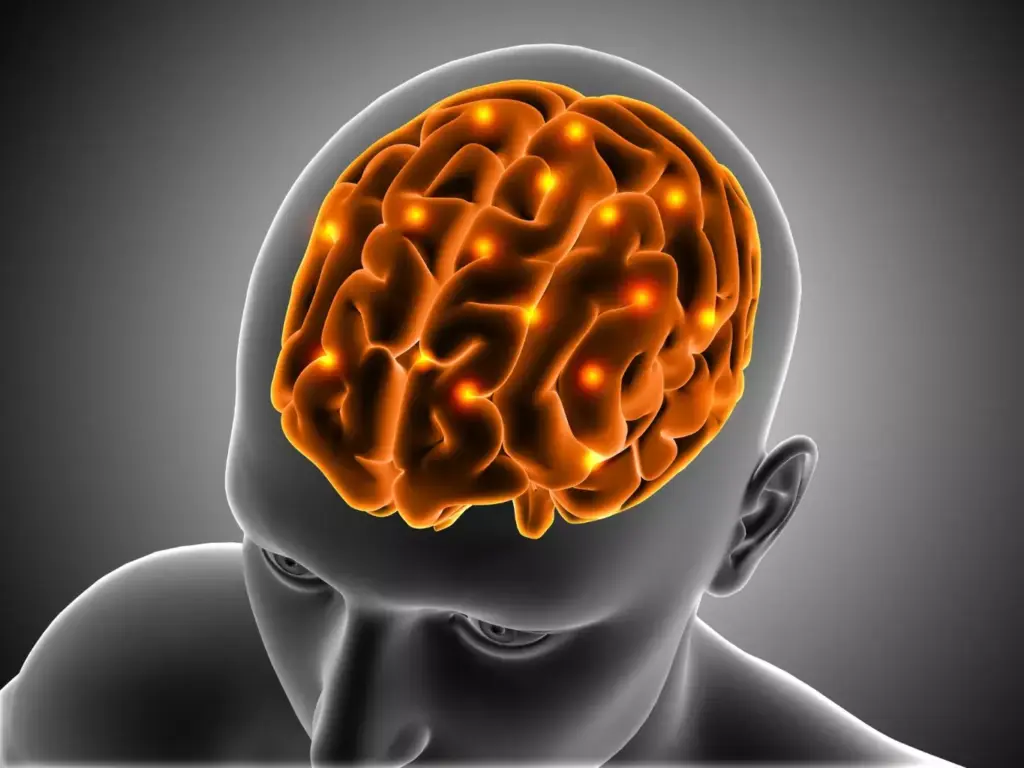
Even though the brain doesn’t have pain receptors, brain tumors can cause a lot of head pain. It’s important for patients and doctors to understand how this happens to manage headaches better.
How Tumors Cause Head Pain
Tumors can press on tissues and structures in the brain, causing pain. As they grow, they can push against blood vessels, nerves, and the meninges. The meninges are protective membranes around the brain and spinal cord.
The brain itself does not have pain receptors. But the areas around it do. When a tumor grows, it can change the brain’s shape. This can irritate pain-sensitive areas, leading to headaches.
The Role of Intracranial Pressure
Increased intracranial pressure (ICP) is another key factor in brain tumor headaches. As a tumor grows, it takes up more space in the skull. This can raise the pressure inside the skull, causing headaches, nausea, and vomiting.
Managing increased ICP is vital in treating brain tumor headaches. Doctors use various methods to reduce pressure and ease symptoms.
It’s key to understand why brain tumor headaches happen to create effective treatments. By focusing on tumor growth and increased ICP, doctors can offer better therapies. This helps manage headaches and improves patient care.
Key Sign #1: Persistent and Progressive Pain
Brain tumor headaches are known for their ongoing and getting worse pain. This is different from usual headaches. Headaches are common, but some patterns can mean something serious is going on.
Looking at headaches, their length and how they change is key. Unlike usual headaches, brain tumor headaches don’t go away with rest or medicine. They keep coming back and get worse.
The Worsening Pattern Over Time
Brain tumor headaches get worse over time, which is a big warning sign. These headaches:
- Start happening more often
- Get more intense
- Last longer
This pattern is different from usual headaches. The pain from brain tumors grows and gets stronger. This usually means the tumor is getting bigger or changing.
How This Differs from Common Headache Patterns
Usual headaches, like tension headaches or migraines, follow a set pattern. They might be caused by certain things and usually get better with treatment. But brain tumor headaches:
- Don’t always have a clear cause
- Don’t usually get better with common headache meds
- Can change in how they feel and where they hurt
Knowing these differences helps figure out if a headache is just a headache or something more. If headaches keep getting worse, it’s important to see a doctor. Early diagnosis can really help with treatment.
Key Sign #2: Morning and Nighttime Intensity
Headaches from brain tumors often get worse in the early morning or at night. This pattern is different from other headaches. It helps doctors tell brain tumor headaches apart.
Why Brain Tumor Headaches Are Often Worst at Specific Times
The reason for these headaches getting worse at certain times is linked to pressure changes in the brain. When you lie down, pressure around the tumor goes up. This makes the headache worse. “The increase in intracranial pressure when in a recumbent position is a critical factor in the worsening of brain tumor headaches.”
At night, lying down for a long time keeps the pressure high. This makes the headache even more intense. As Dr.
“The positional impact on intracranial pressure is a critical aspect we consider when evaluating patients for possible brain tumors.”
This shows how important body position is for headache severity.
The Connection to Lying Down and Body Position
Lying down can raise brain pressure because of gravity’s effect on fluid and the tumor.
Knowing how body position affects headaches is key for diagnosing. Healthcare providers need to think about this when checking patients. Recognizing patterns like morning and nighttime intensity helps doctors decide what tests to run next.
Key Sign #3: Dull, Pressure-Like Pain Characteristics
Brain tumor headaches feel dull and pressure-like. This is different from other headaches. It’s important to know this to spot brain tumor headaches early.
Knowing about brain tumor headaches helps in finding them early. The quality and sensation of the pain are key. They help tell these headaches apart from others.
The Quality and Sensation of Brain Tumor Pain
The pain from brain tumor headaches is dull and feels like pressure. This is because the tumor makes the brain’s space tighter. It feels like your head is full or under pressure.
The sensation can vary based on the tumor’s size, location, and your health. But, the pain is usually dull and constant for many people.
| Pain Characteristic | Description |
|---|---|
| Dull and Pressure-like | Typically felt as a constant pressure or ache |
| Variable Intensity | Can range from mild to severe, often worsening over time |
| Location-dependent | May be localized or generalized, depending on the tumor’s location |
Location Patterns and Their Significance
The spot where brain tumor headaches occur can hint at the tumor’s location and type. Tumors in different spots can cause pain in specific head areas.
For example, tumors in the frontal lobe might cause pain in the front of the head. Tumors in the back of the brain can lead to pain at the base of the skull or neck. Knowing these patterns helps doctors diagnose better.
By spotting the dull, pressure-like pain and where it is, doctors can decide on the next steps. This includes more tests and treatment plans.
Key Sign #4: Aggravation by Physical Activities
Brain tumor headaches often get worse with certain physical activities. This can help tell them apart from other headaches. For example, coughing, sneezing, or bending over can make the pain worse.
How Coughing, Sneezing, and Bending Affect Pain
Physical activities can raise pressure inside the skull, making headaches worse. Coughing and sneezing can cause sudden pressure spikes. Bending over can also increase pressure, leading to more pain.
These actions might seem unrelated to headaches, but they can have a big impact on people with brain tumors. Knowing how these activities affect headaches helps both patients and doctors spot warning signs.
Understanding the Valsalva Maneuver Connection
The Valsalva maneuver involves contracting the diaphragm and closing the glottis, raising pressure inside the skull. Heavy lifting, straining during bowel movements, or coughing can be seen as forms of this maneuver. This increased pressure can make brain tumor headaches worse.
| Activity | Effect on Intracranial Pressure | Impact on Brain Tumor Headache |
|---|---|---|
| Coughing | Increases pressure | Worsens headache |
| Sneezing | Sudden increase in pressure | Intensifies pain |
| Bending Over | Alters pressure dynamics | Can exacerbate headache |
Knowing how physical activities affect brain tumor headaches is key to diagnosis and management. This understanding helps healthcare providers offer better support to those experiencing these symptoms.
“The relationship between intracranial pressure and headache pain is complex, and understanding how certain activities affect this pressure can be critical in diagnosing and managing brain tumor headaches.”
Key Sign #5: Accompanying Neurological Symptoms
Brain tumor headaches are not just random pains. They often come with other neurological symptoms. It’s important to look at these symptoms together to spot a tumor.
Nausea and Vomiting Associated with Brain Tumors
Nausea and vomiting are common with brain tumors. These happen because the tumor puts pressure on the brain. This pressure can cause many uncomfortable symptoms. Morning is often the worst time, as lying down makes the pressure worse.
Seizures, Vision Changes, and Cognitive Effects
Seizures are a big sign of brain tumors. The size and place of the tumor affect seizure chances. Vision problems like blurred or double vision are also signs. Memory issues, trouble focusing, and mood changes are other warning signs.
Other Neurological Warning Signs
Other symptoms include weakness, speech troubles, and hearing changes. These symptoms show how complex brain tumors are. They need a full check-up.
| Neurological Symptom | Description |
|---|---|
| Nausea and Vomiting | Often worse in the morning due to increased intracranial pressure |
| Seizures | Influenced by tumor location and size |
| Vision Changes | Includes blurred vision, double vision, or loss of peripheral vision |
| Cognitive Effects | Memory problems, difficulty concentrating, personality changes |
Spotting these symptoms early is key to treating brain tumors. We must watch for them and get people checked out fast.
Key Sign #6: Resistance to Standard Pain Medications
Headaches linked to brain tumors don’t get better with usual pain meds. This shows a serious issue that needs more checking. It’s a key sign to look into further.
Why Over-the-Counter Treatments Often Fail
OTC pain meds work for many headaches. But, brain tumor headaches don’t respond well. This is because they’re caused by more complex issues.
When Treatment Resistance Should Raise Concerns
If usual pain meds don’t help your headaches, see a doctor. Headaches that don’t get better could mean a serious problem, like a brain tumor. Look out for worsening headaches, new symptoms, or headaches with seizures or vision problems.
| Signs | Description |
|---|---|
| Resistance to OTC pain medications | Headaches not relieved by standard pain relief medications |
| Worsening headache patterns | Headaches that progressively worsen over time |
| New neurological symptoms | Symptoms such as seizures, vision changes, or cognitive effects |
Managing brain tumor headaches needs more than just pain meds. Doctors use special tests and treatments for each case. Knowing your headache’s cause is key to the right treatment.
In short, if your headaches don’t get better with usual meds, it might be a sign of something serious like a brain tumor. If you have bad and lasting headaches, get checked by a doctor. They can find out why and help with the treatment for brain tumor headaches.
Key Sign #7: Changes in Established Headache Patterns
Changes in headache patterns can signal a brain tumor. We often miss small changes in our bodies. But, changes in headaches are a big warning sign.
New-Onset Headaches in Adults Over 50
New headaches in adults over 50 are a big concern. They need quick medical check-ups. Unlike migraines or tension headaches, new ones in this age group might mean something serious, like a brain tumor.
Headaches in older adults can be caused by many things. Like increased pressure in the brain from a tumor. It’s key to find out why these headaches started.
Shifts in Pre-existing Headache Characteristics
Even if you’ve had headaches before, changes are a warning. This could be a change in how often, how bad, or new symptoms like nausea or seeing things that aren’t there.
If your usual migraine feels different or comes with new symptoms, see a doctor. These changes might mean something serious, like a brain tumor.
Keep an eye on your headache patterns and tell your doctor about any changes. This helps catch problems early. We stress the need to watch your health and get help if things seem off.
Comparing Brain Tumor Headaches with Other Headache Types
Brain tumor headaches have unique features that differ from other headaches. It’s important to know these differences to figure out if a headache might be from a brain tumor. We’ll look at how brain tumor headaches compare to migraines, cluster headaches, tension headaches, and sinus headaches. This will help us understand when a headache might need more investigation.
Differences from Migraines
Migraines are known for their intense, throbbing pain and often come with nausea, vomiting, and sensitivity to light and sound. Brain tumor headaches are different because they last longer and get worse over time. Migraines have specific triggers, like certain foods or hormonal changes, which brain tumor headaches don’t.
The question of whether brain tumors can cause migraines is complex. But, brain tumors can cause headaches that might look like migraines.
Distinctions from Cluster Headaches
Cluster headaches are very severe and cause one-sided pain, along with eye symptoms like tearing and redness. They happen in cycles, lasting weeks to months, then stop for a while. Brain tumor headaches don’t follow this pattern and can happen at any time.
The idea that cluster headaches might be a sign of a brain tumor is rare. But, it’s important to check any unusual or persistent headache patterns.
Contrast with Tension and Sinus Headaches
Tension headaches feel like a band around your head, often due to muscle tension or stress. Sinus headaches are linked to sinusitis and cause pain in the face, forehead, and cheeks. Brain tumor headaches can be mistaken for these, but they are usually more persistent and come with other neurological symptoms.
Telling apart a sinus headache and a brain tumor headache needs careful checking, as symptoms can be similar.
Knowing these differences is key to figuring out if a headache might be from a brain tumor. While most headaches aren’t from tumors, recognizing brain tumor headache signs can help people get medical help when needed.
Diagnosis and Treatment Options for Brain Tumor Headaches
Diagnosing brain tumor headaches needs a detailed approach. This includes many tests and imaging methods. Getting the right diagnosis is key to finding the best treatment and helping patients get better.
Diagnostic Procedures and Imaging
Doctors start by taking a detailed medical history and doing a physical check-up. They use Magnetic Resonance Imaging (MRI) and Computed Tomography (CT) scans to see the brain. These scans help find tumors or other issues.
MRI gives clear images of soft tissues, helping doctors understand the tumor’s size and location. CT scans are faster and more common, making them good for urgent cases.
Medical and Surgical Interventions
Treatment for brain tumor headaches depends on the tumor’s type, size, and where it is. Medical interventions might include corticosteroids to reduce swelling. Chemotherapy or targeted therapy might be used to shrink the tumor.
Surgical interventions are often needed to remove the tumor or relieve brain pressure. New neurosurgery methods, like minimally invasive techniques, have made surgery safer and recovery faster.
Pain Management Strategies
Managing brain tumor headaches involves many steps. This includes pharmacological treatments like painkillers and mood stabilizers. It also includes non-pharmacological interventions like relaxation techniques and therapy to help patients deal with pain.
Good pain management is vital for better patient outcomes. It helps people stay active and maintain their quality of life.
Conclusion: When to Seek Medical Attention
Knowing the signs of brain tumor headaches is key to getting medical help when needed. We’ve talked about seven important signs. These include pain that doesn’t go away, gets worse, and hurts more in the morning and at night.
Other signs include dull pain, pain that gets worse with activity, and other symptoms like weakness. Pain that doesn’t respond to usual treatments and changes in headache patterns are also signs. These can mean you might have a brain tumor.
It’s important to know these symptoms for brain tumor awareness. If you or someone you know has these signs, see a doctor right away. Early treatment can make a big difference.
We should all be careful about our health and watch for unusual headaches. If you notice any, get medical help. Together, we can improve health outcomes by being aware and seeking help when needed.
What are the common characteristics of brain tumor headaches?
Brain tumor headaches are often constant and get worse over time. They start in the morning and feel dull and like pressure. Activities like coughing or bending can make them worse.
How do brain tumor headaches differ from other types of headaches?
Brain tumor headaches are unique because they don’t go away and can get worse. They often don’t respond to usual pain medicines. They can also change how they feel over time.
Can brain tumors cause migraines or other types of headaches?
Brain tumors can cause headaches that might feel like migraines. But, the main cause is the tumor itself and how it affects the brain’s pressure.
What is the role of intracranial pressure in brain tumor headaches?
Intracranial pressure is key in brain tumor headaches. As a tumor grows, it can raise pressure in the skull. This leads to headache symptoms.
How are brain tumor headaches diagnosed?
Doctors use a patient’s history, physical check-ups, and imaging like MRI or CT scans to diagnose. These tests help find and locate the tumor.
What are the treatment options for brain tumor headaches?
Treatment varies based on the tumor’s type, location, and how it affects the person. Options include surgery, radiation, chemotherapy, and managing pain.
Can brain tumor headaches be managed with pain medications?
Pain medicines might help for a while, but brain tumor headaches often don’t respond well. If headaches keep getting worse, it’s important to see a doctor.
Are there any specific risk factors for developing brain tumor headaches?
Certain factors increase the risk of brain tumors, like genetics, radiation exposure, and some viral infections. Knowing these can help spot symptoms early.
How can I cope with brain tumor headaches?
Managing brain tumor headaches involves medical treatment, lifestyle changes, and support. Strategies like pain management, stress reduction, and rest can help.
When should I seek medical attention for headaches?
You should see a doctor if your headaches are persistent, severe, or getting worse. Also, if you have other symptoms like nausea, vomiting, or seizures.