At Liv Hospital, we know how tough brain stem cancer and glioma brain stem cancer can be. Tumors in this area can affect important functions. So, finding and treating them quickly is key.
Getting a glioblastoma of brain stem diagnosis can feel scary. Our team is here to help with all you need. Symptoms like headaches, facial weakness, and trouble with coordination are common.
Key Takeaways
- Understanding the symptoms of brain stem glioma is important for catching it early.
- Quick diagnosis is vital for better treatment results for brain stem cancer.
- Liv Hospital provides special care for patients with glioblastoma of brain stem.
- We create treatment plans that fit each patient’s needs.
- Advanced treatments are available for glioma brain stem cancer.
What Are Brain Stem Tumors and Why Are They Serious?
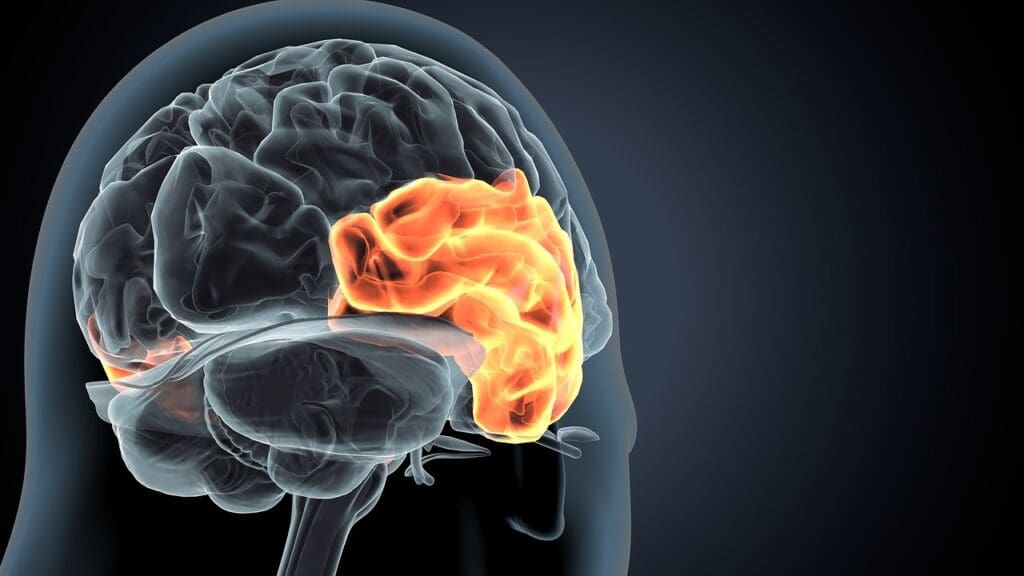
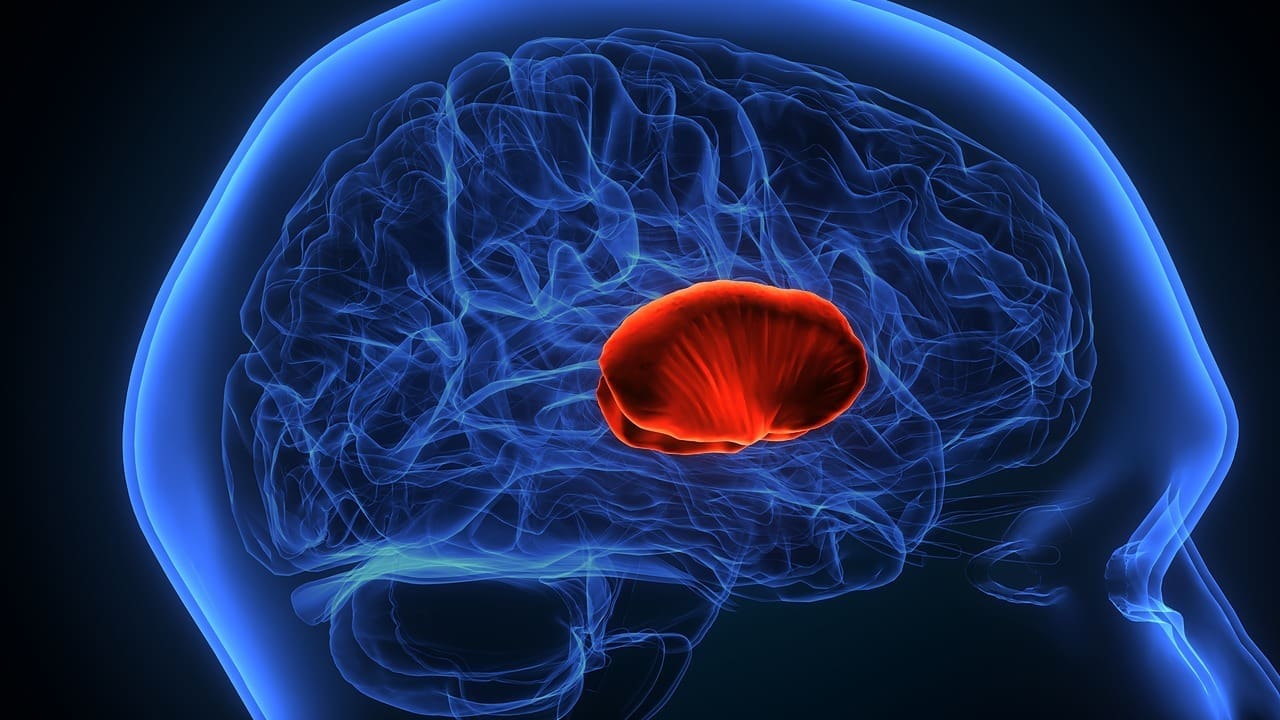
Tumors on the brain stem are serious because they affect important body functions. The brain stem connects the cerebrum to the spinal cord. It controls automatic functions like breathing, heart rate, and blood pressure.
Critical Functions of the Brain Stem
The brain stem controls breathing, heart rate, and blood pressure. It also manages sleep, eating, and swallowing. Any tumor can cause serious health problems.
Types of Brain Stem Tumors
Brain stem tumors can be benign or malignant. The most common is brainstem glioma. These tumors start from brain cells and can be aggressive.
Prevalence in Children and Adults
Brain stem tumors are rare in adults but common in children. Conditions like Neurofibromatosis Type 1 (NF1) raise the risk of brain stem gliomas. The type and prevalence of the tumor affect treatment and outcome.
| Age Group | Prevalence | Common Types |
|---|---|---|
| Children | More common | Brainstem gliomas |
| Adults | Rare | Glioma, Metastatic tumors |
Knowing the type and how common brain stem tumors are is key to finding the right treatment. We will look at diagnosis and treatment options next.
Brain Tumor on Brain Stem: Understanding Brainstem Gliomas
Gliomas in the brain stem, known as brainstem gliomas, are tough to deal with. They affect vital functions because of their location. These tumors happen in the brain stem, which controls automatic body functions like breathing and heart rate.
Definition and Classification of Brainstem Gliomas
Brainstem gliomas are sorted by their type and molecular makeup. They can be slow-growing or aggressive. Knowing the type is key to choosing the right treatment.
| Type of Glioma | Characteristics | Prognosis |
|---|---|---|
| Low-Grade Glioma | Slow-growing, less aggressive | Generally better prognosis |
| High-Grade Glioma | Fast-growing, more aggressive | Poorer prognosis |
Pediatric vs. Adult Presentation
Brainstem gliomas can happen in kids and adults, but they show up differently. Kids’ brainstem gliomas have unique genetic traits compared to adults’. Knowing these differences helps doctors plan better treatments.
Glioblastoma: The Most Aggressive Form
Glioblastoma is the most aggressive brainstem glioma. It grows fast and has a poor outlook. Glioblastoma of the brain stem is hard to treat because of its aggressive nature and location.
Why Location Matters for Prognosis
The spot where a brainstem glioma is located affects its outlook. Tumors in hard-to-reach spots or near important brain areas are tougher to treat. Being close to vital functions makes managing these tumors very complex.
9 Key Symptoms of Brain Stem Tumors to Watch For
Knowing the symptoms of brain stem tumors is key to better care. These tumors, like brainstem gliomas, can cause many neurological problems. We’ll look at nine important symptoms to watch for.
Persistent Headaches and Increased Intracranial Pressure
Headaches that won’t go away are a common sign. They happen because the tumor blocks cerebrospinal fluid flow. This causes pressure in the skull.
Facial Weakness and Numbness
Facial weakness or numbness can occur. The tumor affects the brain stem, which controls many nerves. This makes facial expressions and sensations hard.
Difficulty Swallowing (Dysphagia)
Dysphagia, or trouble swallowing, can happen. The tumor affects nerves that control swallowing. This can lead to poor nutrition and aspiration risks.
Double Vision and Other Visual Disturbances
Visual problems, like double vision, can occur. The tumor affects nerves that control eye movements. This can greatly affect daily life.
Limb Weakness and Motor Control Problems
Limb weakness and motor control issues can happen. The tumor presses on motor pathways in the brain stem. This makes coordination and balance hard.
Balance and Coordination Issues
Balance and coordination problems are common. The tumor affects the brain stem’s role in controlling these. Patients may have ataxia, or lack of muscle coordination.
Morning Nausea and Vomiting
Morning nausea and vomiting can occur. They happen due to increased intracranial pressure, often in the morning.
Hydrocephalus Development
Hydrocephalus, or fluid buildup in the brain, can happen. It’s a serious complication from brain stem tumors blocking fluid pathways.
Changes in Vital Functions (Breathing, Heart Rate)
In advanced cases, brain stem tumors can affect vital functions. They can impact breathing and heart rate. These changes can be life-threatening.
| Symptom | Description |
|---|---|
| Persistent Headaches | Due to increased intracranial pressure |
| Facial Weakness/Numbness | Affects facial expressions and sensations |
| Difficulty Swallowing | Leads to nutritional deficiencies and aspiration risk |
| Double Vision | Impacts daily activities and quality of life |
How Brain Stem Tumors Are Diagnosed
We use a detailed approach to find brain stem tumors. These tumors are hard to spot because they’re in a sensitive area. This area controls important functions.
Initial Symptom Evaluation
The first step is to check the patient’s symptoms. We look for signs like headaches, weakness in the face, trouble swallowing, and changes in vital signs. Early detection is key for good treatment.
Neurological Examination
We do a full check of the patient’s nerves. This includes looking at nerve function, muscle strength, balance, and reflexes. This helps us decide what tests to do next.
Imaging Studies: MRI and CT Scans
Imaging tests are very important for finding brain stem tumors. Magnetic Resonance Imaging (MRI) is best because it shows the brain stem clearly. Sometimes, Computed Tomography (CT) scans are used too, like in emergencies. These tests show the tumor’s size, where it is, and how it might affect nearby areas.
Biopsy Considerations and Limitations
Getting a biopsy might be an option for a diagnosis. But, biopsies for these tumors are tricky because of their location. There’s a risk of harming important brain areas. We decide on a biopsy based on the situation, weighing the benefits against the risks.
Treatment Step 1: Comprehensive Assessment and Planning
Effective treatment of brain stem tumors starts with a detailed evaluation and personalized planning. We know that each patient’s situation is different. A tailored approach is key for the best care.
Multidisciplinary Tumor Board Approach
Our team includes experts from neurosurgery, oncology, radiology, and pathology. This team works together to consider all aspects of the patient’s condition. This leads to a precise diagnosis and effective treatment plan.
Factors That Influence Treatment Decisions
Several factors affect treatment choices for brain stem tumors. These include the tumor’s type and grade, the patient’s age, health, and symptoms. We also look at the tumor’s location and its effect on the brain.
Creating a Personalized Treatment Plan
We use the information from the assessment to create a treatment plan for each patient. This plan might include radiation therapy, chemotherapy, or surgery. It depends on the patient’s specific situation.
By taking a detailed and personalized approach, we can enhance outcomes and improve quality of life for patients with brain stem tumors.
Treatment Step 2: Radiation Therapy Options
Radiation therapy is key in treating brain stem tumors. It offers various options based on each patient’s needs. This treatment aims to kill cancer cells, slow tumor growth, and ease symptoms.
Standard External Beam Radiation
Standard external beam radiation therapy (EBRT) is a common choice. It sends high-energy beams from outside the body to the tumor. This method helps target the tumor while protecting healthy tissues nearby.
Stereotactic Radiosurgery
Stereotactic radiosurgery (SRS) is a precise technique. It uses multiple beams to focus on the tumor, delivering a high dose of radiation. Even though it’s called “surgery,” SRS is non-invasive. It’s a good option for tumors in sensitive areas like the brain stem.
Proton Therapy Considerations
Proton therapy is a special form of radiation. It uses protons instead of X-rays, causing less damage to nearby tissues. This is very helpful for brain stem tumors, where precision is key.
Managing Radiation Side Effects
Radiation therapy can cause side effects like fatigue, hair loss, and swelling. We help patients manage these effects. This includes medication and supportive care to improve their quality of life during treatment.
By understanding the different radiation therapy options, we can create treatment plans that fit each patient’s needs. This approach optimizes outcomes and improves quality of life.
Treatment Step 3: Chemotherapy and Targeted Therapies
Chemotherapy and targeted molecular therapies are key in fighting brain stem tumors. They aim to kill cancer cells or slow them down. This helps improve how well patients do.
Standard Chemotherapy Protocols
For brain stem tumors, doctors use drugs that can get past the blood-brain barrier. Temozolomide is one such drug. We adjust the treatment plan based on the patient and the tumor.
Emerging Targeted Molecular Therapies
Targeted molecular therapies are a new hope. They target specific genetic changes in tumors. Bevacizumab is an example used in some treatments. We’re always looking for new ways to make treatments better.
Clinical Trials and Experimental Treatments
Clinical trials are vital for finding new treatments. We join and support trials for new drugs and treatments. These trials give patients access to cutting-edge treatments.
Side Effect Management
It’s important to manage side effects of treatments. We help patients deal with side effects. This way, they can keep up with their treatment plan.
Treatment Step 4: Surgical Interventions When Possible
Surgery is sometimes an option for brain stem tumors, but it’s not always the case. The choice to have surgery depends on the tumor’s size, location, and the patient’s health.
Limitations of Surgery for Brain Stem Tumors
Surgery for brain stem tumors is risky because it can harm important brain areas. The brain stem controls essential functions. So, surgery is usually only considered when the benefits are greater than the risks.
Surgical Approaches When Feasible
In some cases, stereotactic surgery or open surgery might be used. These methods try to remove as much tumor as possible while keeping the brain safe. The choice of surgery depends on the tumor and the patient’s health.
Procedures to Manage Complications
To deal with possible complications, doctors might use ventriculostomy to reduce fluid pressure
Recovery and Rehabilitation After Surgery
Recovery and rehabilitation are key parts of treatment. Patients go through a detailed program to get back lost functions and adjust to changes. This includes physical, occupational, and speech therapy for the best results.
Treatment Step 5: Supportive Care and Symptom Management
Supportive care is key in managing symptoms and improving life quality for brain stem tumor patients. It covers physical, emotional, and practical needs during treatment.
Medications for Symptom Control
Medicines are vital in controlling symptoms of brain stem tumors. They include corticosteroids to reduce swelling, anticonvulsants to stop seizures, and pain meds for discomfort. Good symptom control makes patients more comfortable and helps with other treatments.
Physical and Occupational Therapy
Physical and occupational therapy are important parts of supportive care. Physical therapy keeps or improves physical function. Occupational therapy helps patients adapt to their condition and stay independent in daily life.
Speech and Swallowing Therapy
Speech and swallowing therapy are helpful for those having trouble with speech or swallowing. These therapies improve communication and lower the chance of aspiration or malnutrition.
Psychological Support Services
Psychological support is vital for patients and their families. Counseling, support groups, and other services help deal with the emotional effects of a brain stem tumor diagnosis and treatment.
| Supportive Care Component | Benefits |
|---|---|
| Medications for Symptom Control | Reduces symptoms, improves comfort |
| Physical and Occupational Therapy | Maintains physical function, promotes independence |
| Speech and Swallowing Therapy | Improves communication, reduces risk of aspiration |
| Psychological Support Services | Copes with emotional impact, supports patients and families |
By adding these supportive care elements, healthcare providers can greatly improve the life quality of patients with brain stem tumors.
Living with a Brain Stem Tumor: Prognosis and Quality of Life
Living with a brain stem tumor means understanding the prognosis and managing symptoms. The outlook varies based on the tumor type, age, and other factors. We’ll look into these to give a clearer picture of what’s ahead.
Survival Rates by Tumor Type and Age
Survival rates for brain stem tumors change a lot. This depends on if the tumor is benign or malignant, and the patient’s age. For example, kids with diffuse intrinsic pontine glioma (DIPG) have a tougher time than those with lower-grade gliomas. Adults with certain brain stem gliomas might have different survival chances based on their health and tumor details.
“The prognosis for brain stem tumors is highly variable,” experts say. “This highlights the importance of personalized treatment plans.”
Long-term Side Effects of Treatment
Treatment for brain stem tumors can lead to long-term side effects. These include neurological deficits, cognitive changes, and speech and swallowing issues. It’s key to manage these side effects to keep quality of life high. We help patients through various supportive care measures.
Rehabilitation Strategies
Rehabilitation is key in helping patients recover and adapt to changes. This includes physical therapy for strength and mobility, occupational therapy for daily tasks, and speech therapy for communication. A customized rehabilitation plan can greatly improve a patient’s quality of life.
Support Resources for Patients and Families
Brain stem tumors affect not just the patient but their family too. It’s important to have access to support like counseling, support groups, and educational materials. We offer full support to help with the emotional and practical challenges of brain stem tumors.
Understanding the prognosis and using available support and rehabilitation strategies helps patients and families deal with the complexities of living with a brain stem tumor.
Conclusion
It’s important to know about brain stem cancer and tumors on the brain stem. We’ve looked at symptoms, how doctors diagnose, and treatment options for brain stem gliomas. Treatment often includes radiation therapy, with chemotherapy and supportive care helping manage symptoms.
At Liv Hospital, we aim to offer top-notch medical care. Our team works together to give you the best care, from start to finish. We understand brain stem tumors well, so we can tailor treatments to fit your needs.
Managing brain stem cancer needs both medical skill and care support. We’re dedicated to giving you the best healthcare, with full support for patients from abroad. Working together, we can make treatment better and improve your life quality.
What are the common symptoms of brain stem tumors?
Symptoms include headaches that won’t go away, weakness in the face, and trouble swallowing. You might also see double vision, weakness in your limbs, and balance problems. Morning nausea and changes in breathing and heart rate are also signs.
How are brain stem tumors diagnosed?
Doctors start by checking your symptoms and doing a thorough exam. They use MRI and CT scans for imaging. Sometimes, they might need to do a biopsy.
What are the treatment options for brain stem tumors?
Treatments include radiation therapy, chemotherapy, and targeted therapies. Surgery is an option when it’s safe. They also focus on managing symptoms.
What is the role of radiation therapy in treating brain stem tumors?
Radiation therapy is key in treating these tumors. It includes standard radiation, stereotactic radiosurgery, and proton therapy. Each has its own benefits and side effects.
Can surgery be performed on brain stem tumors?
Surgery is risky because of the brain’s delicate structures. But, in some cases, it’s possible. There are also ways to handle any complications that might arise.
What is the prognosis for patients with brain stem tumors?
The outlook depends on the tumor type, age, and other factors. Survival rates vary a lot between kids and adults, and among different tumors.
How do brain stem tumors affect quality of life?
These tumors and their treatment can really affect your life. There are long-term side effects. But, rehabilitation can help improve your quality of life.
What supportive care is available for patients with brain stem tumors?
Supportive care includes medicines for symptoms, physical therapy, and speech therapy. There’s also psychological support to help manage the tumor’s effects.
Are there clinical trials available for brain stem tumor treatments?
Yes, there are clinical trials for new treatments. They offer hope for patients and help advance treatment options.
What is glioblastoma, and how does it relate to brain stem tumors?
Glioblastoma is a very aggressive brain tumor. It’s the most common type of brain stem glioma. Its location in the brain stem makes treatment challenging.
How do brain stem gliomas differ between children and adults?
Brain stem gliomas act differently in kids and adults. The type of tumor, how aggressive it is, and how it responds to treatment vary. This means kids and adults need different approaches to diagnosis and treatment.
References
- UCSF Brain Tumor Center (Brainstem Glioma) : https://braintumorcenter.ucsf.edu/condition/brainstem-glioma
- National Brain Tumor Society (Signs and Symptoms) : https://braintumor.org/brain-tumors/diagnosis-treatment/signs-symptoms